The Roman emperor Nero holds a special place in history’s hall of infamy. He is known for assassinating several family members, performing on stage while forcing his subjects to applaud, ruthlessly persecuting early Christians, and even setting the city of Rome itself on fire. But while Nero no doubt had his flaws, was he really the monster that history remembers? Nero was vilified after his death as his successors had a vested interest in tarnishing the reputation of the last of the Julio-Claudian emperors to help justify the rise of the new imperial regime. But is it possible to separate fact from fiction when considering the life of Nero?
From Exile to Imperial Prince: Nero’s Early Years
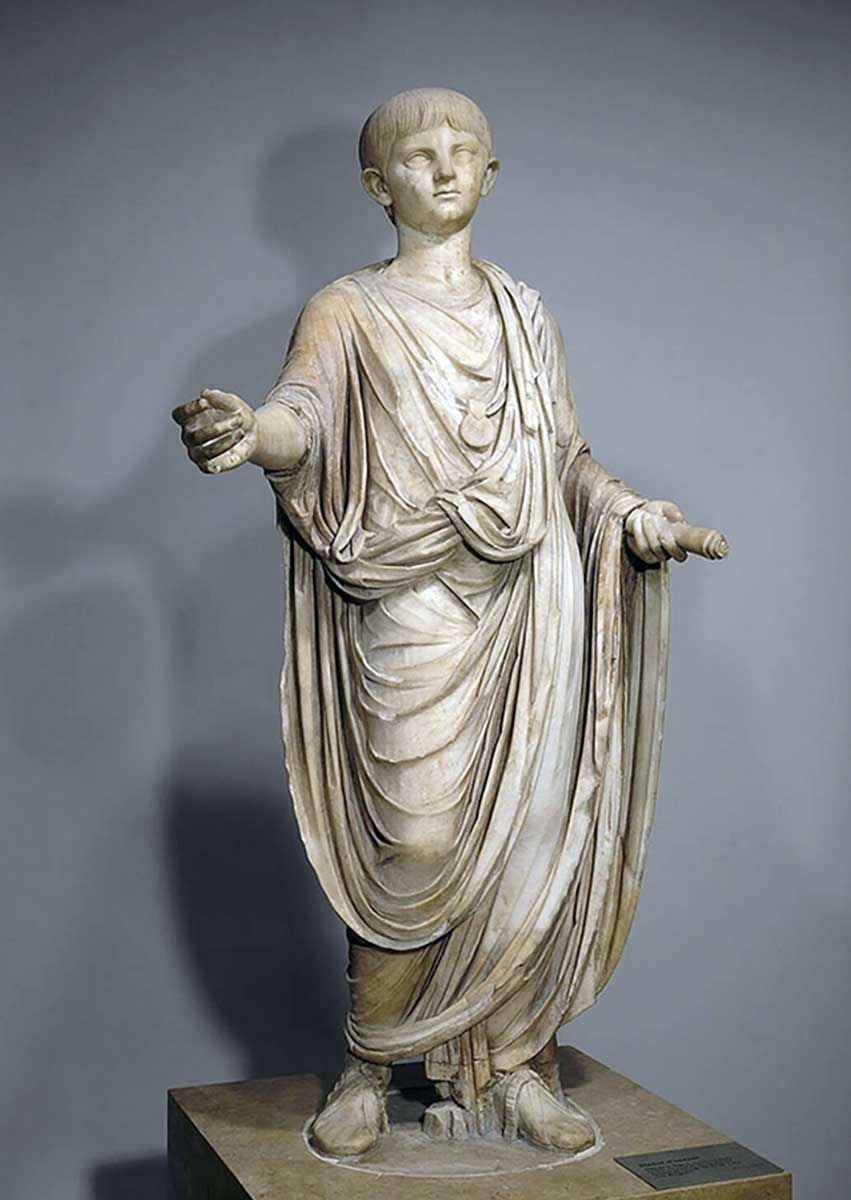
Lucius Domitius Ahenobarbus was born in AD 37 as a peripheral imperial prince. He was the son of Agrippina the Younger and Gnaeus Domitius Ahenobarbus, the great-granddaughter and great-grandnephew of the dynasty’s founder, Augustus. Nevertheless, he was far from power. When he was just two years old, Agrippina was exiled for her alleged participation in a plot against her brother, the reigning emperor Caligula. And a year later, the boy’s father died.
However, Caligula’s assassination in AD 41 turned the wheel of fortune once again, bringing Agrippina back from exile. Then, in AD 49, she married the new emperor Claudius, despite him being her uncle, thus being considered incest. The following year, Claudius adopted Lucius, giving him a new name, Nero Claudius Caesar Drusus Germanicus.
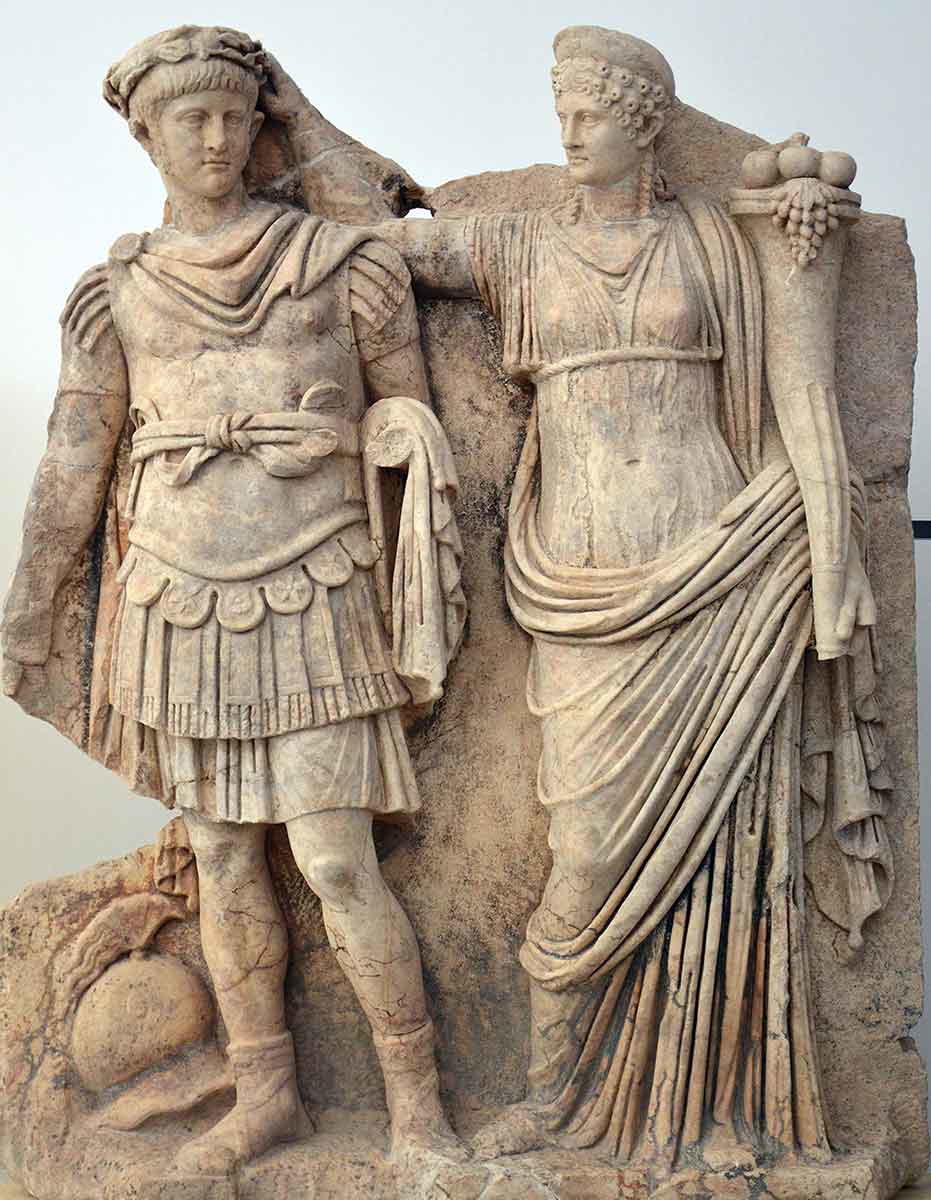
Nero was only 13 years old, so he probably played a limited role in his own rise to power. But Agrippina was ambitious and probably convinced her son of his right to rule. Soon, she had her son favored over Claudius’ biological son Britannicus, who was just three years younger. She even had Nero marry Claudius’ daughter, Octavia, in AD 53, when he was just 15 years old, and she was 13.
Claudius died in the following year, either from natural causes or by poison, administered by Agrippina in the form of mushrooms, according to Suetonius. The timing secured succession for Nero, the adopted son and son-in-law of the emperor, over Britannicus, who was still considered a minor. The Senate acclaimed the youthful Julio-Claudian prince as the next emperor.
All the Emperor’s Women
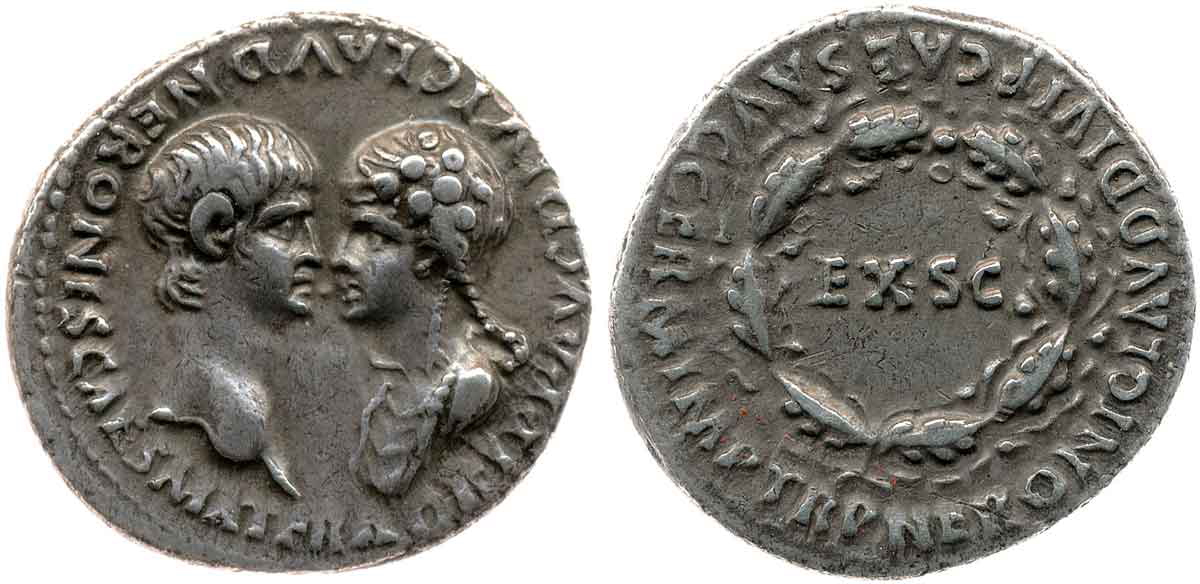
Due to his youth, in the early years of Nero’s reign, Agrippina exerted significant influence on state affairs. The extent of her power is visible in the coins minted in the first year of her son’s reign. One of the earliest coins features Agrippina on the obverse, the place traditionally reserved for the emperor. Other coins show a joint portrait of mother and son.
As Nero aged and craved independence, Agrippina’s power waned as Nero tried to get rid of her overbearing influence. First, he removed Agrippina’s allies from all top positions. He also assassinated Britannicus, as Agrippina reportedly promised to support him in Nero’s place if her son became uncontrollable. When his mother tried to befriend his wife, Nero had her exiled from the palace. The two women were perhaps natural allies, as Nero had little love for his politically motivated marriage. He instead prioritized a relationship with an ex-slave girl called Claudia Acte, of which his mother disapproved.
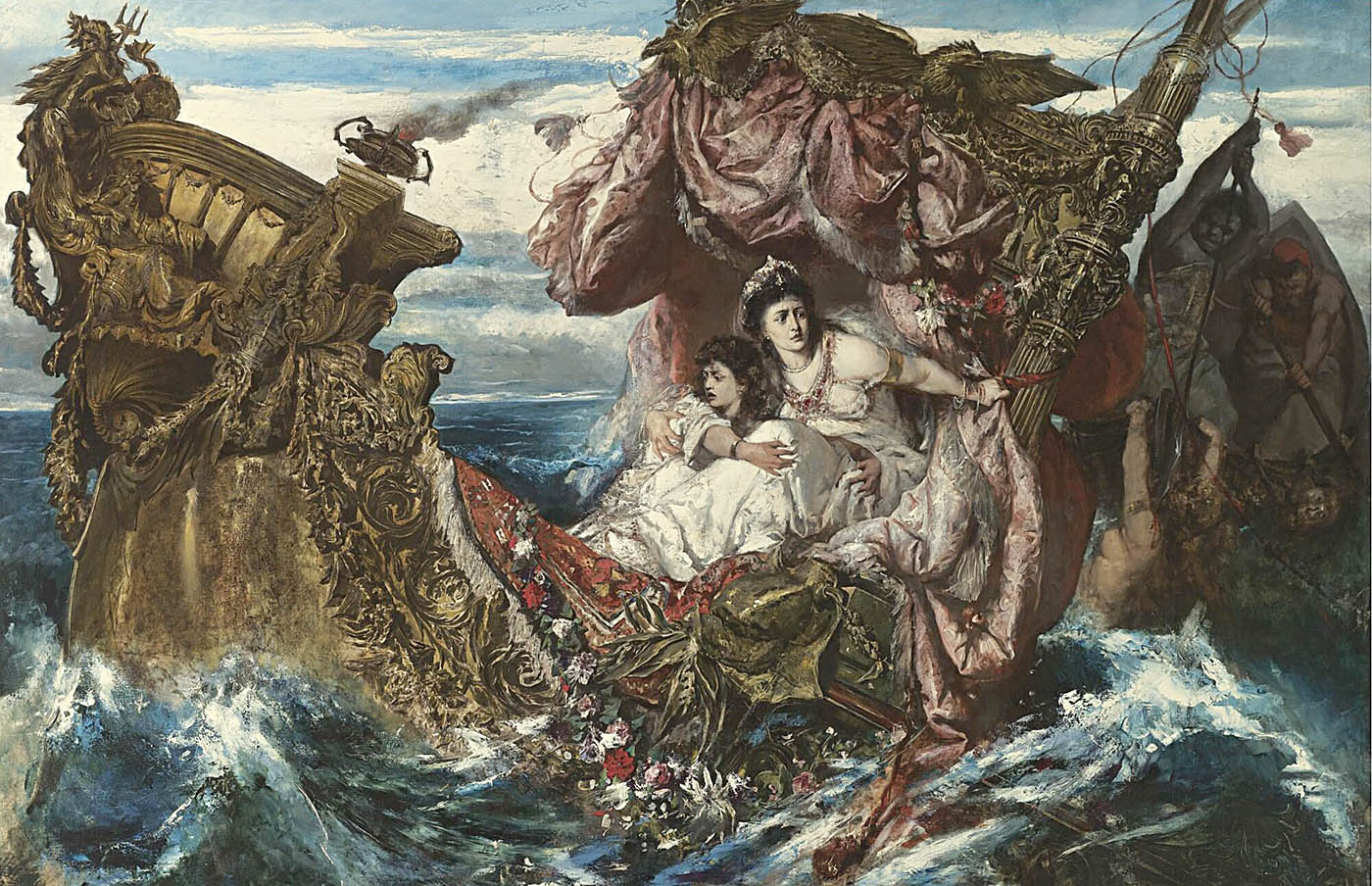
Eventually the rift between mother and son reached the point that Nero decided to have her assassinated. While the sources disagree about the details of Agrippina’s death, they agree that she survived several assassination attempts. The most famous one involved a self-sinking pleasure barge from which Agrippina miraculously swam ashore. Eventually, Nero seems to have dispatched a more traditional group of assassins, and Agrippina died in AD 59.
The final breakdown of the relationship between Nero and Agrippina may have been her opposition to his affair with Poppaea Sabina. Free to act as he wished following his mother’s death, he divorced, exiled, and eventually executed Octavia, ostensibly on account of infertility, in AD 62 and married his mistress. Poppaea soon gave birth to a daughter, but she died in infancy. In AD 65 she was pregnant again, but Nero, in a fit of rage following some chariot races, kicked her in the stomach, killing mother and child.
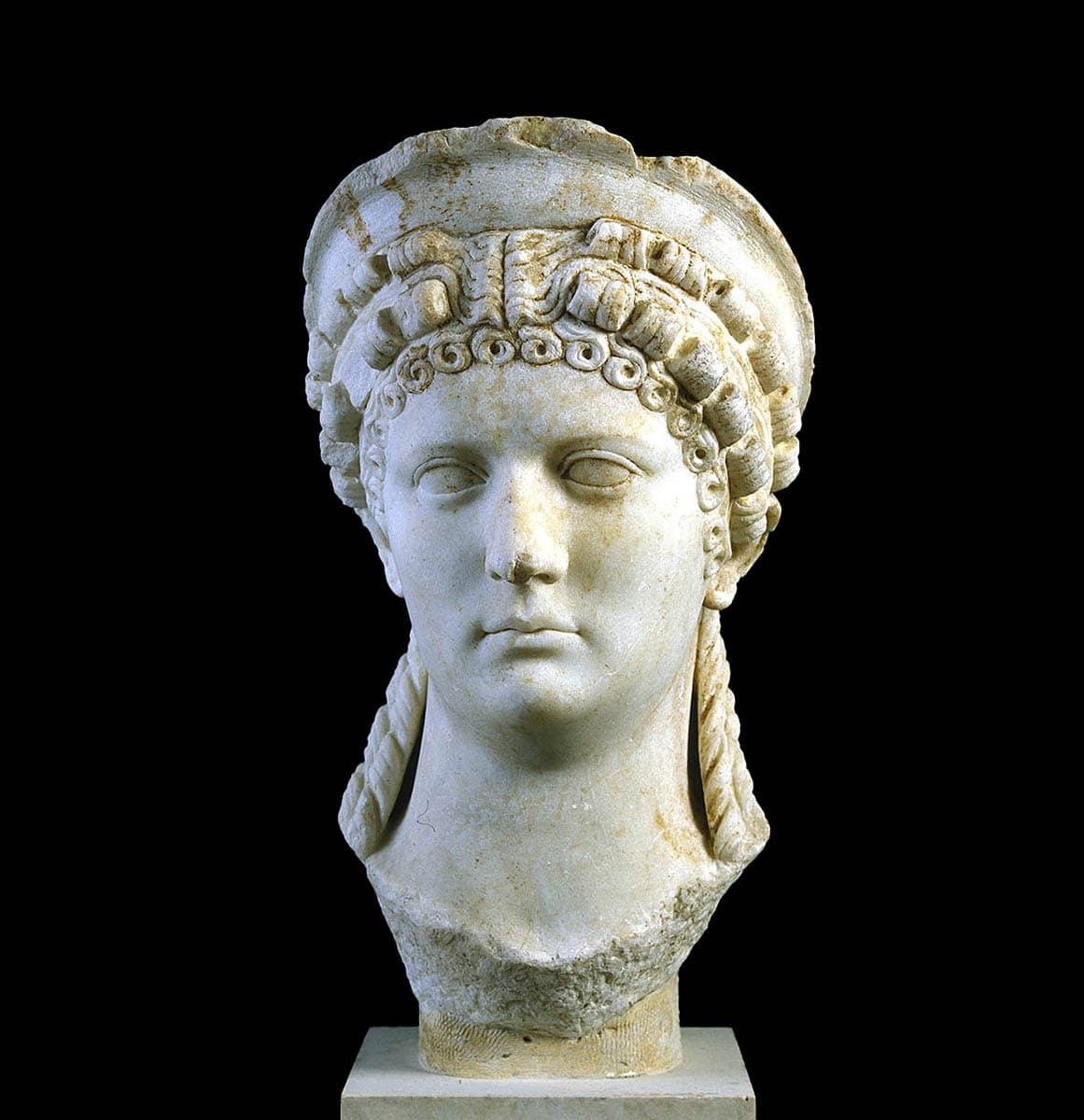
Modern historians suggest that while Nero certainly did not treat the women in his life well, this last story is unlikely, and that this is fairly standard slander for unpopular rulers. She probably died of complications related to her pregnancy, as was fairly common in the ancient world. Following Poppaea’s passing, Nero went into deep mourning. Poppaea not only received a state funeral, but was embalmed and deified.
A Good Start Turned Bad
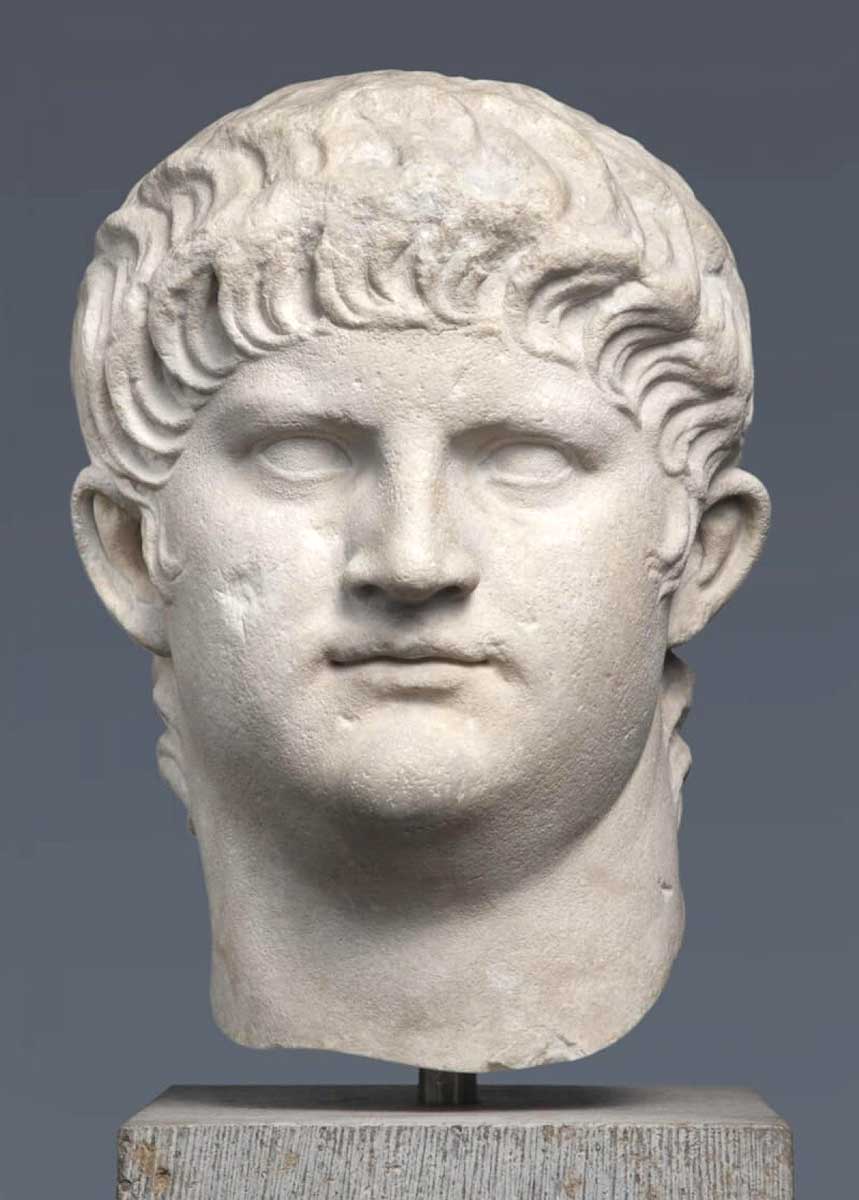
Despite later criticism, the sources agree that the first years of Nero’s reign were auspicious. Upon his ascension, Nero banished Claudius’ secret treason trials and issued pardons. If we are to believe Suetonius, Nero, when asked to sign a death warrant, exclaimed that he wished he had never learned how to write.
Nero’s competent early rule is often linked to two advisors, his tutor Seneca and Praetorian Prefect Burrus. It was on Seneca’s advice that Emperor Nero organized the Nile expedition, which led the Roman explorers deep into sub-equatorial Africa in search of the source of the mighty river. Nero also presided over two military victories. His generals crushed the Iceni revolt led by Boudicca in the recently established province of Britain, and Roman legions achieved a rare success over Parthia, bringing the Armenian kingdom into the Roman orbit. In AD 66, the new Armenian king visited Rome to receive his crown from Nero and offer his allegiance.
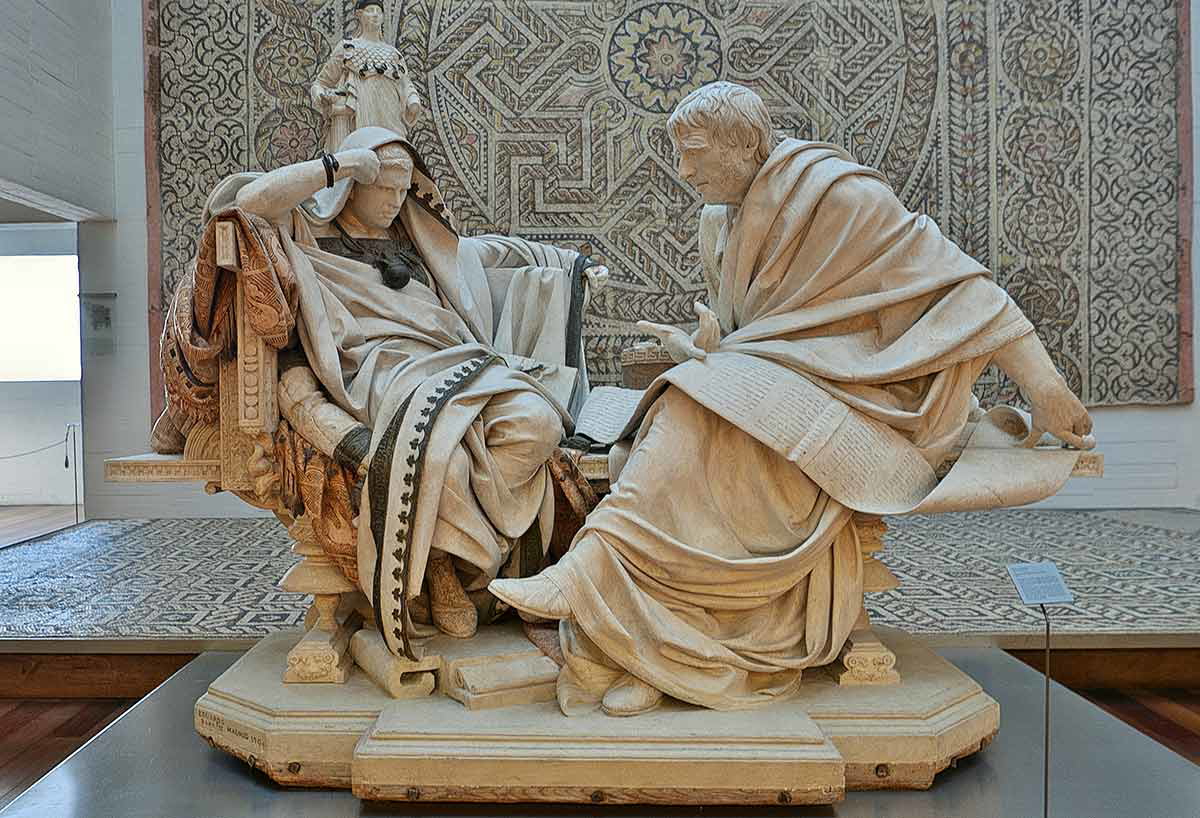
Nero’s first five “good years” were known as the Quinquennium Neronis. But senatorial opinion soon turned against Nero, starting following the death of Agrippina and getting worse following the death of Burrus and the retirement of Seneca in AD 62. One of the primary reasons behind their animosity was Nero’s deep love for Greece and the East. As a boy, Nero developed a passion for Hellenistic art and poetry.
If we are to believe the poet Martial, Nero was no amateur when it came to poetic composition, and he certainly took it seriously. Nero personally participated in various plays and contests, but actors were considered on the same level as prostitutes, making this scandalous. He even conducted a tour of Greece starting in AD 66 and participating in the various Panhellenic competitions, which were rescheduled to coincide with his presence. He naturally won everything, and expected his retinue of Roman senators to cheer him on enthusiastically.
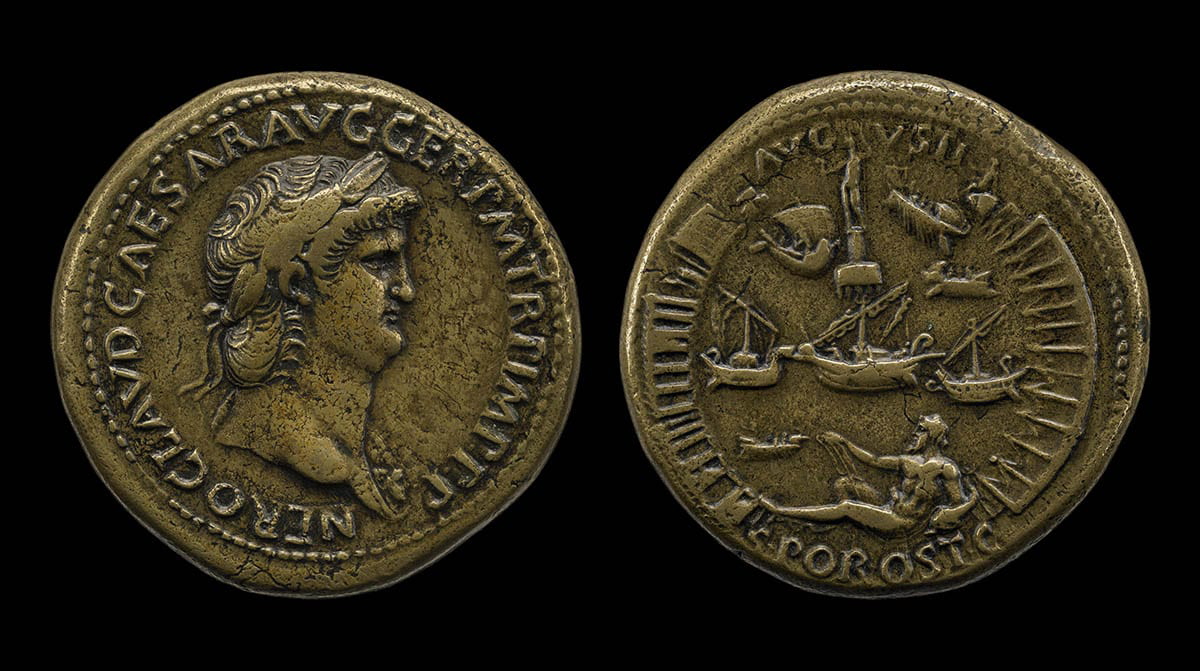
Nero was also a fan of Rome’s popular chariot races and patronized many spectacles. This won him the adulation of the Roman public, who received handouts of food, money, and other items at the races and games. Plus, Nero appeared personally to receive their adulation and cement his celebrity status.
But the elite saw Nero for what he was, first and foremost, an autocrat. He cultivated the love of his people, but also expected them to obey his every order. He undermined the dignity of Rome through his performances, while never participating in any military actions, unheard of in the highly militarized Roman state. Nero also reduced taxes for the masses while trying to fund ambitious building projects, placing the burden on the rich through property tax, hitting the senators where it hurt.
The Great Fire of Rome and Christian Persecution
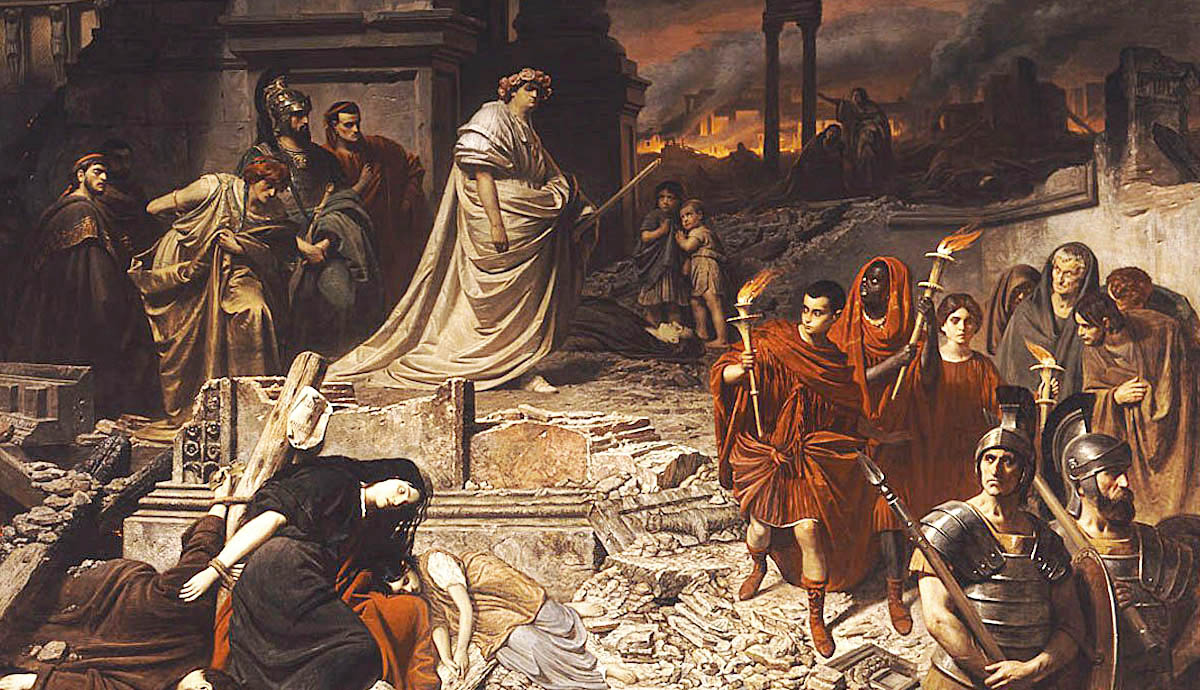
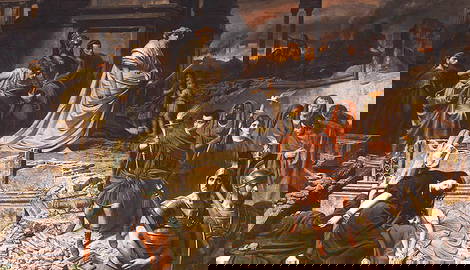
Nero’s contradictions and posthumous reputation are perhaps best embodied by the Great Fire of Rome on July 18th, AD 64. The fire burned for nine days and destroyed about two-thirds of the city.
Despite the fact that Nero was not in Rome when the fire broke out, people immediately began to suggest that he had a hand in starting the conflagration. He quickly returned to Rome and was described as playing his lyre on the Palatine while watching the city burn, another apocryphal scene. In fact, Nero was at the forefront of leading the rescue efforts and even assisted victims personally.
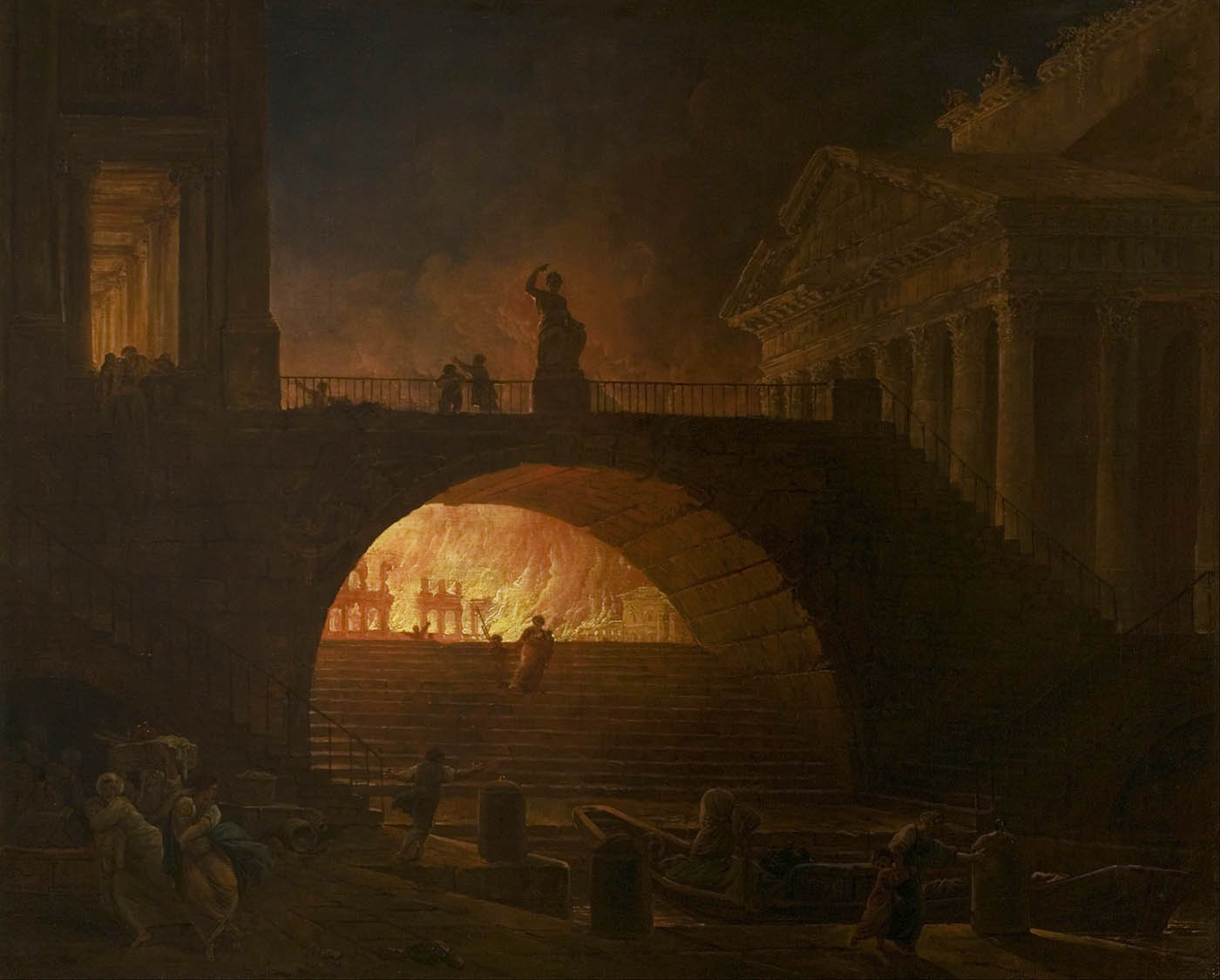
Tacitus, who was alive during the fire and says that he interviewed many who lived through it, confirms that the emperor opened the Campus Martius and its lavish gardens to the homeless, constructed temporary lodgings, and brought food in at a subsidized price. The emperor also offered cash incentives to ensure rapid recovery, and passed new regulations to prevent recurring disasters.
So why is Nero so consistently considered the villain of the Great Fire? A scapegoat was needed to satisfy the population and prevent violence. Christians were targeted. A new and little-understood religious sect at the time, they were generally considered atheists because they refused to sacrifice to the Roman gods. This was considered risky behavior, as it could undermine the goodwill and support of the gods that secured Rome’s prosperity. Their executions were turned into public theatrical spectacles. They were reportedly torn apart as wild animals, set alight as human torches, or crucified. This gave early Christian writers a reason to vilify Nero and present him as a model of the Antichrist.
The Domus Aurea and Nero’s Megalomania
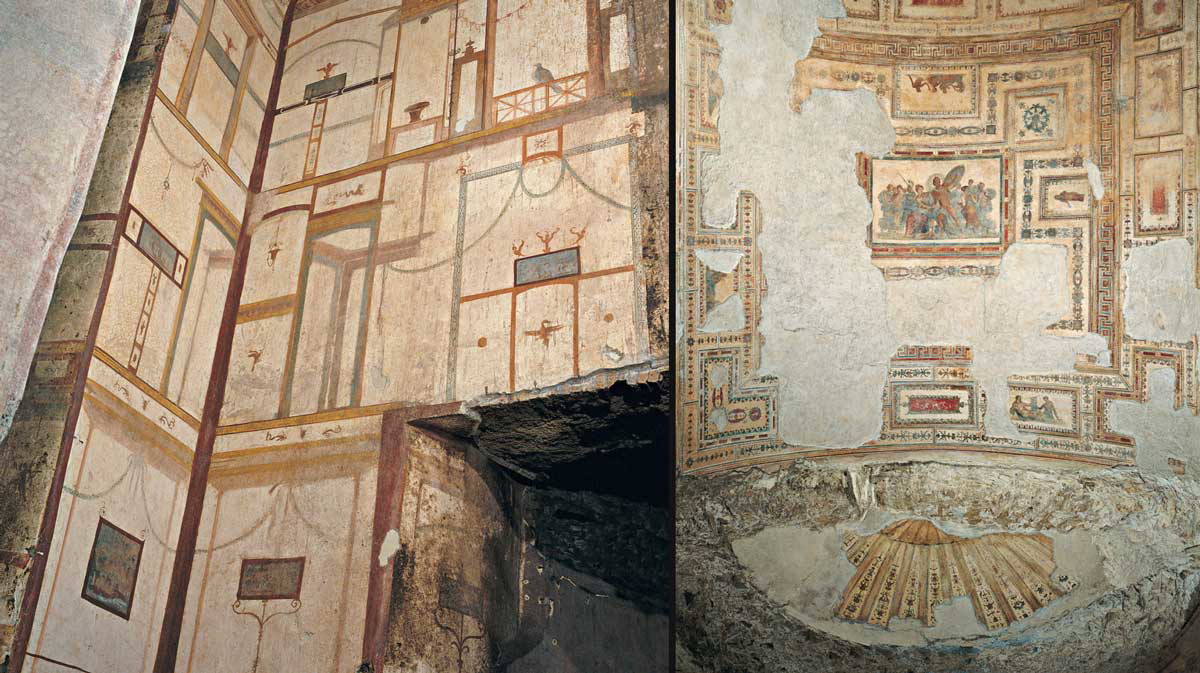
Moreover, while Nero did not start the fire, he undoubtedly profited from it. After the disaster, the emperor embarked on an ambitious rebuilding program. According to Tacitus, it was the fervor with which Nero tackled rebuilding that led many to question whether he started the fire for exactly that purpose.
One building project in particular was perceived as the ultimate illustration of the emperor’s megalomania. The Domus Aurea (the Golden House) was a symbol of opulence. Covering Rome’s Palatine, Caelian, and Esquiline Hills, and built on land that was previously in public use, it was the world’s largest palatial complex. Some rooms were covered in gold and decorated with mother-of-pearl, precious stones, ivory ceilings, and special devices that diffused perfumes. The lavish complex contained numerous pools and fountains, elaborate gardens, and a large artificial lake. The highlight was the circular rotating dining room, a masterpiece of ancient engineering.
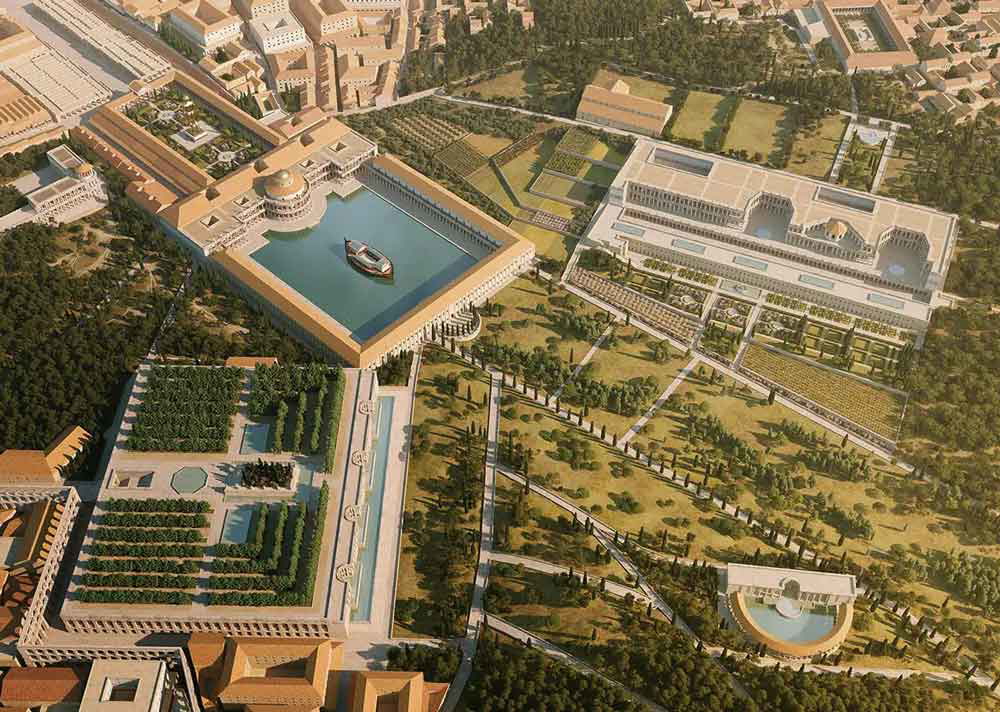
While Nero’s was the most lavish palace built to date, he was following existing precedent by investing in the imperial residence. Tiberius constructed an opulent villa in the coastal town of Sperlonga, Caligula had a lavish residence at the Horti Lamiani (atop Rome’s Esquiline Hill), and Claudius’s nymphaeum at Baiae (on the Gulf of Naples) was similarly grand. Emperors were allowed (and expected) to flaunt their wealth and status. Moreover, recent archaeological excavations suggest that the massive Domus Aurea was not intended to be a private residence but a public building, where the public could connect with their protector and artist: the emperor.
Several public buildings constructed in Rome during Nero’s reign further confirm this hypothesis. Nero built magnificent public baths and a grand covered market. Particularly interesting is the Gymnasium Neronis. Before Nero, the gymnasia were a luxury to be enjoyed only by the rich. Nero shattered this division. From Nero onwards, those facilities became places for all citizens. The emperor also erected a wooden amphitheater to satisfy the need for public entertainment.
Nero: Villain or Victim?
In AD 65, the so-called Pisonian conspiracy failed to kill the emperor. Nero’s response was swift and harsh. The conspirators were sentenced to death or exiled, among them Seneca. This did not put an end to the dissatisfaction of the elites. In AD 68, the governor of Gaul rebelled against Nero, declaring his support of Galba, the governor of Spain, as an alternative emperor. The Gallic troops were defeated, but the idea of replacing Nero gained favor.
When legions in Egypt halted vital grain fleets, Nero lost the support of Rome’s people, which allowed the Senate to declare him an enemy of the state. Finally, on June 8, AD 68, the Praetorian Guard, bribed with massive payouts promised by Galba’s allies, deserted the palace. Nero woke up at midnight to find his guard posts empty. When he sent messages to his friends’ apartments asking for help, no one answered. He returned to his bedroom to find even his chamberlains had fled, taking his gold bedding and his vial of poison with them.
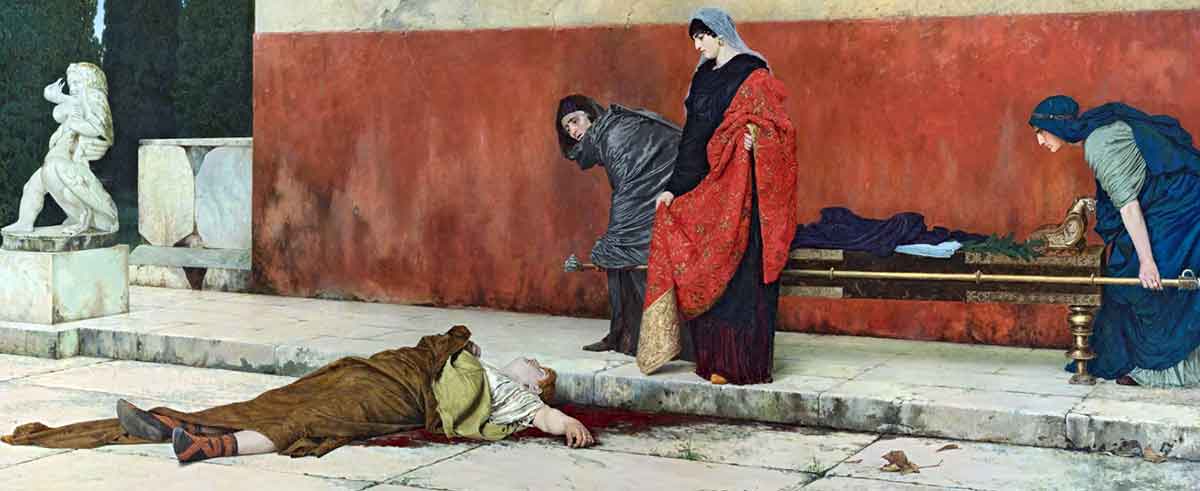
Nero fled the capital, ending his life with suicide. Suetonius tells us that the last words of the hapless emperor were: “What an artist dies in me!” Since he left no heir, civil war followed with four successive men proclaiming themselves the new Augustus in AD 69. Ultimately, Vespasian, who was commanding Roman armies in the east to put down a Jewish revolt, emerged victorious and established the Flavian dynasty.
Meanwhile, the removal of Nero, as the last member of the Julio-Claudian dynasty, had to be explained. As the rest of the empire fought over who would be the new emperor, a private funeral took place, and his ashes were placed in the family tomb of his old lover Acte. Meanwhile, he underwent a damnatio memoriae. Many of his statues were toppled and then recarved as one of his successors, and his name was removed from public monuments.
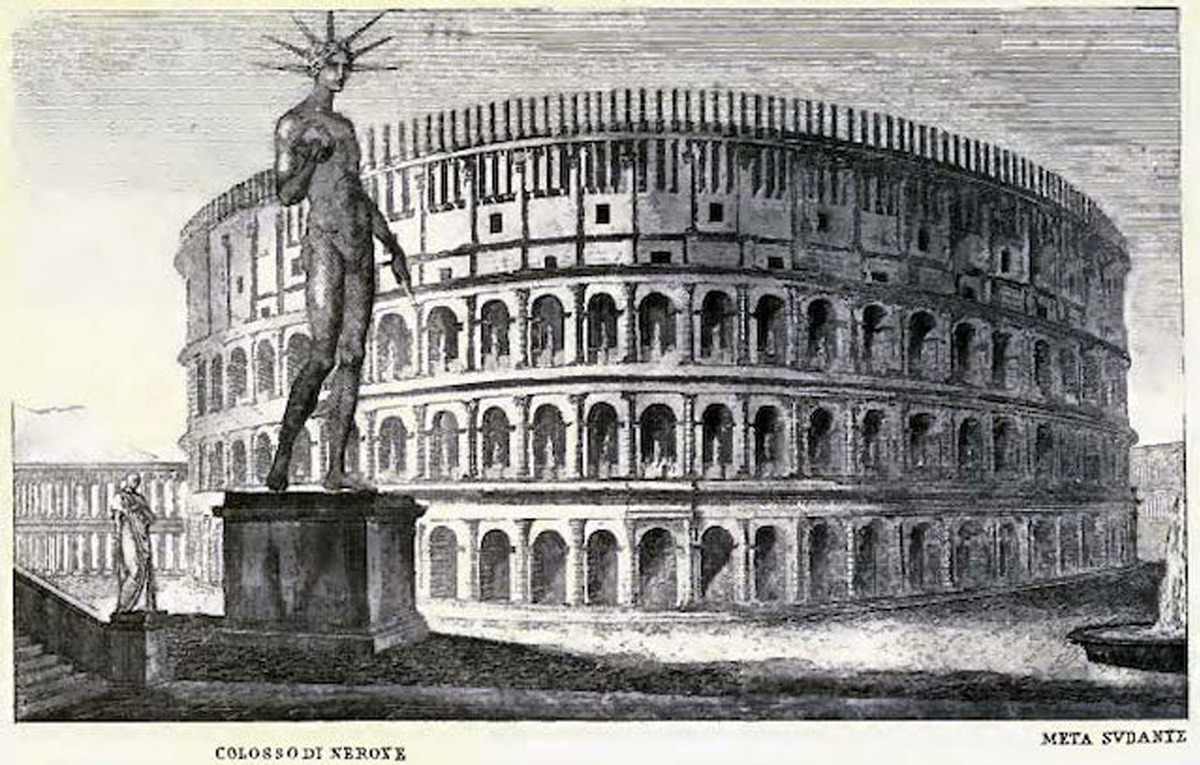
When peace was restored, the Flavians repurposed a lake within the Domus Aurea to build the Colosseum, as a very public act of returning that “stolen” land to the people. And no one complained as writers started to characterize Nero as a megalomaniac and tyrant who had to be removed for the good of Rome, which was saved by the new Flavian and then Nerva-Antonine emperors.
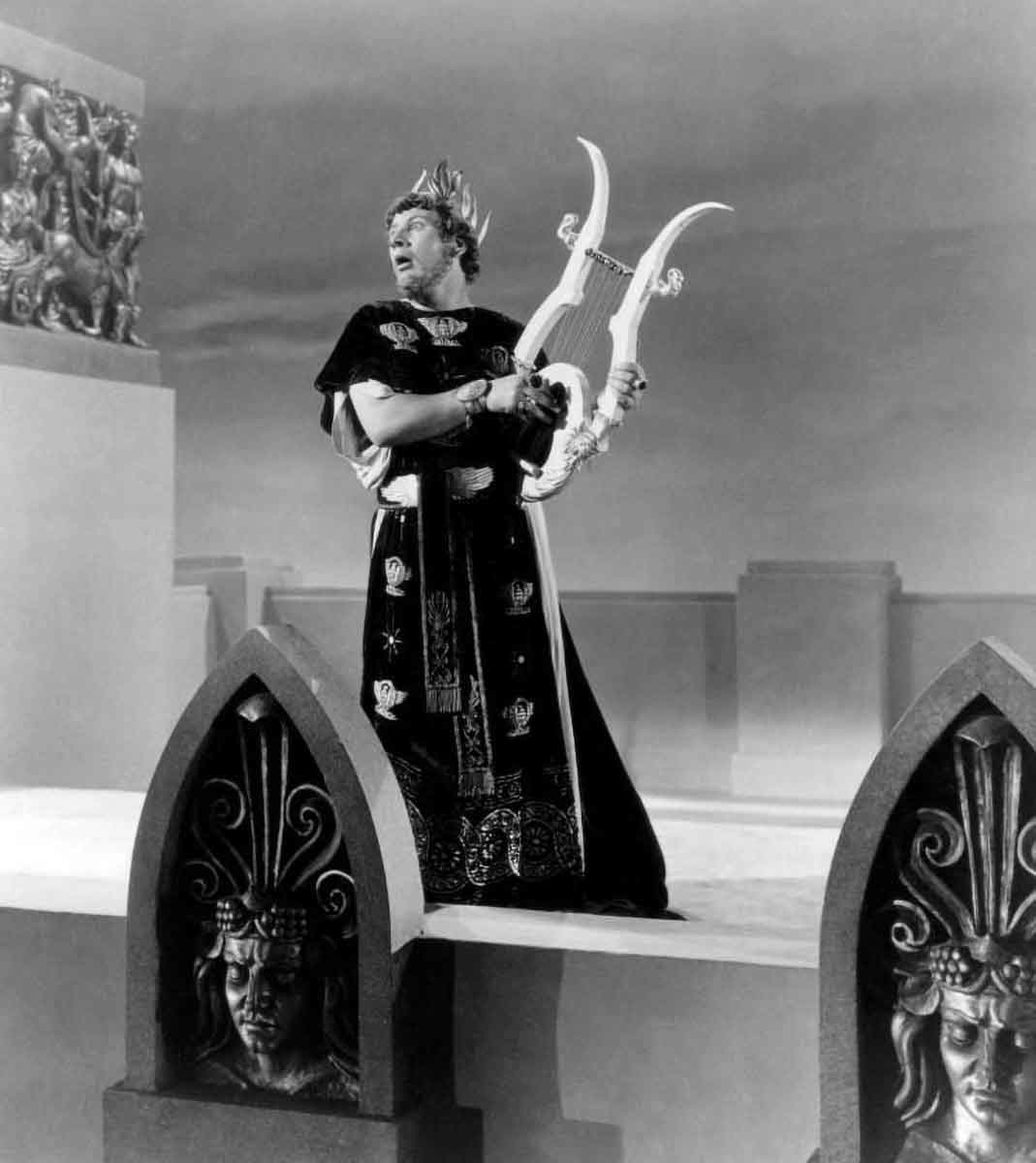
It is their vilified image of Nero that has come down through history via Tacitus, Suetonius, and Cassius Dio. This is the Nero that Peter Ustinov portrayed in the cult-classic “Quo Vadis” (1951). It is only recently that historians and archaeologists have begun to seriously reconsider this portrait.
Roman Emperor Nero Timeline
| Date | Core Events |
| AD 37 |
Birth: Born Lucius Domitius Ahenobarbus in Antium (modern Anzio)
|
| AD 49 |
Imperial Marriage: His mother, Agrippina the Younger, marries Emperor Claudius
|
| AD 50 |
Adoption: Claudius officially adopts Lucius, giving him the name Nero Claudius Caesar Drusus Germanicus
|
| AD 51 |
Heir Apparent: Takes the toga virilis of manhood and the title princeps iuventutis, marking him out as heir apparent
|
| AD 53 |
Marriage: Marries Claudius’s daughter, Claudia Octavia, to solidify his claim to the throne
|
| AD 54 |
Ascension: Claudius dies (likely poisoned), and at age 16, Nero becomes Emperor of Rome with early guidance from Seneca and Burrus
|
| AD 55 |
Murder of Britannicus: Nero’s stepbrother and potential rival, Britannicus, dies under suspicious circumstances (likely poisoned)
|
| AD 59 |
Matricide: Nero orders the murder of his mother, Agrippina, eliminating her overbearing influence
|
| AD 62 |
Turning Point: Burrus dies, Seneca retires, Nero executes his wife Octavia and marries Poppaea Sabina. Tigellinus becomes Praetorian Guard prefect, accelerating Nero’s tyranny
|
| AD 64 |
Great Fire of Rome: A devastating fire consumes much of Rome, and Nero faces rumors of starting it, blames Christians, and launches Rome’s first imperial persecution.
|
| AD 65 |
Pisonian Conspiracy & Purges: A plot to assassinate Nero led by Gaius Calpurnius Piso fails, leading to widespread executions and forced suicides, including those of Seneca and Lucan
|
| AD 66–67 |
Greek Tour & Rebellions: Nero travels to Greece to perform in artistic and athletic festivals; meanwhile, the First Jewish–Roman War breaks out in Judea, and Vespasian is sent to command
|
| AD 68 |
Rebellion & Death: Governors Vindex (Gaul) and Galba (Hispania) rebel, Nero is declared a public enemy by the Senate and deserted by the Praetorian Guard, and he commits suicide at age 30, ending the Julio-Claudian dynasty
|