
For as long as people have interacted with plants, animals, and minerals, poison has been a part of the human story. There are many references to poisons on the ancient sources, as a tonic for death by one’s own hand or as the tool of someone with murderous intentions. But what do we actually know about which poisons were used in the ancient world, by whom, and for what purpose? Find out through five intriguing tales of death by toxin from across the ancient Mediterranean world.
Poison and Poisoners in the Ancient World
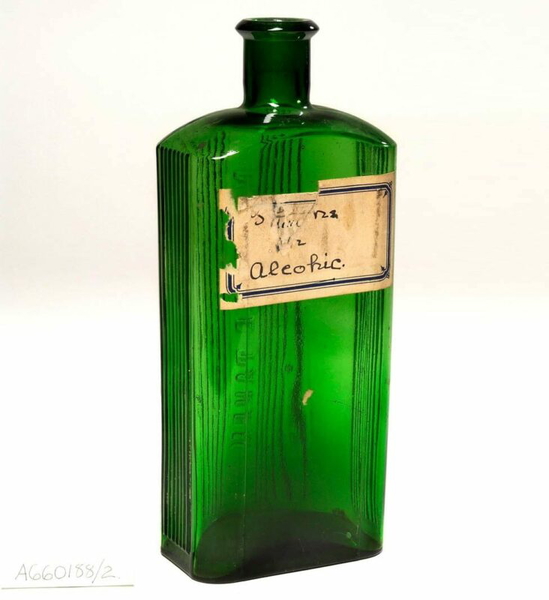
References to poison are common across ancient civilizations. References appear both anecdotally and deliberately within the study of medicine, law, and natural history. It was associated both with “wild” tribal nations like the Scythians, Celts, and Iberians to the “sophisticated” dynastic intrigues of Persian and Hellenic kings.
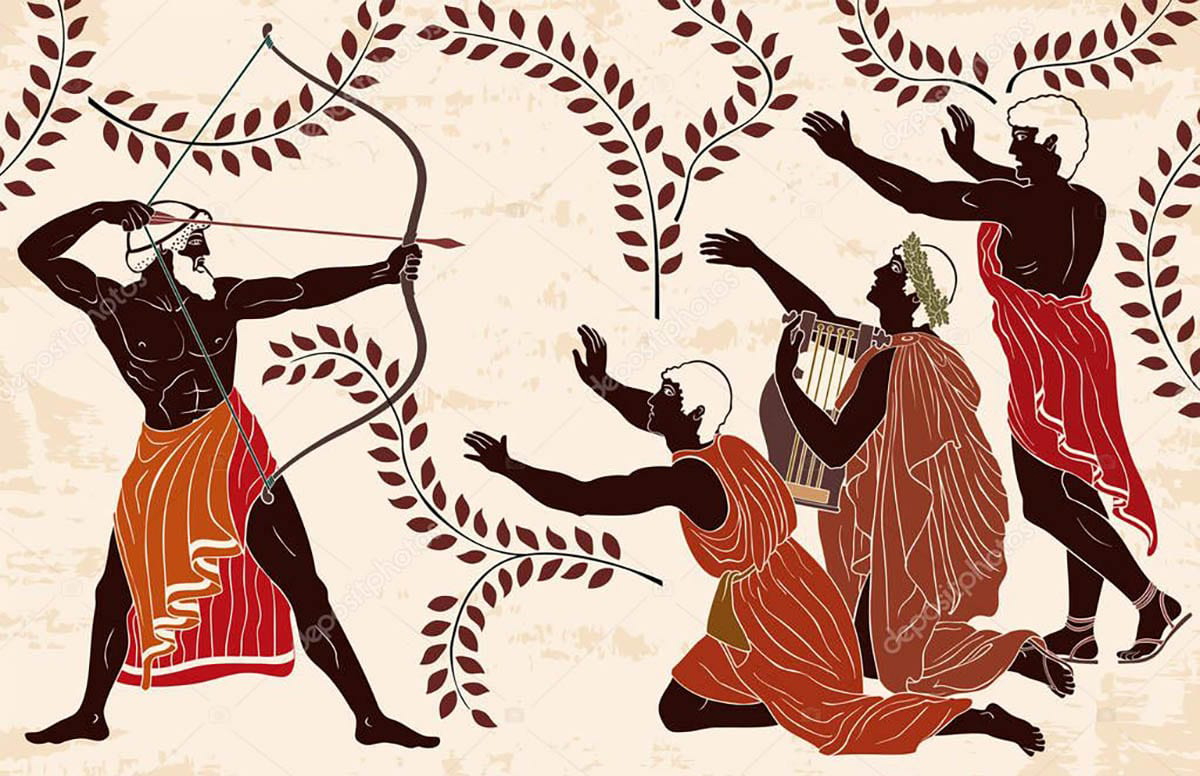
In mythological times, the hero Hercules was said to have used the venom of the Hydra to taint his arrows. In Homer, the Trojan war hero Odysseus sought poison for his arrows when seeking revenge on the suitors who had disrespected his home. The way Homer tells the story, it was clear that there was an element of “taboo” in choosing poison, and that to use such “underhanded” methods risked offending the gods.
The deadly qualities of poison, and the relative ease in which it could be used to cause death and subterfuge, gave it a shadowy and dangerous reputation. Alexander the Great was rumored to have been poisoned, as were several Roman emperors. The poisoners were usually unsavory individuals, often women. These individuals were often treated with the same fear and suspicion as medieval witches.
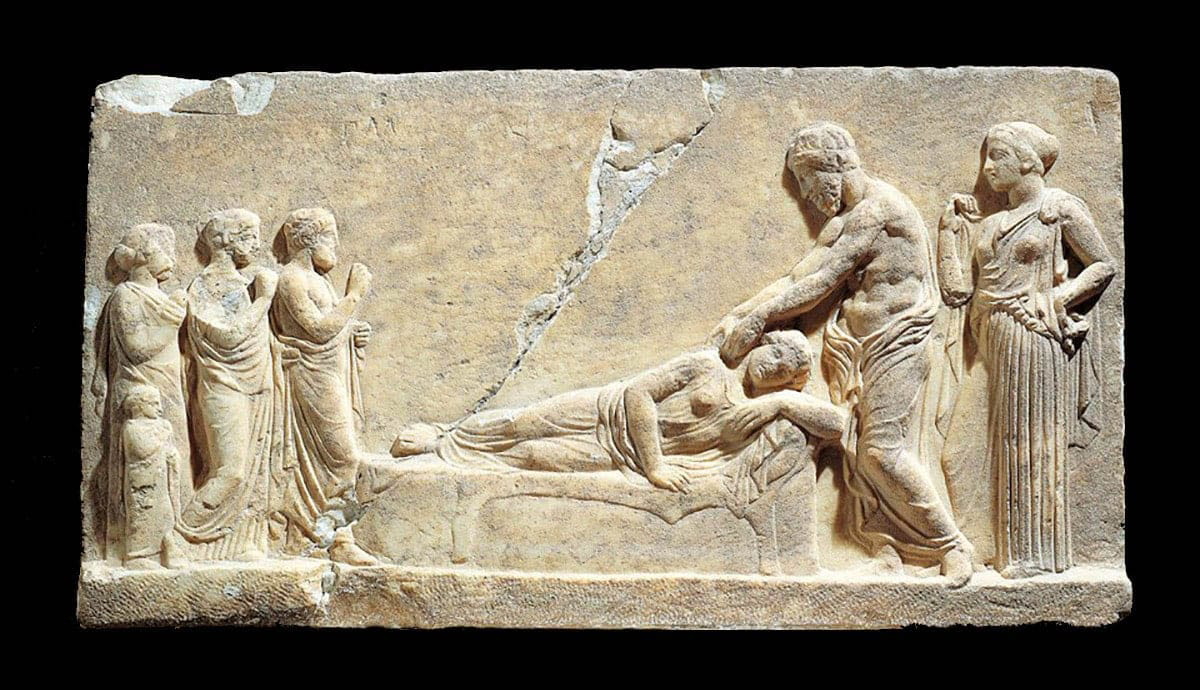
In the medical realm, although poisons and toxins were referenced, scientific understanding was limited and often superstition-based. The Hippocratic Oath had doctors promise not to dabble in poisons.
‘I SWEAR by Apollo Physician, by Asclepius, by Health, by Panacea and by all the gods and goddesses, [that]… I will use treatment to help the sick according to my ability and judgment, but never with a view to injury and wrong-doing. Neither will I administer a poison to anybody when asked to do so, nor will I suggest such a course.…” [Hippocrates, Jusjurandum, section 1]
This is not to say the ancients did not understand poisons, toxins, and venoms; quite the opposite. Those with knowledge of poison were treated with a dark respect. The actual poisons, toxins, and minerals were dictated by what nature provided in the form of plants, minerals, and animals. This gave their study a regionalized character. Changes in the natural world over the millennia also mean that ancient poisons are not always easy to identify today.
But poison was not always considered in a negative light. Although they could certainly be used for murder, they could also be applied to save lives in the treatment of wounds, as well to provide assisted dying, either through suicide or elective euthanasia.
1. Poison Among the Mysterious Scythians
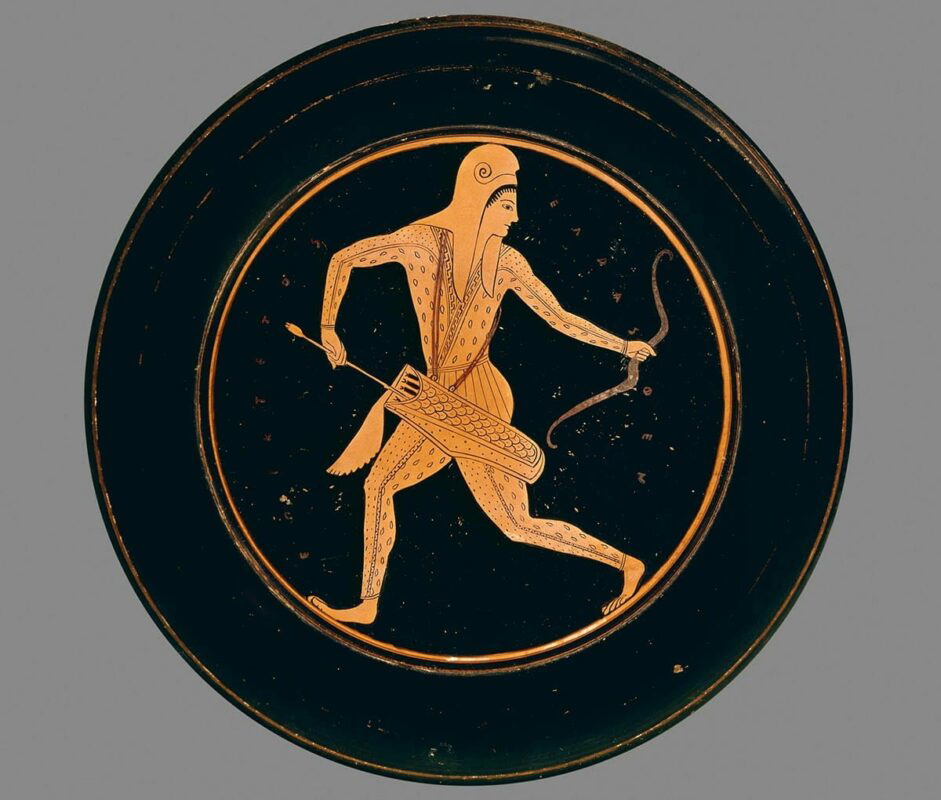
On the very fringes of the classical world, on the northern shores of the Black Sea where the most distant Greek settlers had colonized, lay a horse-people of the vast Eurasian and Crimean steppe. A fierce, trans-nomadic people who were so distant and so barbarous to the Mediterranean Greeks that they were viewed with a mixture of awe, fascination, and terror. These ancient, enigmatic people were the Scythians. To call them ‘horse-people’ is not just to say that they rode horses. The horse was indeed the very basis of their culture, and from it, they migrated, hunted, made war, drew food (from horse milk and cheese), and even fermented alcohol. Scythian elites were buried with their horses in elaborate burial sites.
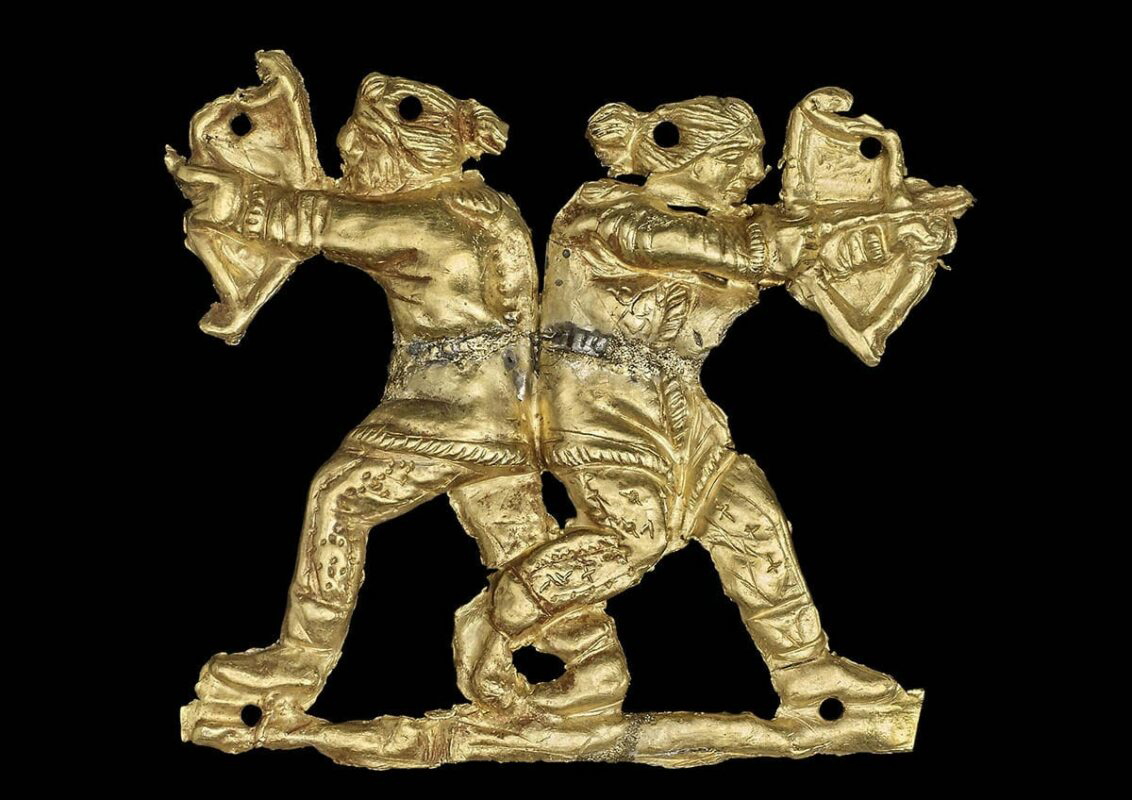
Were the Scythians the earliest developers of biological warfare, using venomous snake toxins? The Scythians fought with deadly composite bows, and they reportedly smeared their arrowheads with poison made from snake venom.
“They say that they make the Scythian poison with which they smear arrows, out of the snake. Apparently, the Scythians watch for those [snakes] that have just borne young, and taking them’ let them rot for some days. When they think that they are completely decomposed, they pour a man’s blood into a small vessel, and dig it into a dunghill, and cover it up. When this has also decomposed, they mix the part which stands on the blood, which is watery, with the juice of the snake, and so make a deadly poison.” [Pseudo Aristotle, de Mirabilibus Auscultationibus: 141 (845a)]
With territory spanning Asiatic Russia, Europe, and the Caucasus, the Scythians would have access to a range of toxic snake venom, including the Steppe Viper, Caucasus viper, European Adder, and the long-nose, sand viper. With this mix, even small wounds had the potential to incapacitate or kill. Whether this mix was used in hunting and warfare is not mentioned, but it was likely both.
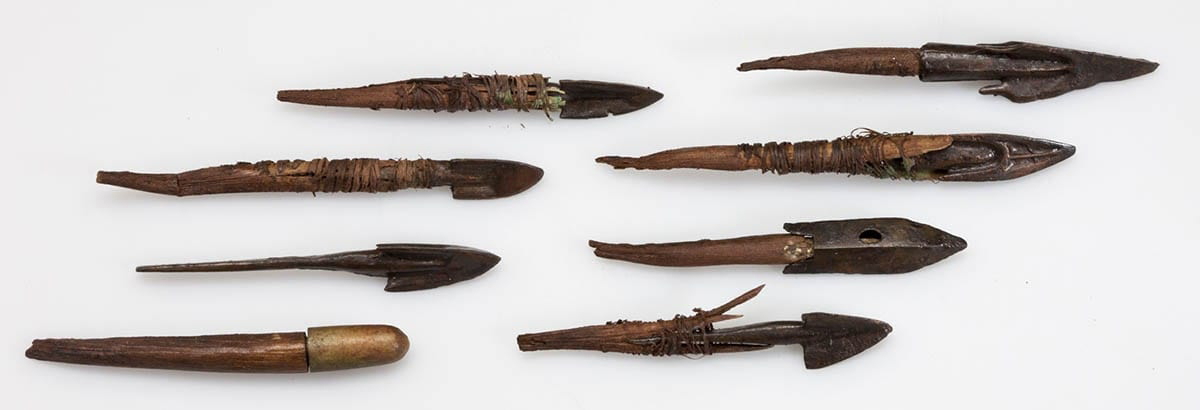
We know that other tribal people such as the Celts of Central and Western Europe also used poisons in hunting.
“They say that among the Celts there is a drug called by them the “arrow drug”; this produces so swift a death that the Celtic hunters when they have shot at a deer or other beast, run hastily, and cut out the wounded part of the flesh before the poison sinks in, both for the sake of its use, and to prevent the animal from rotting.” [Pseudo. Aristotle, De Mirabilibus Ausculationibus 86]
2. Hemlock and the Death of Socrates
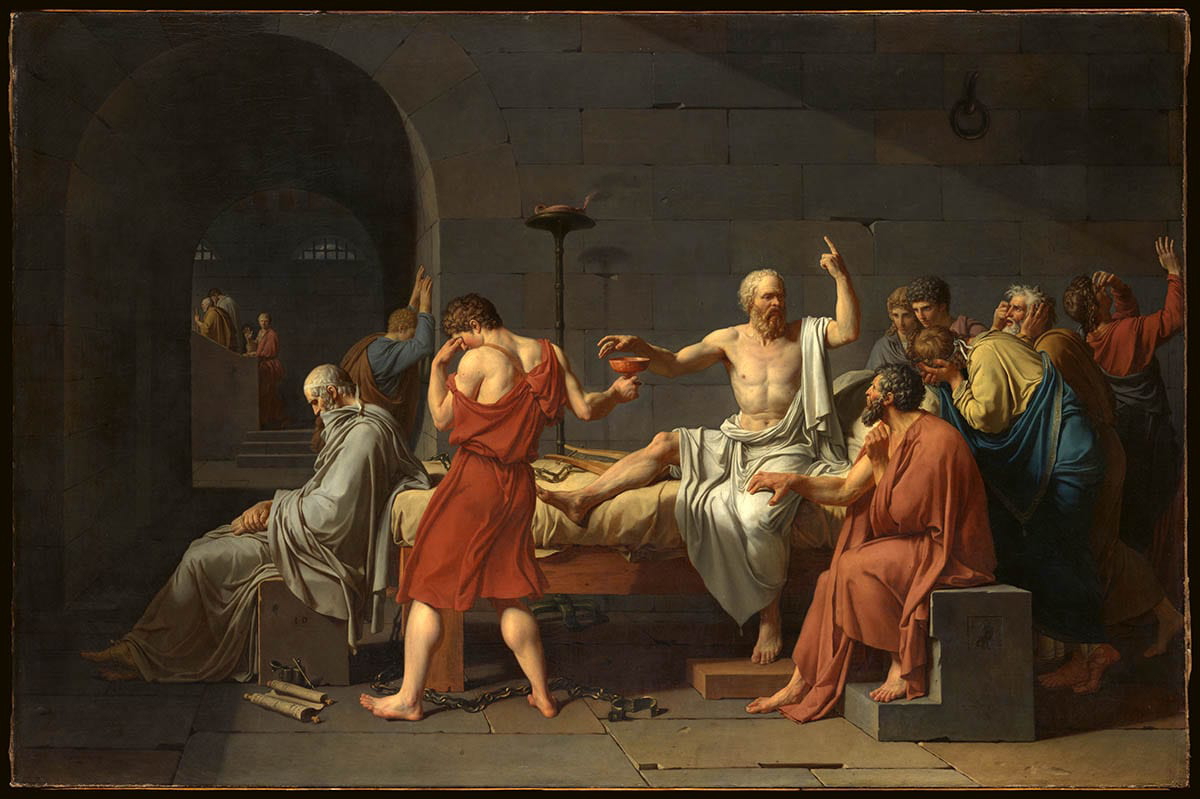
In modern times, poison has been used as a means of euthanizing criminals and those condemned by the state. This practice can be traced back to ancient Greece, specifically Athens. This was the home of the famous philosopher Socrates (c. 470-399 BC). As a citizen, he was a fearlessly honest, moralistic voice, drawing both admiration and exasperation from many of his fellow citizens. With the ethos that ‘the unexamined life is not worth living,’ Socrates was outspoken and made many powerful enemies.
In 399 BC, his fellow citizens had finally run out of patience with Socrates, and he was put on a politically motivated trial. Found guilty of the charges of corrupting the youth and irreverence towards the gods, he was condemned to death. The means was by drinking hemlock. Although Socrates, like other condemned citizens, could have chosen voluntary exile, he was never going to run from an unjust death.
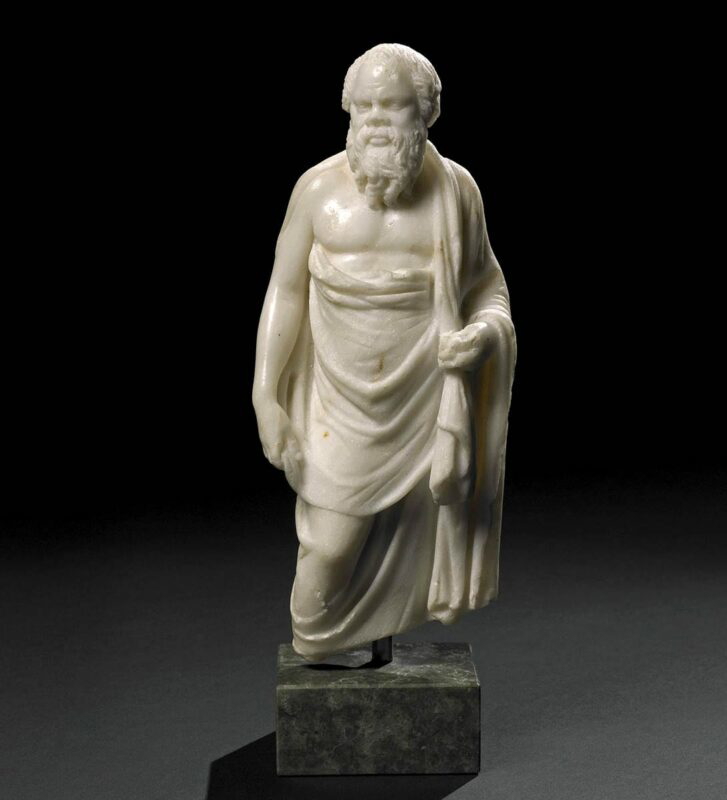
Socrates’ most famous pupil, Plato, recounted the death of his famous teacher through a conversational dialogue:
“… his legs began to fail, and when he lay on his back, according to all directions, and the man who gave him the poison now and then looked at this feet and legs; and after a while, he pressed his foot hard and asked him if he could feel; and he said, No; and then his leg, and so upwards and upwards, and showed us that he was cold and stiff. And he felt them himself and said: when the poison reaches the heart, that will be the end, He was beginning to grow cold about the groin, when he uncovered his face, for he had covered himself up and said – they were his last words – he said: Crito, I owe a cock to Asclepius; will you remember to pay the debt? The debt shall be paid said Crito; is there anything else? There was no answer to this question; but in a minute or two a movement was heard, and the attendants uncovered him; his eyes were set, and Crito close this eyes and mouth. [Plato, Phaedo, 117-118]
Thus, one of the most significant philosophers in ancient history died, dispatched by poison. Although some historians have gone on to question the reported effects of the hemlock, any inaccuracy is likely in the re-telling, rather than in the event itself, as the use of hemlock in Athenian state executions was well established.
3. Mithridates VI of Pontus and the Study of Venomics
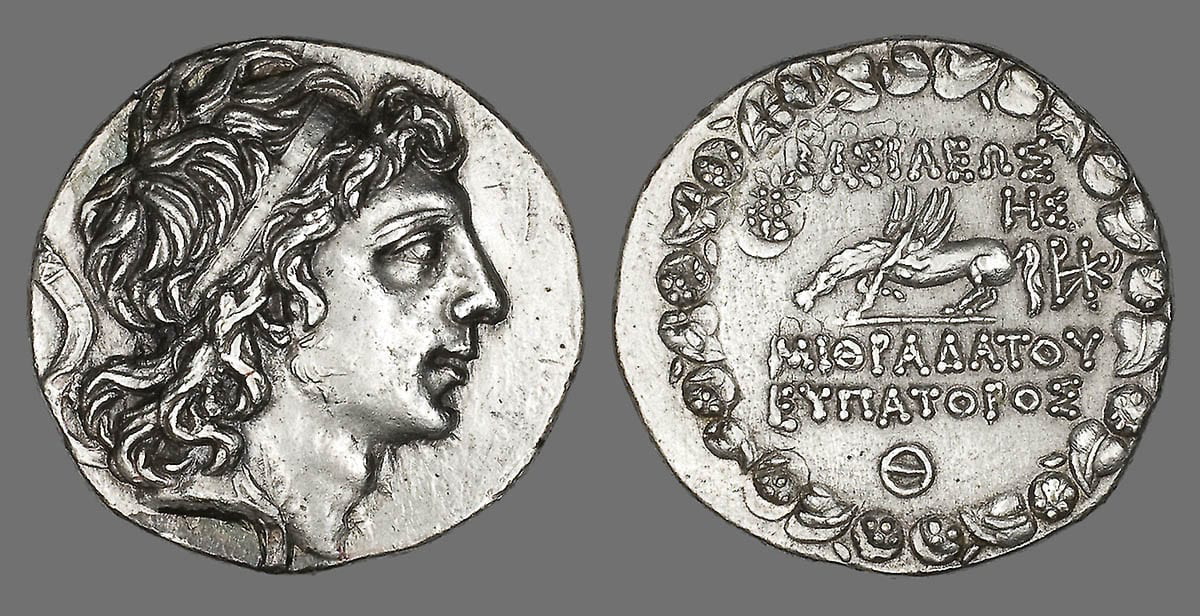
Many rulers throughout history have nurtured a fear of being poisoned. It is, after all, one of the very real risks that comes from holding power:
“They [despots] go in constant suspicion even of their meat and drink; they bid their servitors taste them first before the libation is offered to the gods, because of their misgiving that they may sup poison in the dish or the bowl.” [Xenophon, Heiro The Tyrant, Chapter 4.]
King Mithridates VI of Pontus (c. 120-63 BC) was one of Rome’s most implacable enemies. He ruled over a powerful kingdom in northern Anatolia, centered around the Black Sea, that encompassed parts of modern Turkey, Armenia, and Azerbaijan. His power even extended to the remote Greek cities of the Crimea, which were incidentally the traditional heartlands of the Scythians.
History has recorded Mithridates as a highly educated and sophisticated king who spoke 22 languages. He also reportedly had a personal obsession with the study of poisons and their antidotes. Sponsoring something similar to an imperial toxicology department, Mithridates actively employed the best doctors and natural scientists, who tested venoms and toxins on prisoners and convicts.
Said to take small incremental doses of poison himself, the king was rumored to have a resistance to several poisons and toxins. He was credited with the invention of several antidotes that went by his name. Although we have been left with no medical records of these learnings, Pliny the Elder tells us that Pompey the Great (the Roman who eventually defeated Mithridates in war) captured many of his medical notations and had them copied into Latin.
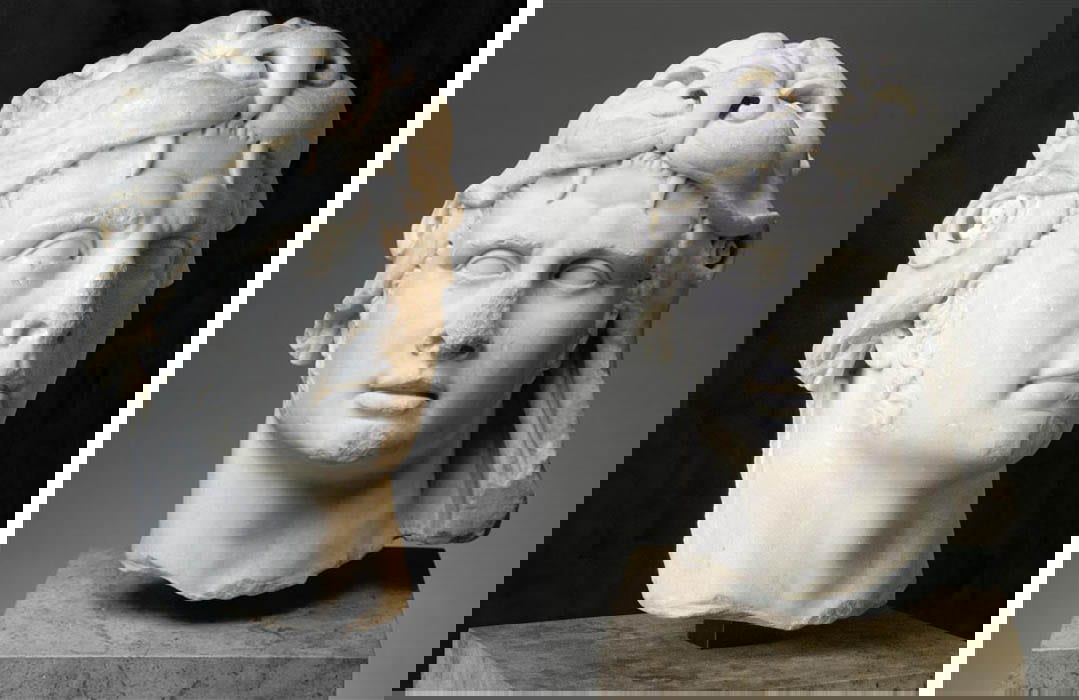
Before his defeat, we hear that Mithridates sustained bad wounds to the knee and under his eye. The great king was badly stricken, and we hear that for many days his men feared for his life. From the historian Appian, we learn that his salvation came as follows:
“Mithridates was cured by the Agari, a Scythian tribe, who make use of the poison of serpents as remedies. Some of this tribe always accompanied the king as physicians.” [Appian, Mithridatic War, 13.88.]
In this single line, we learn not only that the Scythians were healers practicing with snake venom, but this application of venom is likely to be the first recorded example of healers using tiny amounts of a toxin to coagulate a wound to prevent hemorrhaging. This is an area of science far ahead of its time that we now call “venomics.”
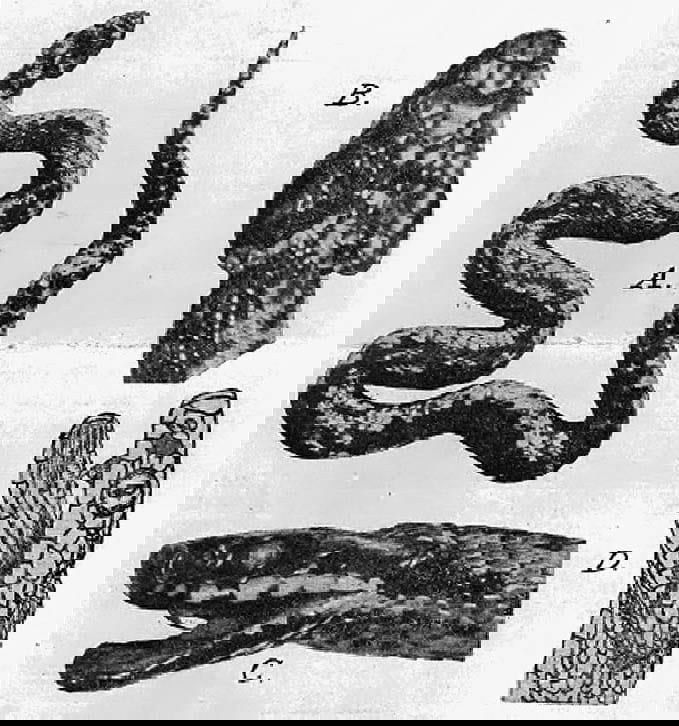
The application of venom saved Mithridates from his wound, but it could not save him from the Romans. In a final irony of his life, Mithridates, when facing utter defeat, failed to kill himself by poison and had instead to ask his guard to end his life by a sword thrust.
4. The Noble Suicide of Queen Cleopatra
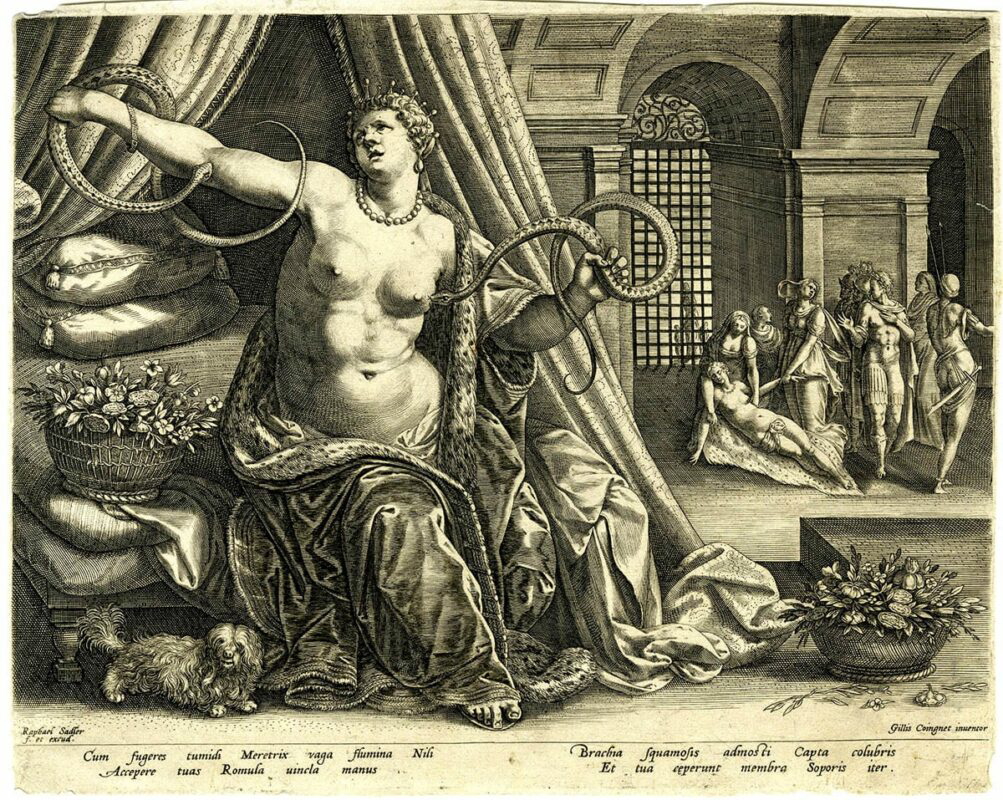
Just 30 years later, another Hellenistic monarch would use poison to escape the wrath of Rome. Cleopatra fought with and against Rome in a complex set of wars. As an ally and a lover of both Julius Caesar and subsequently his lieutenant Marc Antony, Cleopatra was a significant player in the Roman civil wars that followed the assassination of Caesar. As the last ruler of the Ptolemaic dynasty, Cleopatra is one of the most iconic and yet fated figures of ancient history.
There’s only one key rule when entering a Roman civil war: don’t choose the losing side. Unfortunately for Cleopatra, against all expectations, the inexperienced Octavian defeated Marc Antony at the Battle of Actium in 31 BC. The following year, Octavian, later known as Augustus, invaded Egypt, leading Marc Antony to commit suicide. According to the biographer Plutarch, Octavian met coldly with Cleopatra and told her of his intention to carry her and her three children to Rome to be displayed in his triumphal procession.
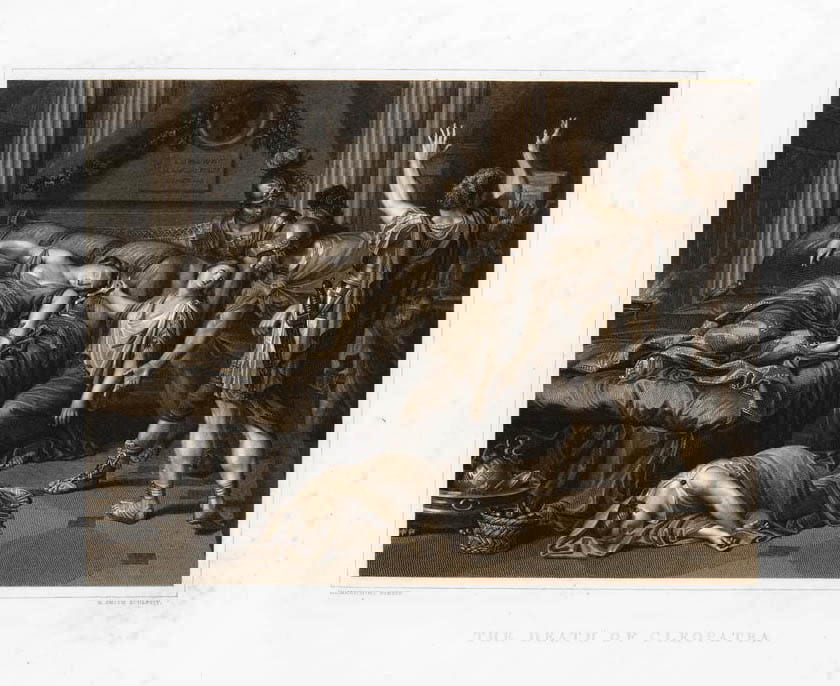
In one of history’s great acts of personal resistance, Cleopatra, with two attendants, Iras and Charmion, reportedly had a basket of fat figs delivered to her rooms. It was not just figs the baskets contained:
“It is said that the asp was brought with those figs and leaves and lay hidden beneath them, for thus Cleopatra had given orders, that the reptile might fasten itself upon her body without her being aware of it. But when she took away some of the figs and saw it, she said: ‘There it is, you see,’ and baring her arm she held it out for the bite.” [Plutarch, Life of Anthony, 86.1]
Octavian was said to have been enraged to have been robbed of his hour of triumph. Nevertheless, his last rivals in the Republican civil wars were vanquished, and Caesar’s heir created a new imperial Roman order.
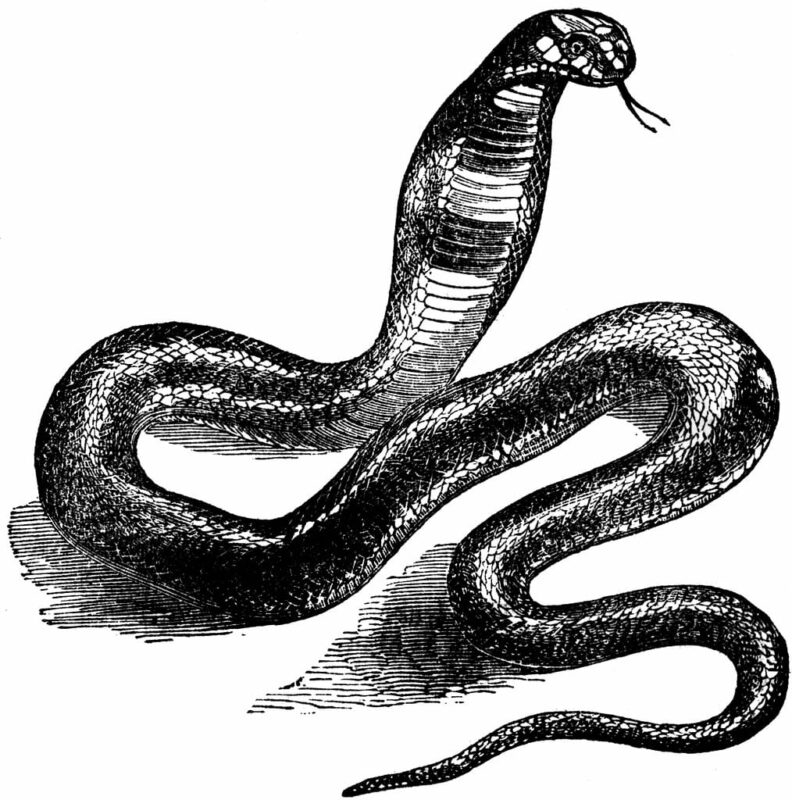
Accounts of Cleopatra’s story suggest that she obtained her poison from the Psylli. Perhaps akin to Mithridates’ Agari of Scythia, they were a local tribal people of Africa who were famed for their knowledge of venomous snakes, providing cures to their bites. Although some ancient sources imbued them with holding an antidote to snake venom, other sources thought rather that the Psylli had mastered the art of sucking venom from snake wounds. Later the term Psylli was used more generally to denote snake charmers and healers.
5. The Suspicious Death Of Germanicus Caesar
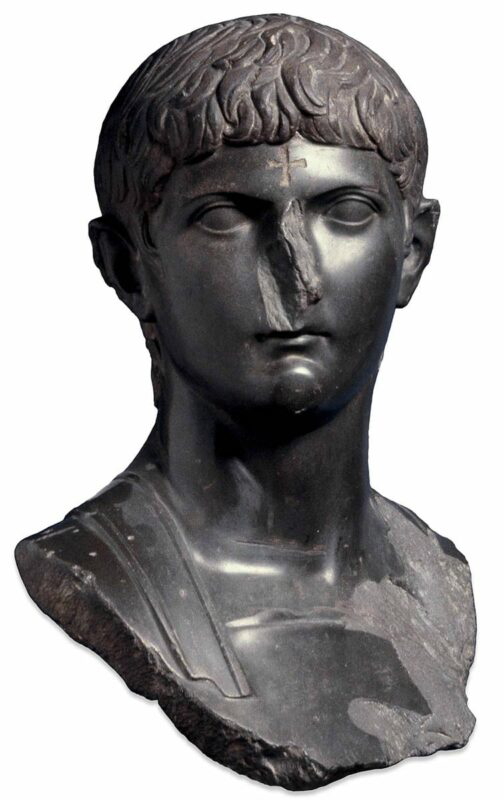
Poisons have often been used to murder leading figures, deployed in secret to circumvent security and evade detection. Rome was certainly no stranger to poisonings, though accusations, such as Agrippina poisoning the emperor Claudius with mushrooms, are hard to prove.
Germanicus Julius Caesar (15 BC-AD 19) was the adopted son of his paternal uncle, the Emperor Tiberius. He was set on the path to imperial power and was popular with the public. Sources suggest that his moody uncle and adopted father, Tiberius, may have been jealous.
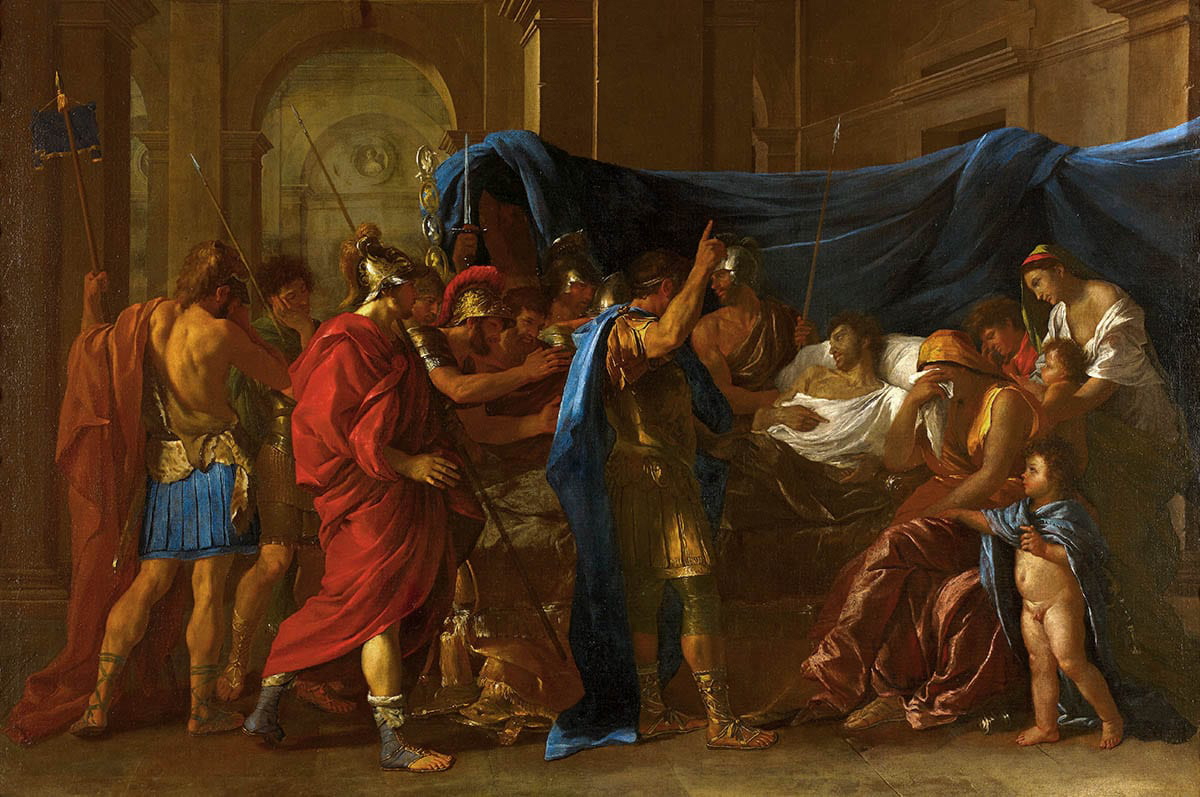
Gaining his military reputation in Germania (hence the name), like many heirs apparent, he was given command of Rome’s eastern provinces. In his last year, Germanicus experienced a very fractious relationship with the governor of Syria, Gnaeus Piso, a close friend and direct appointee of Tiberius. There was clear animosity between the two men, and Germanicus felt that Piso had worked to thwart his rule in the East; countermanding orders and taking a hostile stance to his very presence. As things came to a head, Germanicus suddenly sickened. According to Tacitus‘ account of his deathbed conversation, Germanicus himself suspected foul play.
“Even if I were dying a natural death,’ he said, ‘I should have a legitimate grudge against the Gods for parting me, at this young age, from my parents, children, and country. But it is the wickedness of Piso and Plancina that have cut me off.” [Tacitus, Annals, 2.70]
Rome’s most favored son was cut off in his prime, and the Roman historians make it clear that something didn’t smell right. Tacitus ultimately notes that there was no clear evidence that Germanicus had been poisoned, but the suspicion alone was enough to see Piso put on trial, and then commit suicide.
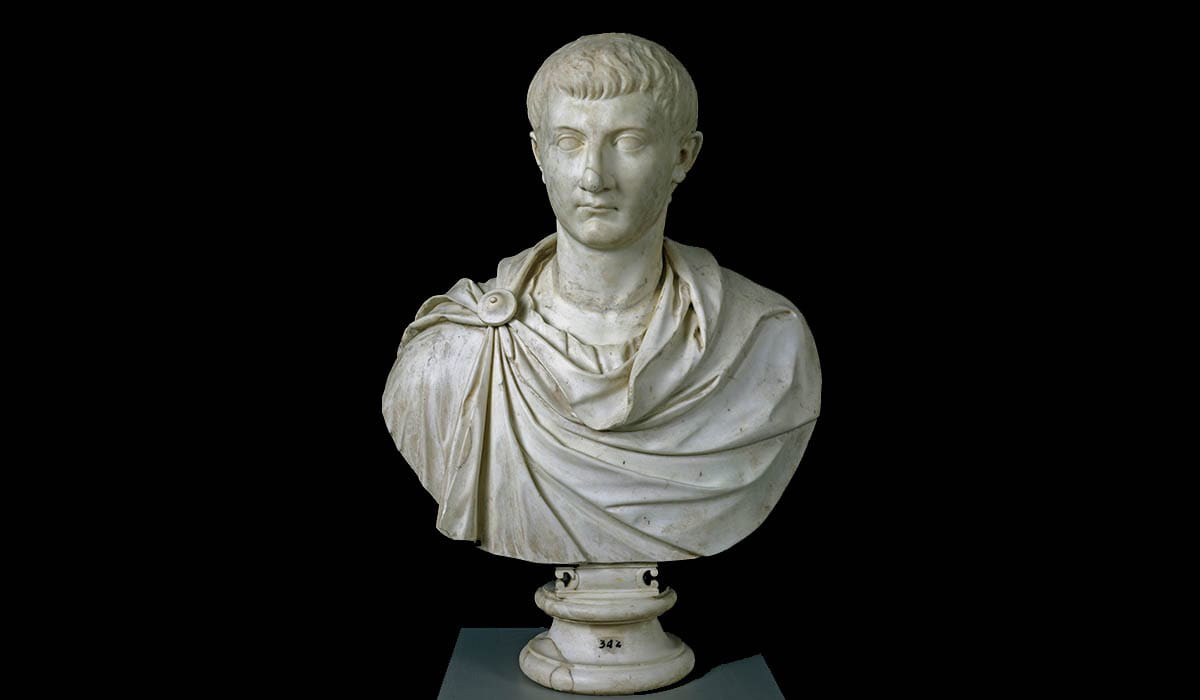
Following his death, Germanicus was replaced as heir by Tiberius’ biological son Drusus. He also died prematurely in AD 23, reportedly poisoned by his wife Livilla in a plot with her lover, the Praetorian Prefect Sejanus. Reportedly, her personal physician, Eudemus, and a trusted slave named Lygdus secretly administered a slow-acting poison. Subsequently, many Roman emperors and heirs were suspected of being poisoned. In addition to Claudius, just a few decades later, his biological son Britannicus was reportedly poisoned by Nero.
Used in warfare, in murder, in medicine, and to hunt, poison has a long and ancient history. Though the ancient sources are scant on scientific detail, it is clear that many ancient societies worked with poisons and toxins.