
Pope Innocent VIII’s bull, published on December 5, 1484, commissioned two Dominican Inquisitors and professors of theology, Jakob Sprenger and Heinrich Kramer, to end witchcraft, which was, at the time, considered to be practiced by “heretics and other enemies of Christendom, both groups and individuals.” This marked a shift from how those accused of witchcraft were treated in the early Middle Ages and before.
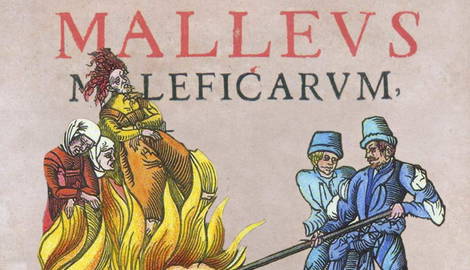
Unfortunately, as women were the ones most often accused of witchcraft, they received the bulk of the hatred, and subsequent texts and images depicting witchcraft, rituals, and deals with the devil became misogynistic. Sprenger and Kramer aided in creating the image of a witch and the danger they posed to society with the 1487 publication of the Malleus Maleficarum, or The Hammer of Witches, which led to surveillance and discrimination against women, especially those who fell outside of “normal” society.
The Radical Zealotry of Heinrich Kramer
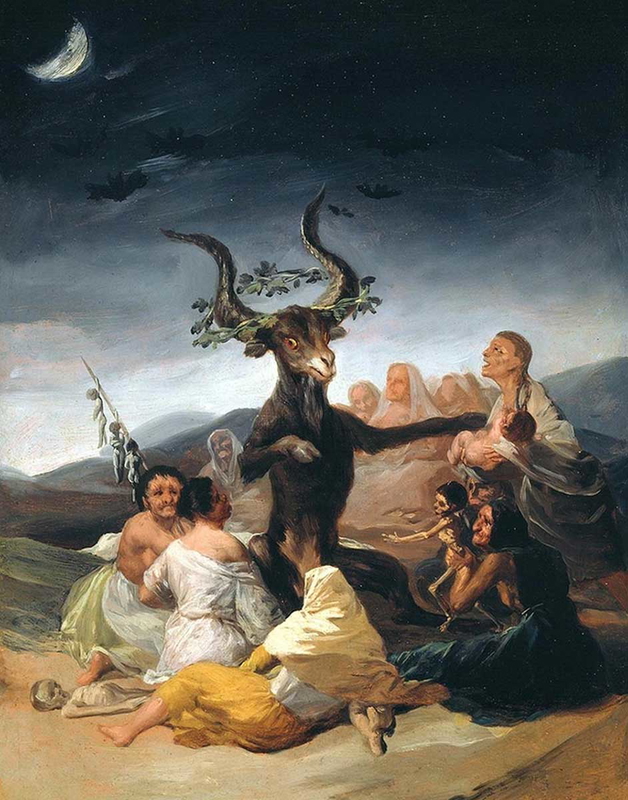
While Sprenger and Kramer both wrote The Hammer of Witches, Kramer was the principal author of the medieval witch-hunting manual. Heinrich Kramer was born in 1430 in Lower Alsace. He joined the Dominican order as a monk and rose in prominence quickly within the field.
Driving him was an earlier trial involving a woman named Helena Scheuberin, the defeat of Kramer in accusing her of witchcraft, and the subsequent descent into his vendetta against women. Scheuberin refused to be locked into the traditional feminine role of her time and voiced her displeasure with Kramer’s sermons. Her refusal to go to service led him to accuse her of witchcraft.
According to scholar Jane Schuyler, witches in the Middle Ages were regarded warily, as they were believed to cause harm, but they were mostly treated as social misfits isolated from normal society. This changed with the idea that witches were “heretics in league with the devil, opposed to the rule of God on earth; they were seductive and immoral, and received their powers as gifts from Satan,” where they bound their life to his turning away from their Christian faith.
Kramer already had a questionable reputation within the theological fields of his time. When he sought the University of Cologne’s approval for his text in 1487, he was considered too extreme. His fight against heresy and his insistence that the Church was not doing enough against women who were involved with the Devil drove him to push the boundaries of who was in charge of the trials, how they were conducted, and with what evidence. Kramer ended up writing and collecting pieces for The Hammer of Witches only a couple of years after the trial of Scheuberin. His disgust for women operating outside social norms became twisted with misinformation and misogyny that was used to look for and “hunt” witches across Europe, focusing specifically on women in vulnerable positions.
Deconstructing the Systemic Misogyny of the Text
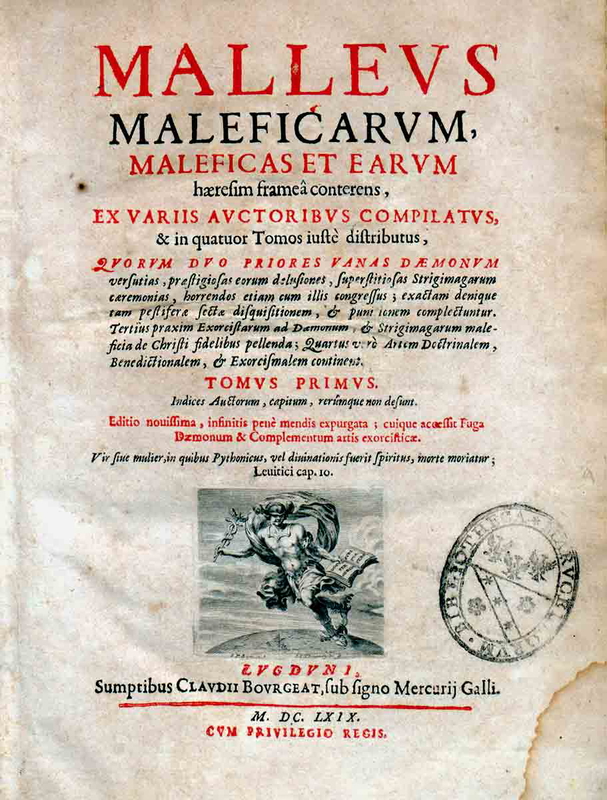
The Hammer of Witches had five sections: the justification of the witch hunts, the papal bull, approval by professors of theology at the University of Cologne, the table of contents, and the main body.
Kramer argued, “women to be the sole operators of witchcraft, ‘What else is woman but a foe to friendship, an inescapable punishment, a necessary evil, a natural temptation, a desirable calamity, a domestic danger.’” Those ideals already show the nature of the text regarding women and how they should be held in suspicious regard. Of course, they were more likely to be witches and a danger to the public, and responsible for things like disastrous crops, deaths of vital work animals, sicknesses plaguing the village, or a couple being unable to have children. These events could be devastating to the survival of the village, and the need to point fingers and find a cause meant women were easy scapegoats.
The only way to escape from a witch, according to Kramer, was by turning to religion, saying that, “[If the man being ensnared by the witch] pleaseth God shall escape from her; but he that is a sinner shall be caught by her.”
How the Printing Press Distributed Social Paranoia
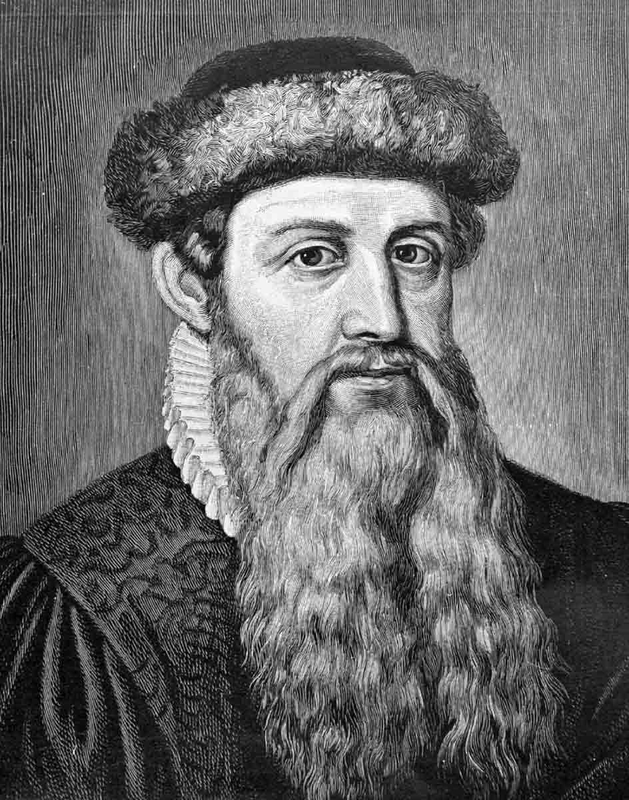
While similar ideas and texts were in circulation before, The Hammer of Witches is unique in both the spread of the ideology and its survival over hundreds of years. Johannes Gutenberg changed the course of history for both printing and books with the invention of the movable type printing press in 1436. Unlike in the past, when other texts required entire pages to be carved from a block or hand-lettered, the printing press enabled The Hammer of Witches and other texts to be printed faster and more cheaply. This allowed it to spread across Europe.
If Kramer had written this text 50 years earlier, it might not have spread as far as it did, ingraining itself into the public’s perception of what a witch is and how to find them. This instead became a printed copy for the educated population, and judicial officials and other men in the court system could use it as a blueprint for how to conduct a witch trial.
Weaponizing Secular Courts Against the Female Population
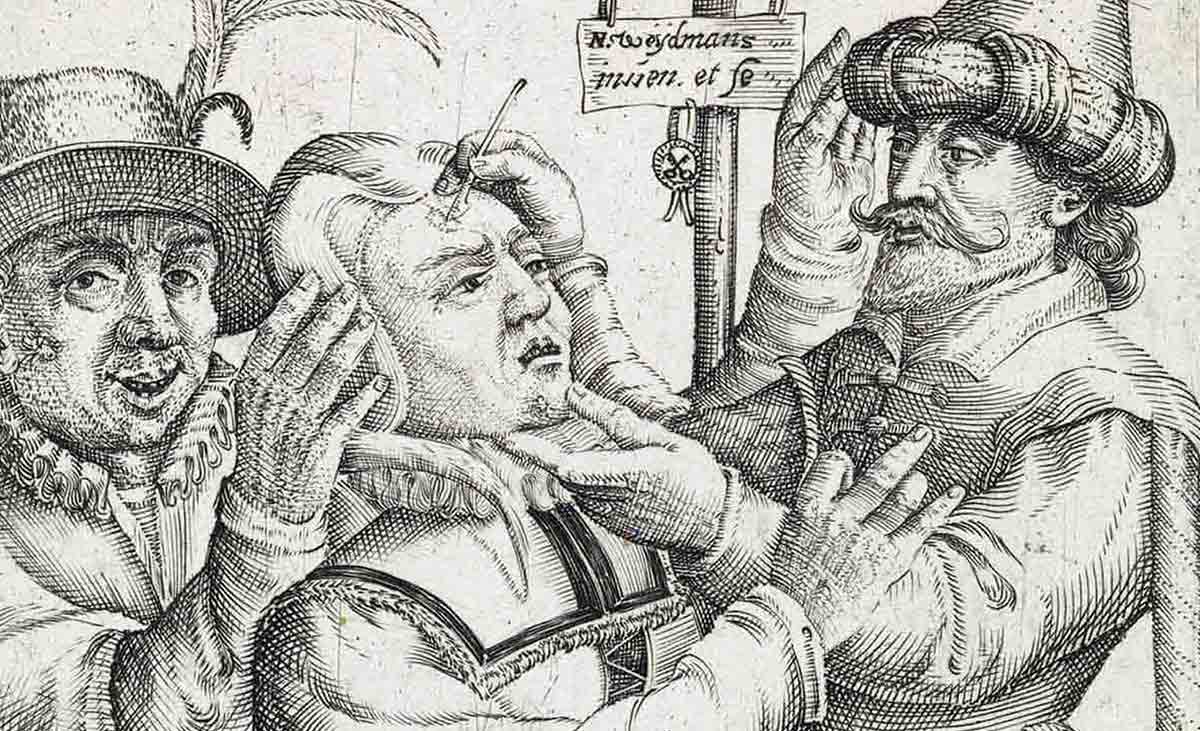
When examining how witch trials were conducted, it is important to recognize the fundamental differences between trials in the Middle Ages and those today. Today, it is often considered that the person accused of a crime is ‘innocent until proven guilty.’ The court presents an argument and evidence that a person is guilty. Back then, it was the complete opposite. The accused person had to prove to the court that they were innocent of the crime.
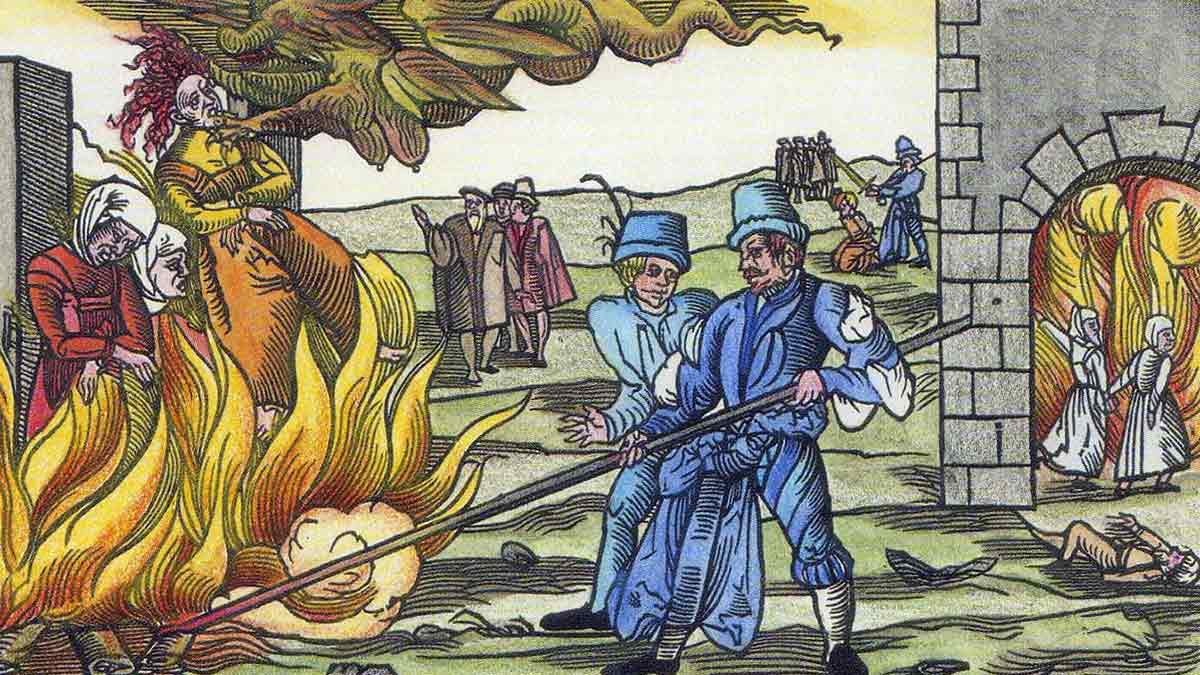
Now imagine a woman having to prove to a group of men who already have a text that tells them how susceptible women are to getting involved with the Devil and witchcraft. Many, although not all, of these victims were also marginalized by society for being too loud, having vices, mental illnesses, or being older and alone with no support system. Potentially, they could not provide for themselves, and became beggars and a ‘nuisance’ to their village. The change that Kramer pushed for also meant that these crimes that were originally tried religiously could be tried in secular courts as well, which resulted in more trials and executions.
Evidence in the trial could include confessions that were given under coercion, or through torture, and the promise that naming themselves or others as a witch would make the pain end. The ‘observations’ of witchcraft could include testimony of others, including neighbors who may be feuding with the accused. Even testimony of a husband being in bed with his wife all night would not suffice, as the Devil could make witches travel in the blink of an eye. It seems there was little way to protect yourself once you ended up on trial as a witch in Europe during that time.
The Enduring Historical Trauma of the Witch Trials
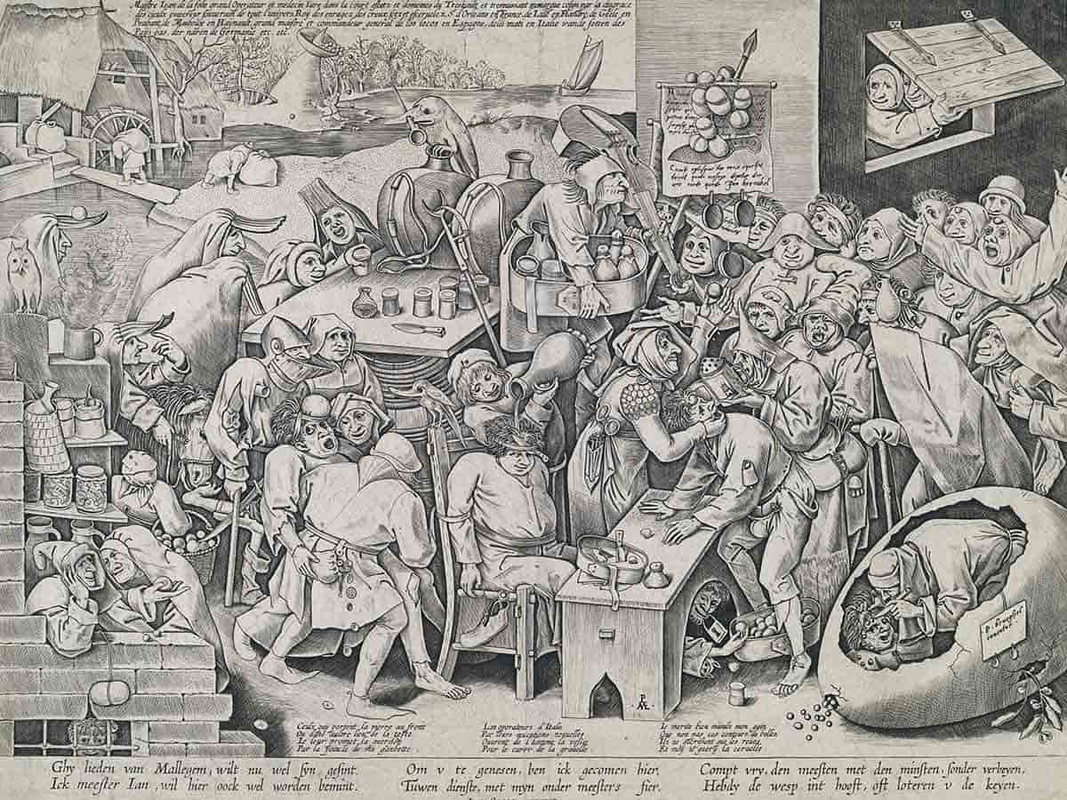
While witch hunts are no longer a literal event in the modern world, it doesn’t end the trauma related to the damage these trials and executions had on the public, especially for the women accused or worried about being accused. One of the last documented trials of a witch may have been in 1775 in Poland, showing that this text had a lasting impact on the culture. It is estimated that around 40,000 to 60,000 people died because of the witch hunts.
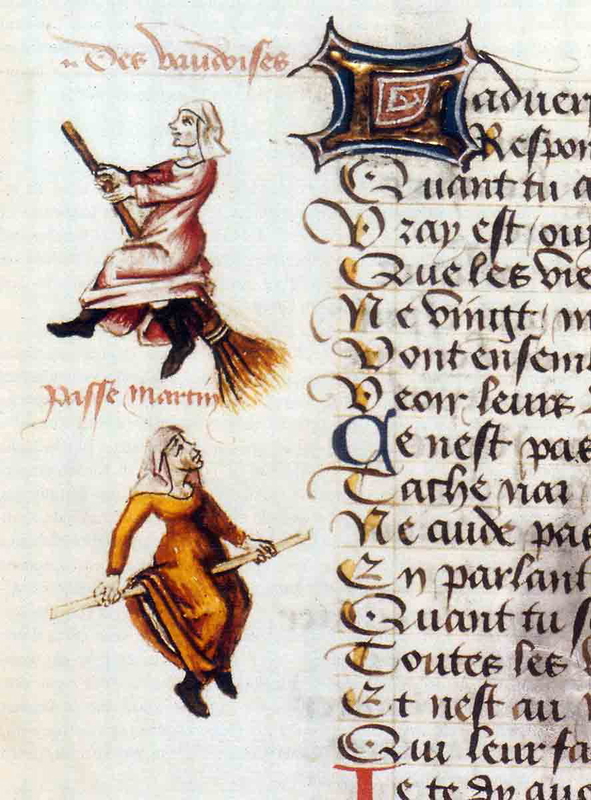
These views of witchcraft in the text have leaked into other parts of culture that have lasted until even today. Art during the day reinforced the negative stereotypes of women engaging in inappropriate behaviors and meeting with the Devil. Today, we still see images of witches wearing all black, with warts on their noses, flying on broomsticks, and cursing people.
The Hammer of Witches is not the only theological, religious, or historical text that codified systemic prejudice against a group of people. Nor is it the only one that has been used in history to carry out atrocities. However, it serves as a reminder of how women were demonized for years and suffered personally, publicly, and judicially at the hands of men who took this manual verbatim on how to prosecute witches.