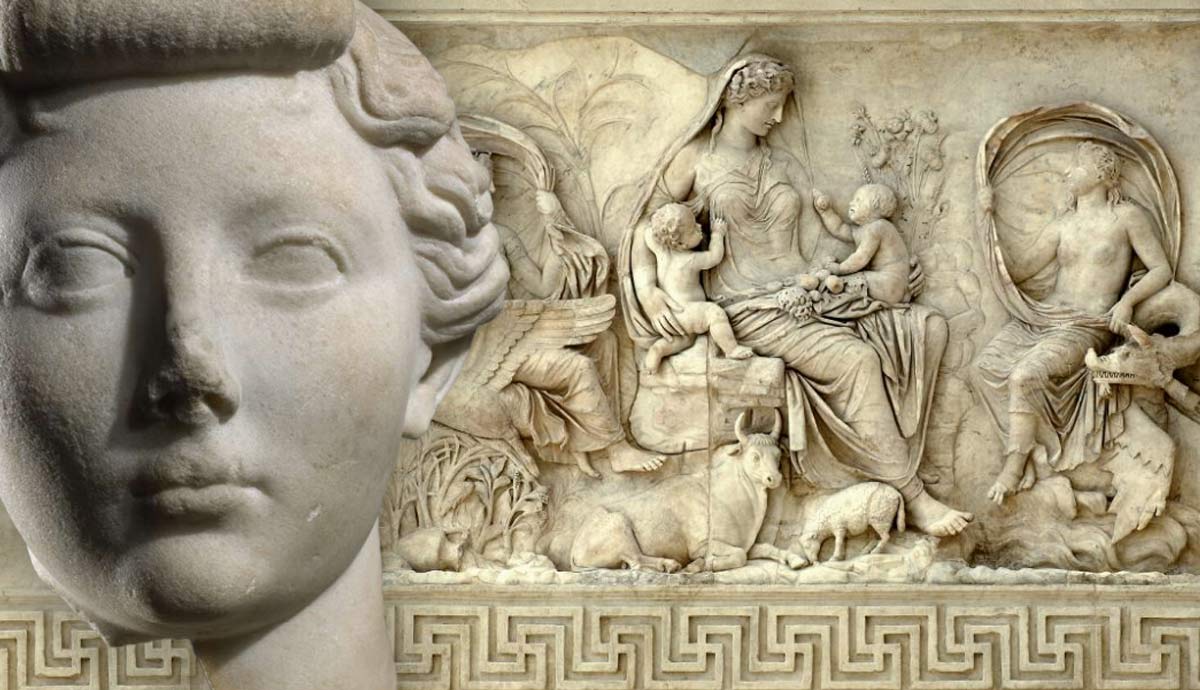

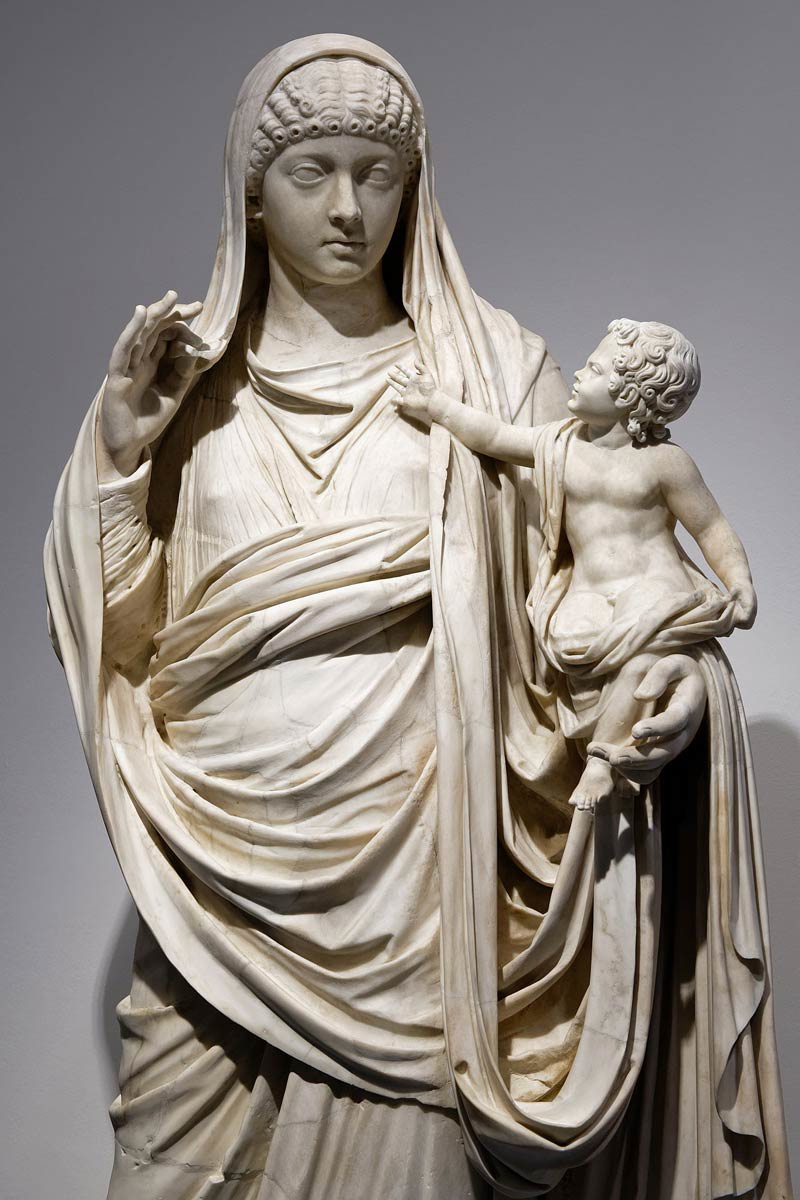
Britannicus was the son of the Roman emperor Claudius and his third wife, Messalina. The infant boy was proudly named Britannicus to celebrate Claudius’ conquest of Britain. As Claudius’s only living son, Britannicus was his presumed heir. But when Messalina fell from favor and Claudius married his fourth wife, Agrippina the Younger, Britannicus’s fate changed. With his new marriage, Claudius also gained a new stepson, Nero. Through his mother’s machinations, Nero usurped Britannicus’s role as heir and became emperor in AD 54. Not long after, Nero killed his little stepbrother and potential rival. The fate of Britannicus reveals the ruthless political machinations and maneuvering that defined the Julio-Claudian Dynasty and resulted in its extinction with the death of Nero.
Imperial Bloodlines
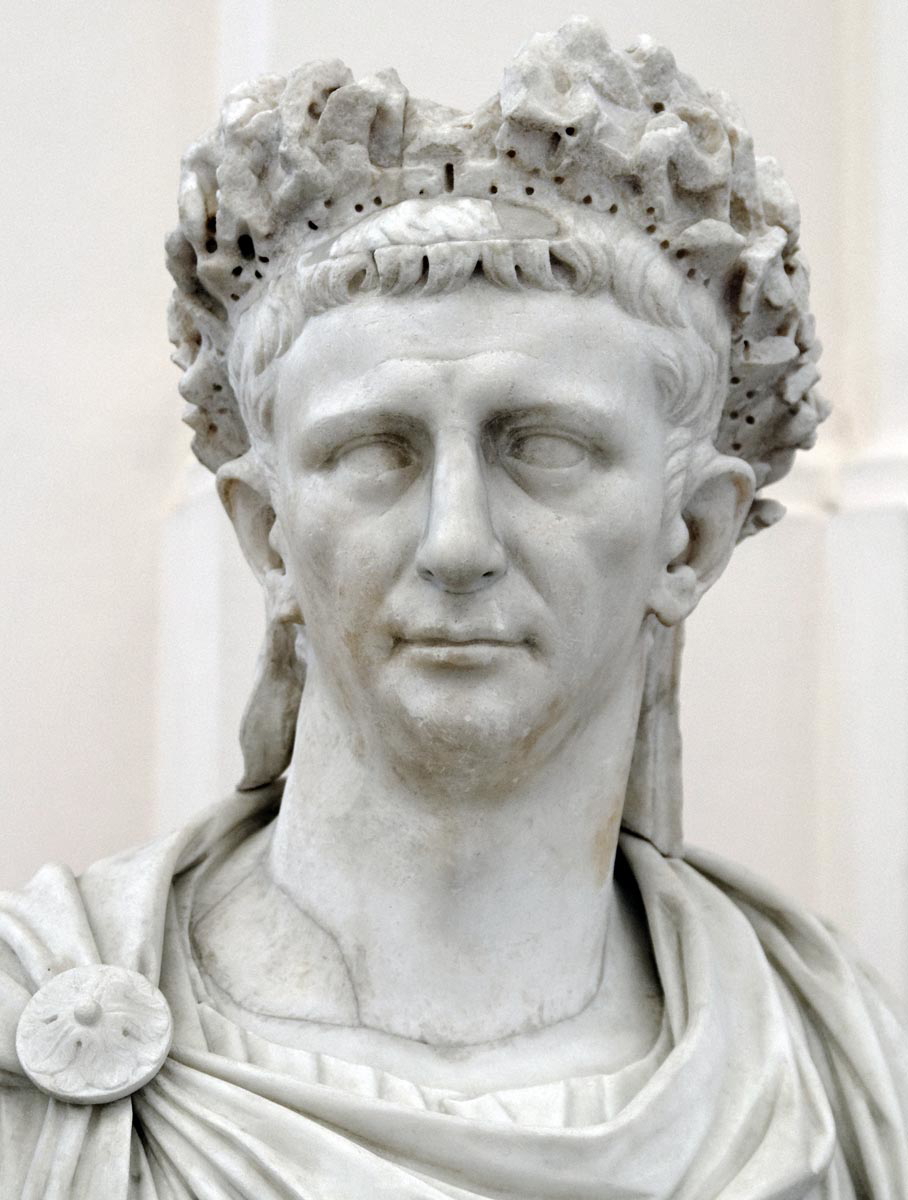
Tiberius Claudius Caesar Germanicus, later known as Britannicus, was born on February 12, AD 41. This was less than one month after the death of the Roman emperor Gaius Caligula and the accession of his father, Claudius. If he had been born just a month earlier, no one would have suspected him of being a potential heir to imperial power.
Claudius was the son of Drusus Caesar, the son of Livia Augusta, the wife of Augustus, and the brother of the Roman emperor Tiberius. His mother was Antonia Minor, one of the daughters of Mark Antony and Augustus’s sister Octavia. But while Claudius’s brother Germanicus was adopted by Tiberius as his heir and was beloved by the Roman people before his untimely death, Claudius was never adopted into the Julian gens. This is the main reason Rome’s first dynasty is called Julio-Claudian, and not just the Julian. Claudius was never singled out for power because he suffered from some unknown illness, very likely epilepsy or cerebral palsy. Instead, Tiberius was succeeded by Germanicus’s son Gaius Caligula. Claudius was still a member of the imperial family but was largely kept in the background.
Despite his prestigious parentage and a promising start, Caligula proved to be an unstable character and an unreliable emperor. He was assassinated by the Praetorian Guard in January AD 41. Needing someone to fill the power vacuum, the guard apparently found Claudius cowering in the palace and made him their new emperor.
Claudius and His Wives
At the time of his rise to power, Claudius was on his third wife. He was first married to Plautia Urgulanilla between AD 9 and 24. They had a son, Claudius Drusus, who died before the death of Tiberius. The pair apparently divorced due to Plautia’s scandalous love affairs. He was then married to Aelia Paetina from AD 28-31, before another divorce, and they had a daughter, Antonia.
Claudius married Valeria Messalina in AD 37. She was also a member of the imperial family. She was the daughter of Domitia Lepida, a daughter of Lucius Domitius Ahenobarbus and Antonia Major, another daughter of Mark Antony and Octavia. Together, she and Claudius had two children, a daughter, Claudia Octavia, in AD 39/40, and a son, Britannicus, in AD 41.
Born just after his father was made emperor, Britannicus had the Julio-Claudian credentials to be a future leader of the Roman Empire if he could survive a perilous youth at court.
A Problematic Mother
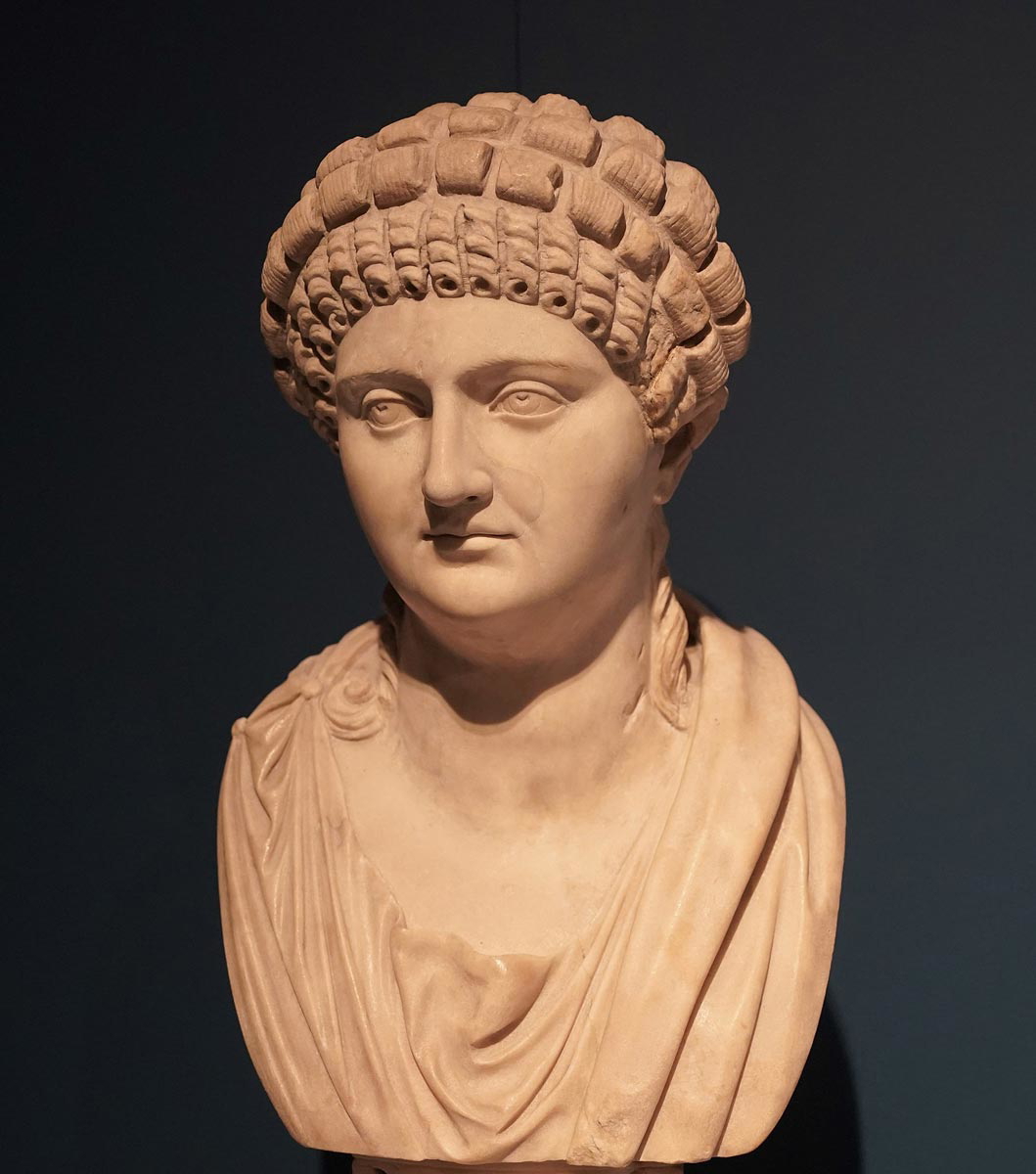
According to ancient sources, such as Tacitus and Suetonius, Britannicus’s biggest problem was his ruthless, predatory, and sexually insatiable mother Messalina. The sources accuse her of ruthlessly manipulating her husband to deal with her enemies. They claim that she was behind many politically advantageous murders that occurred during the first years of Claudius’s reign.
However, Claudius is consistently described as manipulated by all his wives. This suggests that this was a literary trope used to excuse Claudius for some of the more heinous acts that occurred during his reign. It is also very likely that there was political opposition to Claudius during the early years of his reign because he was selected by the Praetorian Guard rather than Rome’s political elite. Therefore, it is more likely that the people who died while Claudius was married to Messalina were strategically targeted as potential threats and opposition.
Nevertheless, Messalina is first accused of targeting Caligula’s sister and Claudius’s niece, Julia Livilla. At the start of Claudius’ reign, she was recalled to Rome following exile for conspiracy under Caligula. She was exiled again and executed. Julia Livia, the daughter of Tiberius’s son Drusus, was also attacked and executed in AD 43. Notably, she had a son, Rubellius Plautus, who was eight years older than Britannicus and could eventually have been rallied behind as a political rival. He survived until AD 62, when he was executed by Nero for his role in a rebellion.
Messalina’s mother’s husband, Appius Silanus, was also dealt with. According to the story, Messalina wanted him for herself and was disappointed by his rejection. Therefore, she organized for both her and one of Claudius’s trusted freedmen, Narcissus, to tell Claudius that they had identical dreams about his treason, resulting in his execution. Of course, Messalina’s mother was also a grandniece of Augustus, so Silanus may have thought that he could make a run at imperial power.
Her next supposed target was Valerius Asiaticus, the rich owner of the Gardens of Lucullus, which Messalina apparently coveted for herself. It is also claimed that he was having an affair with Poppaea Sabina the Elder, Messalina’s love rival for the attention of the actor Mnester. Asiaticus was executed without trial on the counts of failure to maintain military discipline, adultery with Poppaea, and homosexuality. Messalina is portrayed as the source of this act, with her ally Sosibius informing Claudius that Asiaticus was intending to rally troops in Germania to support him. But the evidence seems to have been sufficiently convincing since the Senate awarded Sosibius one million sesterces for his role in uncovering the conspiracy.
Female Rivalry: Messalina and Agrippina
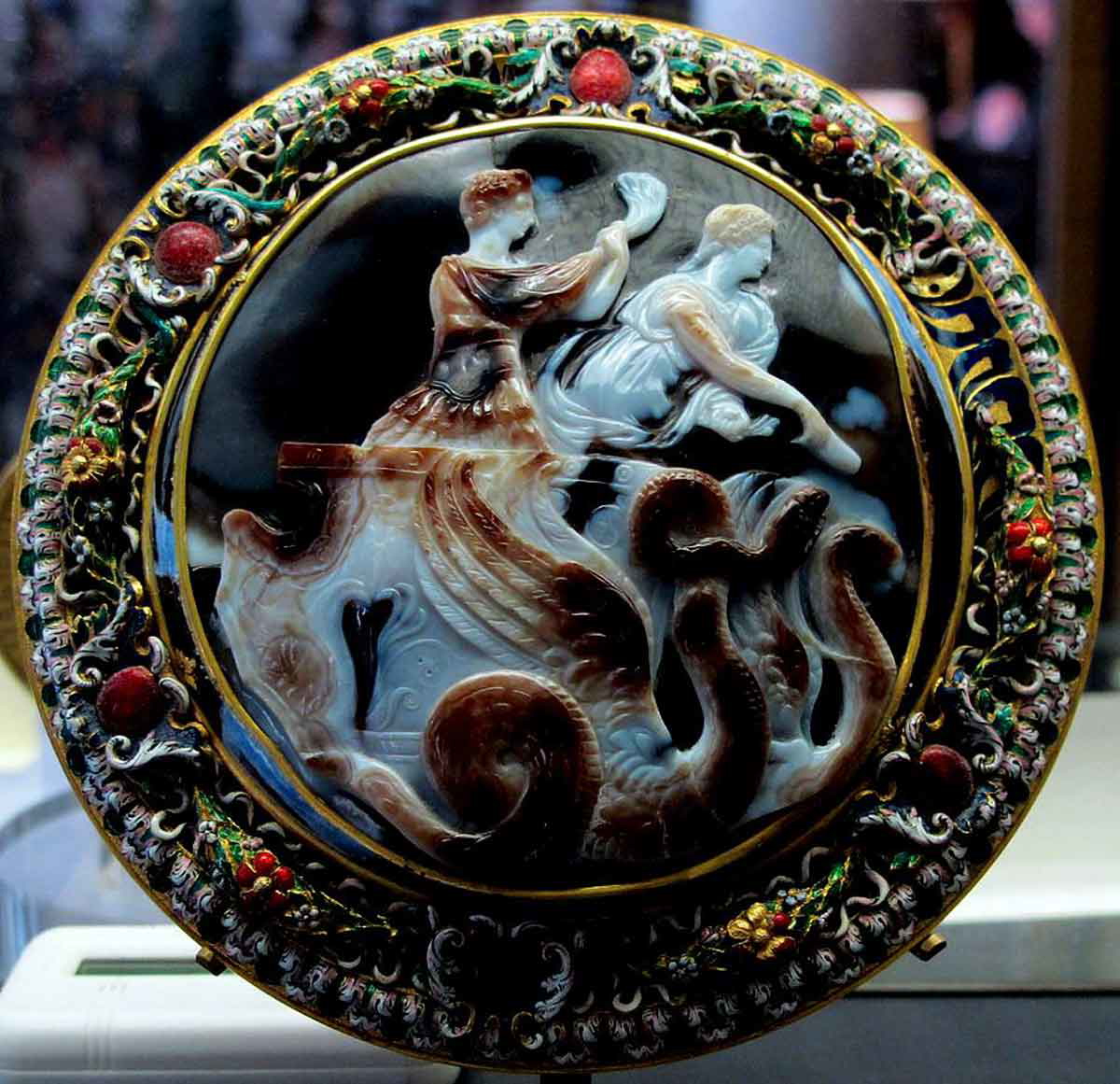
The sources suggest that Messalina also had her eye on Agrippina the Younger, another sister of Gaius Caligula, who also had a son three years older than Britannicus, Lucius Domitius Ahenobarbus. She would have had the same reasons to fear Agrippina as she did Julia Livilla. But apparently, Messalina only took exception to the mother and son in AD 48 when Rome celebrated the 800th anniversary of its foundation with the Saecular Games.
Young members of the imperial family, including both Britannicus and Ahenobarbus, participated in a reenactment of the Battle of Troy. During the presentation, Ahenobarbus received greater applause than Britannicus. After this, Messalina would have turned her fury on the pair, if she had not been distracted by her latest lover.
Messalina is described as sexually insatiable and promiscuous. As well as having many lovers, it is said that she participated in a love-making competition with a prostitute and won. She also apparently moonlighted as a prostitute under the name “She Wolf.” These are both unlikely stories. It would have been incredibly hard for a woman in the public eye to get away with such behavior.
Downfall of Messalina
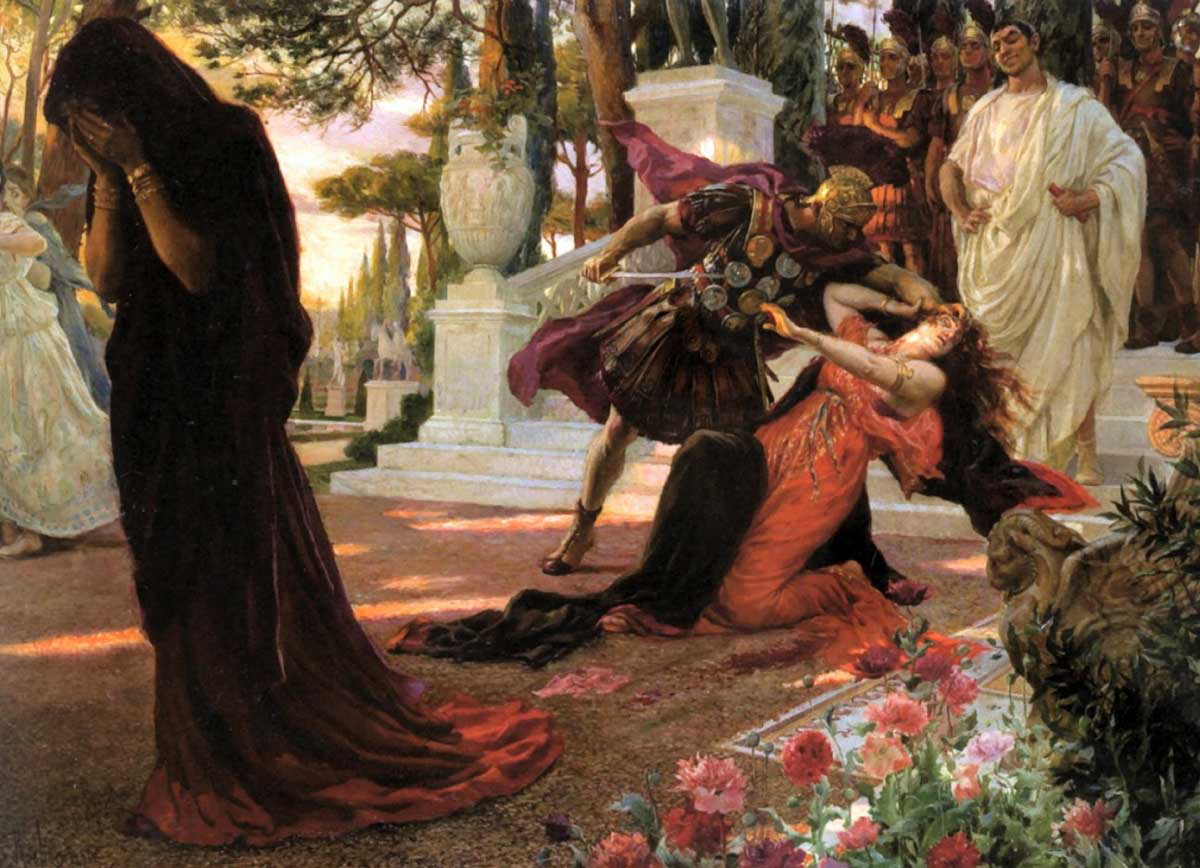
Nevertheless, her apparent promiscuity was the cause of her downfall. She reportedly had a love affair with Gaius Silius, the consul designate for AD 49. In AD 48, while Claudius was away from Rome inspecting the new port at Ostia, she is said to have married him in an elaborate ceremony, therefore making her a bigamist and a traitor. What actually happened is unclear. It has been suggested that this was a political move for Silius to usurp Claudius or a misunderstanding with the two participating in a Bacchic ritual.
The real problem seems to have been that Messalina was betrayed by Narcissus, a powerful freedman in Claudius’s household. This may have been in response to her realizing the execution of another Claudian freedman, Polybius, losing her the support of the household.
Narcissus shared the news of Messalina’s betrayal while Claudius was in Ostia, and the emperor returned to Rome, seemingly willing to resolve the issue with his wife. But when Messalina was summoned to the palace, Narcissus sent the Praetorian Guard to execute her. The person who had the greatest interest in protecting Britannicus and ensuring his rise to power was now dead.
The Wicked Stepmother
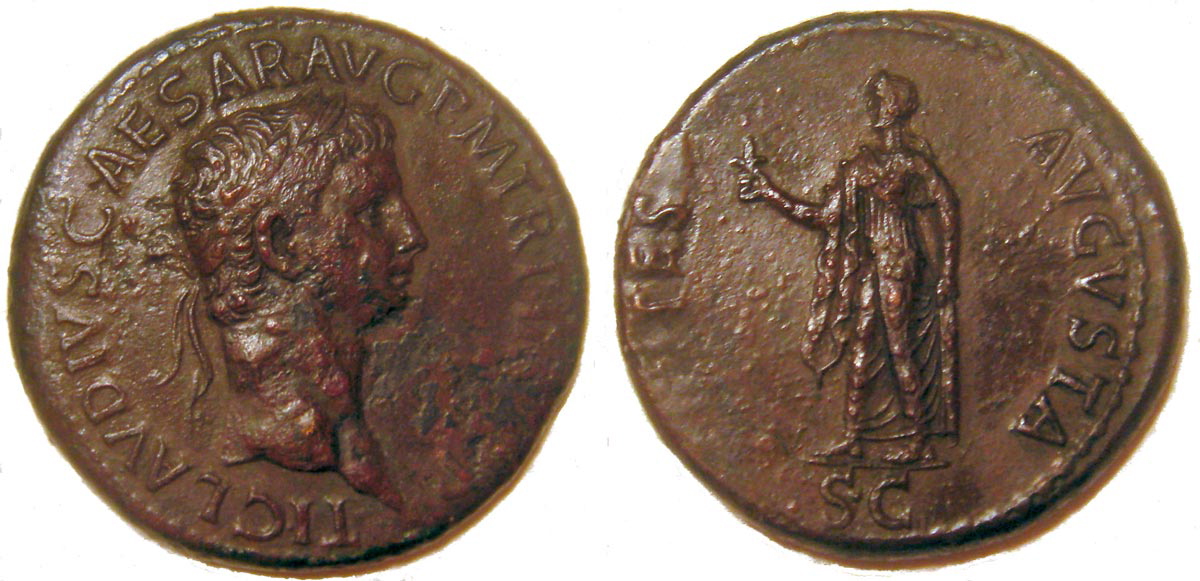
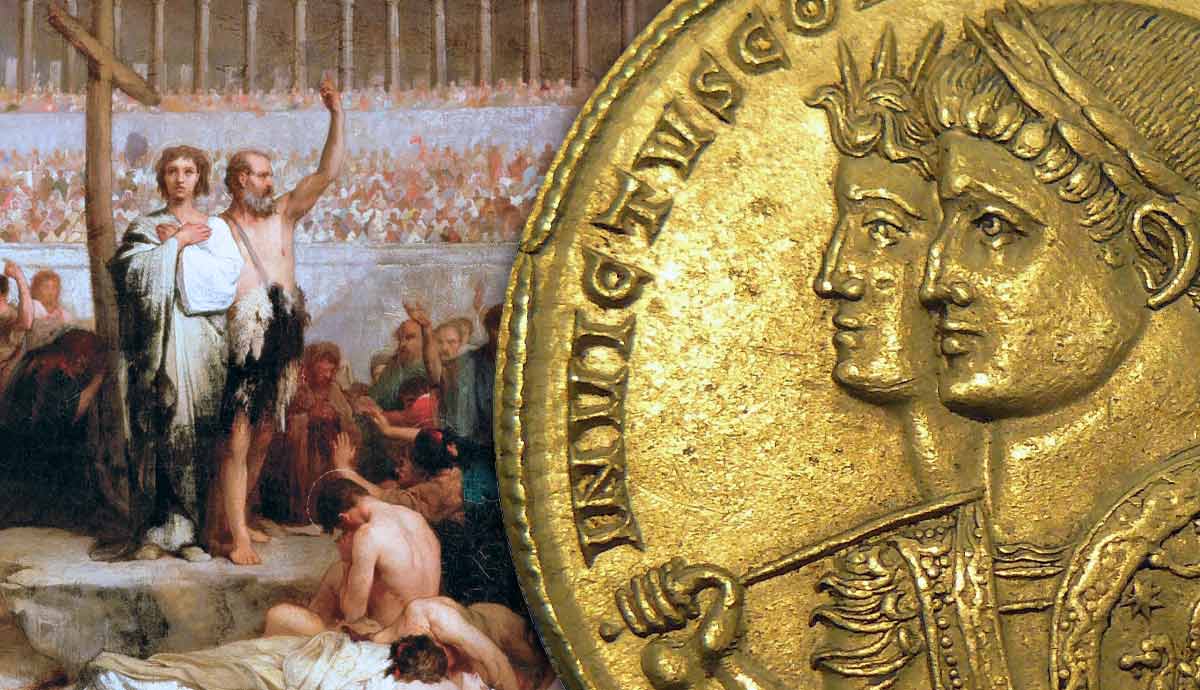
While Messalina was alive, Claudius reportedly doted on his son. In the years following his birth, Claudius minted coins for Britannicus with the legend “Spes Augusta,” suggesting he was the future hope of the imperial household. But all this changed when Claudius married his niece Agrippina the Younger in AD 49.
The stories suggest that under Agrippina’s influence, Claudius adopted her son Ahenobarbus, who was four years older than Britannicus, and favored him as his new heir. Whatever the motive, it is hard to deny that this is what happened.
In 49, Claudius betrothed the boy of twelve to his daughter Octavia, giving him equal footing with Britannicus. The following year, in 50, Claudius adopted the boy, giving him the name Nero Claudius Caesar Germanicus. In AD 51, before the normal age of 14, Nero was given the toga virilis, a sign of adulthood in the Roman world. He was also elected consul designate for the year A 56, when he would be 20 years old. On the same occasion, he was voted the title princeps iuventutis by the Senate, and a donative was given to the army on his behalf. He was allowed to give public speeches in 51 and 52 and finally married Octavia in 53.
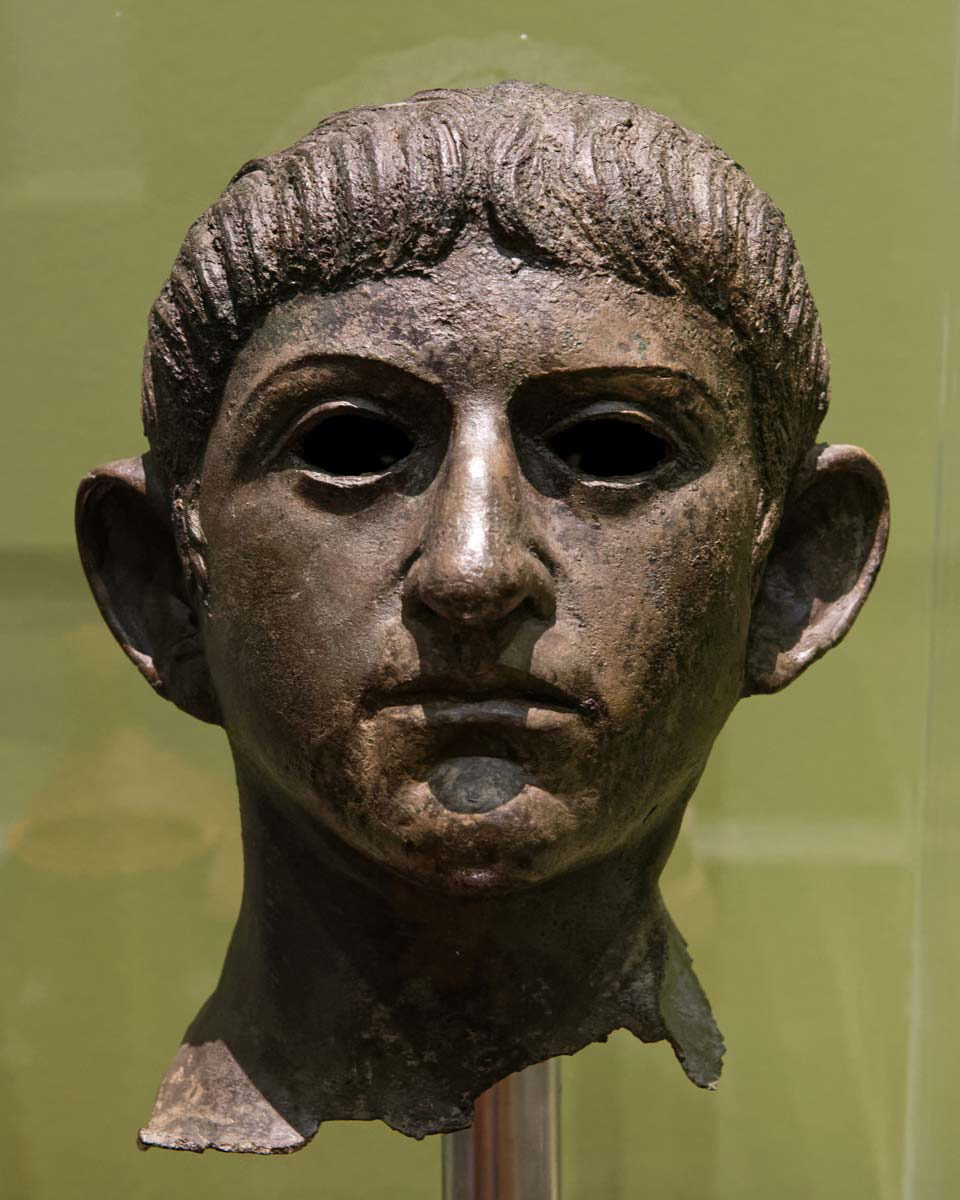
There is no evidence that Britannicus received similar honors, and in fact, he seems to have been diminished to secure Nero’s position. On one occasion, during games in the circus, Nero was allowed to appear in triumphal dress, while Britannicus appeared in the robes of a boy, clearly differentiating the pair.
As a young boy, Britannicus was educated by Sosibius alongside other noble children, including the future Flavian emperor Titus. Sosibius was executed, and Britannicus was surrounded by people chosen by Agrippina, who could keep an eye on the boy and keep him in his place.
Succession
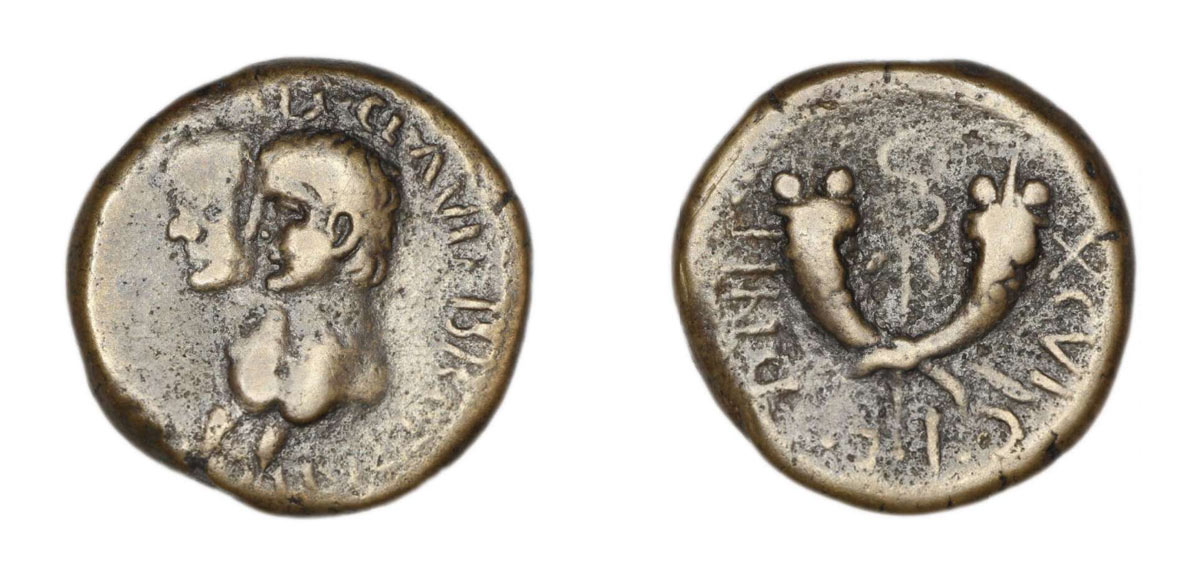
There is some evidence that Claudius may have changed his mind about elevating Nero over his own son in the final months of his reign, perhaps motivated by souring relations with his wife Agrippina.
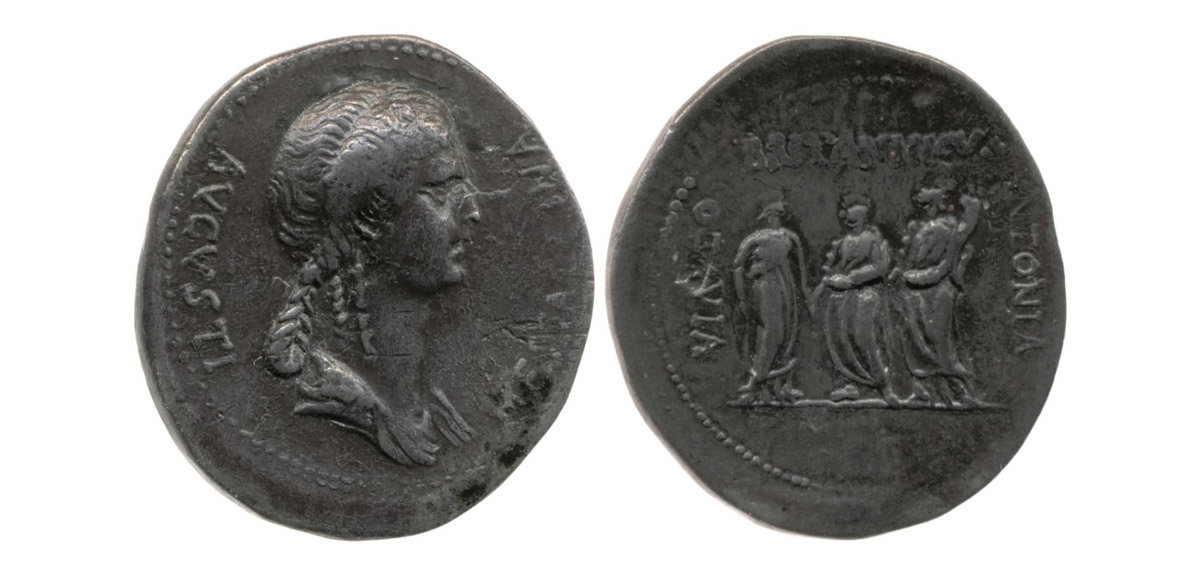
The sources suggest that by AD 54, Claudius was considering divorcing Agrippina. He also presented both Nero and Britannicus to the Senate, suggesting a more equal footing. He may have admonished Britannicus to grow quickly, suggesting that it was only a matter of time before he could assume the position of heir, alongside Nero or in his place. Coins minted in the Roman provinces featuring Britannicus during these years may lend support to this account.
Whatever Claudius’s plans were, he was not able to see them through. He died on October 13, AD 54. It is unclear whether he died of natural causes or if he was poisoned by Agrippina to prevent the divorce and maintain her imperial position.
When Claudius died, Agrippina kept Britannicus and his sisters Octavia and Antonia out of the spotlight so that Nero could perform the eulogy and assume power in Rome. It is said that Claudius’s will was suppressed, with the assumption being that it placed Britannicus on equal or superior footing to Nero.
At this moment in time, Agrippina probably thought she had won, succeeding where Messalina had failed and made her son emperor of Rome.
Death of Britannicus
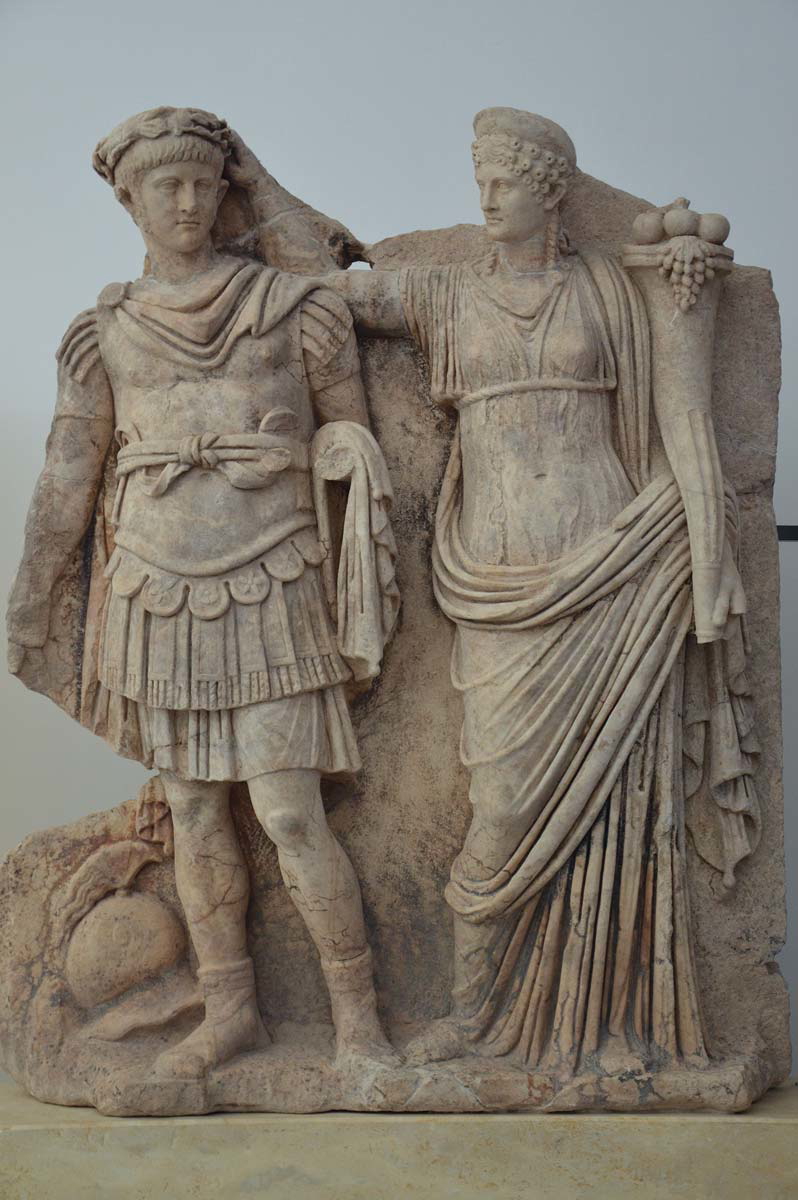
While Agrippina was surely pleased to have made her son princeps, he proved more difficult to control than she imagined. Not long after his succession, he started trying to throw off her control and assert himself. The sources suggest that this led Agrippina to threaten to support Britannicus’s claim over his, suggesting that he had support, to keep Nero in line. Agrippina failed to control her son but probably ensured Britannicus’s death, which occurred sometime between December 54 and 11 February 55, before his 14th birthday.
Britannicus was still treated as an imperial prince at this time, protected to a degree by his young age. Nero reportedly tried and failed to assassinate him several times until he enlisted the help of Locusta, who apparently helped Agrippina poison Claudius. She prepared a fast-acting poison.
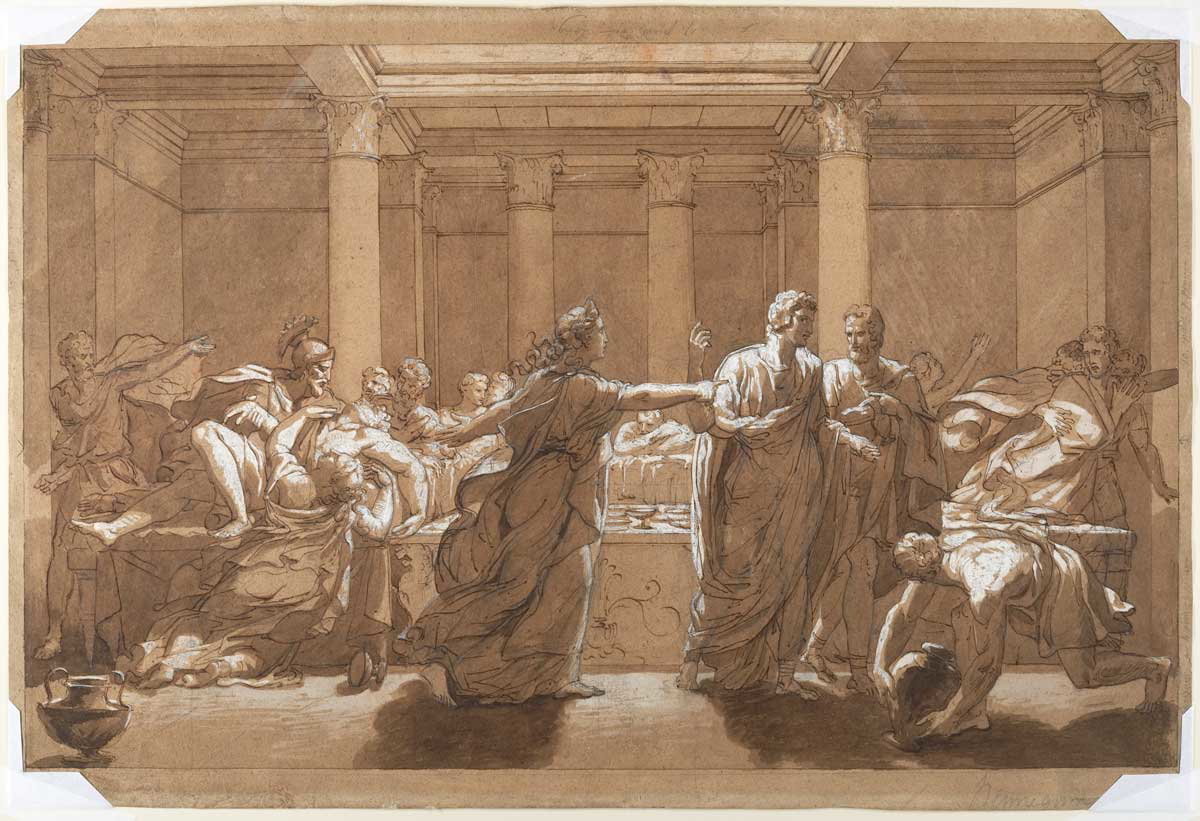
At a banquet, at which Agrippina, Octavia, and Titus were present, Britannicus was reportedly brought a drink that was tested for poison on behalf of the prince. But the drink was hot, and Britannicus requested it be cooled, providing the opportunity to add the poison. When the drink was returned, it quickly incapacitated Britannicus, and he died. Nero claimed that he died of an epileptic fit since he was known to suffer from the disorder.
His body was cremated and placed alongside that of his father in the Mausoleum of Augustus. The funeral was conducted quickly, the day after he died, in the rain. The gossip of the day suggests that this revealed the guilt of the emperor. Nero had covered Britannicus’s body in gypsum to hide the effects of the poison, but this was washed away by the rain, revealing his guilt.
Failure of the Julio-Claudian Bloodline
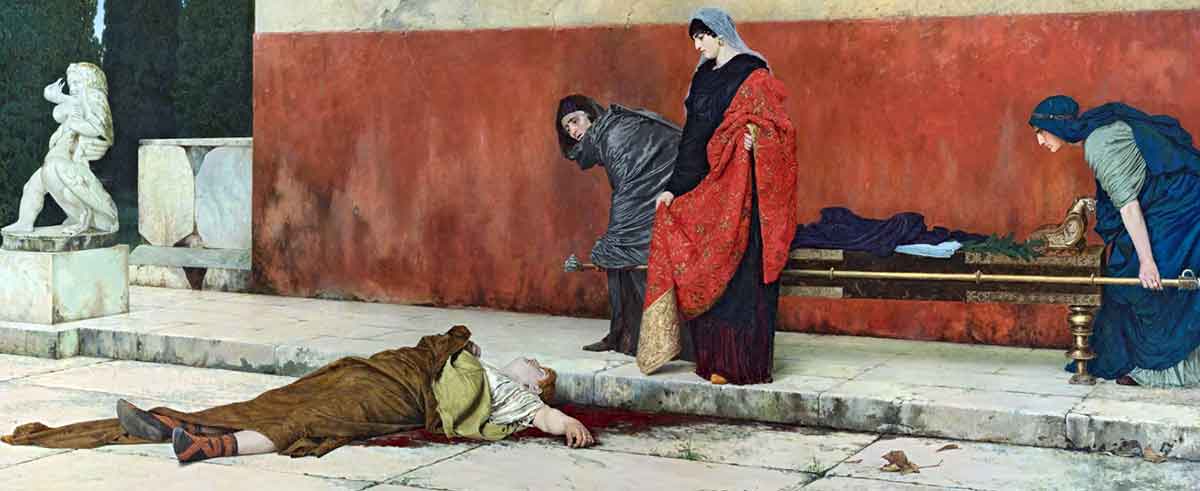
Few people seem to have questioned this turn of events, including Agrippina, who must have known her son orchestrated the death. Nero’s power was absolute, and no one was willing to risk themselves for the dead prince. Agrippina herself would be killed by Nero only a few years later in AD 59.
Octavia would die in AD 62 after Nero divorced her on the charge of being sterile and then had her exiled on the charge of adultery, and eventually executed. After Octavia died, Nero proposed marriage to her older sister Antonia, who refused. In retaliation, Nero had her executed for treason, as she had previously been betrothed to Gaius Calpurnius Piso, of the infamous Pisonian conspiracy against Nero.
Nero himself would die in AD 68, with no issue. His daughter Claudius Augusta, with his wife Poppaea, died within a few months of being born from an unknown illness. As a result, when Nero was forced to commit suicide, there were no Julio-Claudians left to contest power. A year of civil war followed, with Vespasian emerging victorious and establishing the Flavian Dynasty.