
While paging through the Bible, one can find it hard to truly see the daily life of ancient Israelites. What did they eat? Where did they live? What kind of clothes did they wear? In recent years, however, Levantine domestic archaeology has given us a few rare glimpses into what that life was like, with magnificent findings like the famous four-room houses, Judean pillar figurines, and even insights into the probable diet that sustained the people who lived in that reality.
The Architecture of the Israelite Four-Room House
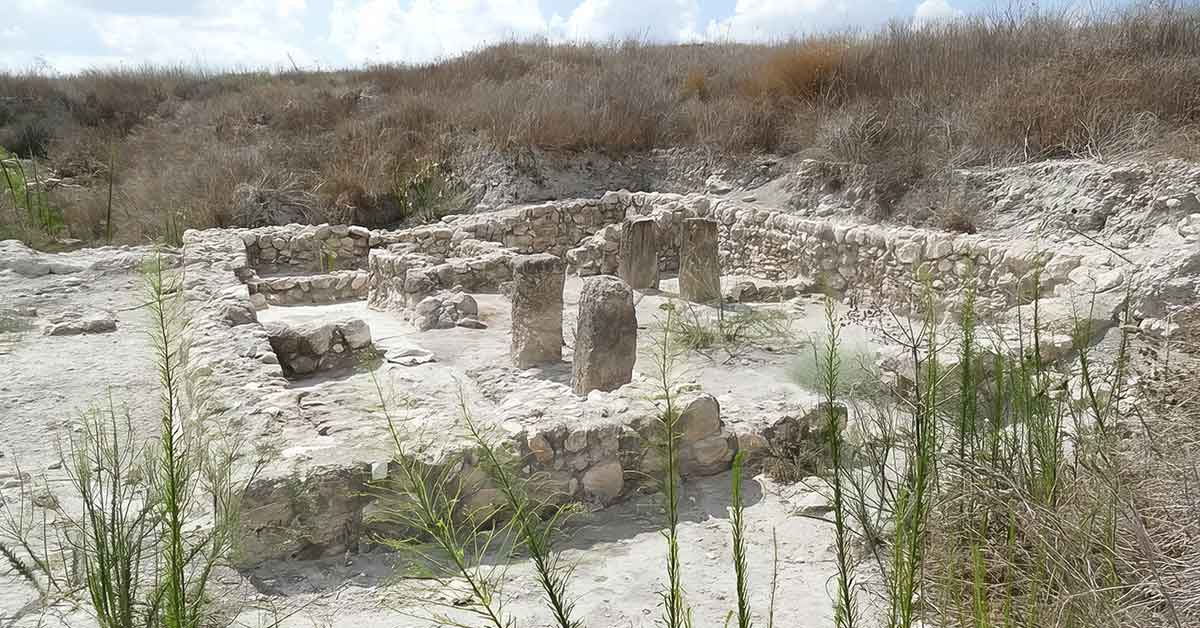
On the Biblical timeline, these were the days of the Judges, followed by the kingdoms of David and his son, Solomon, ending with the Babylonian exile. Yet it has not definitively been proven who stayed in these settlements.
The ethnicity of the occupants of the Israelite four-room house has been a source of scholarly debate. However, this domestic architecture tells us a lot about what life was like for the people living in Israel during those days.
In these mud-and-stone housing structures, the space was commonly divided into four areas and sometimes subdivided further. Two-story versions had livestock occupying the ground floor while a family lived above it. “Pillar” houses had a courtyard in the middle separated by rows of wooden pillars on either side.
Daily Meals and Bread Production in Domestic Life
How people lived tells archaeologists something about what social relationships, family dynamics, and practical daily realities might have looked like. By combining archaeological findings with ancient scriptures, we can begin to reconstruct what foods they ate in the land of milk and honey and how they were prepared.
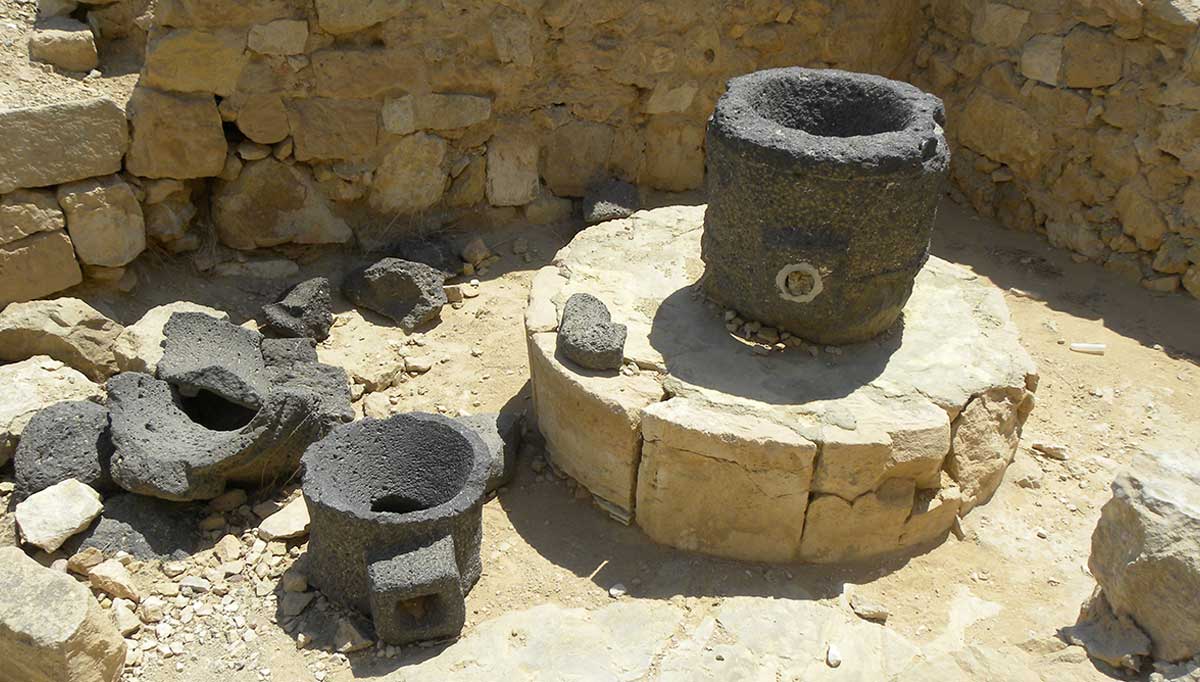
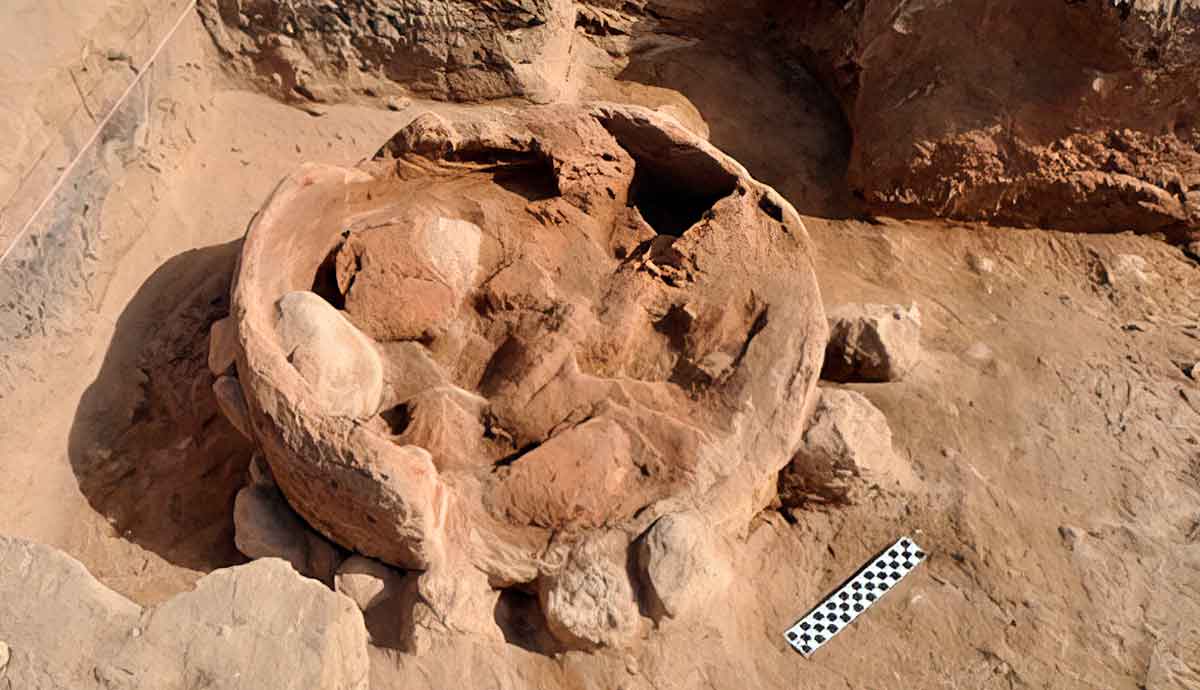
Interesting finds inside and around the homes include basalt hand-grinding stones, indoor clay tabun baking ovens, and even carbonized wheat seeds. These all hint at bread as a dietary staple. Other preserved plants or unearthed ancient farming equipment also show that these bread-based diets were supplemented with legumes like lentils and chickpeas, and fruit like figs.
Some echo of this more tangible ancient kitchen is also found in Biblical scriptures. The Book of Proverbs is filled with food imagery including wine, vinegar, oil, butter, and goat’s milk; and Song of Songs extends to include pomegranates, raisin cakes, dates, and spices.
Household Labor from Textile Weaving to Pottery
The Levantine cuisines show us just how colorful, fresh, and vibrant the diet was in ancient Israel. Beyond food, archaeological finds have also suggested what people spent their time on.
Outside the city centers, many rural families would have produced much of what they needed themselves. Such a lifestyle includes what modern people might consider grueling daily physical tasks – outdoor work like carrying water and working your own farm or vegetable garden; and indoor work like weaving wool or linen and preparing meals (from scratch).
Some beautiful finds include ceramic vessels for wine or water, storage containers for grain during harsh seasons, spindles for weaving, and clay loom weights. Proverbs 31 poetically suggests that a woman’s day might be filled with household tasks like making clothes and creating goods to sell at the market.
Hygiene, Disease and Sanitation in Ancient Settlements
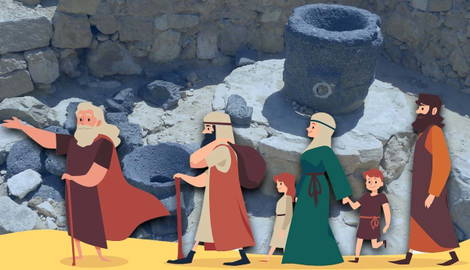
Even something as ordinary as going to the bathroom helps us understand the daily life behind the pages of the Bible. Cities had water reservoirs for local use and dry seasons, as well as cisterns, wells, and channels. Water was carried into homes with vessels and therefore used sparingly.
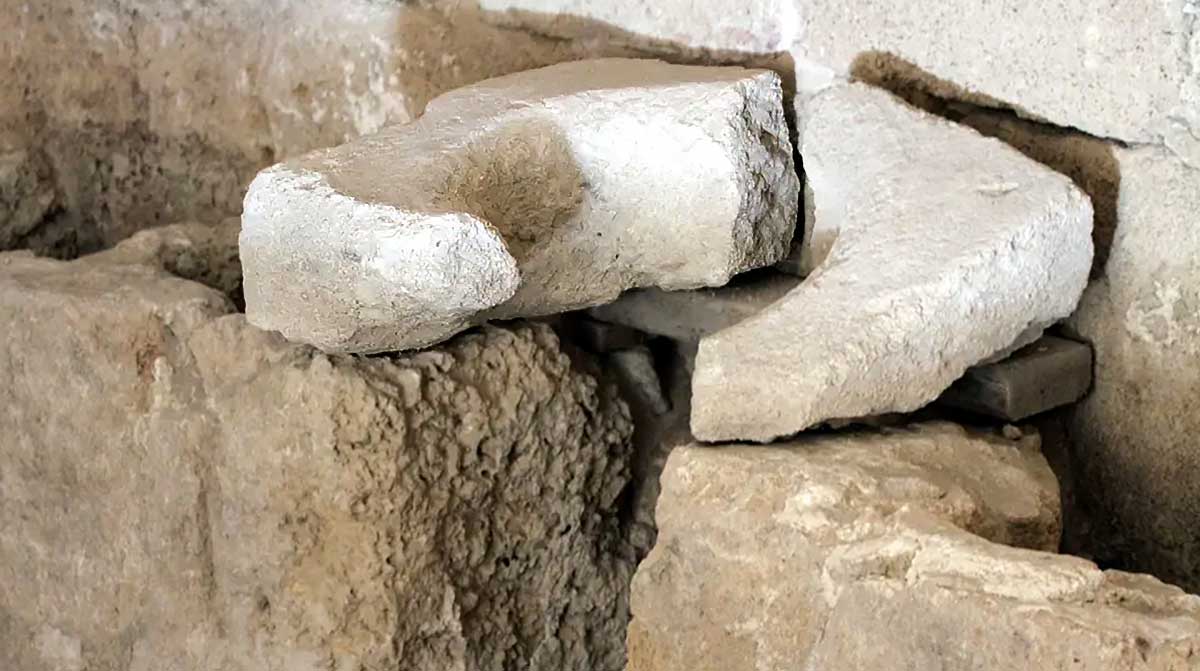
Some archaeological findings in ancient elite residences revealed a “cesspool” built under homes with a solid toilet seat above it. These toilets had no drainage systems, however, and analysis of some cesspits revealed a high prevalence of intestinal parasite activity. The average life expectancy was very low, and many children did not even reach teenhood.
Ancient texts indicate the high social value placed on being clean or unclean, as skin diseases, foodborne illnesses, and other physical ailments seem to have been rampant. The book Leviticus is an example of the detailed hygienic instructions that formed part of daily life in ancient Israel.
Domestic Worship and Everyday Household Religion
We can imagine that the reality of such a short lifespan and losing so many children indicates a pretty grim daily reality. Yet the strong human spirit is evident in ancient Israel, where people still turned to artful expression and the divine for a sense of meaning.
Given their circumstances, everyday religious traditions offered more than something to fill the time – it is debated whether some offered an apotropaic dimension (protection from evil).
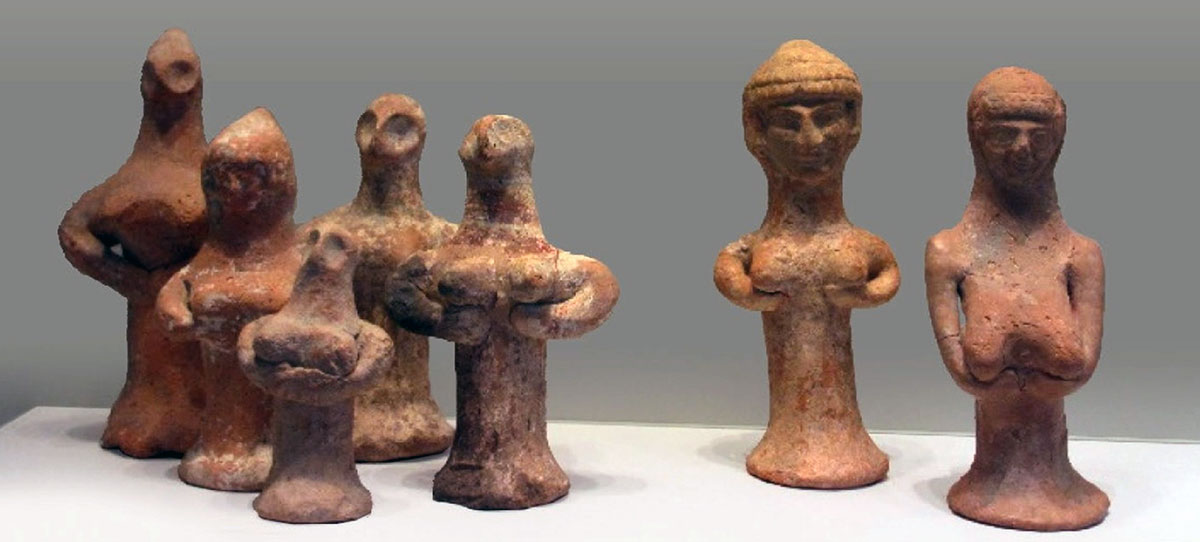
Archaeological finds worth mentioning include Judean pillar figurines, small stone incense altars, foundation deposits in homes, amulets worn on the person, private home shrines, and other sacred objects found in private households.
Archaeology reminds us that Biblical characters lived real lives replete with all the trappings found with other ancient peoples.