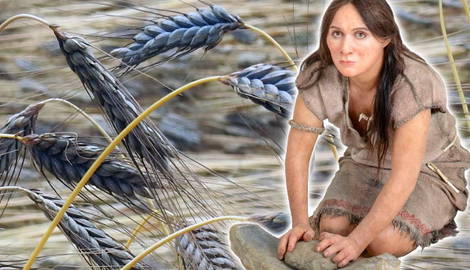

Long before empires were cast and forged in bronze and iron, civilization was borne on the back of supercrops that made progress possible. Wheat and barley formed the basis of survival and the economy. Storable and divisible, these grains allowed for the existence of standing armies and complex bureaucracies.
The Agrarian Spark in the Fertile Crescent
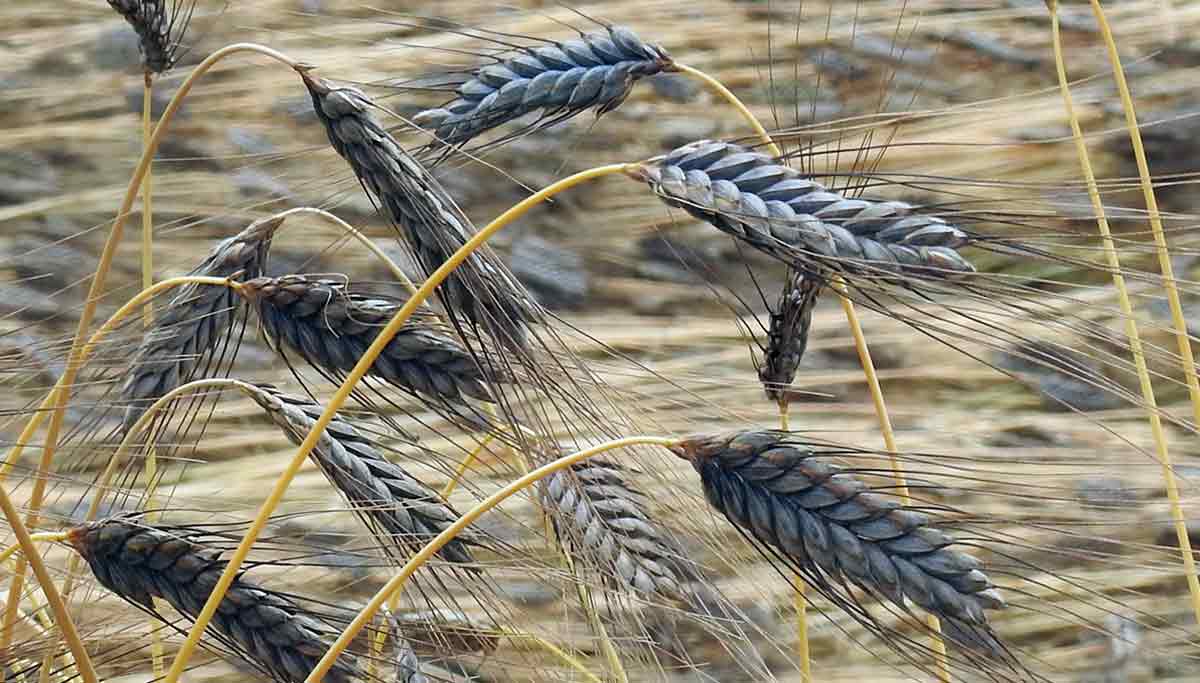
For the vast majority of humanity’s existence, our species has been hunting and gathering. It was an evolutionary response to the necessity of survival. Around 12,000 years ago in the Fertile Crescent, however, the dynamic began to shift. The reasons for this are a matter of debate, but what is certain is that wheat and barley played huge and pivotal roles in the transformation of tribes of nomadic hunter-gatherers into sedentary communities living in villages.
Emmer and einkorn wheat, along with barley, formed a foundation for the Neolithic Revolution as humans began supplementing hunting with agriculture.
Since these grains formed the basis of Neolithic economies, they became associated with wealth, thus driving the formation of hierarchical social structures. The success of agriculture also led to food surpluses, freeing up labor that was not directly related to survival. As such, agriculture made it possible for the creation of permanent jobs whereby people became brickmakers, smiths, weavers, merchants, and a host of other professions. This was the beginning of human civilization.
Why Cereal Grains Built States When Root Crops Could Not

Political scientist and anthropologist James C. Scott states that grain was “visible, divisible, assessable, storable, transportable, and ‘rationable’.” It could thereby be taxed, whereas other crops were hidden or spoiled relatively quickly. Making people pay taxes in grain facilitated a shift away from other crops that may have been preferred to grain. Often it was not a choice for farmers, but an act of coercion enforced by the state.
The long shelf life of barley and wheat meant that they could be traded and stored for future trade and consumption. Across the Fertile Crescent, from Egypt to Mesopotamia, barley and wheat were used for large-scale transactions and served as currency—a vital component to the development of human civilization.
Granaries and temples largely controlled wealth through their storage and distribution of grain, and the surplus played a major part in fueling the construction of cities and megaprojects like pyramids and ziggurats.
Grain Storage and the Birth of Early Writing Systems
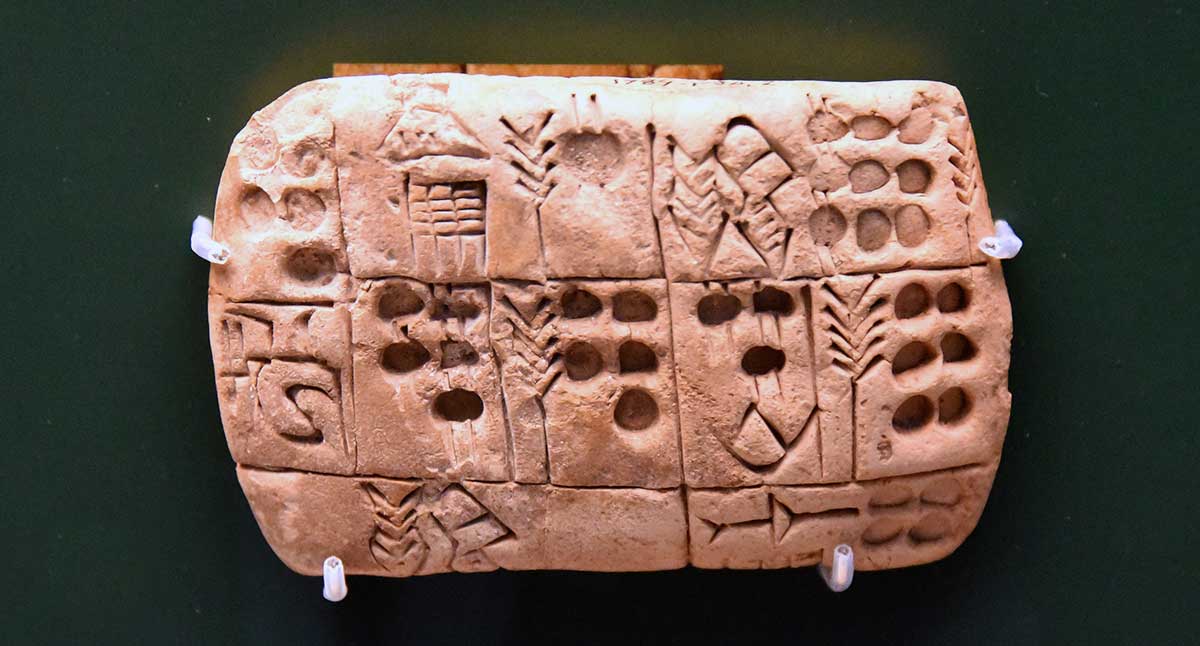
Writing was a direct result of the need to administer grain and other goods.
Settlements grew into towns, and towns became great cities. With the massive increase in population, bureaucratic records were needed to keep track of all the transactions. Since grain formed the backbone of the economy, it is logical to conclude that it played a major part in the need to develop writing. Deliveries, distribution, and transactions of grain needed to be written down.
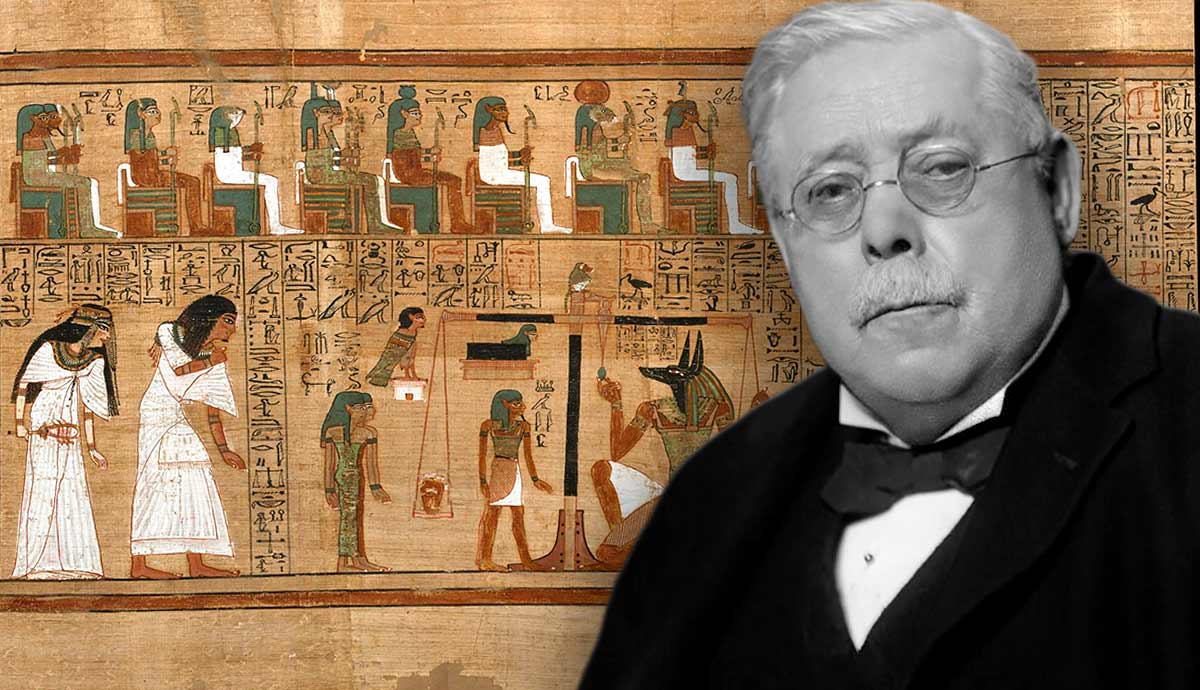
In Mesopotamia at the end of the fourth millennium and into the 3rd millennium BC, simple impressions on clay tokens began evolving into a fully developed cuneiform writing system, while in Egypt the same dynamic was happening with hieroglyphics on papyrus. As human creativity took over, writing developed from the necessity of administration to an art, and the first prayers and stories were written down, making way for all the incredible literature that would follow.
How Climate Shifts Threatened the Granaries of Empire
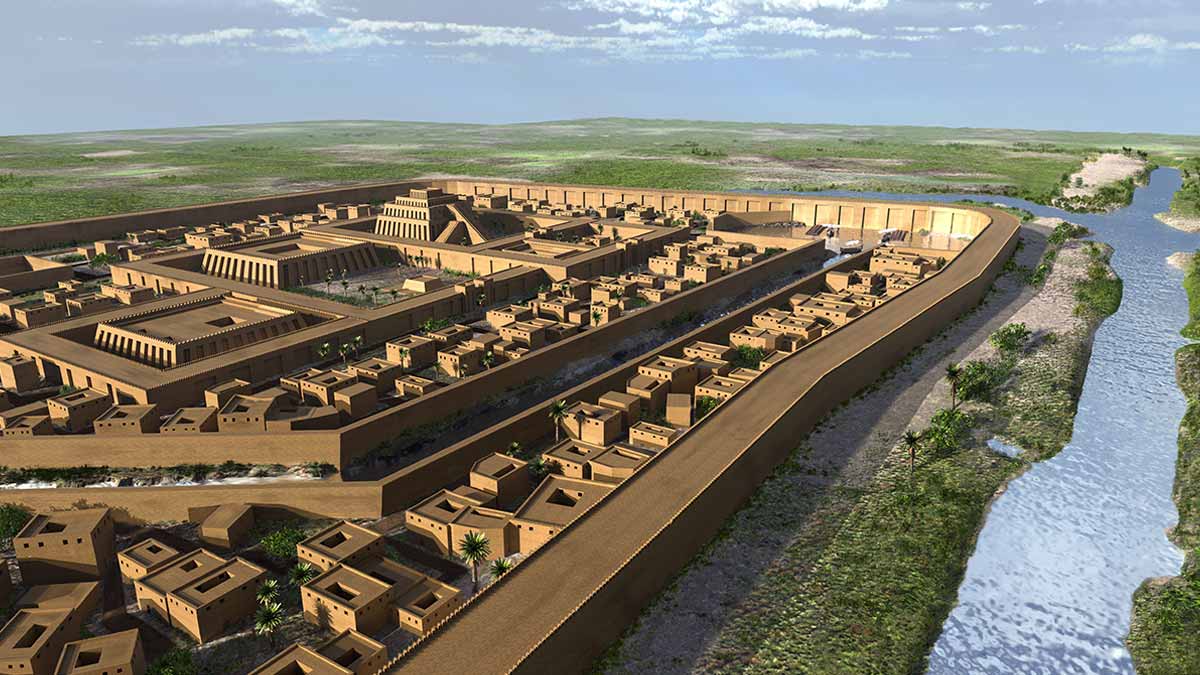
Hunter-gatherer societies moved with the herd and the seasons. They lived off the land and were able to adapt their lives to the flow of nature. Civilization faced a serious challenge in that sedentary lives and the reliance on monoculture created a fragile dynamic.
The science of farming is a complex one, and early civilizations had to learn about soil salinization, proper irrigation, and pest control, while drought and crop failure could mean the difference between life and death for thousands of people. In fact, severe drought is thought to be the biggest contributing factor to the fall of the Akkadian Empire at the end of the 3rd millennium BC.
Wheat and barley were the drivers of civilization, fueling massive population booms, providing surpluses that fueled technological progression and the formation of empires. Despite the droughts and the hardships that punctuated the timespan of human civilization, grains made it possible to recover and prosper, forming a foundation for societies to develop from ancient to modern times.