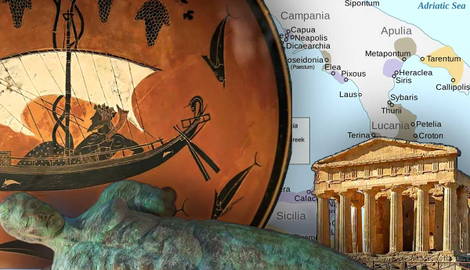

The similarities between ancient Greek civilization and the neighboring cultures of ancient Italy and Sicily are striking, and this did not happen by accident. Between the 8th and 6th centuries BC, driven by population growth and political unrest, the Greeks sailed west. They planted important colonies in southern Italy and Sicily, and even ventured as far as southern France and Iberia. These Greek colonies to the west became known as Magna Graecia. The Greek colonists brought with them Greek civilization, including agricultural practices, Greek mythology, and Western philosophy. Elements of Greek culture were adopted by local populations, such as the Etruscans, and mixed with their own to create something entirely new. This “new world” would soon rival the glory of Greece.
The Origins of Greek Colonization and Magna Graecia
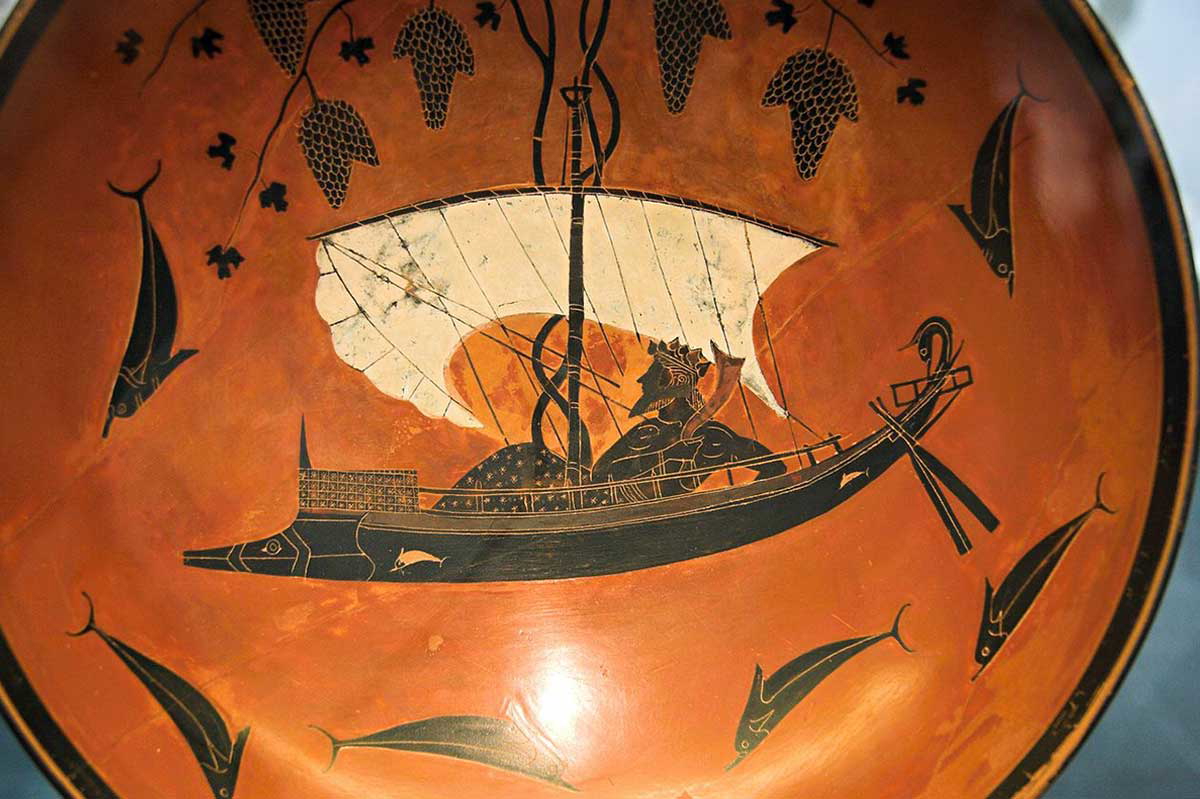
Archaic Greece (c. 750-480 BC) faced a serious overpopulation problem; there was insufficient arable land to support the population. Modern researchers suggest that Greece experienced a population boom, growing from around 700,000 to several million in a few hundred years. But that was not the only problem facing the Greeks. Frequent internal conflicts and wars often ended with the expulsion of large groups in need of new homes. As expanding Mediterranean trade opened up lands to the west, overseas colonization was the answer.
Greek colonization of the Western Mediterranean happened in several waves. The first wave was led by the Euboean Greeks in the 8th century BC. They reached the Gulf of Naples and the Strait of Messina. The oldest colony established during the first wave was Pithecusae, present-day Ischia. After that, the first Greek colony on the Italian mainland, Cumae, was founded.
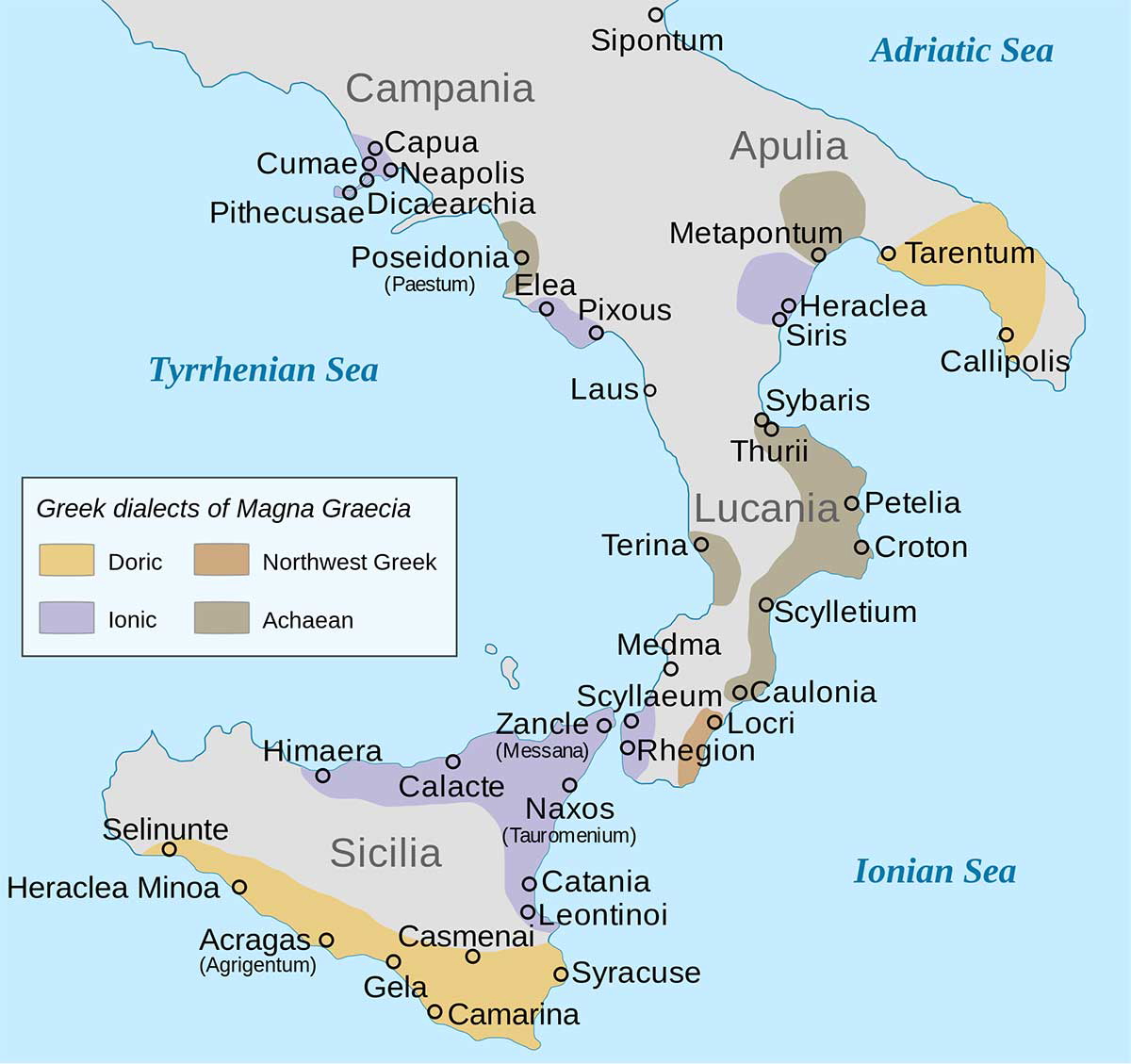
The second wave was led by the Achaeans. Focused on the Ionian coast of southern Italy, they established large colonies such as Sybaris, Croton, Metapontion, and Poseidonia. Later, the Greeks expanded their influence deeper into the region with colonies including Syracuse, Taras, Neapolis, Akragas, and Rhegion.
Like Greece’s independent poleis, Greek colonies were established as independent units with their own social and administrative organization. But most colonies were also emporia, trading outposts for the larger Greek world.
The Economic Spark of the Western Greek Colonies
The Greek colonies of Magna Graecia were quickly integrated into existing economies. Exchange with the local population accelerated development. Key to this development is what we often call the “Mediterranean Triad,” namely grain, olives, and grapes. The southern regions of Italy and Sicily were particularly suitable for these commodities. These regions produced significant surpluses of grain, olive oil, and wine, which fueled export and trade.
Although they had a high degree of autonomy, the colonies maintained close and continuous ties with their Aegean mother cities, exporting surplus production and importing ceramics and luxury goods. But trade was not limited to Greece. The colonies traded with Etruscan cities in Italy, Phoenician merchants, and broader Mediterranean networks.
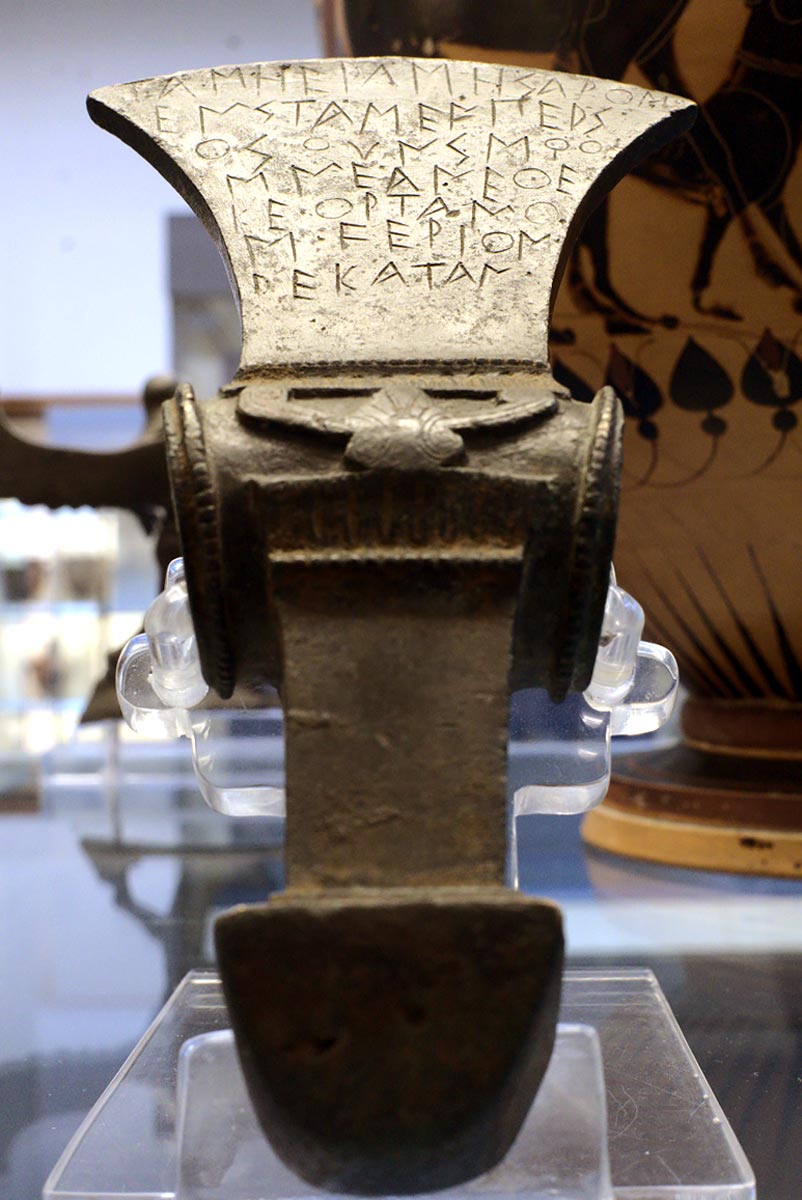
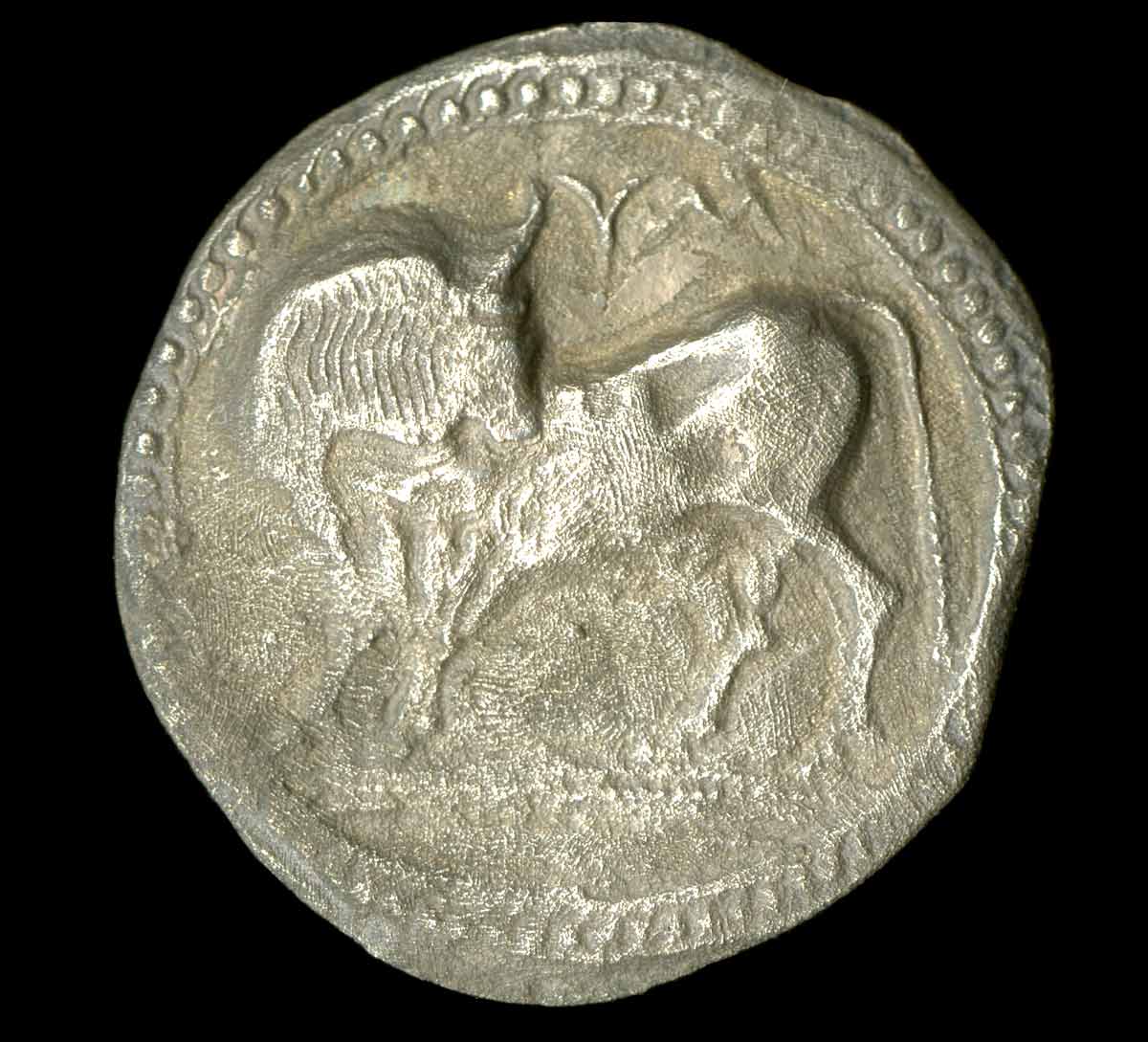
The economic success of the colonies is best seen in the example of Sybaris. Sybaris is often mentioned in ancient sources, such as Herodotus and Diodorus Siculus, as a rich and luxurious city, enjoying fertile land and excellent trade links. This allowed Sybaris to accumulate great wealth, as also shown by archaeological excavations. It was one of the first Greek colonies to mint its own silver coins.
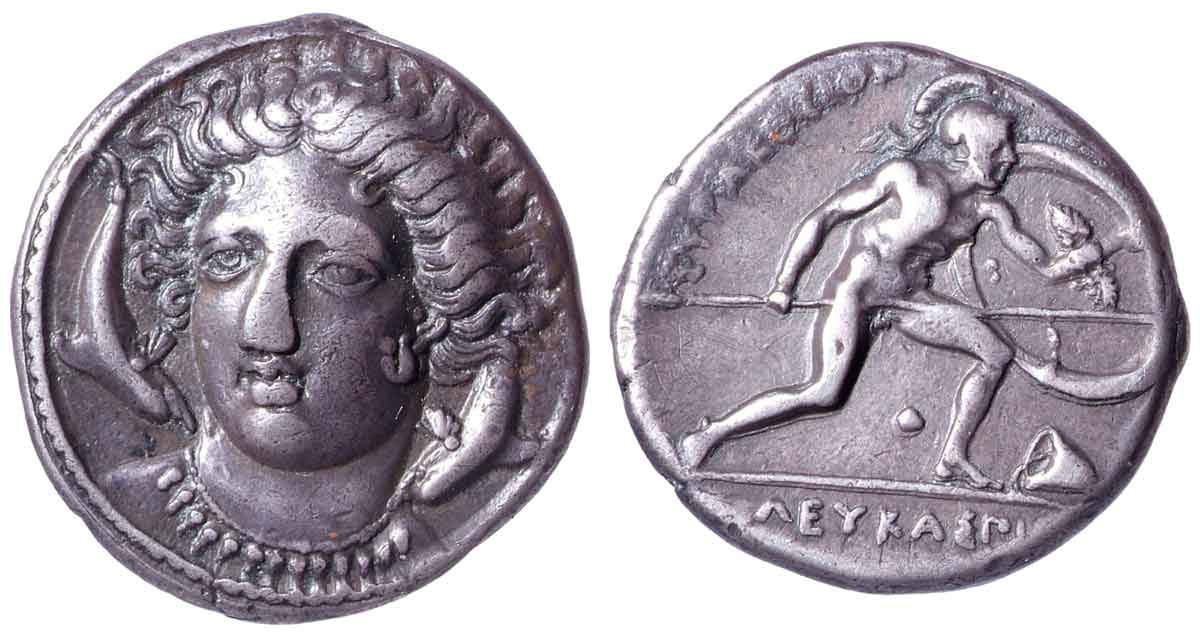
In this period, coins began to circulate more broadly, leading to economic changes. Although coinage originally appeared in Asia Minor, it was quickly adopted in Greece, and by the 6th or 5th century BC, it was increasingly common in the Western Mediterranean. As well as Sybaris, there were early mints at Croton and Metapontion, and later at Syracuse in Sicily. Coins often feature bulls, a symbol of agricultural wealth.
Why Greek Urban Planning Defined the Italian Landscape
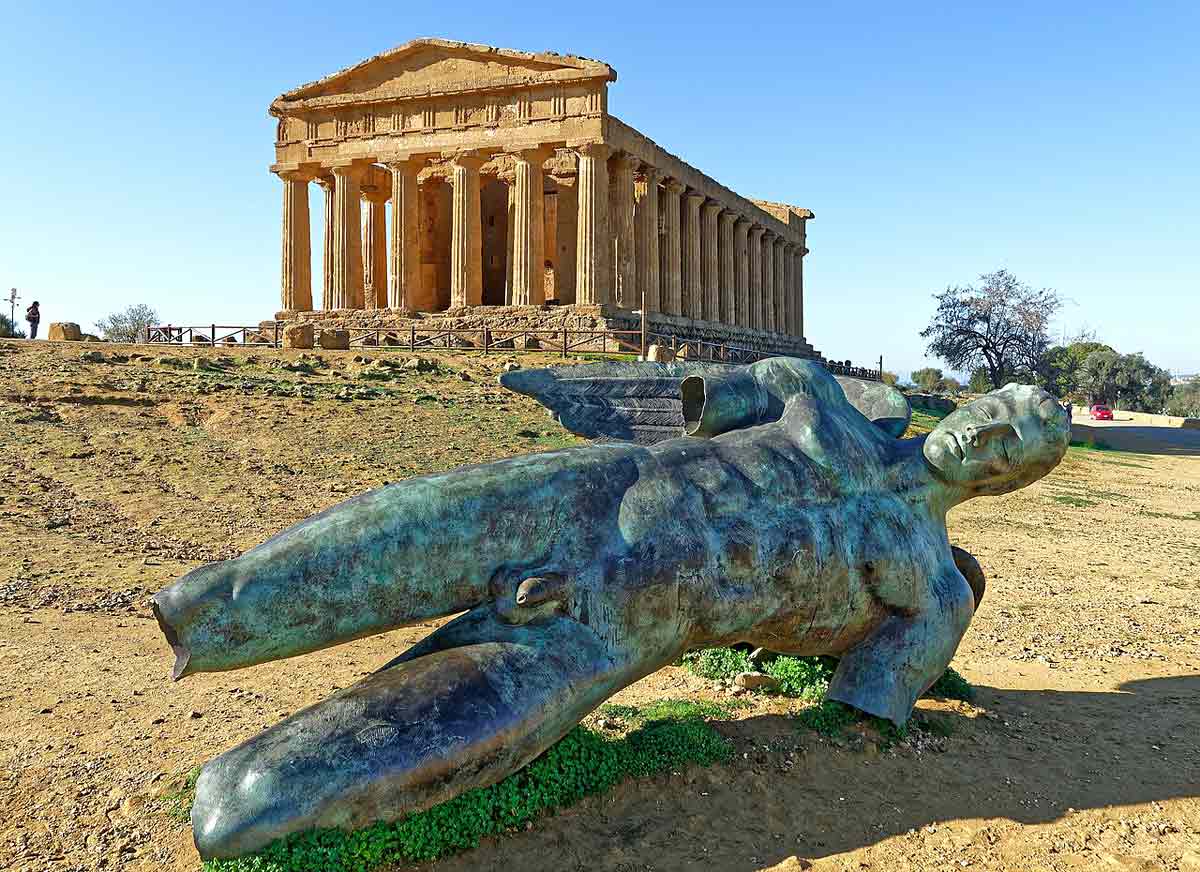
Most colonies adopted traditional Greek construction plans, with straight streets intersected at regular angles, creating different blocks for housing, public buildings, marketplaces, and religious spaces. This is known as the Hippodamian grid system, as it is associated with the architect and philosopher Hippodamus of Miletus (5th century BC).
Greek colonies were usually surrounded by defensive walls, which set them apart from indigenous settlements. At the center always stood the agora, the central square and gathering place for a colony.
The locals soon adopted this style of construction, but archaeology suggests that the process was more along the lines of cultural hybridity rather than simple replacement.
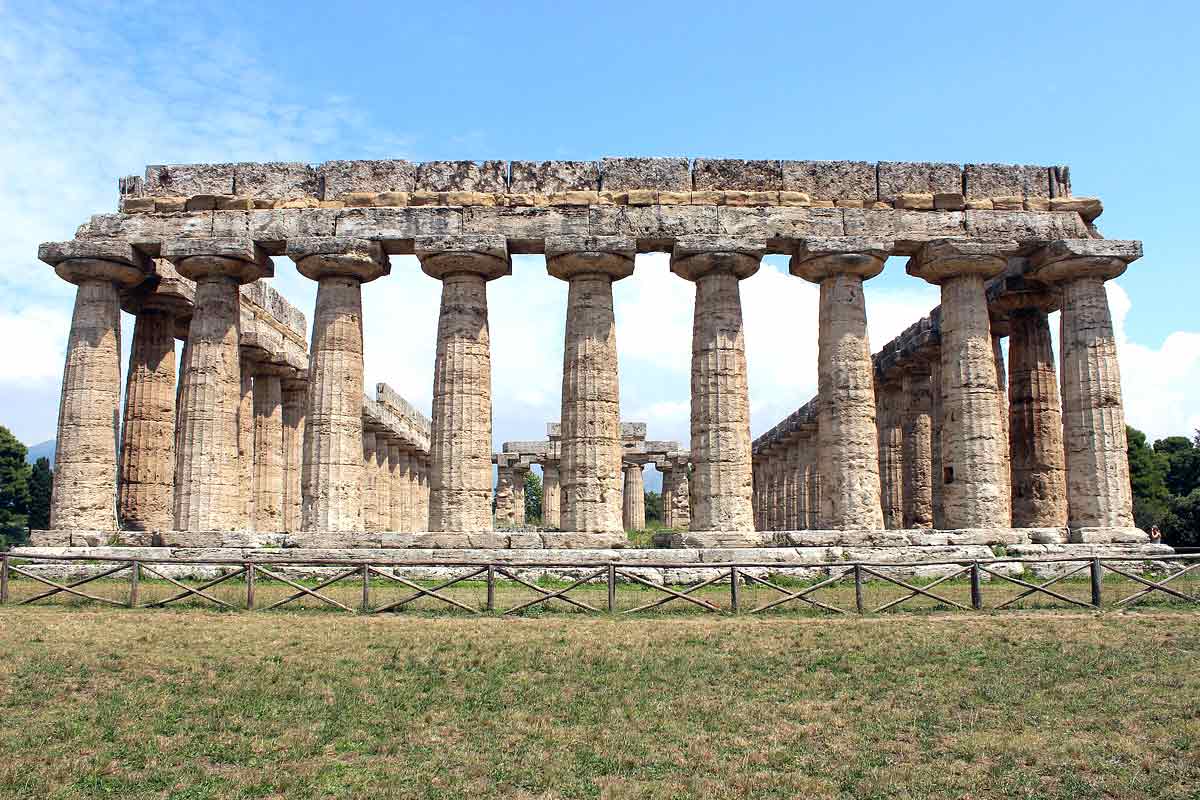
Throughout Magna Graecia, settlers built large temples in the Doric style. Among the most famous early examples is the First Temple of Hera at Poseidonia. Monumental temples were also constructed in Akragas, Selinus, and Syracuse.
The Temple of Olympian Zeus in Agrigento was the largest Doric building ever built in the Greek world. Construction began around 480 BC in honor of the victory over the Carthaginians at Himera, but the colossal structure was never fully completed due to the Carthaginian sack of the city in 406 BC. In addition to their religious function, these temples represented the settlers’ desire to express their Hellenic (Greek) identity.
The Cultural Synthesis of Greeks and Indigenous Peoples
Italy and Sicily were already populated when Greek colonists arrived. There were the Sikeloi and Sicani in ancient Sicily, various Italic peoples in southern Italy, the Etruscans in the north, and the Phoenicians, who had already established a trading network in this part of the world.
Relations between Greeks and indigenous peoples varied from region to region. In some areas, commercial cooperation flourished. In other regions, competition for land and resources led to armed conflict.
The most well-known example of non-peaceful colonial expansion is Syracuse, where Greek colonies expanded largely at the expense of neighboring Sicel communities. Indigenous people often became Greek slaves. The situation for the natives was particularly harsh during the rule of the Syracusan tyrant Dionysius I (405–367 BC), who brutally subjugated almost the entire island. Local communities were unable to organize a strong resistance, and their leaders were also often bribed with Greek pottery and luxury goods.
With the Etruscans, the Greeks competed for influence in the Tyrrhenian Sea, but at the same time, the two peoples had close trade relations. A similar relationship existed between the Greeks and the Phoenicians. Instead of replacing the trading networks previously established by the Phoenicians, the Greeks integrated into that system and contributed to it. This interplay led to the development of hybrid cultures.
How the Greek Alphabet and Literature Migrated West
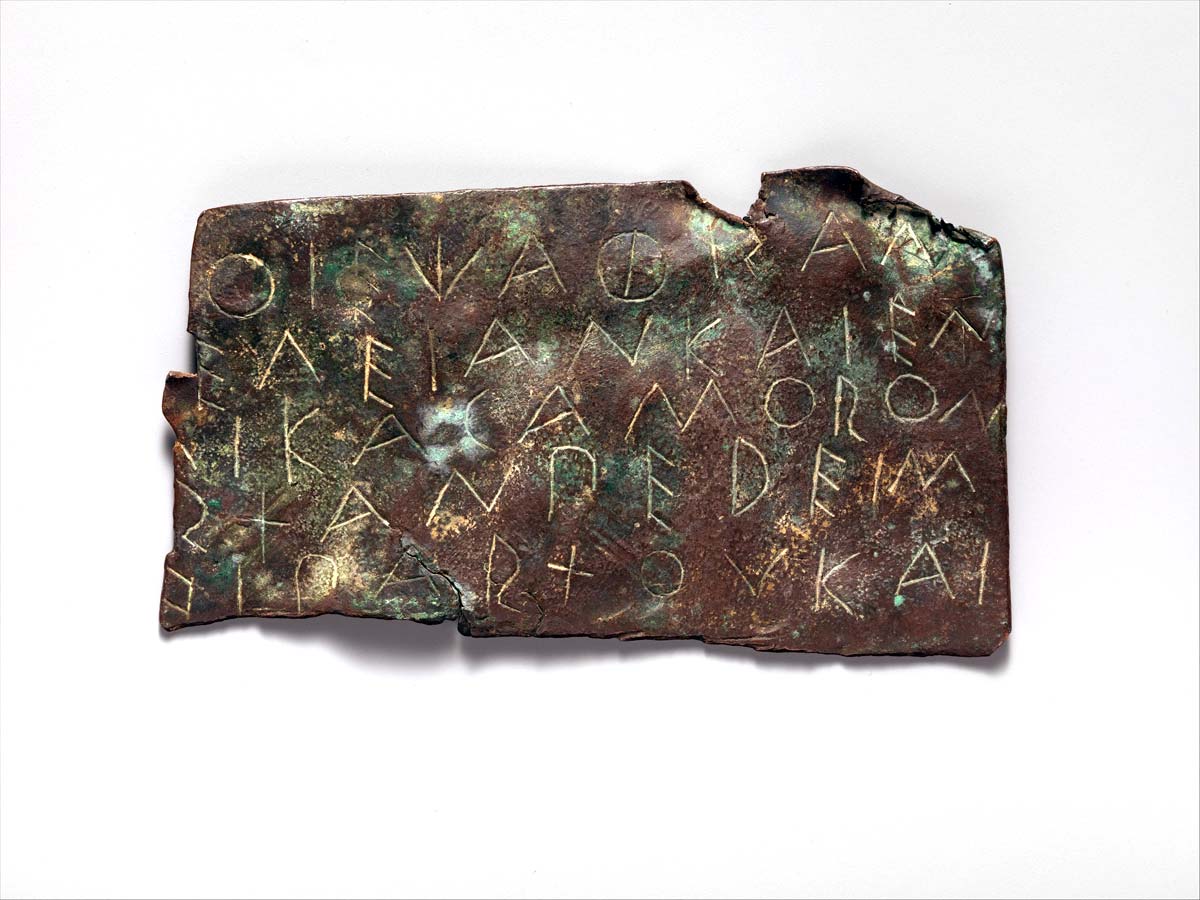
One of the most important legacies of Greek colonization was the transmission of writing to Italy. The first Euboean settlers brought the Chalcidian alphabet with them. The Etruscans adopted the alphabet through commercial and cultural exchange and modified it for their language. The Etruscan alphabet influenced the development of the Old Italic scripts, from which the Latin alphabet later emerged.
Archaeology has directly shown the spread of Greek science in the West. The most famous example is Pythagoras, who left Greece and moved to Croton in southern Italy toward the end of the 6th century BC. There he established his philosophical school. The so-called Pythagoreans studied mathematics, geometry, music, cosmology, and society.
Besides Pythagoras, Magna Graecia also produced the philosopher Parmenides and his student Zeno, who became famous for paradoxes.
Greek colonies naturally spread Greek myths and literature, allowing indigenous peoples to become familiar with Greek deities. Greek pottery depicted epic scenes such as the adventures of Heracles, the voyages of Odysseus, and the Trojan War. The Romans later identified their own deities with Greek equivalents in a process known as interpretatio graeca. Thus, Zeus was associated with Jupiter, Aphrodite with Venus, and Ares with Mars.
The Military Legacy of Greater Greece
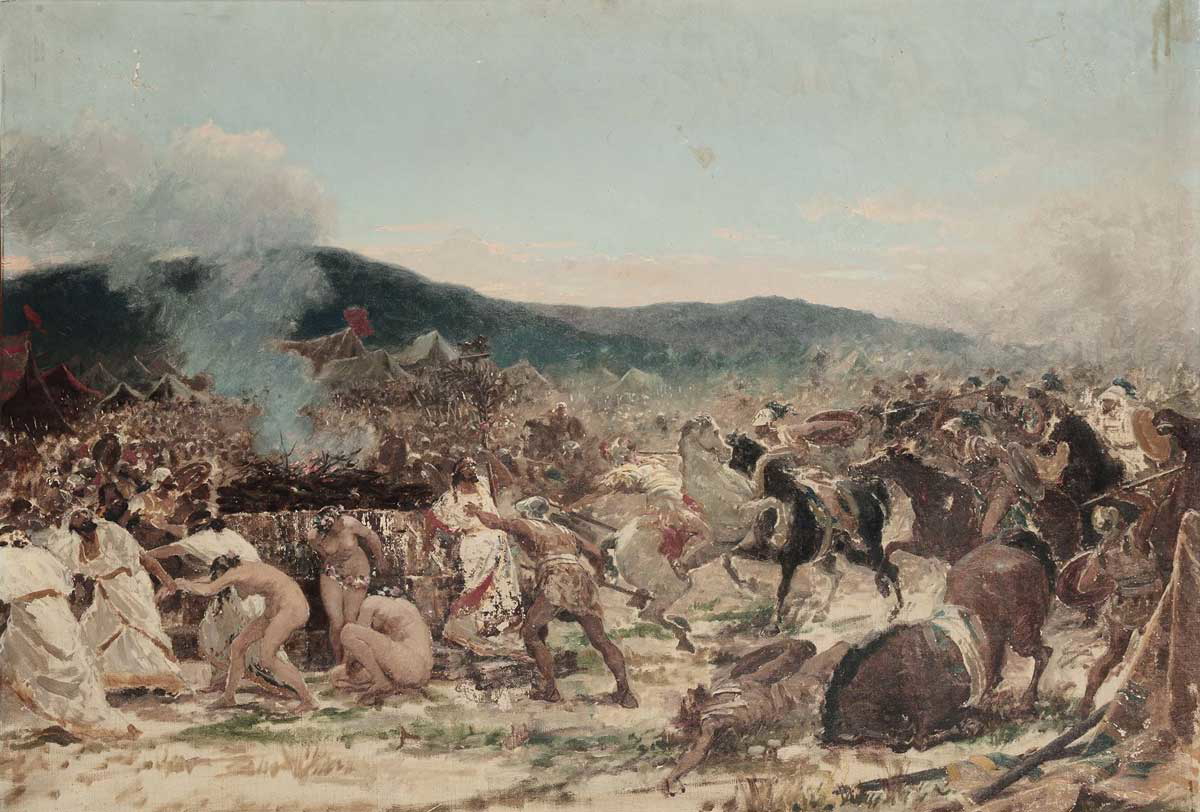
No colonization could be completely peaceful, and Greek settlers often came into conflict with indigenous peoples. The Greek military in Magna Graecia relied heavily on hoplite phalanxes. Hoplites fought in dense ranks carrying large round shields, spears, and wore armor designed for close combat. However, the geography of the region did not favor hoplite warfare, as there were few large plains for pitched battles. Consequently, they also developed lighter infantry and cavalry and employed local mercenaries.
Syracuse was the greatest military power of Magna Graecia and a direct rival of Carthage. The influence of the Punic city extended across North Africa, western Sicily, Sardinia, and parts of the Iberian Peninsula. The conflict between Syracuse and Carthage was the greatest military struggle of this period. In 480 BC, the Syracusan tyrant Gelon achieved a major victory over the opposing army at the Battle of Himera.
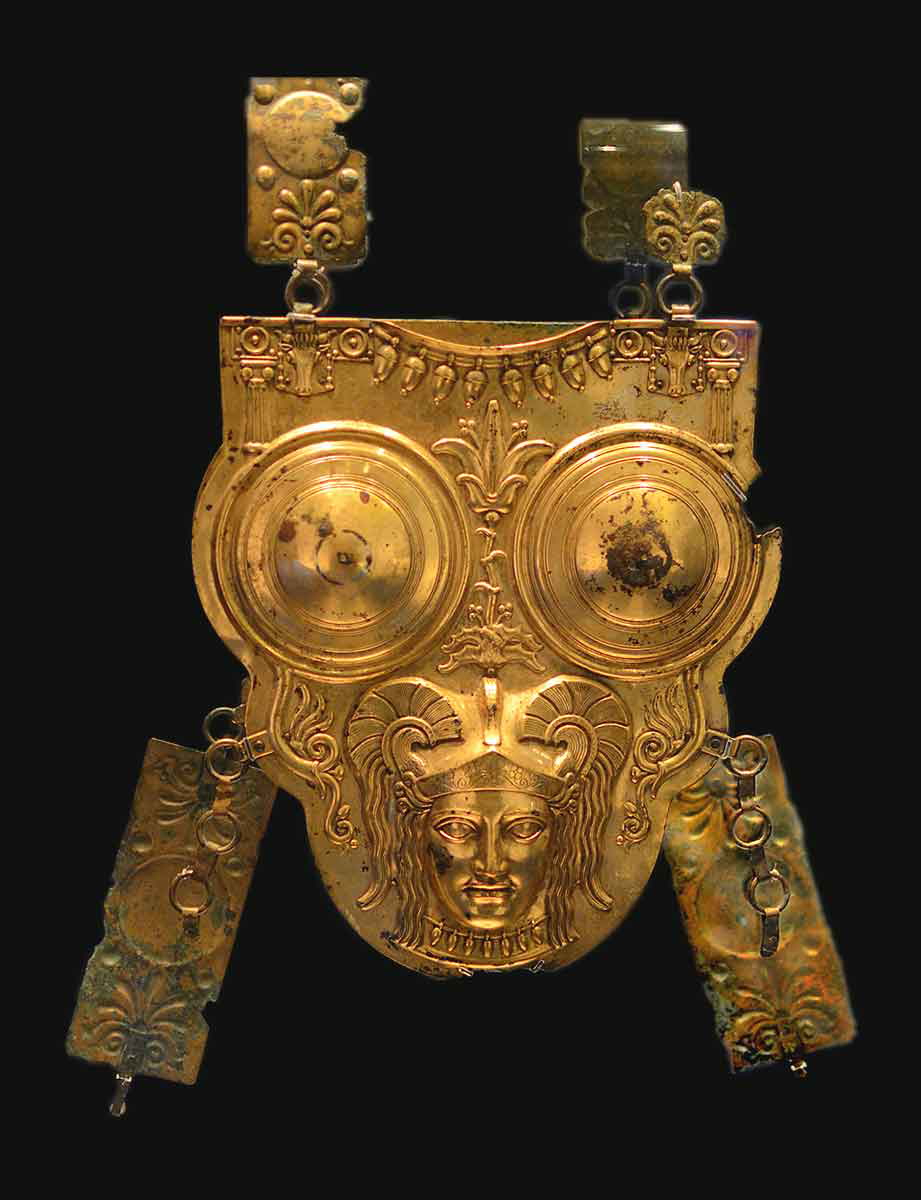
Syracuse continued to grow stronger and reached its peak under Dionysius I (405-367 BC), who built fortifications and strengthened his navy. Ancient sources attribute various military innovations to Dionysius, including the development of mechanical catapults and siege equipment.
To protect themselves, local people soon began to copy the Greek defensive walls, building stone walls around their city and building their own armies.
From Colony to Conquest, the Roman Inheritance
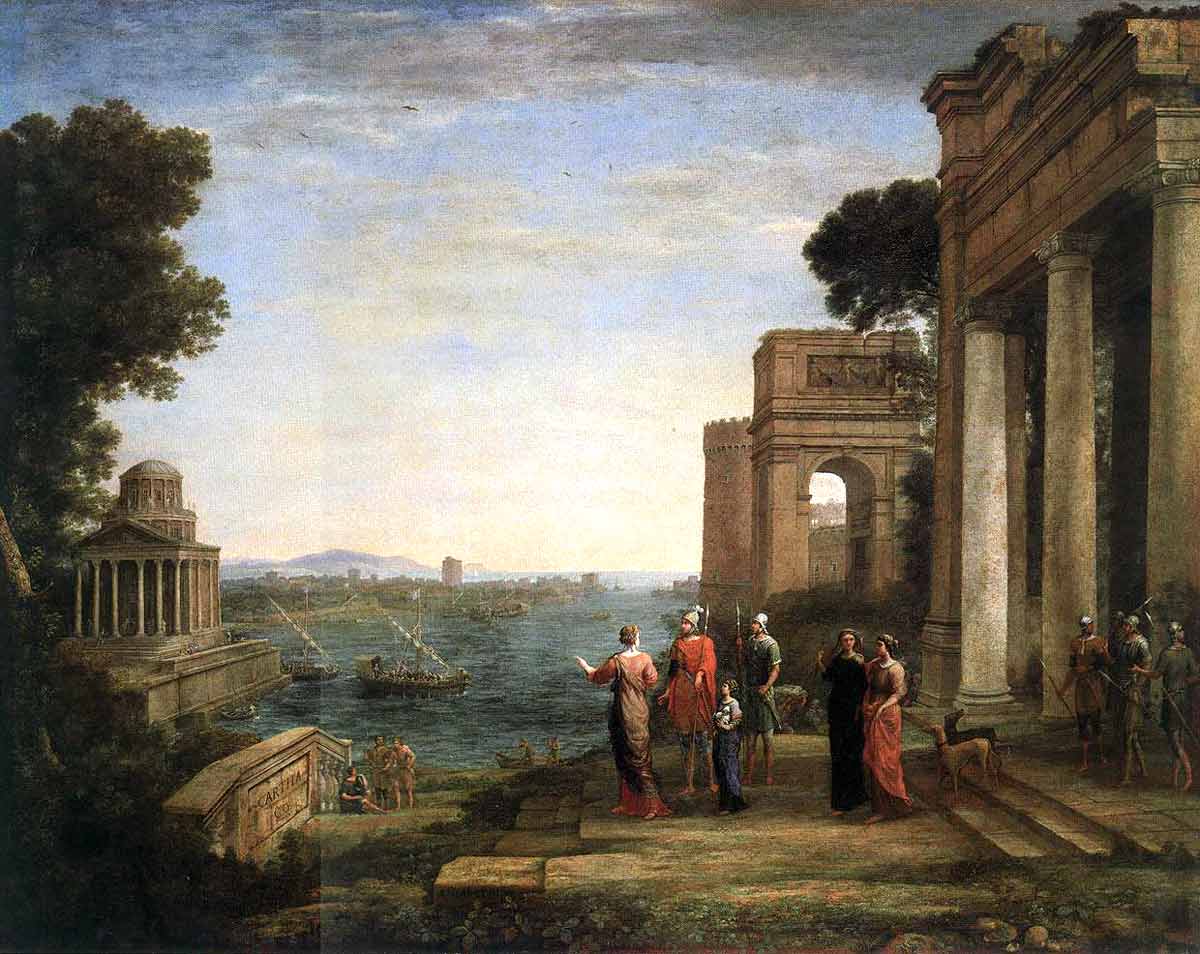
In the 4th and 3rd centuries BC, the Roman Republic began expanding into southern Italy, eventually reaching the colonies of Magna Graecia. The Greek colonies offered strong resistance to the Romans. For example, the city of Taras sought help from King Pyrrhus of Epirus, whose victories against Rome led to the creation of the term “Pyrrhic victory.” After Rome’s eventual success in the Pyrrhic War (280–275 BC), the Greek cities of southern Italy were gradually brought into the Roman sphere.
The Roman conquest did not erase the Greek character of the Western Mediterranean. The Romans inherited a landscape that had been developing for centuries: established cities, stone fortifications, temples, harbors, road networks, and agricultural estates. The Greek language and literature were studied by educated Romans, while Roman religion absorbed many Greek deities. They even connected themselves to Greece’s greatest story, that of the Trojan War, by suggesting that they were the descendants of the Trojan prince Aeneas.
Thus, the legacy of Magna Graecia survived much longer than Greek political independence in the Western Mediterranean. Through Rome, the Greek language, architecture, and culture spread across much of Europe.