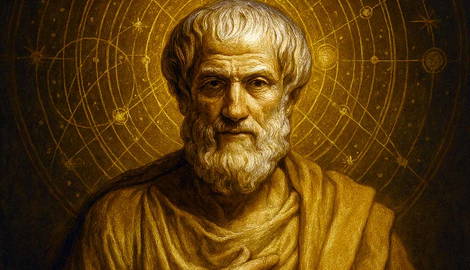

Aristotle (384 to 322 BC) was an ancient Greek philosopher and scientist who was considered an all-around genius. Today, he is regarded as one of the most influential thinkers in Western history. His ideas about logic, how the world works, right and wrong, and government influenced how people would think for centuries. While many people know about his philosophy, there are many surprising things about his life and work that most don’t know. Beyond the old statues and books, he was a curious man with a life full of unexpected turns.
He Had a Front-Row Seat to Alexander’s Rise
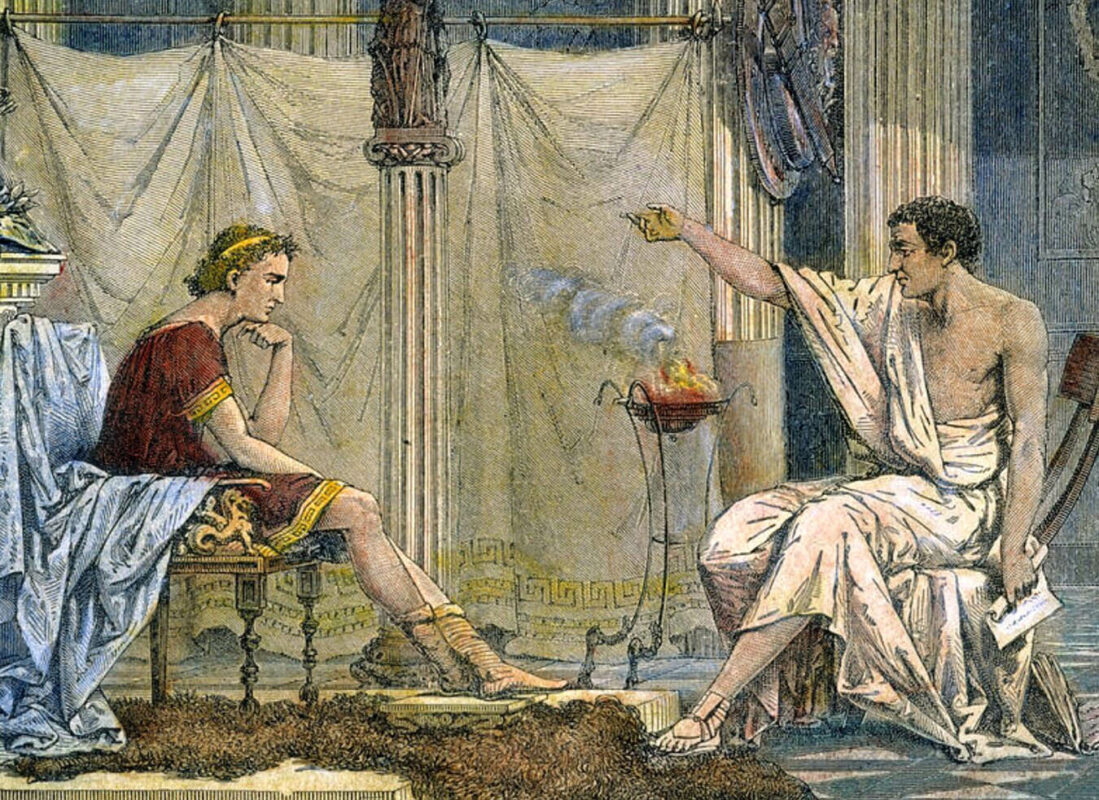
While Aristotle’s ideas are what he’s best known for, he also impacted the world by teaching Alexander the Great. In 343 BC, King Philip II of Macedon asked Aristotle to be the personal teacher for his then 13-year-old son, Alexander. His help was seen as key to shaping the future leader.
Aristotle spent about three years at the Macedonian court teaching Alexander many things, including right and wrong, how to rule, and even how to be healthy. He is said to have given Alexander a marked copy of Homer’s Iliad, which Alexander took with him on all his campaigns.
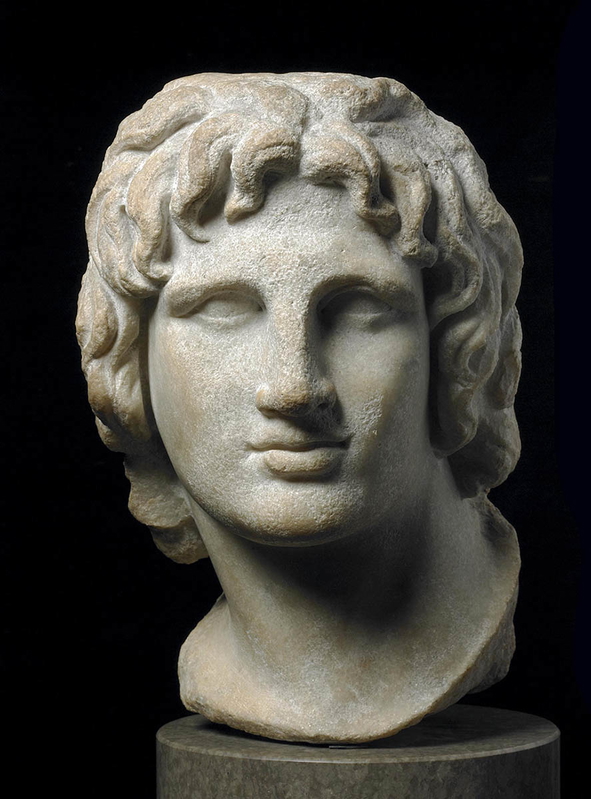
The effects of his teachings are debated among historians, but it is clear that Aristotle instilled a strong love for Greek learning in Alexander. While Alexander later went on a path of conquest that was very different from Aristotle’s more placid ideas about ruling, the close link between a wise teacher and a future world leader shows Aristotle’s real work was influencing some of the most powerful people of his time.
His Study of Animals and Nature Was Way Ahead of Its Time
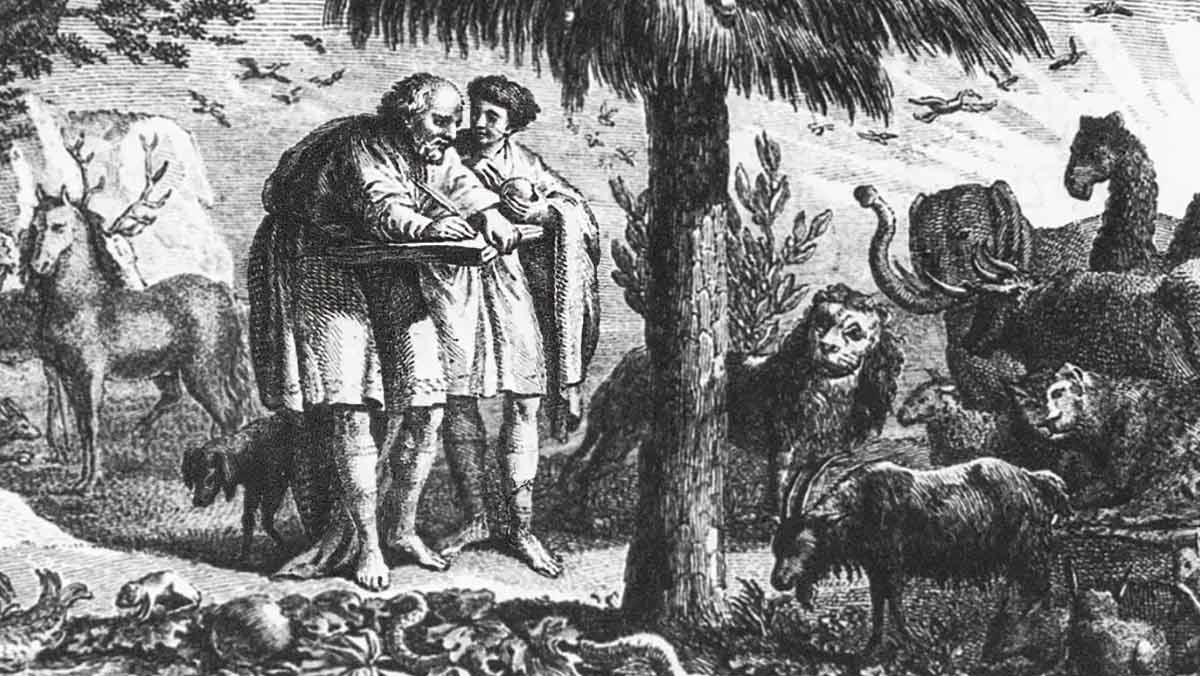
Many people picture Aristotle as a man whose thoughts dwelt only on deep abstract ideas, such as the soul or the value of life. But much of his work also concerned the natural world, studying animal characteristics and anatomy.
During his life, he provided research reports on over 500 species of animal. These works included the History of Animals, Generation of Animals, and Parts of Animals. They ranged from small insects and sea crabs to fish, birds, and large mammals. Some of his notes on life in the sea, especially near the island of Lesbos, were very accurate. They showed a strong grasp of how sea creatures lived. For example, he correctly found that whales and dolphins had the characteristics of land animals (mammals). He deduced that they breathed air and gave birth to live young — a fact not fully accepted for many centuries.
His Vast Body of Work is Mostly Lost
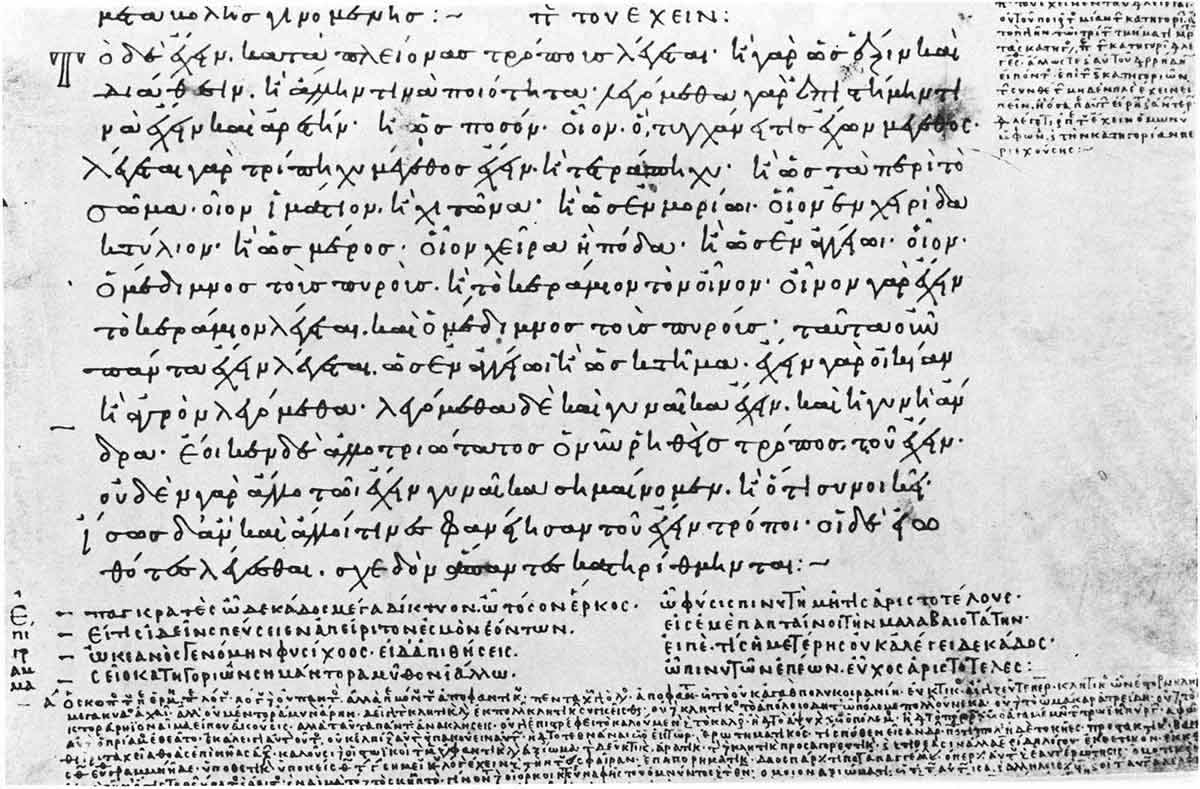
Aristotle’s remaining writings are vast. However, they are only a small part of what he actually wrote. Old records show that Aristotle made hundreds of works. His contributions laid foundational stones in fields such as metaphysics, ethics, and natural sciences, among others. The writings he planned to share with the public were well-known and praised in ancient times for their exceptional knowledge. Sadly, most of them are gone and exist only as quotes copied by later writers.
The writings we have today are mostly his study notes and detailed papers meant for his students at the Lyceum. They were not meant for everyone to read, are often packed with ideas, and are challenging to understand.
His Lyceum Revolutionized Learning
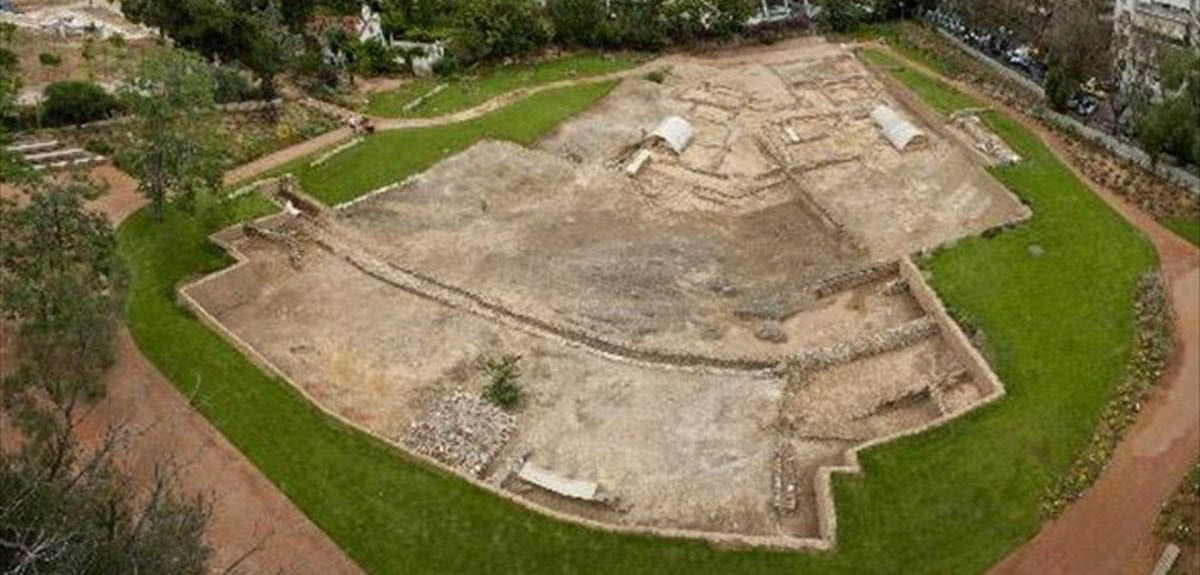
After teaching Alexander, Aristotle went back to Athens and, in 335 BC, started his own school called the Lyceum. Its name came from the Greek Lykeion, named after the temple of Apollo Lyceus. While Plato’s Academy focused a lot on math and deep ideas, Aristotle’s Lyceum had a wider, more hands-on, and organized way of learning.
The Lyceum was one of the first research institutions in the world. At the school, students and researchers did study projects in areas such as life science, history, government, public speaking, and how things work.
His Writings Shaped the Islamic Golden Age
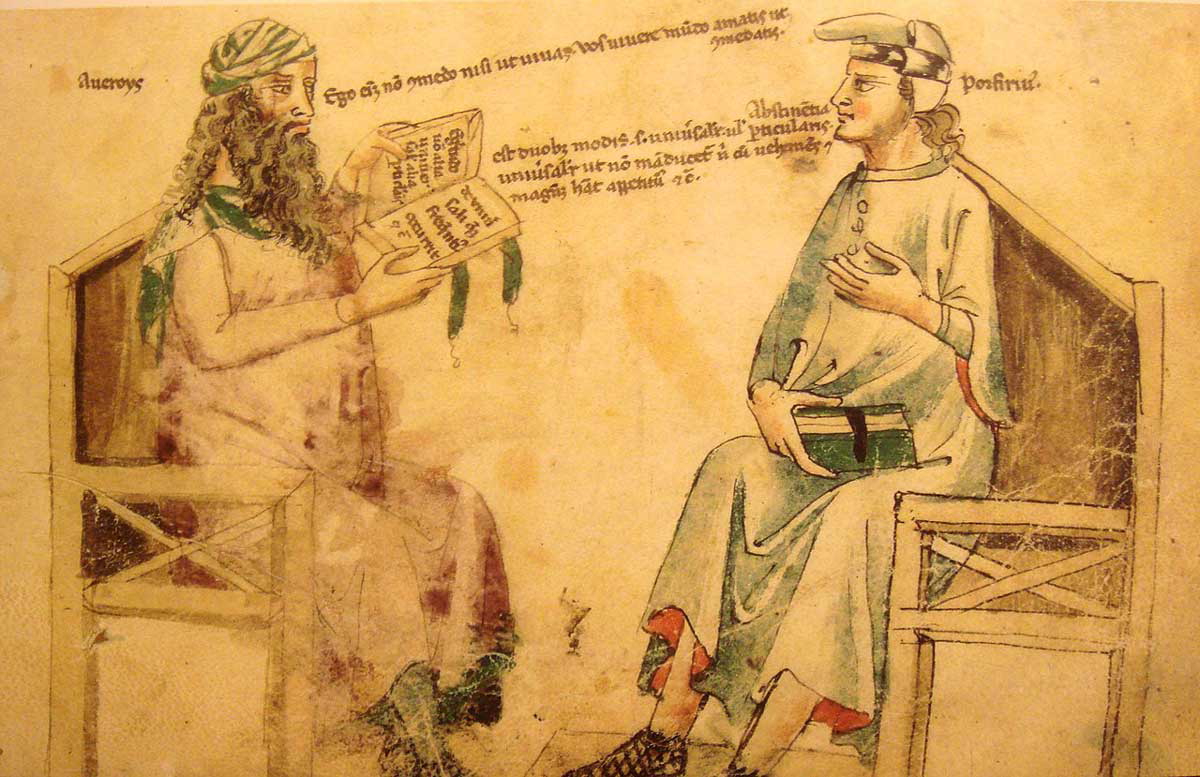
While Aristotle’s writings were mostly lost to Western Europe after the Roman Empire fell, they were saved, read, and discussed by scholars in the Byzantine Empire and Muslim world. During the Muslim Golden Age (8th to 13th centuries), Muslim thinkers like Al-Kindi, Al-Farabi, Avicenna, and Averroes put Aristotle’s ideas about thinking, deep truths, and nature into their own language and added to them.
It was through Arabic copies and discussions that Aristotle’s writings came back to Western Europe in the 12th and 13th centuries. Their rediscovery triggered a major change in medieval schooling.