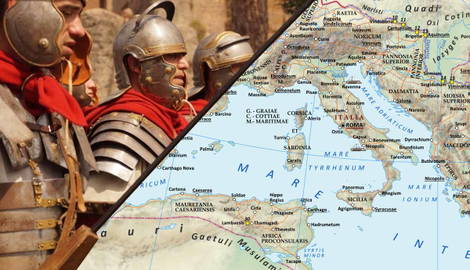

The Roman legion is regarded as one of the most enduring and most powerful military units in history, undergoing several major transformations in organization and equipment over more than 1,000 years. Interestingly, the size of the legion varied quite drastically throughout the course of Rome’s long history, from the beginning of the Republic to the time of Rome’s military restoration of the late Empire.
The Roman Legion During the Mid-Republic Era
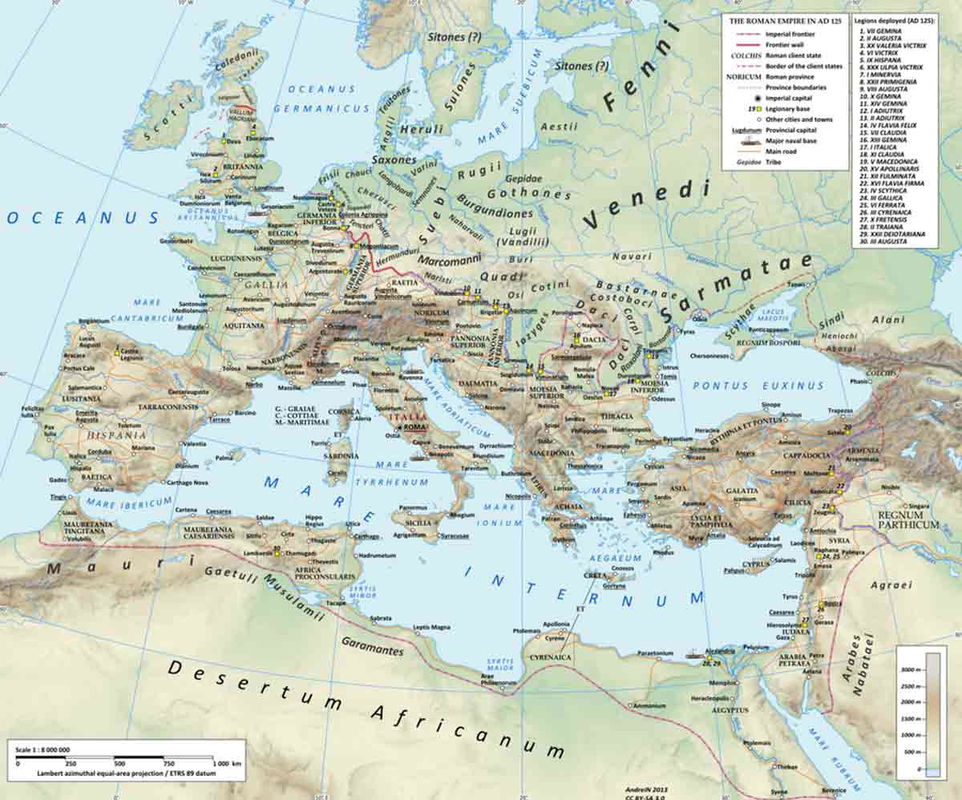
During the mid-Republic era, which spanned the mid-3rd to mid-2nd centuries BC, the Roman legion operated essentially as a citizen militia, as it was formed only during wartime. At the time, citizens who possessed land were legally obligated to enlist in the military during such times. The Greek historian Polybius stated that during the Punic Wars, which lasted from 264 to 146 BC, there were about 4,200 infantrymen per legion, 3,000 of whom were heavy infantry, a figure that increased to 5,000 in cases of dire emergency.
Notably, the legion was further divided by rank, age, and socio-economic status. The youngest and poorest citizens typically served as velites (light skirmishers) and amounted to about 1,200 men. The remaining legionaries split into three distinct ranks— hastati, principes, and triarii, basically young men, men in their physical prime, and seasoned veteran reserves, respectively. The hastati and principes each had about 1,200 soldiers, while the triarii were composed of 600 men, bringing the legion’s total to about 4,200 soldiers.
How the 5,000 Figure Came About
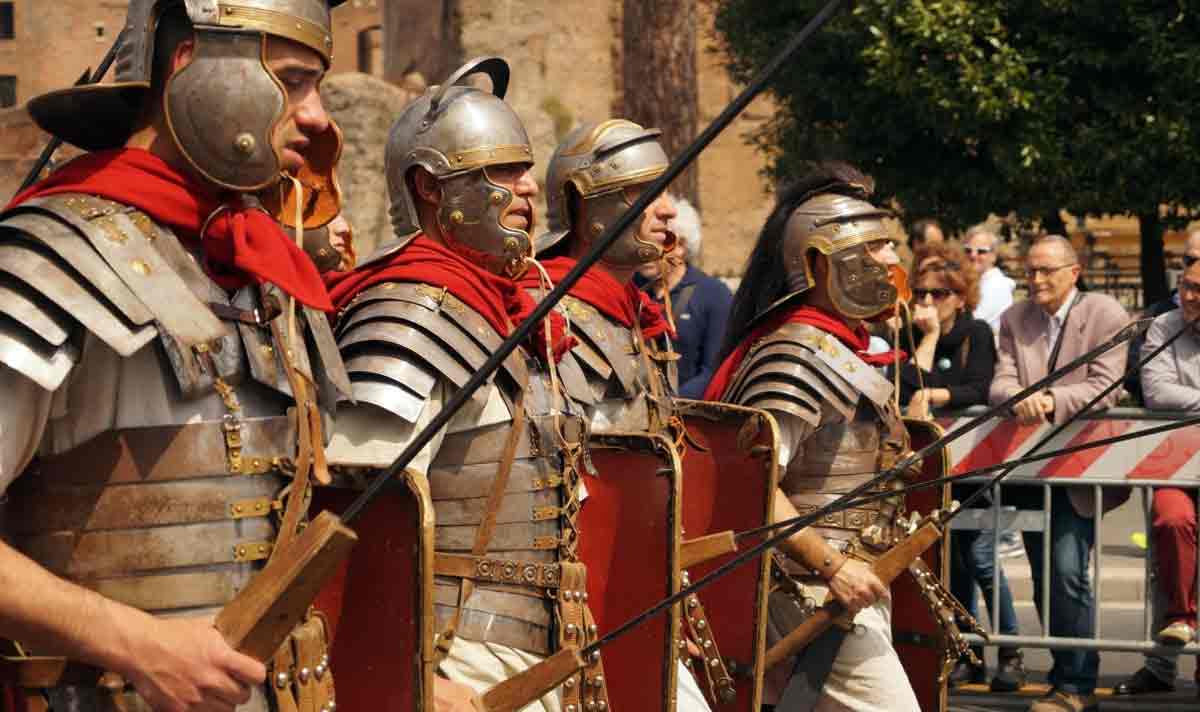
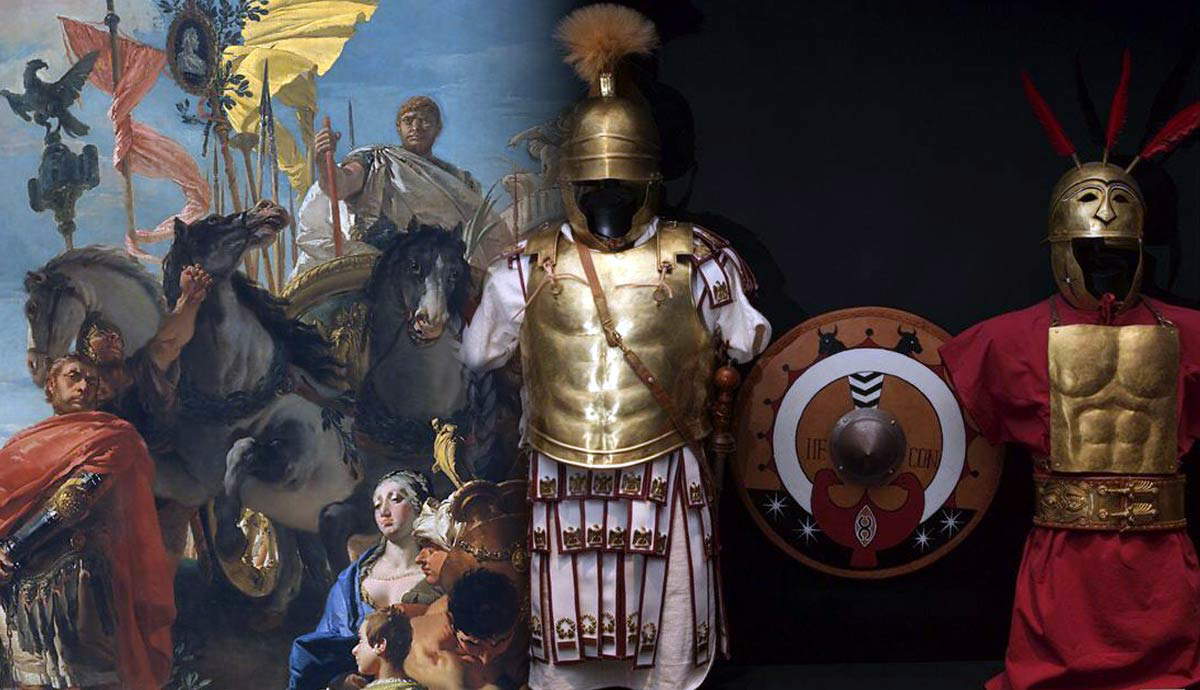
In 107 BC, the Roman army changed drastically. Confronting a critical shortage of manpower, Roman general Gaius Marius allowed the landless proletarii to enlist. Literary records reveal that equipment became increasingly standardized and issued by the state, and that every soldier of the Roman legion would henceforth be an infantryman trained to fight as one large block.
Military manuals and sources describe a legion as consisting of ten cohorts, each typically containing six centuries of about 80 men. This gave a theoretical strength (for the standard cohorts) of around 4,800 men. Legions are commonly cited as having a paper strength of about 5,000 to 5,200 men. This is because the First Cohort, the most elite and prestigious tactical unit in a Roman legion, was often double-strength (five centuries of roughly 160 men each, totaling 800), and officers, specialists, and other personnel are factored in.
By the late Republic and early Empire era, the velites and the distinctions involving triarii gradually faded, and almost all legionaries became heavy infantry primarily armed with the pilum (a heavy javelin) and gladius (short sword), though specialized elements within the unit could carry alternative spears. Consequently, the legion lost some specializations in the attempt to fill every role on the battlefield during that era.
The Rise of Smaller Legions
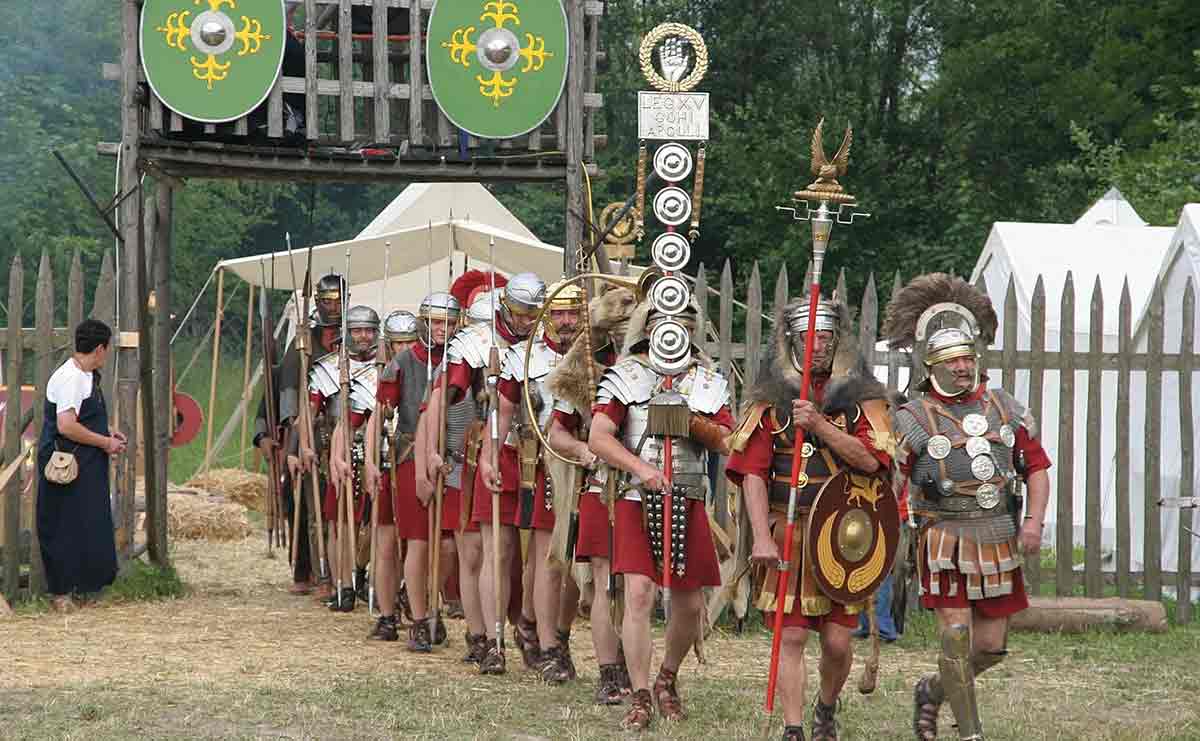
Late imperial records indicate that in the beginning, with the Crisis of the Third Century (circa 235 AD) and lasting through the reigns of Diocletian and Constantine the Great, the legion began to change drastically in size. The old 5,000-man juggernauts were replaced by smaller units to allow for greater administrative flexibility and strategic distribution as Rome transitioned into a period of military restoration.
Records from that time indicate that legions making up the comitatenses (field armies) during the 4th century numbered from 1,000 to 1,200 men each. Though smaller, these units remained officially designated as legions.
Legion Manpower Fluctuated Wildly
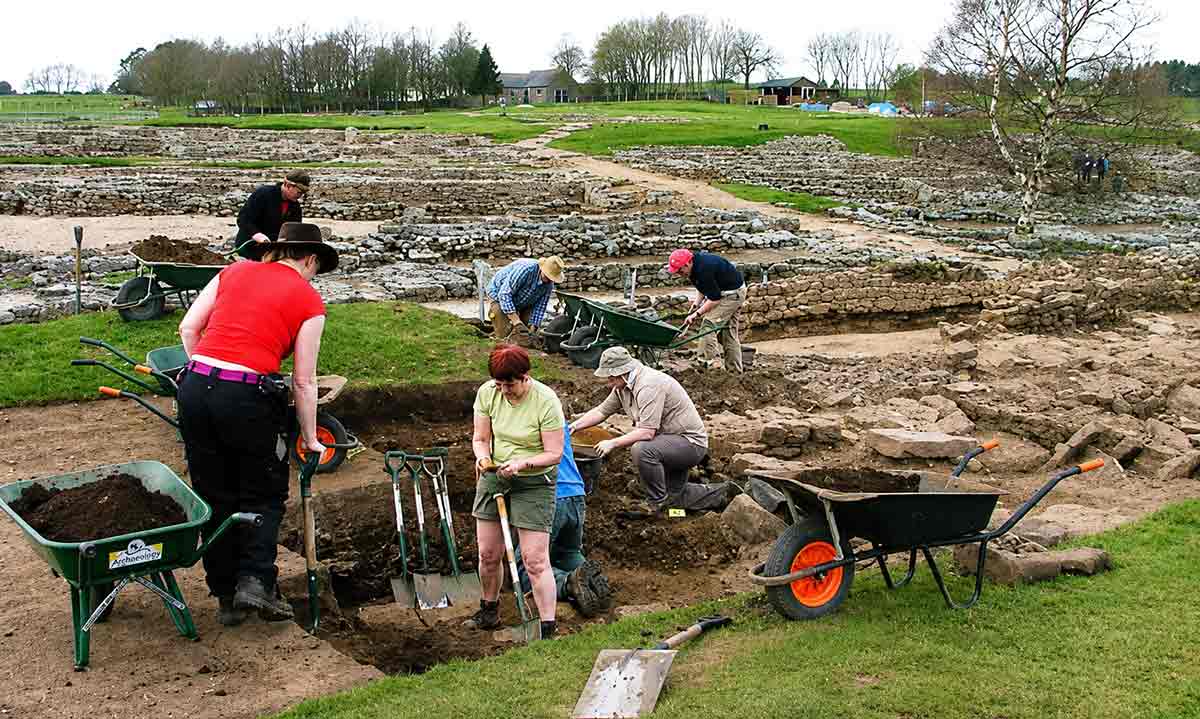
It is widely accepted that no Roman army has ever fought at full strength. Correspondences found on the Roman frontier, called the Vindolanda tablets, for example, indicate that at any given time, at least one-third of a unit was considered absent. As such, men on detached duty guarding granaries, serving as governors’ personal guards (singulares), or staffing small forts and outposts were always subtracted from the overall strength of a legion. It is therefore estimated that a legion on campaign during this time may only have been operating at around 60 to 80 percent capacity.
Renowned biographer Plutarch (46 to 120 CE) recounted that at the Battle of Pharsalus (48 BCE), Julius Caesar’s legions had been heavily understrength due to years of continuous fighting. Modern estimates suggest that certain cohorts (10 cohorts made up a legion) might have numbered as few as 200 men relative to their nominal strength of 480 men.