
Gladiators represented ancient Rome’s greatest athletes, and like today, diet was the primary concern. Surprisingly, however, the gladiator diet did not consist of protein-rich meat. It was vegetarian.
And it wasn’t due to lack of nutritional knowledge. This diet was deliberate, carefully monitored, and even medically supervised.
What the Bones Tell Us
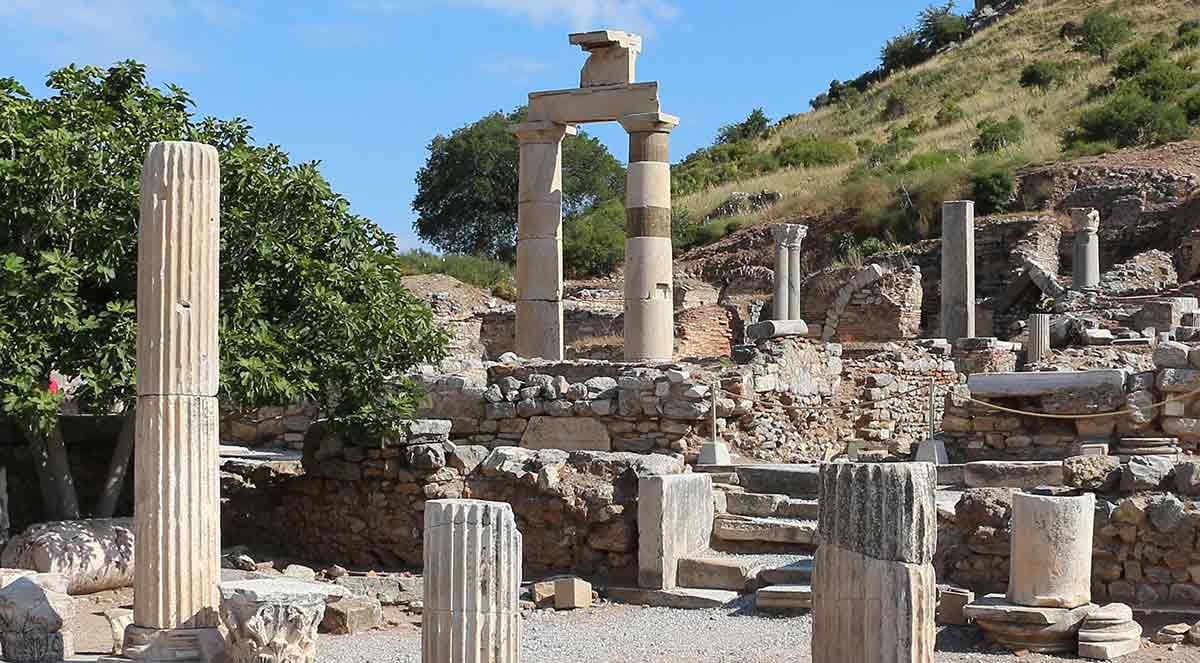
While the ancient texts mention the vegetarian diet of the gladiators, the hardest evidence (literally) comes from the skeletons of the gladiators who lived 2000 years ago.
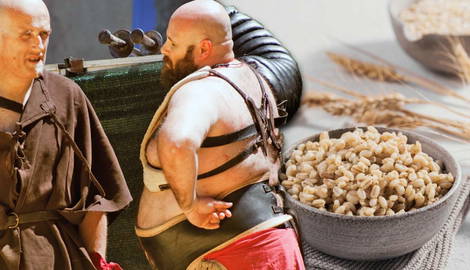
A study on the bones of Roman gladiators from the city of Ephesus (in Turkey) reveals some surprising things about their diet. Beans and grains formed the bulk, supporting the historical accounts in which gladiators earned the nickname of “hordearii” or “barley eaters.”
Of note in the study were the strontium and calcium values in the bones, with strontium buildup indicating a high vegetarian intake. The strontium-to-calcium ratio also suggests that the ancient texts are correct— gladiators drank a plant-ash beverage as a dietary supplement.
The Ancient Sources Confirm It
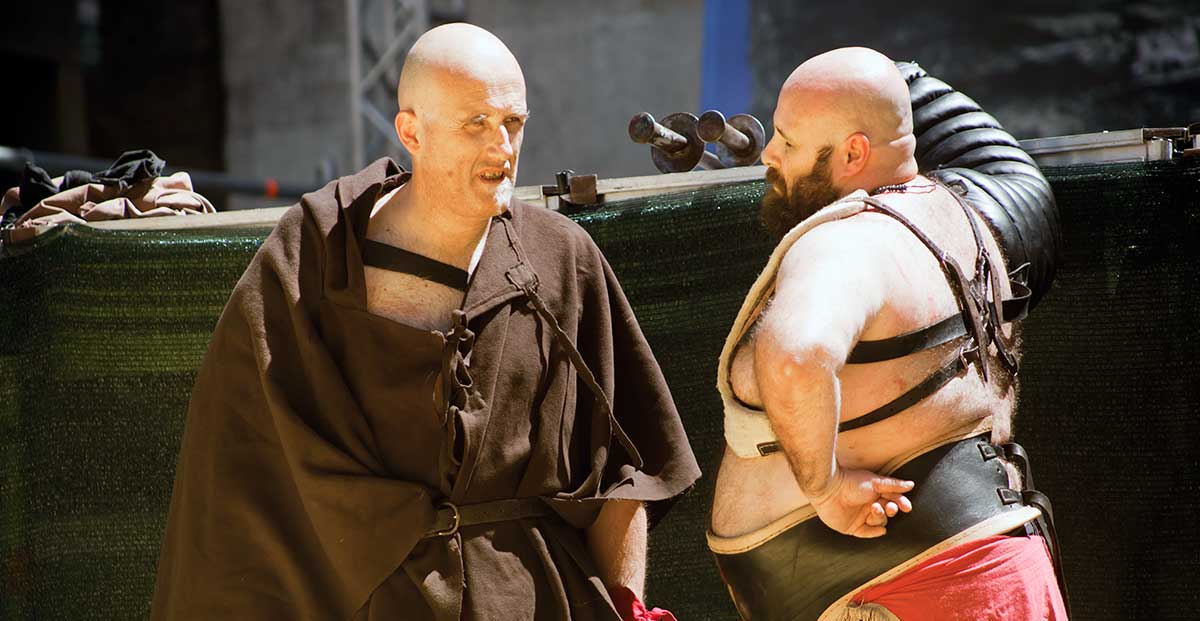
Modern analysis of bones is supported by historical texts that discuss the gladiator diet. Pliny the Elder famously referred to gladiators as barley eaters, while other contemporary accounts noted the same focus on carbohydrate-rich diets.
This diet wasn’t designed to create the ultimate fighting machine. It was designed for spectacle. Gladiators had more fat than most people, and this extra layer protected vital organs from wounds. What would have been deep wounds for others were flesh wounds for gladiators. As such, they were able to fight on. Even with bodies slashed and bleeding, these gladiators kept the crowds cheering.
A Greek physician named Galen of Pergamon (129 – c. 216 AD) noted that: “There is also much use made of fava beans. Our gladiators eat a great deal of this food every day, making the condition of their body fleshy – not compact, dense flesh like pork but flesh that is somehow more flabby.”
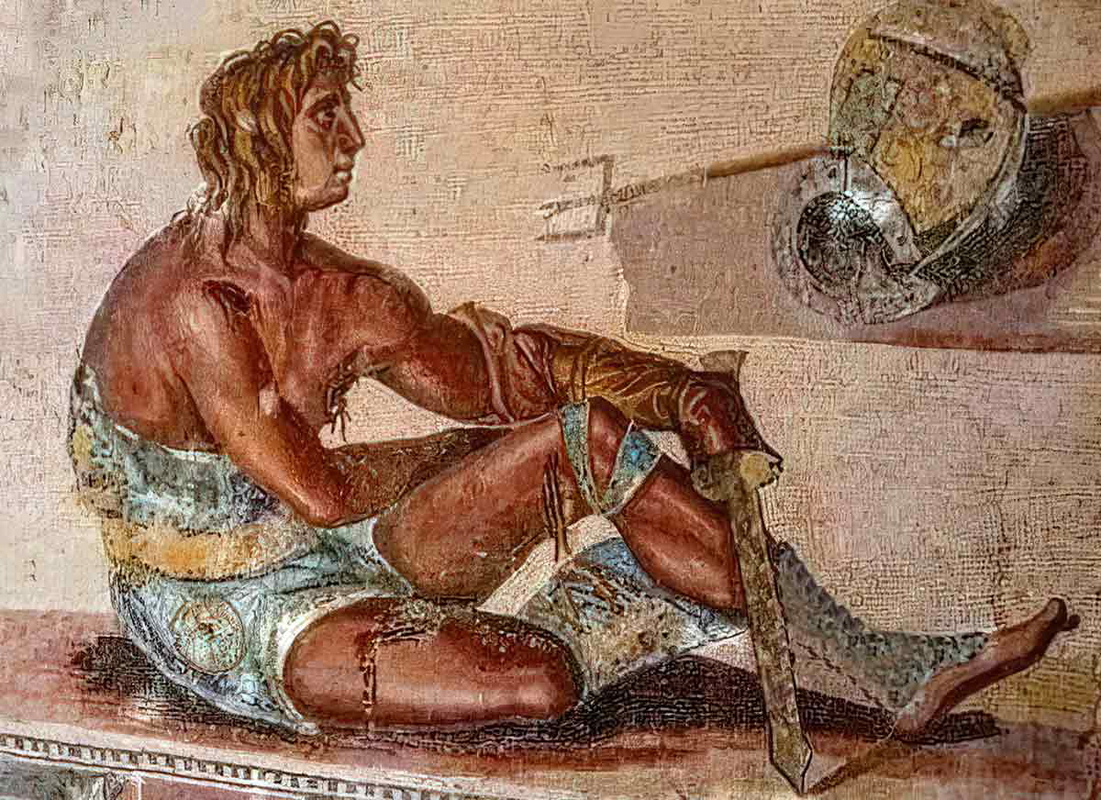
As for the ash drink, this is also attested to in ancient texts. Pliny quotes the famous author, Marcus Varro, as stating that lye from the hearth should be drunk as a cure for abdominal cramps and bruises, and that it was a staple of gladiators. This was not a superstition. It was based on science. And it worked.
Professor Fabian Kanz from the Medical University of Vienna states, “Things were similar then to what we do today — we take magnesium and calcium (in the form of effervescent tablets, for example) following physical exertion.”
This ash drink could be considered one of— if not, the first— sports drink, containing a host of important electrolytes!
No Meat by Circumstance

Vegetarianism for gladiators was not ideologically driven (there would have been a certain irony if it were). It was driven by medical and economic factors.
Gladiators were significant investments for lanistae, who owned, trained, and traded them. Ultimately, their concerns were financial. They wanted their gladiators to provide a spectacle, but they also had a great interest in keeping them alive. A dead gladiator couldn’t turn a profit!
The vegetarian diet had several advantages. Apart from the bulk it gave the gladiators, it was far cheaper than meat, which was more commonly found on the plates of the wealthier parts of society than in the bowls of gladiators, who, after all, were slaves.
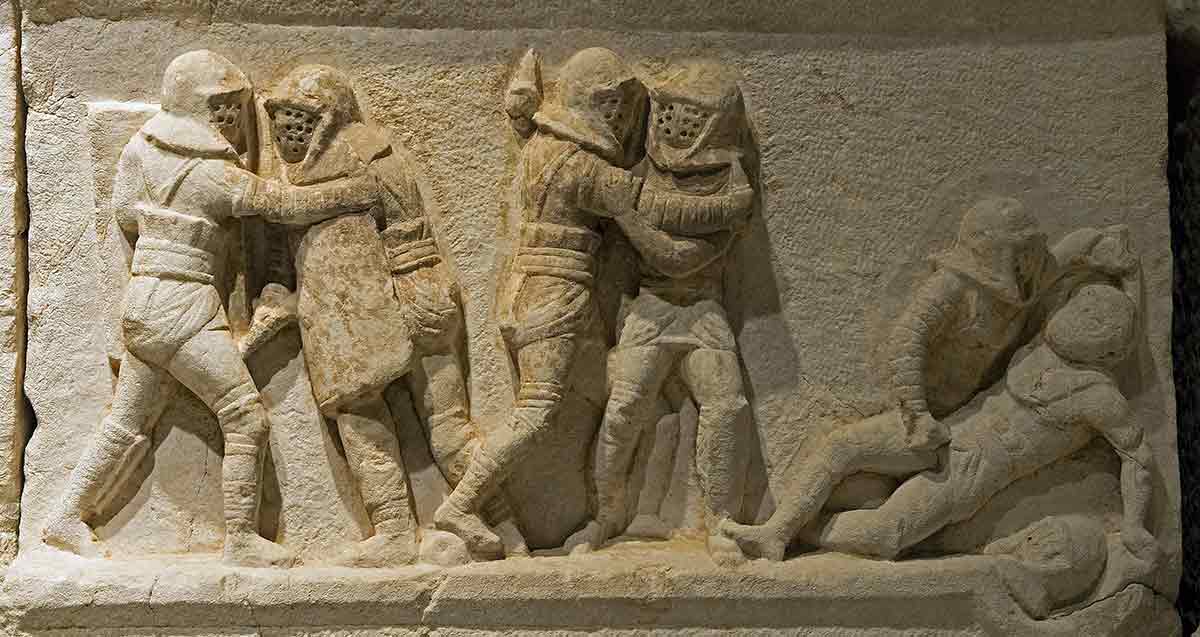
The Romans understood performance and diet 2000 years before the advent of “sports science,” which is thought of as a wholly modern dynamic. Before modern athletes were attended to by degree-wielding nutritionists, the Romans were carb-loading and taking calcium supplements.
And however they looked, the media turned them into superstars, doing away with the chunky fat and depicting them in heroic proportions!