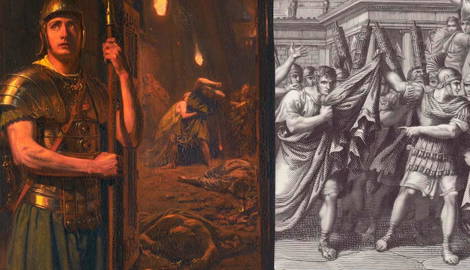

Originally utilized as frontline military scouts, elite operatives evolved into something far more dangerous: the emperor’s personal shadow spies and political executioners. Operating in the darkest corners of Rome, the speculatores formed a terrifyingly efficient domestic intelligence network that kept the imperial throne secure through surveillance, tracking, and cold-blooded terror.
The Early Military Roots of the Roman Speculatores
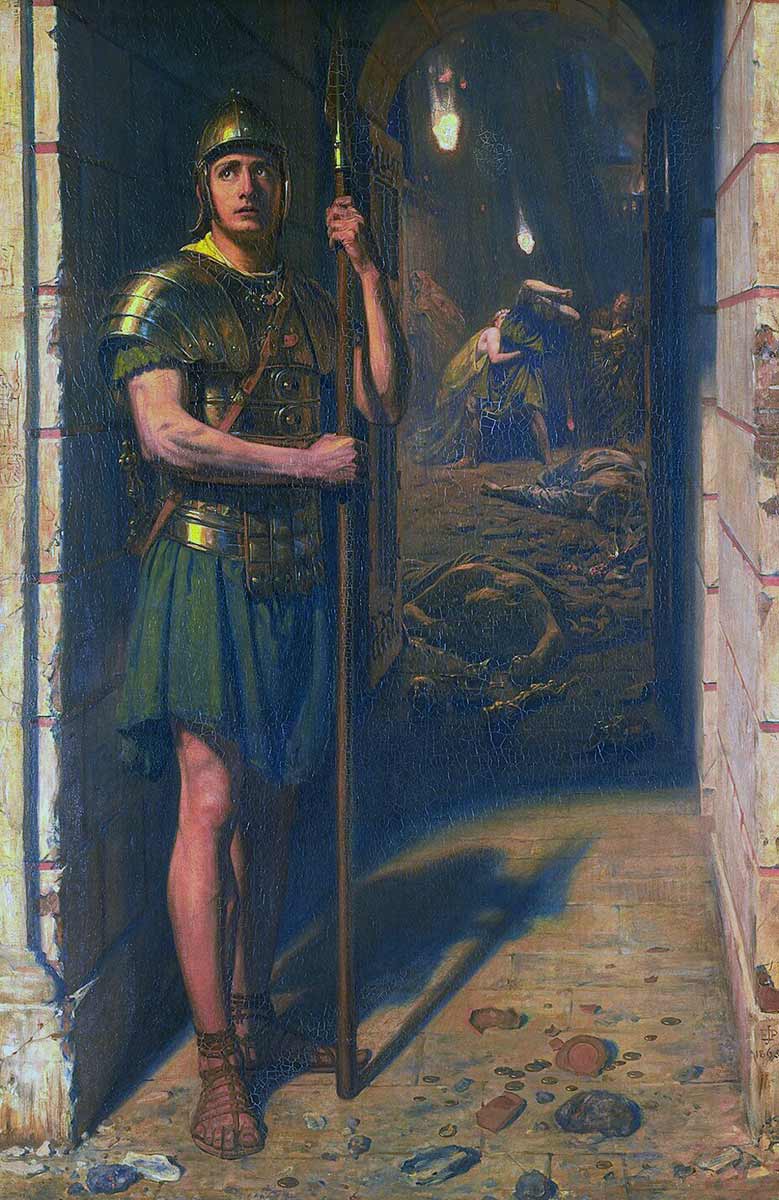
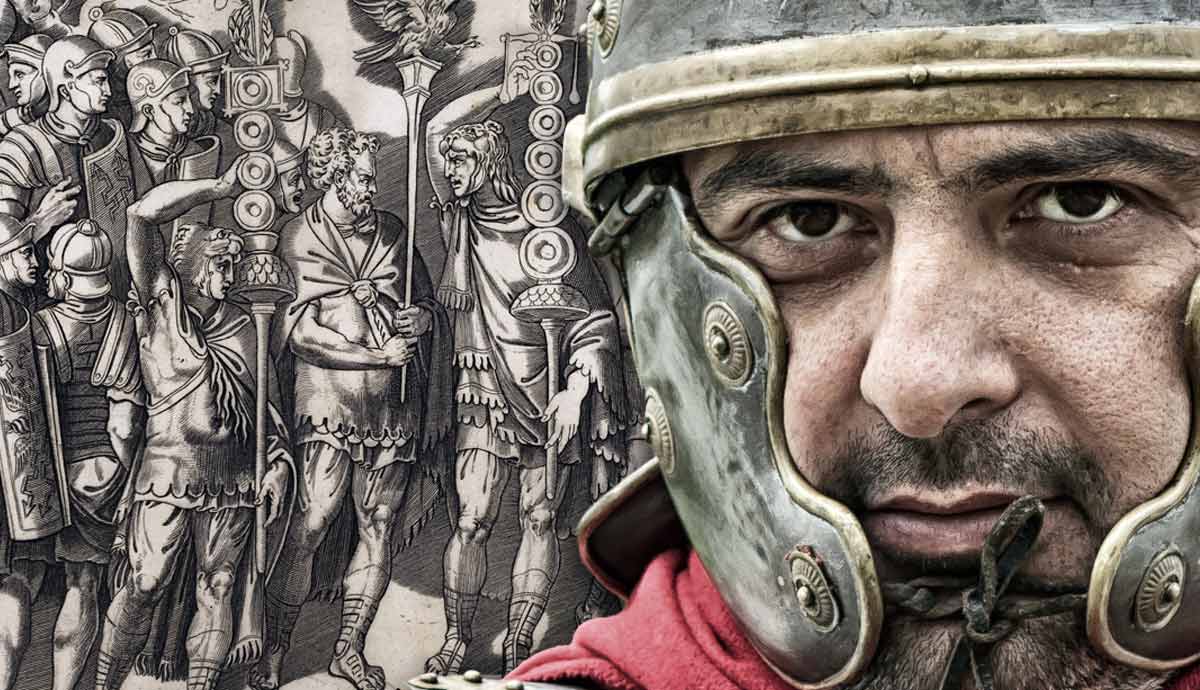
The name speculatores comes from the Latin word speculari, which literally means “to observe.” Ancient writers from the time of the Republic used the term speculatores when talking about soldiers on ordinary reconnaissance tasks. However, by the imperial period, it came to be used for a special unit within the Roman Army whose responsibilities went beyond reconnaissance.
Until the imperial period, the Roman army relied mostly on exploratores for reconnaissance. These scouts went ahead of the marching columns, patrolling the surrounding terrain and trying to identify enemy forces or ambushes. Thus, their primary duty was to provide immediate tactical intelligence to commanders during active military operations.
Speculatores not only scouted ahead for the Roman army, but also went deep into enemy lines. They often moved at night, along back roads and over difficult terrain to avoid being spotted. They had to know how to remain inconspicuous and interpret the tracks and terrain very well. In frontier areas, knowledge of local customs and languages could be of great importance. The abilities these soldiers possessed were acquired solely through experience, not through formal education or training. Often, the most important weapon of a speculator was patience, not the sword.
The Political Transformation of the Speculatores
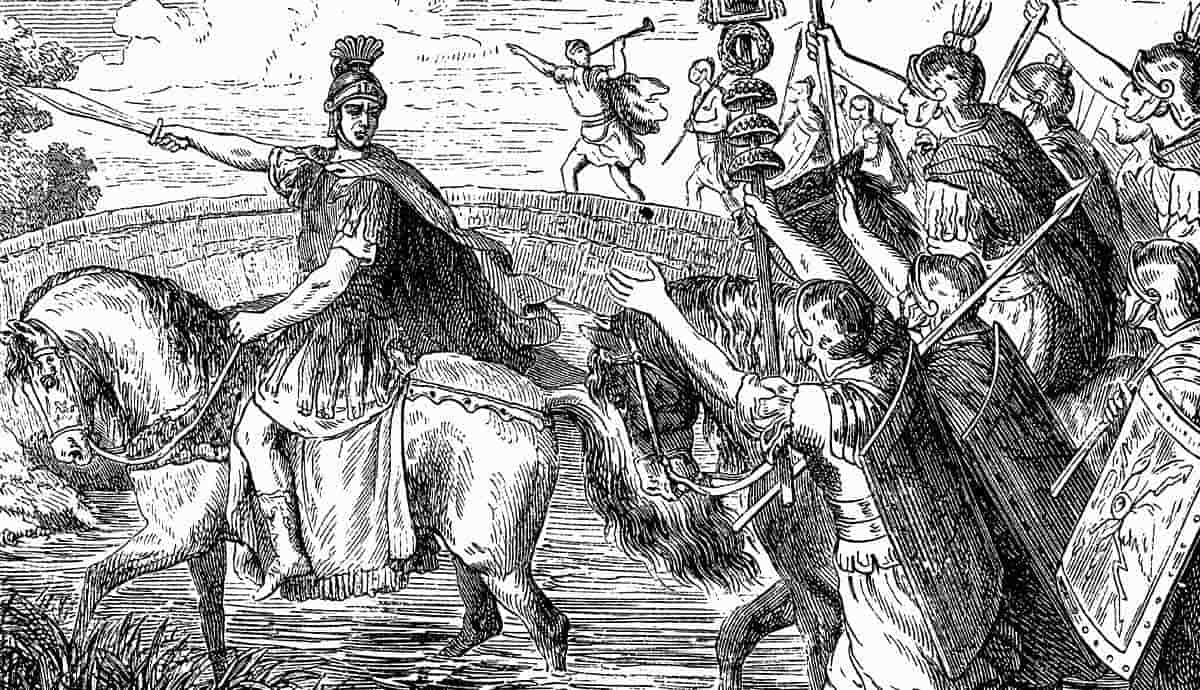
In the last decades of the Roman Republic, speculatores also assumed important roles off the battlefield. During these turbulent times, and especially during the devastating civil wars, control of information became an increasingly important asset in the hands of military commanders such as Sulla, Pompey, and Julius Caesar. One could even say that control of information became as important as control of the legions.
Military commanders needed trustworthy men, capable not only of reconnoitering enemy positions, but also of carrying confidential correspondence, observing rival commanders, and maintaining contact with rapidly changing networks of allies.
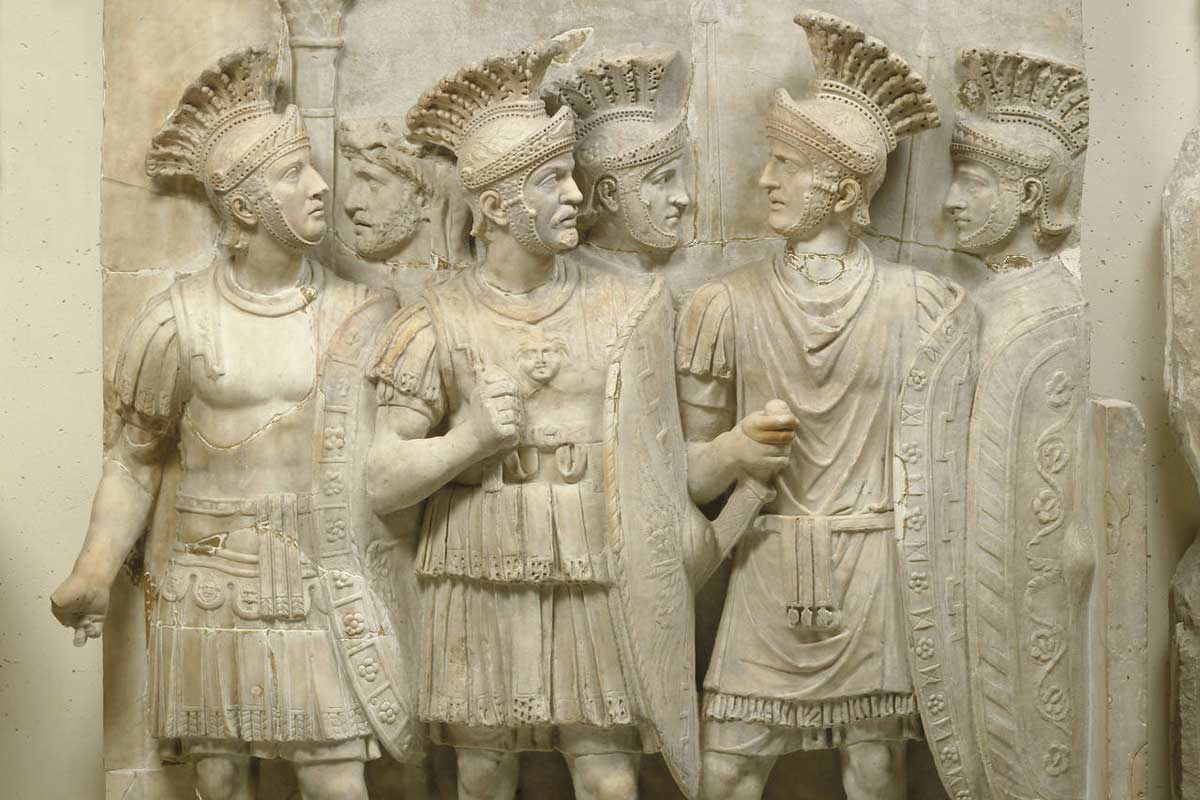
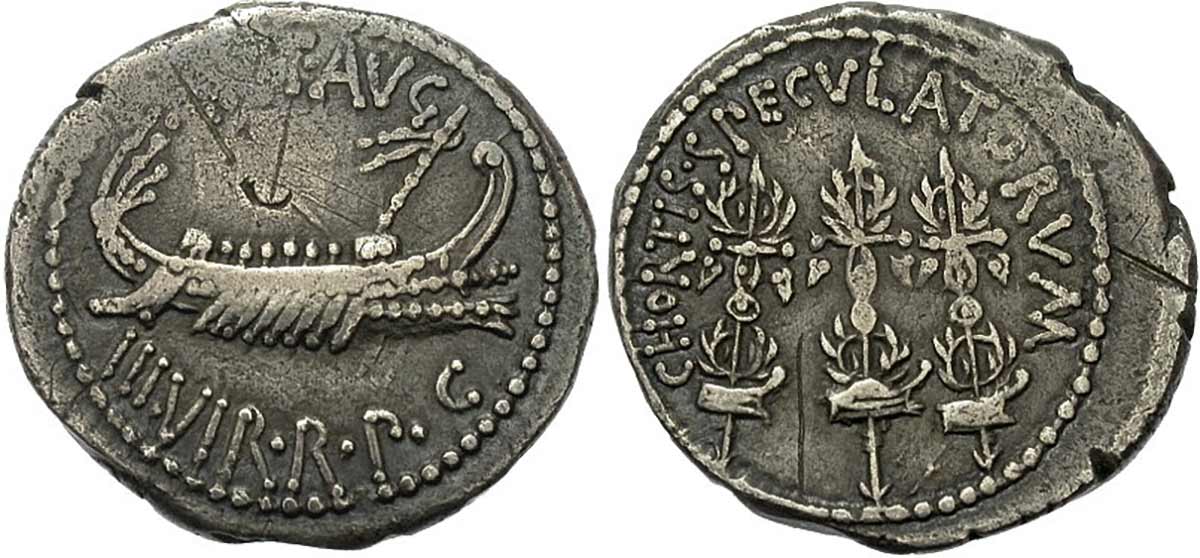
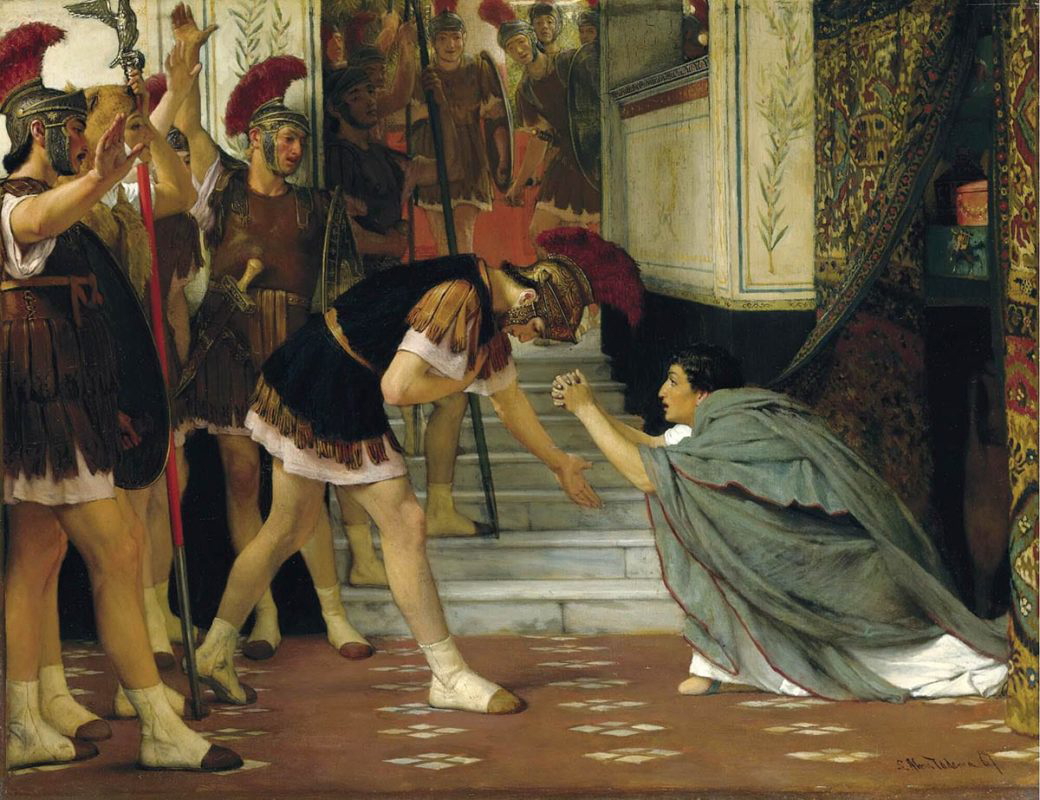
During the reign of Augustus, speculatores were formalized in a new form. They were incorporated into the emperor’s personal administration alongside the Praetorian Guard, the emperor’s personal bodyguard, which served as the primary military force in the capital alongside the Urban Cohorts and Vigiles. Accordingly, they were given new tasks, including escorting prisoners, assisting in arrests, transmitting secret orders, and, in some cases, providing personal security for the emperor and his representatives.
Following Augustus’ reforms, a small contingent of about ten speculatores was included in each Roman legion, one in each cohort. Speculators were commanded by a trecenarius, the highest-ranking centurion in the elite Praetorian Guard.
Tiberius, Sejanus, and the Weaponization of Imperial Intelligence
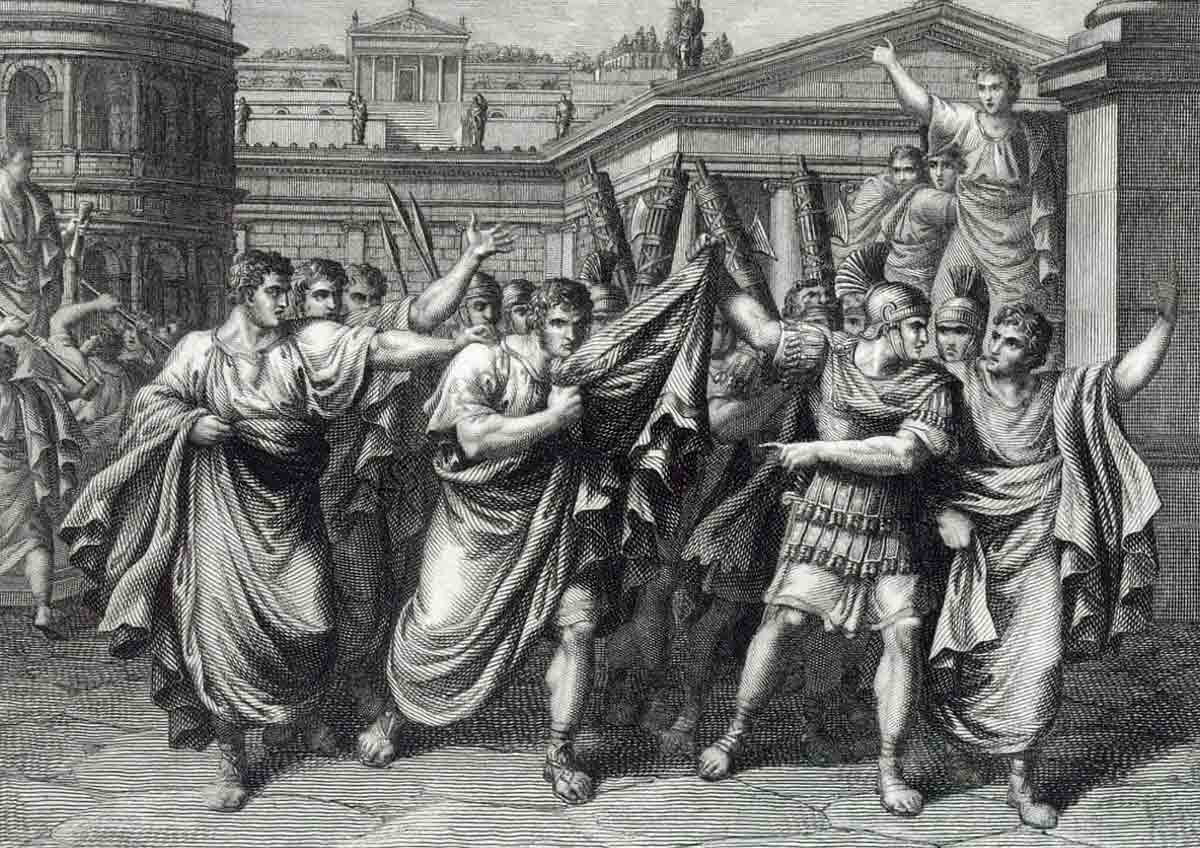
Under Augustus’ successor, Tiberius, the use of intelligence and surveillance became increasingly prominent. This was closely linked to the rise of Lucius Aelius Sejanus as commander of the Praetorian Guard. With the complete trust of a highly paranoid emperor, Sejanus used the speculatores as secret police.
Tiberian Rome was characterized by an atmosphere of paranoia, informers, and accusations. Following the suspicious death of his nephew and heir, Germanicus, and then his son Drusus, Tiberius trusted no one. Roman sources suggest Sejanus fueled Tiberius’ paranoia and was behind many of the accusations of conspiracy, which earned him the right to engage in widespread surveillance. Private conversations became politically dangerous, and loyalty to the emperor was constantly tested.
When describing the reign of Tiberius, Tacitus specifically described delatores, professional informers who accused senators and elites of treason. The accusations were made under the maiestas law, which treated traitors as public enemies. Although this law had long existed, under Tiberius, it became a weapon of tyranny and terror. According to records, between 50 and 80 people were accused of treason under Tiberius, 18 were officially executed, and another 10 or so committed suicide before they could be convicted.
Although he managed to concentrate all the intelligence power in his hands, Sejanus eventually met an ironic fate. In AD 31, Tiberius suddenly turned against Sejanus following intelligence passed to him by his sister-in-law Antonia the Younger. A message was read in the senate condemning Sejanus, who was arrested at the same session and sentenced to death. His supporters and family members were exiled. After this episode, Tiberius himself fell into an even deeper paranoia from which he never recovered, and spent the rest of his reign in isolation.
Secrets in the Shadows and the Tools of Roman Tracking
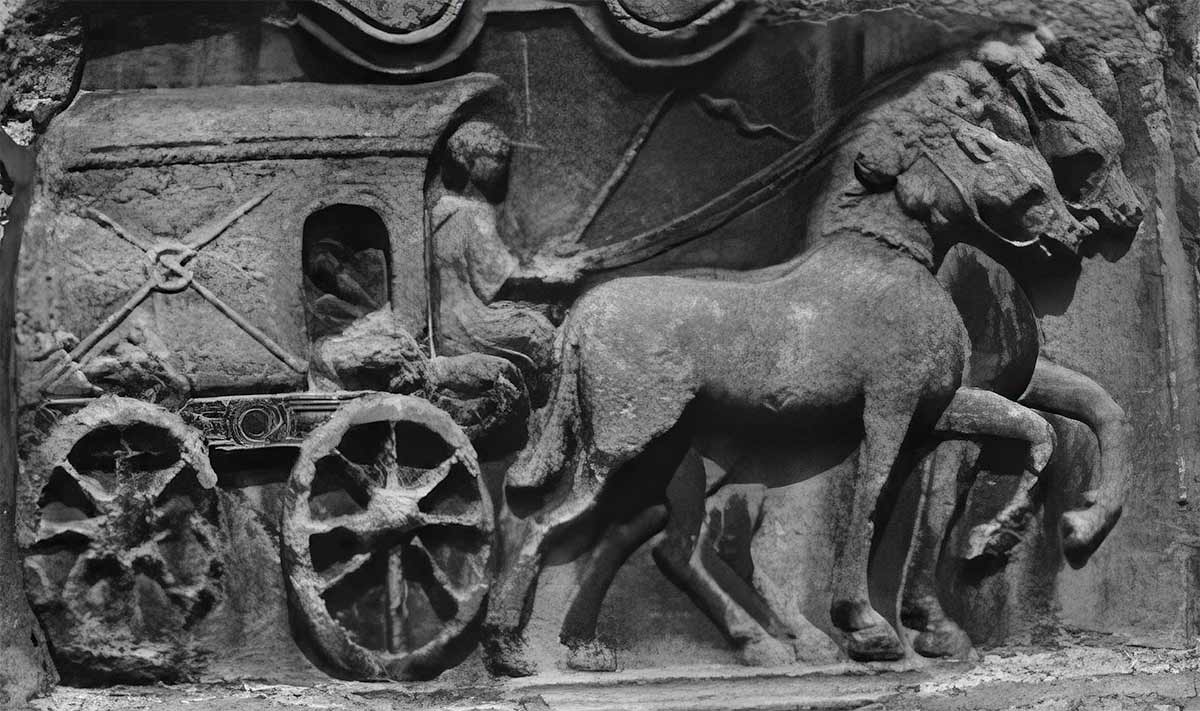
One of the most important espionage methods in Roman times was the interception and control of written communication. Official and private messages were mostly transmitted on wax tablets, making them extremely vulnerable to interception. Couriers carrying messages could, if there was any doubt, be followed, returned, or even interrogated.
Rome was densely populated, and its forums, baths, theaters, and other public spaces were perfect for gathering and exchanging information. Speculatores appeared there as secret observers listening to sensitive conversations or looking for patterns of connection among senators, equestrians, and provincial visitors. Within elite households, some slaves also served as a key source of information because they had access to the private conversations of people of interest.
The Darkest Role of the Emperor’s Personal Executioners
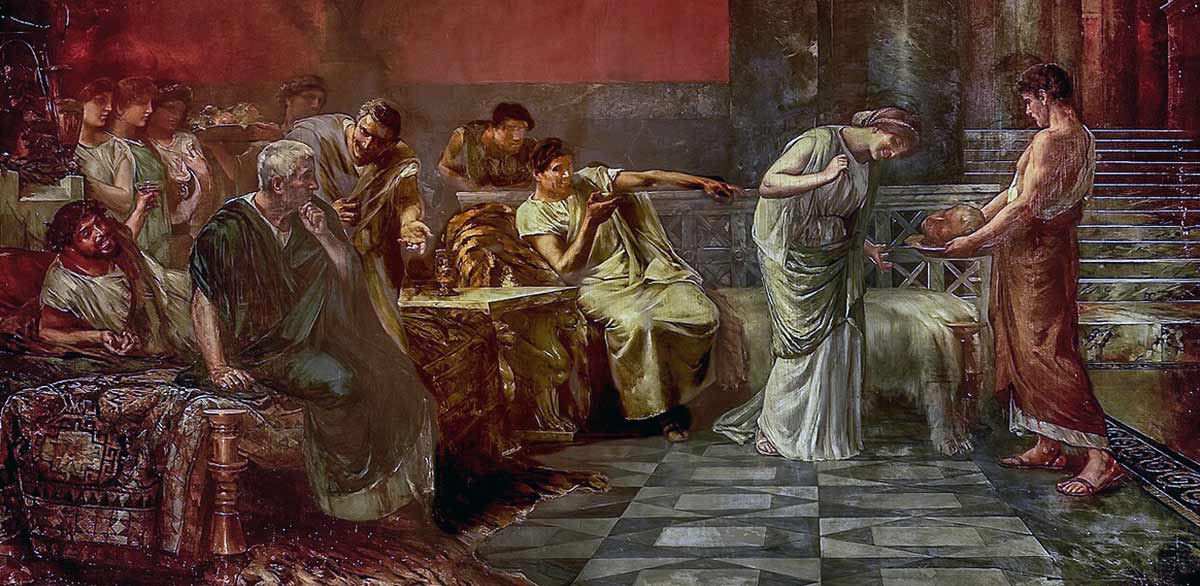
Speculatores were not only spies, but sometimes also hired assassins in the service of the Roman emperors. They were sometimes tasked to execute individuals deemed a threat to the emperor or the Roman state. Tiberius was not the only Roman emperor to use their skills to his political advantage.
The assassination of Cicero in 43 BC represents one of the best examples of political sanctioning, although we cannot confirm with certainty that speculatores were behind it. After the formation of the Second Triumvirate between Octavian, Marcus Antonius, and Lepidus, Cicero was placed on the list of state enemies as one of Marcus Antonius’ greatest opponents. According to Appian and Plutarch, Cicero tried to escape from Italy. However, he was found near his villa, where he was intercepted and killed by soldiers in the service of the triumvirate. His hands and head were cut off and, in a symbolic act of political humiliation, displayed in Rome on the Rostra.
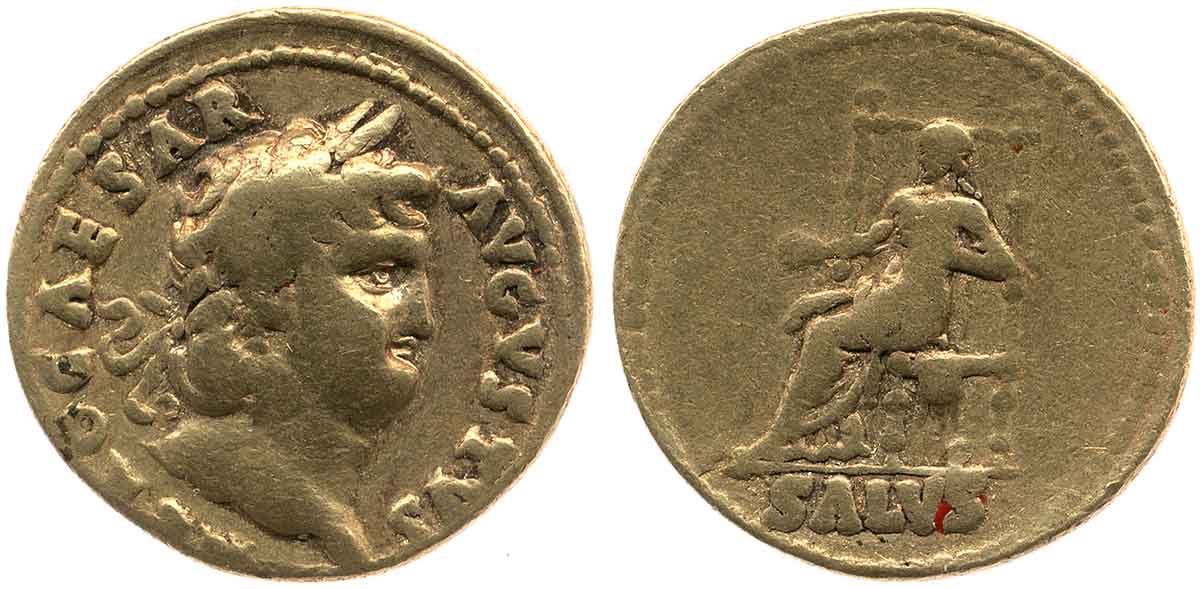
Nero continued to use political violence, especially after the Pisonian Conspiracy of AD 65, when conspirators attempted to replace Nero with the senator Gaius Calpurnius Piso. After the conspiracy was suppressed, there were many arrests, forced suicides, and executions. Roman speculatores probably participated in these actions.
From Speculatores to Frumentarii and the Legacy of Ancient Surveillance
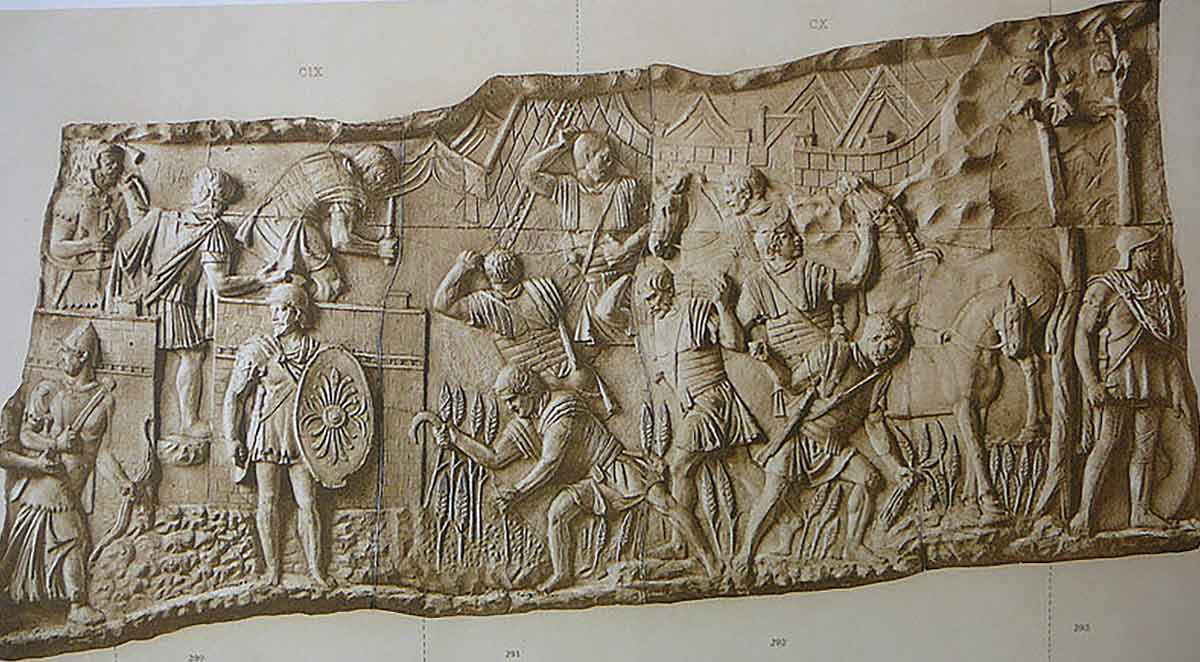
As the Empire grew, so did the need for a more extensive intelligence network that operated beyond the military hierarchy throughout the Roman provinces. That role gradually fell to frumentarii. This unit was originally made up of soldiers responsible for overseeing the collection and transport of grain for the Roman army.
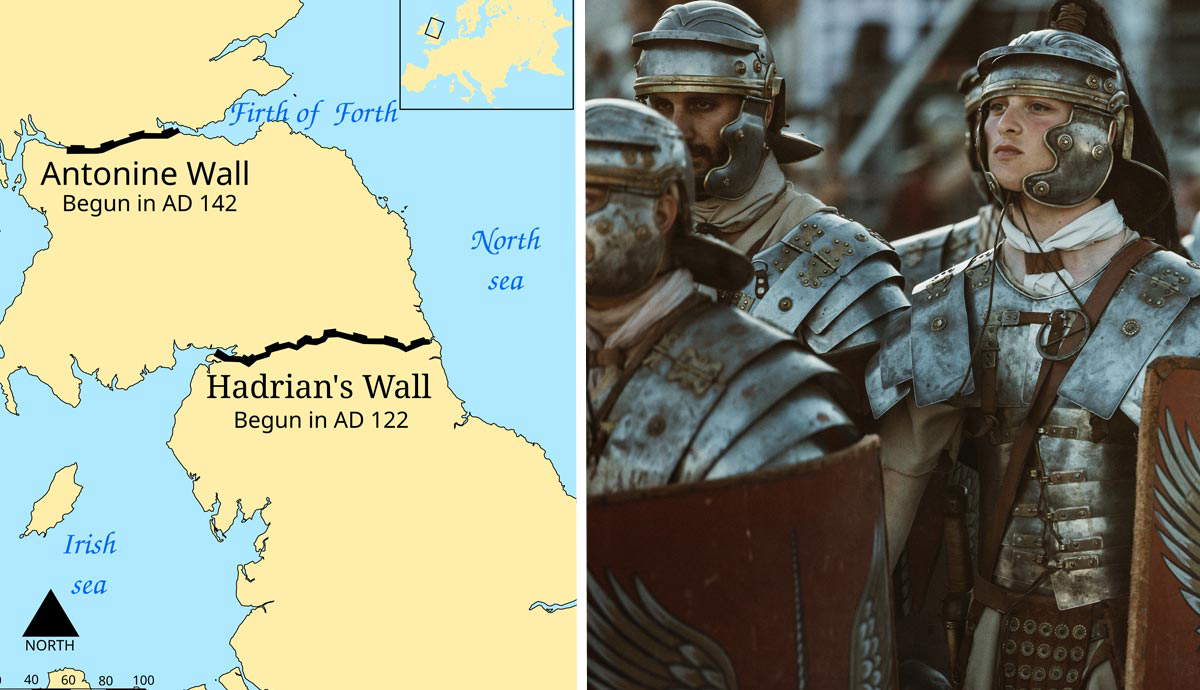
The frumentarii already moved through border garrisons, provincial capitals, and Rome itself without drawing much attention to themselves. It was this mobility that made them ideal for carrying classified dispatches, gathering political intelligence, investigating provincial officials, escorting prisoners, and monitoring potential disturbances. Their role was especially prominent during the reign of the emperors Hadrian and Septimius Severus.
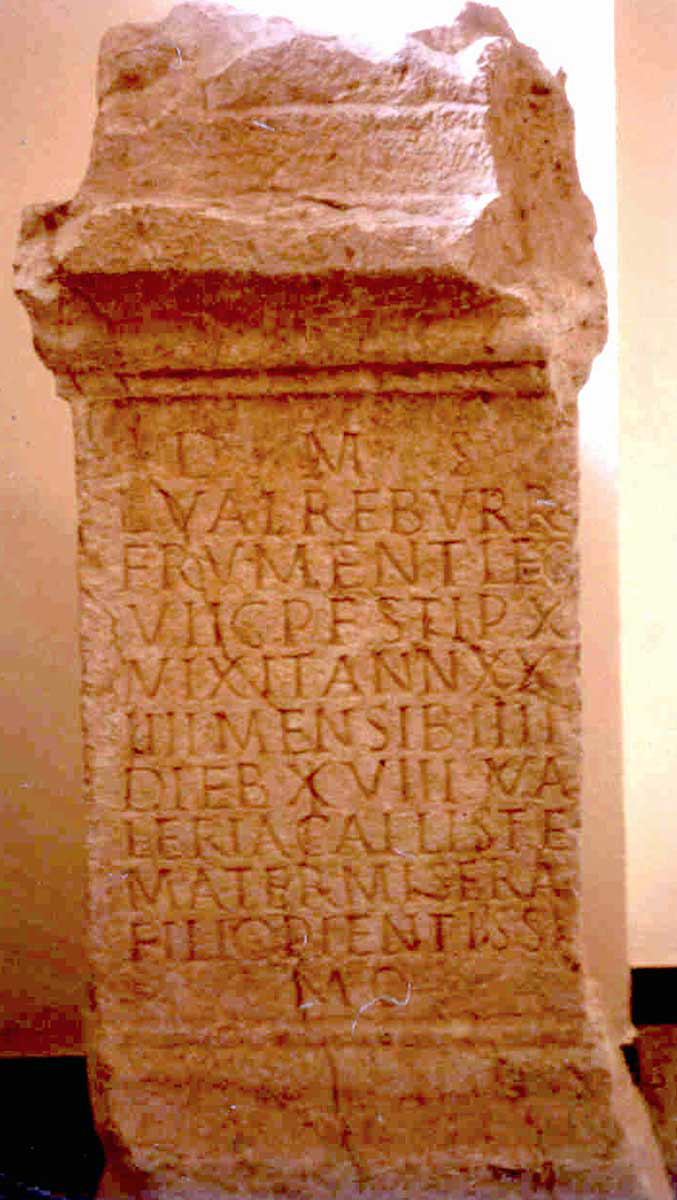
Ancient sources suggest that their reputation quickly deteriorated. They soon acquired the image of informers whose arrival often signaled an official investigation. Their appearance caused distrust not only among the governors but also among the common people. Due to their deteriorating reputation, Diocletian abolished them and replaced them with a new unit, the agentes in rebus.
Unlike speculatores and frumentarii, the agentes in rebus were integrated into the imperial civil administration. Their official duties included carrying imperial correspondence, investigating corruption, supervising provincial officials, and reporting directly on political events to the imperial court. From time to time, their activities went beyond the functions set out in imperial legislation. They regularly imprisoned and whipped people under suspicion. If necessary, they also engaged in intelligence work outside the Empire, led high embassies, and even killed high-ranking individuals who were considered a threat to Rome.
The agentes in rebus were the last stage in the evolution of Roman intelligence. When the Western Roman Empire collapsed, so did its institutions. However, elements of the intelligence service influenced later Byzantine diplomatic and espionage practices.