
The emperor of Rome was one of the most powerful men in antiquity, but also one of the most vulnerable. Surrounded by jealous family members, ambitious generals, idealistic senators, and disgruntled staff, plots and conspiracies were a regular feature of life on the Palatine Hill. Several famous successful plots saw emperors replaced and regimes changed, but what about the failed conspiracies? These were often just as impactful as they saw important statesmen executed, heirs replaced, and paranoid emperors embrace autocracy. Discover seven of the most important failed plots against the Roman emperor in the first century AD.
1. How Did the Exile of Julia Conceal Threats to Augustus?
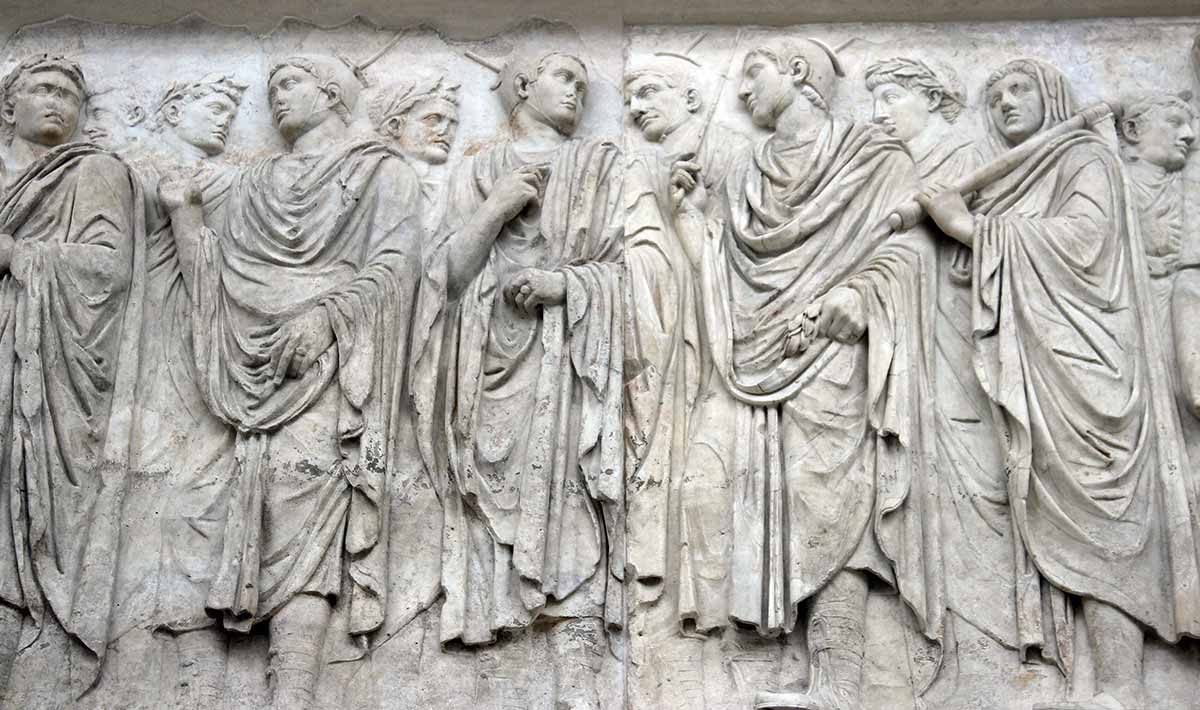
Augustus, renowned for establishing the Roman imperial system, was also the longest reigning emperor. He ruled for 41 years from 27 BC, when he assumed the name Augustus, until AD 14, when he probably died of natural causes at the age of 75.
The length and security of Augustus’ reign do not mean that there were no conspiracies against him. Several ancient authors mention failed conspiracies in passing (e.g., Cassius Dio, books 53-55). But a master of propaganda, Augustus maintained the illusion of the stability and peace of his reign by controlling the story of these plots. Moreover, since Augustus’ position was so stable, the most important conspiracies from his reign were not about removing him but deciding who would succeed him.
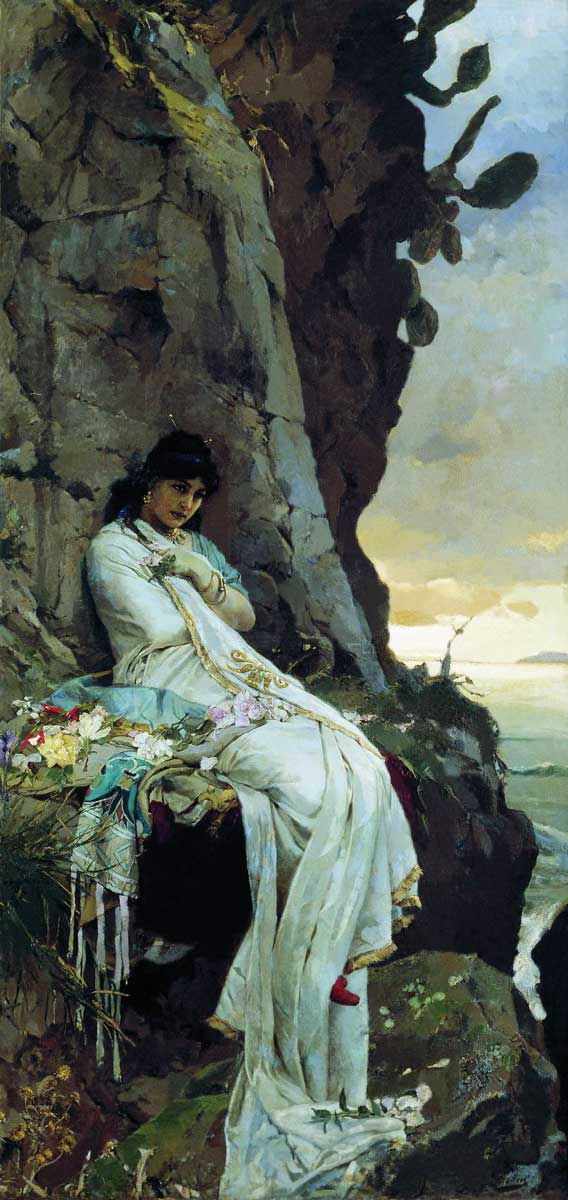
In 2 BC, Augustus’ own daughter, Julia the Elder, was exiled, reportedly for promiscuity in defiance of Augustus’ moral laws (Velleius Paterculus 2.100). But she was probably exiled for conspiracy, with promiscuity a cover story.
As Augustus’ only child, she was married to each of his chosen heirs in turn: his nephew Marcellus, following his death, to Augustus’ closest friend Agrippa, and following his death, to Augustus’ stepson Tiberius. This last marriage was an unhappy one, and it also placed Tiberius ahead of Julia’s two teenage sons, Gaius and Lucius Caesar, in succession planning.
Getting rid of Tiberius and ensuring the succession of her sons was probably the real motive behind Julia’s affair with Iullus Antonius, the son of Mark Antony. When discovered, he was forced to commit suicide, and she was forever exiled to the island of Pandateria.
Even more obscure are the details surrounding the exile of Augustus’ granddaughter, Julia the Younger, in AD 8. Like her mother, she was also exiled for promiscuity, an excuse that likely covers a palace conspiracy. She was married to Lucius Aemilius Paullus, who was executed for plotting against Augustus sometime in the last decade of his reign (Suetonius, Augustus 19).
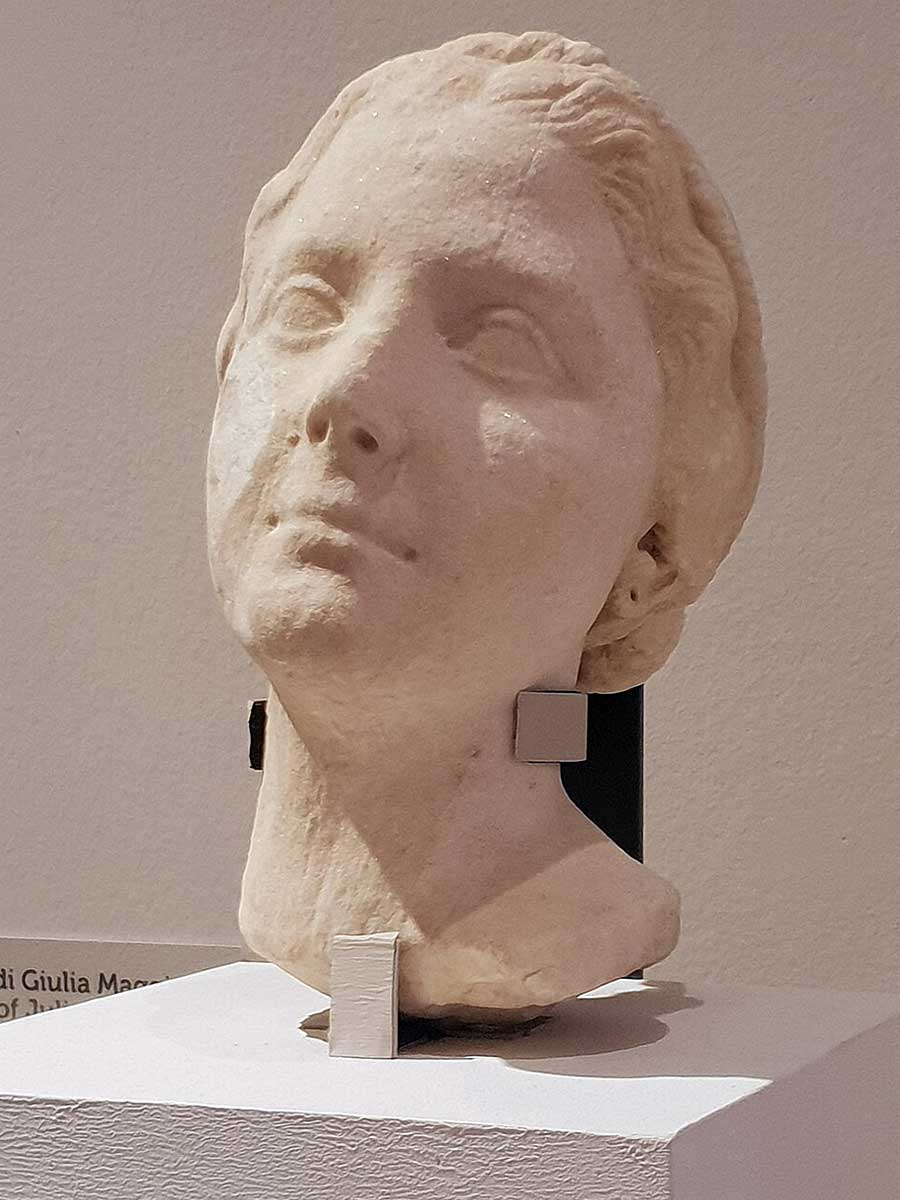
Julia was accused of an affair with Decimus Junius Silanus, and the pair were exiled in AD 8. Her younger brother Agrippa Postumus was exiled the following year, and the poet Ovid was also exiled, according to him, for his knowledge of these events (Tristia 2.207).
According to Suetonius, Augustus also had Julia’s house razed, refused her burial in the family mausoleum, canceled the betrothal of her daughter to the future emperor Claudius, and demanded she expose the baby that resulted from the illicit union. This all indicates a more serious reason for her exile, the details of which have been covered up for two millennia.
Many ancient authors claimed that Augustus died at the hands of his wife Livia, using poisoned figs, to clear the way for her son Tiberius (Cassius Dio 56.30.2). While unlikely, it shows how embedded the idea of conspiring imperial women was during Augustus’ reign.
2. Why Did the Shadow Emperor Sejanus Fail to Overthrow Tiberius?
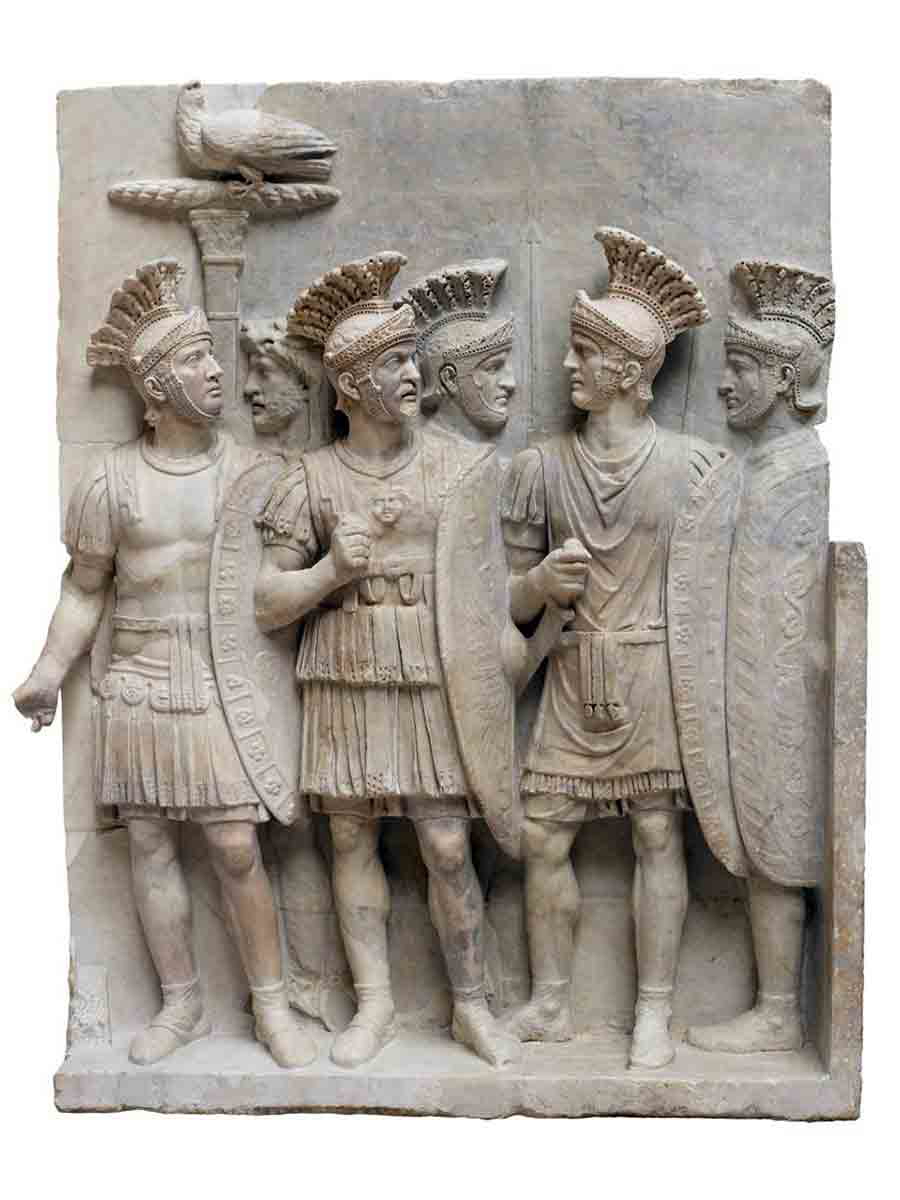
Tiberius was Augustus’ reluctant successor and lacked his adoptive father’s popularity. Much more popular was his nephew and adopted son, Germanicus, so much so that the soldiers on the German and Pannonian frontiers wanted to revolt in Germanicus’ favor in 14 AD. As Tiberius’ designated heir, Germanicus rejected their offer. He then died, possibly poisoned, in 19 AD.
While there is evidence for plots early in Tiberius’ reign, he opened himself up to more serious challenges when he retired from Rome to a refuge in Capri, leaving his mother Livia and his Praetorian Prefect Sejanus to represent him in the capital. Tiberius empowered Sejanus as “the partner of my labors” (Tacitus, Annals 4.2), and the commander of the only troops allowed in Rome started to develop his own imperial ambitions.
From early in Tiberius’ reign, Sejanus made himself indispensable to the emperor and tried to bring himself into the imperial family, betrothing his four-year-old daughter to the son of Claudius. Sejanus intensified his approach in 23 AD. He seduced Livilla, the wife of Tiberius’ son Drusus, and together they poisoned her husband. He then asked Tiberius for permission to marry her, but this was denied, probably due to the influence of Livia. Drusus’ death deeply affected Tiberius, and Sejanus encouraged him in his retirement to Capri, which started in earnest in 26 AD.
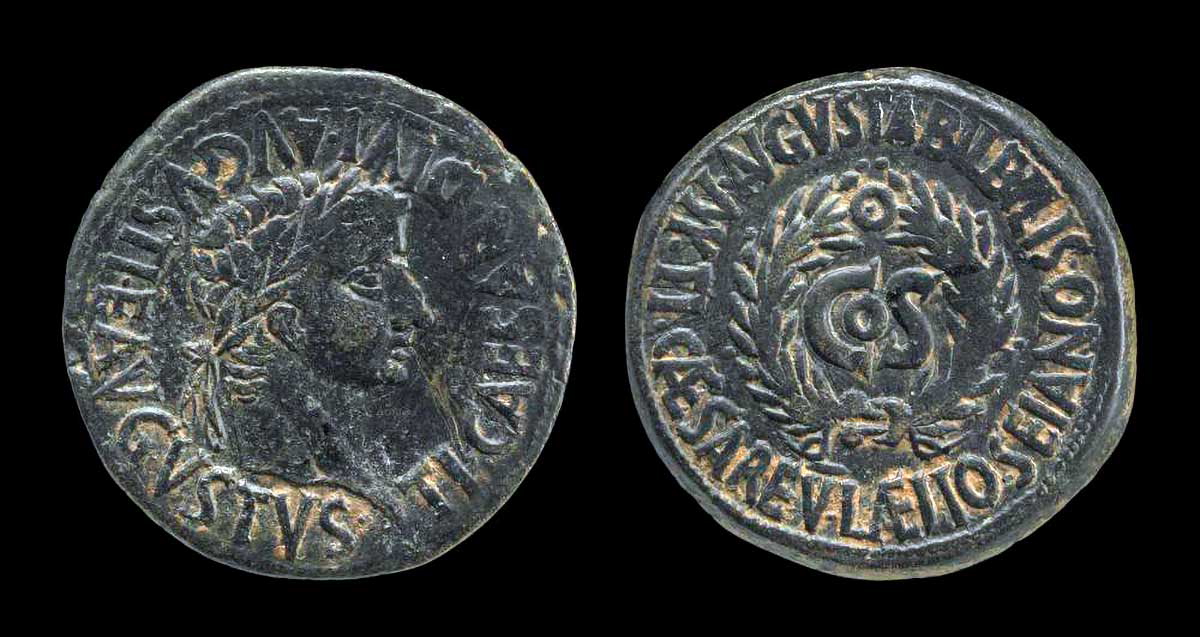
Livia died in 29 AD, making Sejanus the sole regent in Rome. He accused Agrippina, the wife of Germanicus and the mother of his young sons, who had a good claim to succeed Tiberius, of conspiring against the emperor. He had Agrippina and her two eldest sons exiled, while the youngest, Gaius Caligula, was sent to Capri to be raised by Tiberius. Sejanus used similar accusations of conspiracy to cull Rome of those who opposed him. He was preparing to have Tiberius killed and seize power.
Antonia Minor, the widow of Tiberius’ brother Drusus and the mother of Germanicus, learned of the plot. She sent a secret letter to Tiberius revealing the conspiracy, which he only believed because it came from such a reliable source. Tiberius was then faced with removing the threat he had let gain so much power.
Tiberius sent a letter to Sejanus, sending him to the senate house on October 18th, 31 AD, to receive tribunal powers, which would ostensibly mark Sejanus as his heir. When Sejanus arrived, another letter was read in the Senate, initially praising Sejanus. This gave Tiberius’ new, secretly chosen Praetorian Prefect, Naevius Sutorius Macro, time to take control of the guard. The letter in the Senate then changed its tone and denounced Sejanus and told the Senate to take him into custody. He was convicted and killed, as were others believed to be his supporters (Cassius Dio 58.9-11).
The removal of Sejanus gave Rome no respite. More paranoid than ever, Tiberius continued Sejanus’ treason trials. While numbers are debated, it is estimated that 40-60 important political figures were executed or forced to commit suicide for treason under Tiberius (Tacitus, Annals 6.19).
3. Did the Conspiracy of the Three Daggers Trigger the Tyranny of Caligula?
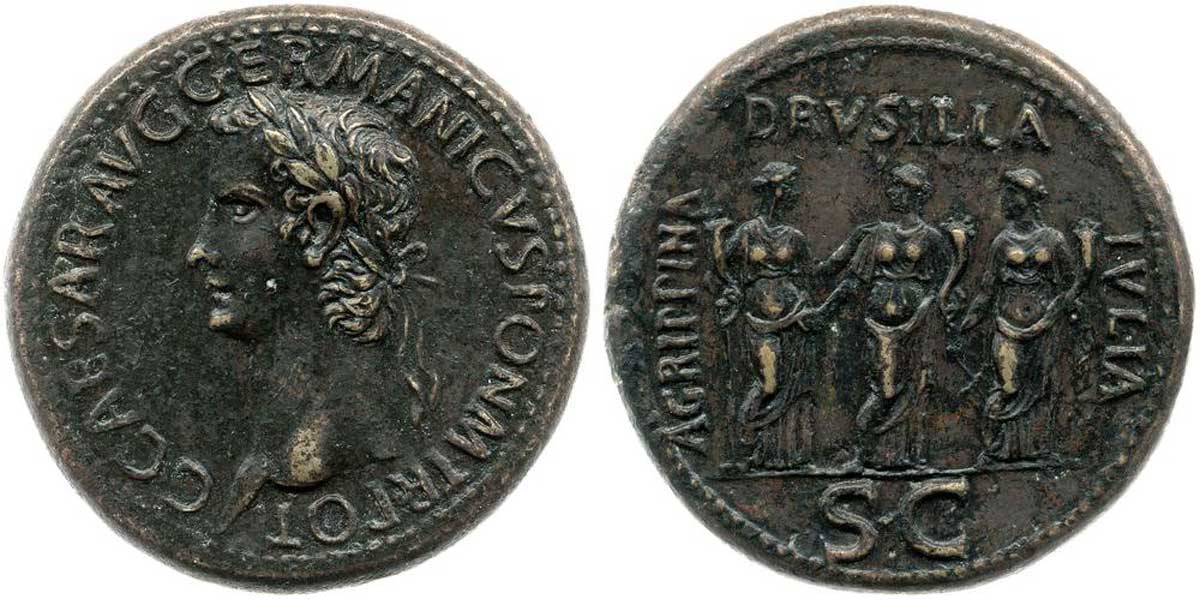
When Tiberius finally died of natural causes in 37 AD, there was much rejoicing as the old man was replaced by a youthful Caligula, son of the popular general Germanicus. The initial air of hopefulness was short-lived. Not long into his reign, Caligula and his favorite sister, Drusilla, both fell ill. He recovered, but she did not, dying in 38 AD. During his illness, there seems to have been talk of elevating Tiberius Gemellus, Tiberius’ grandson, to imperial power, probably in the case of Caligula’s death. The emperor had the teenager executed in 38 AD.
But the most serious conspiracy of Caligula’s reign came a year later. Marcus Aemilius Lepidus had been married to Drusilla and was widely considered Caligula’s heir. He conspired with Caligula’s other two sisters, Agrippina and Julia Livilla, whose relationship with Caligula soured after Drusilla’s death. Lepidus was also accused of having an affair with both sisters, a charge that often accompanied conspiracy. He may well have been considering marrying one of them to legitimize his claim.
Late in 39 AD, while on an expedition in Gaul, Caligula claimed to have intercepted letters between Lepidus and his sisters planning to assassinate him. In a theatrical response, he sent three daggers to Rome to be placed in the temple of Mars Ultor to represent the three daggers aimed at his heart. Upon receiving this message from the emperor, Lepidus was executed, and the imperial sisters were exiled (Cassius Dio 59.22-23). Caligula auctioned off all their possessions to fill his coffers (Suetonius, Caligula 24.3).
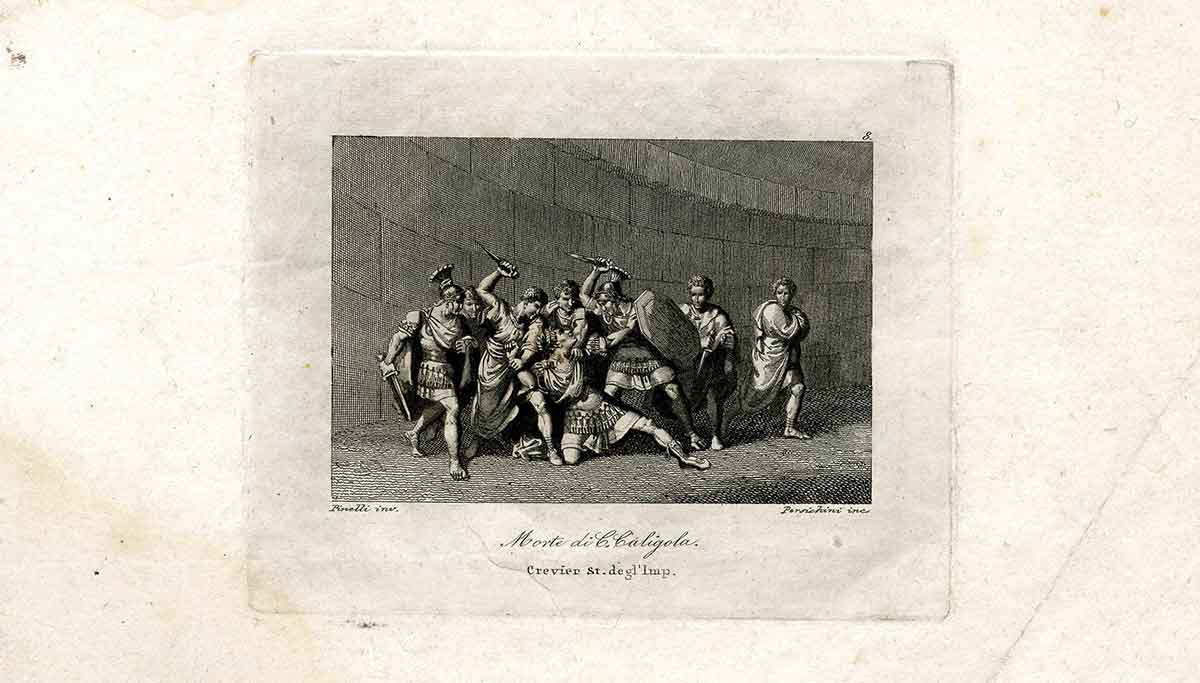
While it is believed that Caligula’s illness and the death of Drusilla started Caligula’s spiral towards madness, after the Three Daggers conspiracy, he had no inhibitions, earning him more enemies. In 40 AD, a senator, Anicius Cerialis, plotted to remove Caligula, leading to episodes of bloody torture, many executions, and extensive treason trials (Cassius Dio 59.5).
Not long after, in January 41 AD, Caligula became the first Roman emperor assassinated via the successful Palatine Plot. Before anyone else could act, the Praetorians found one of the few surviving members of the imperial family, Claudius, and named him emperor (Suetonius, Claudius 10). While Claudius is described as a reluctant bystander, that story seems a little too convenient.
4. How Close Did Scribonianus Come to Restoring the Roman Republic?

By choosing Claudius as emperor, the Praetorians robbed the Senate of its opportunity to reassert power. It wasn’t long before they tried to remove him. Lucius Arruntius Camillus Scribonianus was a well-bred senator serving as the governor of Dalmatia in command of two legions. In 42 AD, he started augmenting his army with provincials and untested soldiers, reportedly with the intention of restoring the Senate to its former authority, but likely with imperial ambitions.
Within five days of announcing his intentions, Scribonianus’ army had fallen into chaos. Suetonius describes superstitious dread coming over the soldiers when they could not obtain the customary garlands and perfumes to adorn their standards, and then found that they could not remove their standards from the ground, an ill omen. The men refused to follow commands, and Scribonianus committed suicide (Cassius Dio 60.15).
While Scribonianus’ revolt is usually considered the last attempt to restore the Republic, it was not the last conspiracy under Claudius. The sources suggest that throughout the 40s AD, several plots were uncovered, leaving Claudius so paranoid that he would not enter a banquet without his guards and had every guest searched for weapons (Suetonius, Claudius 35).
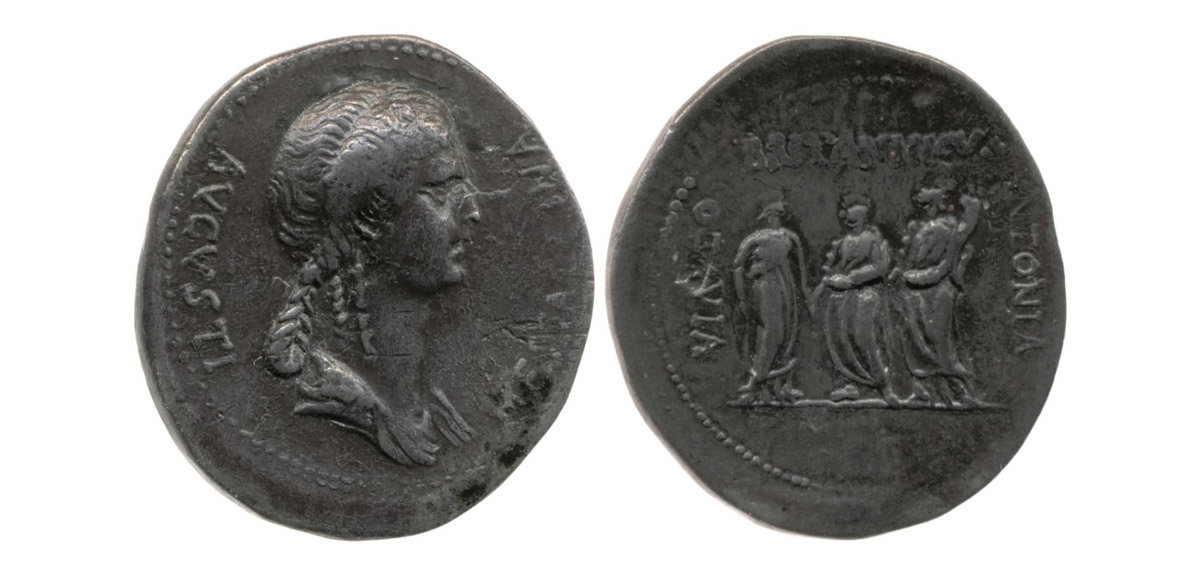
But like Augustus, the biggest threat to Claudius came from within the imperial family. In 48 AD, Claudius’ third wife, Messalina, was having an affair with the consul-elect Gaius Silius. While Claudius was away in Ostia, the pair performed a marriage ceremony, likely with the intention of deposing Claudius and replacing him with Silius. Claudius’ powerful freedman Narcissus intervened, executing the pair (Tacitus, Annals 11.26-38).
This opened the way for Claudius to marry his niece, Agrippina, the sister of Caligula, who had been recalled from her exile. The sources agree that Agrippina convinced Claudius to adopt her son Nero and place him as heir above Claudius’s own son, Britannicus. She then killed Claudius with a dish of poisoned mushrooms, installing her son as the new emperor (Tacitus, Annals 12.66-67; Suetonius, Claudius 44).
5. Why Was the Pisonian Conspiracy Against Nero Ultimately Thwarted?
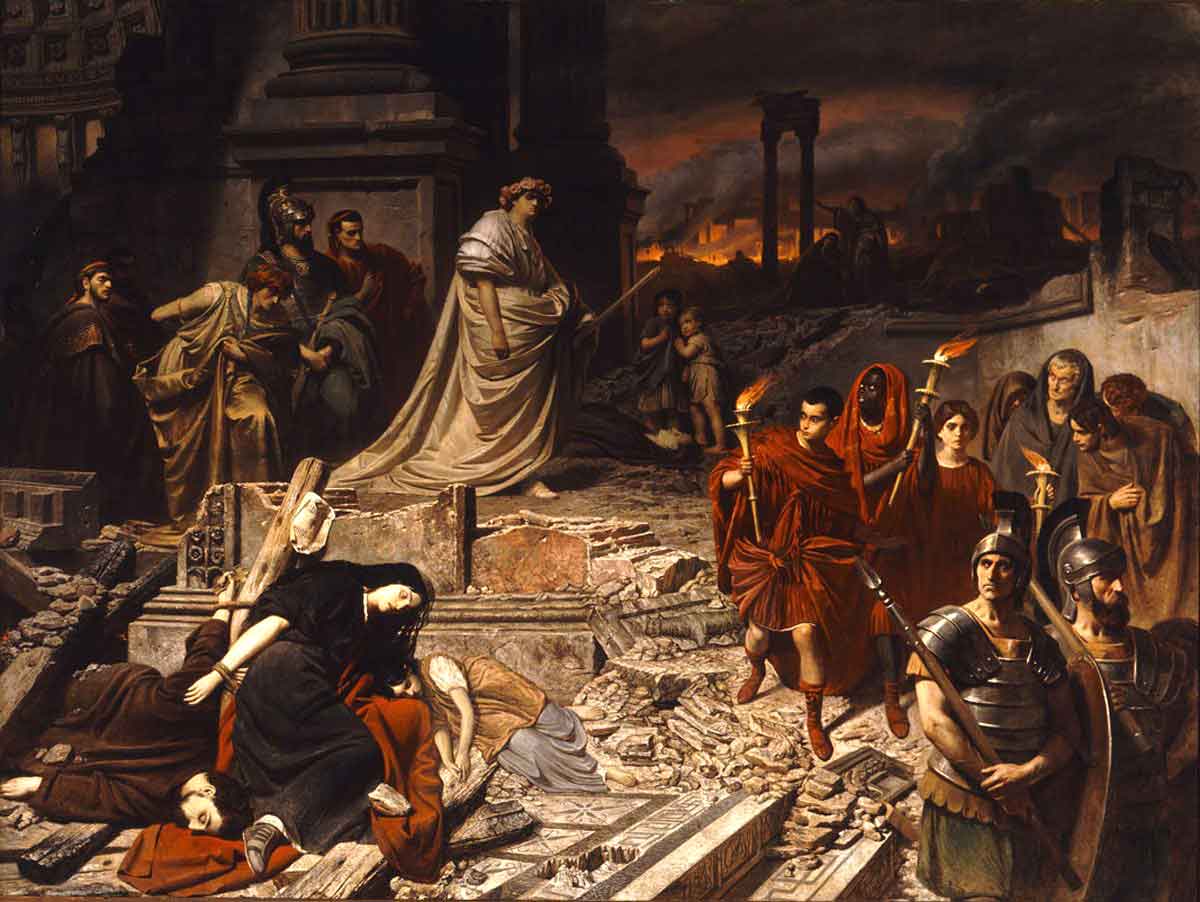
Nero came to power in 54 AD, and the 16-year-old reportedly had five good years thanks to the influence of his mother and the guidance of his tutor Seneca the Younger and Praetorian Prefect Burrus. As Nero became a man and craved independence, he leaned into self-indulgence and self-aggrandizement over good governance (Tacitus, Annals 13.2).
Nero spent enormous amounts of public money on himself and offended Roman sensibilities by performing on stage, participating in chariot races, and conducting public sexual experiments. In 64 AD, when a fire devoured much of Rome, rumors circulated that he started the fire, played his lyre while it burned, and then seized the destroyed public land for his own personal use (Cassius Dio 62.16-18). This story captures the reputation that soured Nero’s relationship with the Roman elite.
This culminated in the Pisonian Conspiracy of 65 AD. According to the ancient sources, there was a widespread conspiracy involving at least 40 members of the Roman elite. They planned to publicly assassinate Nero at the Cerealia Games. Their chosen successor, Gaius Calpurnius Piso, would be waiting at the Temple of Ceres for the Praetorians to proclaim him emperor.
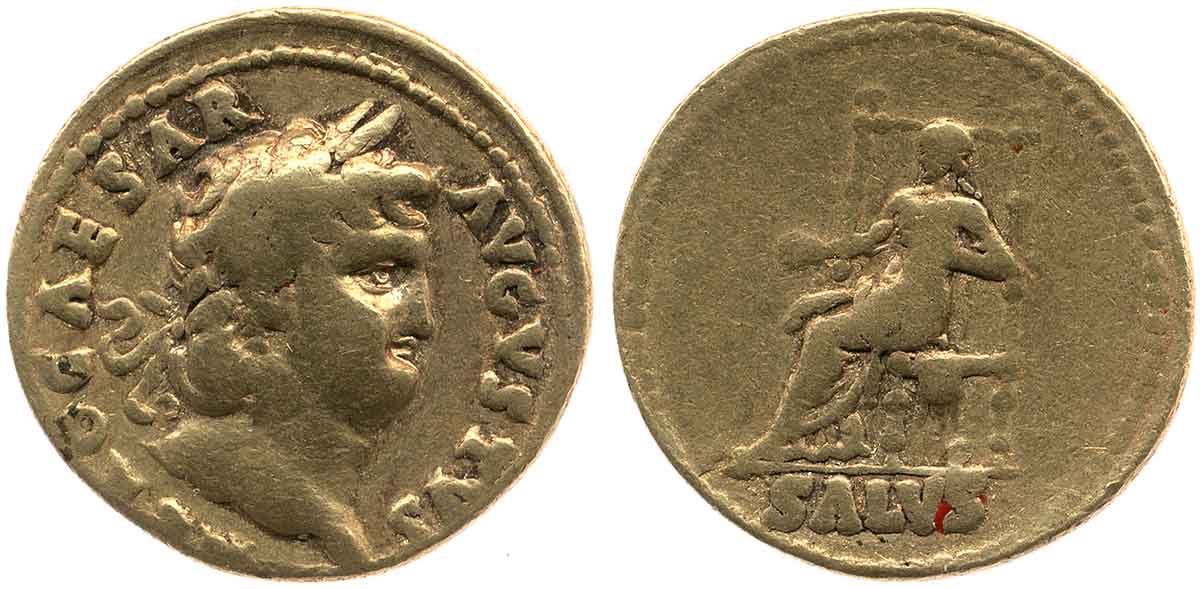
With so many conspirators, there were many leaks. The most important was Milchus, a freedman who informed on his former master, Flavius Scaeninus. He revealed several other conspirators, including the poet Lucan, who reported his own mother when threatened with torture. At least 41 conspirators were named, and most were forced to commit suicide or sent into exile. Public sacrifices were made to the gods, including “Salus Publica” to mark the detection of the conspiracy (Tacitus, Annals 15.48-74).
While the plot was detected, widespread dissatisfaction under Nero meant this was the beginning of the end. The following year, Annius Vinicianus unsuccessfully conspired to replace Nero with his father-in-law, the respected general Gnaeus Domitius Corbulo. The plot was detected, and both men were forced to commit suicide. This opened the way for Vespasian to be assigned to put down the Jewish Revolt, a command that would otherwise have gone to Corbulo. This positioned Vespasian to make himself emperor in the civil war of 69 AD.
The civil war began in 68 AD when Gaius Julius Vindex, the governor of Gallia Lugdunensis, revolted. He chose as his new emperor the governor of Hispania, the respected senator Galba. Back in Rome, Nymphidius Sabinus, the co-commander of the Praetorian Guard, bribed the guard to switch their loyalty to Galba. Others quickly abandoned Nero, and the Senate declared him a public enemy (Cassius Dio 63.22-26).
Nero fled. He intended to commit suicide, but unable to do it himself, he had his secretary, Epaphroditus, kill him (Suetonius, Nero 47-49). With Nero, the Julio-Claudian dynasty ended, with no question of restoring the Republic. Vespasian emerged victorious in the civil war that followed and established the Flavian dynasty.
6. How Did the Ruthless Response of Titus Secure the Flavian Dynasty?
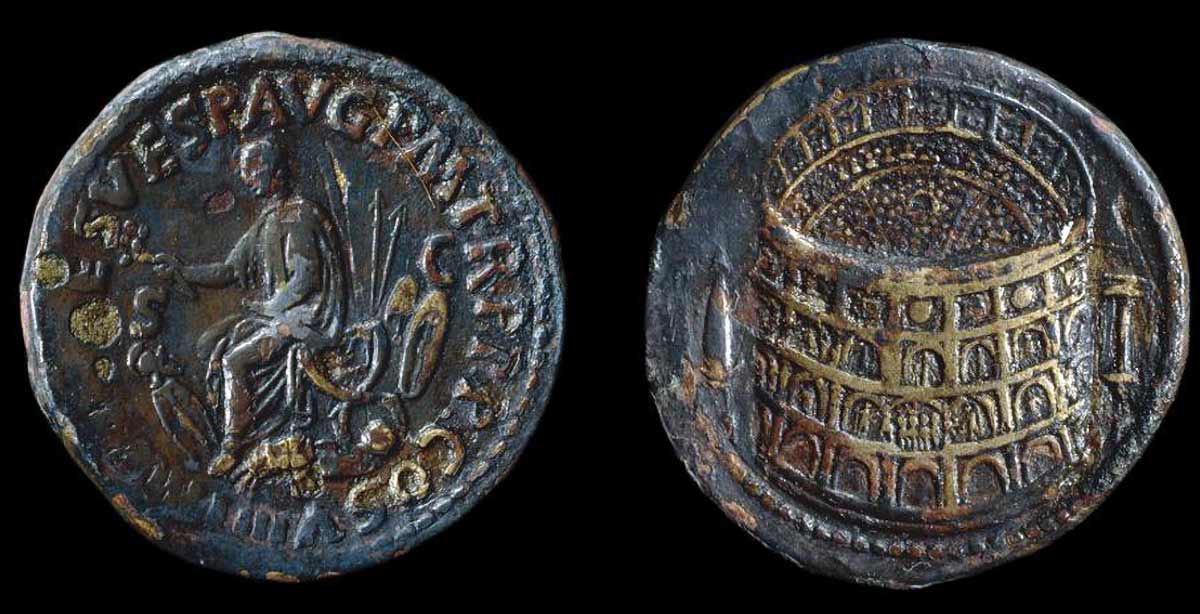
There seems to have been very few conspiracies under Vespasian. Many of his enemies were killed in the Civil War, of which the revolt of Gaius Julius Civilis in early 70 AD was the final dying breath (Tacitus, Histories 4-5). Most appreciated peace and the rise of a moderate statesman and serious administrator. He was a welcome contrast to Nero. The Flavians highlighted this when they destroyed Nero’s golden house and returned the land to the Roman people with the construction of the Colosseum. There was ongoing, passive “Stoic Opposition” under all three Flavians, but they were a minority (Suetonius, Vespasian 13-15).
The only major plot against Vespasian came in the final year of his reign. In 79 AD, while the 69-year-old Vespasian was ill, Aulus Caecina Alienus, a former general of Vespasian’s rival Vitellius, plotted to have the Praetorians declare him emperor upon Vespasian’s death. He had reportedly written a speech to deliver to the soldiers.
This was a questionable plan since Vespasian, learning from the mistakes of the Julio-Claudians, had broken with tradition and made his own son and heir, Titus, Praetorian Prefect. Titus quickly discovered the plot. Not waiting for a trial, he invited Aelienus to dinner and had him executed (Suetonius, Titus 6.1-2). This earned him a reputation for brutality as his father’s enforcer, but as emperor, he managed to rebrand himself as the “delight and darling of the human race” (Suetonius, Titus 1.1).
7. Why Did the Revolt of Saturninus Turn Domitian Into a Despot?
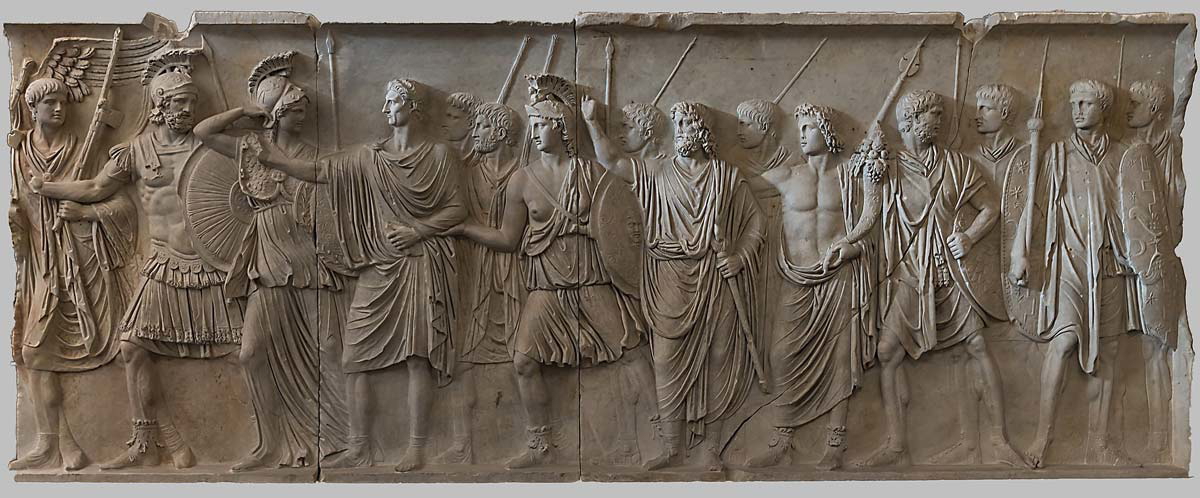
The ancient sources would have us believe that Domitian, hungry for power, conspired against his older brother Titus throughout his short reign. Suetonius and Cassius Dio both, unconvincingly, accuse Domitian of killing his brother Titus, who died of a fever at the age of just 41 in 81 AD. He certainly wasted no time in assuming power.
As the “last Flavian standing,” Domitian was inevitably posthumously vilified. The ancient sources describe him using suspiciously similar terms to Caligula and Nero. Like them, his reign reportedly started well but took a turn following the Revolt of Saturninus in January 89 AD.
Lucius Antonius Saturninus was the governor of Upper Germany, commanding two battle-hardened legions. He conspired with his commanders to have his legions declare him their emperor. He also recruited the German Chatti tribe to help him enforce their decision on Rome. His plan fell apart quickly when the Rhine thawed unexpectedly, cutting off the Chatti. Meanwhile, the governors of Germanic Inferior, Rhaetia, and Hispania, plus Domitian with his Praetorians, marched to meet them. Within 24 days, the revolt was over.
Domitian is described as “overreacting” to what was a short-lived threat. Reportedly, Saturninus’ correspondence was burned, which made Domitian believe it contained the names of other conspirators. He had some of the revolting soldiers tortured, and Saturninus’ head sent to Rome and displayed on the rostra as a warning to the Senate. He also declared that no two legions could winter in a single camp, to prevent the kind of camaraderie seen among Saturninus’ men (Suetonius, Domitian 7.3, 10.5; Cassius Dio 67.11).
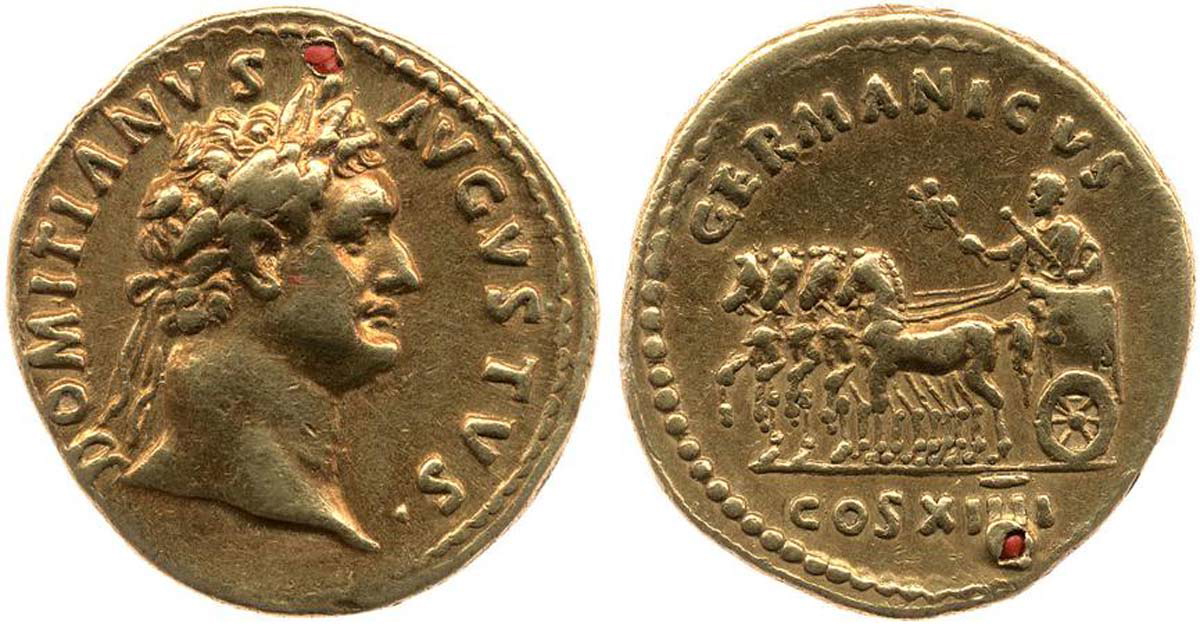
Meanwhile, in Rome, Domitian descended into paranoia and autocracy, using treason trials to purge Rome of his perceived enemies. While there have been attempts to revise criticism of Domitian, his behavior made him unpopular enough that a successful assassination attempt was made in 96 AD. This lends validity to Domitian’s reported claim:
“The lot of princes is most unhappy, since when they discover a conspiracy, no one believes them until they have been killed.”
Suetonius, Domitian 21
Domitian’s assassination, carried out by members of his household, was celebrated by the Senate, which damned his memory and elected one of their own, Nerva, as the new emperor. An elderly statesman with no heirs, he was clearly considered a placeholder while a better choice was found. Notably, the Roman army and common people lamented Domitian’s death. Nerva had to turn the assassins over for execution to avoid civil war.