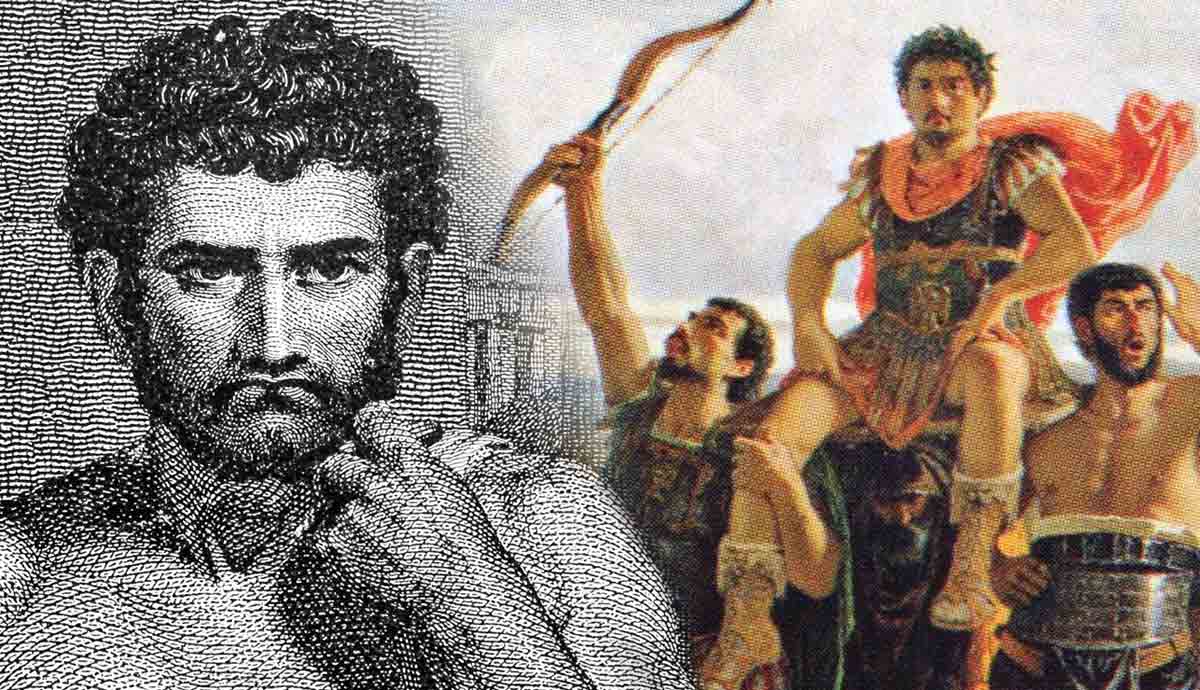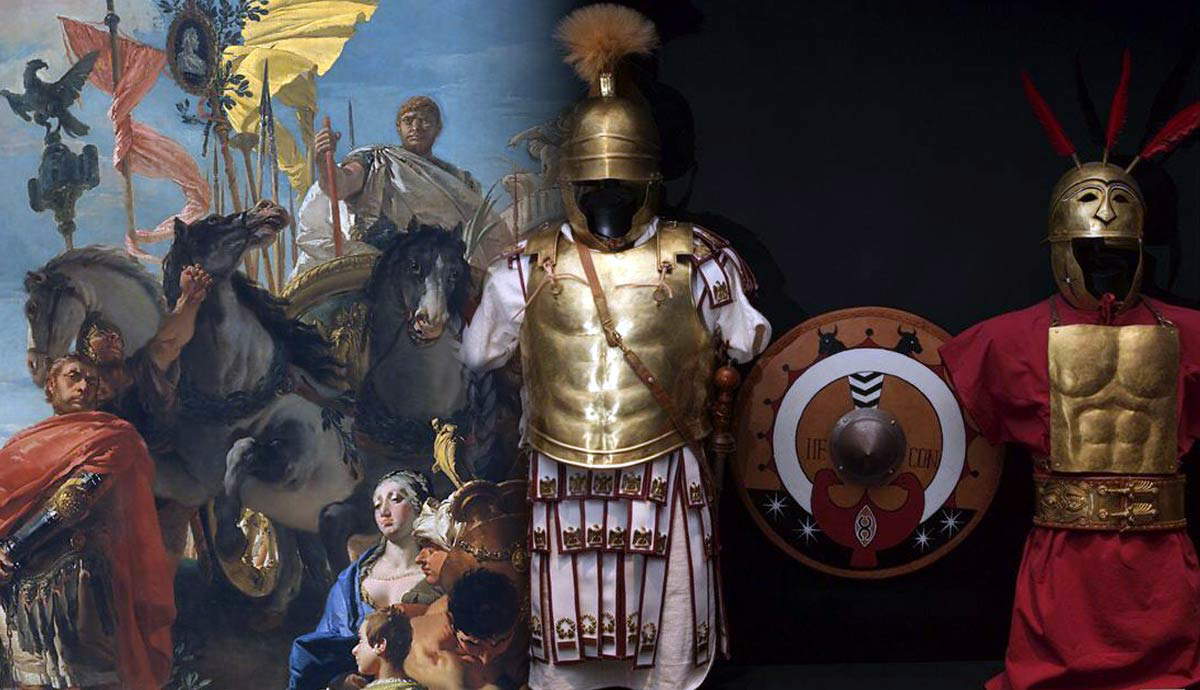

When discussing the civil wars in the Roman Republic, most people think of the war between Caesar and Pompey that led to Caesar being declared dictator for life and his assassination; the war between Caesar’s heirs and assassins; and finally the war between Mark Antony and Octavian, which saw the death of the Republic and the rise of imperial Rome. But a generation earlier, the Roman general Sulla not only used the army assigned to him by the Senate to battle his political enemies, but marched it into Rome twice to enforce his political will. Preempting Caesar, he also had himself declared dictator to make fundamental changes to Rome’s political institutions in favor of his faction. Known as Sulla’s Civil War, this period of conflict set the stage for the later civil wars that would result in the fall of the Roman Republic.
Setting the Stage: The Rise of Gaius Marius
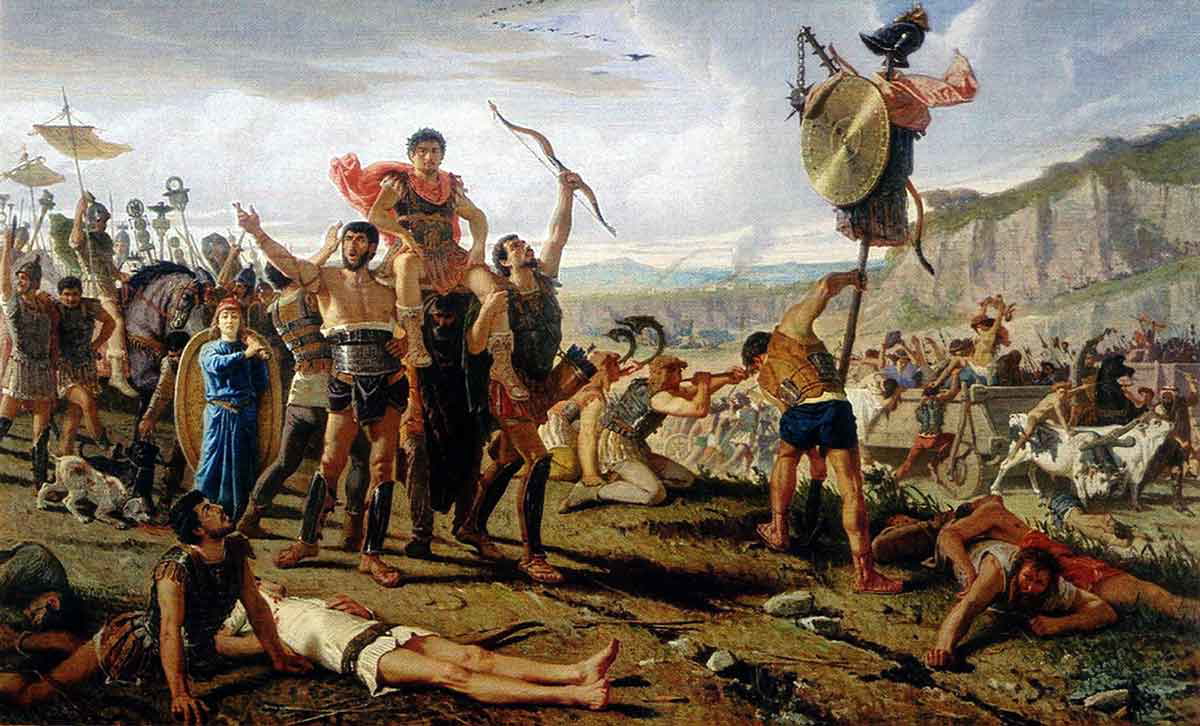
By the year 100 BC, Gaius Marius had established himself as Rome’s most celebrated general. He had held the consulship five times and had led Rome to victory in the Jugurthine War (112-105 BC) in North Africa. As a result, the Romans believed he was the only general who could win the Cimbrian War (113-101 BC), which he duly did, defending Italy from its greatest threat since Hannibal (Second Punic War, 218-201 BC).
His success was partially based on his military reforms, known commonly as the Marian Reforms. Before Marius, Rome relied on a citizen soldiery with participation based on conscription, and soldiers provided their own kit based on their socio-economic status. Marius received permission to recruit discharged veterans and men without property to fight in exchange for loot. While this was only an emergency measure in Marius’ case, his precedent would later open the way for Rome’s fully professional, paid army. It also changed the dynamics between a general and his men, as a leader could secure his army’s personal loyalty by offering financial reward.
Marius was also a populist, aligned with the Populares faction. He was a “novus homo,” meaning that he was the first man in his family to hold the consulship. This was rare in Rome, which was dominated by old aristocratic families that dominated the consulship and other magistracies for centuries. This meant he had to look beyond the established ruling class for political support. He worked with the Tribunes of the Plebs, a magistracy that could only be held by plebeians and which Marius had himself held, to push legislation through the popular assembly.
Opposing Generals: Lucius Cornelius Sulla
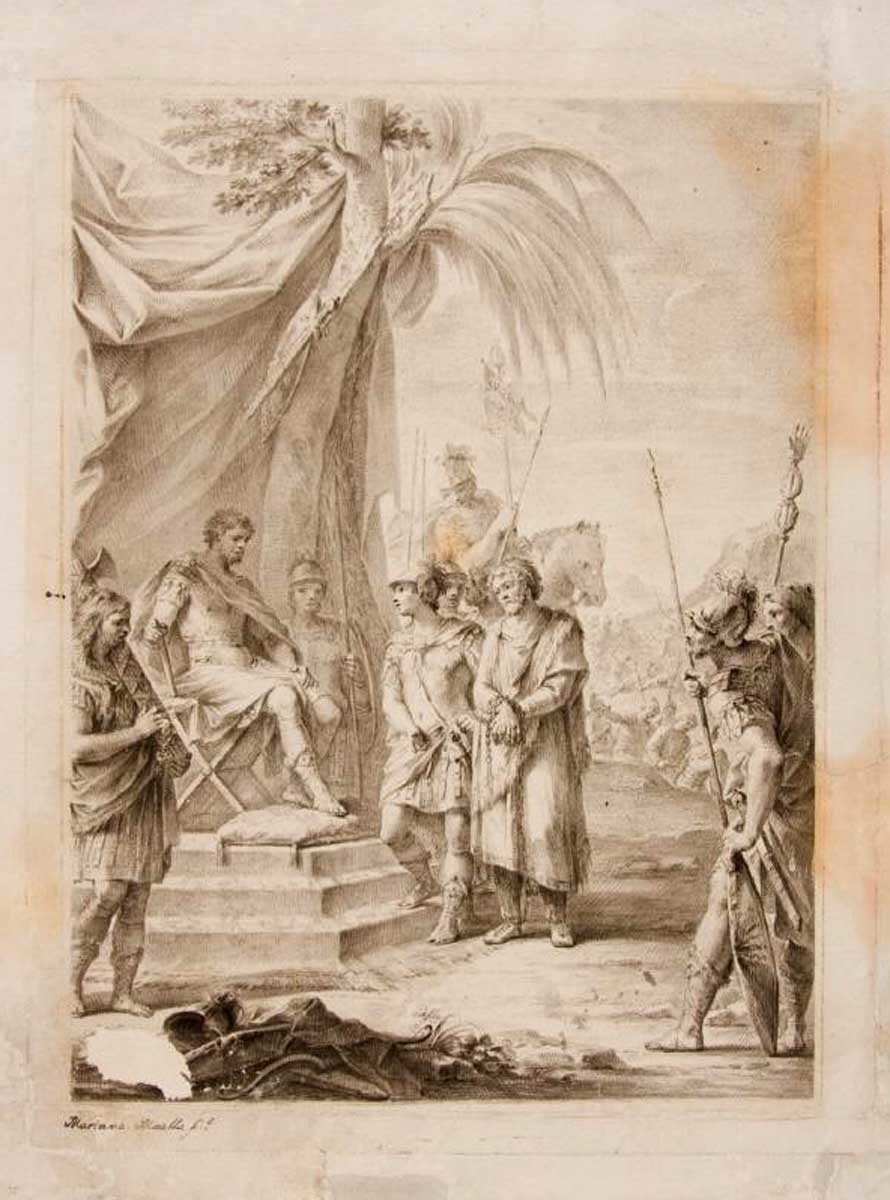
About 20 years younger than Marius, Lucius Cornelius Sulla was a member of the established aristocracy, though his family had fallen on hard times in recent years. Nevertheless, Sulla was a conservative and aligned himself with Rome’s traditional ruling families, known as the Optimates.
Elected quaestor at the traditional minimum age of 30, he was sent to serve with Marius in North Africa in 108 BC, where he proved his military abilities. The two had a good relationship, and Marius trusted the articulate young man to be his envoy to King Bocchus of Mauretania, who ended up delivering Jugurtha to the Romans via Sulla. The young aristocrat received significant praise for this, and some even said that he should share in Marius’ triumph. According to Plutarch, this sewed the first seed of hatred between the two men.
Sulla was also sent to fight under Marius in the Cimbrian War, where he again proved himself as both a military man and a negotiator. However, he felt that his political prospects were stifled under Marius, so he requested and received a transfer to serve under Marius’ consular colleague Catalus, demonstrating that enmity continued between the two men. When the war was successfully concluded, Marius and Catulus shared a joint triumph, even though it was clear that Marius was the hero of the war.
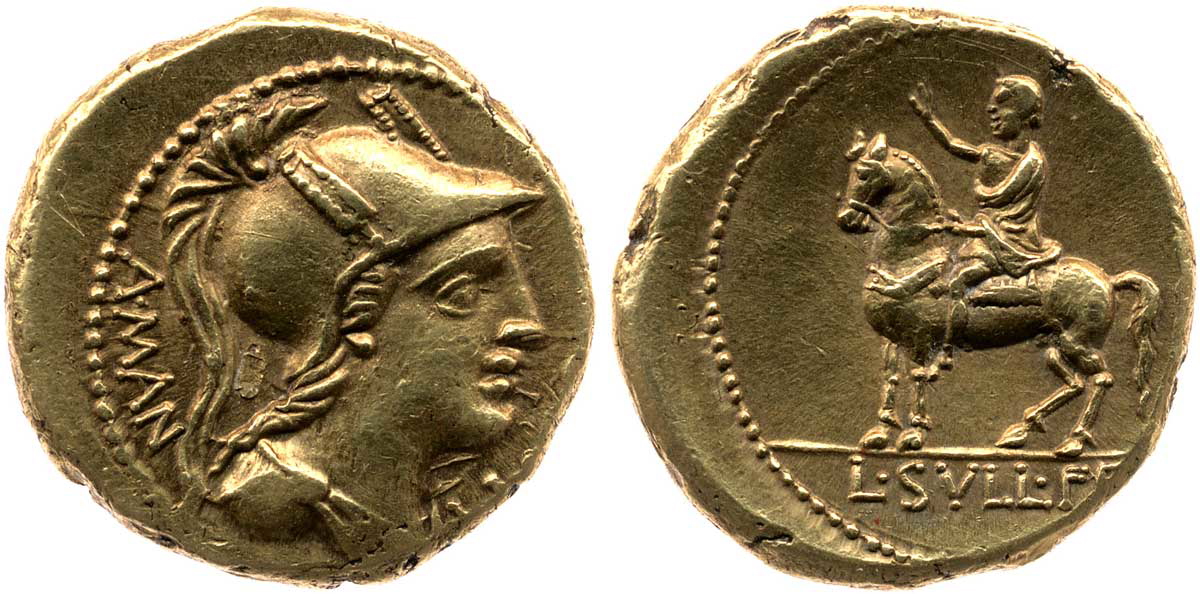
Nevertheless, Sulla’s success in his role set him up to start building his political career in earnest, being elected praetor for 97 BC and then serving as governor of Cilicia between 96 and 93 BC. This allowed him to build a network of connections in Asia. During his time there, he successfully drove Mithridates of Pontus out of Cappadocia and led an advantageous encounter with the Parthian ambassador.
In 91 BC, back in Rome, Sulla was deployed to fight against the rebellious allies in the Social War under the consul Lucius Porcius Cato. When the consul was killed, Sulla took command and routed the Samnite army. The Romans won the war, but Roman citizenship was awarded to most of the free inhabitants of Italy. Sulla’s successes meant that he was primed to be elected to his first consulship.
Rival Generals: Competing for Command
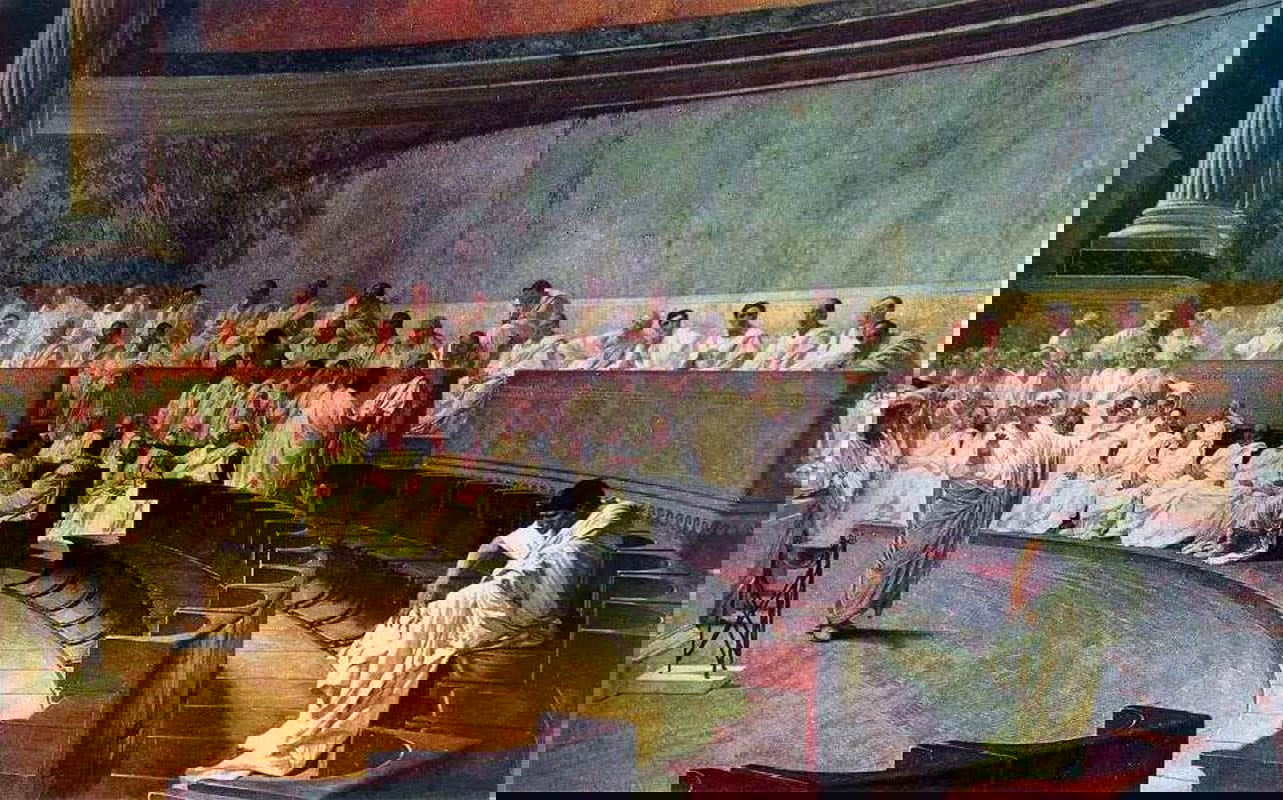
Despite his decades at the top of Roman politics, from 100 BC, Marius’ popularity waned. Following the first-ever senatus consultum ultimum, an authorized command of the Senate, he besieged a rogue Tribune of the Plebs on the Capitol, which resulted in the tribune and some of his allies being killed by an angry mob. Despite senatorial authorization, this left a stain on Marius’ reputation and undermined his connection with his power base. He struggled to obtain political or military positions in the aftermath.
A new conflict broke out in 88 BC when Mithridates of Pontus started invading Rome’s client kingdoms in Asia. Sulla, with his strong military background and Asian connections developed while in Cilicia, was elected consul for 88 BC to take command of the war. But Marius saw an opportunity to reclaim his former glory, despite now being 70 years old. He may also have resented his young rival being awarded such a plum command thanks to his aristocratic connections.
While Sulla was preparing to march east, with the help of a Tribune of the Plebs, Publius Sulpicius Rufus, Marius used his political capital to have himself given the command against Mithridates. Sulla was unwilling to give up his command and had personal animosity with Sulpicius. Upon entering office at the start of 88 BC, Sulla had opposed Sulpicius’ bill in relation to distributing new Italian citizens among the Roman tribes. This led to violence in the streets that forced Sulla to flee to his waiting army. Being forced to flee and having his command reassigned were both embarrassing for the general.
Sulla’s First March on Rome
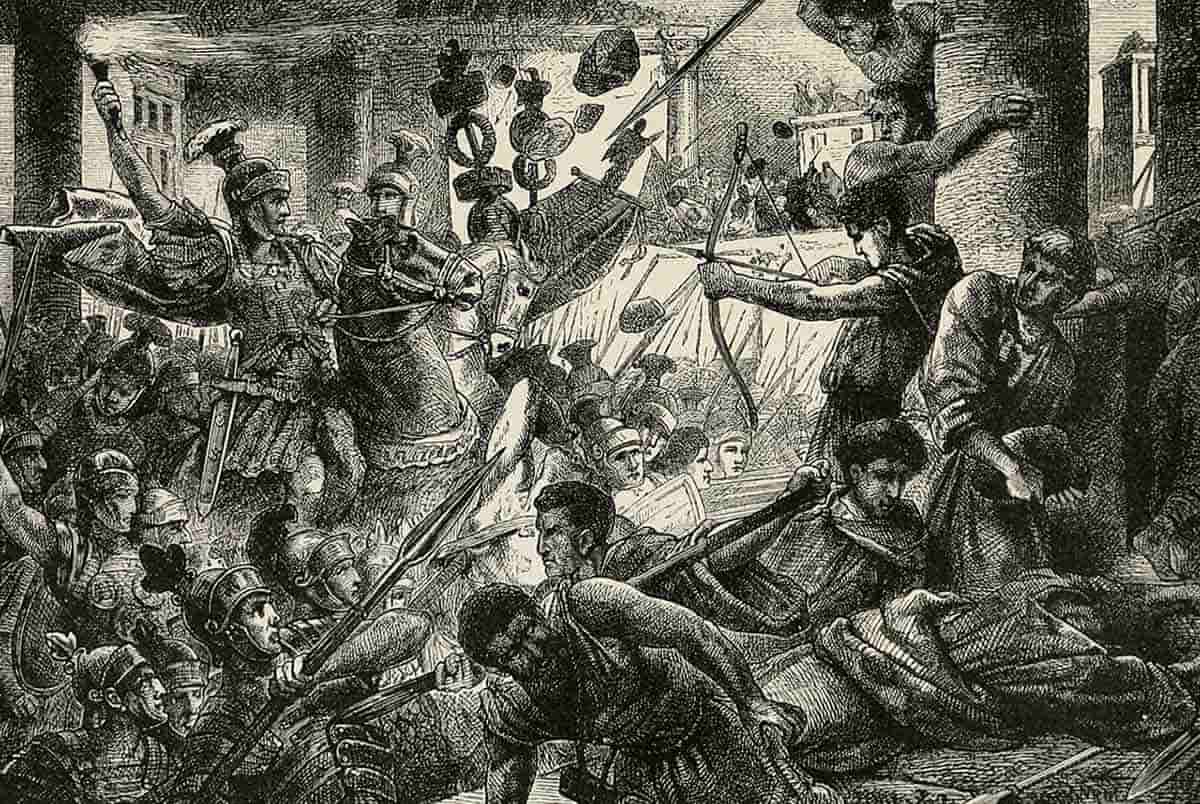
Unwilling to accept this change in circumstances, in an unprecedented move, Sulla convinced his army to march on Rome to restore his command. He reportedly told his troops that Marius would replace them with his own men, robbing them of the chance for booty and glory. Whether true or not, it was motivation enough for many. Others, especially his officers, deserted him.
When the march began, the appalled Senate sent envoys to Sulla demanding to know what he was doing. He claimed that he was freeing Rome from the influence of tyrants, meaning Marius and his allies. Without an army in the city, Sulla entered Rome with his army, which the common people reportedly pelted with rocks from the rooftops.
Nevertheless, Sulla successfully stationed his troops around the city and summoned a meeting of the Senate. He forced them to declare Marius, his son, Sulpicius, and nine others outlaws. He declared Sulpicius’ legislation changing his command illegal, which in turn justified his current actions.
Sulla sent his army back outside the city to wait as he oversaw elections for the following year, 87 BC. This was largely unsuccessful, as his political enemy Lucius Cornelius Cinna was elected consul in place of his preferred candidate. Cinna immediately announced his plans to prosecute Sulla as soon as his term as consul was over, so Sulla left Rome, joined his army, and started marching east. He probably believed that victory against Mithridates was his best option for reestablishing his political position.
A Second Marian Challenge
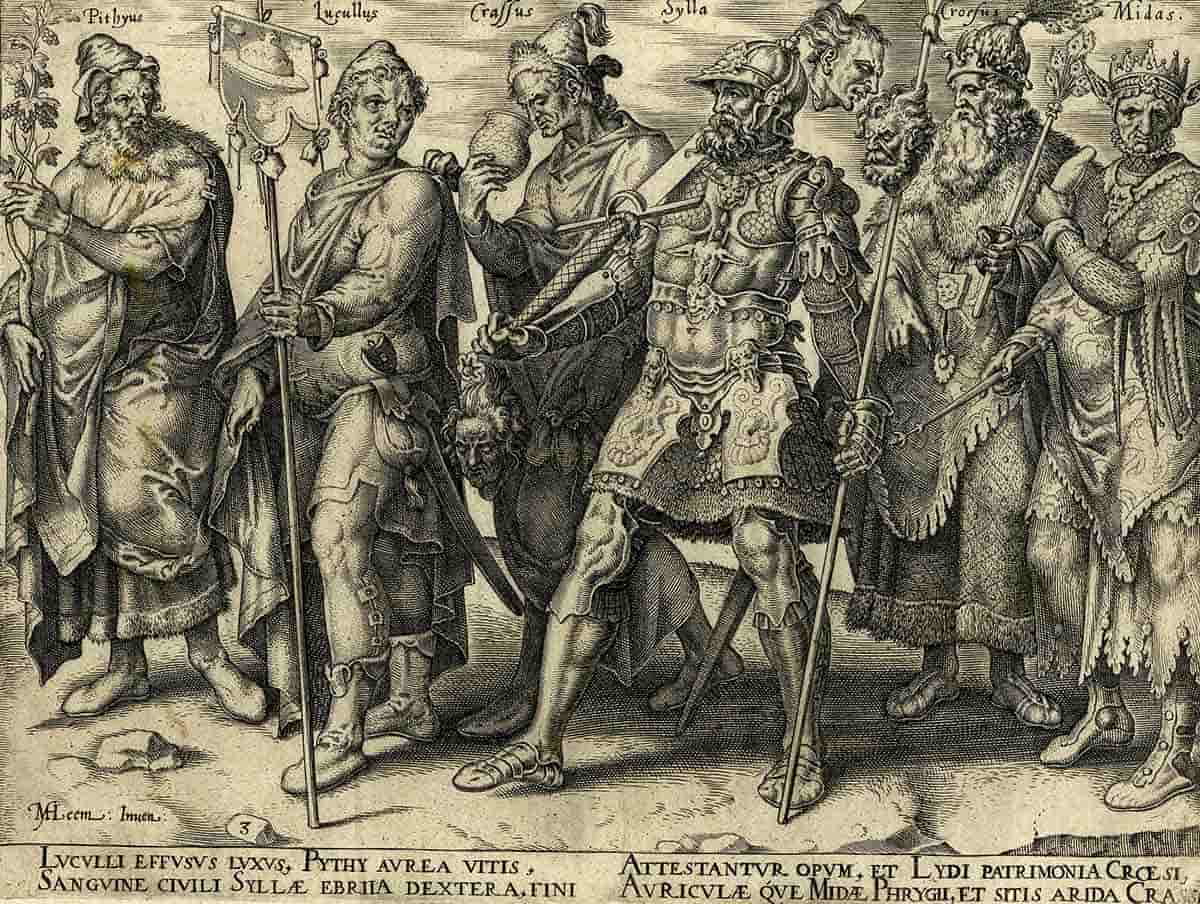
With Sulla out of Rome in the east and his ally Cinna holding the consulship, an exiled Marius was able to return to Rome. Following Sulla’s example, he raised ten legions from his veterans and marched them into the city. As Sulla had done, Marius purged Rome of his opponents, including Lucius Licinius Crassus, Marcus Antonius Orator, and Lucius Julius Caesar, all relations of the politicians who would play a role in later civil wars.
Marius had himself and Cinna elected consuls for 86 AD and declared Sulla an enemy of the state. Marius apparently still intended to take control of the Mithridates campaign, but he died just two weeks after taking office, on January 13, 86 BC.
Despite Marius’ untimely demise, the Cinna-Marius faction still intended to relieve Sulla of his command. They sent Lucius Valerius Flaccus east with Gaius Flavius Fimbria as his second in command, ostensibly to take control of the leaderless army since Sulla was technically stripped of his command.
As the two camps sat alongside one another, Sulla had his men encourage dissent in Flaccus’ camp. Fimbria soon agitated against his commanding officer and incited the troops to revolt against Flaccus in 84 BC, killing him.
This internal conflict left Sulla free to successfully conclude the war against Mithridates. He agreed to the Treaty of Dardanos, which was generous to Pontus, in 85 BC. He might not have been so generous had it not been for the pressure to return to Rome. He also defeated Fimbria’s army in the east, resulting in his suicide.
Prelude to War
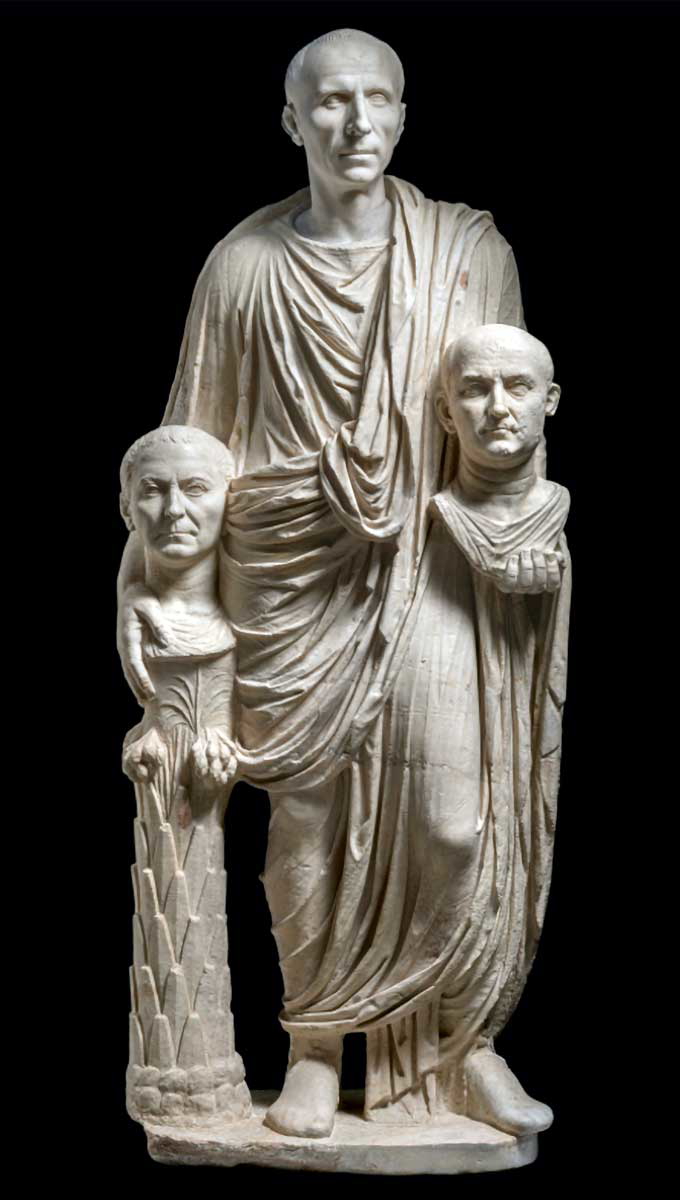
Cinna had himself elected consul again for 85 BC and, with his colleague Gnaeus Papirius Carbo, started to prepare for Sulla’s return. As they recruited troops and stockpiled resources, they claimed that if Sulla was victorious, he would disenfranchise the Italians recently made citizens.
Meanwhile, Sulla sent a letter to the Senate recounting his achievements in the east, complaining of his treatment in Rome, and promising to avenge himself on his enemies, all while reassuring the Senate that he had no intention of overturning the new Italian rights.
The Senate, concerned about Sulla descending on Rome with his army, told Cinna and Carbo to stop their preparations, an order the pair ignored. The Senate was clearly on the fence, sending ambassadors to Sulla but also allowing Cinna and Carbo to continue as consuls in 84 BC.
Cinna started to send his men across the Adriatic in preparation to meet Sulla. But stormy seas and concerns about clashing with Sulla’s war-hardened veterans resulted in mutiny, and Cinna was killed.
Sulla Lands in Italy
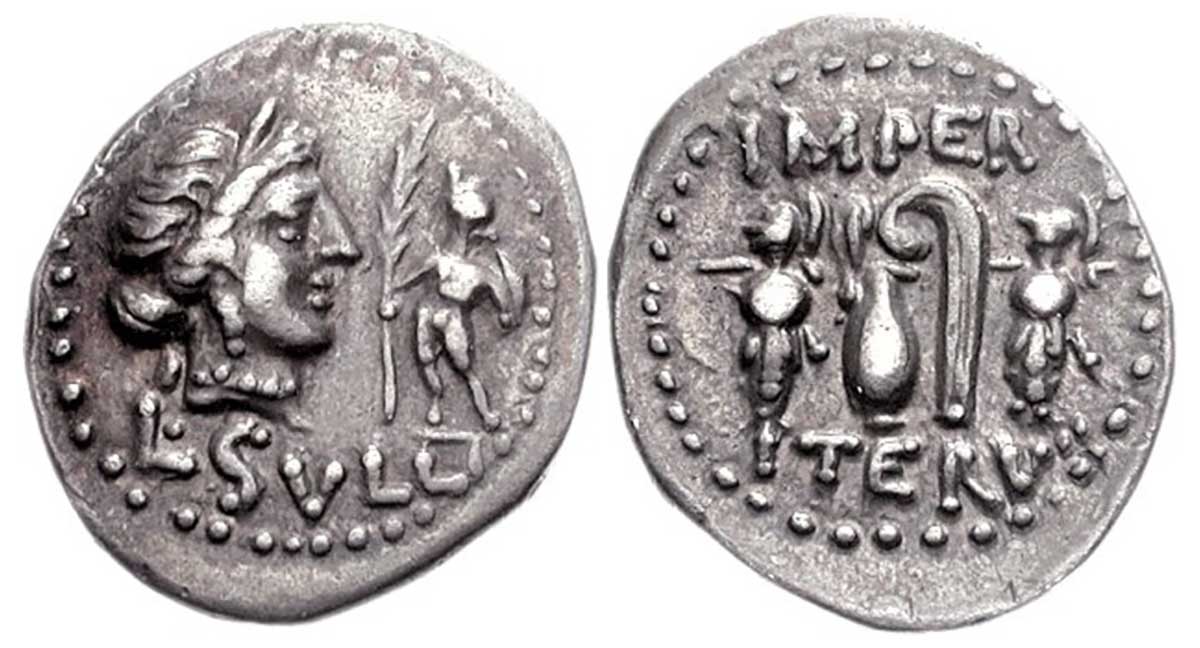
In the Spring of 83 BC, Sulla finally landed with his army in Italy. Many who had been outlawed by the Cinna-Marius faction flocked to his side, including Quintus Caecilius Mettelus Pius and Marcus Licinius Crassus, both of whom raised independent armies to support Sulla. A young Gnaeus Pompeius Magnus, then in his early 20s, raised three legions from among his father’s veterans in his native Picenum and joined Sulla.
Carbo sent his new puppet consuls, Gaius Norbanus and Cornelius Scipio Asiaticus, to meet Sulla. Not wanting to appear war-hungry, Sulla tried to negotiate but was rejected by Norbanus. This resulted in the Battle of Mount Tifata, in which Sulla’s force killed 6,000 of Norbanus’ men while losing just 70. Sulla pursued the survivors to Capua, where he encountered Scipio’s army.
Scipio was open to negotiation but was undermined by his legate Quintus Sertorius. When Sertorius was sent to tell Norbanus to stand down, he took a detour to capture the town of Suessa, which had declared for Sulla. This betrayal gave Sulla negotiating leverage, and he demanded that Scipio return his hostages as a sign of good faith. The whole business, and the prospect of facing Sulla’s veterans, outraged Scipio’s troops, who defected en masse to Sulla. Scipio fled back to Rome, as did Norbanus when Sulla defeated him a second time.
Devastation Across Italy
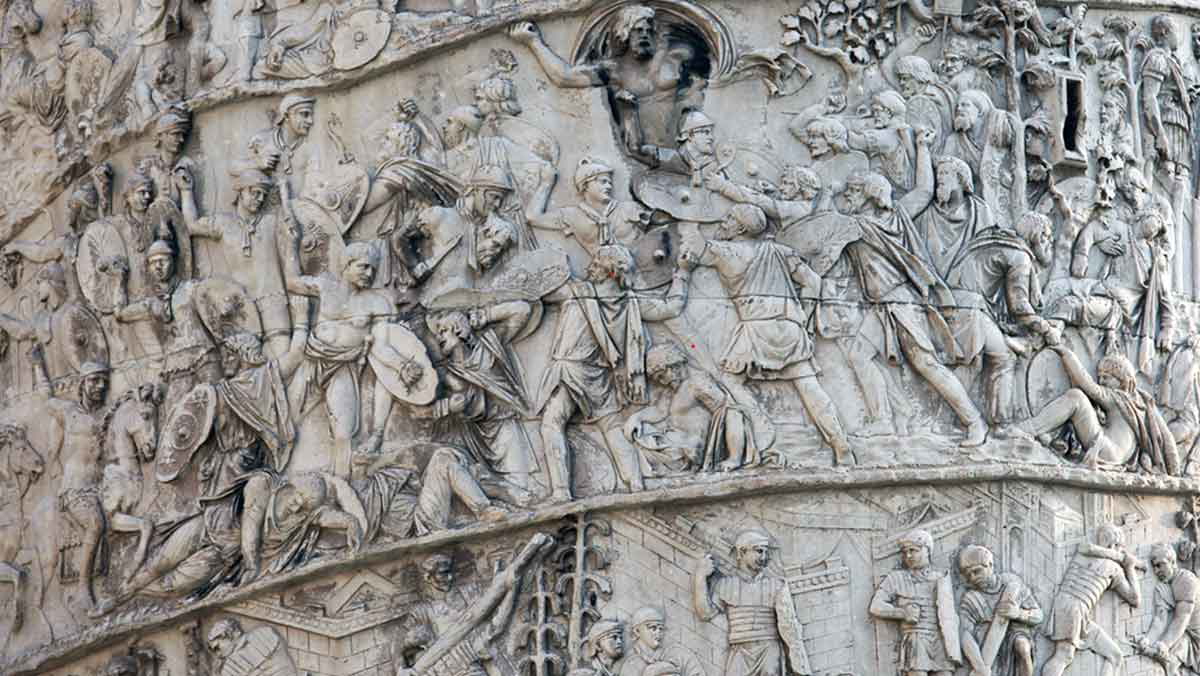
Carbo was re-elected consul in 82 BC along with Gaius Marius the Younger, the son of the general. Strong in their conviction, Sertorius levied men in Etruria, Marius recruited his father’s veterans, and Carbo gathered the Samnites and other Italians who still held animosity against Sulla following the Social War.
As the campaign season began, Sulla advanced on Capua while Metellus and Pompey led part of the army into northern Italy. Carbo advanced north, while Marius marched into Campania to meet Sulla. They came upon Sulla’s forces while they were preparing their camp. The experienced veterans were able to rally quickly, using their spears to create a barricade and turn to fight. They reportedly lost just 23 men while massacring 28,000 of Marius’ troops.
The survivors fled to Praeneste. While the first to arrive got through, the locals quickly shut their gates. Even Marius had to be hoisted over the walls on ropes. More of their army was slaughtered as they were caught between the walls and Sulla’s men. Sulla left a lieutenant to besiege the city and marched on the now unprotected Rome.
When word reached Rome of the advance, the leaders of the Cinna-Marius faction called a meeting of the Senate, and assassins killed remaining supporters of Sulla in the city.
Meanwhile, as news of Marius’ defeat reached the north, opposition to Sulla collapsed. Metellus and Pompey had several successes against Carbo and his men, and sacked defiant cities. Neopolis was almost completely destroyed, and its population massacred, encouraging the rest of the northern towns holding out to surrender.
Sulla’s Second March on Rome
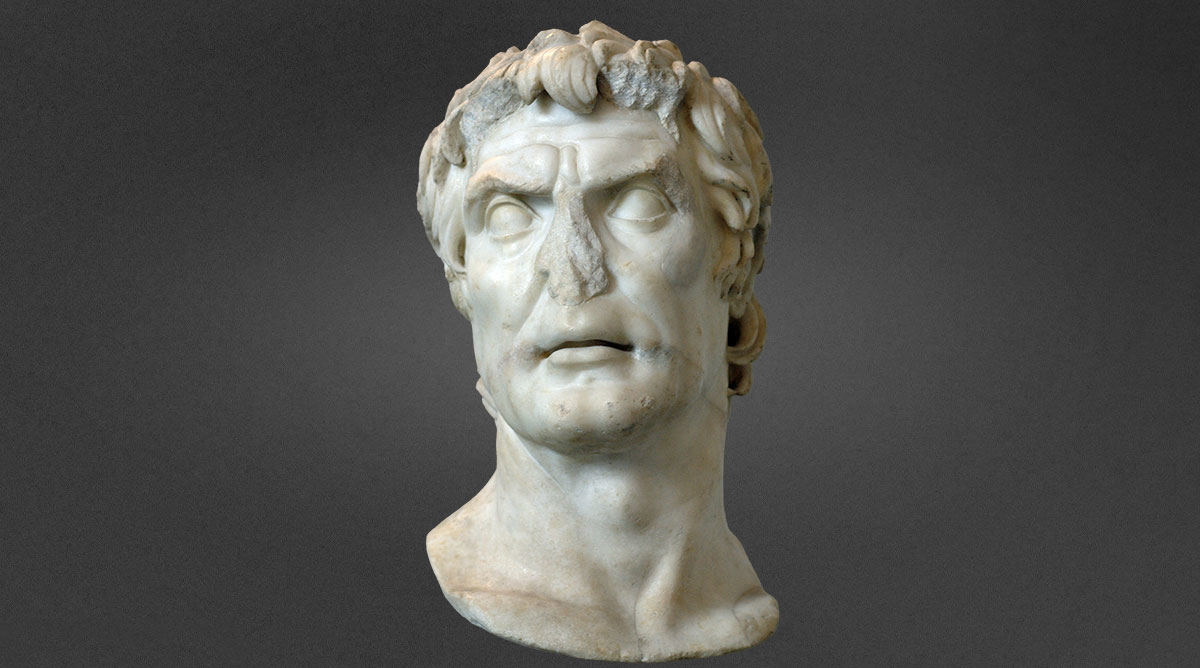
Sulla was able to surround Rome with no opposition, so the remaining members of the Cinna-Marius faction fled. With no opposition there, Sulla decided to deal with the pockets of resistance remaining across Italy. While parts of his army engaged in several battles across the region, Sulla headed for Praeneste to deal with young Marius, as Cinna had fled to Sicily.
Meanwhile, the remains of the Cinna-Marius forces decided to join together and make their final stand near Rome. Sulla immediately pursued them and had a decisive but hard-won victory outside the walls of the city in the Battle of Colline Gate. It is reported that a total of 50,000 men lost their lives in the battle.
When Sulla entered Rome, he styled himself as a savior, expelling the tyrants who had taken control of the city. Whether the Roman people agreed with him is unclear. He called a meeting of the Senate in the Temple of Bellona and executed 8,000 prisoners of war within their earshot to scare them into submission.
Sulla the Dictator

Emerging as the victor of Rome’s first real civil war, Sulla had himself declared dictator, reviving an old political position used in times of crisis to give himself free rein to enact political reforms.
He had around 1,500 of his enemies proscribed, which resulted in the deaths of around 9,000, as family members and anyone who aided the proscribed could also be killed. Rewards for turning over the convicted meant that the bloodshed was devastating. To ensure his control over Roman politics in the coming years, Sulla made it so that the sons and grandsons of the proscribed could not hold office.
Sulla also undermined the power of the Tribunes of the Plebs, neutering the political office that had caused him so much trouble. He made it so that tribunes could no longer bring legislation to the people’s assembly without senatorial approval. He also forbade anyone who held the office of Tribune of the Plebs from holding any other magistracies. This would stop ambitious men from running for the office, as it represented a political dead end. He also removed their ability to veto acts of the Senate.
To renew the Senate that had been decimated by his proscriptions, Sulla increased the number of magistrates to be elected each year. He also tightened the rules of the cursus honorum, with new minimum ages for many magistracies and reaffirming the rule that you had to wait ten years before being re-elected to any office. This would prevent politicians from monopolizing the consulship for consecutive years as they had over the last decade. Sulla also made it so that anyone who was elected questor was immediately made a member of the Senate, replenishing its numbers.
Sulla, who wanted to set things up according to his liking but did not want to completely undermine Rome’s existing political institutions, retired the dictatorship in 81 BC and disbanded his army, instead assuming the consulship in 80 BC.
Aftermath
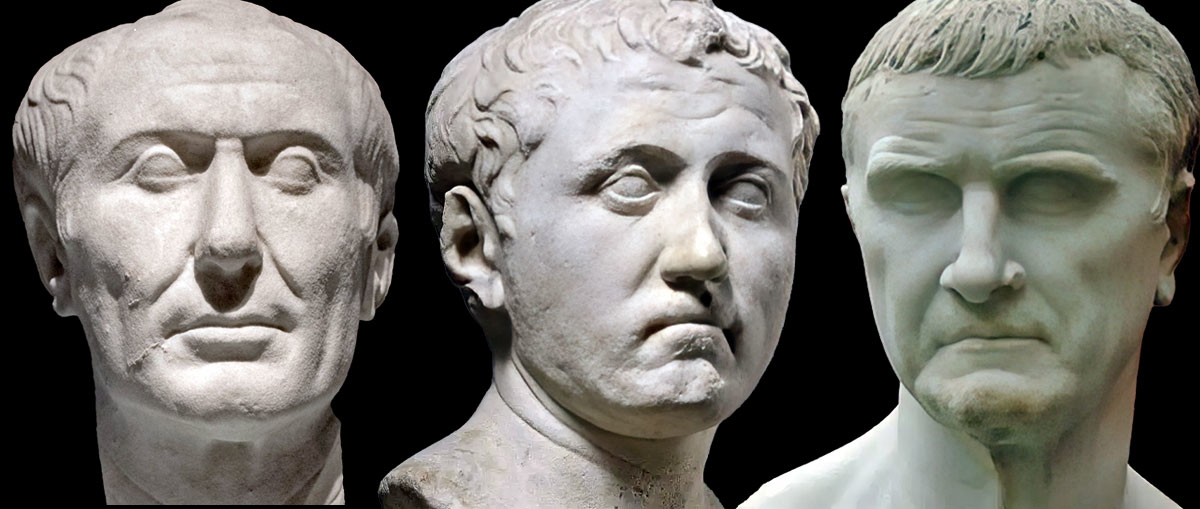
It would take several years for the conflicts of the civil war to be completely dealt with. Survivors of the Cinna-Marius faction fled to Sicily, North Africa, and Spain. Pompey led the mop-up efforts, first traveling with a large force to Sicily, where he killed Carbo, and then heading to North Africa.
Finally, in 77 BC, Pompey was sent to Spain to deal with Sertorius, who had ousted the Sullan governors and claimed to be the legitimate governor of the province. Many exiles joined his cause, as did locals, who agitated under Roman rule. It was not until 72 BC that Sertorius was assassinated, and Spain was officially subdued by Pompey at the Battle of Osca. These successes were essential to building Pompey’s reputation as one of Rome’s greatest generals.
Sulla died only a few years later in 78 BC, receiving an elaborate public funeral that would only be seen on a similar scale with the death of Augustus in 14 AD. Sulla’s political settlement did not last for long, not least because his civil war had shown that influential Romans could raise their own armies and use them to pursue their own political ends.
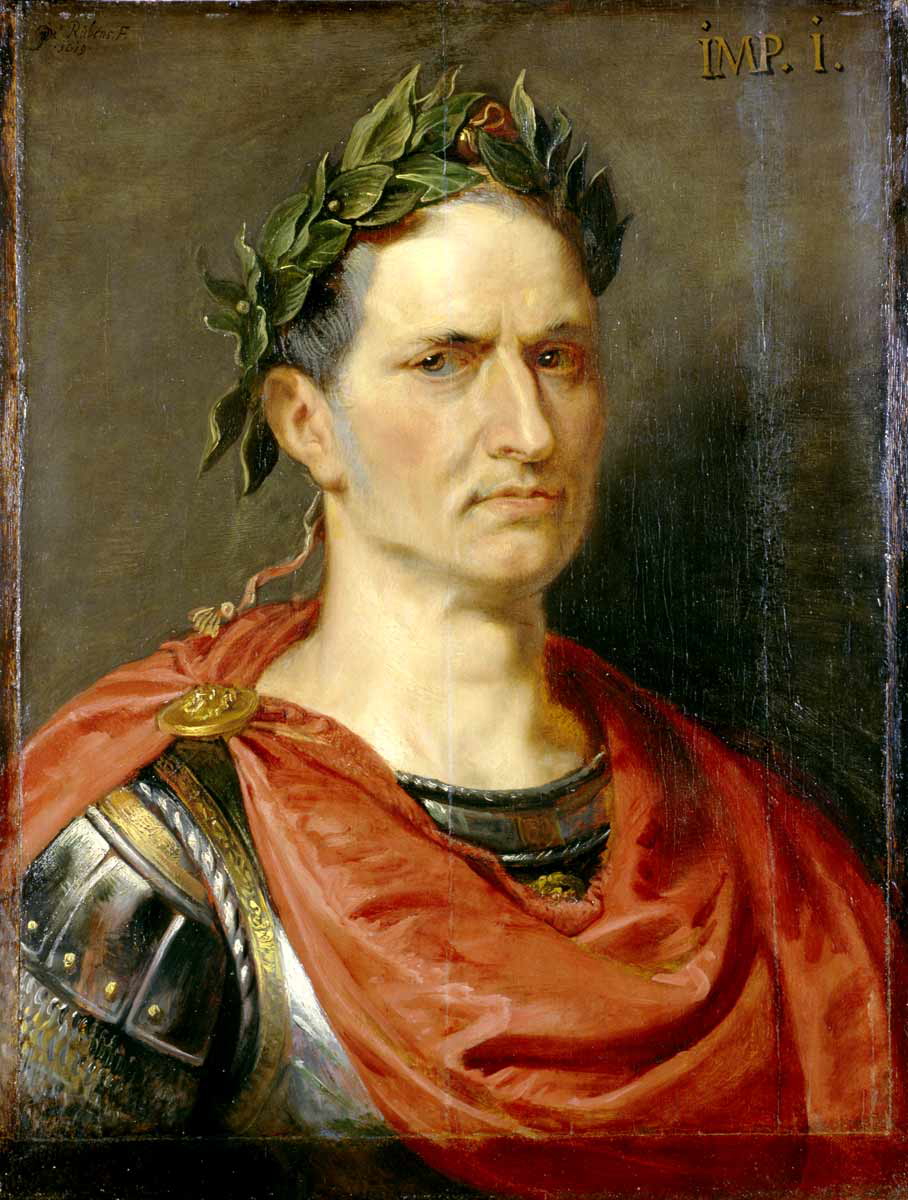
The lessons of the civil war saw the rise of Pompey as one of the most celebrated generals of the Roman Republic, Crassus as the richest man in Rome, who used his wealth to finance a Parthian campaign in a failed quest for glory, and the rise of Julius Caesar. Initially, Caesar was among those whose careers were stalled by Sulla’s political settlement, but his family managed to help him return to prominence. Then, through a political coalition with Pompey and Crassus, Caesar became Rome’s most powerful general through his conquest of Gaul.
When the Senate, with the assistance of Pompey, tried to thwart Caesar’s political ambitions following his successes in Gaul, it was perhaps inevitable that he would follow Sulla’s precedent. Caesar marched his army over the Rubicon into Italy and used its might to enforce his political will on Rome. He also assumed the position of dictator several times to effect political settlements in his favor, much like Sulla, until the Senate awarded him the title dictator for life. This was an indirect recognition that the careful balance of power that maintained the Republic for generations was broken. However, it would take another three decades of civil war and political machinations for the Roman Republic to transform into imperial Rome.