
When Augustus emerged as the ultimate winner of the years of civil war that ended the Roman Republic, he set about rebuilding Rome. In truth, he was constructing a new city that reflected his new imperial regime, but this was dressed up as Rome restored to a mythical, glorious Republican past, before the destructive corruption of the late Republic. Augustus was focused on the physical city (turning a city of brick into one of marble) and the city’s soul: its people and traditions. Rome’s population and social norms had been decimated by years of conflict. Augustus tried to restore both through a series of legislation known as his “moral laws.”
Rome at the Dawn of Empire
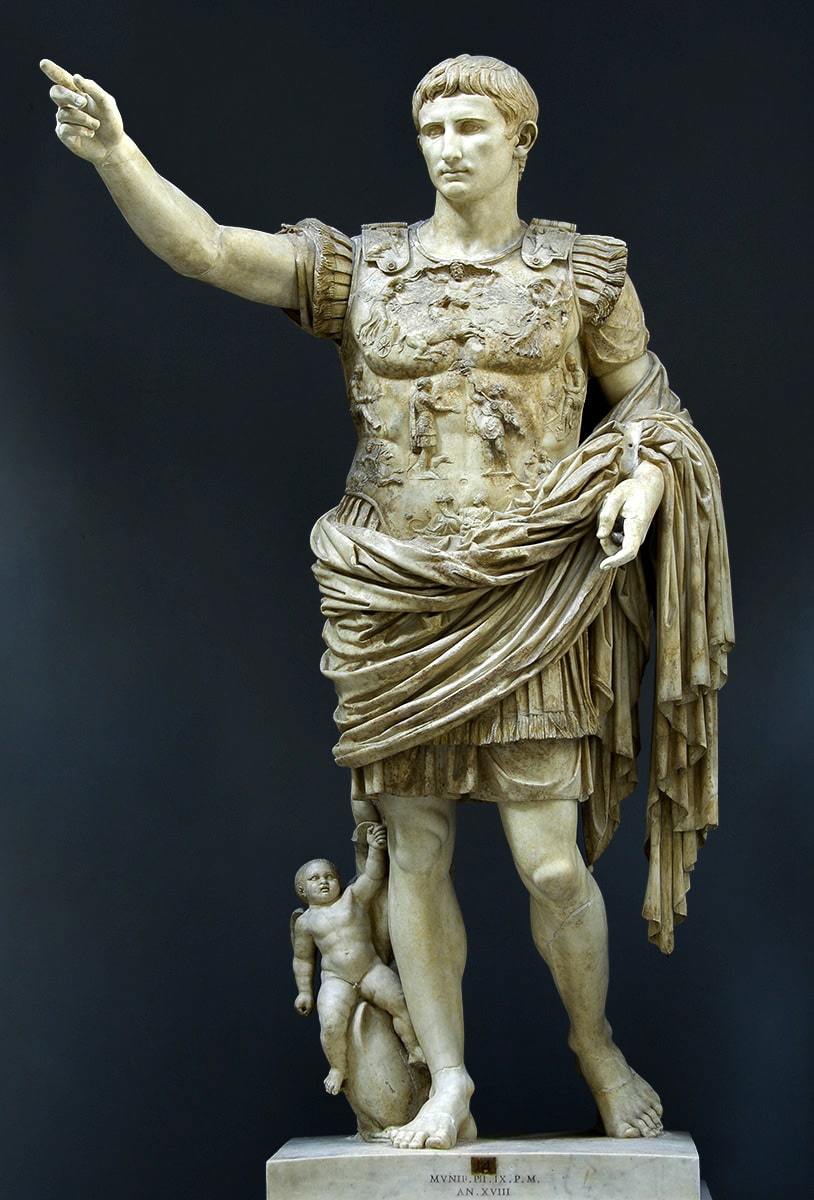
When Octavian defeated Mark Antony at the Battle of Actium in 31 BC, he was left the undisputed ruler of Rome. Years of strongmen battling for power in civil wars had left the Republic in tatters and had allowed one man to emerge as an absolute ruler. But while the Republican system may have been broken, it was still beloved, and the assassination of Julius Caesar just over a decade earlier showed that, despite everything, Rome was not ready to accept a king.
This placed Octavian in a predicament. How could he secure and codify his power without invoking the wrath of the fickle Roman people? He did so by cloaking his new position in the traditions of the Republic. He gave up his extraordinary powers and instead used twists on Republican traditions. For example, he was awarded permanent imperium, giving him ultimate control of Rome’s armies, and accepted tribunicia potestas annually, allowing him to propose and veto laws. For his “sacrifices,” Octavian was awarded the name Augustus in 27 BC.

Augustus then set about rebuilding Rome. He characterized this as restoring the city to its former greatness, for example, restoring 82 temples that had fallen into disrepair. Of course, these temples no longer just bore the names of the men who had originally dedicated them; they now also bore the name of Augustus. With his name on every building, it was clear that he was the supreme patron of this new city of marble.
Augustus also set about rewriting history, working with friendly poets and historians such as Virgil and Livy to give Rome an epic foundation myth tied to the Trojan War through the figure of Aeneas. He also had himself written into the myth as the descendant and successor of Aeneas. While Aeneas was destined to plant the seed of Rome as a future great city, Augustus was to see it fulfill its greatness.
A Population Crisis

Augustus’ focus on the Roman myth shows that he understood that Rome was more than a physical city; it had a soul, and that soul was its people. But the Roman population had been devastated in several ways by the previous 50 years of conflict.
The years of war had seen the general population diminished as many died on the battlefield. It has been suggested that as many as 51,000 men died at the Battle of Philippi in 42 BC alone. This was a major problem for Rome, which relied on its armies to control its vast empire.
The elite political class had also been decimated. As each strongman came to power, they used their position to have their enemies killed. Sulla’s proscriptions in the 80s BC reportedly killed 520 senators and equites, while those of the Second Triumvirate may have killed as many as 300 senators and 2,000 equites.
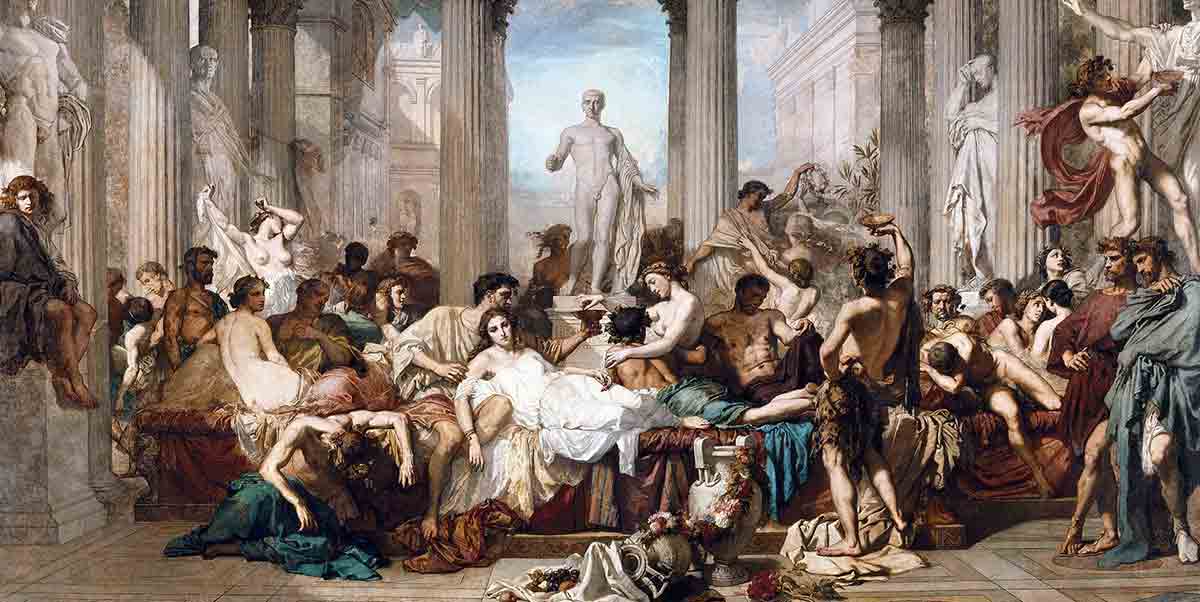
Augustus, using friendly mouthpieces such as Virgil and Horace, also suggested that the remaining population had fallen into moral decay, abandoning Rome’s traditional values, the mos maiorum. They suggested that the people had abandoned their gods and family values in favor of avarice and ambition, and this had led to the crisis of the previous 50 years.
“Our age, fertile in its wickedness, has first defiled the marriage bed, our offspring, and homes: disaster’s stream has flowed from this source through the people and the fatherland.” (Horace, Odes 3.6)
According to the Augustan poets, moral corruption had allowed the undeserving to gain office through bribery, strongmen to raise personal armies to challenge the Republic, and family and civic responsibility to weaken, undermining the values that had made Rome great.
Augustus took responsibility for renewing Rome’s population both in terms of its size and its moral character through a series of laws. He also presented this as a renewal. Augustan age historians such as Dionysius of Halicarnassus and Livy claimed that Romulus, Rome’s legendary first king, passed moral laws regarding marriage, familial piety, religion, and social order. These underpinned Rome’s initial rise.
The authors also suggest that Rome under the kings went through a period of moral decline. This culminated in the Rape of Lucretia in 509 BC by the son of King Tarquinius Superbus. The storytellers set her up as the most virtuous woman in Rome, at home working wool while other women were out partying. Her rape was an attempt to destroy that virtue. Outrage at this crime led good men, such as Lucius Junius Brutus, to expel the now-corrupt kings. They established the Roman Republic on the traditional values of Romulus. The message was that, with his legislation, Augustus was emulating Romulus.
Leges Juliae
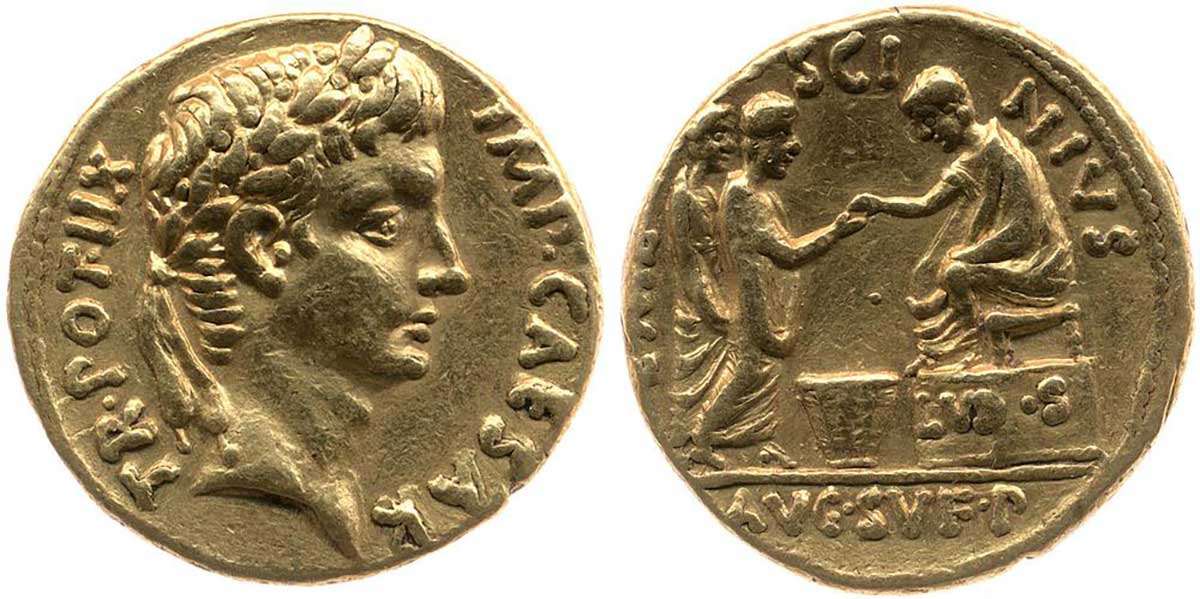
There is evidence that Augustus tried to start his program of moral legislation early in his reign. He may have tried to pass some laws as early as 27 or 26 BC, but he seems to have abandoned them due to limited support. Nevertheless, by 18 BC, the Senate was apparently clamoring for Augustus to act. According to Cassius Dio, some reportedly chided Augustus for his own youthful actions, suggesting that this might be why he chose not to pass moral legislation. While this was probably a story invented to suggest support for Augustus’ actions, 18 BC marked the start of Augustus’ serious moral legislation.
| Date | Legislation |
| 18-17 BC | Core Moral Legislation Lex Julia de maritandis ordinibus Lex Julia de adulteriis coercendis Lex Julia de ambituLex Julia de sumptiaria Lex Julia theatralis |
| 17 BC | Celebration of the Ludi Saeculares to mark a new era |
| 11 BC | Further Moral Legislation |
| 9 AD | Revision of Previous Laws Lex Papia Poppaea |
The moral laws of Augustus are often collectively called the leges Juliae, or the Julian laws, because they were named for Augustus’ family, the gens Julia. This was common practice. Most of these laws were passed in 18-17 BC. Augustus reinforced the idea that these laws had renewed Rome’s spirit by celebrating the Ludi Saeculares, the dawn of a new age, in 17 BC.
The laws were amended several times over the years, but it can be hard to determine which elements belong to the original laws and which belong to the revisions. This is because copies of the laws do not survive. We have references from Rome’s historians, but they are limited and abbreviated. There are also fragments in later legal treatises, such as the Digest of Justinian, written in the 6th century AD, and related commentaries. Nevertheless, the key themes covered by the laws are well-preserved.
Adultery and Legitimacy
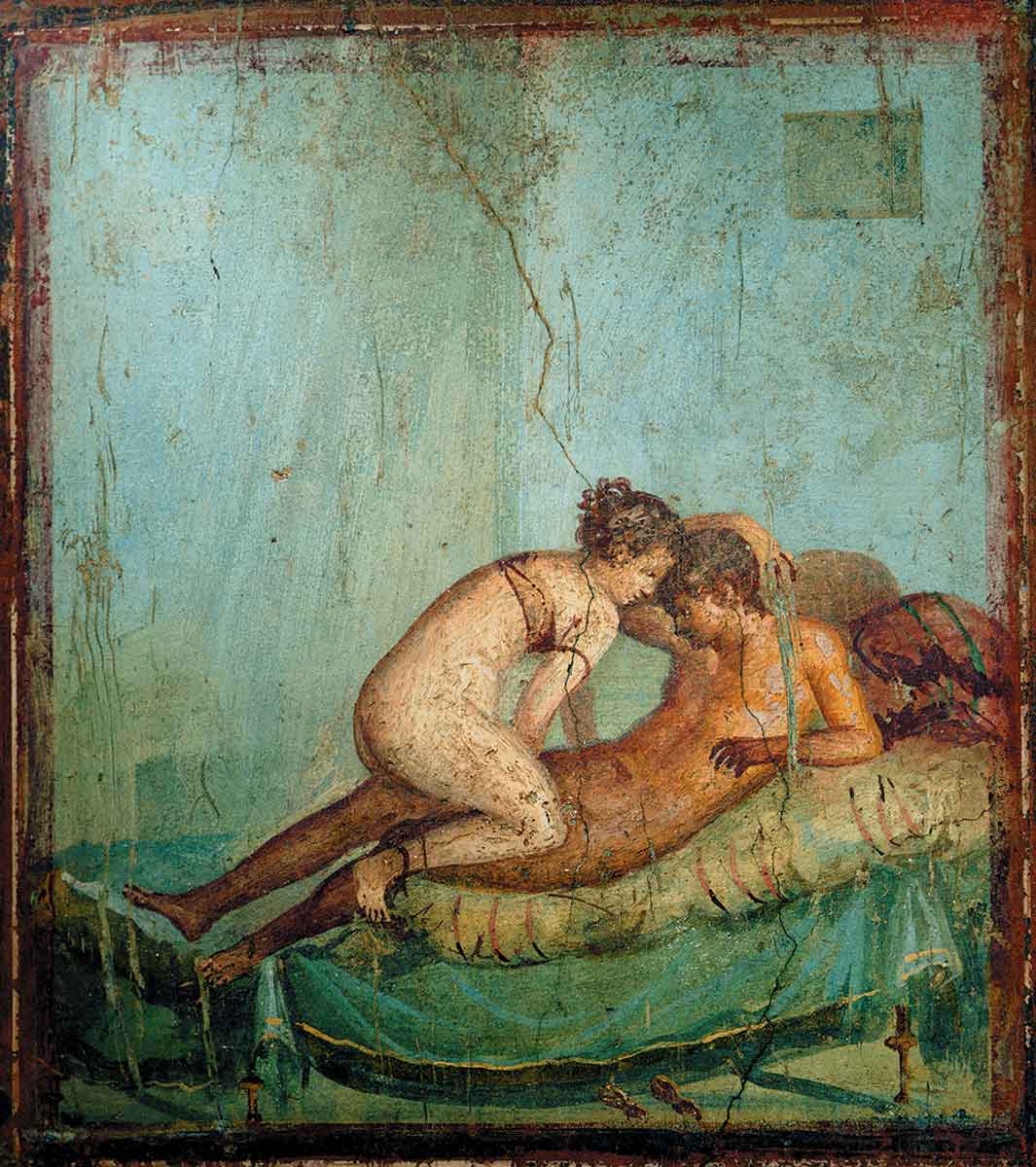
Augustus passed several laws regarding how adultery should be dealt with. These laws had several purposes. Firstly, they limited the possibility of “blood feuds.” One family might feel obliged to kill the partner of an adulterous woman, but that family might retaliate with a killing of their own, and so forth, devastating both families. The law was also about ensuring the legitimacy of children. Therefore, they were principally focused on controlling the sex lives of married women. It also meant that adultery was no longer a private matter, but a crime against the state.
If a man had sexual relations with an unmarried woman of free status, it was considered sexual misconduct, but not a crime. However, if he had relations with a married woman, it was adultery; he could be prosecuted by the woman’s husband or father. A husband had the right to kill his wife’s lover, but only if he also divorced his wife. A father could kill both his daughter and her lover. But under Augustus’ new law, the preferred penalty was banishment, with each being sent to separate islands, and confiscation of half the man’s property and half the woman’s dowry.

Famously, Augustus’ own daughter, Julia, faced this punishment in 2 BC. At the time, she was married to her third husband, the future emperor Tiberius. While she already had a reputation for infidelity, this could no longer be ignored when she became involved with Iullus Antonius, the son of Augustus’ old rival Mark Antony. She was exiled, and Iullus was forced to commit suicide.
Not only could a husband bring charges against an adulterous wife, but he was obliged to. If not, a husband could be accused of running a house of prostitution in a crime called lenocinium.
It is telling that there was no corresponding law allowing women the right of retaliation if they caught their husband or son-in-law with another woman, regardless of her marital status. This reflects the patriarchal nature of Roman society. It also suggests that these laws were not passed to protect morals for their own sake. They were passed to ensure that children, especially those of upper-class families, were legitimate.
Fertility and Inheritance
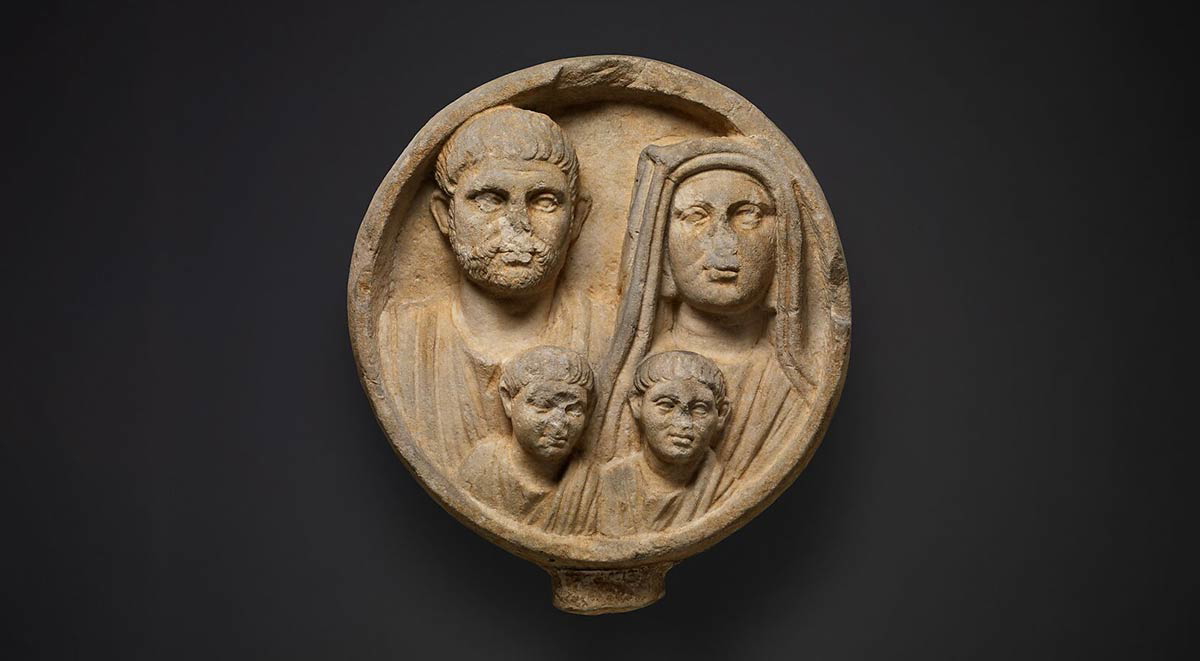
It is clear from the content of Augustus’ laws that one of his principal concerns was boosting fertility rates, and thereby the population, especially among the elite. Augustus used both “the carrot and the stick” to encourage families to grow.
Augustus’ principal “stick” was limiting the inheritance rights of people of marital age who were unmarried or had no children. This was 25 to 60 years old for men and 20 to 50 years old for women. Since young women often married much older men, those who were widowed or divorced were encouraged to remarry. Those who were unmarried were forbidden from inheriting outside of close family and were restricted in who they could name as their own heirs.
In terms of “the carrot,” those who had children were rewarded with special privileges. For example, women with three children were granted ius trium liberorum, which released them from male guardianship and gave them more control over their own lives. Men with multiple children also received rewards, such as permission to hold certain public offices at a younger age.

While marriage was encouraged, there were also restrictions on who a person could marry. Senators, their sons and daughters, and grandchildren and great-grandchildren, were all prohibited from marrying actors, prostitutes or former prostitutes, anyone previously convicted of adultery, and freedmen and women. These laws were designed to preserve the dignity of the upper classes.
Although seemingly unrelated, Augustus’ Lex Julia Theatralis can also be interpreted within this context. The law reinforced the seating hierarchy in the theater and amphitheater. While, on the one hand, this was to boost the status of senators, it was also to discourage intermingling between the classes and ill-advised love affairs.
Other Moral Laws
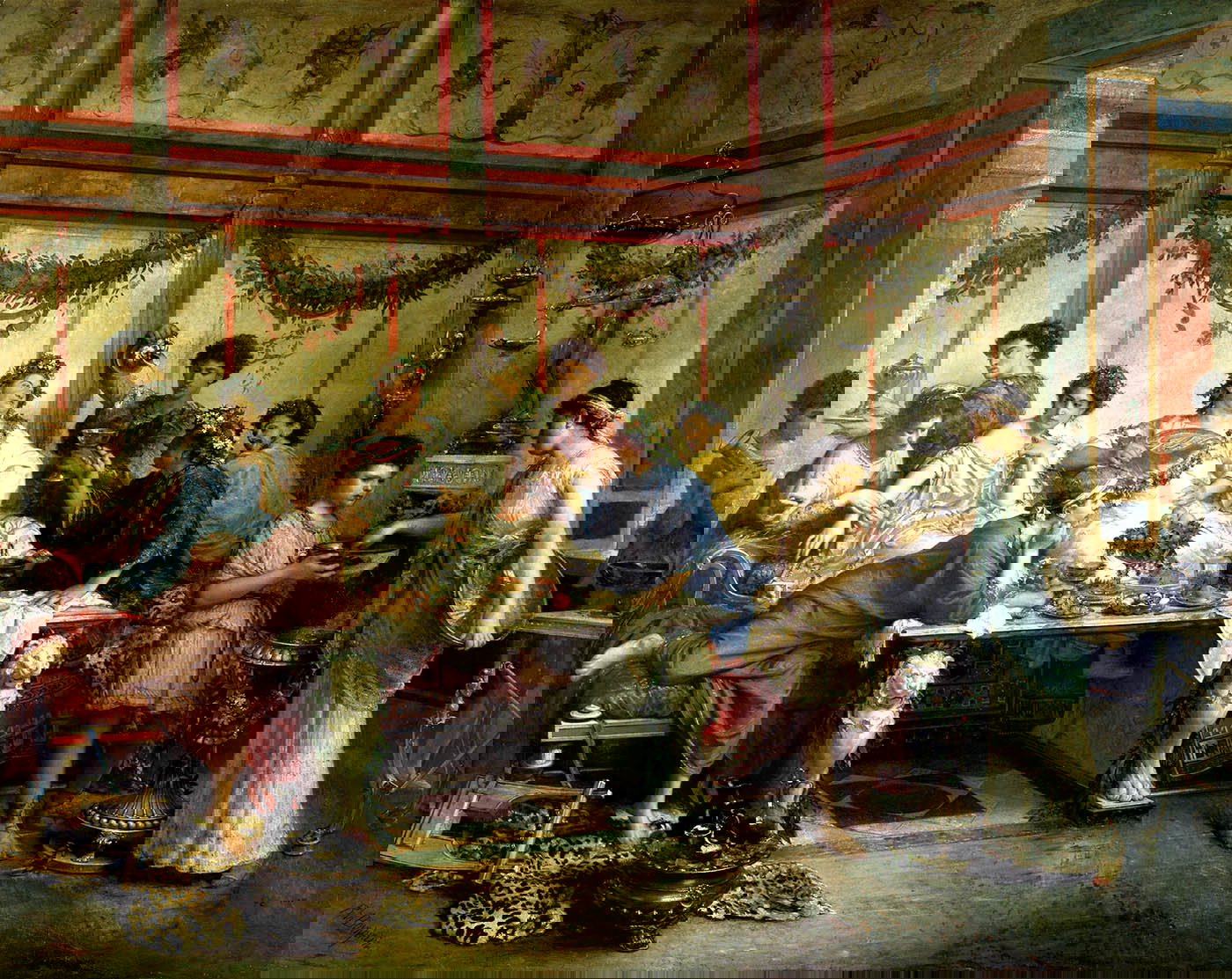
Augustus’ moral legislation went beyond love and marriage. For example, he passed a variety of sumptuary laws that limited spending. For example, there were limits on the amount of money that could be spent on banquets and the number of guests that could be invited. There were also restrictions on using certain expensive materials, jewelry, and other decorations. Augustus’ own wife, Livia, was praised for her simple dress and humble lifestyle.
Sulla passed similar sumptuary laws during his dictatorship, not just to preserve Rome’s traditional and conservative lifestyle, but to stop powerful men from using extravagant spending to win excessive political support. This is something that Julius Caesar was famous for doing, especially during his aedileship.
Along similar lines, there were also laws against “ambition” and corruption in the political process. For example, if someone was convicted of using bribery to acquire political office, they were excluded from holding office for the next five years. A law passed later in Augustus’ reign required candidates to deposit money before campaigning, which was confiscated if they were found guilty of bribery.
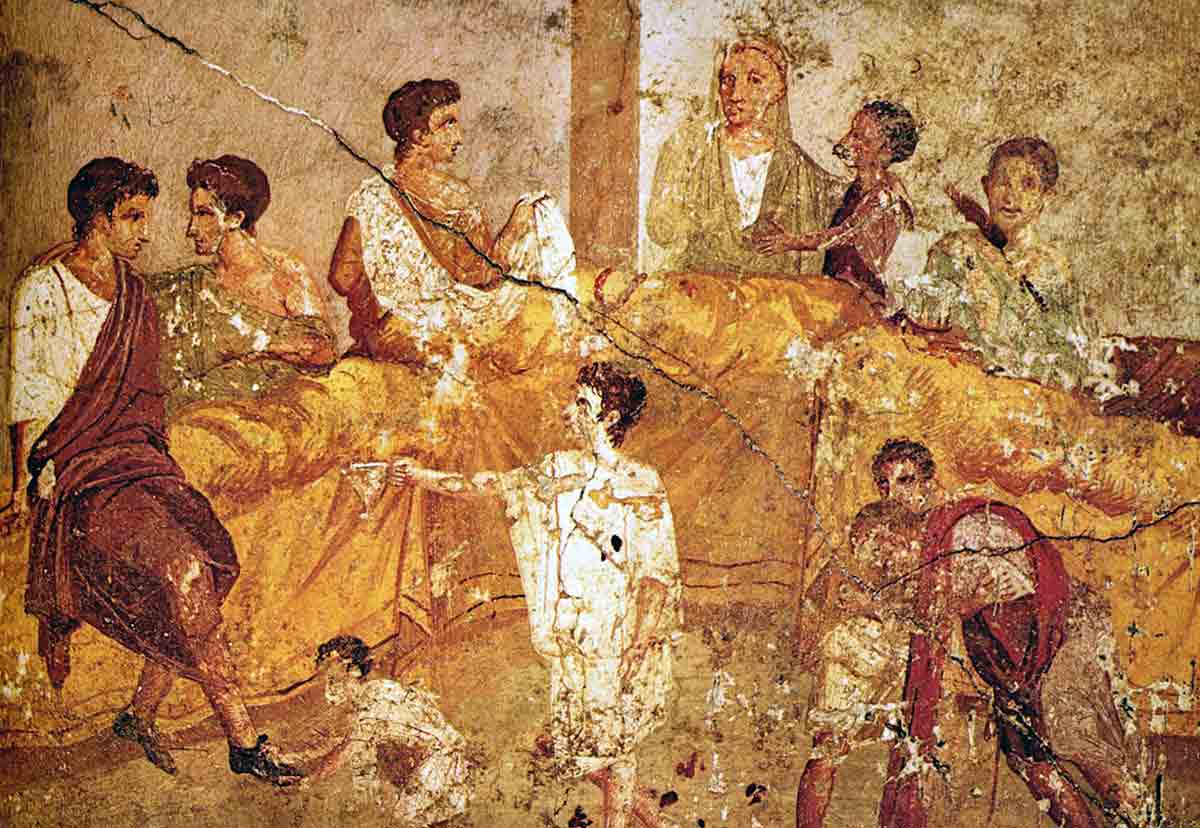
The fact that punishment often included fines and property confiscation points to another one of Augustus’ priorities. Despite being incredibly rich from his inheritance from Julius Caesar and direct control of rich provinces, such as Egypt, Augustus wanted to fill the state coffers. Cassius Dio records an anecdote that Augustus set up a pension fund for retired military veterans and encouraged the wealthy to donate to it. When donations were not forthcoming, he passed a 5% tax on inheritances to go to that fund.
As with Augustus’ other moral laws, while they appear to be targeted simply at the moral fortitude of the Roman people, they also had clear political purposes. These laws gave the emperor greater control over both elections and funds.
Unpopular Laws
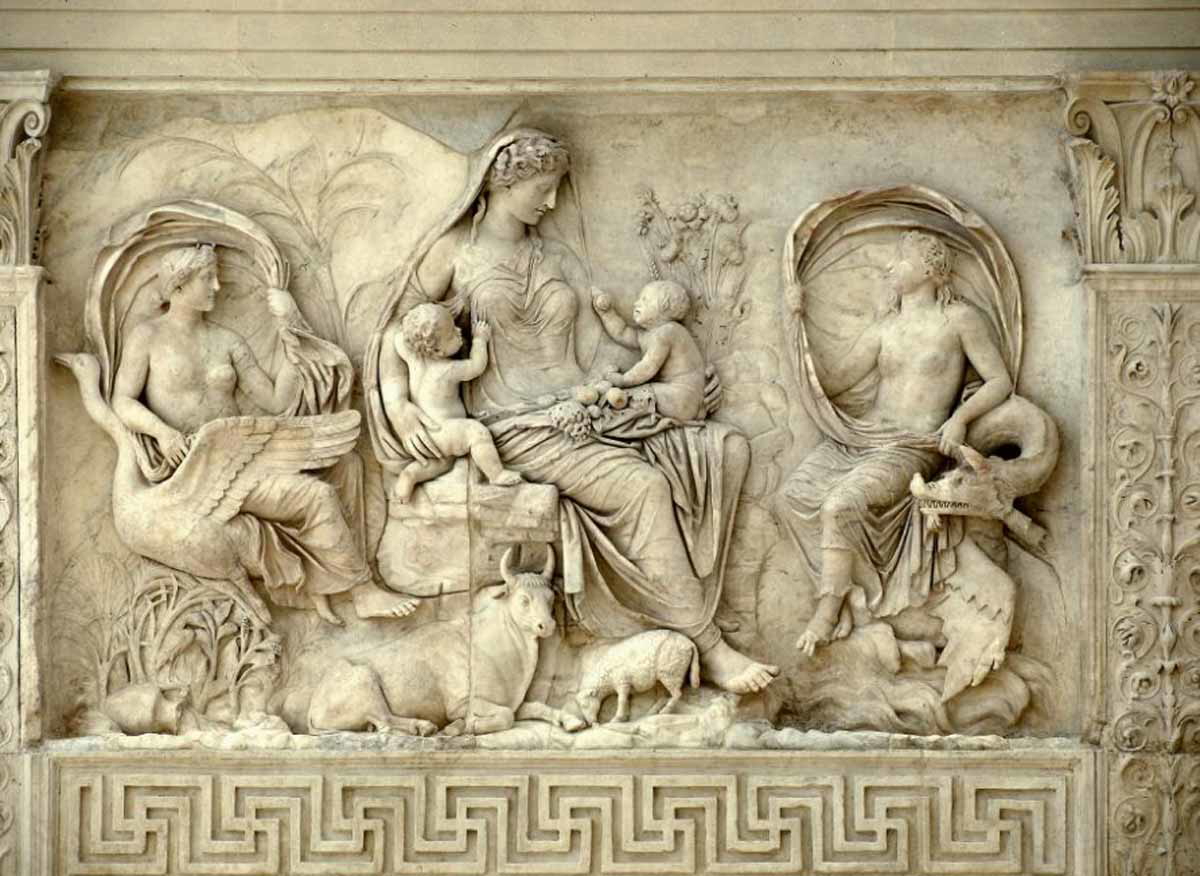
It is noteworthy that Augustus does not mention his moral legislation in his Res Gestae, his public statement of his life’s achievements. This probably reflects the fact that the laws were unpopular. They were criticized for encroaching on personal freedoms and the right of the paterfamilias to oversee his own household.
We know that the laws were unpopular because the sources record protests and public demonstrations, most notable in AD 9, which reportedly led to the softening of some of the laws in the form of the Lex Papia Poppaea. But despite the apparent success of the riots, Cassius Dio (56.1ff.) gives Augustus an impassioned speech to the rabble, praising men who marry and have children and criticizing those who remain celibate.
“Oh, what shall I call you? Men? But you are not performing any of the offices of men. Citizens? But for all that you are doing, the city is perishing. Romans? But you are undertaking to blot out this name altogether… For you, heedless alike of the providence of the gods and of the watchful care of your forefathers, are bent upon annihilating our entire race…” (Cassius Dio, 56.4)
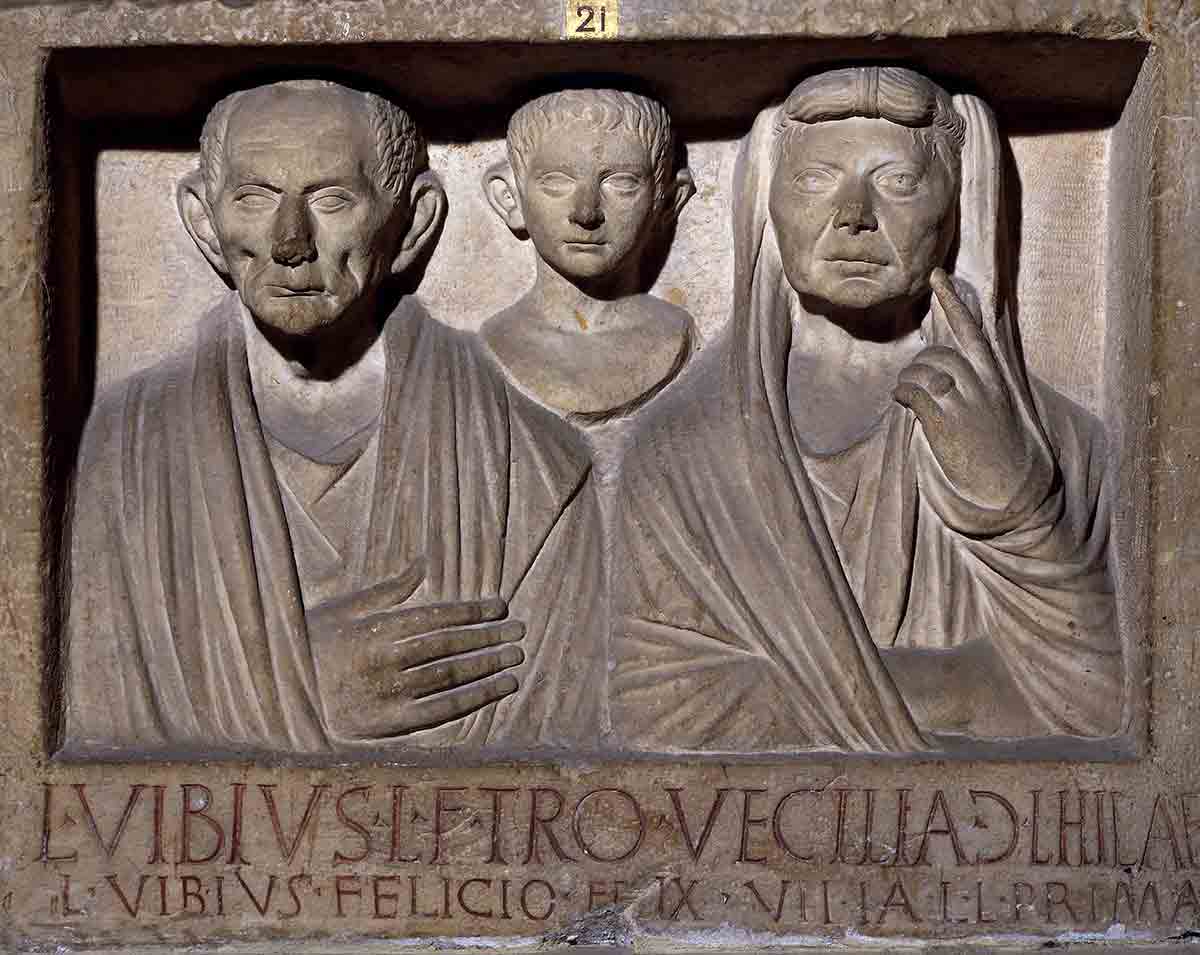
Written centuries after the fact, that Cassius Dio ascribes such a passionate speech to Augustus on the topic suggests that it remained part of his legacy, despite the unpopularity of the laws and seeming limited success. Records suggest that many of Rome’s prestigious Republican families were extinct by the end of the Julio-Claudian period. As well as the Julian gens itself, we no longer hear of the Domitii Ahenobarbi, the Junii Bruti, the Cornelii Scipiones, and many others.
It was this mass extinction that allowed the blue-blooded Julio-Claudians to be succeeded by the Flavians, a well-to-do equestrian family from Italy, far removed from the aristocratic circles of the Republic.