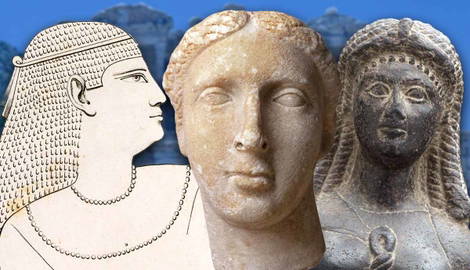

The name Cleopatra is one of the most famous in history, thanks to Cleopatra VII, the last pharaoh of Egypt. She ruled in her own right and was reportedly the lover and ally of both Julius Caesar and Mark Antony, the famous Roman generals. But who were the previous six queens of Egypt who shared her name? Mothers and daughters of the Ptolemaic dynasty, the relationships between these women rarely reflected familial love and devotion. Incestuous marriage alliances and power plays led to war and murder in which the seven Cleopatras were deeply embroiled.
Cleopatra I (c. 204-176 BC)
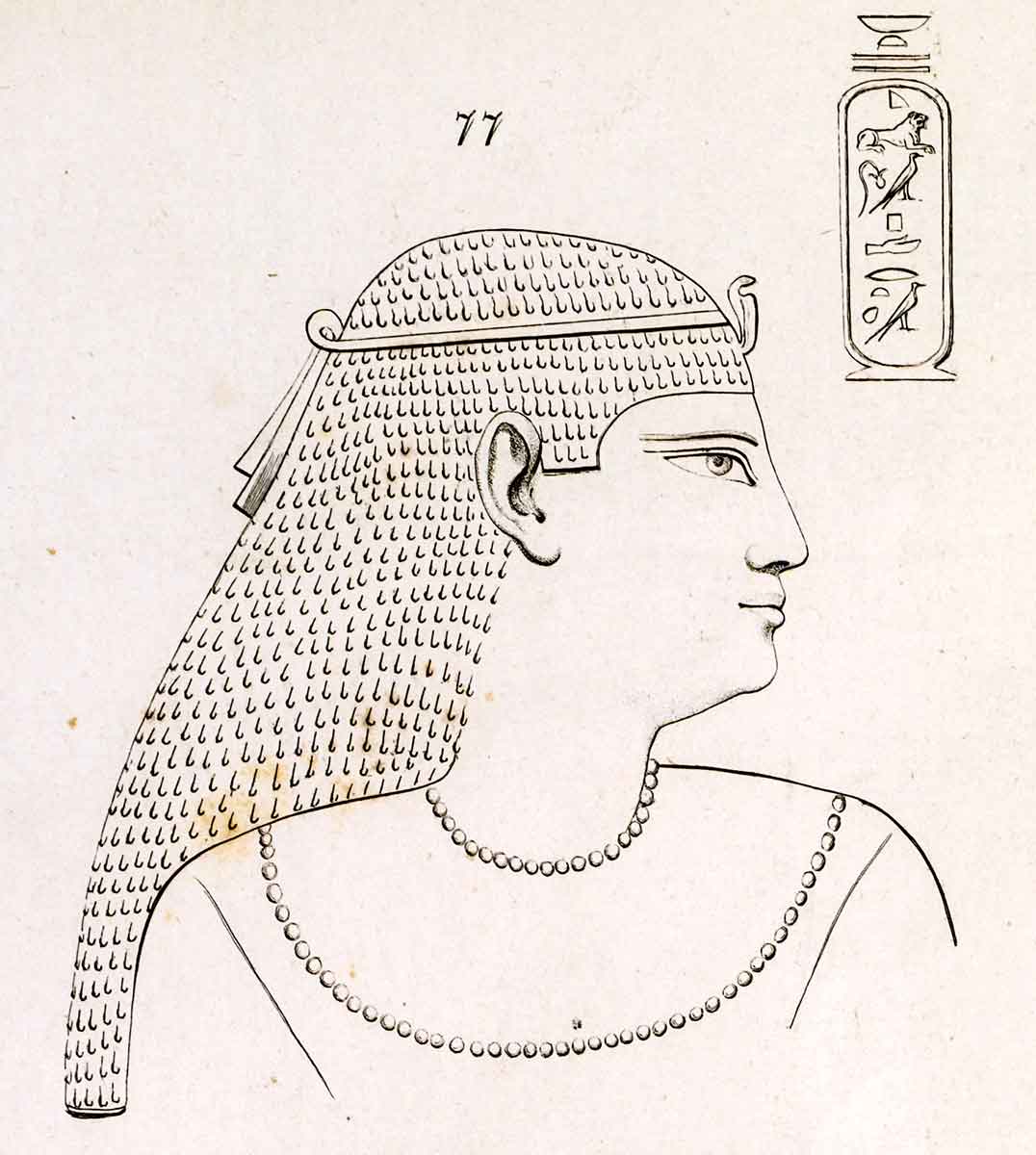
Cleopatra I, or Cleopatra Syra, was the daughter of King Antiochus III of the Seleucid Empire and Queen Laodice III. She entered the Ptolemaic dynasty through her marriage to Ptolemy V Epiphanes (204-180 BC) at just ten years of age. This was an alliance to consolidate peace between the Seleucids and Egypt.
In Alexandria, Cleopatra was given the epithet “the Syrian.” She was incorporated into the Ptolemaic ruler cult, venerated alongside her husband as Theoi Epiphanies (god-like). She was further accorded honors equal to Ptolemy V by the priests at Memphis in 185 BC, as recorded on the Rosetta Stone. Remarkably, Cleopatra held the office of vizier, a rare distinction among Ptolemaic queens.
Following Ptolemy V’s premature death in 180 BC, she assumed regency for her six-year-old son, Ptolemy VI Philometor (180-145 BC), becoming the first Ptolemaic queen to govern independently. Her reign emphasized stability and peace. Her primary objective as regent was to pursue harmony with the Seleucid Empire, while her deceased husband had been preparing for war. Cleopatra’s death around 178–176 BC left power in the hands of her associates, whose ineffectual governance precipitated the Sixth Syrian War.
Cleopatra II (c. 185-116 BC)

Cleopatra II, daughter of Ptolemy V and most likely Cleopatra I, was either the full or half-sister of Ptolemy VI Philometor and Ptolemy VIII Physcon (184-116 BC). She would marry both. Following her mother’s death, she married Ptolemy VI around 175 BC, becoming queen consort and later co-regent with both brothers in 170 BC. Scholars debate whether her reign began with her marriage or co-regency, but she is often credited with ruling for 57 years.
During the invasion of Egypt under Syria’s Antiochus IV in 169–168 BC, Cleopatra II and her siblings resisted with Roman support. Temporarily deposed in 164 BC by Ptolemy VIII, she and Ptolemy VI were restored the following year. After Ptolemy VI died in battle, Cleopatra married her younger brother Ptolemy VIII and gave birth to a child, Ptolemy Memphites.

Ptolemy VIII would later also marry his niece Cleopatra III, his wife Cleopatra II’s daughter. This exacerbated the already existing dynastic rivalry between Cleopatra II and Ptolemy VIII. Cleopatra II initiated a rebellion in 131 BC, ousting her brother and Cleopatra III from Alexandria later the same year. During this conflict, Ptolemy VIII notoriously executed the couple’s son, Ptolemy Memphites, and had his dismembered remains dispatched to Cleopatra II on her birthday.
Cleopatra II ruled Alexandria alone until 127 BC, when Ptolemy VIII regained control, compelling her to seek refuge in Syria with her daughter Cleopatra Thea and Demetrius II Nicator. The estrangement was quashed in 124 BC, and Cleopatra was restored as co-ruler with Ptolemy VIII and Cleopatra III. She reigned as co-ruler until she died in 116 BC.
Cleopatra III (c. 160-101 BC)
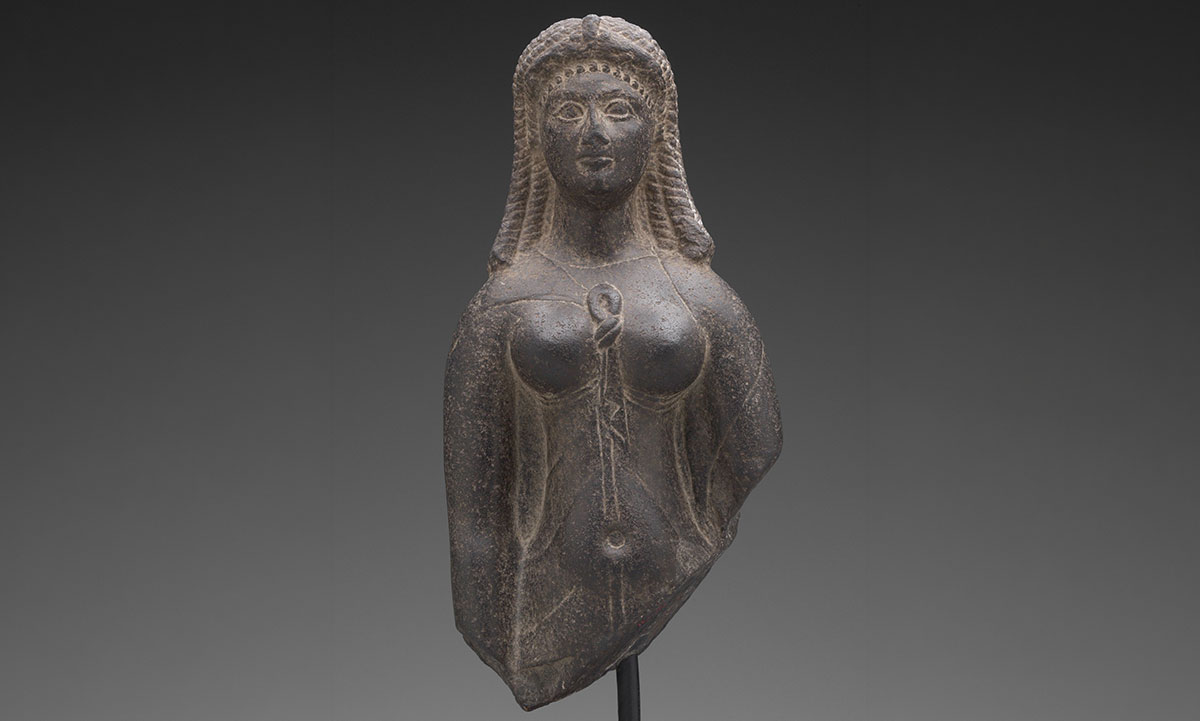
Cleopatra III, or Cleopatra Euergetis, was born in 160 BC to Cleopatra II and Ptolemy VI. Little is known about Cleopatra III’s early life. At the age of twelve, she was married to her uncle, Ptolemy VIII, and became co-ruler alongside her uncle and his other wife, Cleopatra II, who was also her mother.
Following Ptolemy VIII’s death in 116 BC, his will authorized Cleopatra III to select whichever of their sons she deemed fit to succeed. She made it apparent that she favored the younger Ptolemy Alexander over his elder brother, but political tensions forced her to name her elder son, Ptolemy IX, as heir to the throne. Cleopatra III then ruled jointly with her still living mother, Cleopatra II, and her elder son, Ptolemy IX. Meanwhile, Ptolemy Alexander was appointed governor of Cyprus, where he declared himself King Ptolemy X in 114 BC, but this was seen as largely unthreatening.

A greater threat was that Cleopatra III’s daughter, Cleopatra IV, was becoming increasingly zealous after marrying her full brother, Ptolemy IX. To secure her position, Cleopatra III compelled her son, Ptolemy IX, to divorce Cleopatra IV and subsequently marry his younger sister, Cleopatra Selene, thereby reinforcing dynastic control. She distinguished herself among the Egyptian queens by assuming the unprecedented title of “Priest of Alexander.” She also further elevated her authority by appointing priests and priestesses for her own cultic veneration as a living deity.
Tensions escalated as Cleopatra consistently undermined her son’s sovereignty, culminating in 107 BC when she orchestrated his removal through fabricated accusations of attempted assassination. Forced into exile in Cyprus, Ptolemy IX left his children under her guardianship, while Cleopatra Selene was coerced into divorcing him. Cleopatra then installed Ptolemy X Alexander as co-regent. However, the alliance between Cleopatra III and her beloved son fractured, and in October of 101 BC, Cleopatra III was assassinated.
Cleopatra IV (c. 138-112 BC)
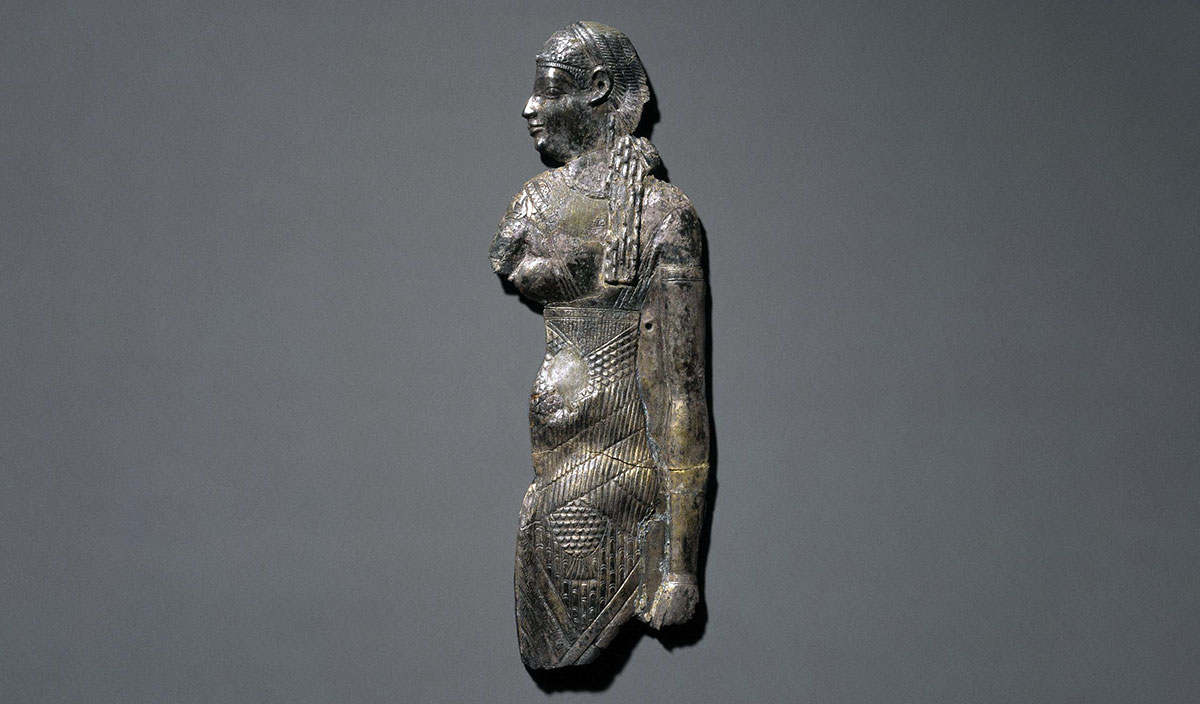
Cleopatra IV was the eldest daughter of Ptolemy VIII and Cleopatra III, who married her full brother, Ptolemy IX. She inherited both her mother’s name and ambitious nature. Some theories suggest Cleopatra III was against elevating her eldest son because he was already married to Cleopatra IV, and she feared her daughter’s ambition, which turned out to be an accurate assessment of the situation.
Following the unwanted divorce with her brother, Cleopatra IV fled Egypt to Cyprus, where she married Antiochus IX Cyzicenus, who had been quarreling with his half-brother, Antiochus VIII Grypus. Conflict ensued as both brothers claimed they were the rightful Seleucid King. Grypus’s wife, Cleopatra Tryphaena, Cleopatra IV’s younger sister, ordered her sister’s execution, despite her husband’s protests, resulting in Cleopatra IV’s murder within the sanctuary of Daphne. Both sisters, married to rival Seleucid claimants, became embroiled in dynastic struggles, and Tryphaena was later killed by Cyzicenus.
Cleopatra Selene (c. 135-69 BC)
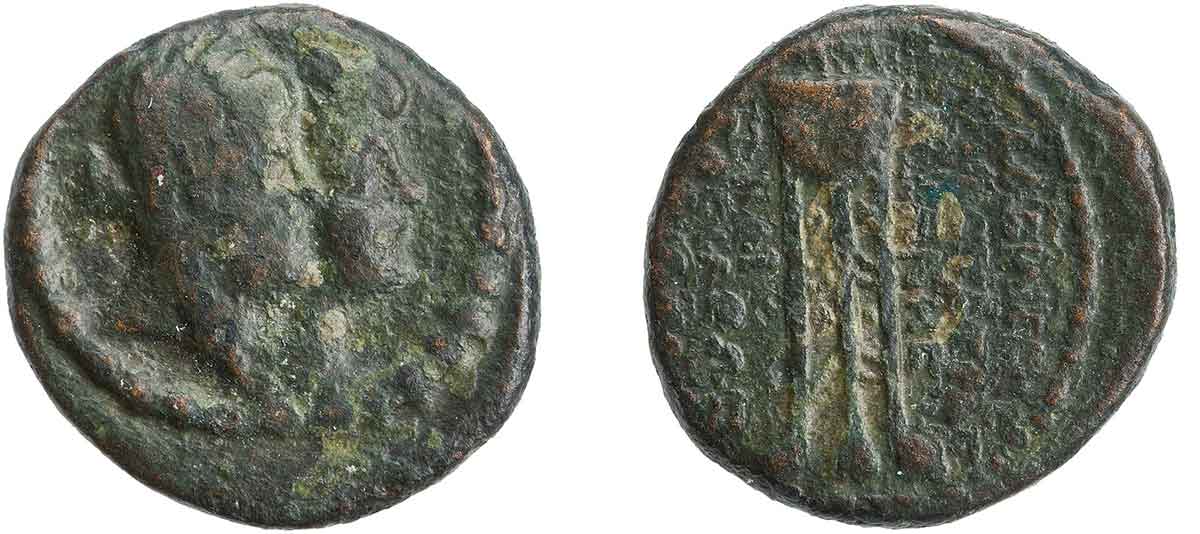
Whilst technically Cleopatra Selene could be considered the fifth ruling Cleopatra, this honor is typically reserved for a different woman. Cleopatra Selene, the younger daughter of Ptolemy VIII and Cleopatra III, was repeatedly deployed in dynastic politics by her family.
Installed as Egypt’s queen consort with two of her brothers, she later married successive Seleucid rulers, Antiochus VIII, IX, and X, amid civil strife. Ultimately, Tigranes II captured and executed her in 69 BC, when she was in her 60s, attempting to live the remainder of her years in solitude. Likely due to Cleopatra Selene’s extensive time spent in the Seleucid Empire, she is not generally included in the Ptolemaic Cleopatra list.
Cleopatra Berenice III (c. 120-80 BC)
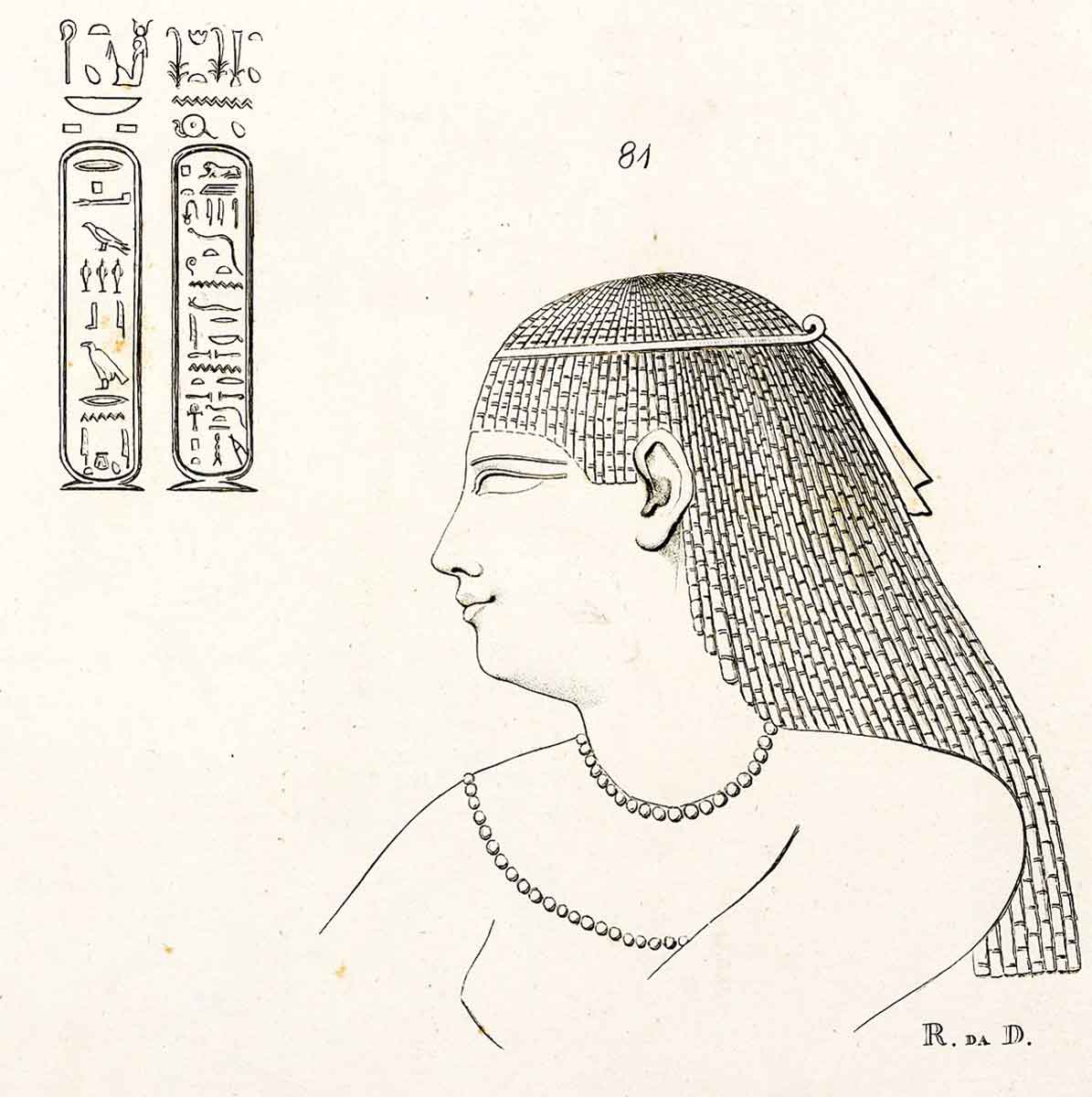
Similarly, Cleopatra Berenice or Berenice III’s multiple names usually discount her from the official list of Cleopatras. Berenice’s mother was either Cleopatra IV or Cleopatra Selene, and she assumed the familiar royal epithet of Cleopatra while on the throne. Berenice briefly ruled independently before appointing her relative, Ptolemy XI, as co-regent under the influence of the Roman general Sulla. Crowned in April of 80 BC, he murdered Berenice less than a month later, provoking Alexandrian riots where he was ambushed and murdered. The throne subsequently passed to Ptolemy XII Auletes (117-51 BC).
Cleopatra V Tryphaena (died c. 69 BC)
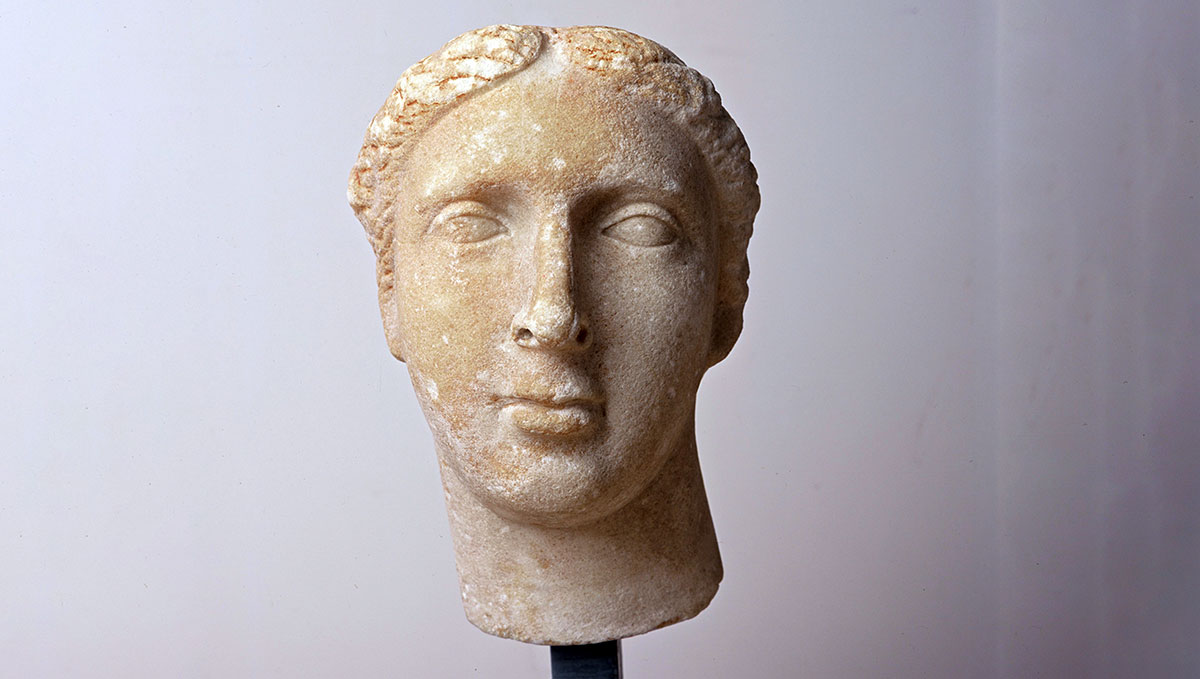
Cleopatra Tryphaena, officially named Cleopatra V, remains one of the most enigmatic figures of the Ptolemaic dynasty. Her parentage is unrecorded and subject to considerable scholarly debate. She may have been a daughter of Ptolemy IX or Ptolemy X and Berenice III. Porphyry records that Ptolemy X fled Egypt in 88 BC with his wife Berenice III and a daughter, possibly Cleopatra Tryphaena.
Cleopatra V is the only securely attested wife of Ptolemy XII, and her only known child is Berenice IV, though she is often also considered to be the mother of Cleopatra VII. Her death is uncertain, possibly occurring around 69 BC, though she may have survived as the co-ruler Cleopatra VI. Sparse records and conflicting traditions render her life obscure, yet she had a clearly significant dynastic role.
Cleopatra VI (died c. 57 BC)
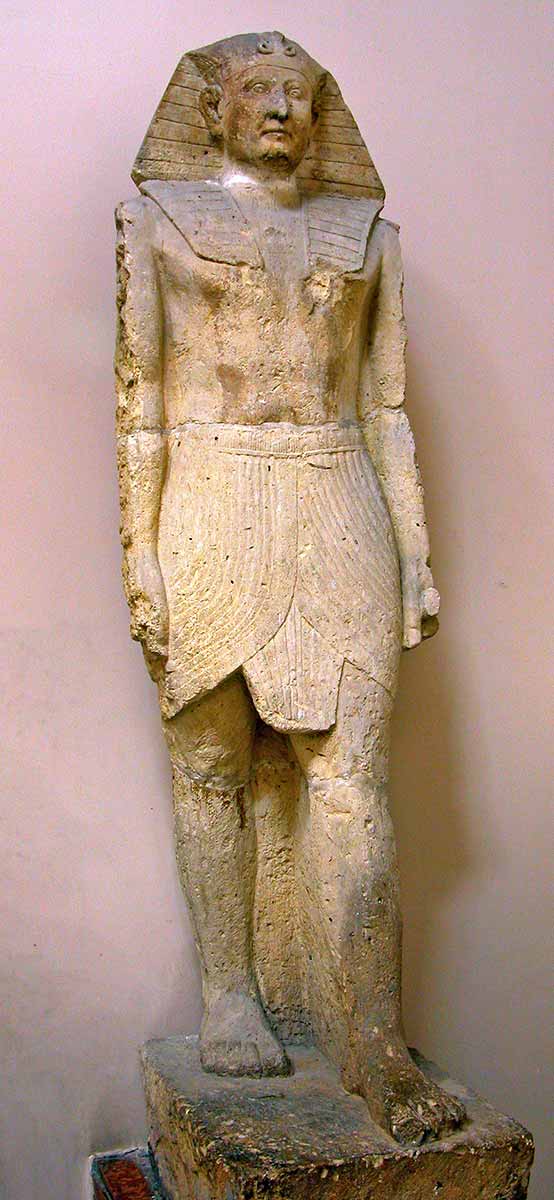
Cleopatra VI, possibly a daughter of Ptolemy XII Auletes, may have been the elder sibling of the more infamous Berenice IV, Cleopatra VII, Ptolemy XIII, Ptolemy XIV, and Arsinoe IV. Alternatively, she may have been Cleopatra V rebranded.
In 59 BC, Julius Caesar, then consul of Rome, was believed to favor the annexation of Egypt, citing Ptolemy XII’s alleged illegitimacy. To secure his position, Ptolemy expended vast sums to purchase Caesar’s support, leading to Roman recognition of his kingship. However, the treaty excluded Cyprus, where Ptolemy’s brother ruled. The following year saw Rome occupy Cyprus, prompting his brother’s suicide.
The economic strain of bribes and the loss of Cyprus incited unrest in Alexandria, forcing the Egyptian Pharaoh to seek Roman military aid again. During his absence, Ptolemy XII was deposed, and his eldest daughter, Berenice IV, was elevated to the throne along with Cleopatra VI.
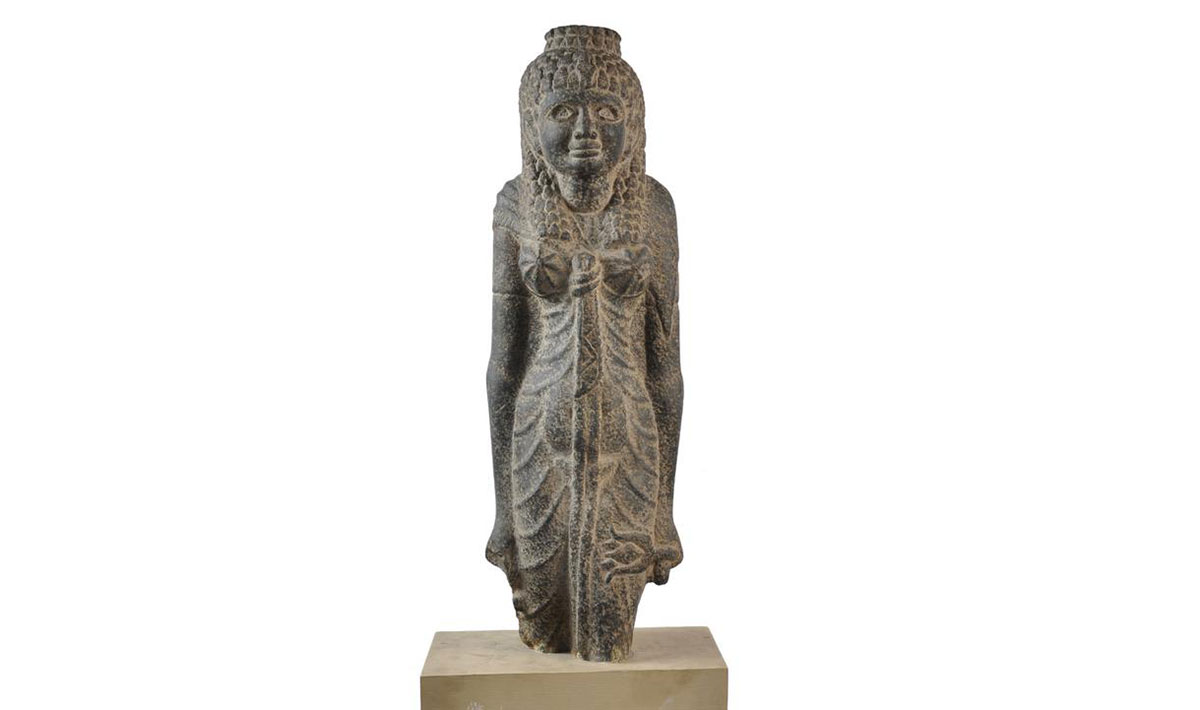
While scholars’ opinions differ, the inconclusiveness surrounding Cleopatra V’s death, combined with her co-rulership and title, Tryphaena, which was habitually used to describe the wife of the king, all suggest that Cleopatra VI was not Berenice IV’s sister. In contrast, she could have been a different consort of Ptolemy XII or another senior woman at court.
Regardless, Cleopatra VI died in 57 BC, leaving Berenice sole queen until 55 BC, when Ptolemy XII returned with Roman forces, defeated his daughter, and reclaimed the throne. His restoration was marked by the execution of Berenice IV, punished for usurping royal authority.
Cleopatra VII (c. 69-30 BC)

Roman involvement in Egypt, therefore, long preceded the reign of Cleopatra VII Thea Philopater. Born in 69 BC to Ptolemy XII, Cleopatra accompanied her father during his exile near Rome, where financiers sought his restoration. Pompey persuaded Aulus Gabinius, governor of Syria, to invade Egypt in exchange for 10,000 talents.
Ptolemy XII died before March of 51 BC, leaving Cleopatra to confront famine, Nile drought, and the disruptive Gabiniani, Roman soldiers left as a garrison. She inherited debts of 17.5 million drachmas to Rome. In 50 BC, Gabiniani murdered the sons of Marcus Calpurnius Bibulus, prompting Cleopatra to hand over the culprits, though Bibulus rebuked her for interfering in Roman jurisdiction.
By August of 51 BC, Cleopatra was listed as sole ruler, rejecting co-regency with her brother Ptolemy XIII. But with his powerful allies, Ptolemy defeated Cleopatra, who fled to Thebes, later raising an army in Syria with Arsinoe IV. Meanwhile, Ptolemy XIII sent the Roman general Pompey’s severed head to Caesar, who arrived in Alexandria. Even though Pompey was an outlaw by this time, the Romans again did not appreciate interference in their politics. Caesar therefore preferred Cleopatra as ruler, and was also reportedly personally charmed by Cleopatra’s intelligence and humor.

Cleopatra’s fortunes shifted during the Alexandrian War. Arsinoe IV allied with Cleopatra’s enemies and their brother Ptolemy XIII. Caesar and Cleopatra endured a palace siege until reinforcements arrived, which resulted in Ptolemy XIII’s defeat and drowning. Arsinoe was paraded in Caesar’s triumph and exiled, while Cleopatra, pregnant with Caesar’s child, remained in Alexandria. Caesar appointed her co-ruler with Ptolemy XIV. In 47 BC, she bore Caesarion, publicly naming Caesar as father. After Caesar’s assassination in 44 BC, Cleopatra allegedly poisoned Ptolemy XIV, elevating Caesarion as co-regent.
Cleopatra strategically aligned with Mark Antony after Caesar’s death, inviting him to Egypt in 41 BC. She secured Cilicia and Cyprus through him and bore him three children: twins Alexander Helios and Cleopatra Selene II in 40 BC, and Ptolemy Philadelphus in 36 BC. Octavian exploited Antony’s concessions to Cleopatra, portraying her as a dangerous foreign queen and Antony as a villain for betraying his loving, Roman wife, and his own sister, Octavia.
The Battle of Actium resulted in a resounding defeat for the couple, which strained their relationship. Cleopatra contemplated abdication in favor of Caesarion, though her fleet was destroyed, forcing her to remain and negotiate with Octavian. The negotiations were fruitless and ultimately ended in a stalemate. Both Cleopatra VII and Anthony committed suicide, her son Caesarion was assassinated, and the fate of her other children is largely debated.
The Seven Cleopatras
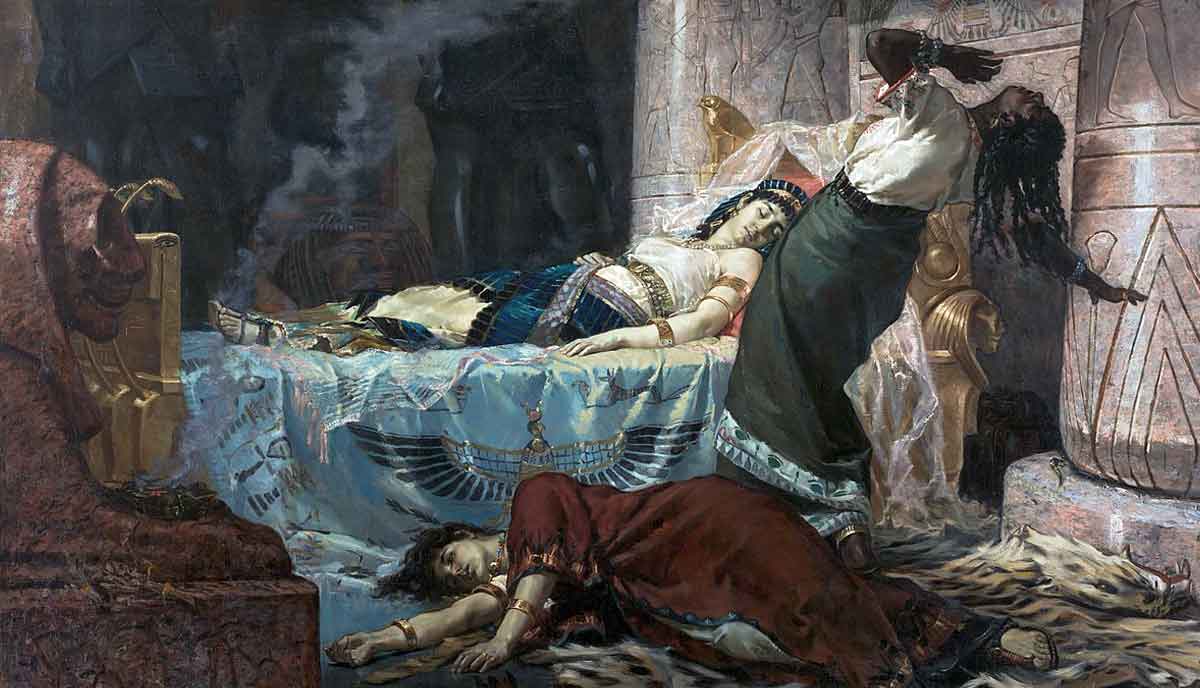
Across the generations, the Ptolemaic queens bore the name Cleopatra, meaning “glory of her father.” Each Cleopatra, from the lesser-known sisters and daughters to the famed Cleopatra VII, wielded dynastic marriages, political alliances, and calculated betrayals as instruments of survival and dominance.
Their ambitions were not merely personal but dynastic, seeking to preserve Egypt’s sovereignty in the face of internal rivalries and Roman encroachment. Strategically, they exploited opportunities, yet their ruthlessness was equally evident. Sisters executed one another, rivals were assassinated, and even children were sacrificed in the name of power.