
The world in which Christianity arose had two great influences that shaped the new religion: Judaism, from which Christianity was born, and Hellenism, the Greek culture, rooted in Plato and other philosophers. Following the time of the New Testament, Christians needed to respond to the culture in which they lived and to expand and apply the foundation created primarily by the Apostle Paul. Among the earliest apologists of the new Christian faith was Justin Martyr.
Where Was Justin Martyr From, and How Did He Encounter Christianity?
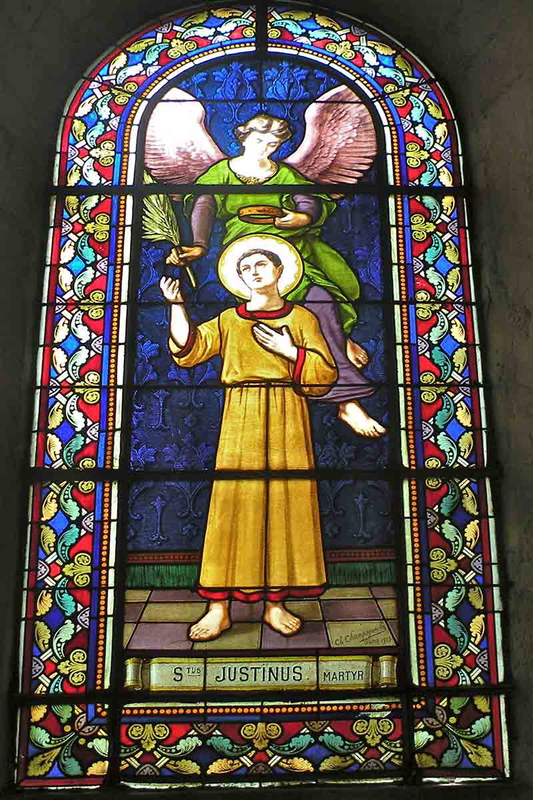
Justin was born in Flavia Neapolis, in modern-day Palestine, to a Greek/Roman family. While little is known of his upbringing, he encountered various schools of philosophy. He learned the rigors of stoicism, the Peripatetic School of Aristotle, and dabbled with the philosophy of Pythagoras, rejecting all for one reason or another. Justin had settled on Platonism, as he believed it provided a more practical path to God. He later encountered a Christian on a seaside walk who explained to him that the truth of God was more found through the prophets rather than philosophers. In Justin’s Dialogue with Trypho, he writes:
“For they did not use demonstration in their treatises, seeing that they were witnesses to the truth above all demonstration, and worthy of belief; and those events which have happened, and those which are happening, compel you to assent to the utterances made by them, although, indeed, they were entitled to credit on account of the miracles which they performed, since they both glorified the Creator, the God and Father of all things, and proclaimed His Son, the Christ [sent] by Him.”
What Was Justin’s Philosophy?
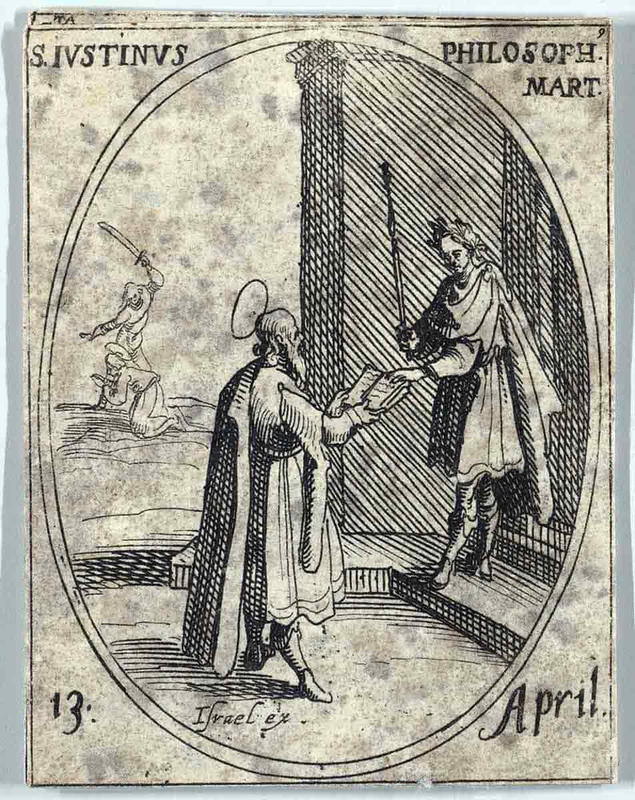
Rather than enter the priesthood, Justin became more of a freelance philosopher, eventually opening a school in Rome. He believed that, in Christianity, “[Justin] found this philosophy alone to be safe and profitable,” and began teaching Christianity as the true philosophy that all other truths pointed toward.
Justin viewed Christianity as both practical for living and true as philosophy at the same time, something that was not necessarily found in other philosophies. Christianity not only provided a reasonable way to God, but also a moral way for practical living. When Christianity came under attack, he wrote his First and Second Apology defending Christianity not only as being true philosophically, but also as Christians being good and sound citizens in the Roman Empire, and that they should not be condemned based upon their religion alone.
One of the great charges against Christians that Justin defended against was that the Romans considered Christians atheists, as they did not worship the Roman gods. Justin writes in his First Apology:
“So, then, we are called godless. We certainly confess that we are godless with reference to beings like these who are commonly thought of as gods, but not with reference to the most true God…”
What Happened to Justin Martyr?
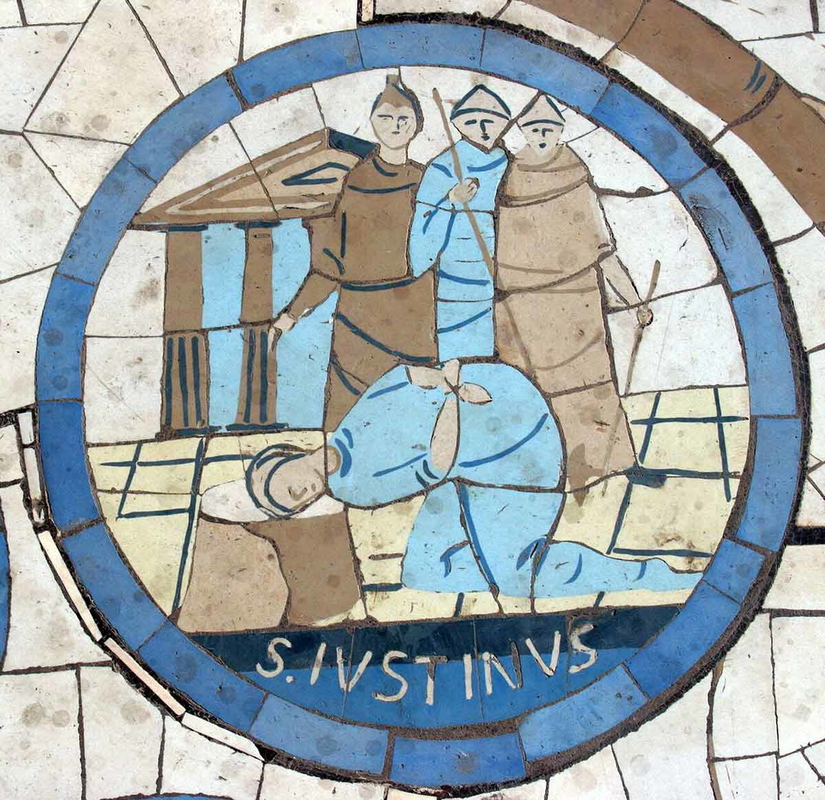
Despite his excellent defense of Christianity, Justin’s nickname of “martyr” was well-earned. The Martyrdom of Justin, dated around 165 AD, records that Justin and six of his students were arrested by the Roman prefect Junius Rusticus, possibly at the behest of the cynic philosopher Crescens, whom Justin had debated. Rusticus pushed Justin and his students to perform sacrifices to Roman gods, to which Justin replied:
“Through prayer we can be saved on account of our Lord Jesus Christ, even when we have been punished, because this shall become to us salvation and confidence at the more fearful and universal judgment-seat of our Lord and Savior.”
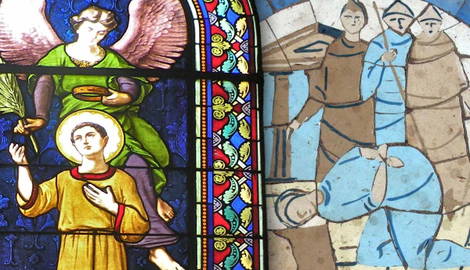
Justin and his students were then scourged and beheaded, and their bodies possibly secreted away by fellow believers.
Justin is now celebrated as one of the first apologists of the church, with some of his defenses of the faith still a part of the rationale behind Christianity.