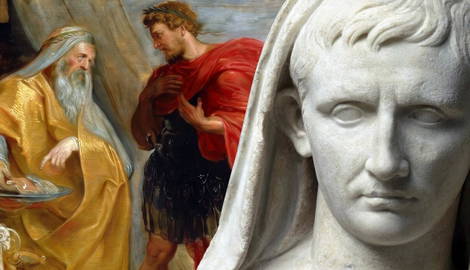

Since the earliest civilization, people have believed in the divine and its ability to influence events on Earth. Many also believed that the gods sent signs about their wishes, which manifested in the natural world and could be interpreted. They tracked the stars, read the entrails of animals, and put themselves in altered states to receive these messages. The Romans were no different, and if you asked one of them, they would probably tell you that they had perfected the art of divination. Their success proved as much. Divination was deeply integrated in Roman political life, with Rome’s leading men serving as magistrates, generals, and priests. Politics and religion overlapped, and divination would have a profound impact on politics.
Roman Divination
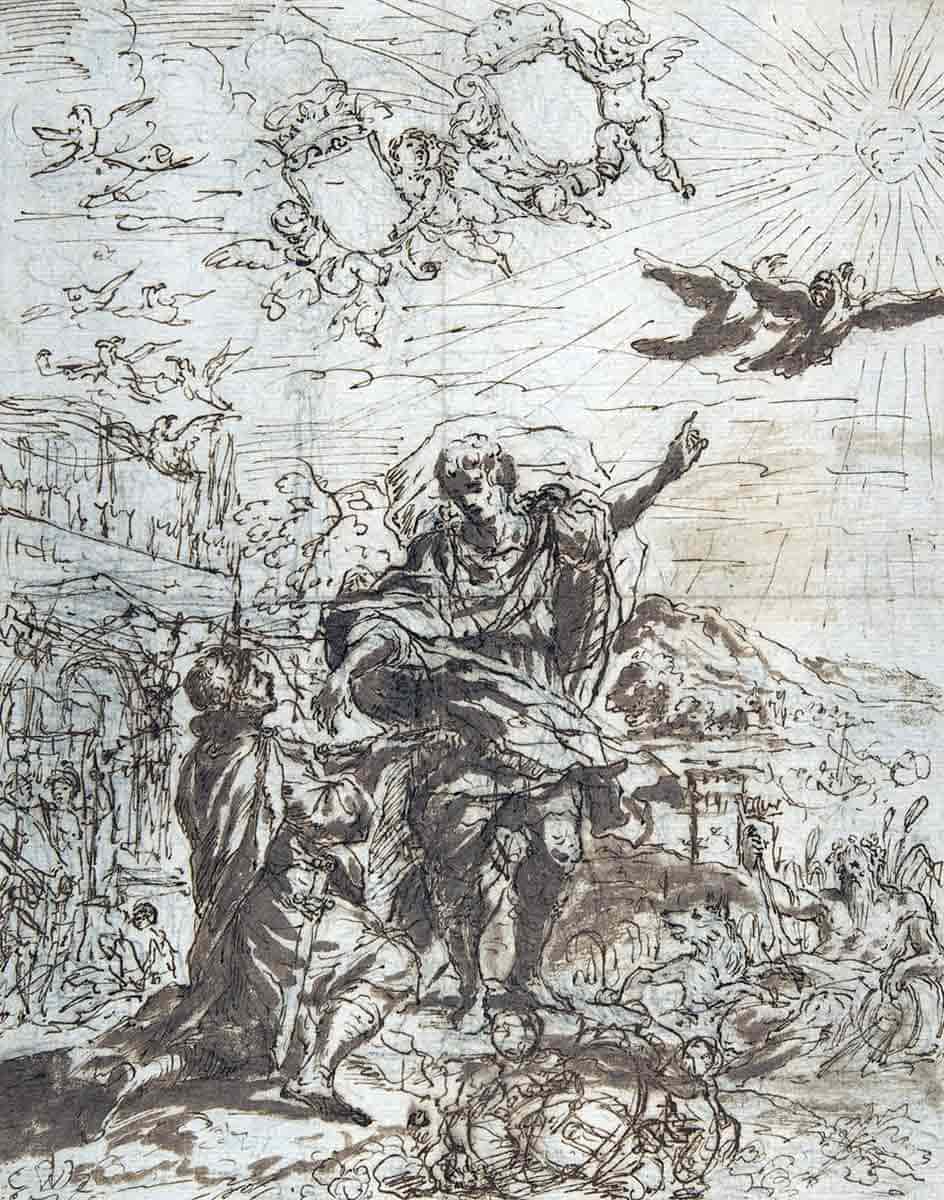
In Rome, every public or private action required ritual consultation of the gods. This tradition was as old as Romulus, credited with founding the city of Rome in 753 BC.
Cicero, a 1st century BC statesman and one of the few people in the Republic’s history to hold the title of Pater Patriae, Father of the Fatherland, said that Romans only excelled other peoples in one critical area. They were physically weaker than the Gauls, less cunning than the Carthaginians, less artistic than the Greeks, and less naturally acute than the other Italic peoples. But where the Romans were superior was in piety and the wisdom to know that all things are governed by the gods.
This was true of someone’s personal life, in which they would seek guidance for things such as marriages or to diagnose illness in crops, and extended to the governance of the state. Inaugurating magistrates, economic policy, and military decisions were all dependent on receiving favorable auspices.
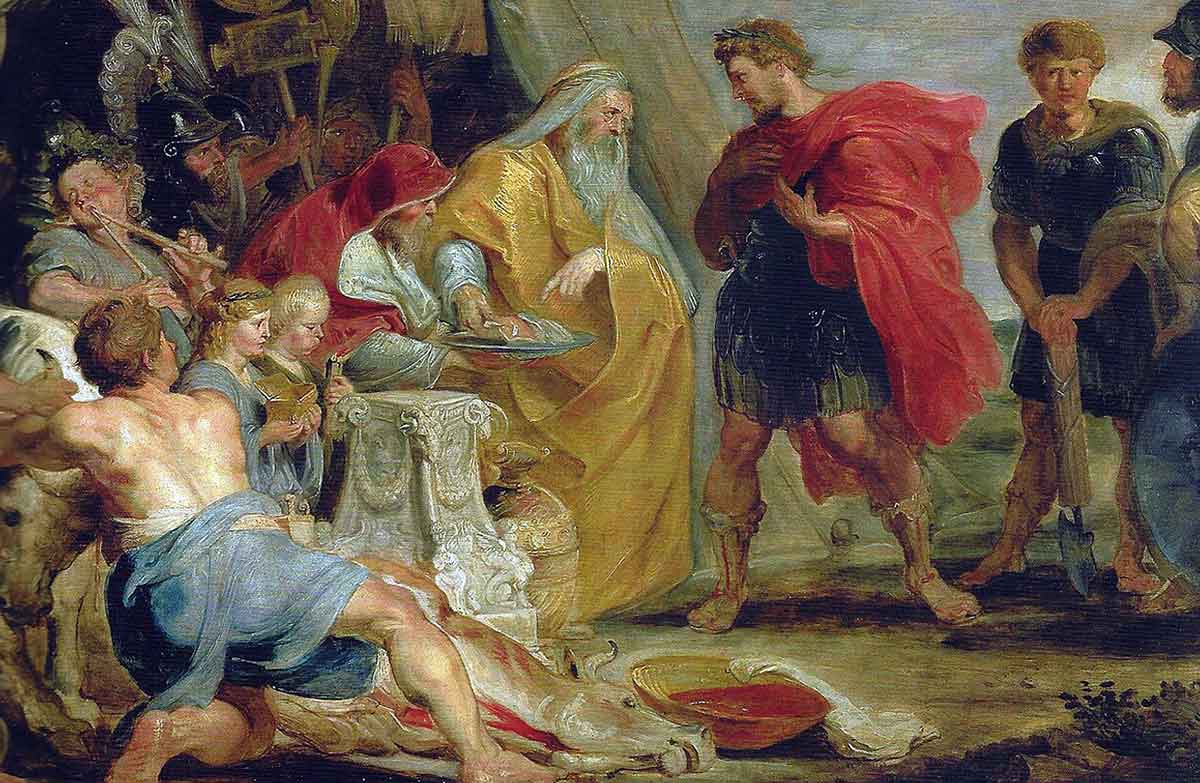
The Romans believed that divine messages were about oneself and their own affairs, provided they were the worthiest recipient of the message. This meant that the person best positioned to act on a message would be the one to whom it was addressed.
Omens were interpreted from the perspective of the viewer, so anything that reached the ears of the Senate, whether they experienced the omen personally or second-hand, was to be interpreted as a message regarding the state, not the individual. This can be seen in passages from Livy when describing the hermaphrodite births among the Sabines or the two-headed boy from Veii. These omens were likely interpreted by the affected families as being addressed to them, yet once the Senate heard of them, they were messages for the Republic.
What Are Signs?
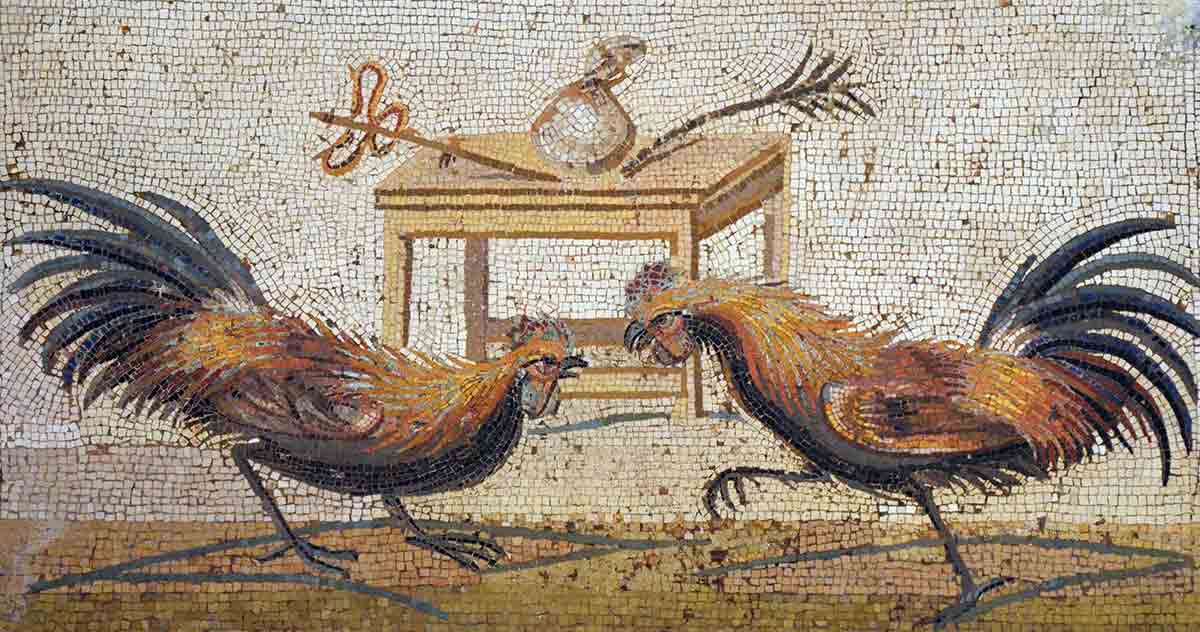
Signs from the gods were messages of their approval or warnings about the future. They varied widely in form, from flashes of lightning to the flight of birds, to whether or not sacred chickens ate their grain.
Generally, they were divided into two groups: auspices and omens. Auspices were requested signs seeking the gods’ approval for an action about to be undertaken. They made no judgments on the merits of the action, only whether or not it can be performed on a specific day. Omens were unsolicited signs, generally showing the gods’ disapproval and foretelling disaster. Omens could also be a natural disaster, such as an earthquake or a plague, which served as expressions of divine anger.
The difference between auspices and omens can be seen in a passage from Valerius Maximus. When Tiberius Gracchus was intensifying his reforms, he took the auspices in the morning, and they were unfavorable, but he carried on anyway. As he left his house, he stubbed his foot hard enough to break a toe, and later three crows cawed when they saw him and dropped a piece of tile in front of him. He ignored these signs and was killed by a violent mob.
How Were Signs Interpreted?
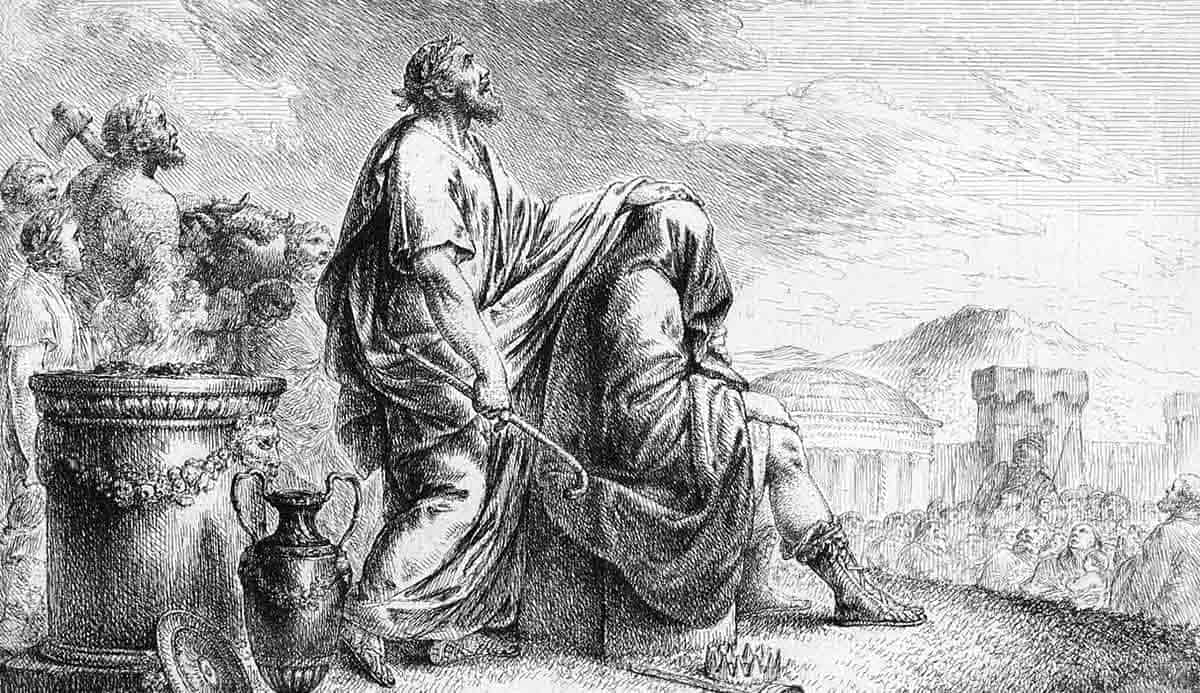
There were several positions in the Roman government dedicated to interpreting signs from the gods. The most important office was that of augur. They were part of all public proceedings and made sure that the signs from the gods were favorable for whatever action was about to be undertaken. They also provided remedies in case the signs were unfavorable. It was not uncommon that state festivals were repeated because the augurs received unfavorable signs. This gave them an enormous amount of political power, which could be used to obstruct certain proposals or elections.
A common practice was observing the flight of birds. The flight direction, species of bird, and their cries were all factors in the interpretation. The person who was seeking auspices from the gods would choose a location and designate an area in the sky where they would watch for signs. For the state, this was presided over by an augur. The augur would then provide a prayer and ask the gods to provide signs.
Augurs were also present during comitia and senate meetings, keeping watch on the sky for ill omens. These could be the flight of birds, but also the species or the sounds. They also listened for lightning, and if they interpreted any of these signs to be inauspicious, they could call an end to the meeting.
Augurs weren’t the only magistrates empowered to take the auspices. Each magistrate could conduct auspices on their own, but if the outcome proved negative, the Senate could reverse the action by claiming that they did not take the auspices properly.
Pax Deorum
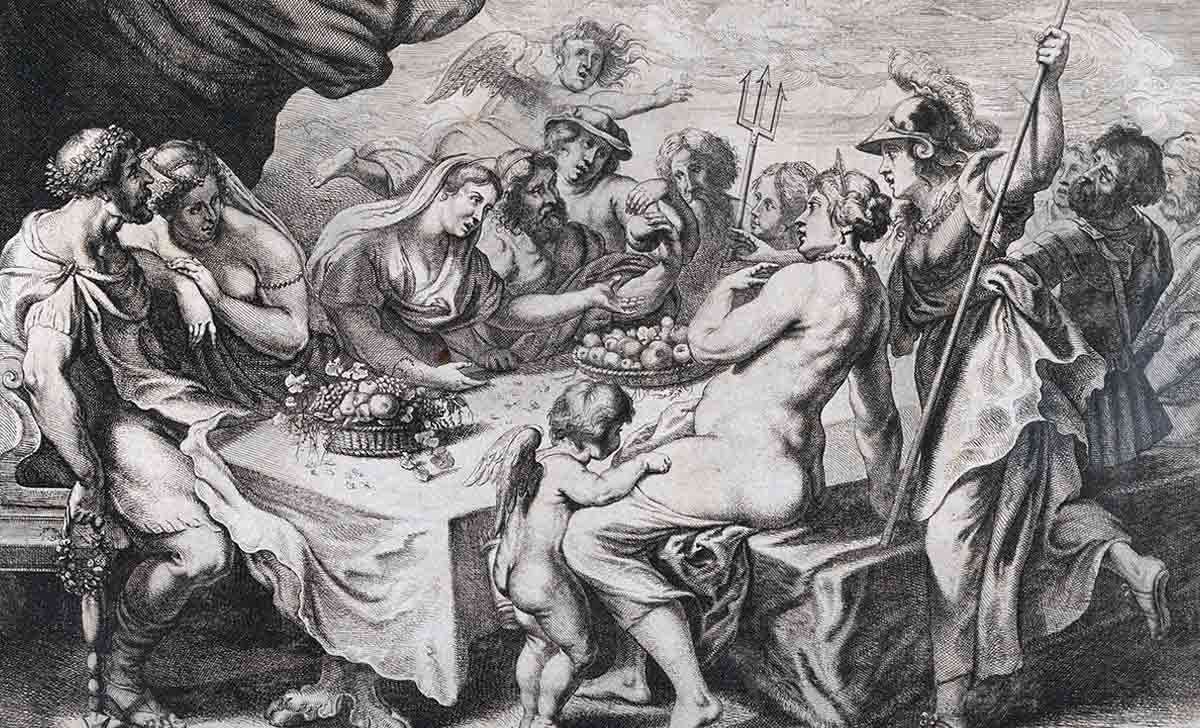
Roughly translated to “peace with the gods,” pax deorum was an important part of Roman life. It was the positive relationship the Romans had with the gods, and anything that disrupted it invited ira deorum, “anger of the gods.” The pax deorum was sought from every ritual, from every priestly magistracy. It was not a constant state, and it was fleeting. Obtaining pax deorum through proper rites helped to avert disaster and obtain success. This was why generals sought pax deorum before battle.
Livy provides some examples of the consequences of acquiring it or not. In 390 BC, the consular tribune Sulpicius engaged the Gauls despite not receiving good auspices, which resulted in a devastating loss for the Romans. This is contrasted by the Roman dictator Cornelius Cossus, who, in 459 BC, marshaled the Roman people against the Volsci. After receiving good auspices, he engaged the enemy and was victorious.
Obstructionist Omens
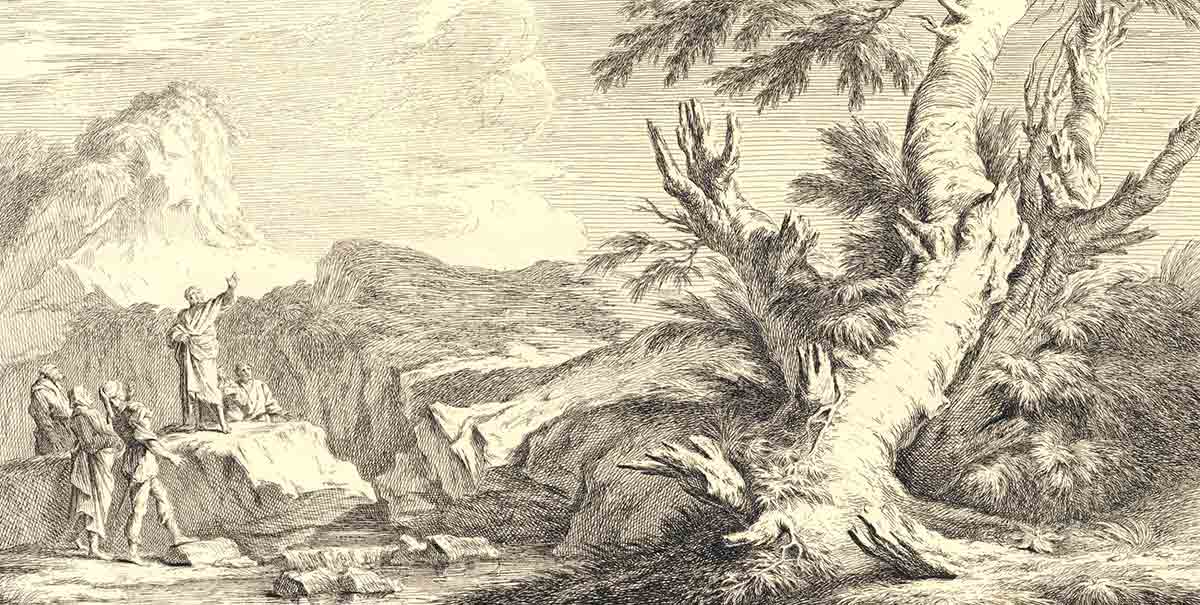
By the late 1st century BC, religious rites for the election of magistrates were still conducted, but auspices were not observed. The ritual was alive in form only, and the office of augur had become more of a political position than a religious one. Rivals could claim unfavorable auspices against each other to undermine or even expel one from their magistracy. They would also delay proceedings indefinitely. Similar to the filibuster in the United States today, Romans need not even see negative signs; they merely needed to claim that they would be “watching the skies.”
This is best exemplified by the rivalry between Julius Caesar and Calpurnius Bibulus. They were co-consuls in 59 BC, and Caesar was trying to pass land redistribution laws that were popular among the public but not with the senate. As a way to obstruct Caesar, Bibulus cited poor auspices to adjourn assemblies and postpone votes. This didn’t stop Caesar, however, and Bibulus was eventually sidelined from public affairs. Nevertheless, the tactic inspired Cicero to sarcastically call Bibulus: “he who by delays alone restored our state.”
Signs of Divine Favor
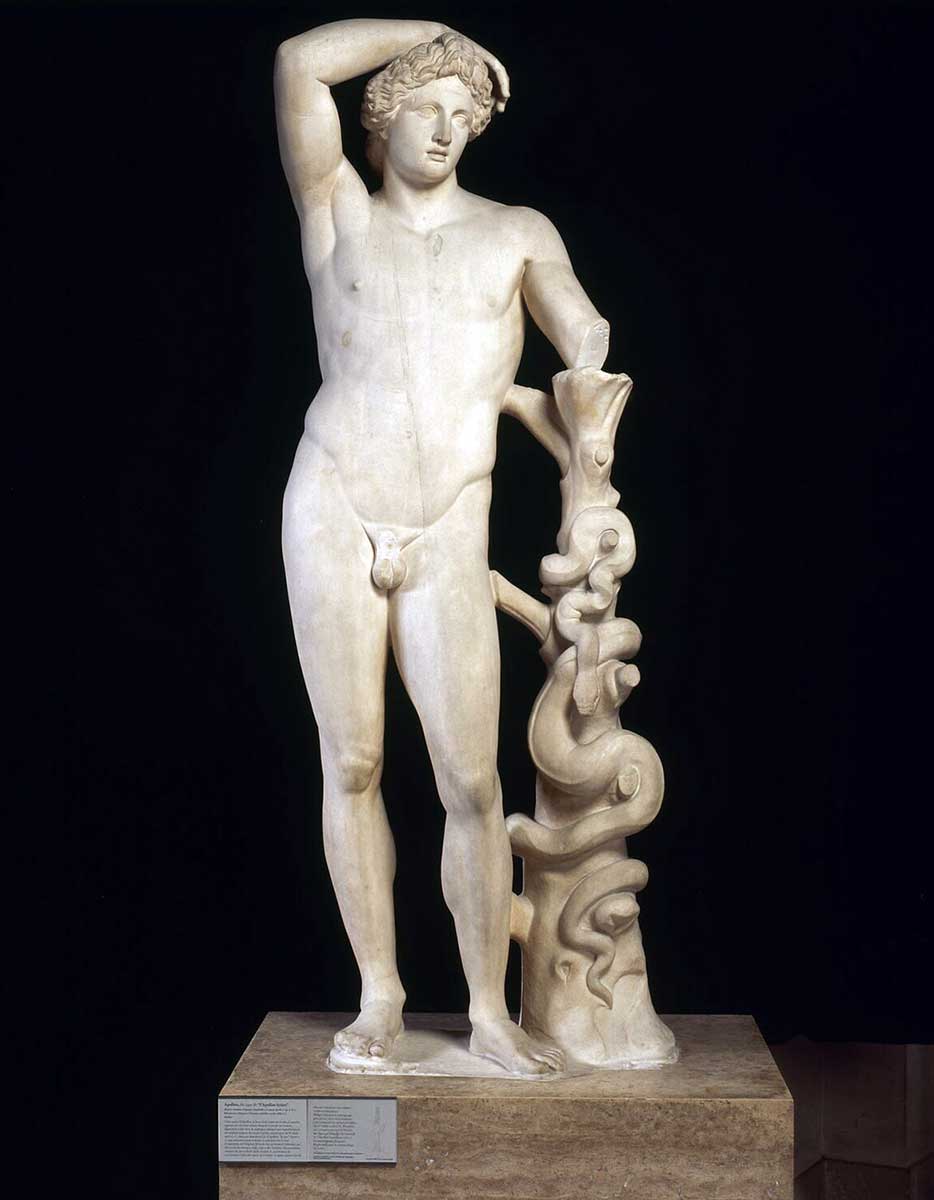
Given the Romans’ belief that the gods provided clear signs about their will and that messages were meant for those with the most power to affect the outcome, political leaders who were legitimately approved by the gods should be successful in their endeavors. This gave them the appearance of being foresighted, and their success was itself proof of their divine approval. Prominent Romans would eventually come to use this perception to portray themselves as under the patronage of a god.
By the late Republic, many leaders had begun claiming divine favor. Figures like Sulla, Julius Caesar, Octavian, and Mark Antony. Nowhere is this better attested than with the career of Octavian. Good omens seemed to follow him from birth. From as early as the 30s BC, there were reports that he was the son of Apollo. According to Suetonius, Caesar made Octavian his heir because of an omen he had witnessed of a tree spontaneously growing from sapling to maturity within a few days. Reports on Octavian’s entry into Rome in 44 BC claimed that his head was surrounded by a halo. All these signs, among others, lent authority and legitimacy to Octavian’s political power, and that same power was proof of his divine favor.
Reconfiguration of Auspices Under Augustus
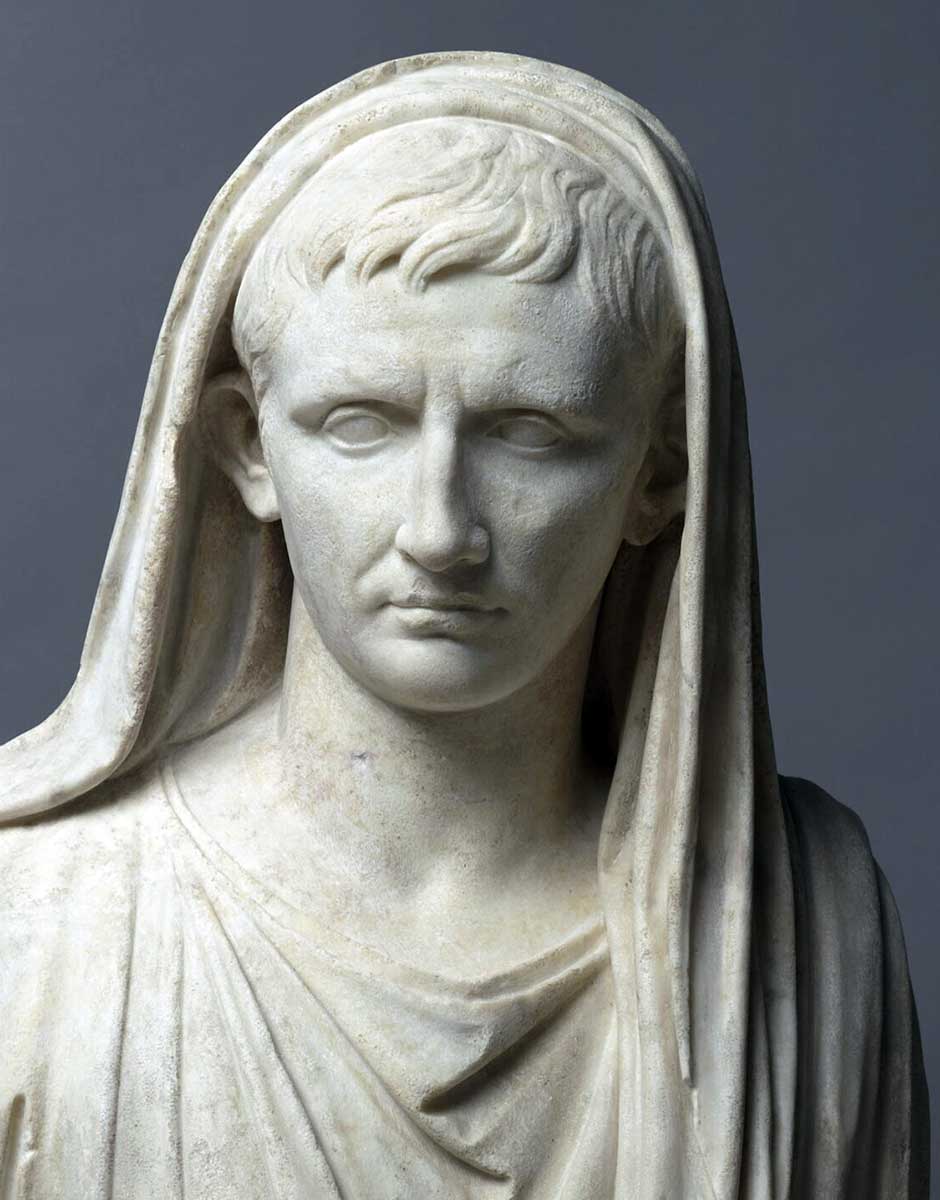
Under Octavian, certain priesthoods were reestablished, and temples were restored. One of his most symbolically charged acts was the closing of the Gates of Janus, a ritual that signified the absence of external war and the restoration of peace. This framed Octavian as the restorer of the pax deorum and, in the mind of the Romans, made him the one through whom the gods would communicate with the Romans.
With his assumption of the title of Augustus, he positioned himself as the natural addressee of all divine messages concerning the state. In Augustus’ Res Gestae, which acts as an autobiography of all of his achievements, he often noted that victories occurred under his auspices, demonstrating that he acted in accordance with the will of the gods. Augustus’ influence was not based on any power granted to him by the state, but by the cumulative weight of his achievements. His very success proved that he was an arbiter of divine will and the one who was most suited to interpret signs from the gods.
Sources
- Bailey, C. (1932). “Chapter V The Gods: Institutional Religion—The State-Cult,” Phases in the Religion of Ancient Rome (1st ed., Vol. 10, pp. 144–176). University of California Press.
- Kearsley, R. (2009). “Octavian and Augury: The Years 30-27 B.C.” The Classical Quarterly, 59(1), 147–166.
- Lebovitz, A. (2015). “Obstruction and Emergency in Late Republican Rome,” History of Political Thought, 36(3), 419–451.
- Ripat, P. (2006). “Roman Omens, Roman Audiences, and Roman History,” Greece & Rome, 53(2), 155–174.
- Satterfield, S. (2015). “Prodigies, The Pax Deum, and The Ira Deum,” The Classical Journal, 110(4), 431–445.
- Szemler, G. J. (1971). “Religion, Priesthoods and Magistracies in the Roman Republic,” Numen, 18(2), 103–131.
- Taylor, R. (2000). “Watching the Skies: Janus, Auspication, and the Shrine in the Roman Forum,” Memoirs of the American Academy in Rome, 45, 1–40.