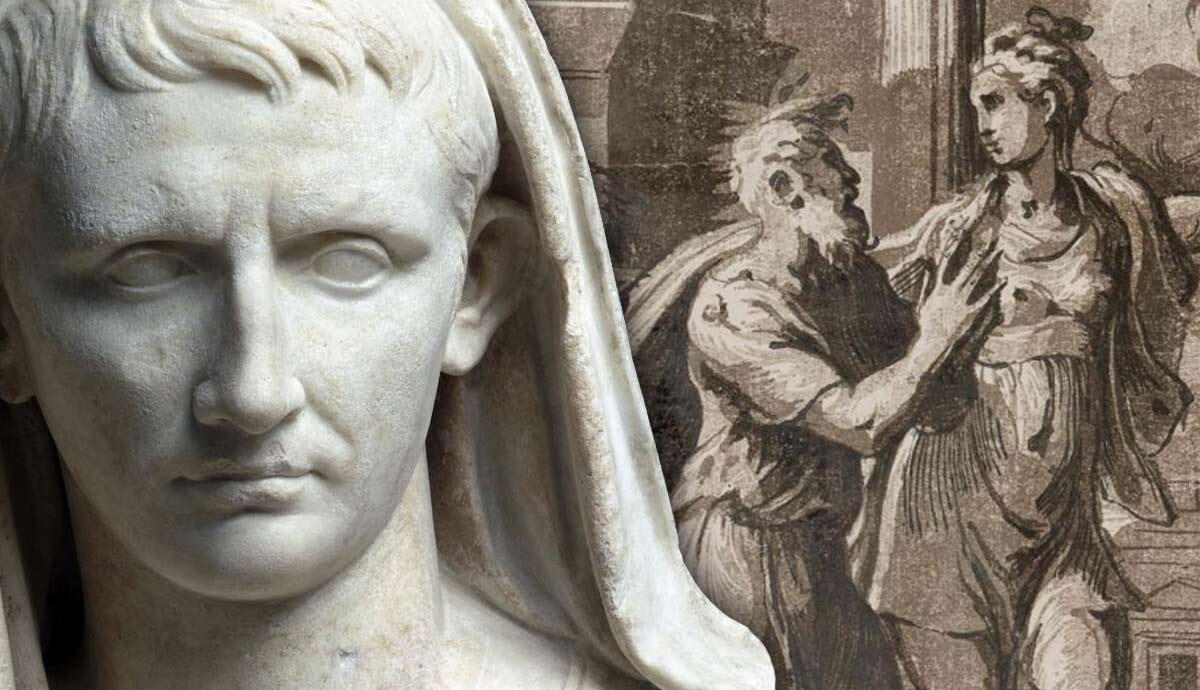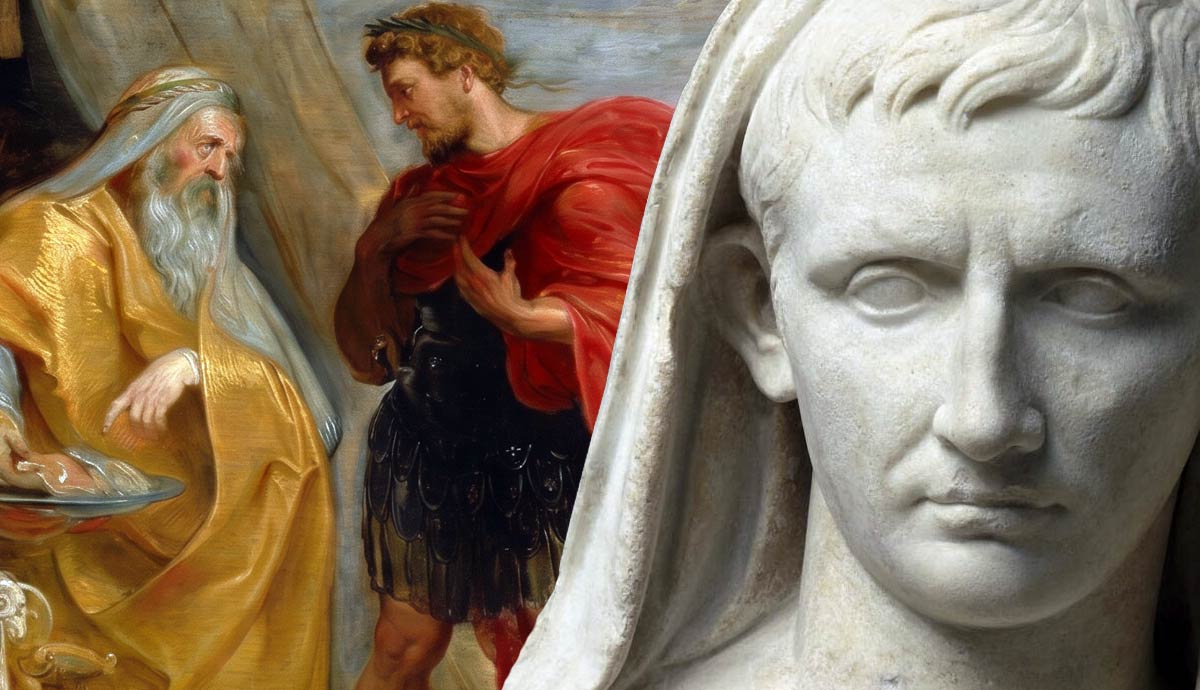

When lovers of Greek and Roman mythology hear the word “metamorphosis,” it almost certainly brings to mind the “Metamorphoses” of the Augustan poet Ovid. But he was not the only author to write on the subject of transformation in myth. A little-known Roman author named Antoninus Liberalis also wrote a “Metamorphoses,” in Greek, about two centuries later. While he is less adept at delivering poetic language and engrossing narrative, his work preserves many stories that would otherwise be lost.
Who Was Antoninus Liberalis?
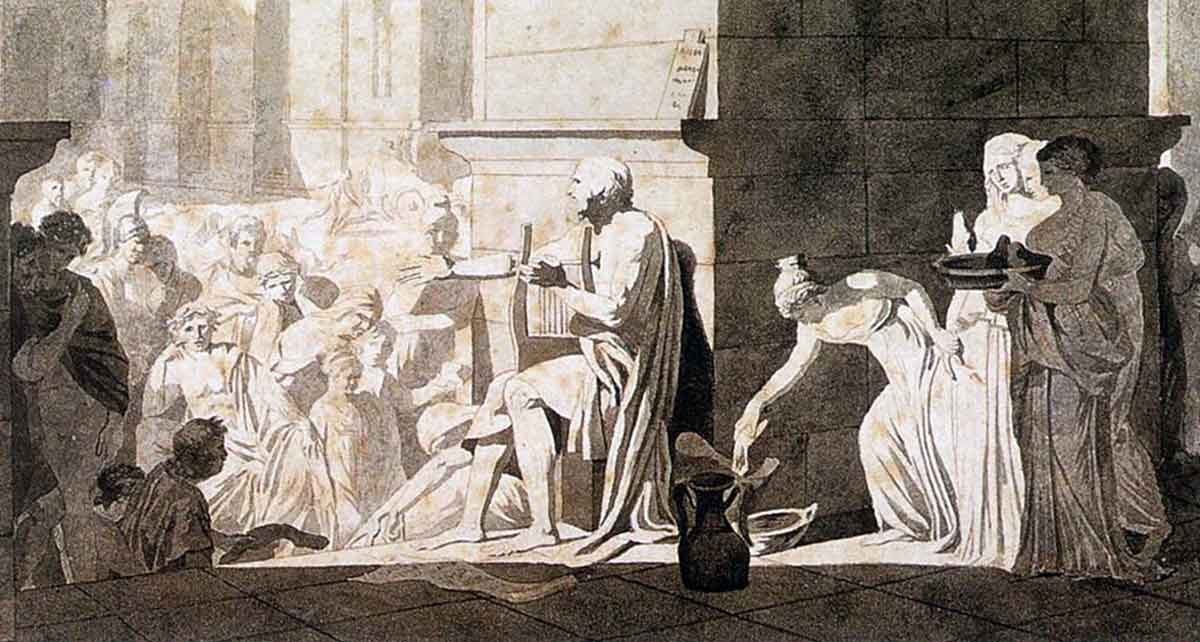
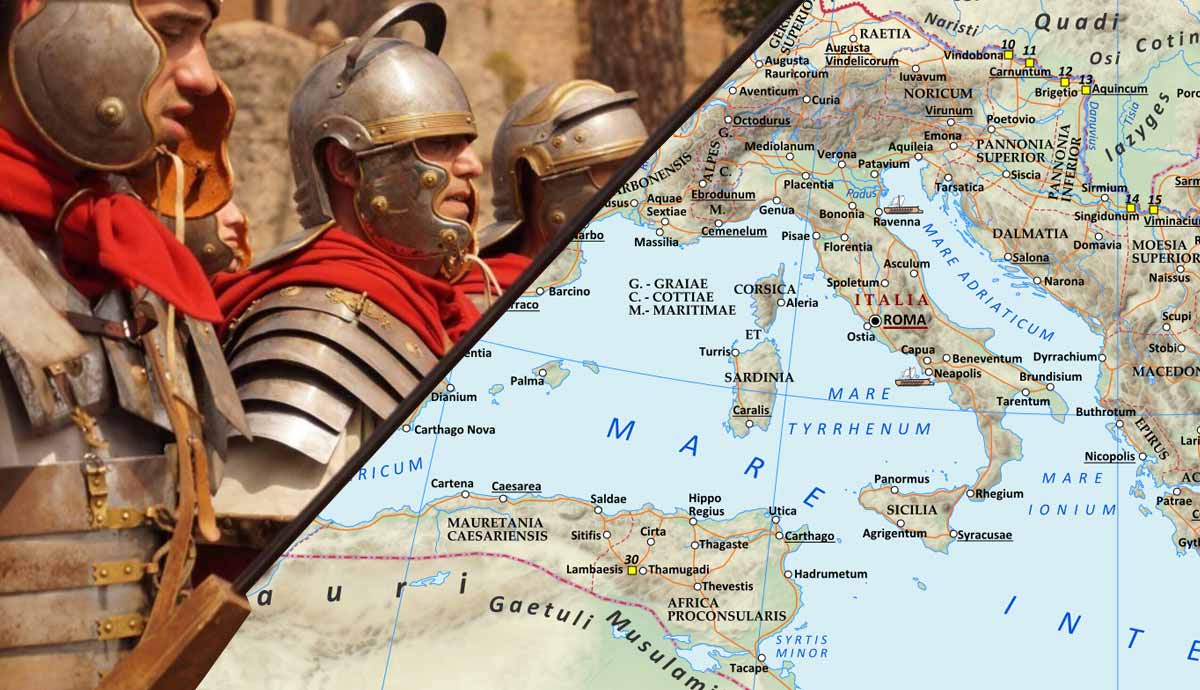
Unfortunately, not much is known about Antoninus Liberalis or his life. Most of what is known, or rather assumed, is inferred from the text of his writings. The name Antoninus suggests he comes from a Roman context, possibly under the Antonine or Severan emperors. This places him in the 2nd or 3rd century AD. It has also been suggested that, based on the combination of his names, he was a freed slave. Another clue as to when he lived comes from an analysis of his language. He uses many terms from the later Hellenistic period, sprinkled with some archaic terms that likely came from the ancient sources he had access to.
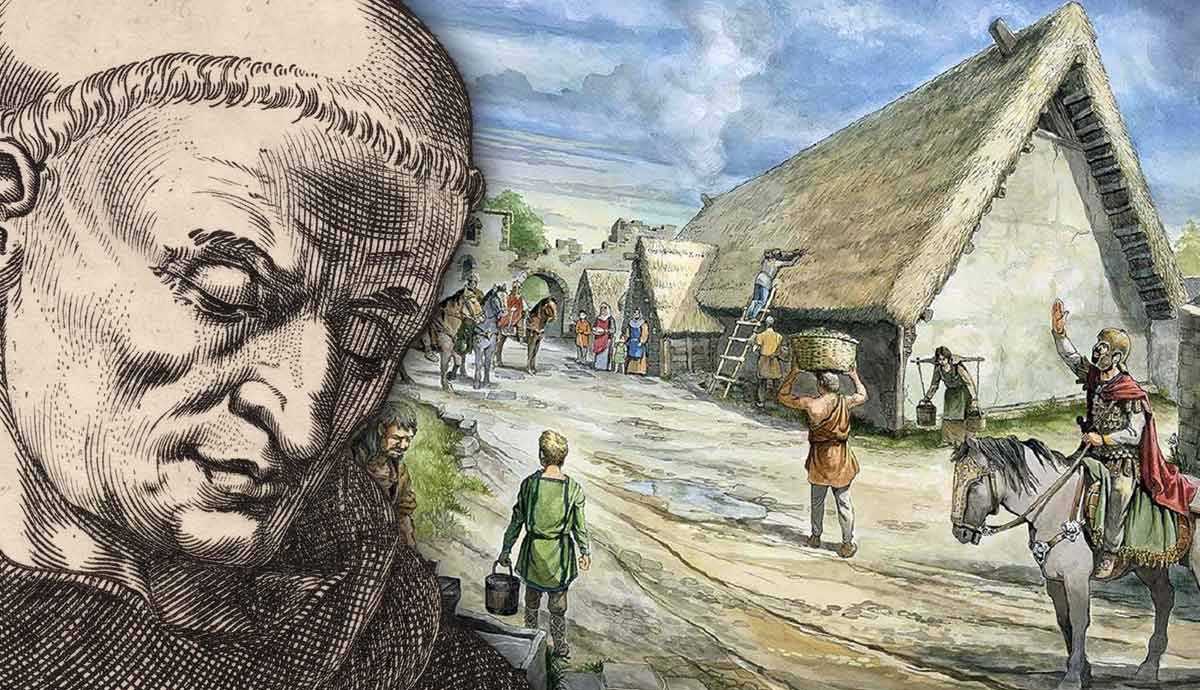
Antoninus Liberalis wrote in Greek, though it is unclear whether it was his first language. It is doubtful that he lived in Rome; he most likely came from a provincial town. He was apparently educated and a man of some means, given that he was literate and had access to mythographic sources.
However, his sources appear to have been limited. He makes ready use of authors such as Nicander and Apollonius of Rhodes, but evidently not of Homer, Aeschylus, Sophocles, or Euripides, literary giants who all wrote of transformations. This demonstrates that either he did not have the references or that he did not need them, though which is unknown.
As we can see, Antoninus Liberalis is somewhat of a question mark in the study of mythology, yet from this unknown author we have preserved several myths that otherwise would have been lost.
The Second Sophistic
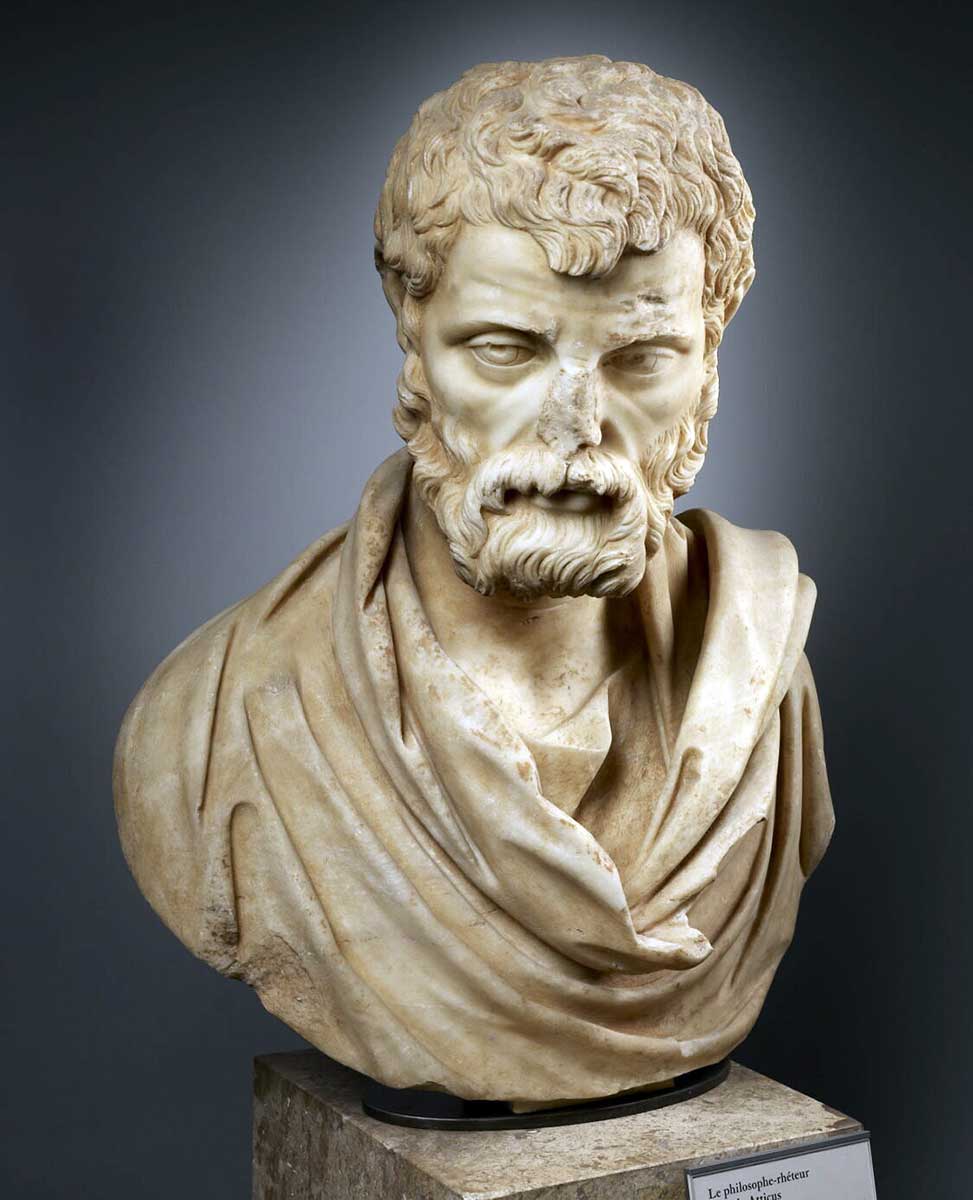
One way to try to unravel the mystery of Antoninus Liberalis is by understanding the context in which he lived. In the 2nd and early 3rd centuries AD, the Roman world was in the throes of a literary movement known as the Second Sophistic. The term was coined by Roman author Philostratus, who wrote “Lives of the Sophists” in the 3rd century AD. It was a resurgence of Greek rhetoric, which Philostratus connected with the sophistry of the Classical Period in the 5th and 4th centuries BC.
The sophists were professional orators who delivered speeches on a range of themes, from legal to political to philosophical. The stabilization of the Mediterranean after the creation of the Roman Empire allowed Greek intellectuals to travel abroad more reliably, diffusing their ideas and imparting their rhetorical skills. This time of stability also allowed them to look back on their illustrious past and grapple with the fact that they were now subject to a foreign power.
In this context, the Second Sophistic can be thought to have been an expression of Greek identity under imperial Roman rule. The Greeks were a highly competitive people, forever fighting among themselves for political dominance, athletic victories, and artistic renown. The political impotence of foreign domination had a deep impact on their perception of themselves, and as a reaction, they turned towards their past.
This was a way of both preserving and glorifying Greek identity; as such, myths were a common subject in the sophist’s repertoire. Though Antoninus Liberalis is not known to have been an orator, he still represents the movement’s effort towards cultural memory. From this, it has been suggested that Antoninus’ work may have been a memory aid or pedagogic tool for aspiring poets and orators; something to provide them with a wealth of material to practice their craft.
The Genre of Metamorphosis
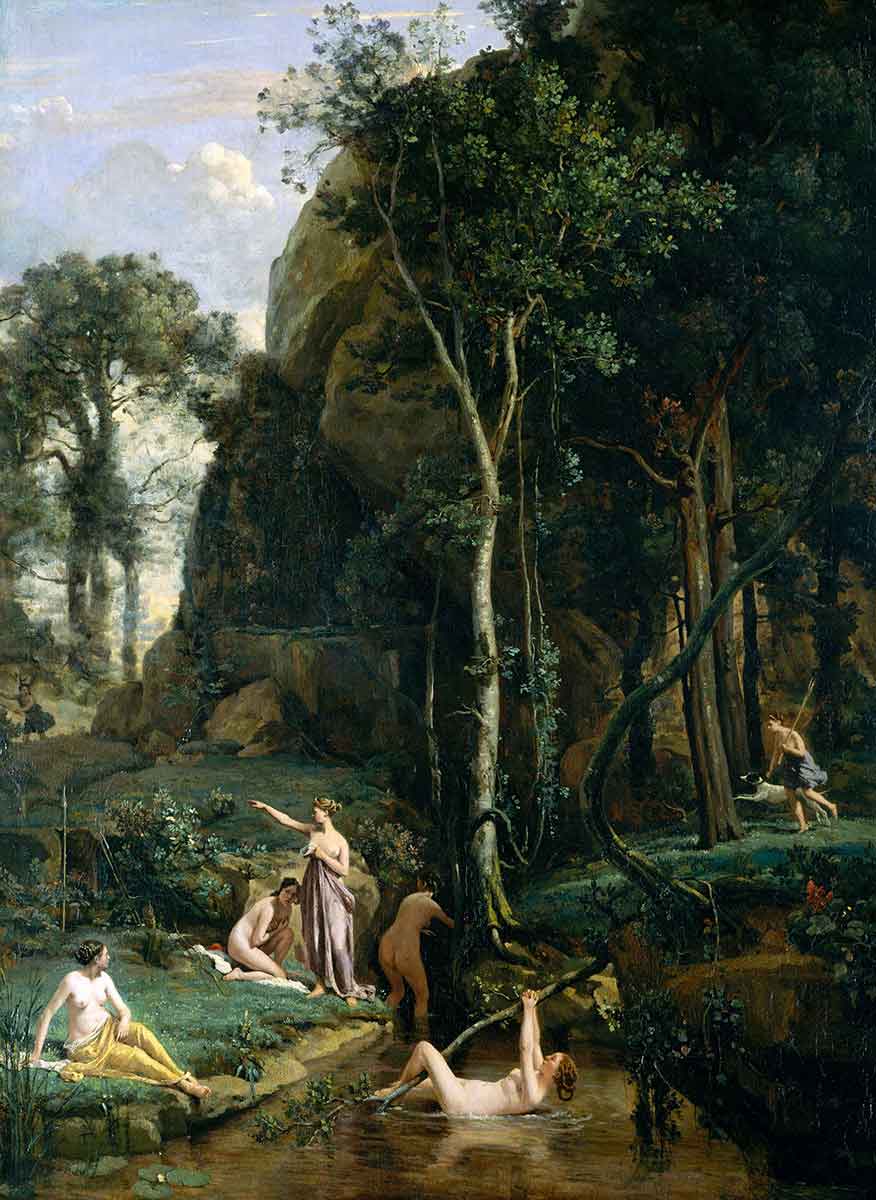
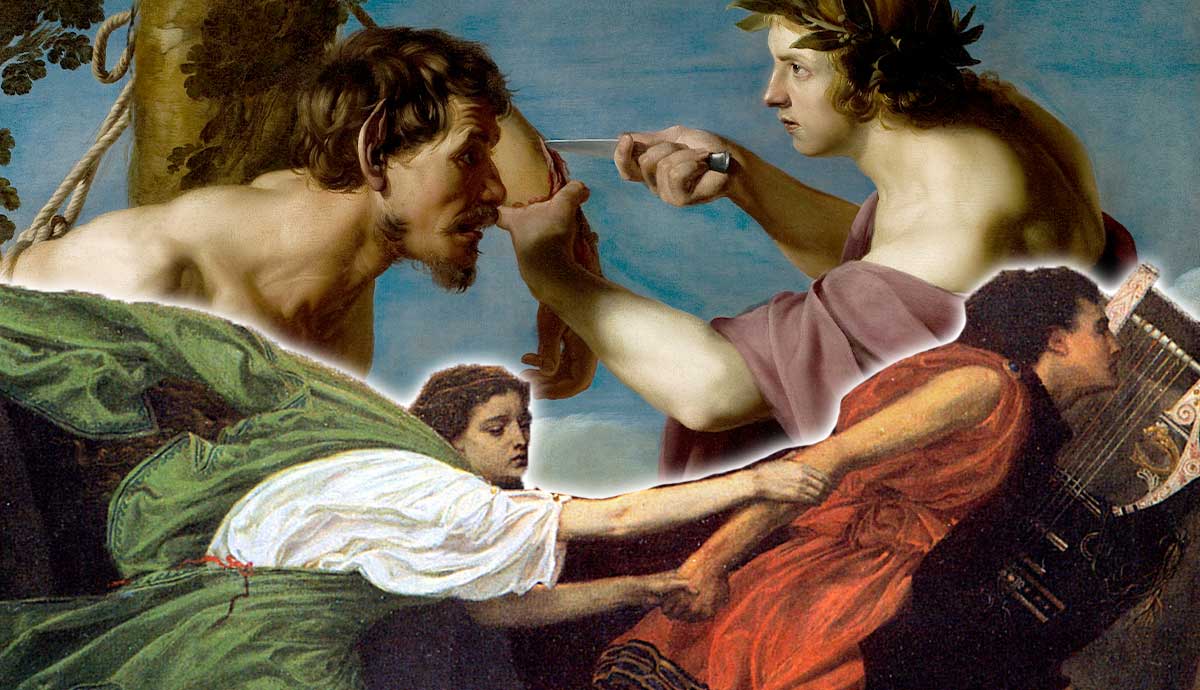
A metamorphosis is a story of physical transformation. They tell of gods, humans, animals, or objects that change their shape and become something else. This concept was not unique to the Greeks. People across cultures have always seen familiar shapes in nature and ascribed meaning to them. It seems a rather intuitive idea that a stone in the vague shape of a woman weeping must have once been a real person who was petrified in her moment of grief. After all, nature is full of transformations. The changing of seasons, a fox’s fur turning white in the winter, a caterpillar turning into a chrysalis, and emerging as a butterfly. The stories connect the lived world of the Greeks with the mythic.
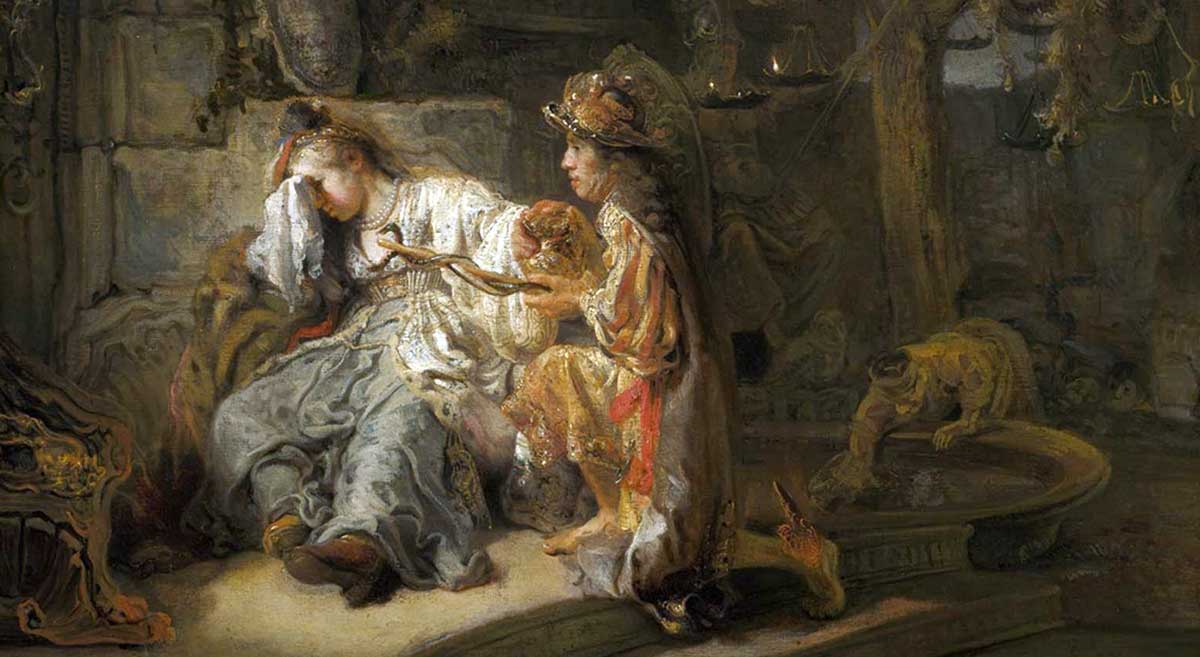
Metamorphoses in Greek myth are often thought of in terms of punishment for transgressions against some god, or as a reward for virtuous character. However, many metamorphoses can be more ambiguous and could be looked at as a compromise; a middle path between destruction and apotheosis.
From a literary perspective, a metamorphosis is the process by which a character’s greatest traits become externalized and immortalized. Take the story of Lycaon, the king of Arcadia, who tried to test Zeus’ divinity by feeding him the flesh of a prisoner and attempting to murder the god in his sleep. A furious Zeus destroyed the king’s home, and Lycaon, fleeing through the fields, was transformed into a wolf. His savage and violent nature was now on full display, and thereafter every wolf carried the story of Lycaon.
The Metamorphoses of Antoninus Liberalis
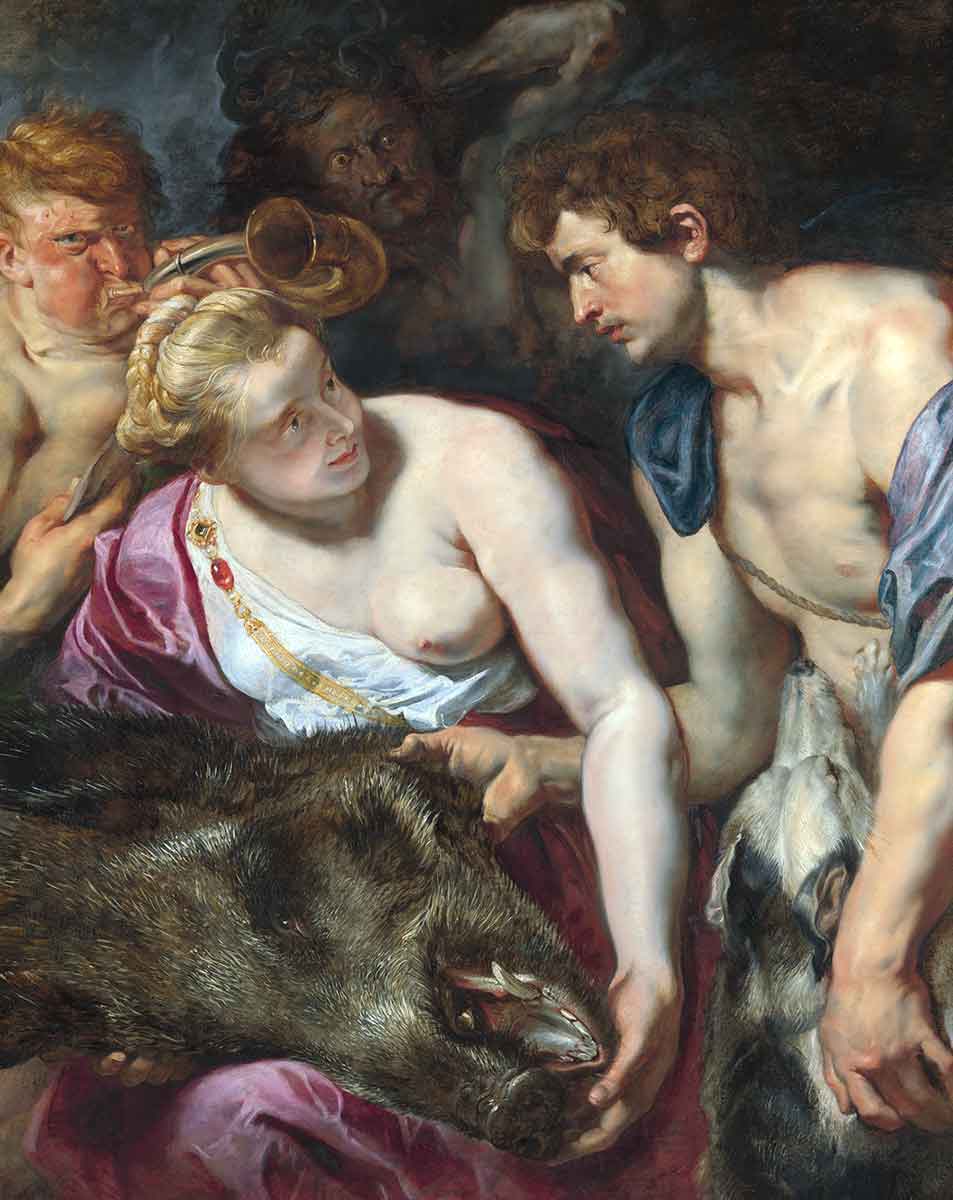
The “Metamorphoses” of Antoninus Liberalis is a collection of 41 stories of transformations, some of which are also told by Ovid in his work of the same name. It’s unclear how much, if any, creative liberties he took with his work, but the format of the collection points towards a compilation of stories rather than attempting a poetic retelling of them. The style is very matter-of-fact, and no narrative or chronology connects the stories. This has led to some criticisms of the value of his work, which, by its title, will necessarily be compared with that of Ovid. A number of his stories also appear in Ovid’s “Metamorphoses,” but it is unlikely that Antoninus used Ovid as a source. It is more likely that they both shared the same sources.
The manuscript we have of Antoninus’ “Metamorphoses” is a 9th-century AD text compiled by an unknown scholar in Constantinople. The copy of Antoninus’ work used to write the manuscript may itself have been just one copy in a series of copies leading all the way down to the 2nd century AD.
A feature of the manuscript is that it contains notes as to what sources were used for the story. More often than not, it was the Hellenistic author Nicander, who wrote his own compilation of metamorphoses. Whether the notes were written by Antoninus Liberalis himself or by other scholars and editors through the centuries is unknown. However, that is secondary to whether the notes are accurate. The notes suggest that Antoninus preserved the works of earlier Hellenistic authors.
Impact on Greek Mythology
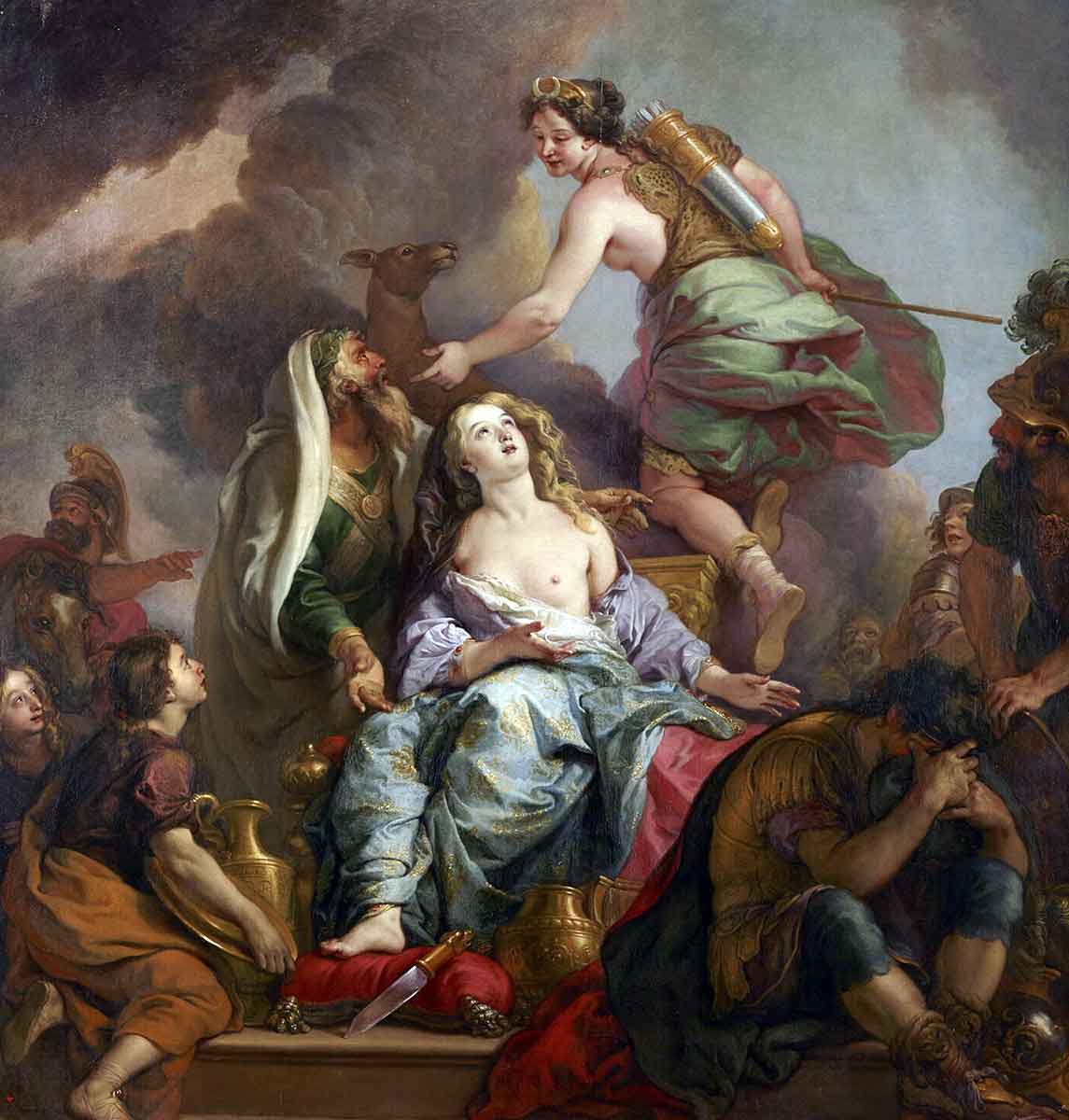
Antoninus Liberalis’ importance in Greek myth does not come from any poetic inventions or grand retellings, but from his preservation of myths that would otherwise be lost. As such, his impact is not literary or artistic; it is cultural. A number of the myths preserved in his Metamorphoses are not found anywhere else. He is a so-called “final witness” to lost Hellenistic works, and through him, we can reconstruct, at least partially, the content of those older authors.
He also offers variations on some better-known stories, such as the story of Iphigenia. Traditionally, she was the daughter of Agamemnon and Clytemnestra, but Antoninus tells us that she was the daughter of Theseus and Helen. So that Helen could pretend she was still a virgin when her brothers, Castor and Polydeuces, came to reclaim her from Theseus, Iphigenia was given to Clytemnestra, Helen’s sister, who fooled Agamemnon into thinking the child was his own. It describes her being sacrificed to Artemis at Aulis to enable the Greek armies to sail to Troy, but makes no mention of the promised marriage to Achilles that was used to trick her into coming out to her own execution. The story does, however, end with Iphigenia being transported to the Isle of the Blessed, where she’s turned into an immortal goddess and is the companion of Achilles.
The Value of Antoninus Liberalis’ Metamorphoses
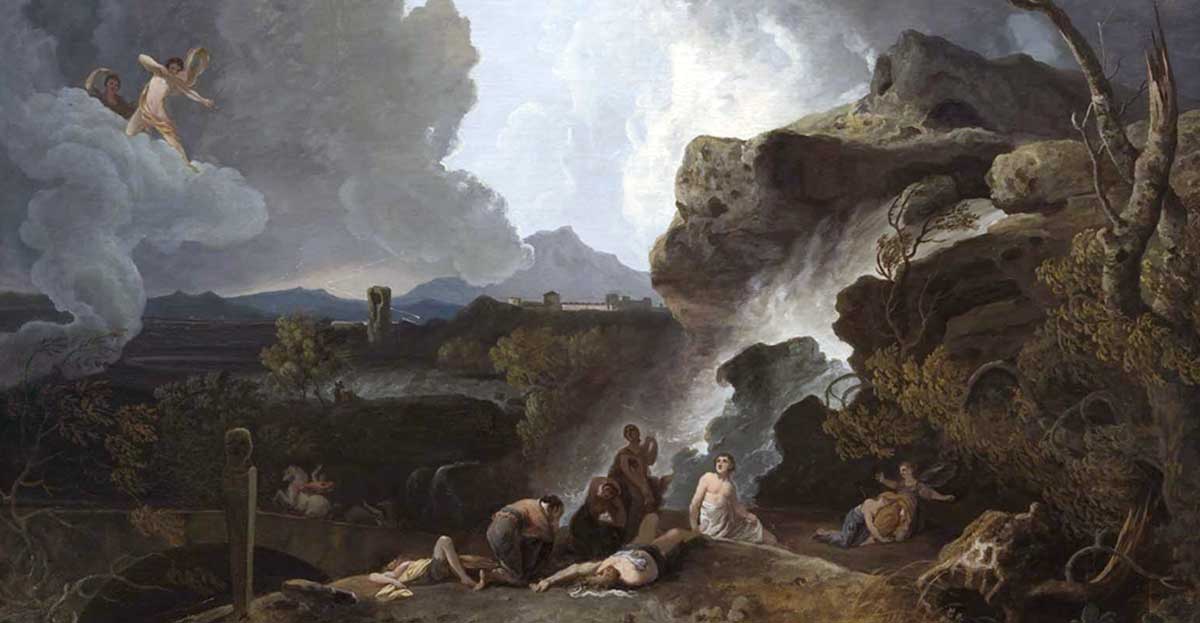
Antoninus Liberalis is a critical figure in our understanding of Greek myth, not because of his literary innovations, but because he preserves Hellenistic and local traditions that would have otherwise been lost. Writing within the context of the Second Sophistic, Antoninus reflects the Greek impulse to preserve traditional stories under imperial Roman rule. While his life is unknown, Antoninus’ contributions to Greek mythology and culture are on the level of such great names as Hyginus and Apollodorus.
Sources
- Bowie, E. L. (1970). “Greeks and Their Past in the Second Sophistic,” Past & Present, 46, 3–41.
- Feldherr, A. (2010). “Metamorphosis and Fiction,” Playing Gods: Ovid’s Metamorphoses and the Politics of Fiction (pp. 15–59).
- Forbes Irving, P. M. C. (1990). Metamorphosis in Greek Myths. Clarendon Press.
- Kennedy, G. A. (1994). “The Second Sophistic,” A New History of Classical Rhetoric (pp. 230–256). Princeton University Press.
- Liberalis, A. (2015). The Metamorphoses of Antoninus Liberalis (trans. F. Celoria). Routledge.
- Solodow, J. B. (1988). “Metamorphosis,” The World of Ovid’s Metamorphoses (pp. 157–202). University of North Carolina Press.