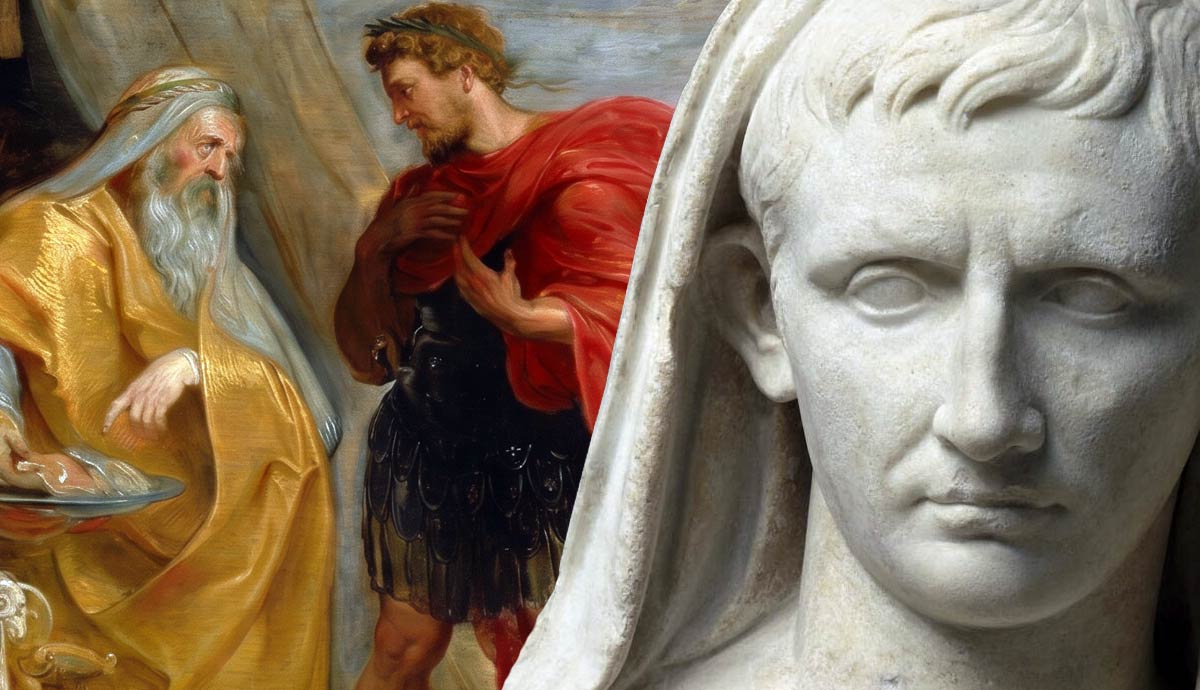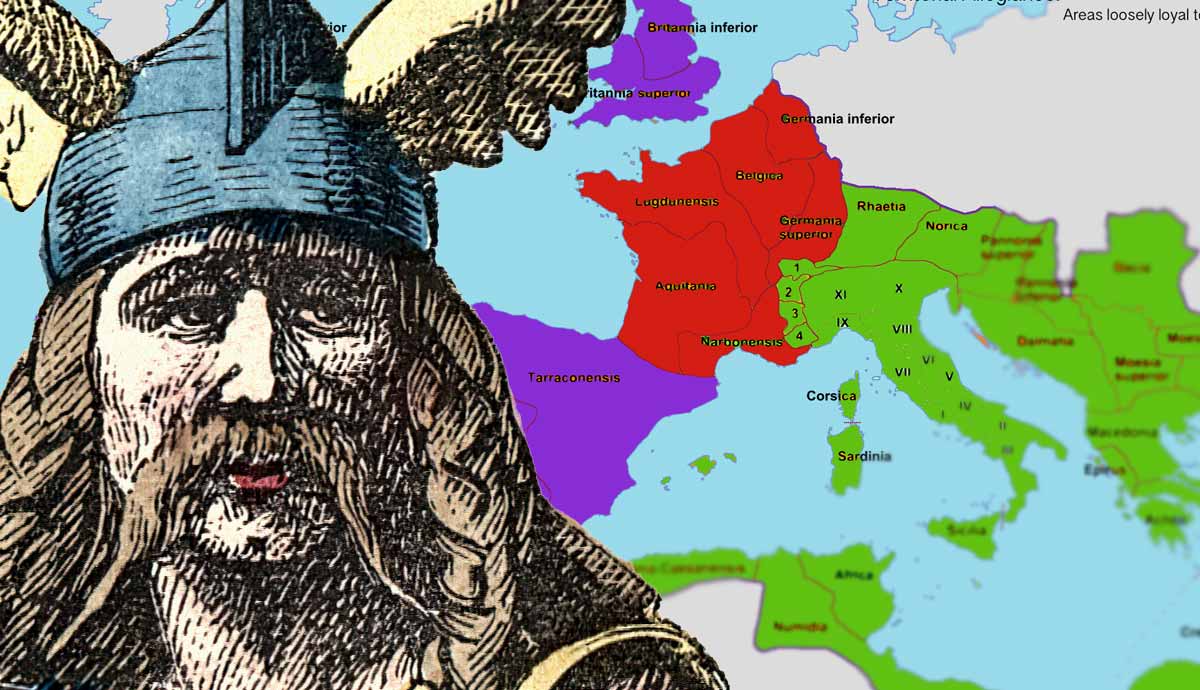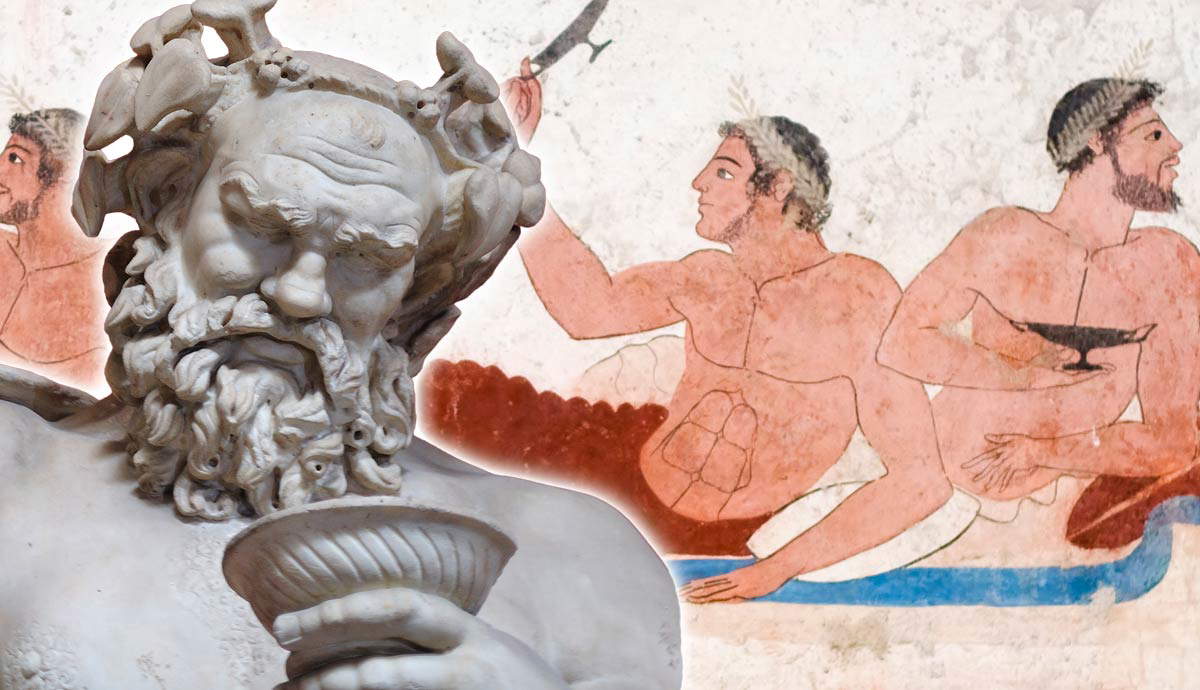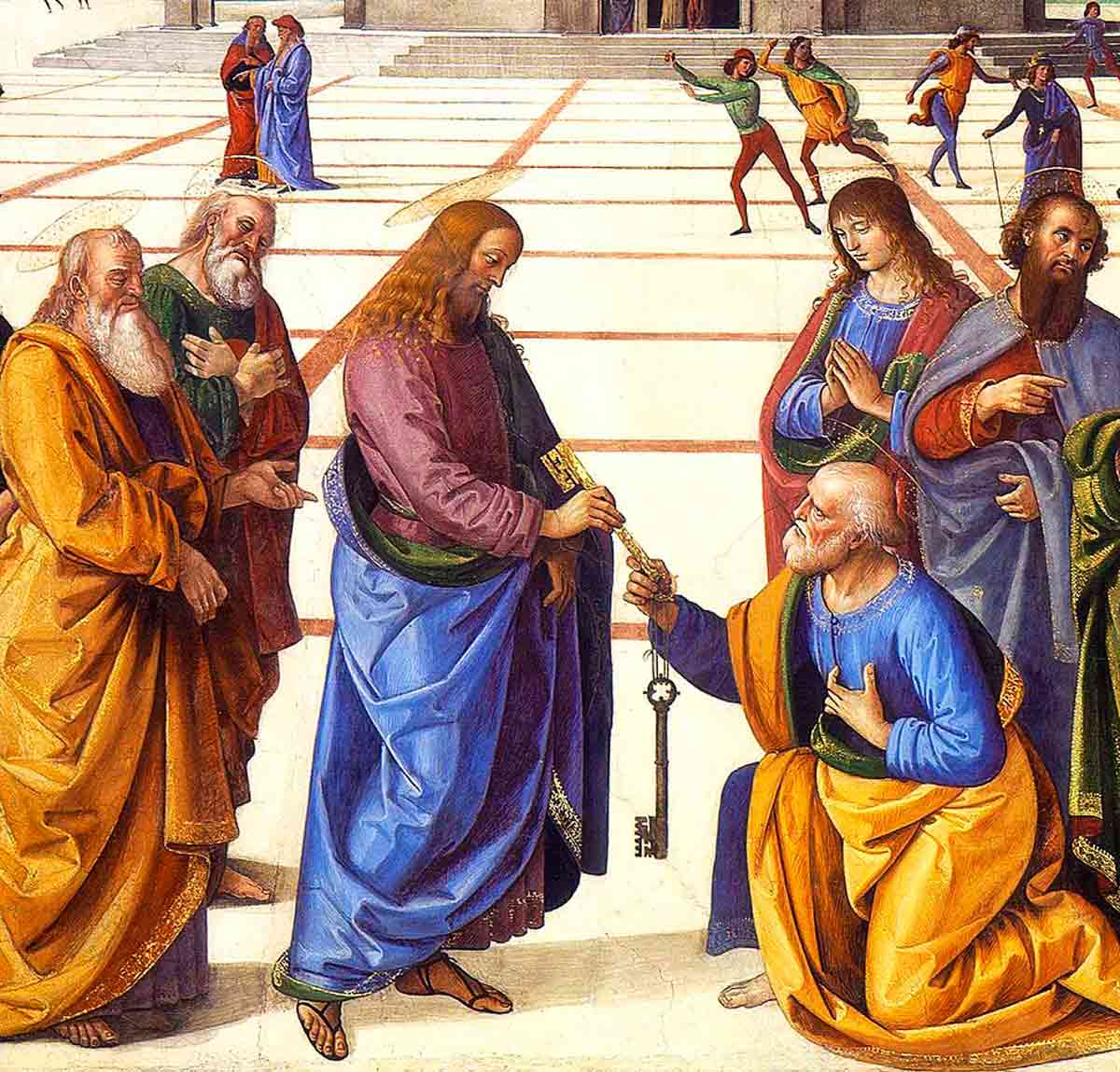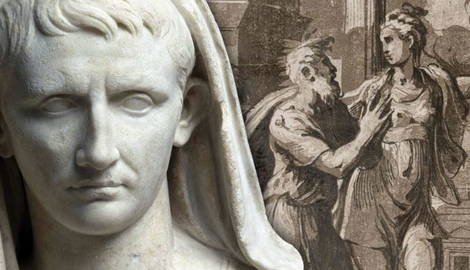

Rome was dotted with temples and sanctuaries to various gods, both local and foreign. How did the Romans manage their relationship with so many deities? Beyond individual piety, Roman state religion depended on creating a harmonious relationship with all the gods, even those they did not know about, called the pax deorum or peace with the gods. As a result, every aspect of Roman life needed to be religiously valid. This gave Rome’s priests significant authority over social practices and government functions. Meet the important priesthoods that managed Rome’s religious health.
Religion and Political Authority
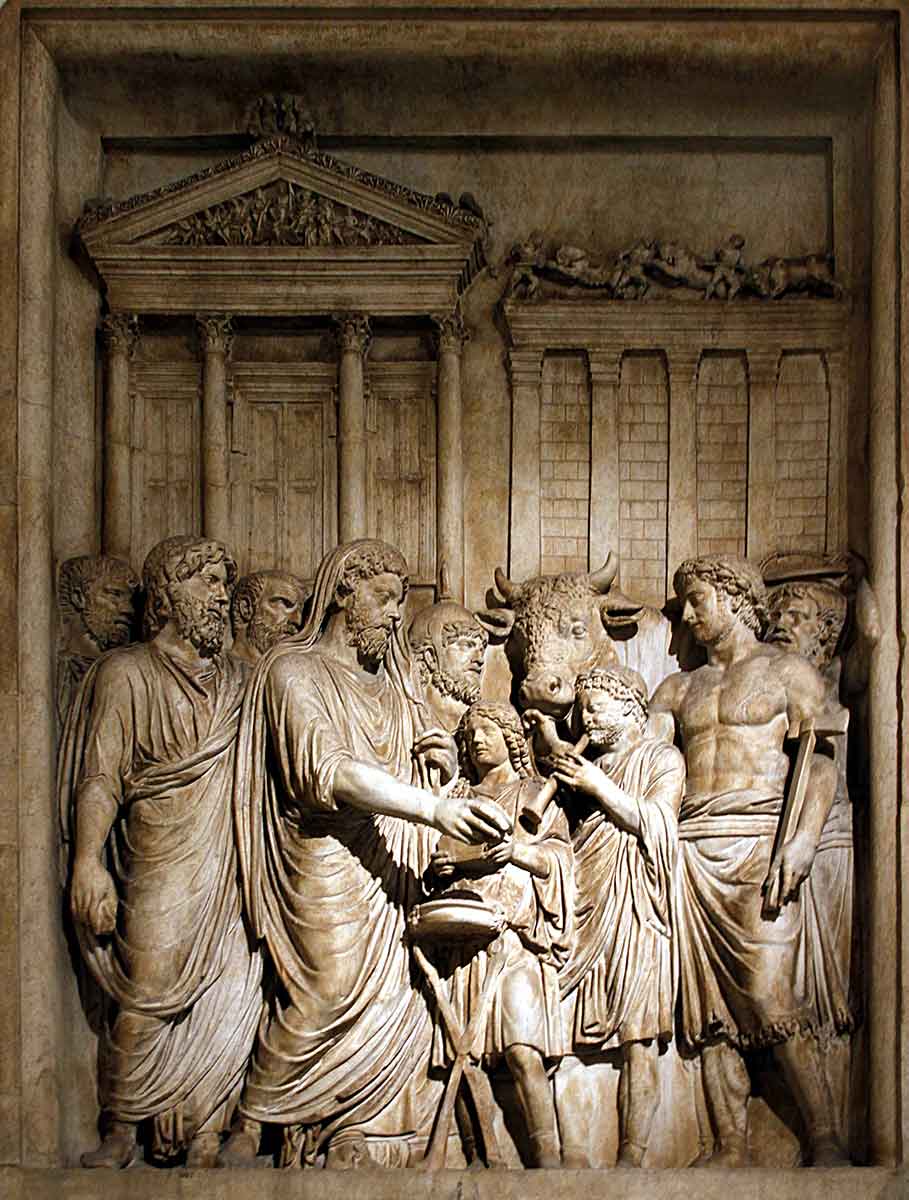
In Rome, priesthoods were not simply religious positions, but political ones. There was no division between church and state. Religion and ritual were essential parts of the government’s functioning, with the will of the gods considered as part of every political decision.
Most public priesthoods were held for life, and were only eligible to male citizens. For the majority of Rome’s history, the priesthoods were held by the upper-class families. Priesthoods were considered important tools for building a political career and moving up the cursus honorum. For example, Julius Caesar was made a pontiff in his early twenties (73 BC), which helped him rebuild his career after finding himself on the wrong side of Sulla’s political regime. He was eventually elected to the office of Rome’s chief priest, Pontifex Maximus (63 BC), a title still given to the Pope.
According to Cicero, this integration between state and religion was a strength. To him, by having the power of religion in the hands of senators and government officials, one maintained the other. Good governance ensured the proper functioning of religion, while pious adherence to religion ensured good governance. We can see from Cicero that religious authority was closely tied to political authority. By keeping the priesthoods within the control of the aristocracy, it legitimized their power over the state, and vice versa.
The Four Main Priestly Colleges
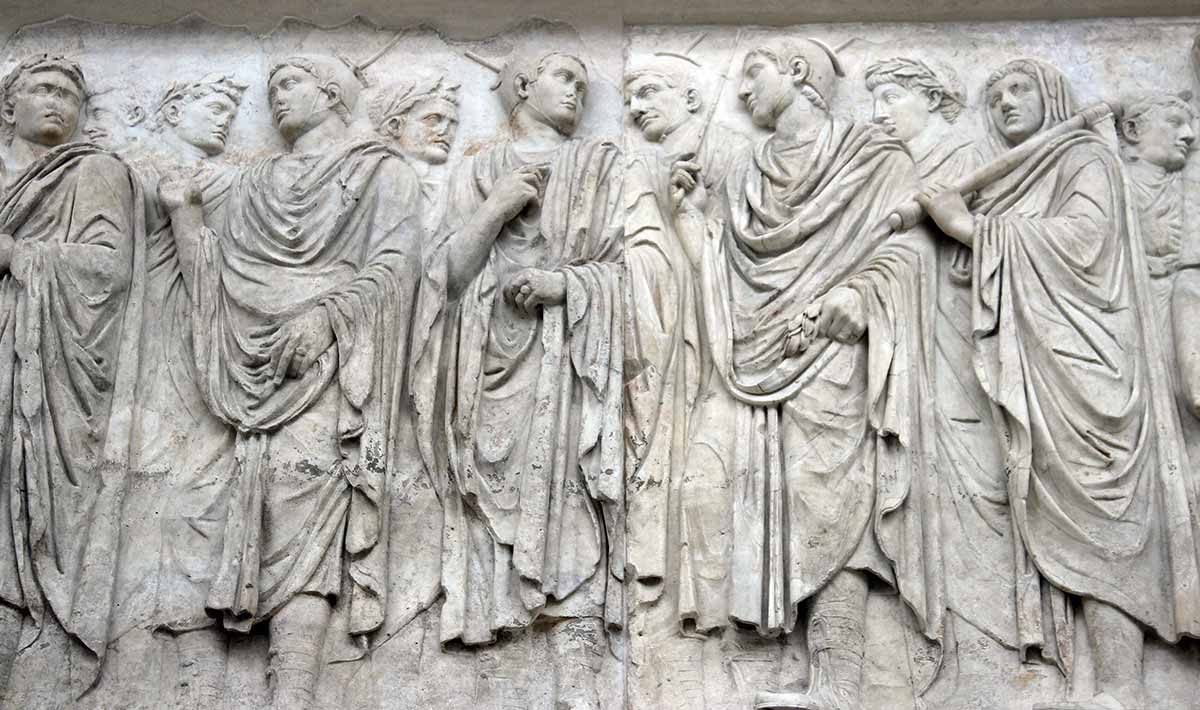
Despite what might be commonly assumed, most priests were not attached to any specific temples. There were exceptions, such as the special Flamen Dialis, who was specifically linked to Jupiter, and the Flamen Martialis of Mars. But the most important priesthoods were charged with performing more general rites for the health of the Roman state. Some were old rituals, believed to date back to the foundation of Rome, such as the festival of Lupercalia. Others were innovated to deal with new challenges and crises, such as the introduction of the cult of Cybele as Magna Mater to combat the threat posed by Hannibal.
The four main colleges of priests were the Pontiffs, Augurs, Quindecimvirs, and Epulones. Each was responsible for specific duties in the state religion. The Pontiffs oversaw that rituals were performed according to sacred law. The Augurs both requested and interpreted signs from the gods, ensuring that the state stayed within their good graces. The quindecimvirs guarded and interpreted the Sibylline oracles. The Epulones were in charge of staging festivals and performing rituals. Each depended on the other, but the positions of highest prestige and with the most political influence were the Pontiffs and the Augurs.
Pontifices: Sacred Law and Calendar
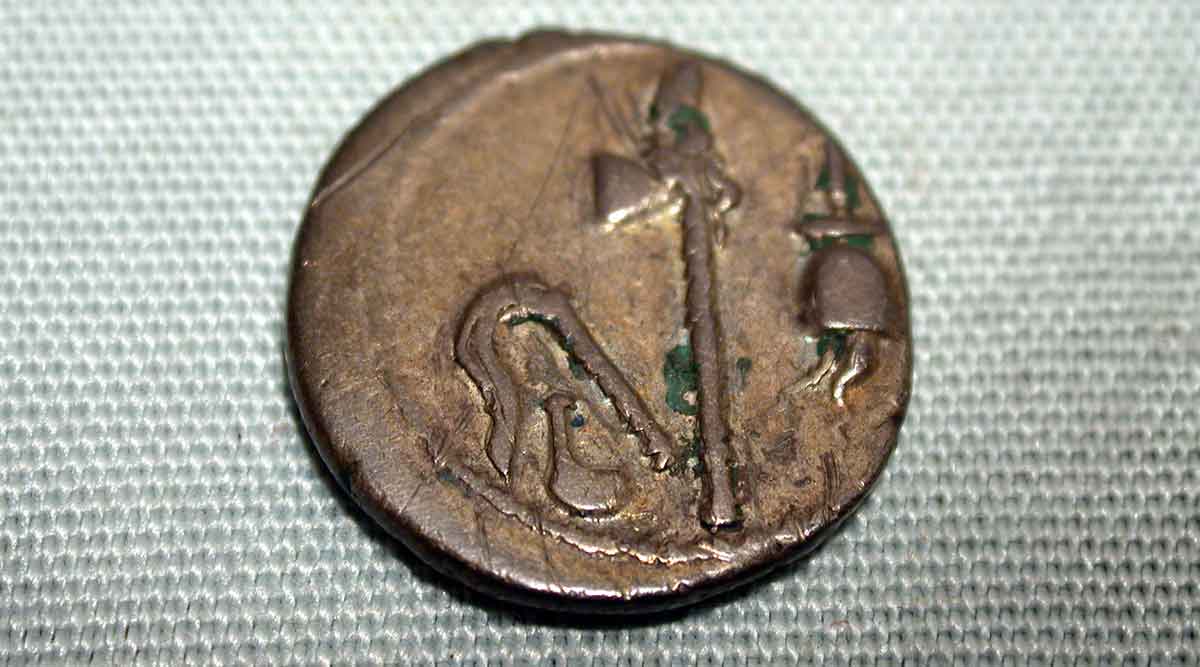
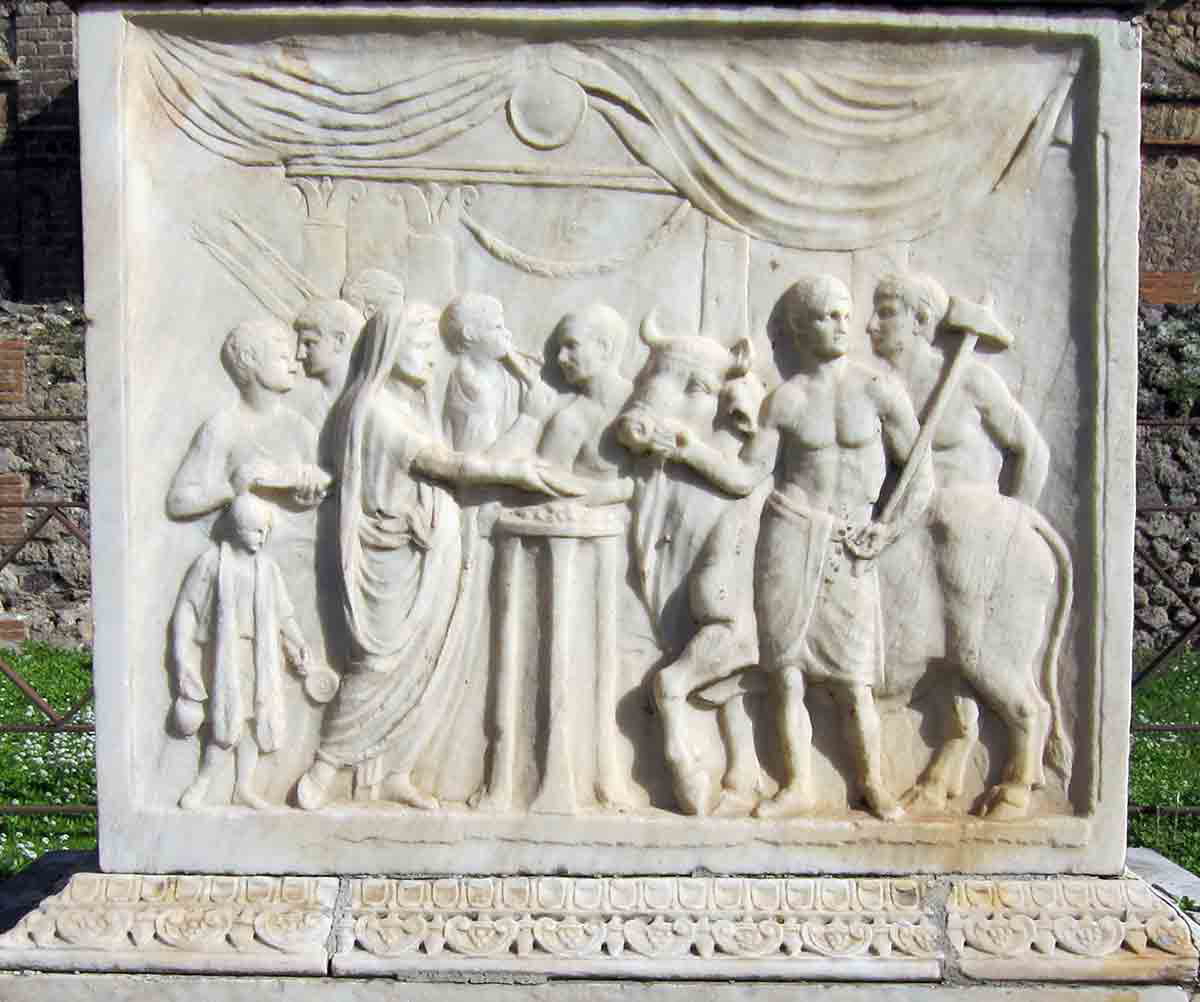
The Pontiffs consisted mainly of Senators and had general oversight over the state religion, such as festivals and sacrifices. They scrutinized all magistrates who had sacrificial responsibilities. Magistrates such as the consuls were responsible for taking auguries and making sacrifices before military actions. The Pontiffs ensured that they followed sacred law and wrote new laws on any rituals that were not already written or established by custom.
Their control of religious law meant they were the main authority for judging cases of impiety or sacrilege against private citizens or magistrates. The Pontiffs also acted as annalists. They recorded major events that occurred in the year and published them in the annales maximi. These were major accomplishments like festivals and military victories, as well as major disasters like famines or plagues. These lists were used by historians to construct their histories.
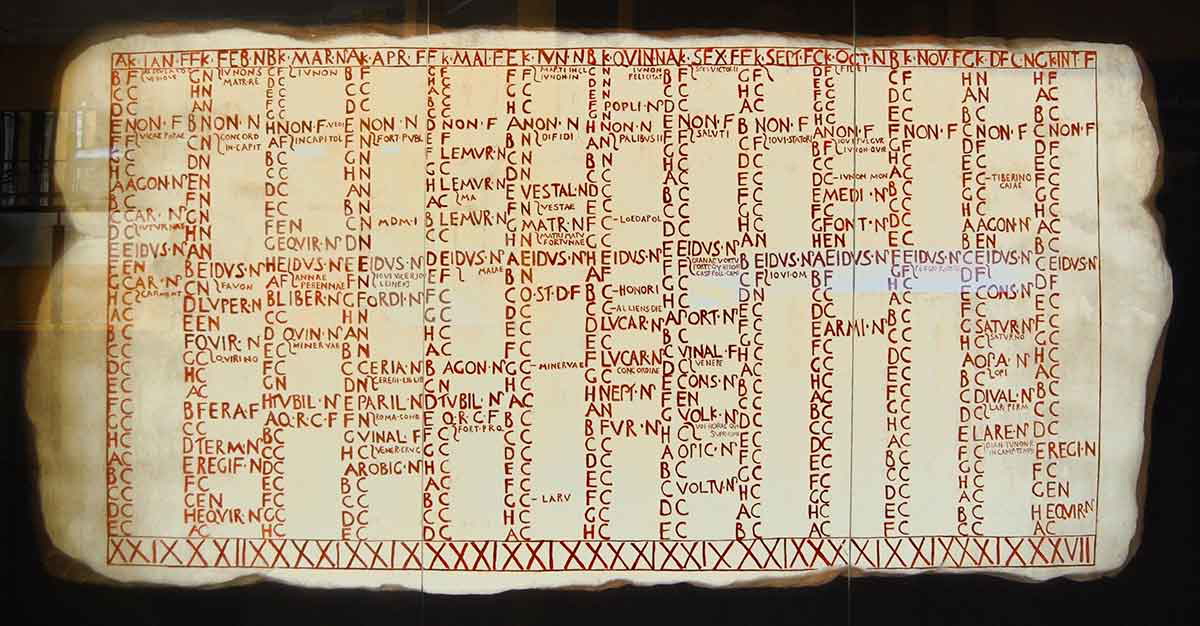
Another of the Pontiffs’ key responsibilities was the maintenance of the calendar. The Romans used a lunar calendar that was harmonized with the solar year. They counted their months by the phases of the moon, meaning that their calendar often did not align with the changing of seasons. The Pontiffs were in charge of correcting the calendar, adding extra days and months, to ensure it synchronized with the seasons. In the late republic, this power was highly politicized. Being able to manipulate the calendar could affect how long someone held their office, or some legislation could be given more or less time to deliberate.
Quindecimviri: Keepers of the Sibylline Books
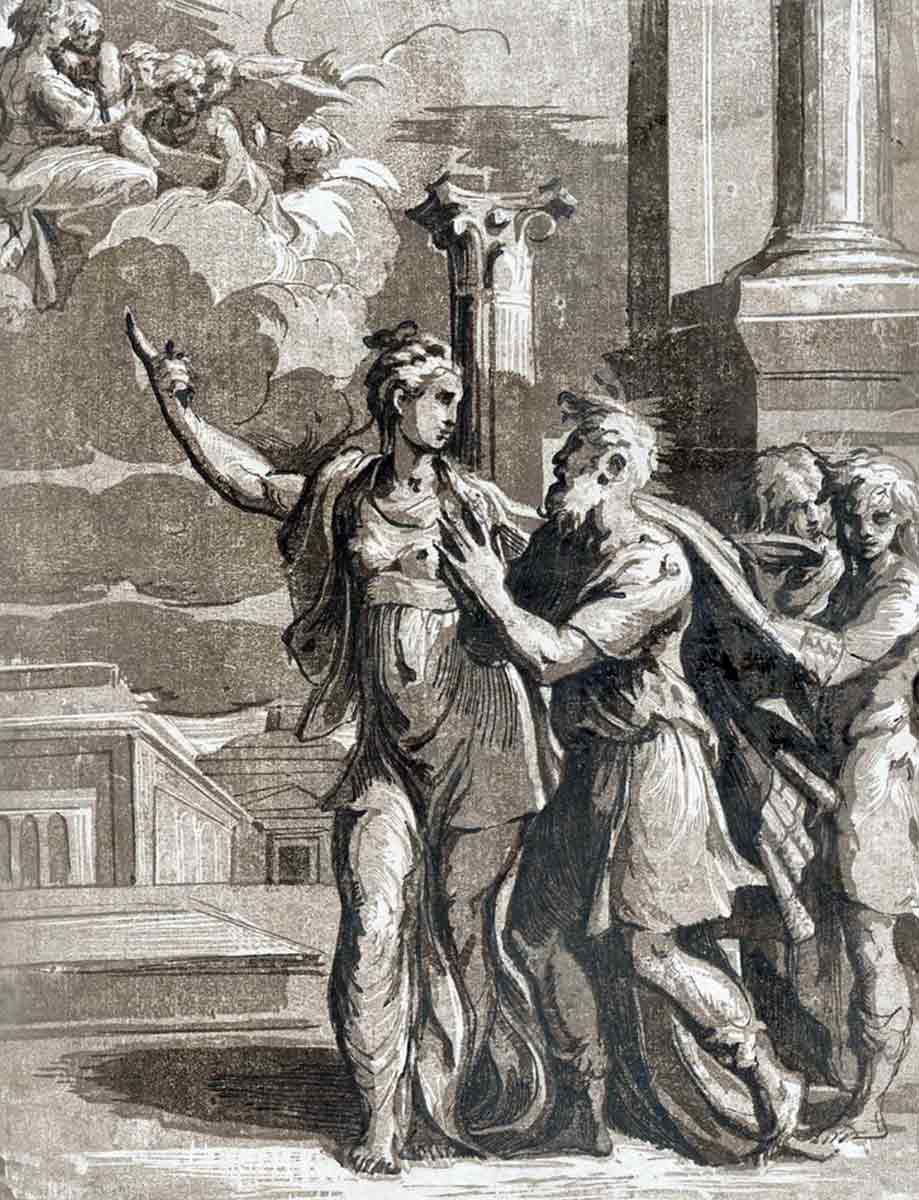
While the Pontiffs were in charge of general oversight, the Quindecimvirs were responsible for the direct supervision of rituals. The title, literally translating to “fifteen men,” came from the number of members. They originally consisted only of two men, then were increased to ten, then fifteen, and finally sixteen, though the name did not change.
Their main responsibility was the keeping of the Sibylline Books. These were a collection of oracles and ritual texts, written in Greek, that were consulted in times of crisis. The Quindecimvirs would interpret the sacred texts and then present their findings to the Senate, along with some corrective measures.
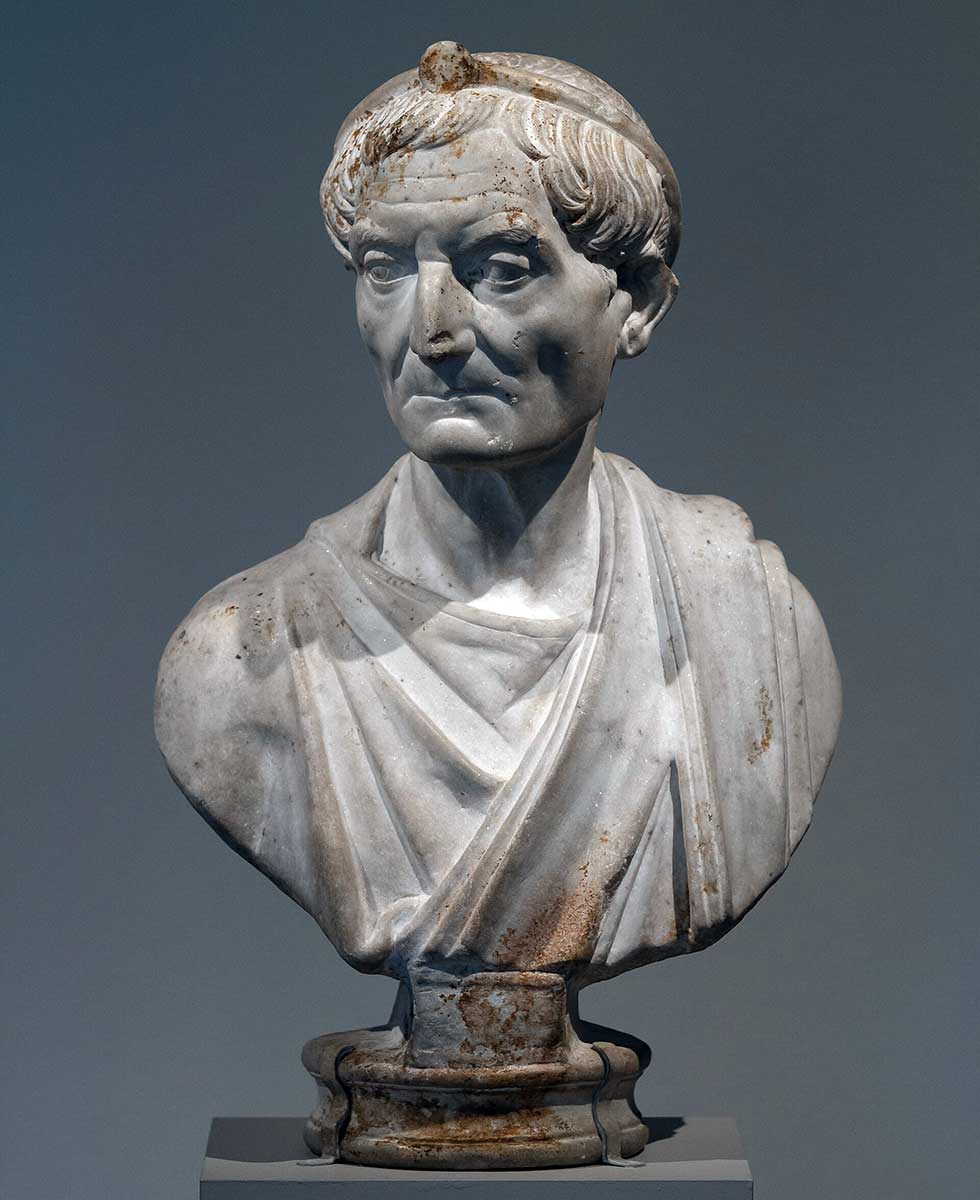
The Sibylline Books were tightly guarded. Only the Quindecimvirs were allowed access to them, and they could also admit new oracles into the books. They were consulted when a new deity was admitted into the Roman state religion. The Sibylline Books were consulted during a plague in 293 BC, resulting in the importation of the Greek healing god Asclepius to Rome.
Due to the solemnity of the oracles, anything recommended by the Quindecimvirs could be framed as essential for the survival of the state. Even requesting the Quindecimvirs to consult the Books could highlight an event as consequential.
Augures: Omens and Divine Approval
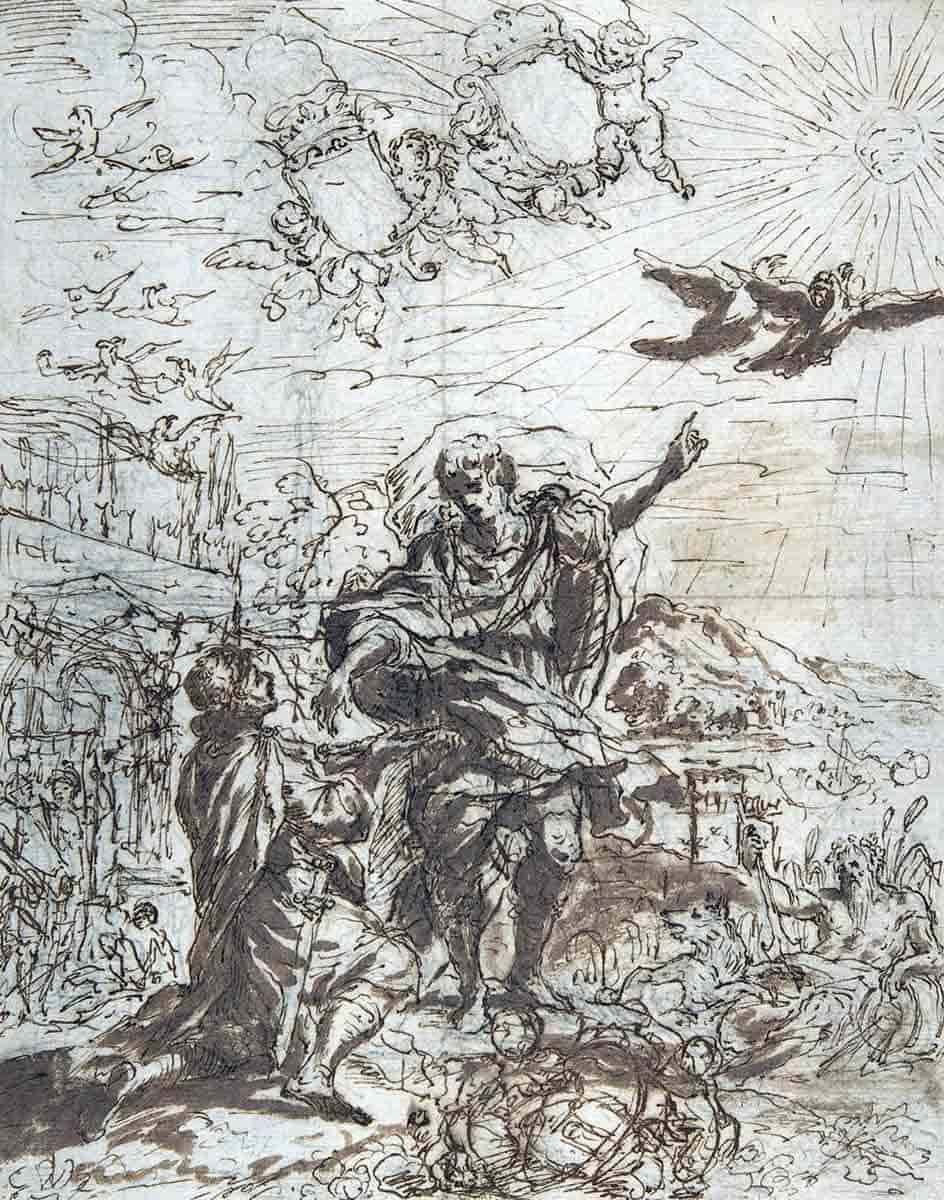
The main function of the Augurs was to take the auspices for the state and to perform inaugurations. Before elections, assemblies, or wars, the Augurs would interpret signs to discover whether the gods approved or disapproved of the action about to be taken. This acted as a simple divine “yes” or “no.” These signs could be anything from the flight path of birds to the sound of lightning. The Augur would then interpret what the signs meant.
If any sign was thought to be “inauspicious,” the proceedings were null and void. Elections and assemblies would have to be rescheduled and military operations postponed. However, this didn’t necessarily mean that the gods entirely disapproved of the action, only that it was not the right time for that action. Auspices could be taken again the next day, with the opposite result. This power was ripe for abuse. In the late republic, it was used as a delay tactic and even used to annul the election of a consul.
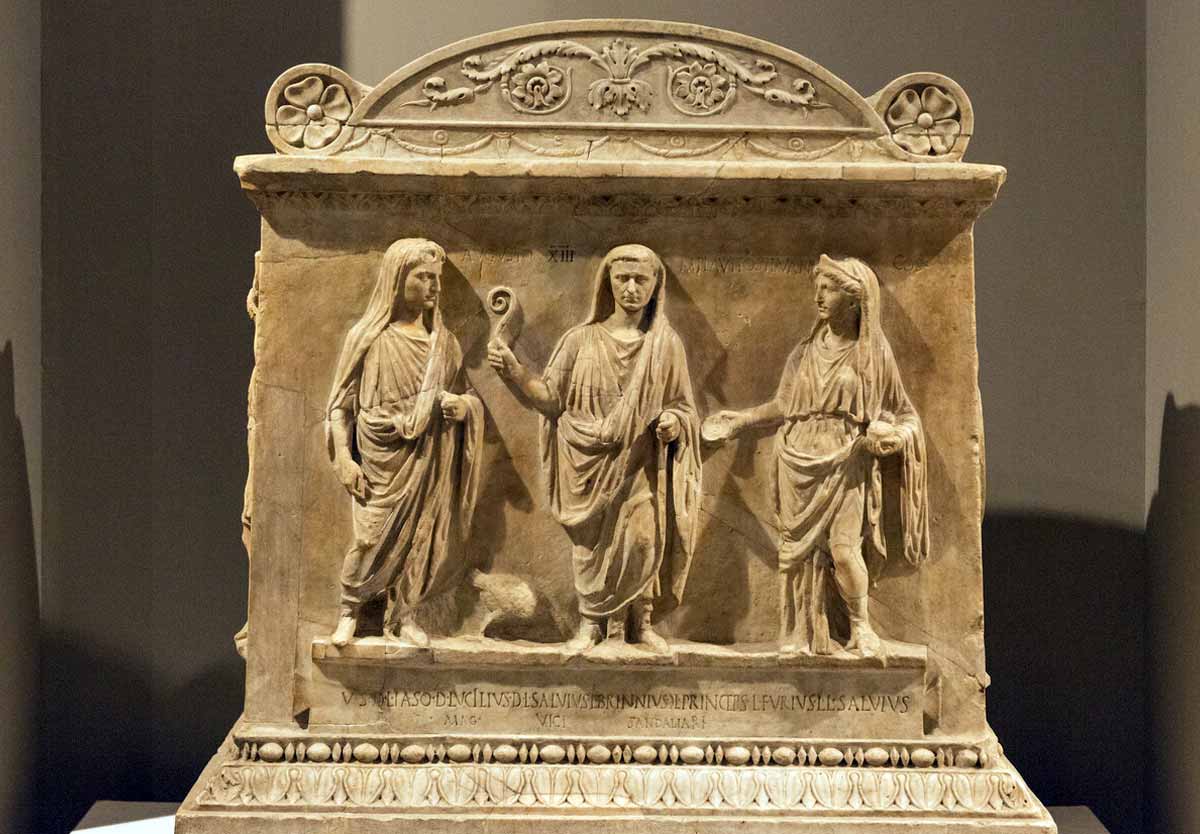
The importance placed on taking the auspices is evident in the story of Flaminius. He was not particularly well-liked by the Senate, but he won the favor of the people. He was elected consul in 217 BC, the year after the outbreak of the Second Punic War. He was worried that senators would falsify the auspices to have his election annulled, so he left Rome for the provinces before the auspices for his election were taken. He took command of the armies despite poor omens, and he eventually died at the Battle of Lake Trasimene against Hannibal.
When Quintus Fabius Maximus was made dictator later that year, he convinced the Senate that the disaster was due to Flaminius’ neglect of the auspices. New rituals and rites were conducted to ensure success in the war.
Epulones: Festivals and Feasts
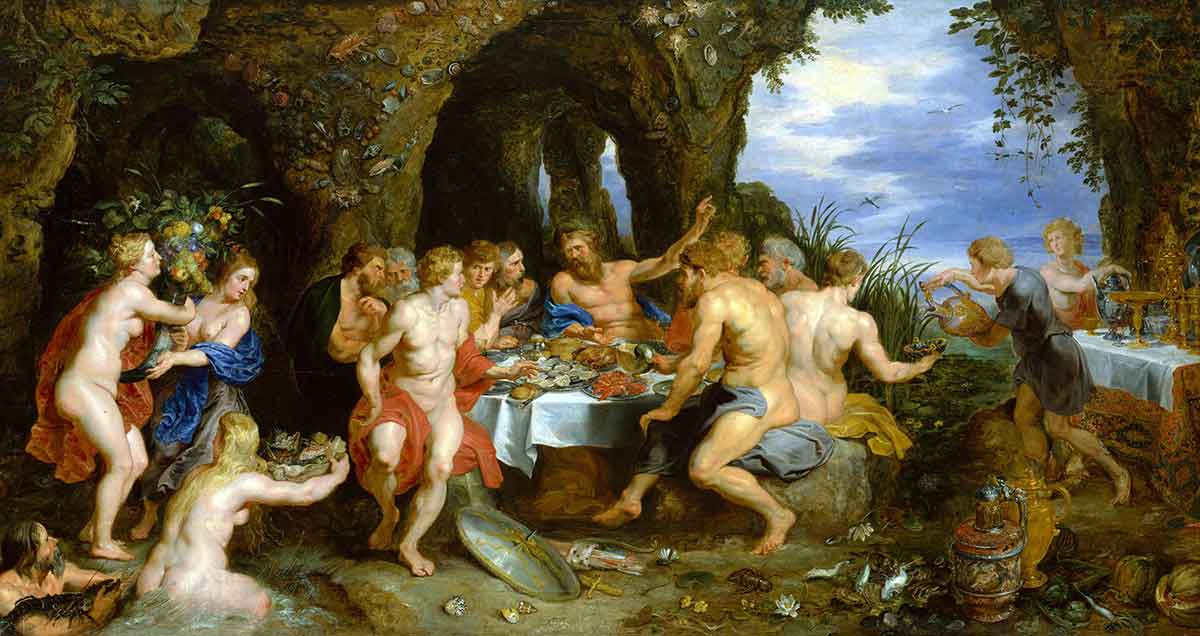
The Epulones were specifically in charge of feasts and festivals. The college was created in 196 BC to deal with the increasing scale and complexity of festivals. Membership was a high honor, but they were of lesser prestige than the other colleges. They often relied on the Pontiffs to settle disputes and even perform their duties when they were unable.
The Epulones were, however, very publicly visible and had control over the minutiae of festival logistics. That meant they were in charge of state funds and decided what was staged for the events. This gave them a lot of influence over public perception, as lavish festivals showed the power, prosperity, and unity. It was a good way to gain popularity before important elections.
Augustus: Centralizing Sacred Authority
The purpose of all of these colleges of priests was to ensure a harmonious relationship between the Roman people and the gods. By the 1st century BC, after nearly a century of slave uprisings and civil wars, the Roman people had started to believe that the gods had abandoned them.
Horace wrote that the civil wars were a direct result of Romulus killing Remus, implying that Rome was doomed from its inception. He was not the only one who felt that way. There were many ominous prophecies during that time, and the general sentiment among not only the Romans but the entire Mediterranean world was that they were living in the end times.
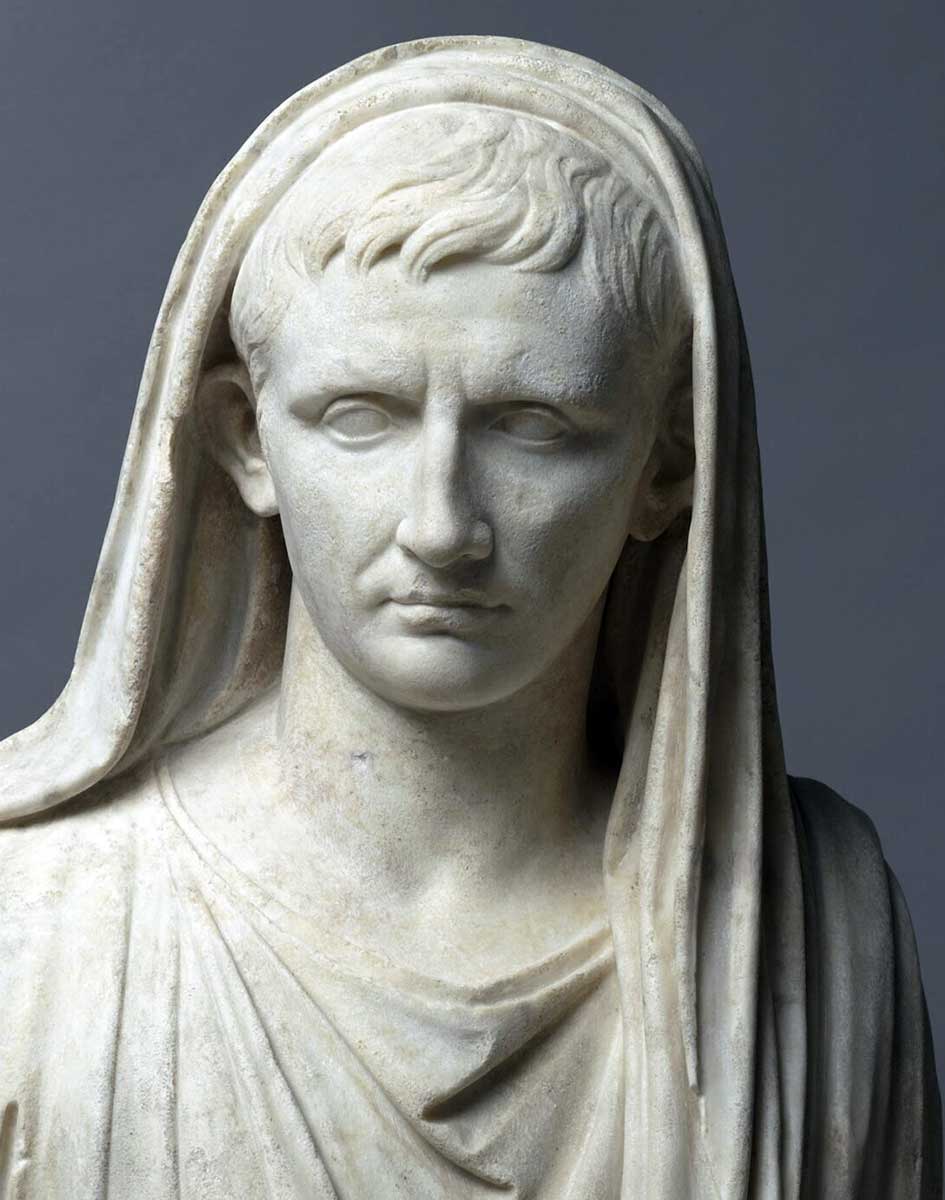
Octavian, later called Augustus, took these worries and presented himself as a type of savior figure who would restore harmony to the world. After his victory against Mark Antony, he became the leading figure in Rome. But Rome was not a monarchy and had strong feelings about sole rule. Augustus needed a way to consolidate his power without calling himself a king.
The solution was that he acquired several existing political and religious authorities. None of these offices disappeared, but Augustus monopolized them to give a constitutional underpinning to the power he enjoyed through his personal auctoritas. He had the powers of divination, consulting the Sibylline Books, and oversight of religious officials. All of these together would become a pillar of imperial authority.
Before long, the imperial cult, worship for the prosperity of the emperor as the principal representative of the Roman state, became central to Roman religion.
Bonus: Vestal Virgins
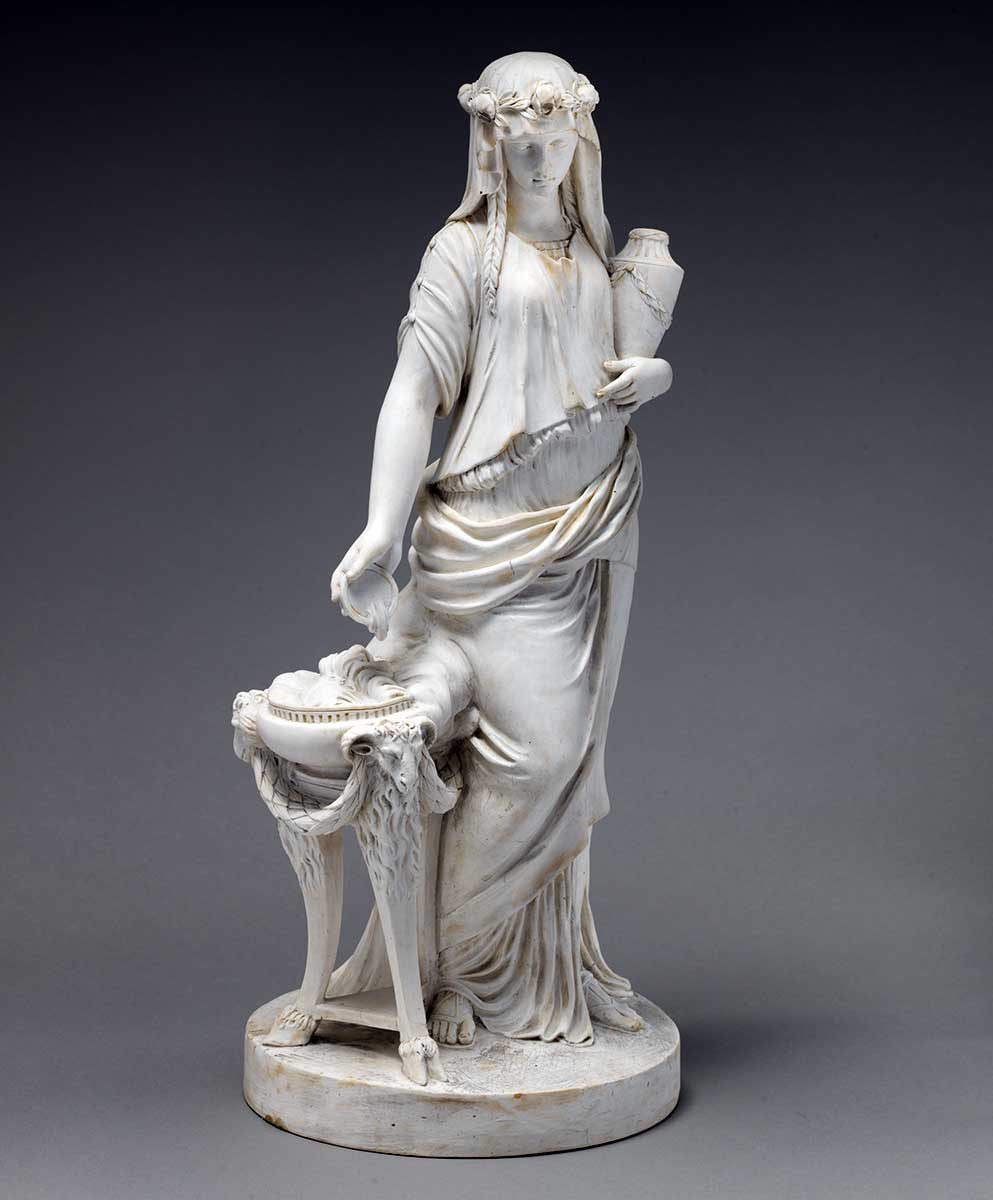
The Vestal Virgins played an important role in the state religion by tending to the sacred flame of the goddess Vesta, the goddess of the Roman state hearth. The flame of the earth had to be kept burning constantly. If it were ever to go out, it would signify the destruction of Rome. Their power showed that Rome treated ritual as state security.
The Vestals also prepared sacred meal, a mixture of flour and salt, for public sacrifices. Girls were chosen by the Pontiffs and taken from their homes when they were between the ages of six and ten. They lived in the sanctuary of Vesta in the Forum and were required to remain chaste and unmarried during their service. Should a priestess lose her virginity, she was sentenced to death.
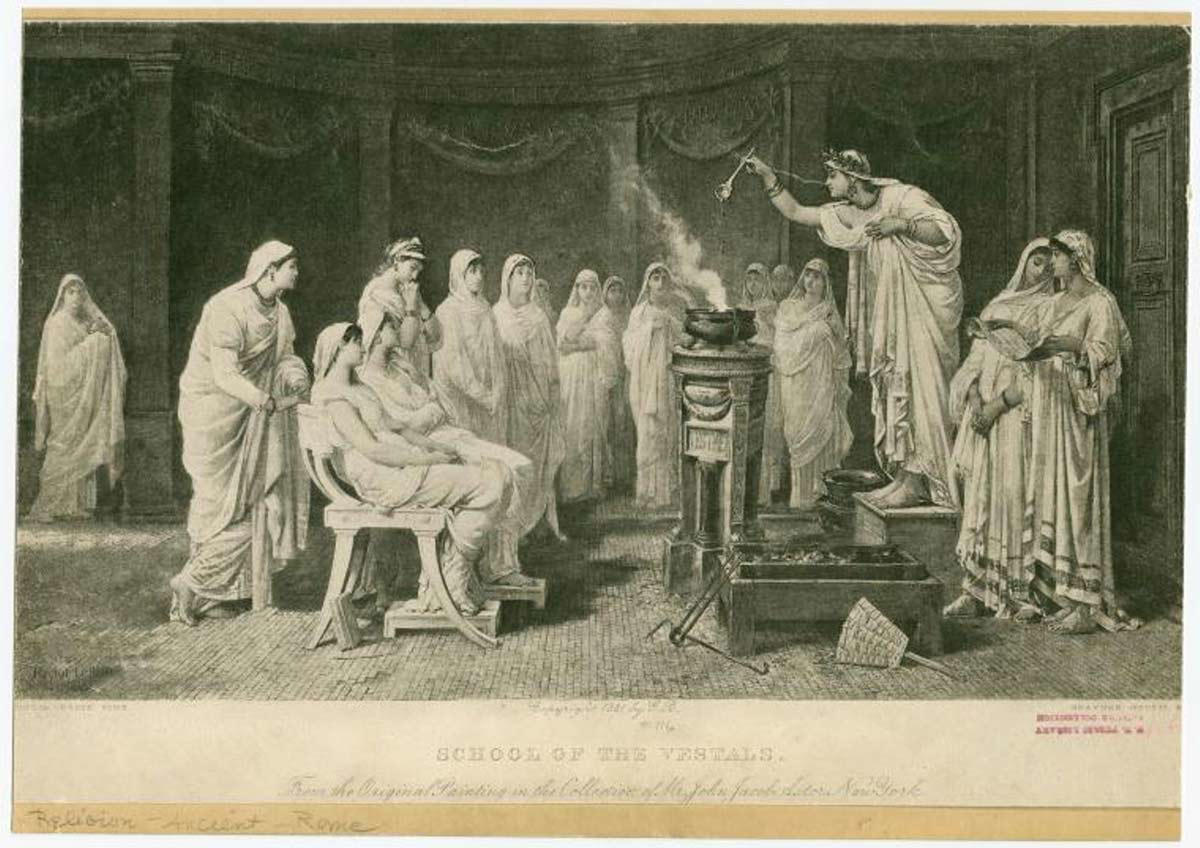
They served for thirty years. The first ten years were spent learning the sacred rites, the next ten performing them, and the final ten teaching them to new initiates. After their thirty years of service, the priestesses were allowed to leave the sanctuary and to marry, though most chose to remain and live their lives in the sanctuary.
Sources
- Rüpke, J. (2007). A Companion to Roman Religion. Blackwell Publishing Ltd.
- Rüpke, J. (2016). On Roman Religion: Lived Religion and the Individual in Ancient Rome. Cornell University Press.
- Warrior, V. M. (2006). Roman Religion. Cambridge University Press.