
In 8 CE, the Roman poet Ovid published his magnum opus, his Metamorphoses, an epic poem that chronicles the history of the world through myth from creation to the recent deification of Julius Caesar. The poem’s central theme is change and transformation. Ovid shows that nothing remains fixed, that people, gods, and the world around them are in constant flux. Many of the tales he describes feature characters transformed physically or emotionally. They highlight themes such as illicit desire, grief, and excessive pride, plus fate and the role of divine intervention upon human lives. The 15 tales summarised here vividly illustrate the consequences of such actions and the unexpected ways in which identities can change.
1. Apollo and Daphne
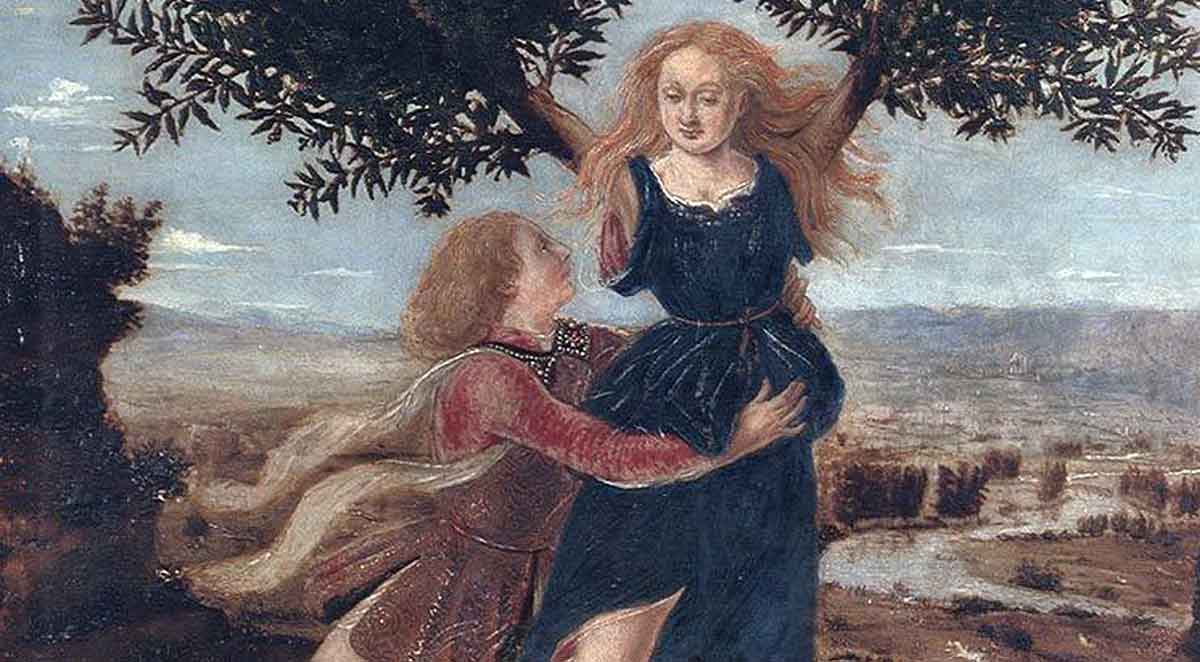
Apollo, struck by Cupid’s arrow, becomes consumed by desire for Daphne, a nymph devoted to the goddess Diana. Like her goddess, Daphne has vowed to remain chaste. Despite her repeated attempts to flee and her clear rejection of his advances, Apollo continues to pursue Daphne through the countryside. When escape is no longer possible, Daphne calls upon her father, the river god Peneus, for help. In response, he transforms her body. Her limbs stiffen, her skin turns to bark, and she becomes rooted to the ground as a laurel tree. Apollo halts and declares the laurel sacred to him, adopting it as a symbol of honor and achievement. Thus, Daphne survives the pursuit, but only by surrendering her human form.
2. Narcissus
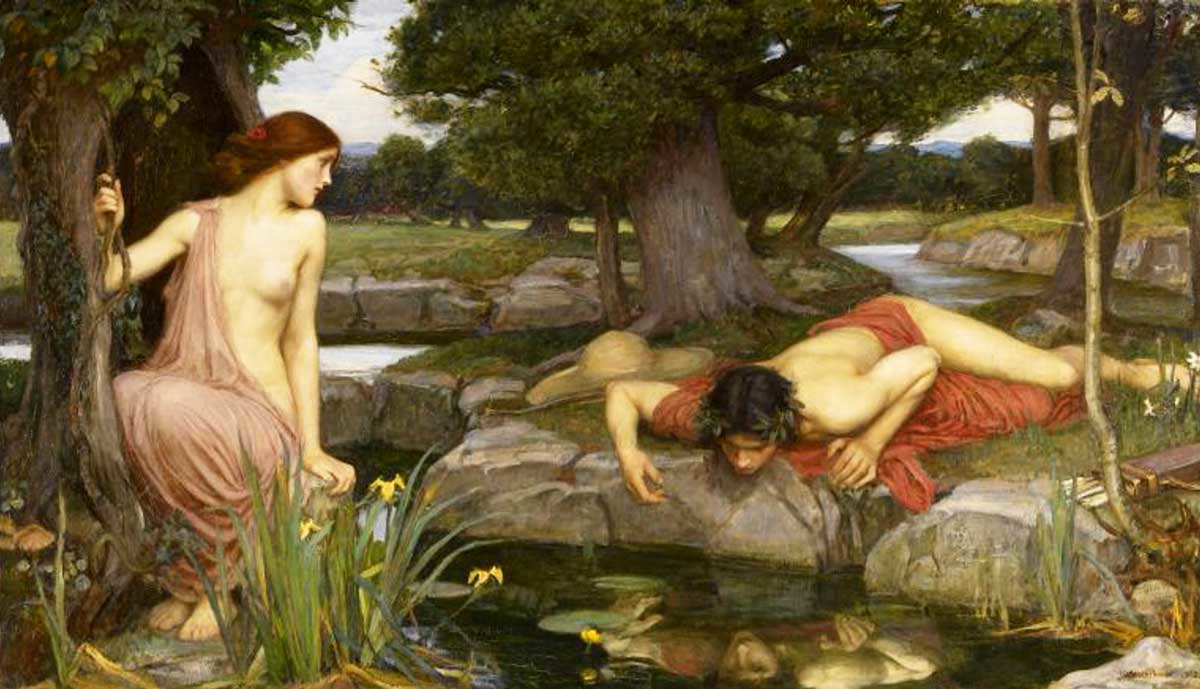
Narcissus is renowned for his beauty and remains indifferent to those who fall in love with him. While wandering through the forest, he comes upon a clear pool of water and pauses to drink. Seeing his reflection for the first time, he is captivated and becomes deeply absorbed by the image. He lingers by the pool, returning repeatedly and neglecting food and rest. Unable to possess what he sees, Narcissus gradually weakens and dies beside the water. After his death, a flower bearing his name grows in his place. His story serves as a cautionary reminder of the dangers of vanity and self-obsession.
3. Diana and Actaeon
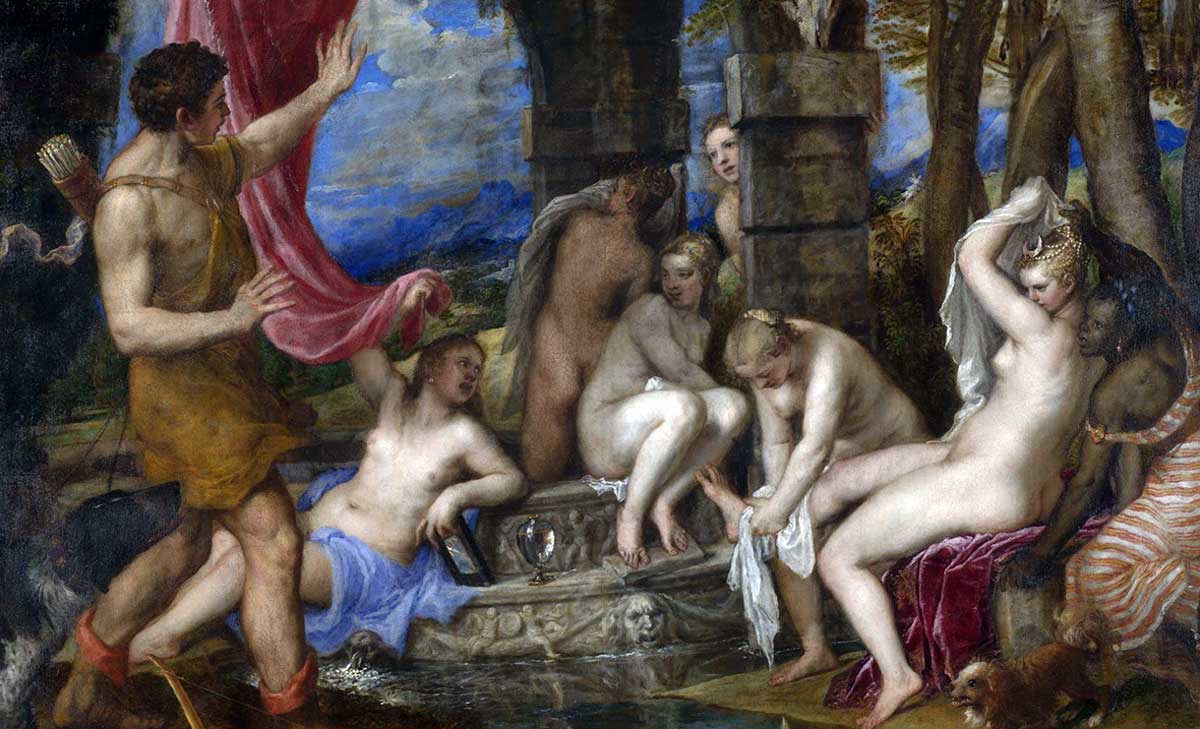
Actaeon, a skilled hunter, strays from his companions and enters a secluded grove where the goddess Diana is bathing with her attendants. Ovid calls the goddess by the Roman name Diana, who was known as Artemis among the Greeks, but Ovid tells these myths through a Roman lens. Having unknowingly violated a divine boundary, he is swiftly punished. Enraged that a mortal has seen her unclothed, Diana transforms Actaeon into a stag. He flees in terror, but his own hunting dogs catch his scent and pursue him. Unable to speak or reveal his identity, Actaeon is torn apart by the pack.
4. Pyramus and Thisbe
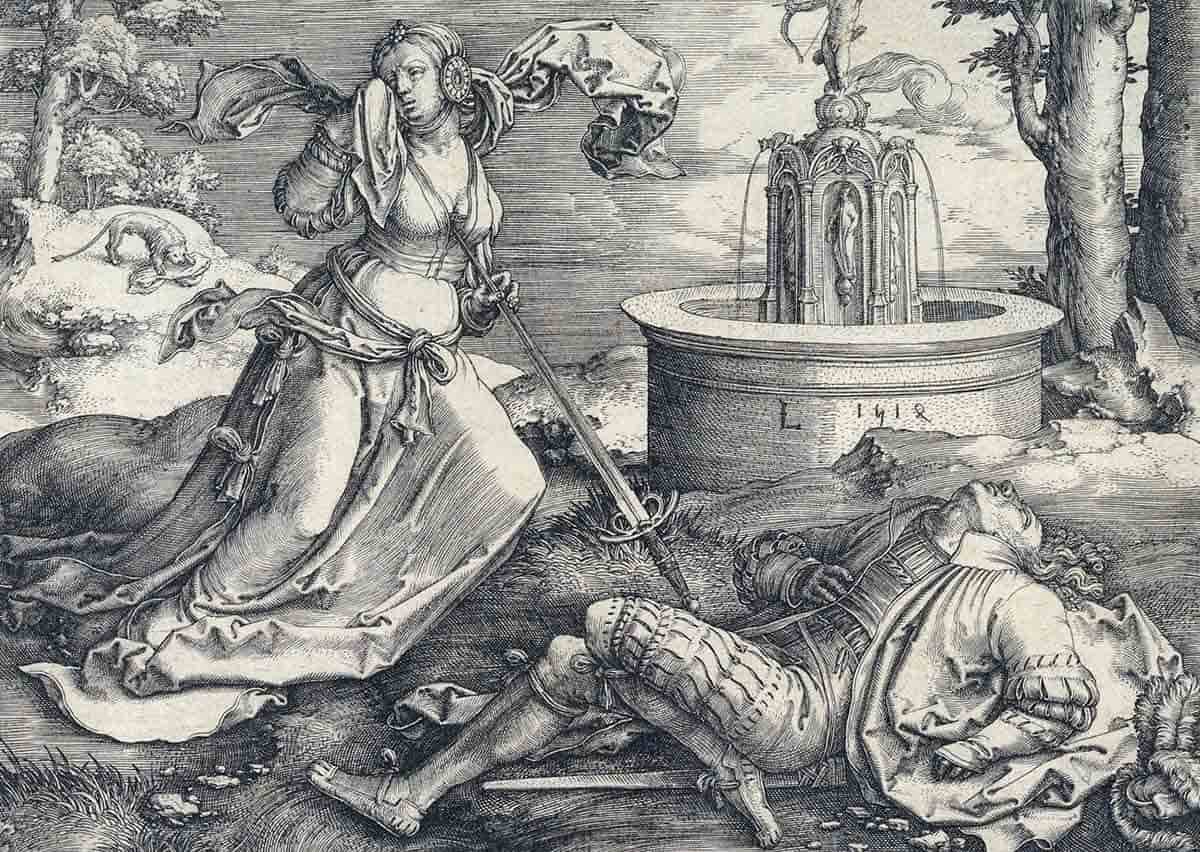
Pyramus and Thisbe live in neighboring houses in Babylon, but are forbidden by their families from meeting. They communicate secretly through a crack in the wall and arrange to meet beneath a mulberry tree outside the city. Thisbe arrives first but encounters a lioness with blood around its mouth and flees in fear, accidentally dropping her veil, which the lioness tears apart. When Pyramus arrives and finds the veil torn and bloodied, he assumes Thisbe has been killed. Overcome with grief, he takes his own life beneath the tree. When Thisbe returns and discovers Pyramus dead, she follows him in death. As a result, their blood is said to permanently darken the mulberries, marking the tragedy of their love. The story has additionally inspired several artistic works, including Shakespeare’s “Romeo and Juliet.”
5. Perseus and Andromeda
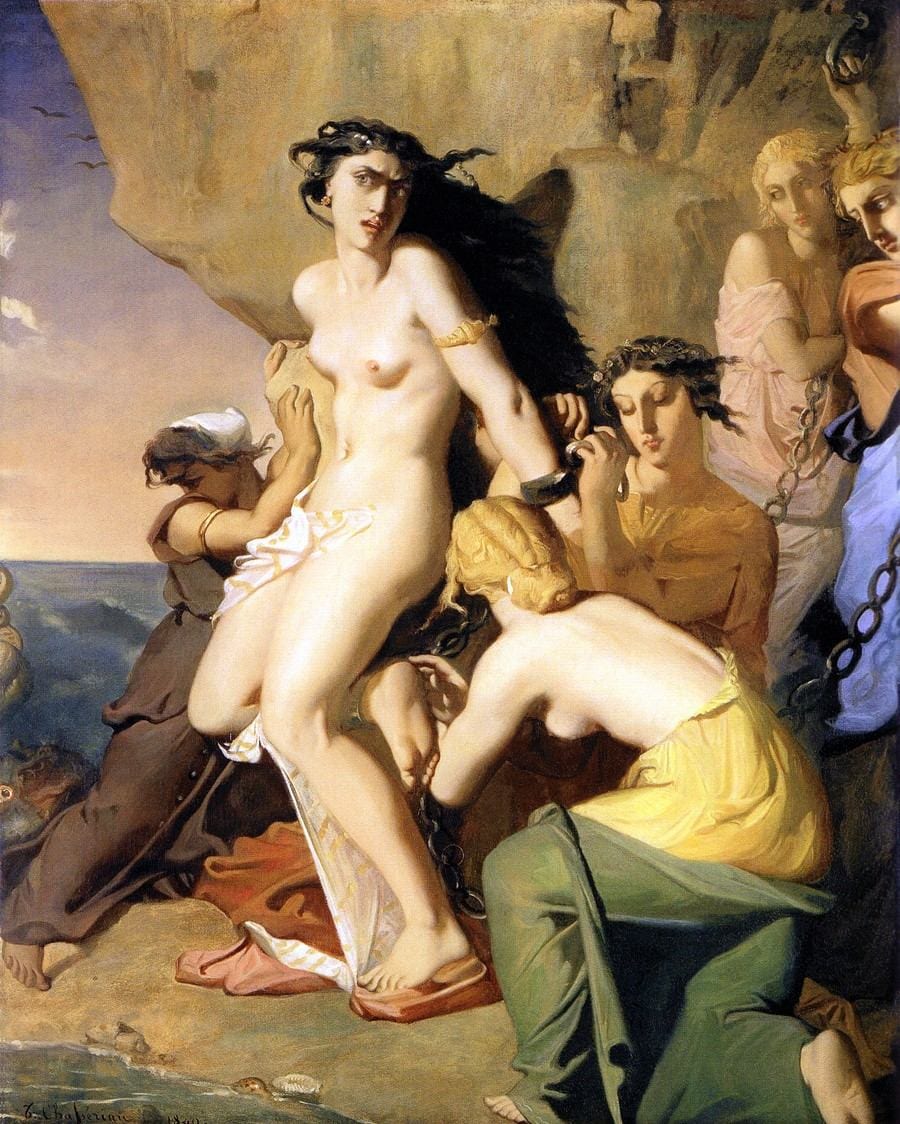
Cassiopeia boasts that her daughter Andromeda is more beautiful than the Nereids, the 50 beautiful sea nymphs, angering the sea god Poseidon. In retaliation, Poseidon sends a sea monster to devastate the coast. An oracle declares that the destruction will only end if Andromeda is sacrificed, and she is chained to a rock by the sea. Perseus arrives while traveling and learns of her fate. Using the head of the recently killed Medusa, he turns the monster to stone and frees Andromeda.
6. Arachne
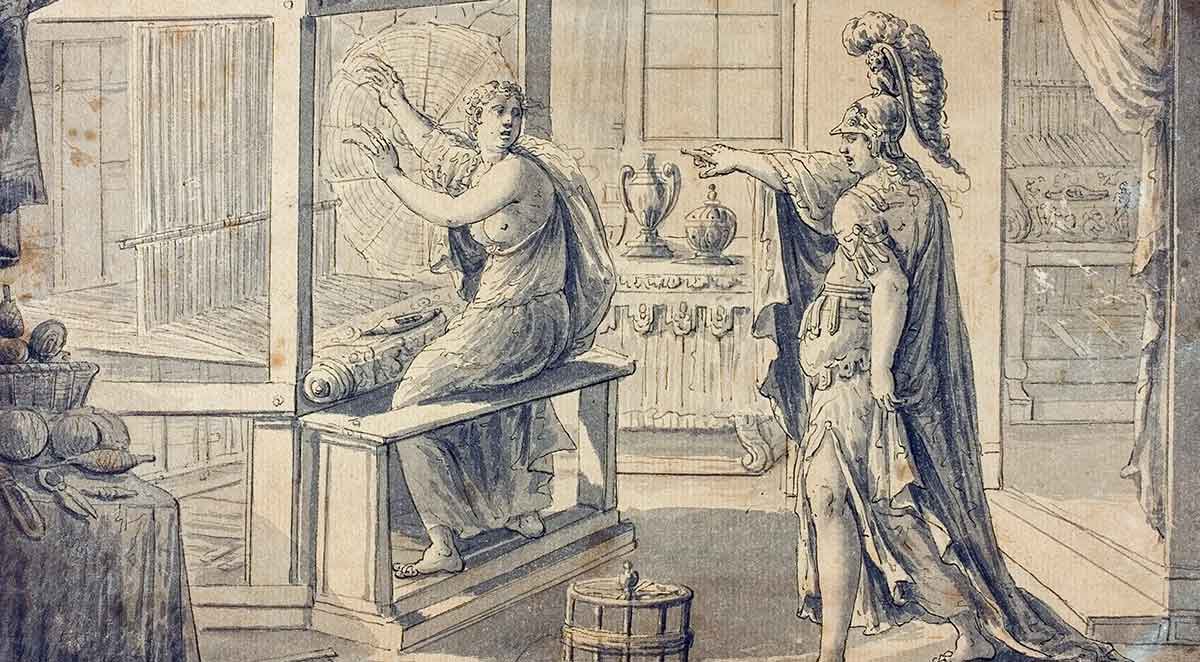
Arachne is a mortal renowned for her exceptional weaving skills and openly claims she surpasses the goddess Minerva, Athena to the Greeks. Minerva appears and challenges her to a weaving contest. Both produce intricate tapestries. Minerva depicts scenes of divine authority, while Arachne portrays the gods’ acts of deception and infidelity. Although technically flawless, Arachne’s work enrages Minerva. The goddess destroys the tapestry and transforms Arachne into a spider, condemning her to weave endlessly.
7. Daedalus and Icarus
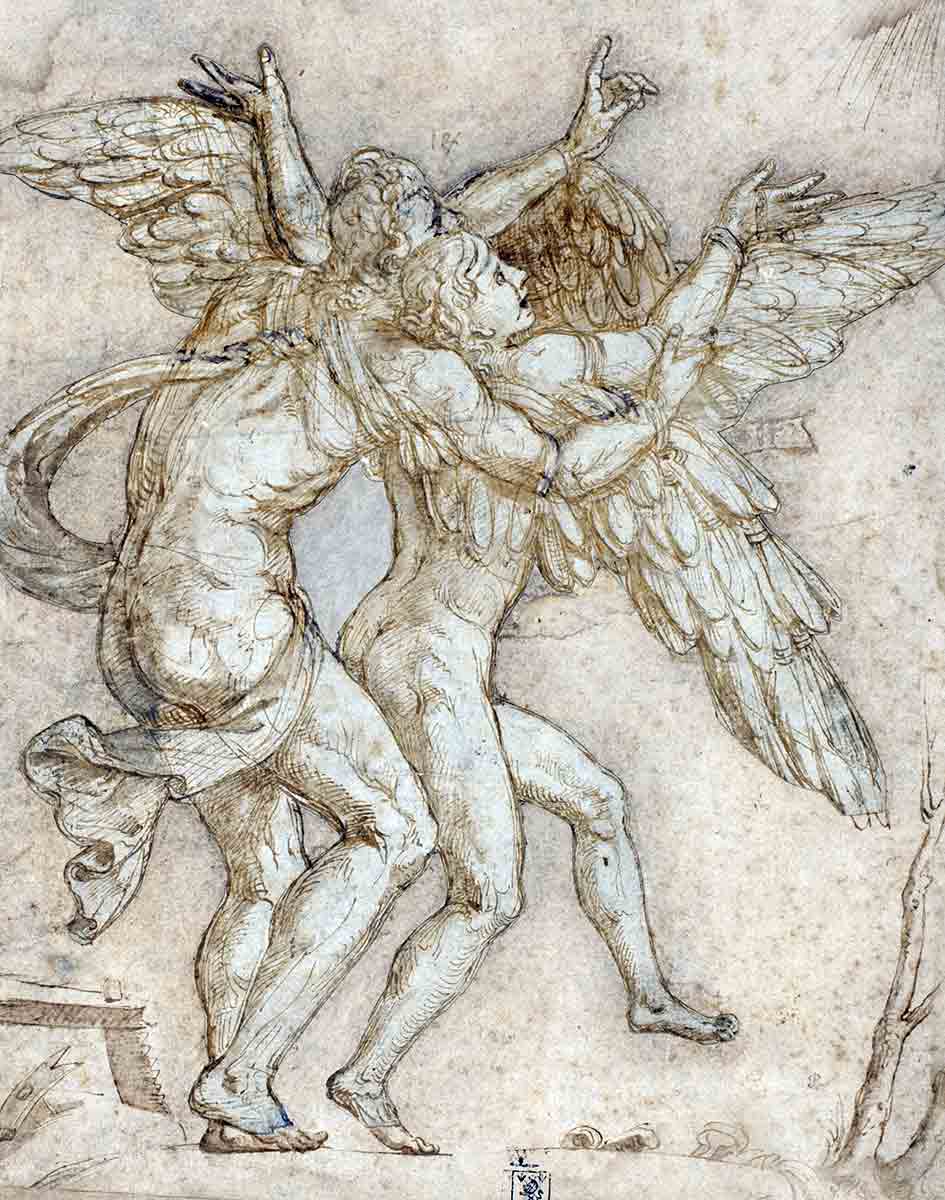
Daedalus and his son Icarus are imprisoned on the island of Crete by King Minos. Unable to escape by land or sea, Daedalus fashions wings from feathers and wax. Before they take flight, he warns Icarus not to fly too near the sun or the sea. During the escape, Icarus becomes exhilarated and flies higher than instructed. The heat melts the wax, the wings fail, and Icarus falls into the sea and drowns while Daedalus reaches safety alone. The tale is well known for highlighting the dangers of youthful folly and the tragic consequences of recklessly ignoring wisdom and limits.
8. Orpheus and Eurydice
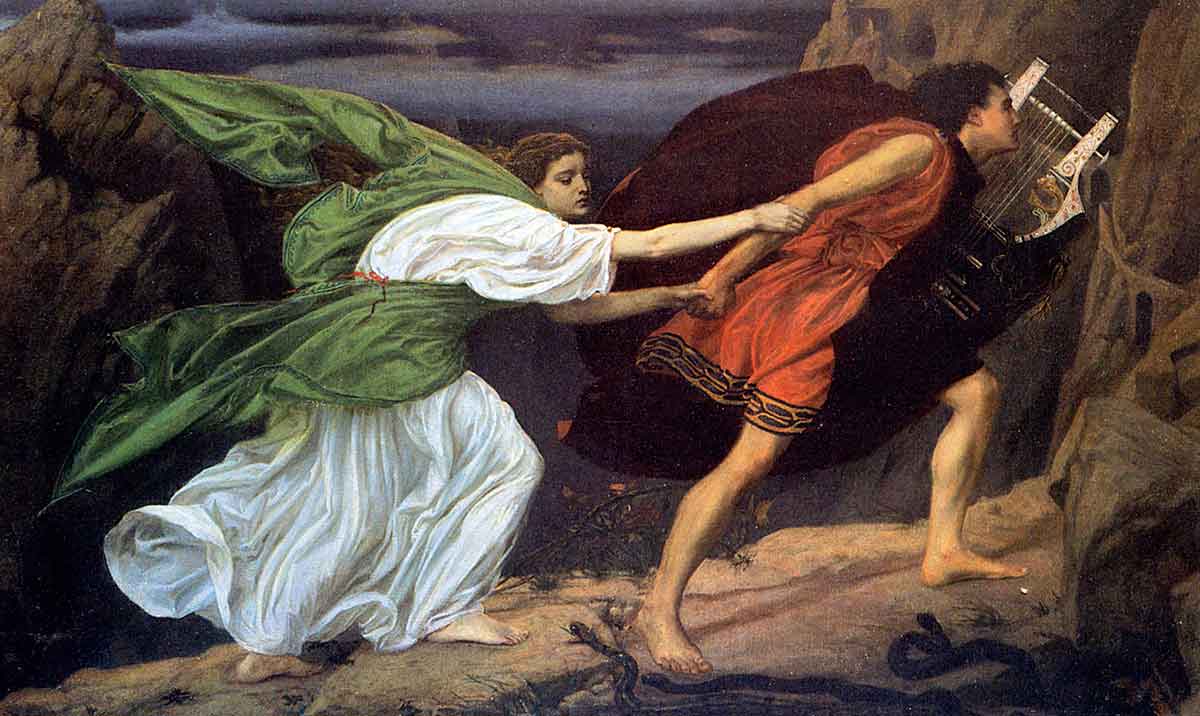
This particularly heart-wrenching tale tells of Orpheus, the extraordinarily gifted musician, and his marriage to Eurydice. Soon after their wedding, their happiness is cut short when Eurydice is bitten by a snake and dies. Overcome with grief, Orpheus travels to the Underworld and pleads with Hades and Persephone to restore her to life. Moved by the power of his music, they agree on the condition that he must not look back as he leads her out. As they ascend, Orpheus is tormented by fear and doubt, questioning whether Eurydice is truly following him. Near the surface, he can no longer resist and turns to look. Eurydice vanishes instantly as she is pulled back into the Underworld, where she is cruelly lost to him forever.
9. Pygmalion
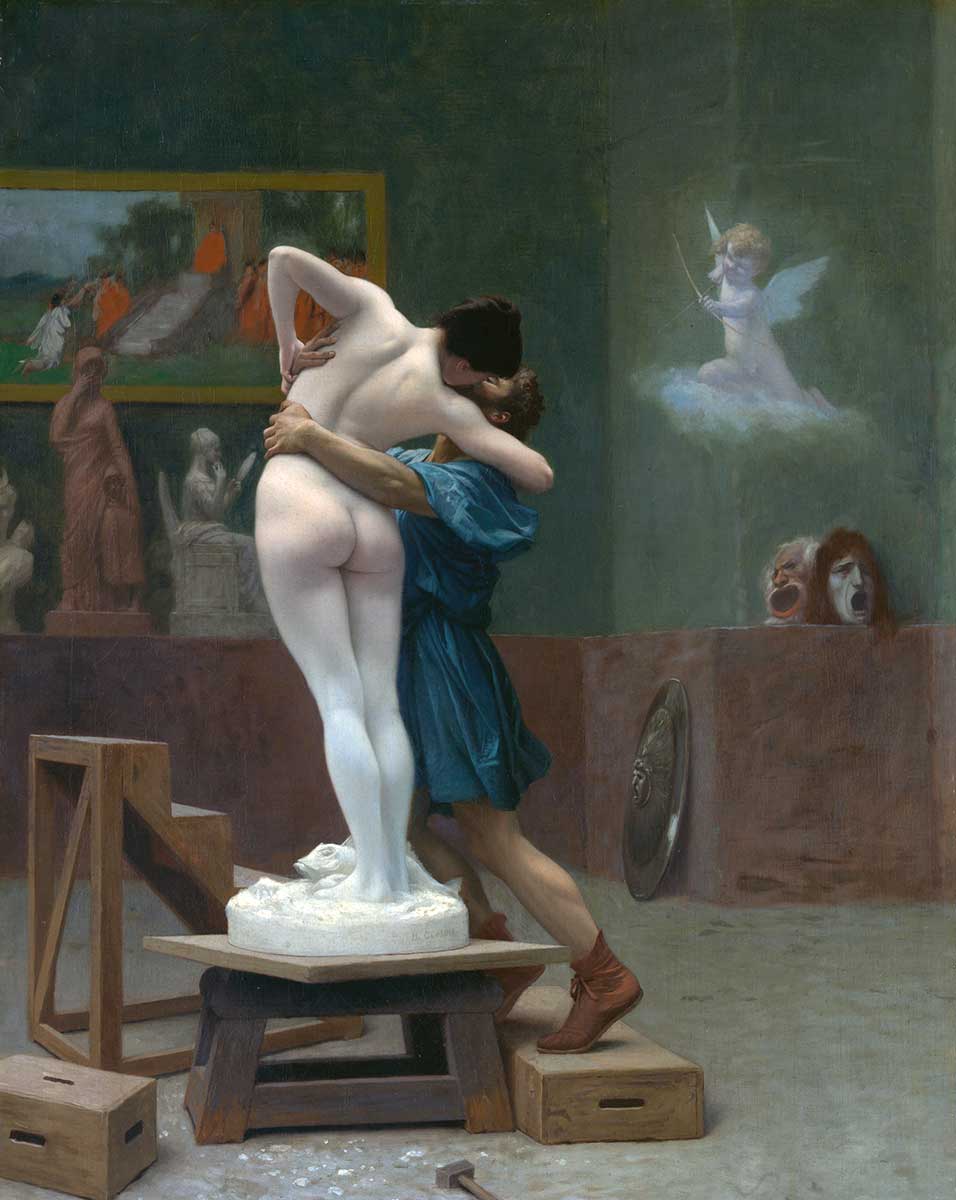
Pygmalion is a master sculptor who creates a statue of a woman of extraordinary beauty. He becomes deeply attached to his creation, treating it as though it were alive. During a festival honoring Aphrodite, he prays for a wife like his statue. The goddess answers by bringing the statue to life. Pygmalion marries her, and his artistic creation becomes his partner. His story emphasises the all-consuming nature of desire and the great lengths to which humans will go to satisfy their deepest longings.
10. Atalanta
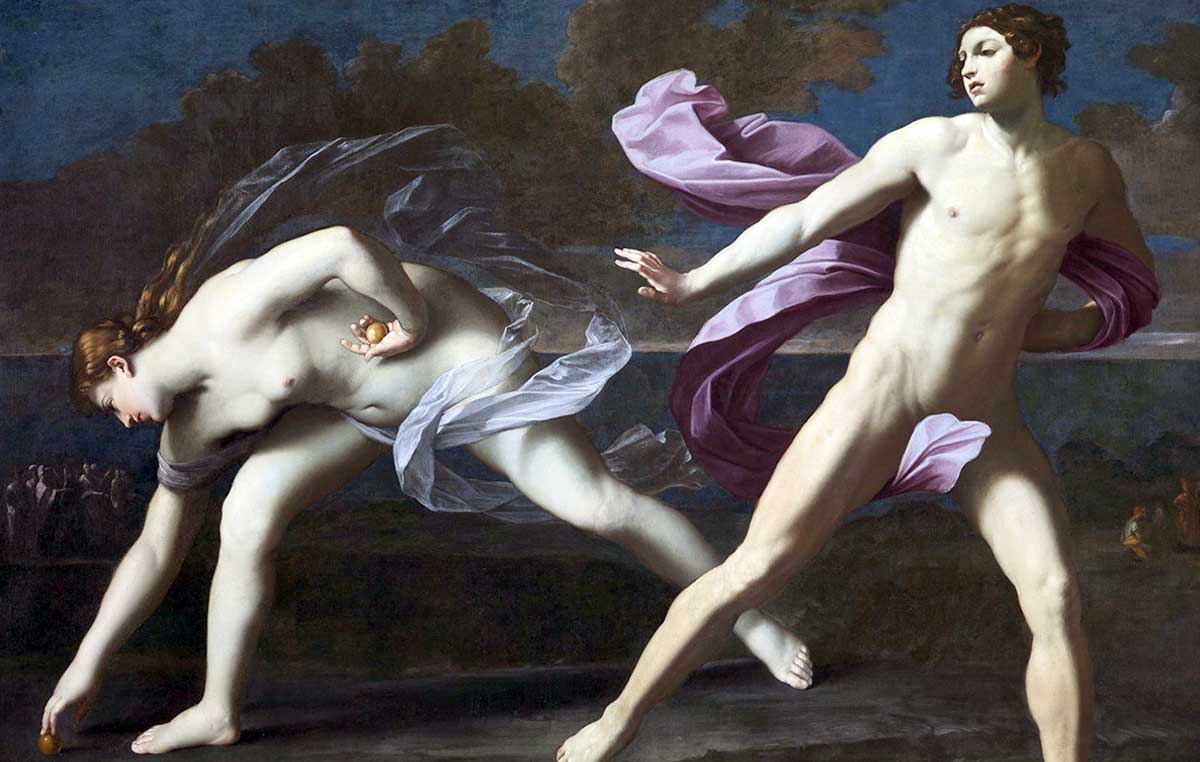
Atalanta is a skilled huntress who rejects marriage and lives independently. Suitors pursue her nonetheless, and she challenges them to footraces, declaring she will marry only the man who can defeat her. Those who lose are put to death. Hippomenes seeks Aphrodite’s help, knowing he cannot win by speed alone. During the race, he drops three golden apples, distracting Atalanta and slowing her pace. Hippomenes wins the race, and Atalanta is bound by her own terms to marry him.
11. Hermaphroditus and Salmacis
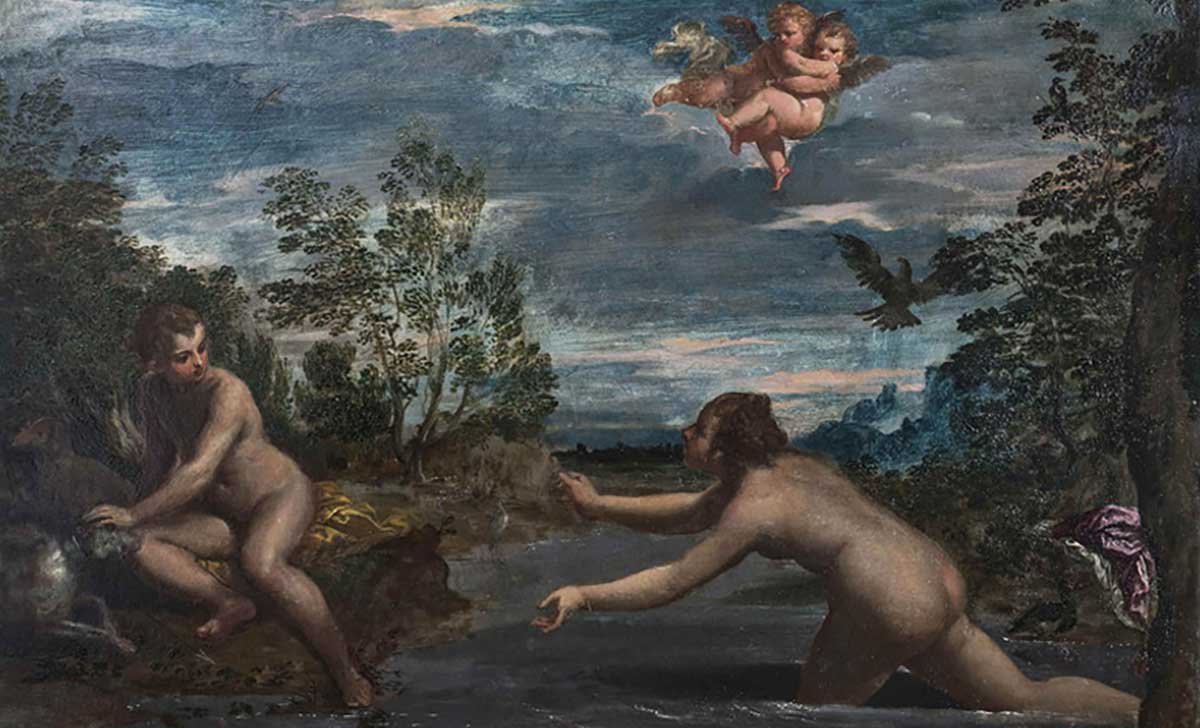
Hermaphroditus enters a secluded pool inhabited by the nymph Salmacis. Captivated by his beauty, she attempts to embrace him, but he resists and struggles to escape. Undeterred, Salmacis clings to him and prays to the gods that they never be separated. The gods grant her wish, merging their bodies into a single form that combines both their features into one being. Distressed and frustrated by the transformation, Hermaphroditus later asks that the waters of the pool weaken any others who bathe in it.
12. Myrrha
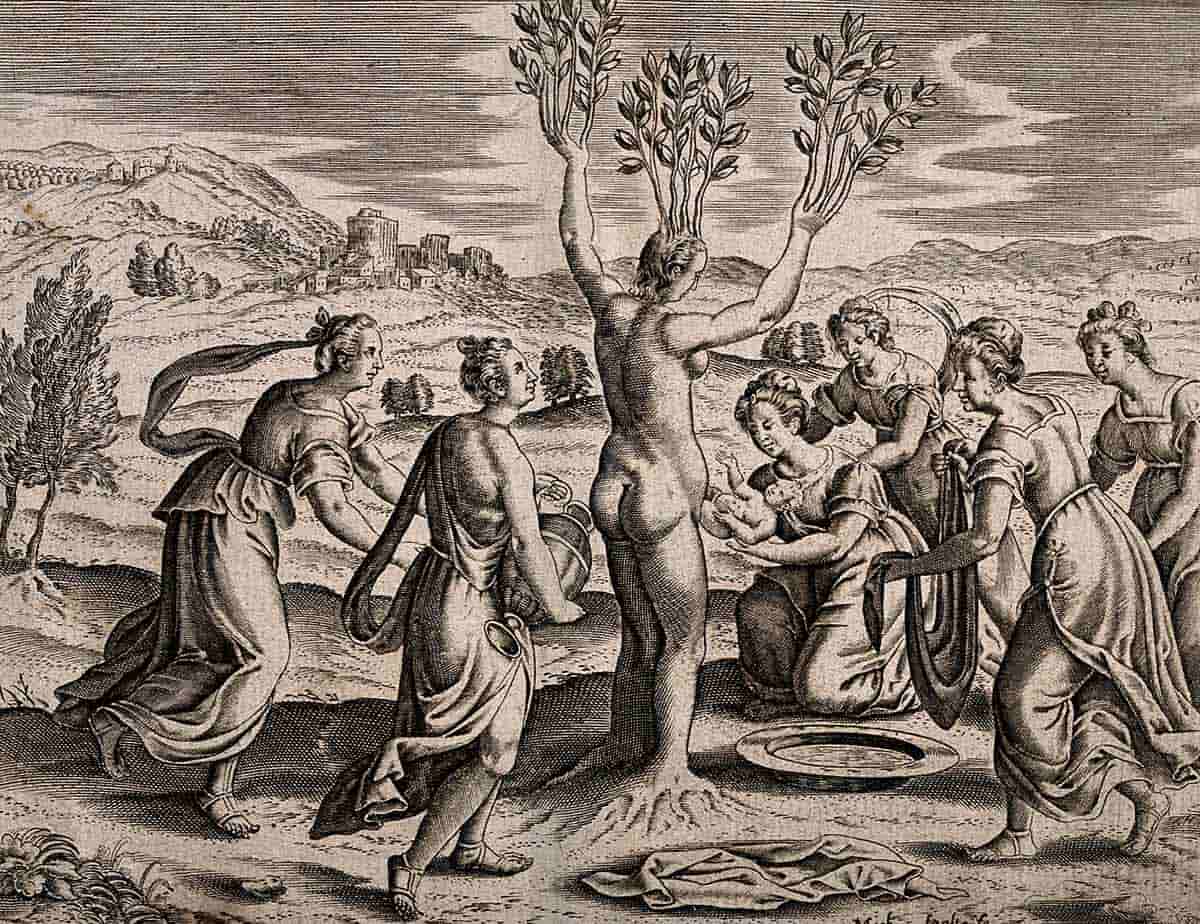
After unknowingly entering into an incestuous relationship with her father, Myrrha flees and begs the gods to remove her from human existence. Her body stiffens as she is transformed into a myrrh tree. While enclosed within the trunk, she gives birth to Adonis, a mortal famed for his beauty. The resin that seeps from the bark serves as a poetic symbol of her suffering.
13. Callisto
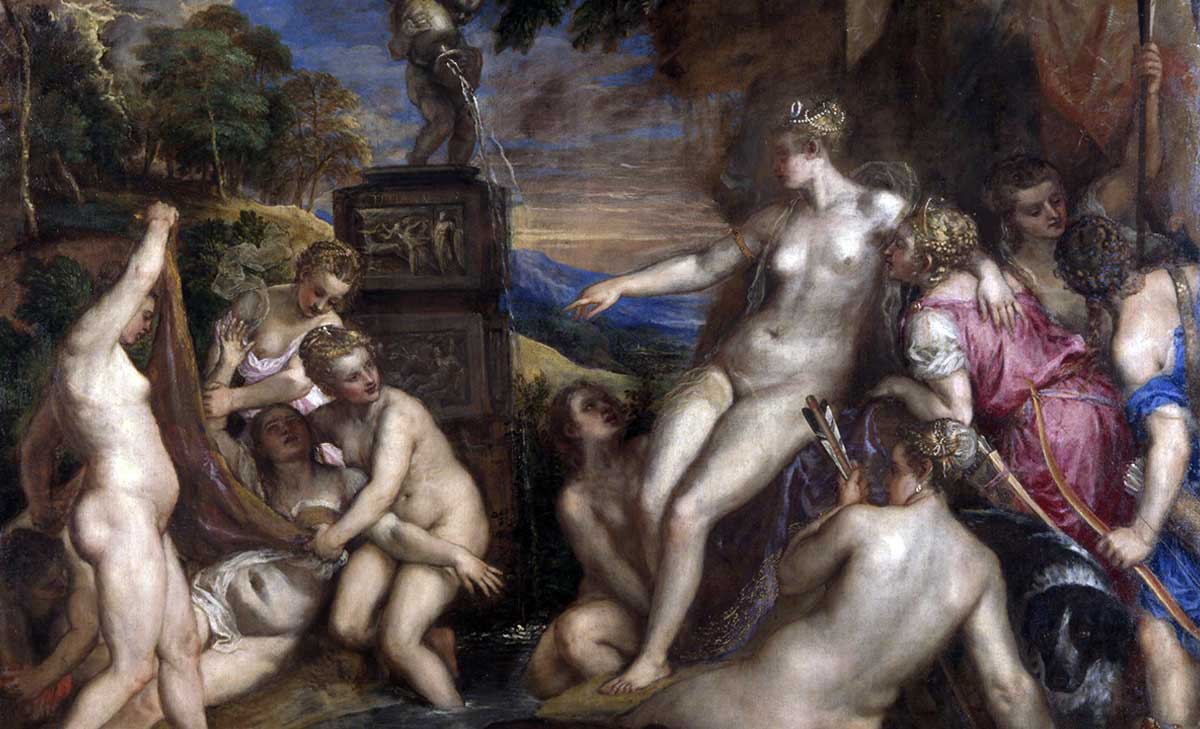
Callisto is a devoted follower of Diana, the goddess of the hunt and the moon, who has vowed to remain chaste. Jupiter, or Zeus to the Greeks, is captivated by her beauty and deceives her by taking on Diana’s likeness so that Callisto will trust him. Believing she is still in the company of her goddess, she lets her guard down and is seduced. When Diana discovers Callisto’s subsequent pregnancy, she expels her from the group. Later, Callisto is transformed into a bear, and eventually the gods place her among the stars as the constellation Ursa Major. Callisto’s story is part of the wider mythic narrative concerning Jupiter’s frequent seductions of mortal women and demonstrates the vulnerability of humans to divine deception.
14. Niobe
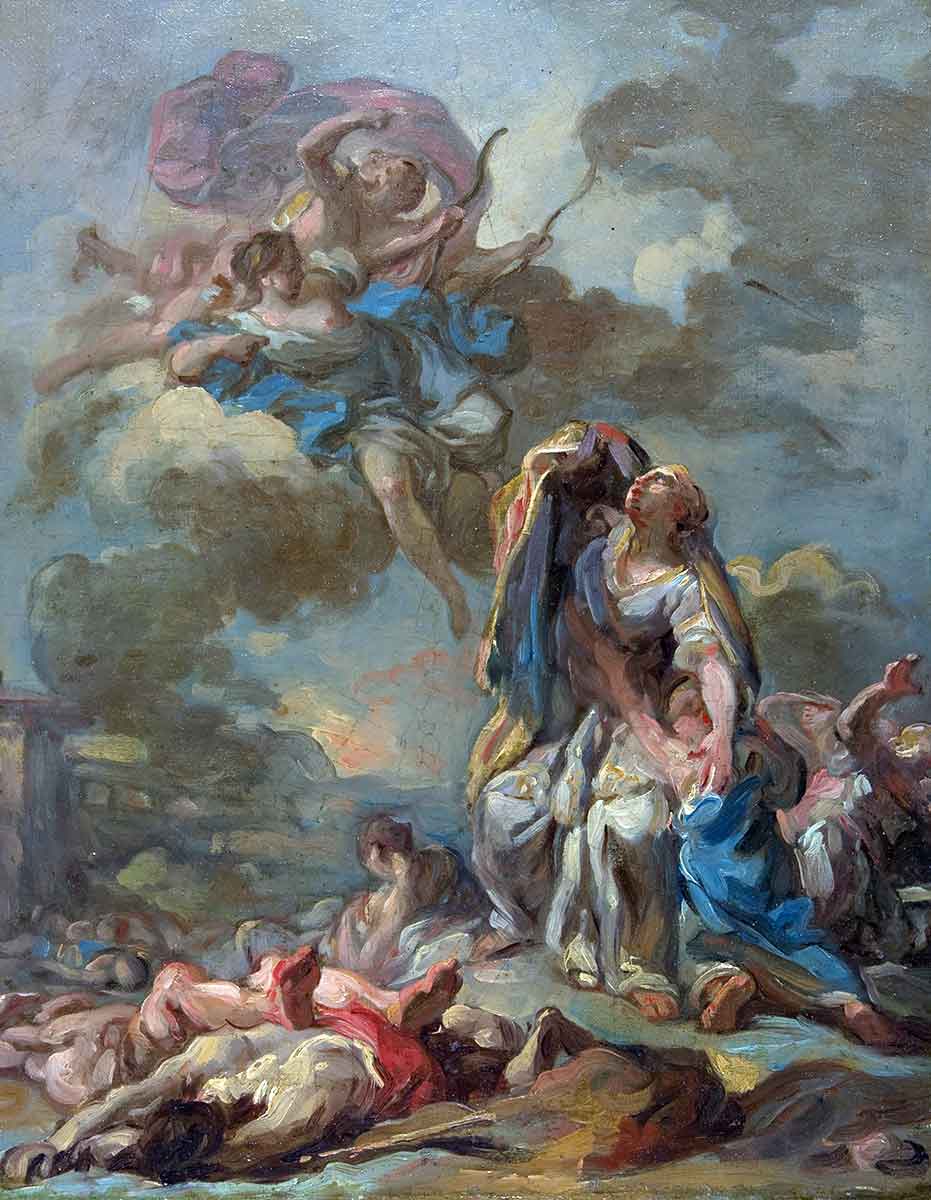
Niobe, proud of her many children, boasts that she is superior to the goddess Leto, an act of excessive pride that invites divine retribution. In response, Leto sends Apollo and Diana (Artemis) to slay all of Niobe’s offspring. Stricken with grief, Niobe flees to the mountains and is eventually transformed into a weeping rock from which her tears flow eternally as a lasting reminder of the dangers of hubris.
15. Marsyas
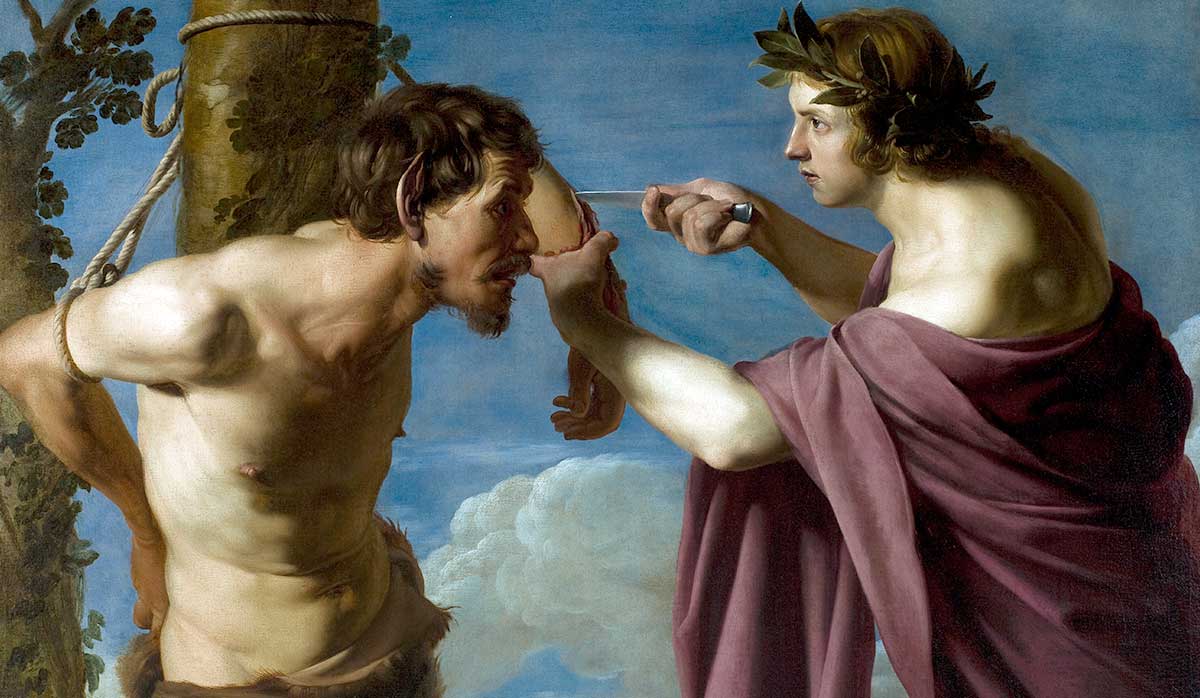
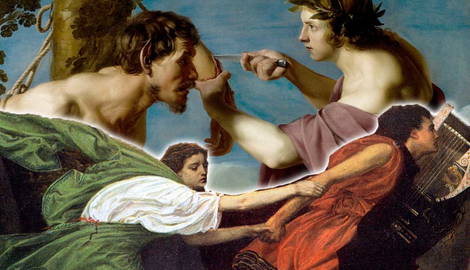
The satyr Marsyas discovers a flute discarded by Minerva and becomes a masterful musician, gaining fame for his skill. Proud and confident, he challenges Apollo to a musical contest, convinced his talent can rival that of a god. When Marsyas loses, Apollo punishes him by flaying him alive, and his blood forms a stream. The myth of Marsyas not only warns of hubris but also influenced countless works of art, including Renaissance and Baroque paintings and sculptures, emphasizing the dramatic effects of challenging the divine.