
Long before Nietzsche challenged morality and the knowledge of his contemporaries, Pyrrhonian skeptics pioneered radical doubt. By suspending judgment (epoche) and seeking tranquility (ataraxia), they questioned the very possibility of knowledge. Nietzsche admired their relentless critique of dogma but rejected their passive detachment, instead transforming skepticism into a life-affirming philosophy of struggle and creativity. This article examines the origins, core principles, and enduring impact of ancient skepticism, tracing its resonance in Nietzsche’s provocative philosophy.
Origins of Ancient Skepticism
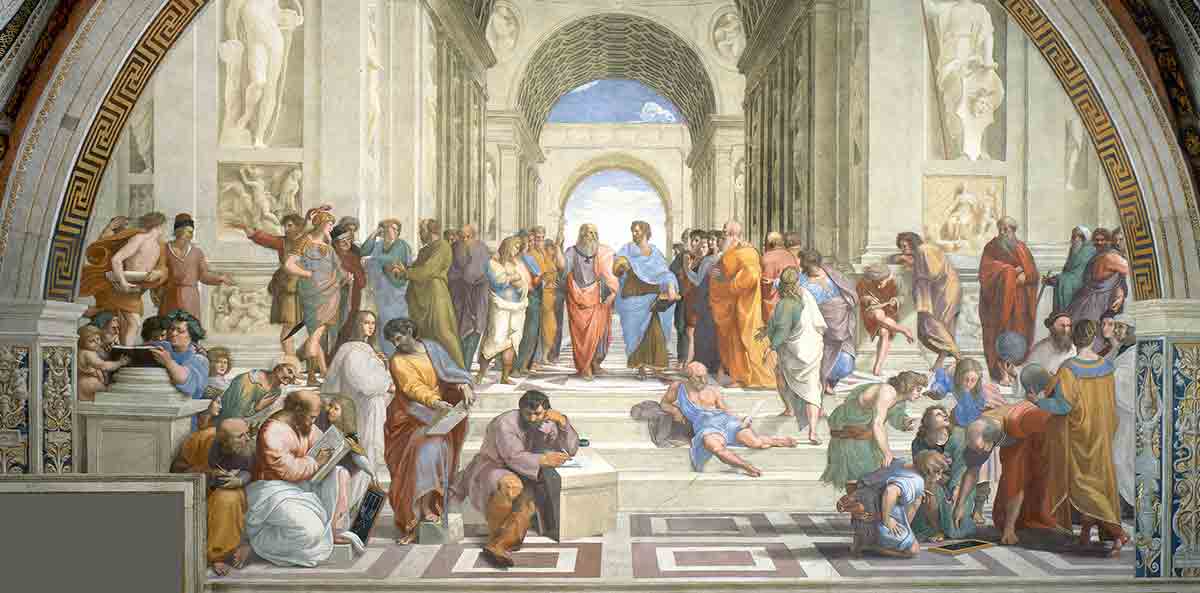
Ancient skepticism emerged in Greece around the 4th century BC as a radical alternative to the dogmatic philosophies of the time. Its rise coincided with a period of intellectual fragmentation, in which competing philosophical schools advanced incompatible accounts of nature, knowledge, and the good life. The apparent failure of these systems to secure agreement or certainty prompted some thinkers to question whether such foundations were attainable at all. Skeptics responded by turning their attention away from the construction of metaphysical systems and toward the limits of human cognition itself.
Skeptics questioned the very possibility of certain knowledge, advocating the suspension of judgment (epoche) as a path to peace of mind (ataraxia). Unlike Plato or Aristotle, who sought foundational truths capable of grounding ethics and knowledge, skeptics argued that human faculties are limited and fallible, and that claims to certainty often exceed what experience can justify.
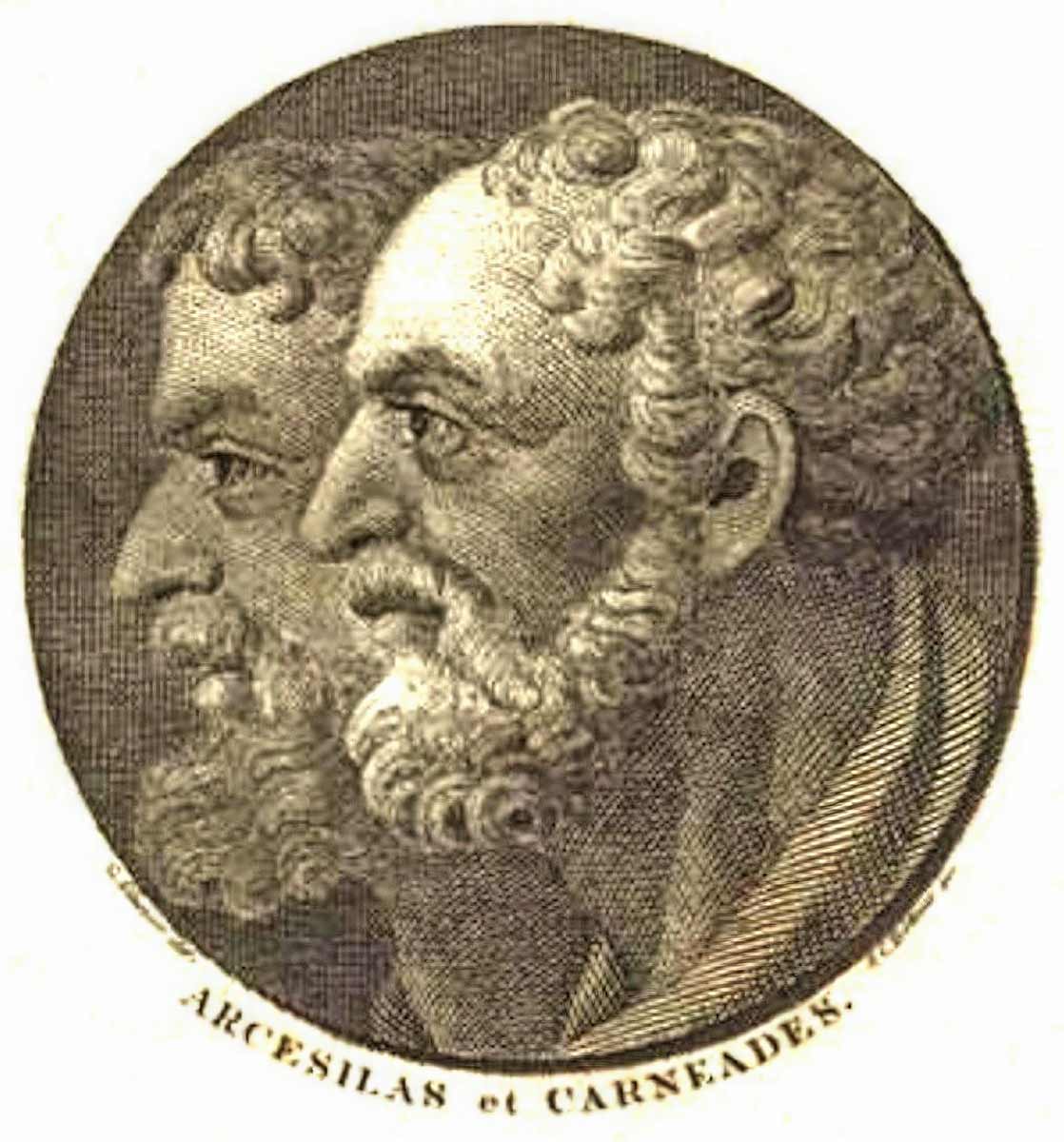
Two primary schools developed: Academic Skepticism and Pyrrhonian Skepticism. Academic Skepticism developed within Plato’s Academy in the generations following Plato. Figures such as Arcesilaus (315-240 BC) transformed the school into a skeptical institution that denied the possibility of certain knowledge and held that beliefs could at best be considered probable.
Pyrrhonian Skepticism, named after Pyrrho of Elis (360-275 BC), went further by refusing to endorse even this conclusion. Instead, it emphasized the persistent balance of opposing arguments. They asserted that for every proposition there exists an equally persuasive counter-proposition. Pyrrhonism additionally aimed to function as a practical mode of inquiry by promoting an engagement with the world without committing to fixed beliefs.
Core Tenets of Pyrrhonian Skepticism
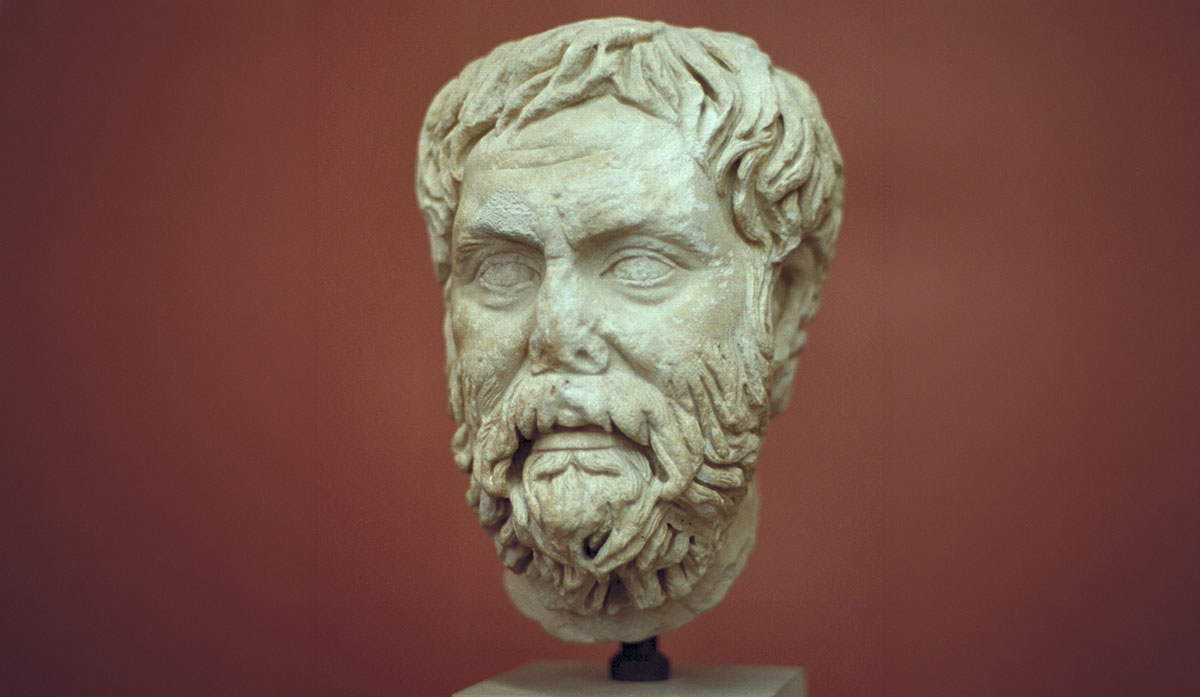
Pyrrhonian skepticism is as much practical as philosophical. Its central principle is withholding assent to any claim, a suspension of judgement known as epoche. Skeptics weigh every proposition against an opposing argument, a method formalized as the ten “tropes” by Sextus Empiricus. Observing a table, for example, they might note contradictory perceptions of its color or weight, thus demonstrating that certainty is elusive.
The ultimate goal of their approach was ataraxia, a type of mental tranquility unshaken by the presence of doubt. In other words, it was a form of humility that acknowledges the limits of perception and reason. This approach also had ethical implications. By acknowledging the fallibility of reason and perception, the skeptic avoided conflict.
Skepticism also introduced the idea of epistemic relativism. Because beliefs vary across cultures, contexts, and individuals, no single perspective is privileged. Experience and reflection take precedence over rigid truths. Such questioning creates a mindset of cautious inquiry, which would later influence Nietzsche and partially inform his critique of moral and metaphysical dogma. While Pyrrhonian tranquility differs from Nietzsche’s affirmative philosophy, the method of radical questioning provided him with tools to confront inherited systems of thought.
Key Figures and Their Legacy
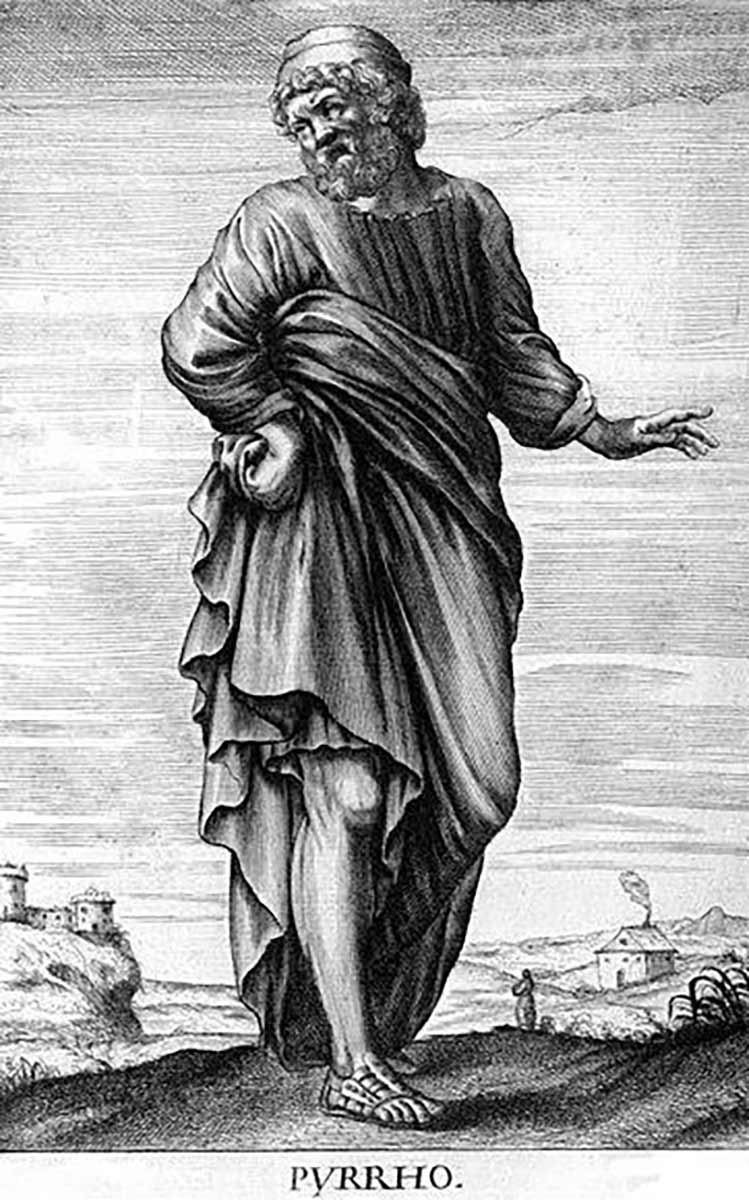
Pyrrho of Elis (c. 360–275 BC) was born in the Peloponnesian city of Elis. He traveled extensively, including journeys with Alexander the Great, observing a wide variety of peoples and their customs.
Little of his own writing survives. Our knowledge of him comes mainly from Diogenes Laertius and later skeptics. These sources portray Pyrrho as a careful, inquisitive observer whose life embodied the curiosity and intellectual experimentation of a Greek philosopher in the Hellenistic era. His teachings emphasized observing life without rigid judgments, whilst valuing open-mindedness and the careful weighing of appearances. His teachings encouraged a view of the world guided by prudence and practical wisdom rather than abstract theorizing.
Although Pyrrho is credited as the founder of Pyrrhonian skepticism, it was Timon of Phlius who transformed his ideas into a coherent, often satirical, critique of dogmatism. Timon’s writings, though mostly surviving in fragments, illustrate skepticism as a lived practice by way of an attitude that balanced humor with irony.
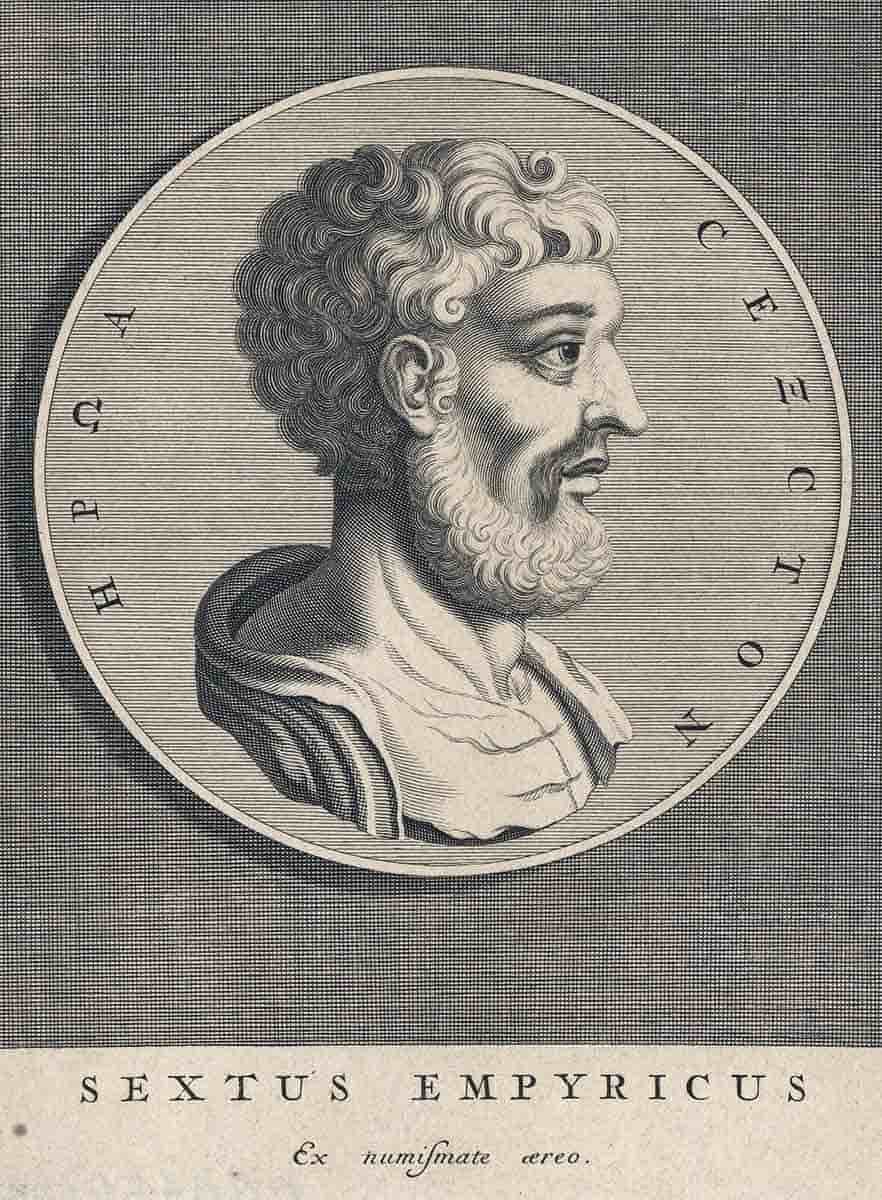
Centuries later, Sextus Empiricus codified these teachings further. Unlike Pyrrho or Timon, whose views survive only through later testimony, Sextus Empiricus is known primarily through his own writings, which provide the most systematic and influential account of Pyrrhonian skepticism. For example, his “Outlines of Pyrrhonism” detailed ten tropes for suspending judgment and emphasized skepticism as a practical tool for tranquility and not merely intellectual doubt. Sextus’s work preserved Pyrrhonian methods and ensured their influence on later philosophers, from Renaissance thinkers to early modern empiricists like Montaigne and Hume.
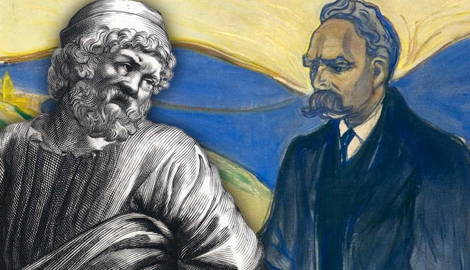
For Nietzsche, Pyrrhonian skepticism represented both inspiration and contrast. Its disciplined questioning (epoche) provided a model for critically interrogating tradition and morality. Yet its pursuit of serene detachment (ataraxia) conflicted with his provocative philosophy of renewal.
Nietzsche’s Encounter With Skepticism
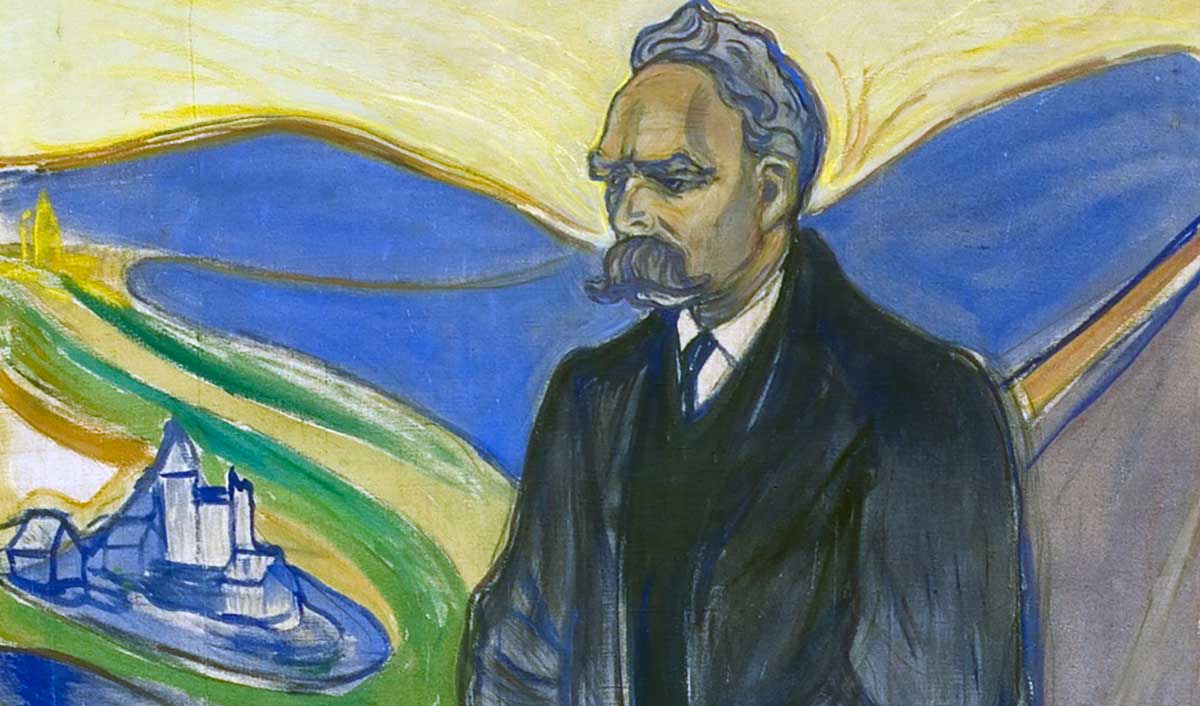
Nietzsche approached ancient skepticism as a serious philosophical challenge and was drawn to its refusal to accept inherited beliefs without question. The skeptical practice of epoche appealed to Nietzsche because it disrupted moral and metaphysical systems that claimed certainty where none could be justified. In this sense, skepticism offered him a way to expose how deeply entrenched beliefs often rest on authorities or fear rather than truth.
This influence can be seen in Nietzsche’s method of critique. Like the skeptics, he questioned the foundations of knowledge and morality by showing how competing interpretations undermine claims to absolute truth. Moral values, religious doctrines, and philosophical systems were not treated as timeless facts but as products of history and human psychology. Skeptical questioning allowed Nietzsche to reveal the instability of these systems and to challenge their authority without immediately replacing them with new certainties.
However, Nietzsche did not adopt skepticism as a final position. Where Pyrrhonian skeptics sought balance between opposing views, Nietzsche used conflict as a productive force. Rather than suspending judgment in favor of neutrality, he pushed ideas against one another in order to expose their weaknesses and hidden assumptions. Skepticism, for Nietzsche, functioned as a tool for clearing ground and opening space for new possibilities.
Nietzsche’s Answer to Skepticism

Despite his admiration for skeptical discipline, Nietzsche ultimately rejected the Pyrrhonian goal of ataraxia, or tranquility. He viewed the pursuit of peace of mind as a retreat from life rather than a philosophical achievement. For Nietzsche, the desire to avoid disturbance often reflected weariness not wisdom. A philosophy that aimed primarily at calm seemed to him ill-suited to a world defined by struggle and uncertainty, and the changes that the individual needed to make.
Nietzsche’s alternative was an active engagement with life’s difficulties. His idea of the “will to power” framed growth as a process of self-overcoming. Instead of seeking relief from contradiction, Nietzsche believed that meaning arises through confronting it. His break from skepticism meant avoiding its inherent limitations that resulted in the loss of “any conception of independence of decision, of the valiant feeling of pleasure in willing” (Beyond Good and Evil, 208).
For Nietzsche, uncertainty was not something that should be neutralized but something to be transformed into a source of strength and creativity. At the same time, ancient skepticism’s emphasis on tranquility stood opposed to his affirmative philosophy, which demanded risk and a commitment to life’s conflicts. Although Nietzsche rejected skepticism as a way of life, he retained its discipline of inquiry, using it to challenge inherited values, cultivate multiple perspectives, and unsettle the moral order he believed had grown stagnant.
The Enduring Influence of Ancient Skepticism
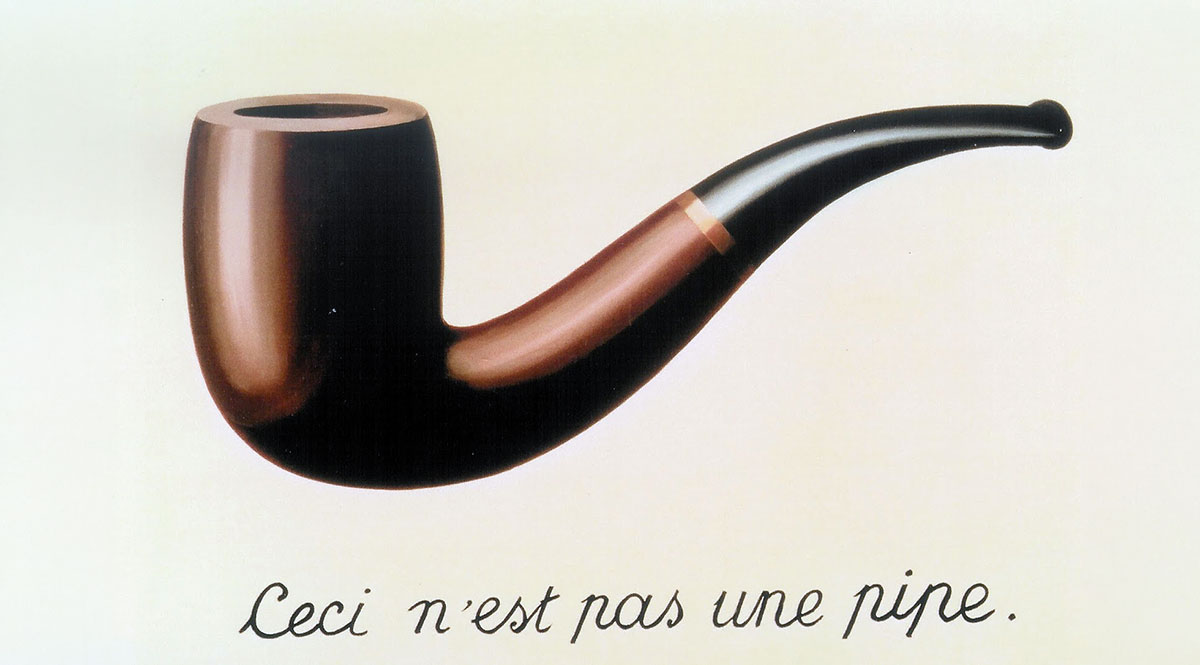
Ancient skepticism endures not because it resolves philosophical problems, but because it refuses to let them harden into dogma. Pyrrhonian skepticism offered a disciplined way of confronting uncertainty, exposing the fragility of claims to truth and the limits of human understanding. Its emphasis on suspension and tranquility represented one possible response to a world marked by disagreement and instability.
Nietzsche’s engagement with this tradition reveals both its power and its limits. He inherited the skeptical impulse to question inherited values and unsettle claims to certainty, but he refused to limit himself to skepticism’s therapeutic teachings.
What emerges from this encounter is not a rejection of skepticism, but its transformation. Skeptical doubt becomes a precondition for self-overcoming rather than an end in itself. The legacy of ancient skepticism, which survives in Nietzsche’s work, contributes to its intensity. At his best, Nietzsche exposes the weakness in accepting ready-made truths coupled with a demand to create new values in their absence.
Today, the skeptical tradition resonates in fields beyond philosophy. In science, psychology, and critical theory, the practice of questioning assumptions and suspending premature judgment fosters innovation and ethical reflection. Ancient skepticism’s insistence on inquiry over dogma encourages modern thinkers to embrace uncertainty as a catalyst for intellectual and creative growth.