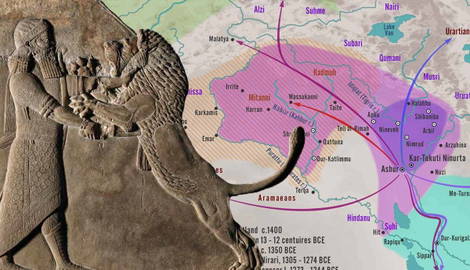

Around four thousand years ago, the city-state of Assur expanded into the Empire of Assyria, the largest the world had seen at that point. It lasted for almost two thousand years, ruled by many fascinating kings. With a belief in divinely sanctioned imperialism, the Assyrian kings and their cult-like following were nearly unstoppable in their conquests across the Middle East. Explore the timeline of Assyrian history and the rise and fall of the Assyrian Empire.
Assyrian Timeline Overview
| Date Range | Historical Era |
| 2500-2000 BC | Early Assyrian Settlements |
| 2000-1800 BC | Old Assyrian Kingdom |
| 1800-1350 BC | Period of Instability |
| 1350-1050 BC | Middle Assyrian Empire |
| 1050-900 BC | Decline (following Bronze Age Collapse) |
| 900-612 BC | Neo-Assyrian Empire |
| 627-612 BC | Collapse |
Early Assyria (2500-2000 BC)
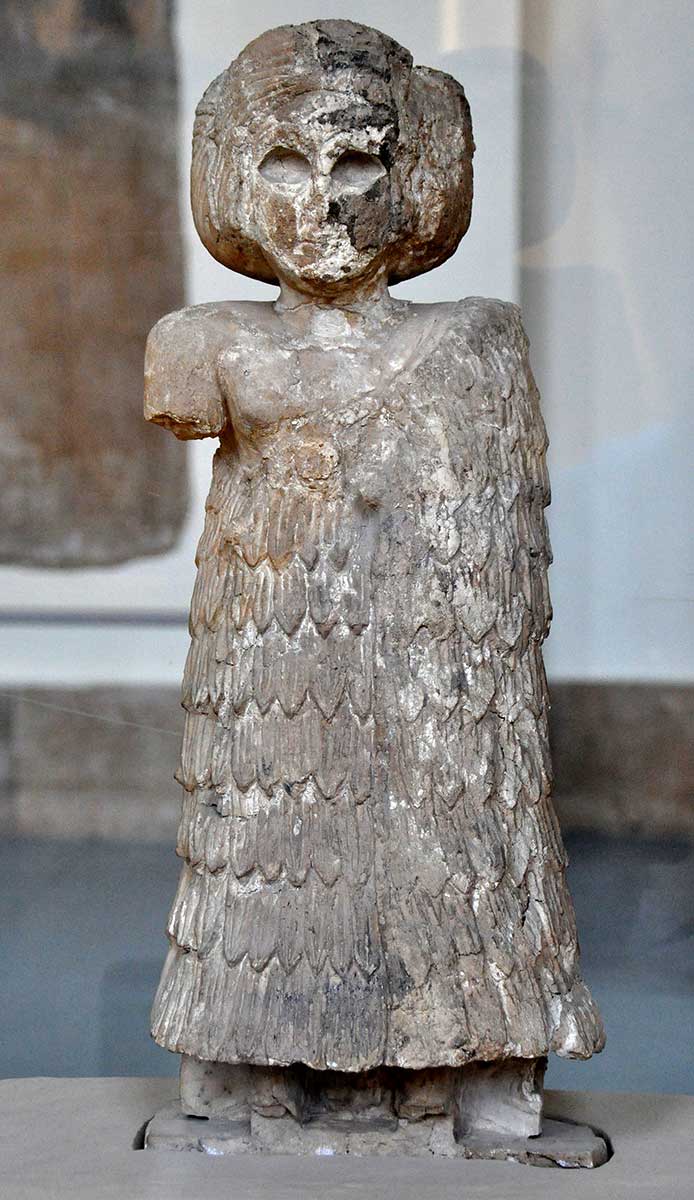
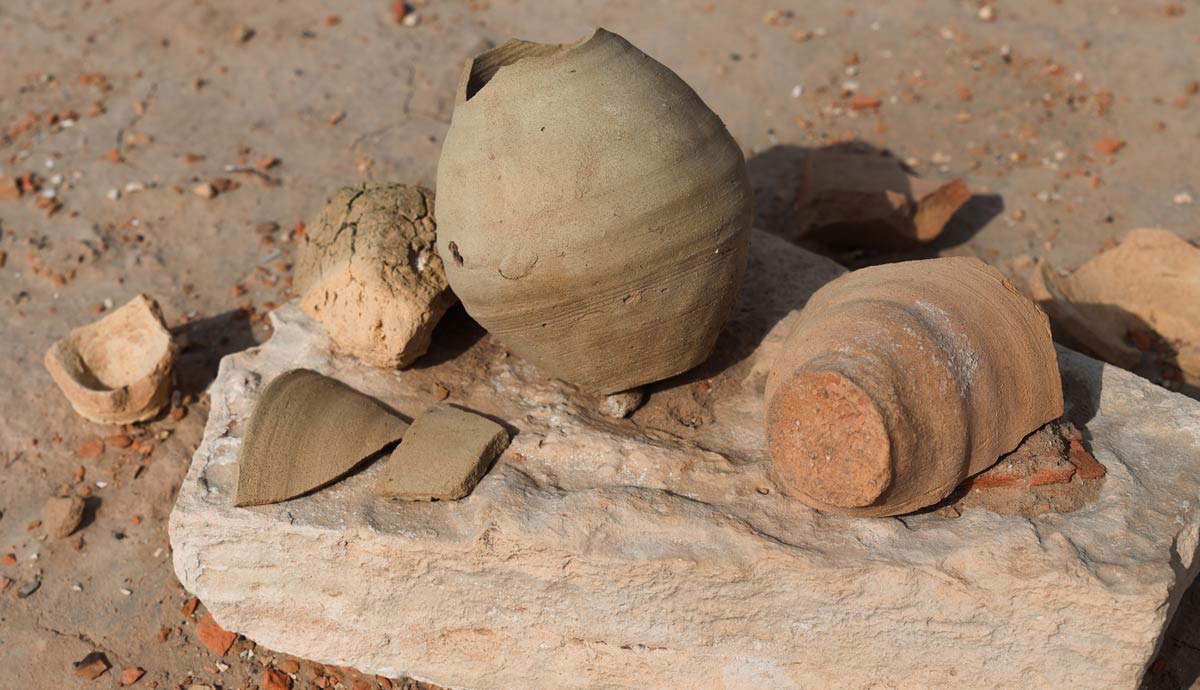
Assyria first became an independent city-state under the rule of Purzur-Ashur I in 2025 BC when the city of Assur broke away from the waning Ur Empire. The head of state was not yet referred to as “king.” Little evidence survives to indicate what Assyria was like in this period, but a few inscriptions suggest an intensive construction program.
During the reign of Purzur-Ashur I’s son and successor, a temple was built for the city’s patron god, Assur, dedicated by both the king and his people. Erishum I came to power in 1973 BC and was the grandson of Purzur-Ashur I and the third independent ruler of the city-state of Assur.
Erishum I’s reign was significant as it ushered in an era of free trade, which quickly enriched the Assyrian king through taxation and tolls. He cemented Assur’s position in Mesopotamia as an important trading center.
Old Assyrian Period (2025-1364 BC)
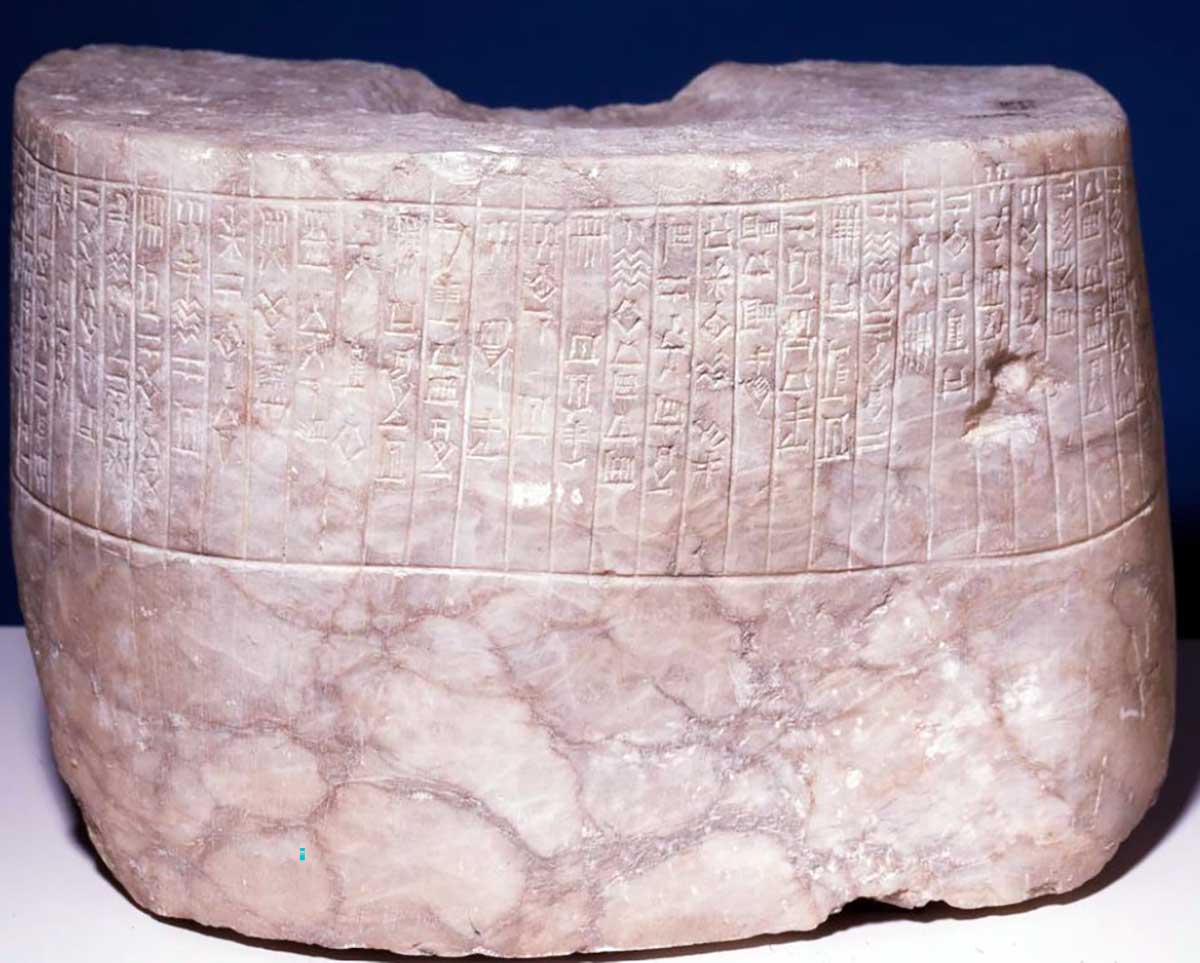
The rule of Shamshi-Adad I established the precedent for what Assyria would later be infamous for: war and conquest. Originally a king of the Amorite people, a nomadic, semitic-speaking group from western Mesopotamia, Shamshi-Adad I usurped the Assyrian throne from the ruling family, still descended from Purzur-Ashur I, in 1808 BC.
Shamshi-Adad I was not content with expanding his kingdom to include Assur. The newly established monarch began conquering neighboring city-states and acquired lands that would later become the Assyrian heartland. Most notably, Shamshi-Adad I consolidated the city of Nineveh around 1792 BC.
However, Shamshi-Adad I’s success was short-lived. Upon his death, Shamshi-Adad I’s sons and successors could not maintain the lands he had taken. Assyria entered what historians call the “Assyrian Dark Age” around 1776 BC, which lasted until the fall of the Old Babylonian Empire on the eve of the 16th century BC. The absence of an authoritative state in Mesopotamia allowed Assyria to resurge.
Middle Assyrian Empire (1363-1050 BC)
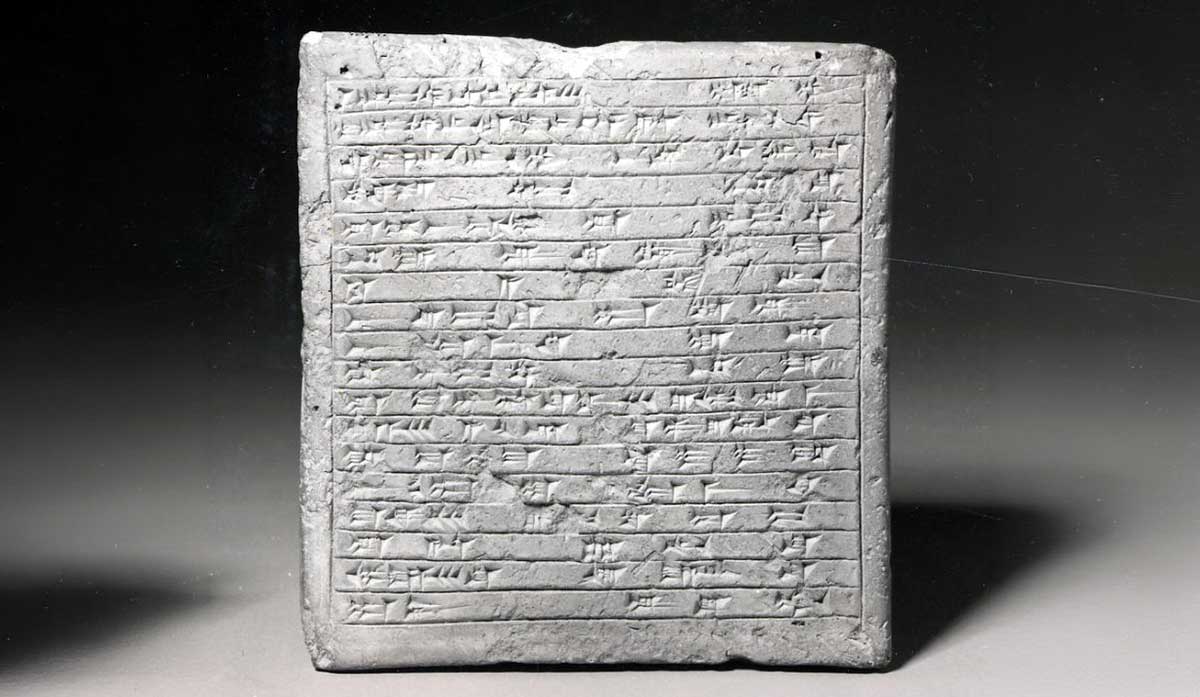
Little historical evidence survives from the Assyrian Dark Age, but gradually, government records began to reappear. However, it was not until much later, after Assyria broke free from the reigning Mitanni, that power began to return to the city of Assur. The turning point is marked by the rule of Assyrian King Ashur-Uballit I, starting around 1363 BC. Once Ashur-Uballit I achieved independence, he set about expanding Assyrian territories.
Although gains were initially small, the new Assyrian ruler gradually enlarged his domain. More significant was the changing political formation of Assyrian kingship and the rise of the cult of the king. Ashur-Uballit established himself as a great king and declared it was his duty to bring uneducated or foreign people under Assyrian rule.
Still a new power in the Mesopotamian political sphere, the succeeding Assyrian kings wanted to make their presence known and cement their position among the accepted powers. Adad-Nirari I’s reign is debated, but after he was crowned in either 1305 or 1295 BC, he launched a war against one of the oldest civilizations in the ancient Near East: Babylon.
Important Middle Assyrian Kings
| Ruler | Date Range | Legacy |
| Ashur-uballit | 1365-1330 BC | Destroyed Mitanni power |
| Adad-nirari I | 1307-1275 BC | Expanded to the Euphrates |
| Shalmaneser I | 1273-1244 BC | Destroyed the Mitanni capital |
| Tikulti-Ninurta I | 1243-1207 BC | Conquered Babylon and defeated the Hittites |
| Tiglath-Pileser I | 1114-1076 BC | Campaigned in Syria and Armenia |
| Ashur-bel-kala | 1073-1056 BC | Last major Middle-Assyrian king |
Aggressive Imperialism
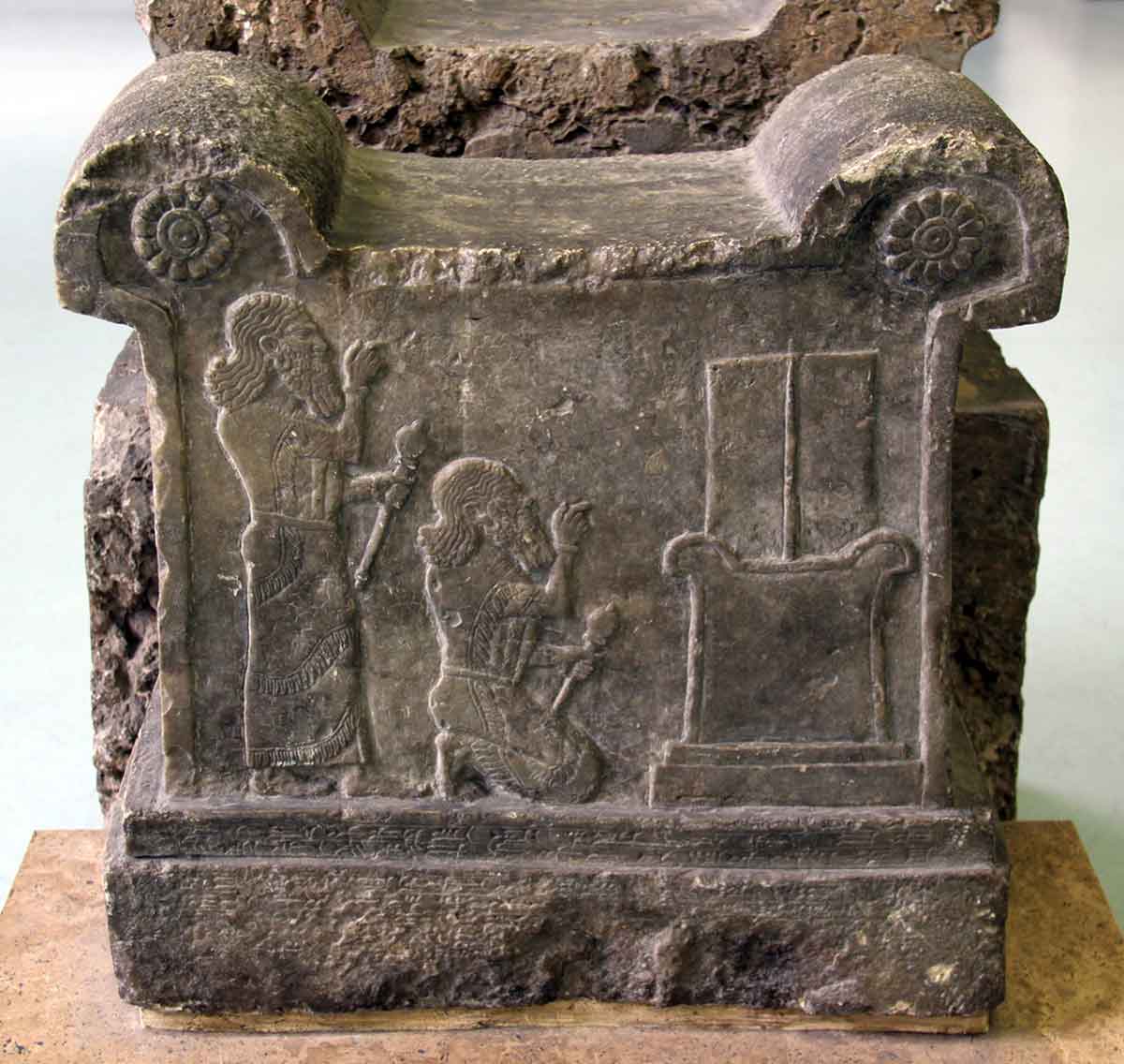
Adad-Nirari I was successful in his battle against Babylon at the Battle of Kar Istar in 1280 BC. He was content with this victory, and any tension between the two nations subsided. His son, Shalmaneser I, was far more ambitious. Almost immediately, Shalmaneser I went to war against the Mitanni and leveled their capital, Washukanni, in the second year of his reign, which was either 1274 or 1264 BC.
Shalmaneser I’s son pushed further expansion and continued a war started by his predecessor with the Hittites. Tukulti-Ninurta I ascended the throne around 1243, and despite a message of best wishes, Tukulti-Ninurta I swiftly turned his attention to his perceived enemy in the north.
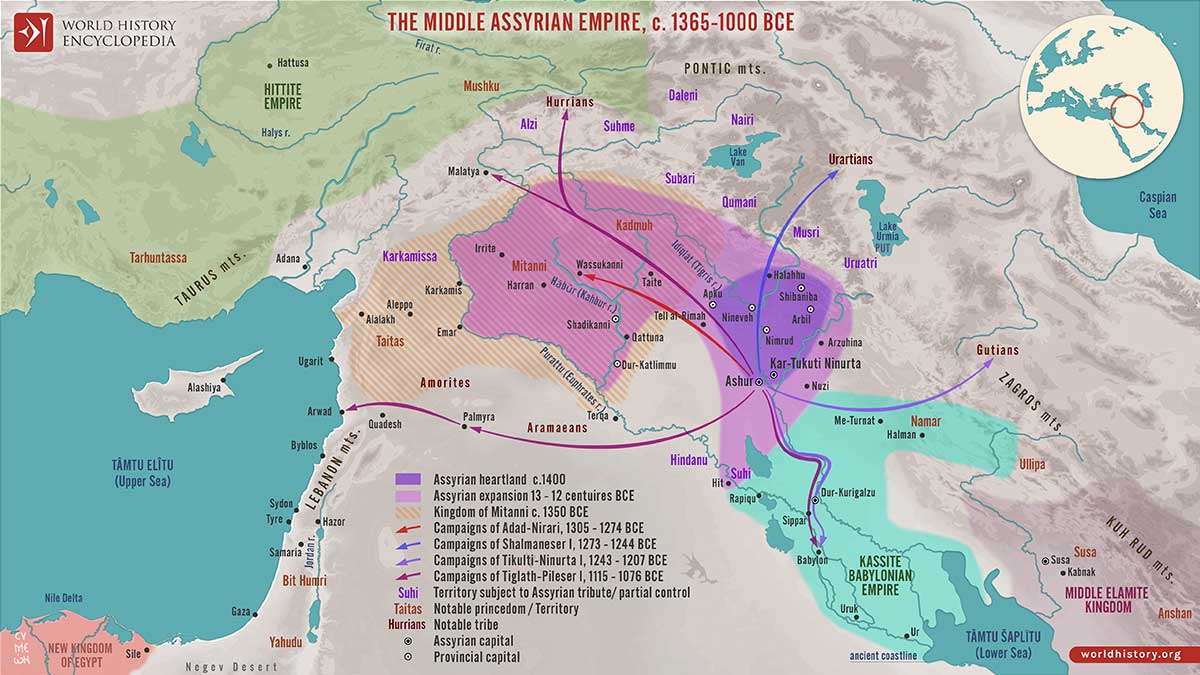
Assyria crushed the Hittites in the Battle of Nihriya in 1237 BC. Building momentum, Tukulti-Ninurta I then attacked Babylon. The Assyrian government utilized the aforementioned cult of the king to justify Tukulti-Ninurta I’s assault on Babylon as divinely ordained. The Babylonian ruler had allegedly abandoned religious rites and invaded Assyria first.
This piece of propaganda is named the “Tukulti-Ninurta I Epic.” It styled the king a legendary warrior and an almost mythical figure. This added to the religious grandiosity of the Assyrian kings.
Aftermath of the Bronze Age Collapse (1050-900 BC)
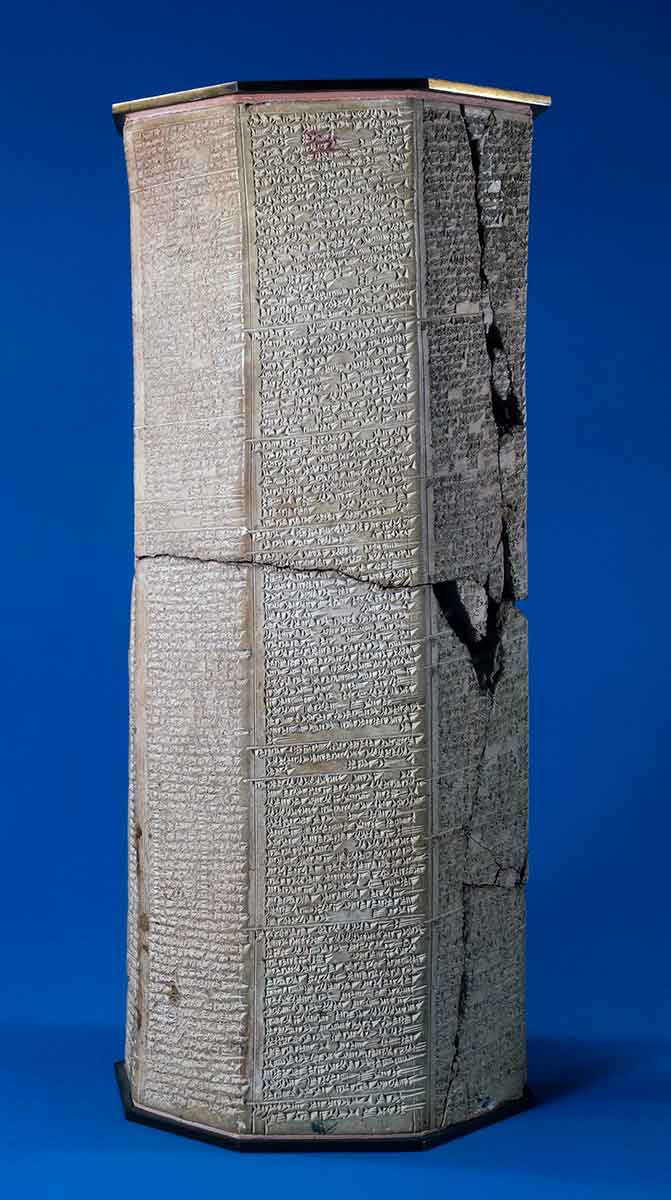
Tukulti-Ninurta I reigned for an estimated 37 years, but by the end of his reign, his popularity was faltering. In the wake of his assassination, his son, who was implicated in the plot, only sat on the throne for a couple of years. Assyrian power stalled. This occurred simultaneously with the Bronze Age Collapse, although Assyria fared much better than many other civilizations.
The rulers who followed were largely insignificant, not conquering new lands and also losing territories to their neighbors. However, Tiglath-Pileser I was crowned in 1114 BC and made geopolitical waves. He expanded into the lands of southern nomadic tribes and fought on Assyria’s western border with the Syrians and Armenian people.
The annals of Tiglath-Pileser I record the strategic aims of the Assyrian king. Notably, he greatly valued the military prowess of horses and aimed to procure more from subjugated states. Furthermore, he referenced how he pacified rebelling cities through such measures as taking hostages and occasional human sacrifices to spread terror.
Like with Tukulti-Ninurta I, the brief spark ignited by Tiglath-Pileser I dissipated when the crown passed to his son. Assyria was now lacking a charismatic leader with military expertise and had to pivot to a defensive position. Ultimately, decades of slow decline followed.
Neo-Assyrian Empire (911-609 BC)
Ashur-Dan II rose to the challenge of restoring Assyrian prominence when he ascended to the throne in 934 BC. This marked the start of a renewed, heightened Assyrian presence in the region. Historians call Ashur-Dan II the last king of the Middle Assyrian Empire, as he took a markedly different trajectory from his predecessors.
Ashur-Dan II utilized brutality, similar to Tiglath-Pileser I, and infamously had the king of the conquered city of Katmuhu flayed before hanging his skin from the city walls of Arbela. The great-grandson of Ashur-Dan II, Ashurnasirpal II, oversaw the eruption of Assyrian power. The third ruler of the Neo-Assyrian Empire was crowned in 883 BC and promptly quelled uprisings in the cities nearest to the Assyrian heartland.
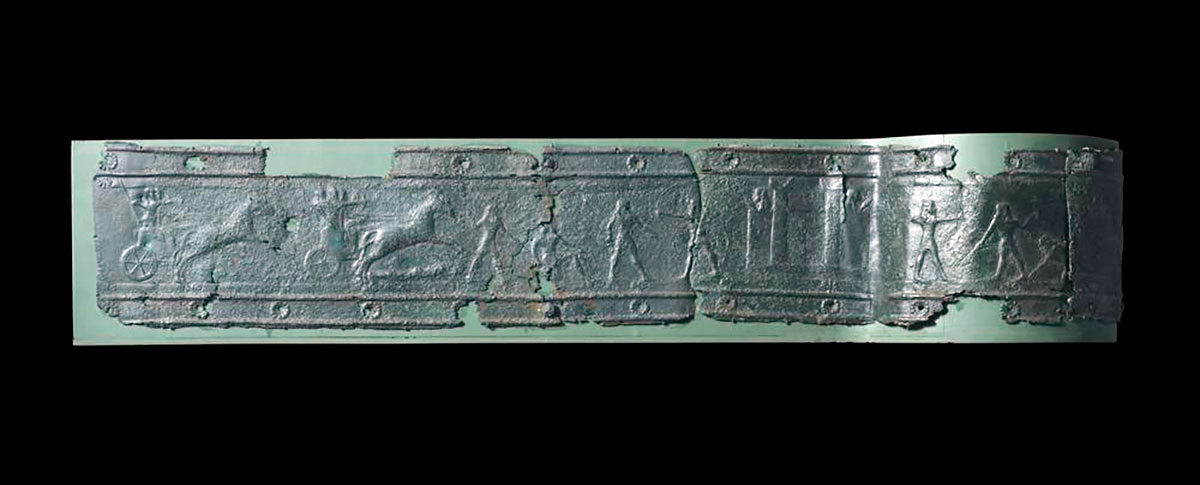
At home, Ashurnasirpal II greatly improved Assyrian infrastructure by expanding water and food reserves, upgrading the royal residences, and even constructing a new palace at Nimrud. The famous Balawat Gates were started by Ashurnasirpal II, and likely added to by his son and successor.
Moreover, Ashurnasirpal II campaigned as far as the Mediterranean Sea and received tribute from numerous states, which boosted the Assyrian economic power.
Important Neo-Assyrian Kings
| Ruler | Date Range | Legacy |
| Adad-Nirari II | 911-891 BC | Founder of the Neo-Assyrian Empire |
| Ashurnasirpal II | 883-859 BC | Constructed the Palace at Nimrud and campaigned as far as the Mediterranean |
| Shalmaneser III | 859-824 BC | Conquered the Levant |
| Tiglath-Pileser III | 745-727 BC | Professionalized the Empire’s army and administration |
| Sargon II | 721-705 BC | Conquered Israel, honored Babylon, but suffered an ill-omened death |
| Sennacherib | 705-681 BC | Besieged Jerusalem and decimated Babylon |
| Esarhaddon | 681-669 BC | Conquered Egypt |
| Ashurbanipal | 668-631 BC | Took Thebes, created the library at Nineveh |
From Strength to Strength
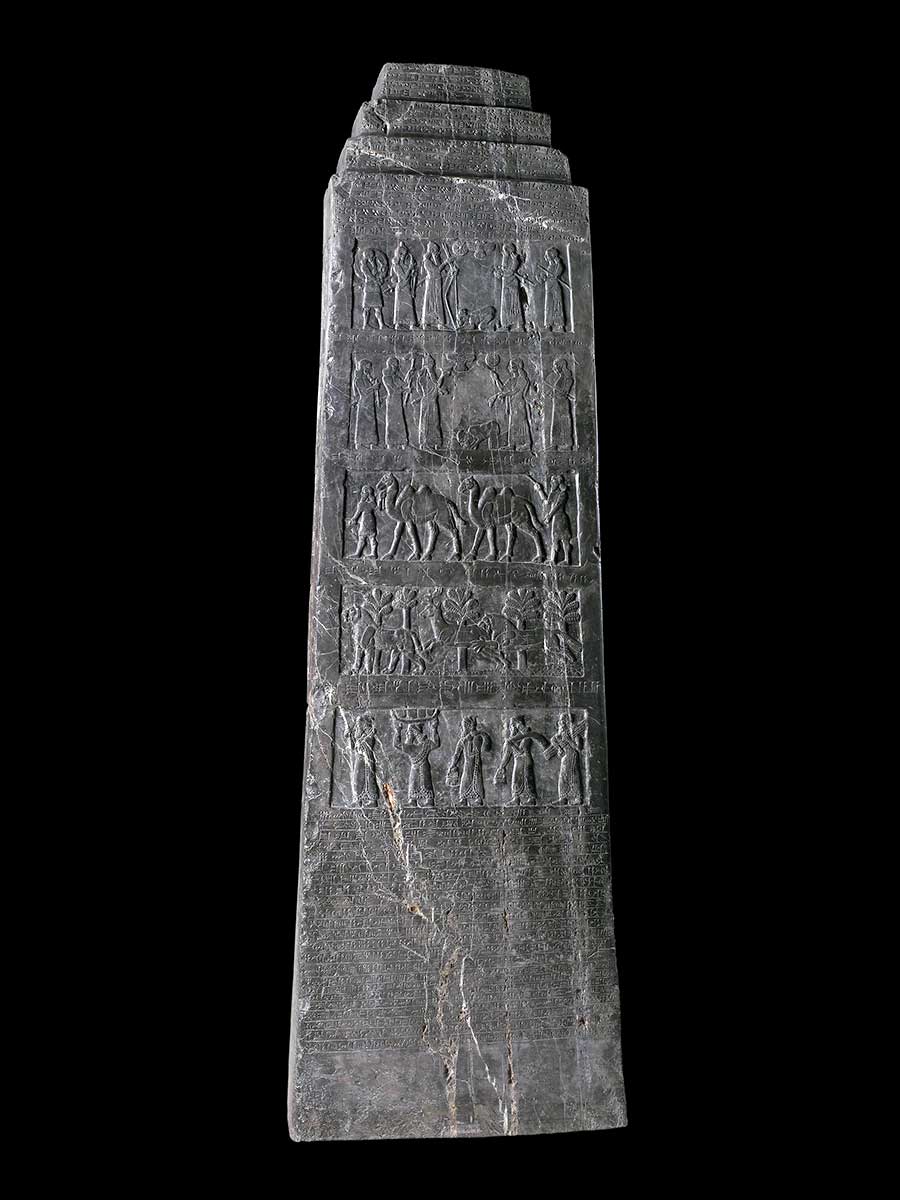
Shalmaneser III succeeded his father, Ashurnasirpal II, and continued applying the same military pressure across the ancient Near East. Shalmaneser III’s reign began in 859 BC, and within a year, he had quelled the unstable territories around the Euphrates River. In 856 BC, Shalmaneser III launched an ambitious attack on Urartu, Assyria’s greatest enemy at the time.
Through a dangerous and unpredictable route through the Taurus Mountains, Shalmaneser III surprised Urartu and sacked their capital. Additionally, Shalmaneser III supported an uprising in Babylon, which created a strong ally in the new Babylonian king. When Shalmaneser III’s thirty-five-year rule concluded in 823 BC, he had created a strong base for the future.
Tiglath-Pileser III further elevated Assyria’s presence on the global stage when he ascended to the throne in 745 BC. Historians widely describe Tiglath-Pileser III as the instigator who put Assyria on its path to true imperial supremacy in Mesopotamia. He conquered lands rather than just establishing vassal kingdoms. He marched on powerful kingdoms, including Babylon, Urartu, the Hittites, and Phoenician cities.
The Sargonid Kings
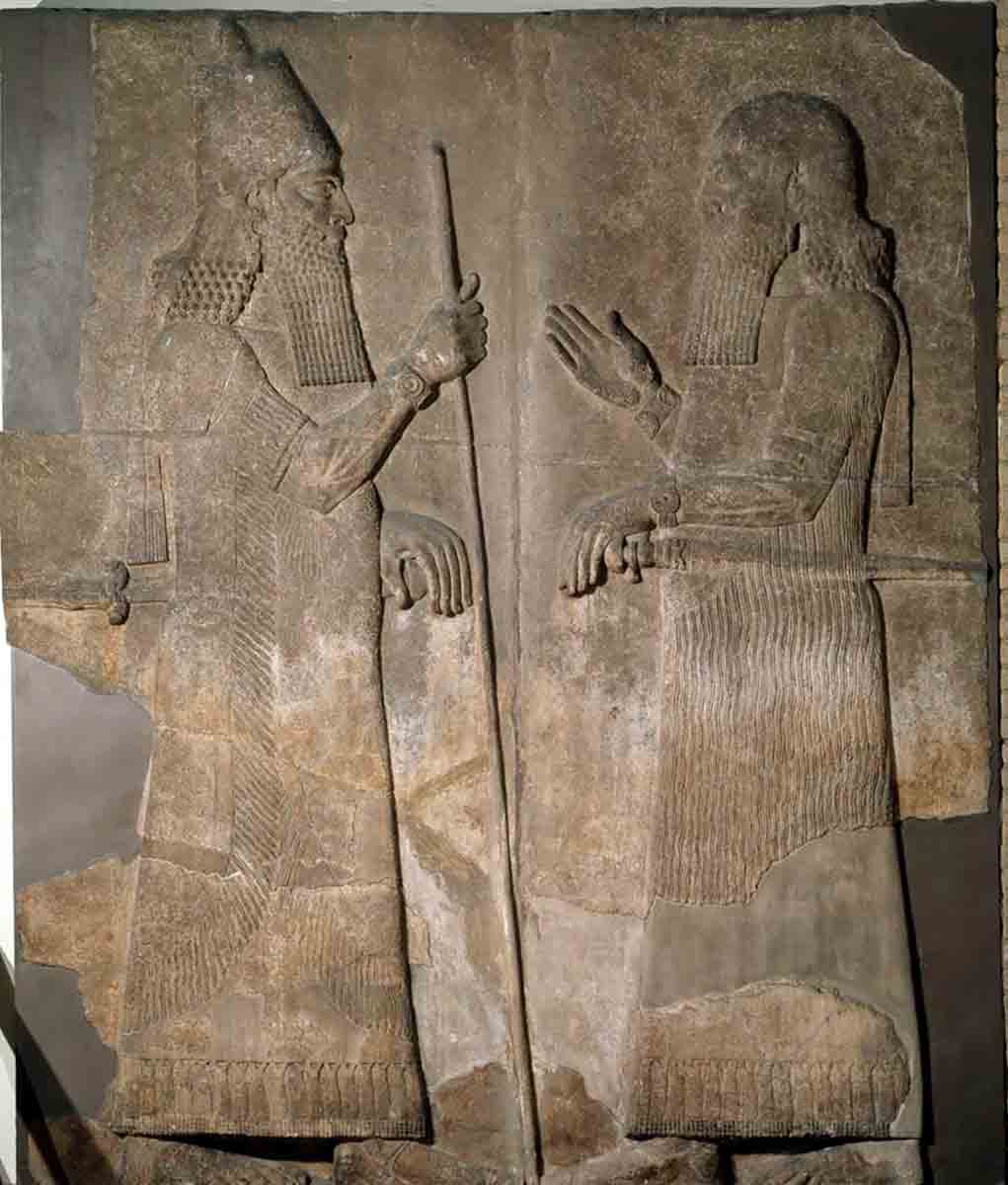
The Neo-Assyrian Empire probably reached its height under the Sargonid kings. Sargon II usurped power from his brother, or possibly a more distant relative, becoming king in 722 BC. He immediately faced unrest and countered the turmoil by deporting those who opposed him.
Sargon II launched his army both east and west of the Assyrian heartland and conquered city-states in Anatolia, Elam, and Urartu. He took the ancient city of Carchemish in 717 BC and subjugated the Philistine city of Ashdod in 713 BC.
Furthermore, Sargon II declared that the Babylonian patron deity, Marduk, had told him to overthrow the king of Babylon, who had been unfaithful to the gods. The Babylonian king fled, and Sargon II met little resistance when he entered the city in 710 BC. However, the invasion of Babylon would become the Assyrian ruler’s undoing. He remained in Babylon for the next three years and participated in various local traditions. This was unpopular with the Assyrian elite, who saw this as a betrayal of the divine right of conquest and the elevation of Marduk over their own patron deity, Assur.
When Sargon was killed in battle just two years after leaving Babylon, his body was lost in the bloodshed and did not receive a proper burial. This was considered a bad omen and a curse. It greatly affected his son and successor, Sennacherib, who distanced himself from his father. He did not mention him in any of his inscriptions and quickly abandoned Sargon’s capital for a new city.
The Cost of Control
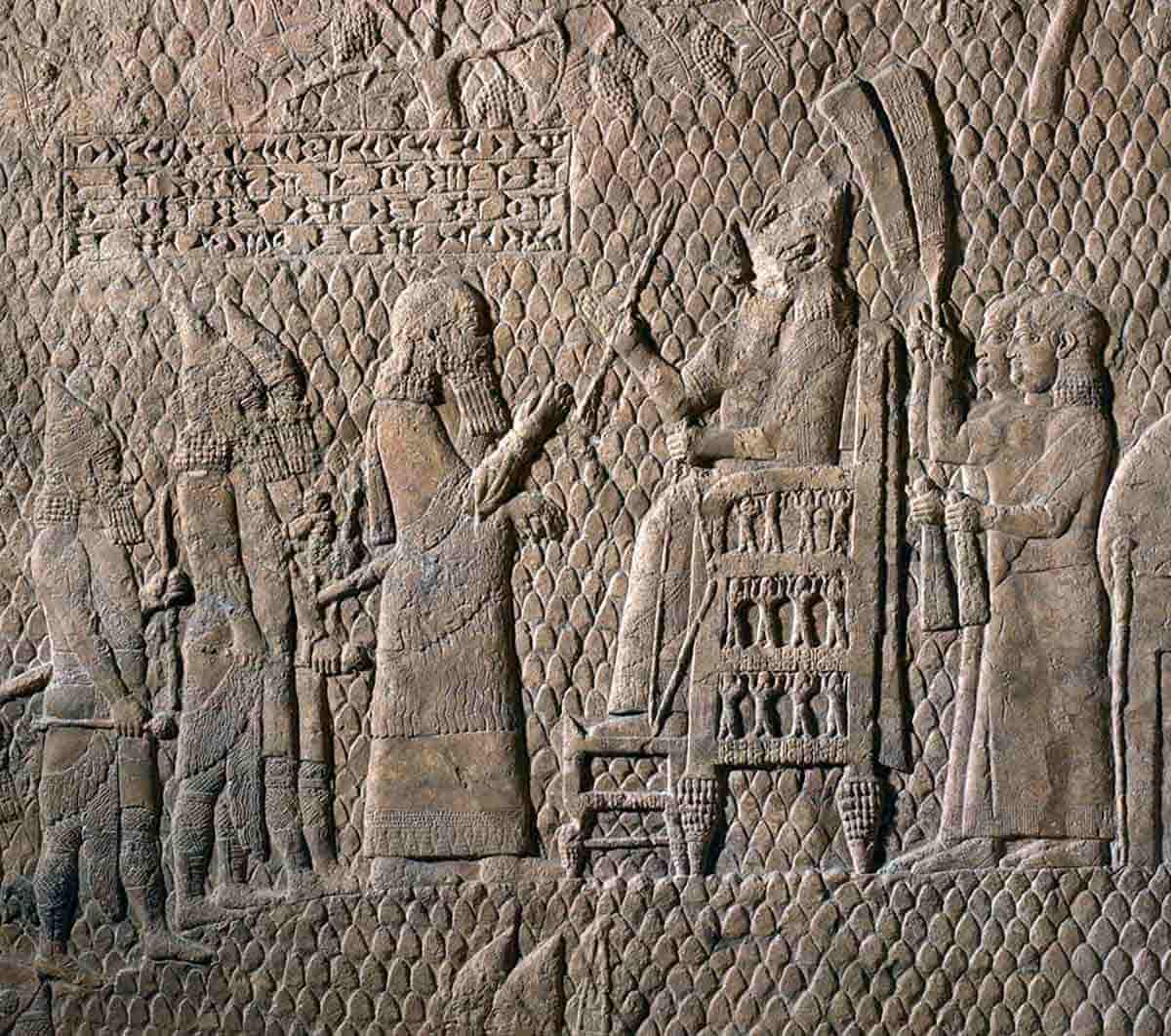
Sennacherib ascended to the throne in 705 BC and was instantly forced into battle with the kingdoms that had ceased paying tribute upon Sargon II’s death. After two years, Sennacherib reasserted Assyrian control over Babylon, but to ensure he could continue his wars elsewhere, he installed a vassal king. He would still soon find himself facing conflict on multiple fronts.
In 701 BC, Sennacherib invaded deep into the Levant. The Hebrew Bible discusses Sennacherib’s failed siege of Jerusalem, but evidence suggests he was able to force tribute from the city. Almost simultaneously, the Assyrian vassal king in Babylon faced considerable opposition from the locals.
As a solution, Sennacherib placed his eldest son on the Babylonian throne, allowing him to turn his attention to decimating Elamite cities. But this saw an Elamite faction march on Babylon, kidnap Sennacherib’s son, and execute him in 694 BC. In response, Sennacherib decimated Babylon, destroying ancient religious icons and temples.
Making Amends
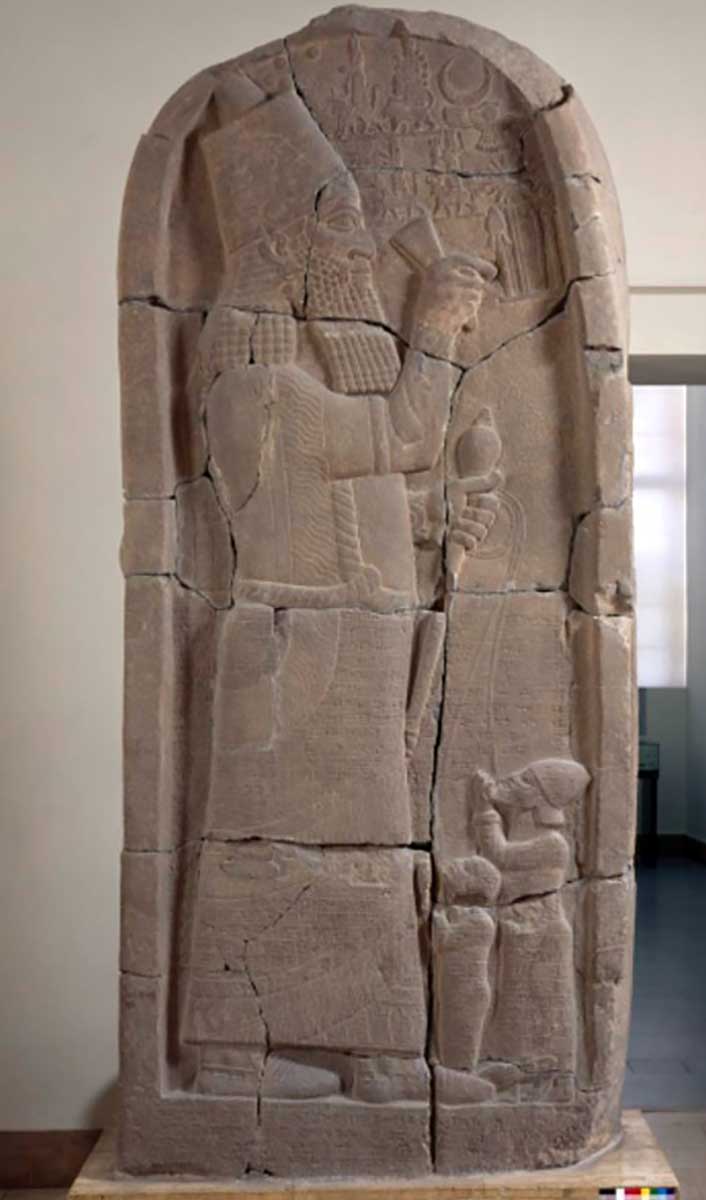
Despite a relatively peaceful end to his reign, Sennacherib’s actions in Babylon proved unpopular at home in Assyria. Ultimately, his son, who was crowned in 681 BC, wanted to make reparations in Babylon, which had long been considered an important religious center in the region.
The new king, Esarhaddon, restored Babylon to its former glory and then turned his attention to rebelling tribes and potential territorial gains. Esarhaddon began the conquest of Egypt with military success in 671 BC. In spite of his military successes, his consistent illnesses suggested to the Assyrian elite that he was losing favor with the gods.
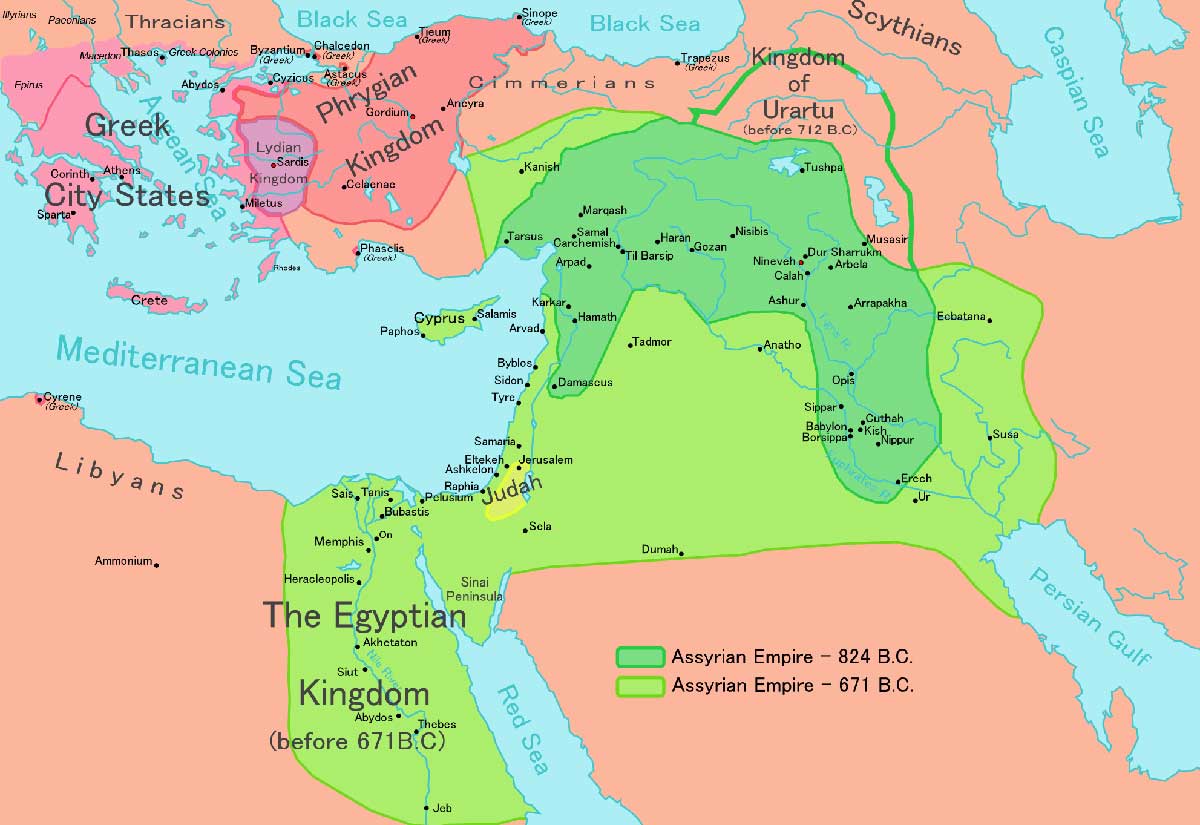
After multiple rebellions in the Assyrian heartland, including in the royal seat of Nineveh, Esarhaddon had multiple conspirators executed. To further secure his position, he decreed that his eldest son, Shamash-shum-ukin, would rule Babylon, and his younger son, Ashurbanipal, would be King of Assyria following his death. Moreover, he had everyone from the Assyrian elite to remote vassal leaders swear allegiance to this plan.
Esarhaddon died of natural causes in 669 BC, and the ascension of both brothers took place smoothly. Under Ashurbanipal, the Assyrian Empire reached its absolute zenith, securing Egypt through the conquest of Thebes in 664 BC. Additionally, Ashurbanipal defeated the Elamites in a dramatic decade-long war and eventually had their king put to death in 653 BC.
Stretched Too Thin
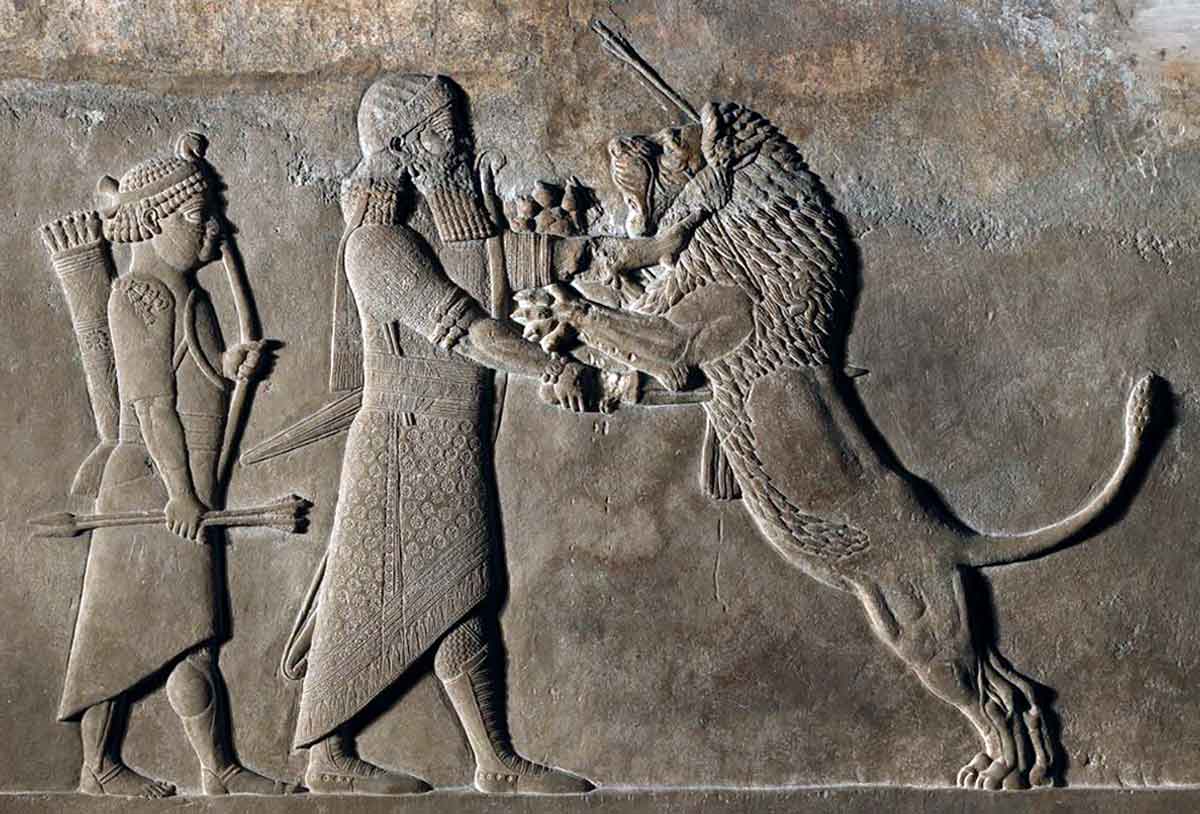
Ashurbanipal is often said to be the last great king of Assyria, as, after his death, Assyrian power dwindled and the Empire lost considerable territories. When Ashur-etil-ilani ascended the throne in 631 BC, many city-states broke away, and the new king was preoccupied with instability at home. An insurgency was attempted by the Chief Eunuch, although it was eventually thwarted.
Ashur-etil-ilani’s reign only lasted four years, and a leading eunuch, Sin-shum-lishir, was able to usurp the throne for three months in 626 BC. He was ousted by Sinsharishkun, another son of Ashurbanipal. Sinsharishkun fought a brutal and continuous war against Babylonia, which, for the first time in centuries, was able to make waves into the Assyrian heartland.
The Babylonians launched an attack on the city of Assur, and with Assyria’s weakness on full display to the rest of Mesopotamia, other enemies who had been conquered or forced to pay tribute seized the opportunity for revenge and joined the attack. A united front of Median tribes aided the Babylonians in sacking Nimrud and Nineveh.
The Aftermath (After 609 BC)

Following massacres in the most prominent Assyrian cities, the Empire completely collapsed in 609 BC. While some small pockets of Assyrian people and the Assyrian culture survived, their presence on the global stage completely disappeared. Other city-states, notably Babylon, moved to take advantage of the power vacuum.
The Assyrian Empire’s two millennia of expansion reshaped the Near East by pioneering new models of kingship, warfare, and imperial administration. Beginning with Ashur‑Uballit I’s break from Mitanni rule, Assyria developed a political ideology that framed the king as a divinely sanctioned conqueror, a theme visible in declarations, such as when Sargon II went to war with Babylon.
Assyrian kings expanded this vision through relentless military campaigns, and by the Neo‑Assyrian period, rulers like Ashurnasirpal II and Shalmaneser III transformed Assyria into a dominant regional power.
Later kings, including Sargon II and Ashurbanipal, extended Assyrian influence across Egypt, Anatolia, and Elam, creating the largest empire the Near East had seen. Although the Empire ultimately collapsed under the pressure of internal strife and external coalitions, its administrative systems, military innovations, and imperial ideology left a lasting imprint on the political landscape of the ancient Near East.