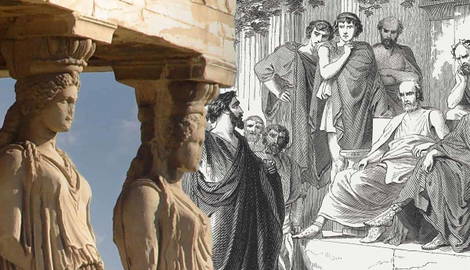

Ancient Athens is considered the birthplace of democracy and is often held up as the model for citizen self-government. But as we see today, what constitutes a democracy can differ greatly, and democratic nations can be governed by very different laws and supported by very different institutions. If Athens is the model, what are the laws that shaped Athenian democracy?
Foundations of Democracy – Draco’s Laws (c. 621 BC)
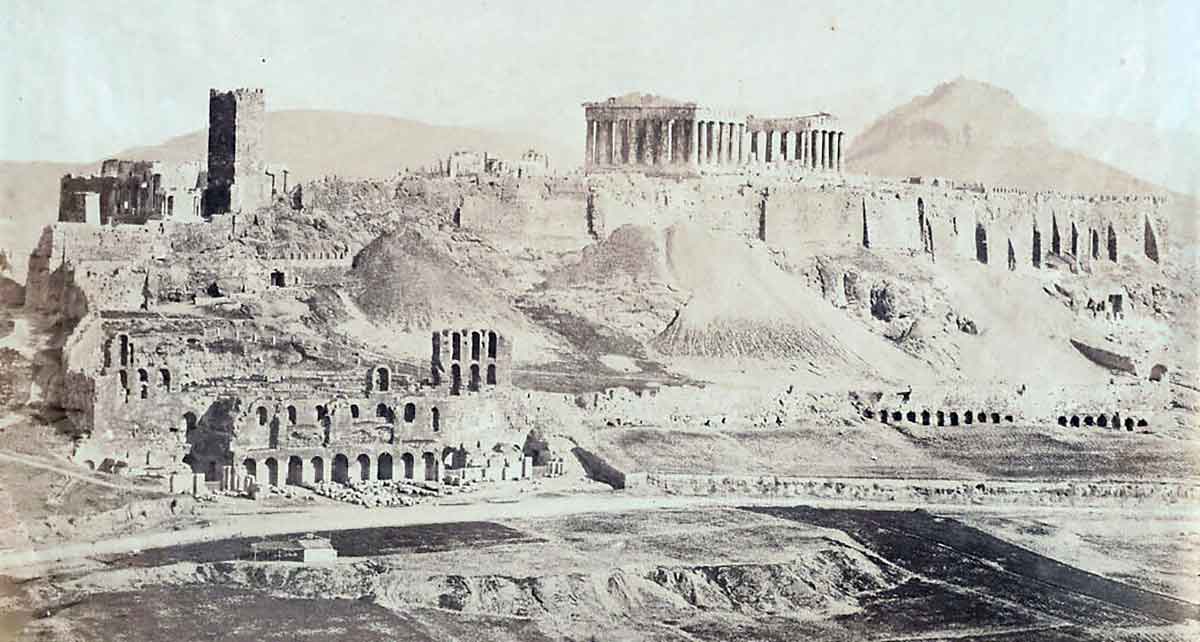
Athens has been inhabited since at least the Neolithic era, and the city itself can be traced back to the Bronze Age, when it was a significant Mycenaean Palace center. When Athens emerged as a Greek city-state, it was first ruled by a series of kings, and later by an oligarchy of aristocratic families that monopolized the chief magistracy, known as the archon. The rest of the population lived, worked, and died under their rule with little political representation. This started to change in the 7th century BC.
Greece was not a unified nation, but a group of cities that shared a common culture, such as language and religion, but were often at war with one another. Most Greek armies were built around the phalanx, a densely packed block of spearmen, called hoplites. Armies were made up of average citizens, who had to provide their own equipment. The average Athenian protected their city from invaders at their own expense, and without political representation. This led to resentment, which came to a head in 632 BC when an aristocrat named Cylon attempted a coup to install himself as a tyrant in Athens. While his coup failed, it led to widespread political unrest that paved the way for change.
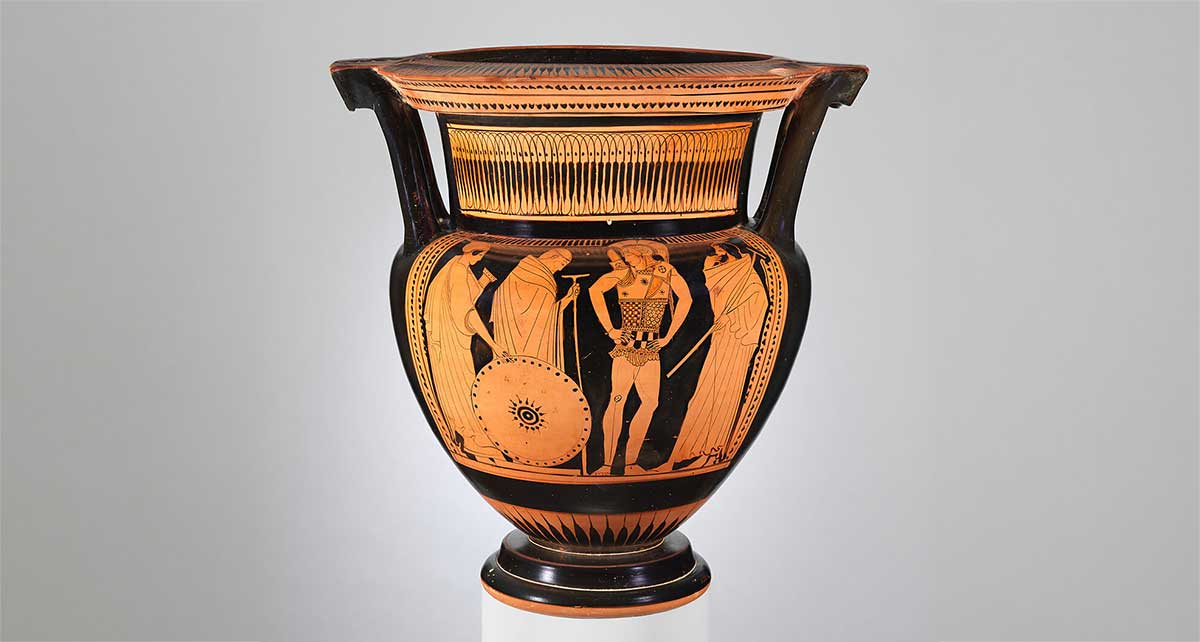
One result was Athens’ first written lawcode composed by an aristocrat named Draco in 621 BC. This was an early “proto-constitution” that replaced the old system of oral laws and arbitrary judgments. Penalties for crimes were passed according to written law, which could theoretically be consulted by anyone, and through a court system. These laws were infamously extremely harsh, with the death penalty for the majority of infractions. According to some sources, even stealing a cabbage was punishable by death. Unfortunately for modern scholars, the majority of his law code has been lost to history outside of a few fragments. Though brutal, Draco’s establishment of the written law code and court system was instrumental to the creation of Athens’ democracy.
Sewing the Seeds – Solon’s Laws (594 BC)
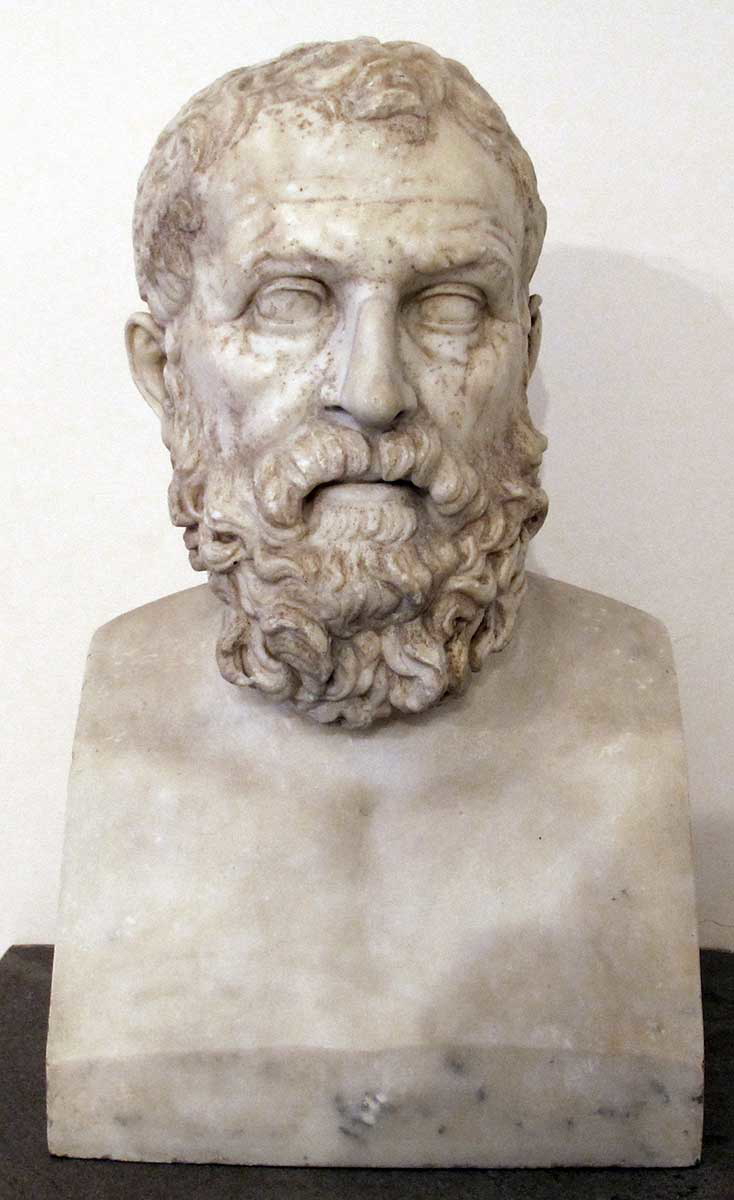
Solon became archon of Athens in 594 BC and instituted sweeping reforms that fundamentally transformed Athenian society. One of the major issues of his era was a widespread debt crisis and social unrest due to aristocratic landowners demanding payment from peasant tenants. Rents were so high that many lower-class families were barely able to feed themselves after the landowners took their cut. Solon reformed this system, giving some wealth back to the lower classes.
Solon also divided society into four levels based on wealth, and the top three were allowed to participate directly in government affairs. Noble birth alone was no longer enough to secure a government role. All four levels of society were allowed to attend the general assembly, even the Thetes, the lowest level of wealth, though the Thetes could not hold office. He also established the Boule, or Council of 400, which voted on which laws would be presented to the Assembly. The executives of the system were still the archons, but the nine men who held the position for one-year terms were selected by lot, not elected, which reduced the possibility of corruption and vote buying.
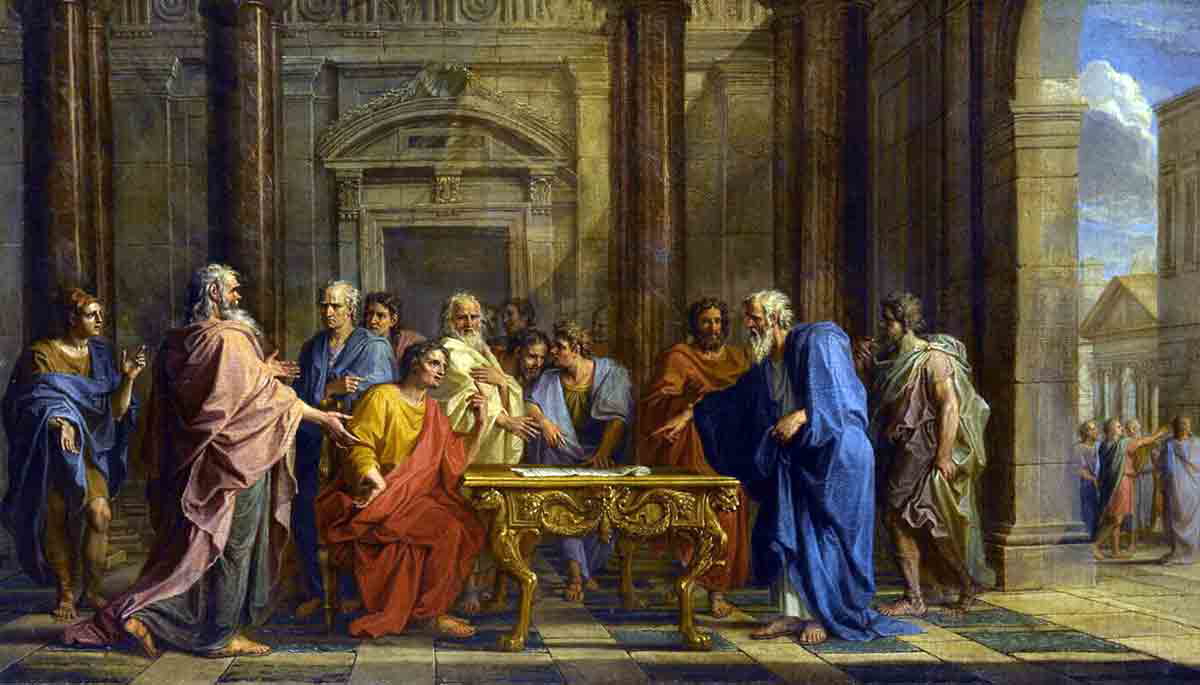
Solon’s reforms were significant not only for the specific laws and government institutions but for their underlying ideology. He saw Athens as a collective body, one that required all parts to work together to function smoothly. His reforms were designed with the idea of good governance in mind and keeping peace between the social classes. Solon was far from an advocate for direct democracy, but walked a middle ground between the lower and upper classes with the intention of maintaining order and preventing revolts by the citizenry. He also repealed Draco’s harsh laws, replacing them with more measured punishments that fit the scale of the crime.
Despite Solon’s reforms, in 561 BC, the aristocrat Peisistratus took over as tyrant. The authoritarian Peisistratus established a new dynasty. He may have been competent, but his son Hippias was not. In 510 BC, Hippias was driven out of Athens by a coalition of Athenian aristocrats and the Spartans. After the revolt, the aristocratic elements fought among themselves, with some seeking to dissolve the Areopagus, a council that held legislative powers. The other faction, led by Cleisthenes, sought to preserve the institution. In the end, Cleisthenes’ side won, and the stage was set for the most radical shift toward Athenian democracy.
Democracy Born – Cleisthenes’ Reforms (508 BC)
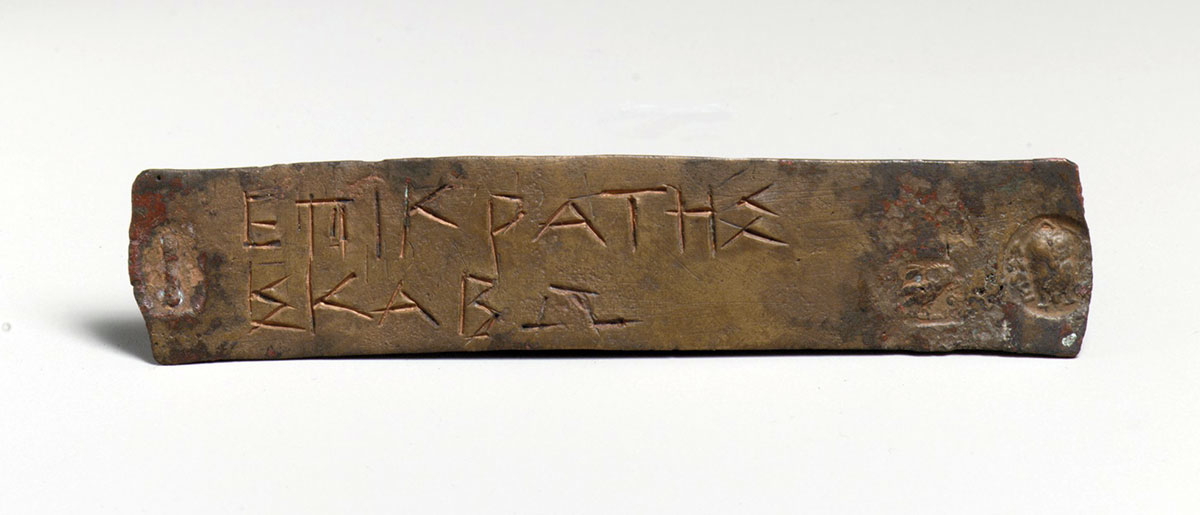
After the tyranny was overthrown, Cleisthenes took power as chief archon and fundamentally reshaped Athenian society. One of his first acts was to eliminate Solon’s four tiers of society. Instead, he established 139 wards of the city based on location. The population was divided into ten tribes, each representing a cross section of the population regardless of wealth, social class, or aristocratic birth. Each tribe selected fifty members to serve in the Boule, which was expanded to 500 members. They drafted laws that then went before the assembly. The General Assembly was also expanded to include every adult male citizen of Athens. In this way, Cleisthenes established the world’s first democratic system.
Cleisthenes also instituted other reforms, such as overhauling the legal system. Juries were expanded from between 201 and 401 jurors for private cases, and 501 for criminal cases. These men were selected by lot from the ten tribes. By making the selection random, it became very difficult to bribe or intimidate jurors.
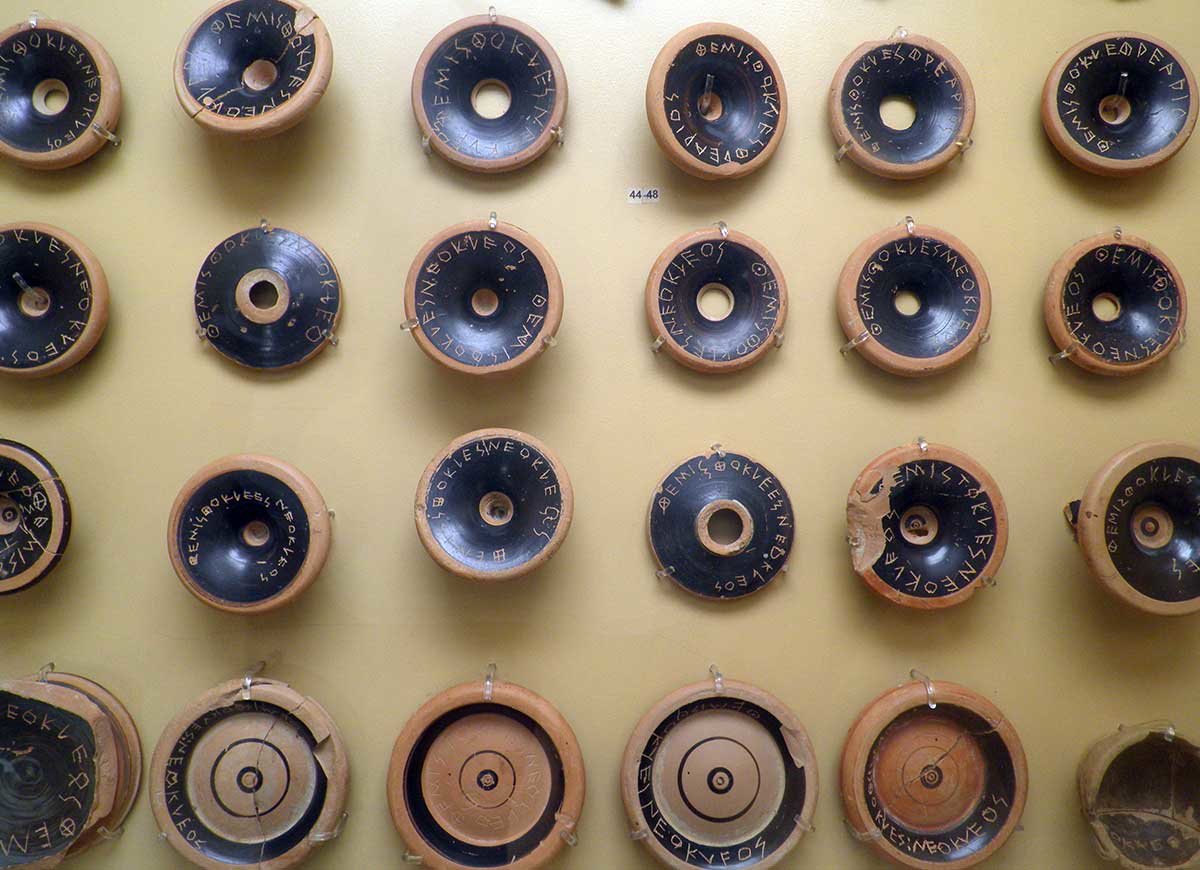
He also instituted the practice of ostracism. Each year, the general assembly voted to force one of its citizens into exile if they wished. The person would not be harmed, their property would not be confiscated, and they would still be able to earn income and revenues, but they would be forced to leave the city for a period of 10 years. The person could also be recalled if it was voted upon. This was a way to prevent any single individual from becoming too powerful or gaining too much influence. Like the other reforms of Cleisthenes. The philosophy behind ostracism was the supremacy of the state over that of the individual.
Under Cleisthenes and later magistrates, the military was reformed along democratic lines. Each of the ten tribes of Athens was responsible for supplying a hoplite regiment and a unit of cavalry when needed to defend the city, with each tribe selecting its own leader. In the field, these generals, or strategos, rotated command, each commanding the army one day at a time. This could backfire, since there was no unified vision behind a military campaign, but Cleisthenes did prevent a charismatic general from gaining too much power or using force to overthrow the government.
Fully-Fledged Democracy – Pericles’ Reforms (450 BC)
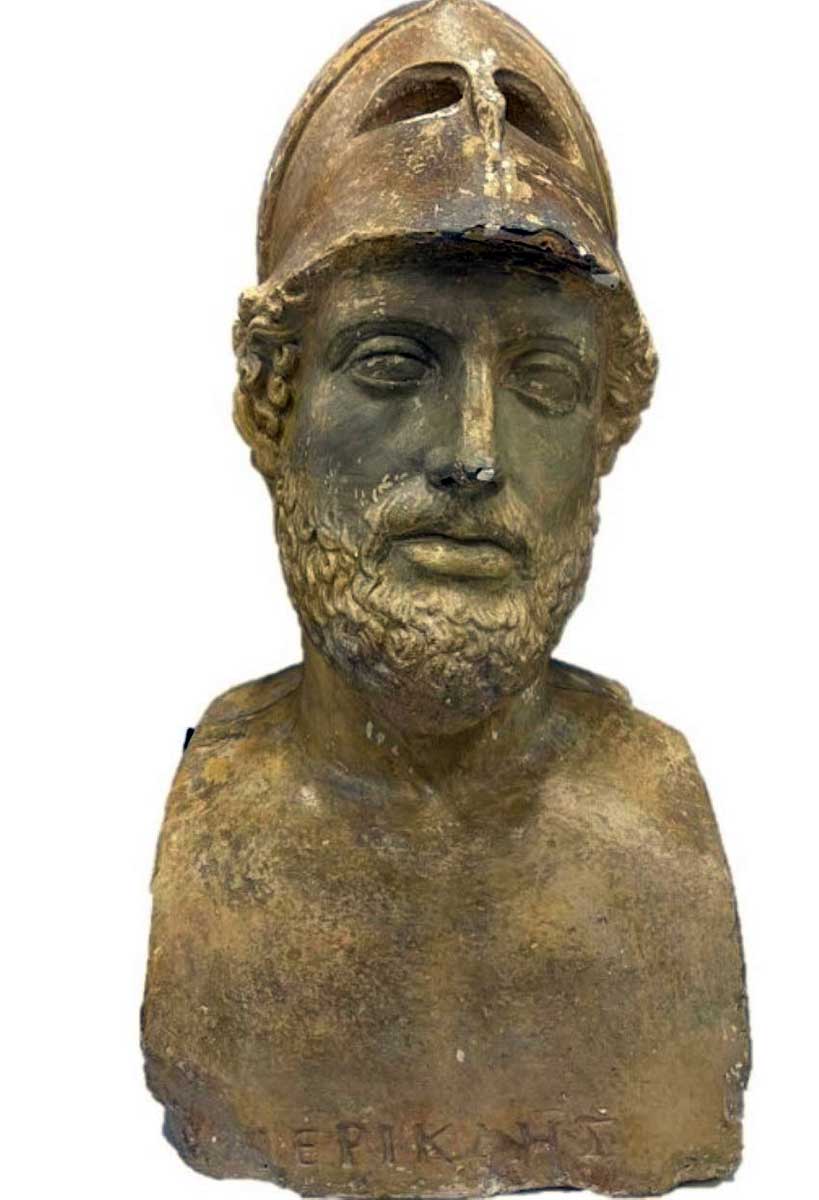
A successor of Cleisthenes, Ephialtes (c. 461 BC), eliminated the Areopagus as a political entity and transferred power to the popular courts and assembly. This and his assassination created a climate of radical democracy and political violence in Athens. It was in this environment that his protege, Pericles, emerged. He was an important leader in the Peloponnesian Wars and oversaw the completion of the Long Walls that connected Athens to its nearby port, Piraeus.
On the political front, he instituted the policy of paying magistrates for their service; a revolutionary move. Although they were eligible to serve in official roles, poorer citizens were unable to do so since they needed to continue working to provide for themselves and their families. By paying magistrates, they were able to fully participate in the democratic system. While the new rule had some effect, eligibility requirements for Athenian citizenship were tightened, excluding many. Both parents had to be Athenian citizens. Residents who had a foreign-born parent were declared non-citizens and excluded from government
Athens was not the only city to experiment with democracy at this time. Many other Greek city-states did the same, and there arose some tension between these burgeoning democracies and the more established oligarchies and monarchies that still existed in the Greek world. Nevertheless, Athenian democracy was the driving force behind Athenian expansion and prosperity in the aftermath of the Persian Wars. Under democratic rule, some of the most famous and influential works of art, literature, politics, and philosophy were created. Pericles, in his famous funeral oration, praised the Democratic system, stating that democracy allowed citizens to advance on merit rather than birth and claim that there was equal justice for all, regardless of social class. This was something rare in the ancient world.
Athens would continue as a democracy throughout the 5th century BC, but when Athens lost the Peloponnesian War to the Spartans, a foreign sympathetic oligarchy was established. This oligarchy was overthrown, and democracy would be reestablished, but Athens would never again reach the heights of its former glory. The experiment in Athenian democracy persisted until the city was conquered by Philip II of Macedon in the late 4th century BC. In theory, democracy continued, although Athens’ institutions were under the direct rule of foreign powers. This illusion of control finally ended with the conquest of Greece by the Romans.
Today, the democracy of Athens is held up as an example of the first time in history when the people ruled themselves. While very few governments function in exactly the same way, democracy is still held up as the pinnacle of political organization, with many nations using the term “democracy” as a way to legitimize their political power.