
When Odysseus returns home to Ithaca, most readers anticipate the reunion of Odysseus with his wife, Penelope, and his son, Telemachus. This is because Odysseus’ father, Laertes, has been largely left out of the buildup.
Initially framed as a background character, Laertes moves directly to the fore, becoming the center of one of the most emotionally charged scenes in the entire epic.
A Father’s Heartbreak and How Laertes Mourned in Secret
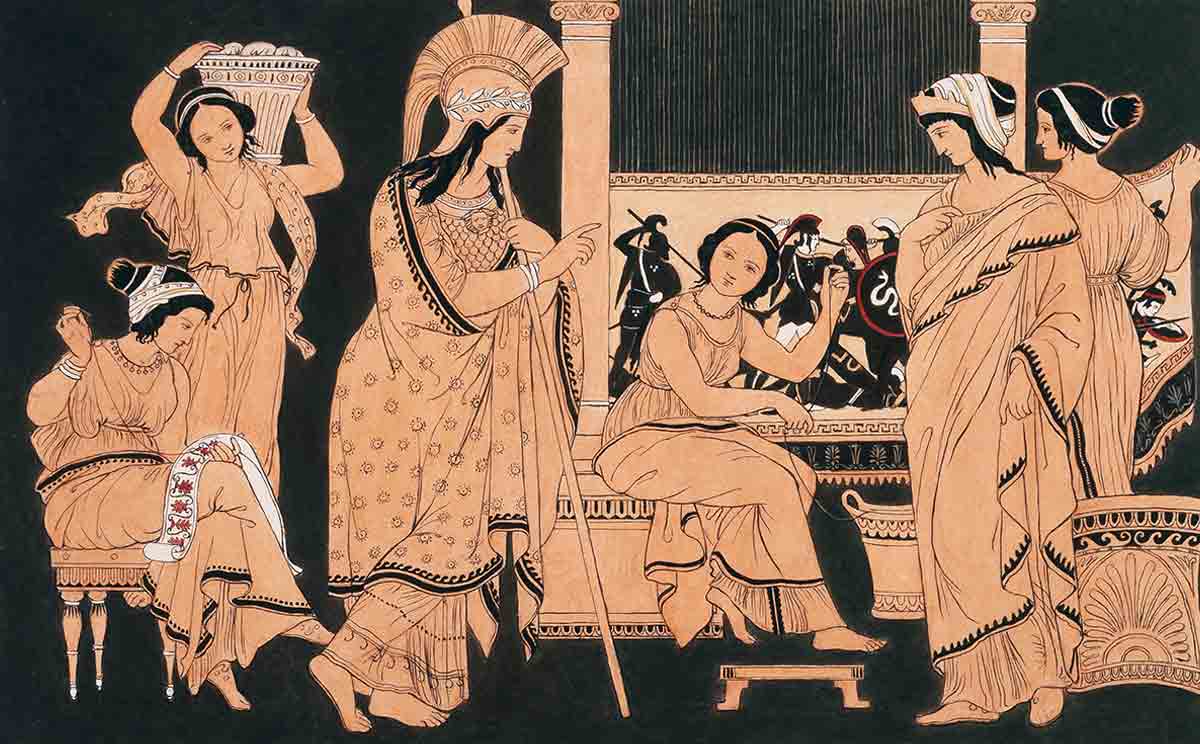
Sadness is a central theme for Laertes. His wife, Anticlea, dies from grief at the absence of her son, and Laertes, alone, retreats to a farm. Laertes is only mentioned in the conversations of others. He is almost invisible, yet his existence is kept alive at intermittent points throughout the story.
In Book II, a suitor relates to Telemachus that Penelope would not marry again until she had finished a pall for Laertes. In Book XI, Odysseus has traveled to the underworld, where he meets his dead mother, Anticlea. She informs the hero of his father, describing how in winter he sleeps by the slaves in the house, while in summer he sleeps on the ground in the vineyards, all the while mourning the loss of his son. She mentions how the same grief brought death to her and that her husband, dressed in the rags of the poor, awaits the same fate.
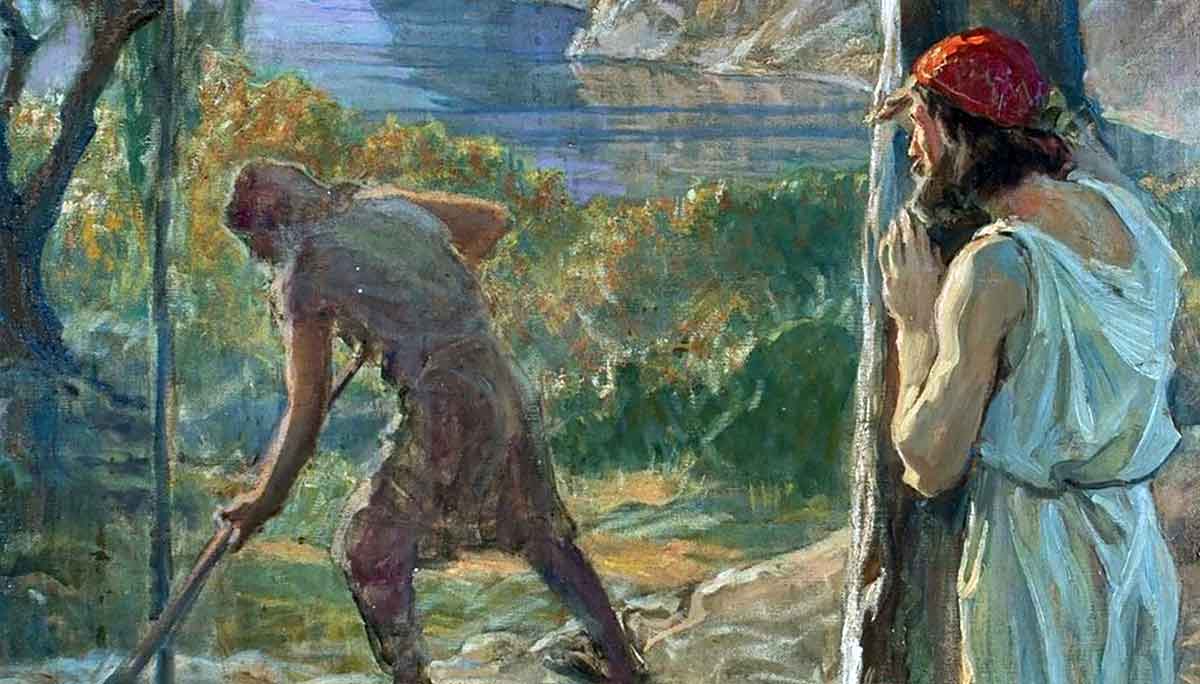
In Book XV, Eumaeus the swineherd informs Odysseus of Laertes, describing how the old man prays to Zeus every day for death to come and relieve him of his grief for his missing son and his dead wife. In the following book, Eumaeus updates Telemachus on Laertes’ state, saying how Laertes ate and drank with the men when the spirit took him, but his mind was still reeling from loss, and that when Telemachus left for Pylos, Laertes’ grief got worse, and he became like skin and bone.
Meanwhile, the reader is constantly reminded throughout the Odyssey of Laertes’ existence through Odysseus’ epithet, “Son of Laertes, sprung from Zeus, Odysseus of many devices.” Nevertheless, Laertes does not appear at all until the end. His name only appears when he is spoken about by other people.
The Vineyard Reunion: The Dramatic Moment Odysseus Reveals His Identity
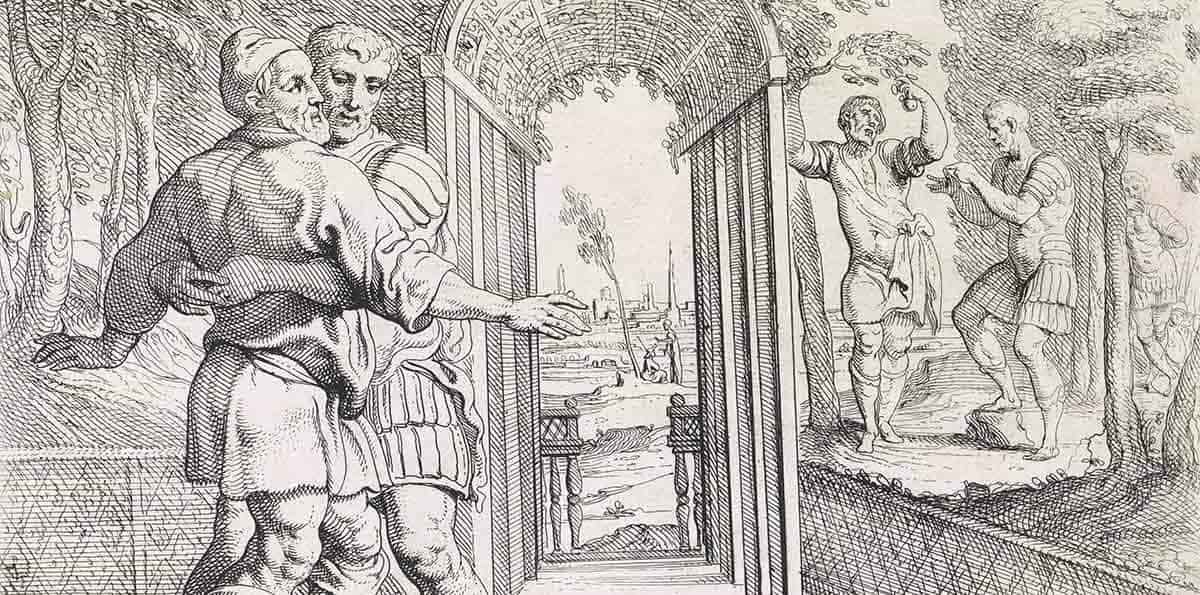
In Book XXIV, Odysseus arrives at Laertes’ farm, but he chooses not to reveal himself immediately. He keeps his identity a secret and approaches his father, who is tending the vines and is wearing a filthy patched tunic. Odysseus compliments him on his hard work and tells him he knows who he is by his bearing, despite the rags he wears. Odysseus then claims to have met Laertes’ son, and Laertes asks when this was, for he fears many years have passed since, and his son is likely a victim of the sea.
After claiming it had been five years since he met Odysseus, Laertes, groaning, takes a handful of dirt and pours it over his head in grief. At this point, Odysseus’ heart is moved, and he reveals his true identity. Overcome with joy, Laertes faints. When he recovers, the two enter the house, where Telemachus and others have prepared a feast, and where a Sicilian handmaid bathes Laertes. Athena is present and grants Laertes vigor and strength.
With the household reunited and Laertes restored, they prepare to confront the suitors’ families who seek revenge for those whom Odysseus slew. At the head of this host is a man named Eupeithes, father of Antinous, slain by Odysseus.
The Argonaut Returns and Laertes’ Powerful Role in the Final Battle
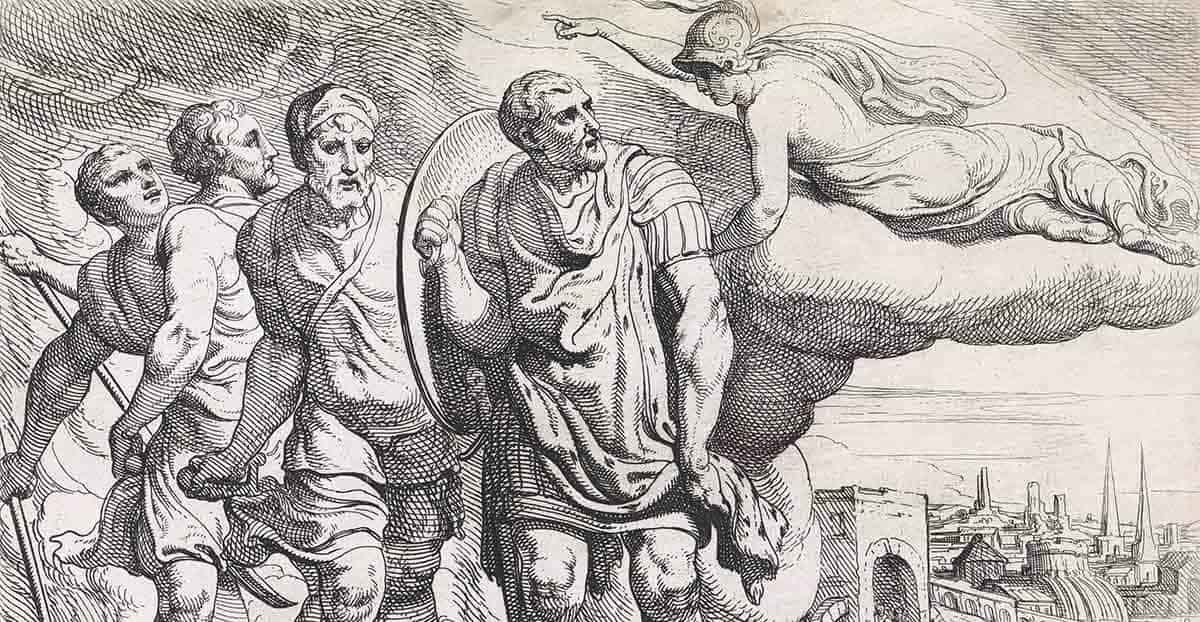
Preparing for battle, Odysseus and his men, along with Laertes, Penelope’s slave Dolius, and his sons, are arrayed. They don their armor and make their way to the property to confront their enemies. The form of Athena is with them, and she bids Laertes to hold his spear aloft and hurl it forth.
The spear flies with such force that it pierces the helmet of Eupeithes and strikes the man dead, after which Odysseus, Telemachus, and the others descend upon their enemies with vicious vengeance. No sooner has the slaughter begun, however, than Athena intervenes and commands, “Refrain, men of Ithaca, from grievous war, that with all speed you may part, and that without bloodshed.”
Gripped with fear, Eupeithes’ men turn to flee, and Odysseus makes to pursue them, but the scene is interrupted by Zeus, who hurls a thunderbolt, after which Athena again commands Odysseus to stay his hand. And thus ends the Odyssey.
The Deep Symbolism Behind Laertes’ Final Act
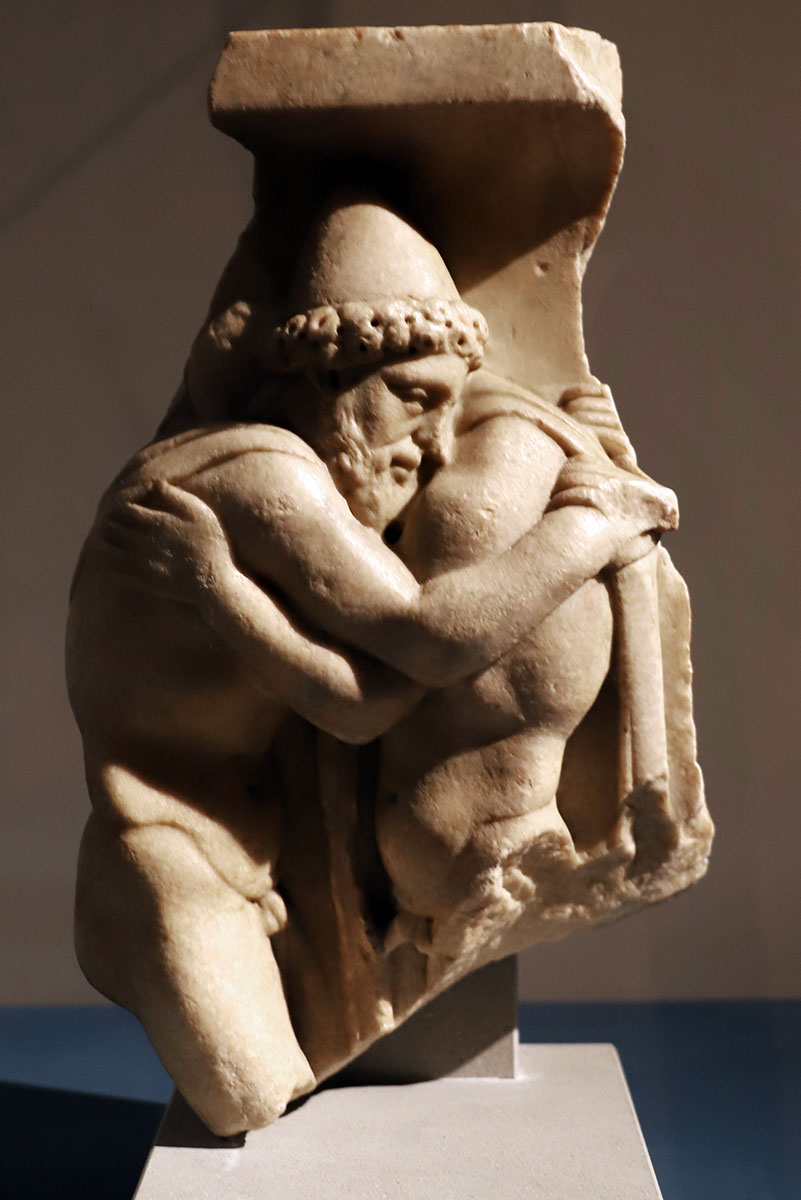
Discussing themes and what Laertes represents is a matter of philosophical importance that is open to critical analysis. Nadia Sels notes that Laertes represents a different kind of hero in that he does not die in battle, but lives to see his children grow up. This is in contrast to the heroes of the Iliad, such as Hector and Achilles, who die upon the battlefield. Gregory Nagy makes the point that for Odysseus, the need to be recognized by Laertes is connected with heroic ancestry.
Laertes exists outside the world of heroism in that it was his past, while Odysseus represents the present. This, however, is not the end of Laertes’ story.
In the present, Laertes is withered and dressed in dirty, patched clothes, despite the wealth of his estate. The past is sidelined until the reunion with Odysseus, which reinvigorates the heroism of Laertes’ youth. Together with Telemachus, the idea of homecoming (nostos) is complete, as three generations of warriors join to rid Odysseus of the anger of the suitors’ vengeful families. From a familial perspective, this is indeed a happy ending.
Laertes is the glory of the past, reborn, while Odysseus is the power of the present, and Telemachus is the hope for future honor. With Laertes’ revitalization, the past does not wither and fade away to be forgotten, but stands as a foundation for the enduring fame that was borne upon it.

The weight of the Odyssey is geared toward Odysseus’ homecoming and reunion not just with his wife, but also with his son and his father. Laertes is the final reunion, which draws the epic to a close. It is an emotional scene that stands as a testament to the powerful messages of Homer’s work. Laertes’ part of that story represents despair and the cost of absence. He also represents generational continuity and the extreme limits of heroism as he hurls his spear in the Odyssey’s final scene. Here, the old Argonaut becomes a proud and brave warrior once again.