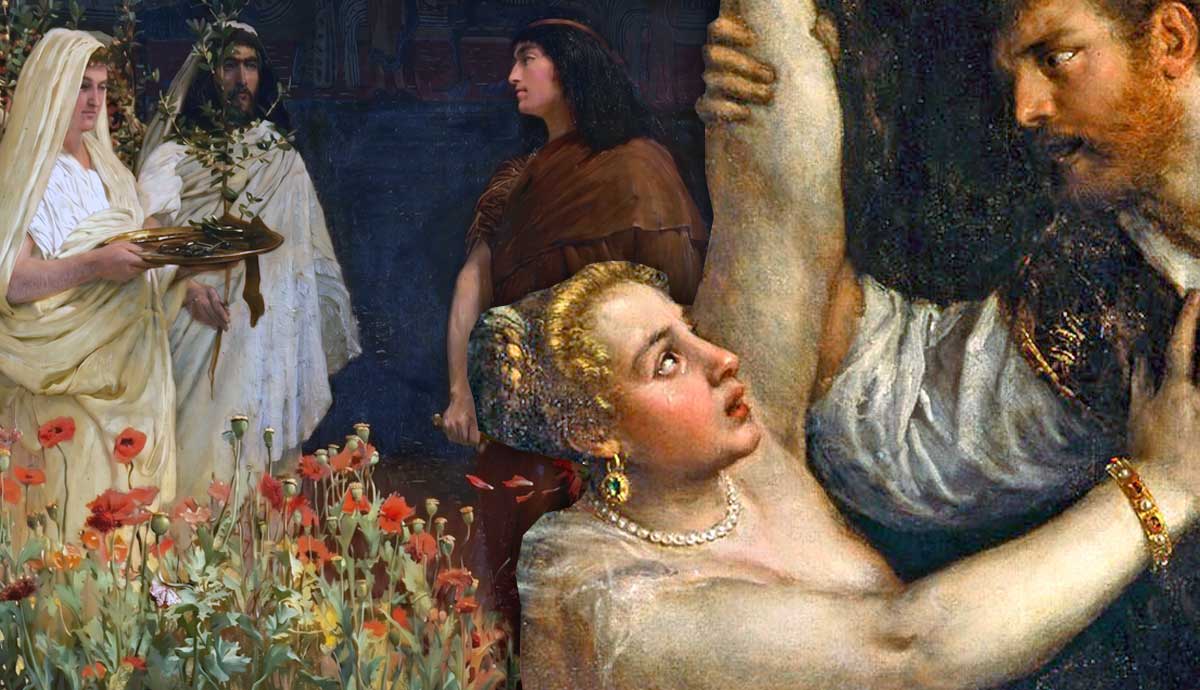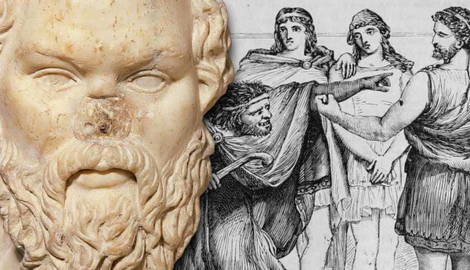
The standards of beauty have changed over the ages, but not as significantly as many might believe. The reality that physical attractiveness is integral to social acceptance is biologically understandable. What is less accepted in the modern age is the belief that beauty reflects goodness of the soul, and that to be ugly means moral weakness and goes hand in hand with physical limitations. Yet to the ancient Greeks, ugliness was often seen as a curse from the gods or a sign that the person was intellectually, socially, and morally imperfect.
Hideous Homeric Heroes
The physically unattractive, deformed, or frail in society were often cast out as undesirable in ancient cultures. They were typically seen as cursed by the gods, fate, or the cosmos. Therefore, they could pose a threat to the social order if they were allowed to remain within the community. Ancient cultures were predisposed to such fears and prejudices as they had a rudimentary understanding of environmental factors for physical and mental health issues, and limited awareness of genetic factors.
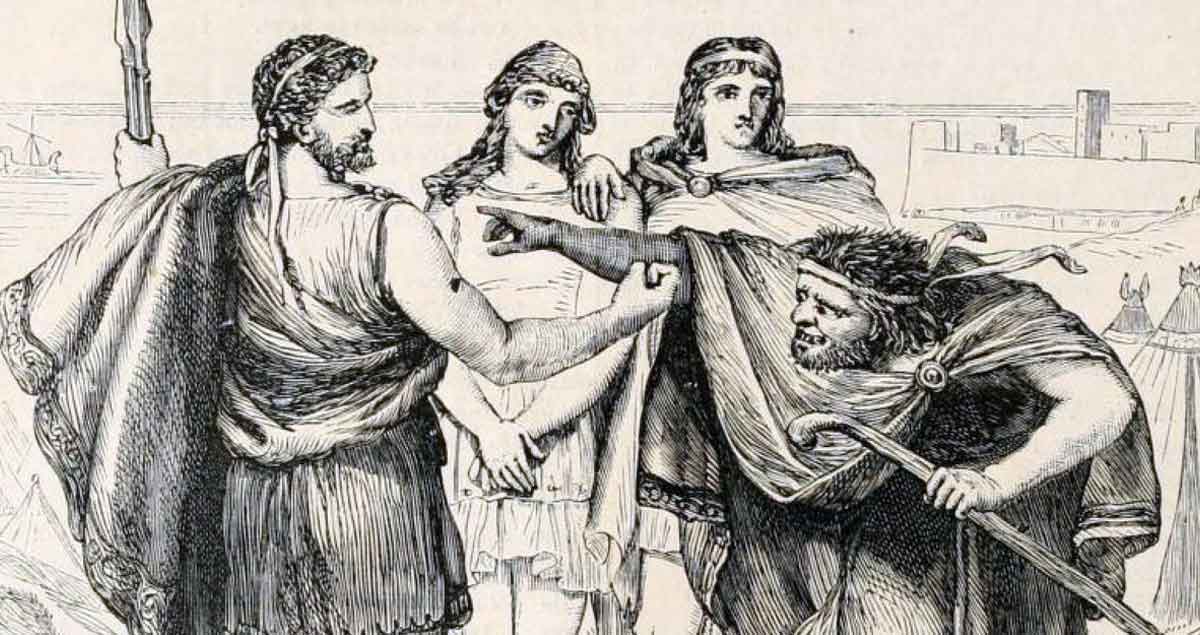
One of the earliest literary references to ugliness and its relation to being despised and outcast was the Homeric character, Thersites. One of the Greek soldiers in Homer’s Iliad, Thersites is immediately set apart from his comrades. Presumed to be a commoner rather than a noble like the commanders of the army, he is described as lame and deformed in Book Two of Homer’s epic.
“Evil-favoured was he beyond all men that came to Ilios: he was bandy-legged and lame in the one foot, and his two shoulders were rounded, stooping together over his chest, and above them his head was warped, and a scant stubble grew thereon.”
(Homer, Iliad, 2.216-220)
Despite his physical appearance, Thersites shows great audacity, standing up and delivering a speech in front of the army. He insults Agamemnon, leader of the Greeks, for the king’s arrogance and offense to Achilles. The king’s actions had cost their side dearly as they began to lose to the Trojans after Achilles decided to pull out of the battle. Yet his speech ends with Odysseus beating him with Agamemnon’s own scepter, causing Thersites to sit down in shame, humbled at this affront. While his fellow soldiers laugh at his humiliation, his words make sense and apparently reflect what everyone was thinking.
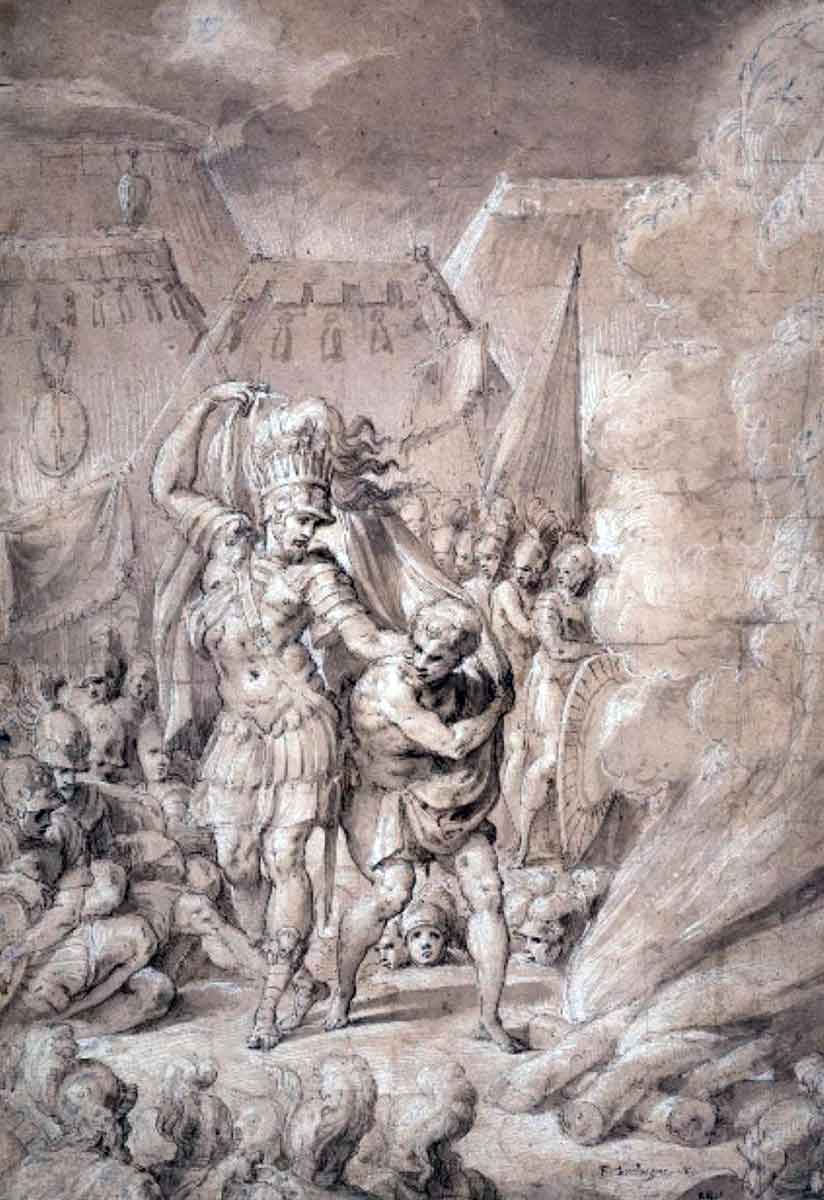
Many scholars, beginning with 19th-century philosophers Georg Wilhelm Friedrich Hegel and Friedrich Nietzsche, have argued that Thersites fulfills a dual role. He symbolizes the commoner, a regular foot soldier in the army, daring to stand and speak against kings for their behavior. Such a move would have been highly admirable to a democratic Greek audience in later centuries, long after the Homeric era. The second role may also reflect the author recognizing that while Agamemnon’s actions were foolhardy and destructive to the Greek cause, the writer himself could not chastise such a noble figure, so instead put the words in the mouth of a detestable character. Therefore, while technically correct in his words, he would be looked down upon as an outcast due to his physical appearance.
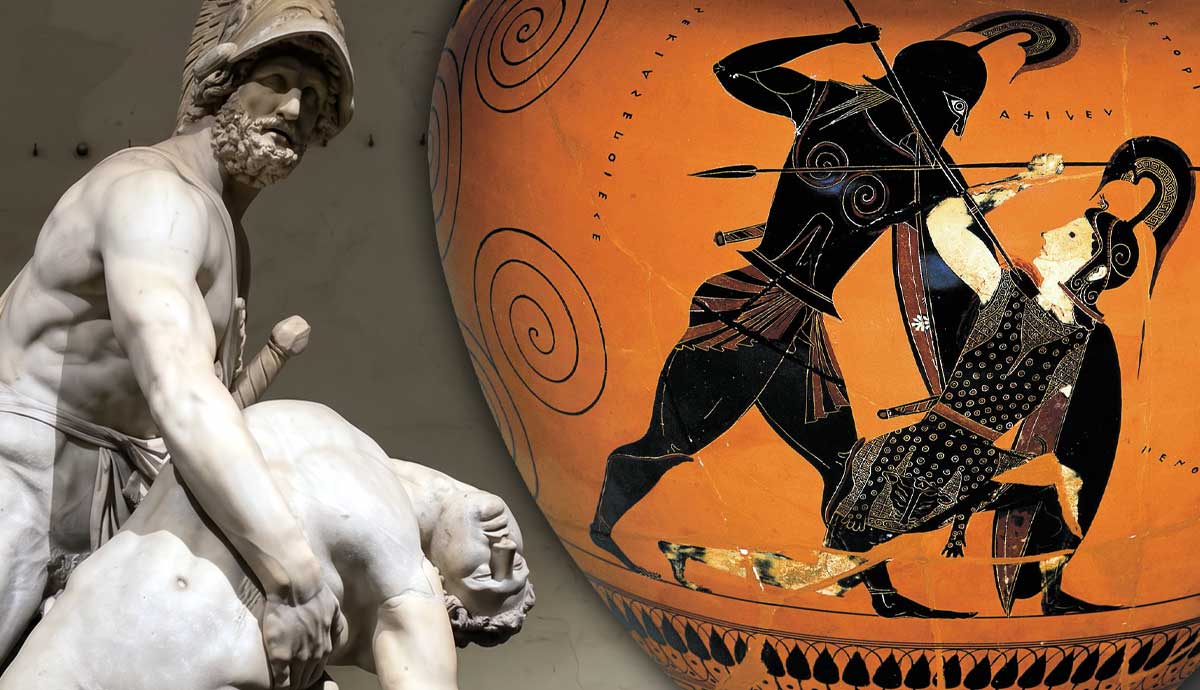
While it could be argued that Thersites is presented by the author with some semblance of sympathy, he was still meant to be a stock character for the fool. His end fully echoes this fact. Despite Thersites agreeing that Achilles was poorly treated by Agamemnon, the hideous-looking figure meets his demise at the hands of the demigod. In the lost epic, the Aethiopis, Thersites makes fun of Achilles for falling in love with the dead Amazon queen, Penthesilea. Achilles had just killed the female warrior in combat, but upon removing her helmet, he was mesmerized by her beauty and held her lovingly in his arms. Thersites laughed at him, and, in anger, Achilles killed him by punching him so hard that he died. In the eyes of the ancient Greeks, this was a fitting end for an unappealing figure.
The Fable of Aesop’s Ugly Face
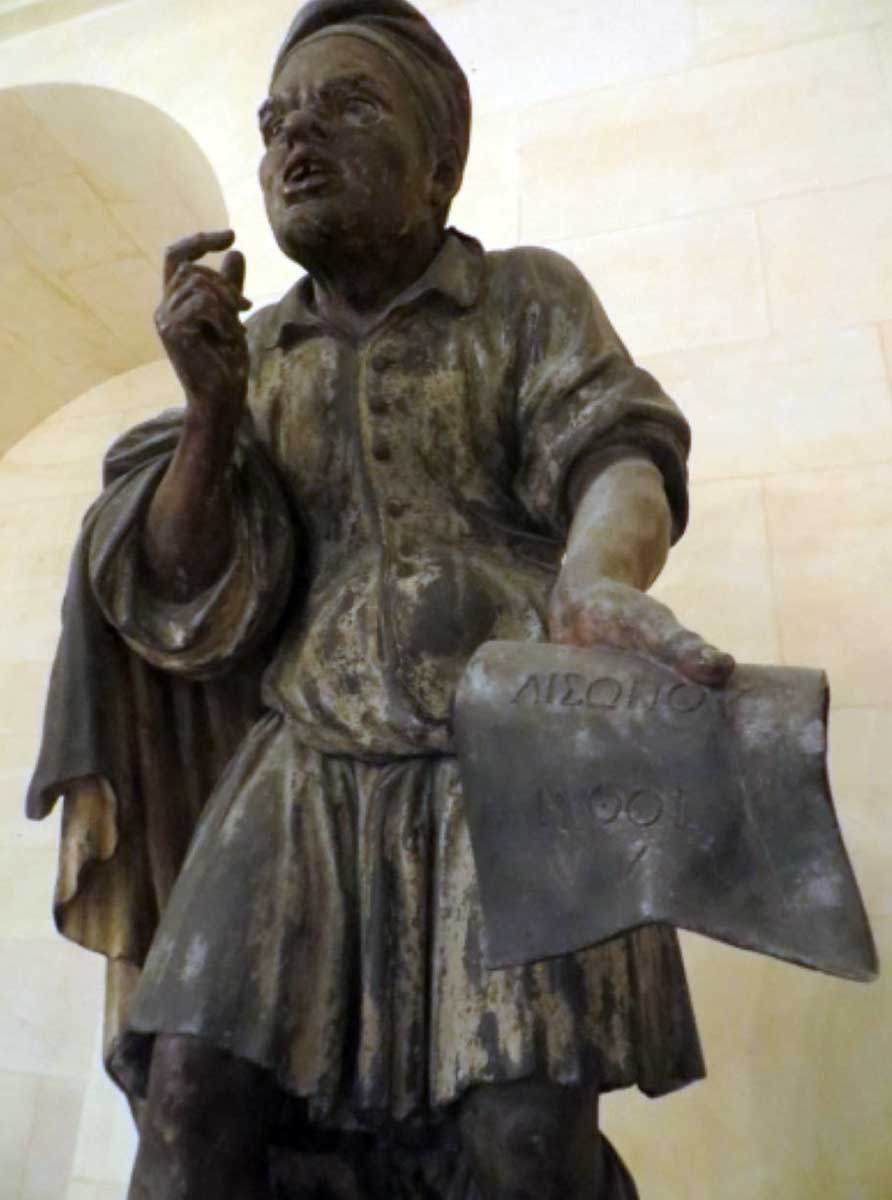
Ugliness was not only a feature of literary characters. Authors were often described as physically unappealing. A name known to nearly every child is Aesop, from Aesop’s Fables. The writer of “The Tortoise and the Hare,” “The Boy Who Cried Wolf,” and “The Town Mouse and the Country Mouse,” was said to be hideous, almost frighteningly so:
“Misshapen of head, snub-nosed, swarthy, dwarfish, bandy-legged, short-armed, squint-eyed, liver-lipped—a portentous monstrosity.”
(Aesop Romance)
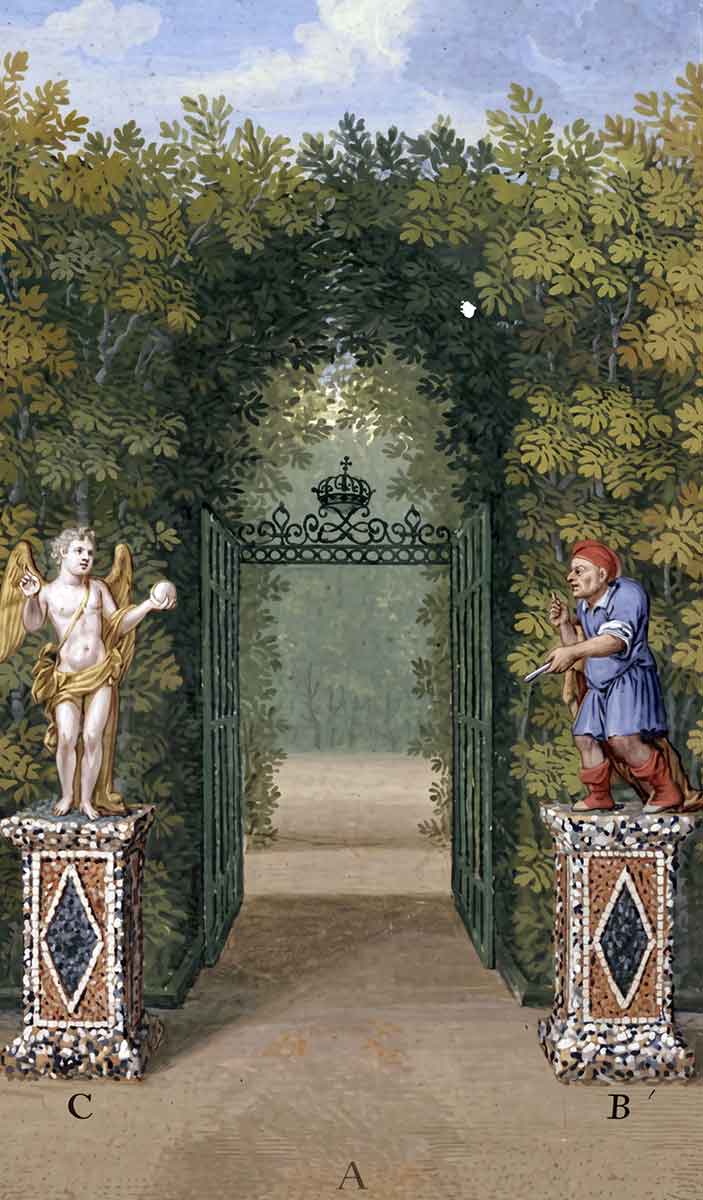
The source for this description dates to centuries after his era. Aesop is believed to have lived around 600 BC, while the Aesop Romance likely dates to the 1st or 2nd century AD. Nevertheless, this view was common among even the Greeks.
Aesop’s true historicity is debated among scholars, but ancient writers claimed he was born a slave in a town along the shores of the Black Sea. He was eventually freed and became a diplomat, until he was thrown off a cliff in Delphi because he insulted the oracle or the Delphians themselves. Whether historical or not, the story suggests that Aesop’s “ugliness” also manifested in his personality.
Aesop was viewed less as a commentator on moral standing and more as a composer of childhood folk tales. The anthropomorphized animals in his fables were meant to entertain children while offering proverbial lessons. That their author was seen as gnome-like or grotesque was intended to be more figurative than literal. Aesop was not an innovative historical writer like Herodotus or Thucydides, nor a learned philosopher like Plato or Aristotle. He was a slave from a distant Greek colony, and his appearance mirrored his status at the bottom of the social hierarchy.
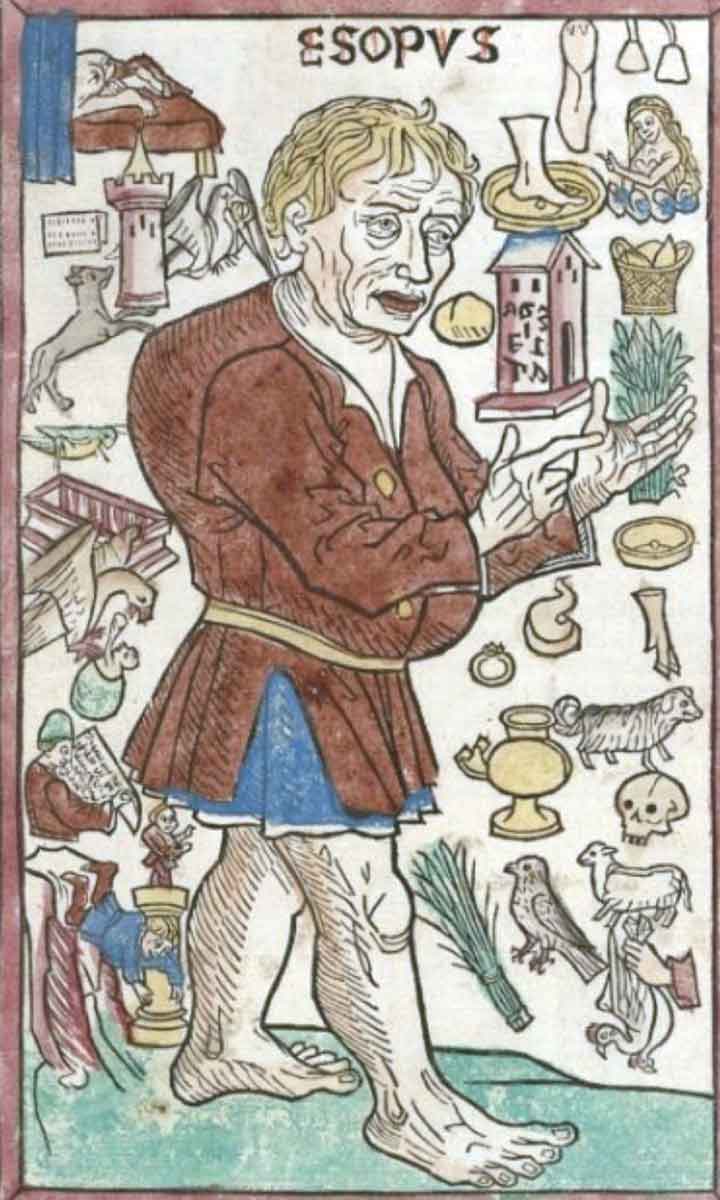
Another characteristic associated with Aesop was his supposed African origins. This is a much later tradition, first appearing in the late Byzantine era and repeated by 19th-century European writers. The fact that Aesop’s tales included animals commonly found in Africa has been used by 20th-century scholars as circumstantial evidence for an African origin. However, this argument ignores the common Near Eastern and Egyptian source material for many Greek myths.
Furthermore, since Herodotus and Aristotle stated that Aesop was a freed slave, modern notions have often simply assumed an African connection. However, Greeks enslaved people from a variety of regions. They even sometimes enslaved fellow Greeks, despite their discomfort at doing so.
Sub-Saharan figures, called Aithiopes (Ethiopians), were also rare enough that, if Aesop had been an African writer, it probably would have been mentioned in earlier accounts of him. That Aesop was a historical figure is not certain, but if he was, he was probably Greek.
The Good, the Bad, and the Ugly
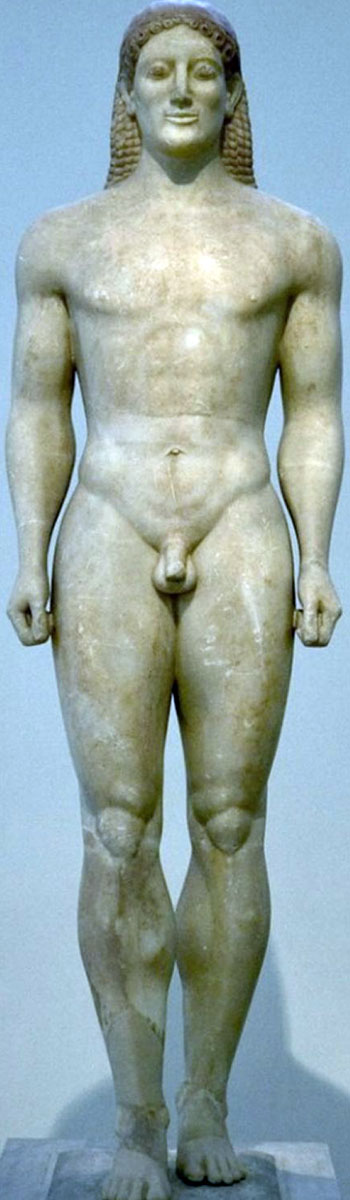
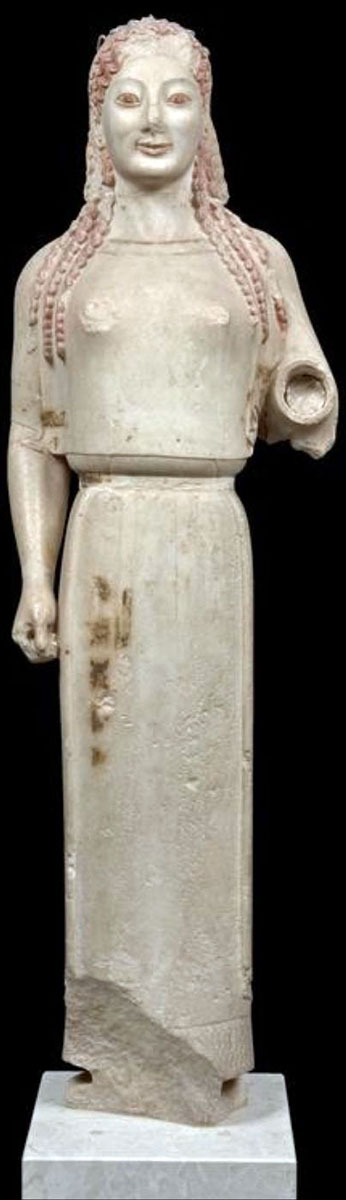
Physical attractiveness was so vital to ancient Greek culture that idealized statues of men (kouros, plural kouroi) and women (kore, plural korai) were often placed in temples. The statues of men were strong, athletic, and muscular, reflecting the standards of a good man. The sculptures of women were clothed to show feminine purity and modesty. Apollo, considered the “perfect male god,” typically received kouros offerings. Meanwhile, Athena and Artemis, idealized virginal goddesses, received the votives of the kore statue. As the gods were standards of physical, if not moral, perfection, so too did their votive offerings need to be physically beautiful to ensure the worshipper earned divine favor.
Religious ceremonies did not only involve beauty. One of the most telling rituals in ancient Greek society related to ugliness was the expulsion of the pharmakos. Meaning “scapegoat,” the word derives from pharmakeia, translating to “poison,” “drug,” “medicine,” and “sorcery” all at once. The pharmakos was a complex idea. He symbolized the notion of a curse, but he was also a healing figure. To Greeks, this would not have been contradictory, as Apollo was the god of medicine and healing as well as the god of plague and even destruction.
During the festival of Thargelia in late May, two ugly men (some sources said one man and one woman) were chosen from the community. One represented the men of the city, the other the women. A necklace of black figs was hung around the neck of one (for men), and a necklace of white figs was hung around the neck of the other (for women). They were then paraded through the city and beaten with fig branches. Of particular note is the importance of beating the man on his phallus exactly seven times with the fig branch or squill plant. Whether this was the origin of the phrase, to be “beaten with the ugly stick,” is a fascinating, but improbable, idea. Following beatings and having vegetables thrown at them in an act of humiliation, the pharmakoi were cast out of the city.
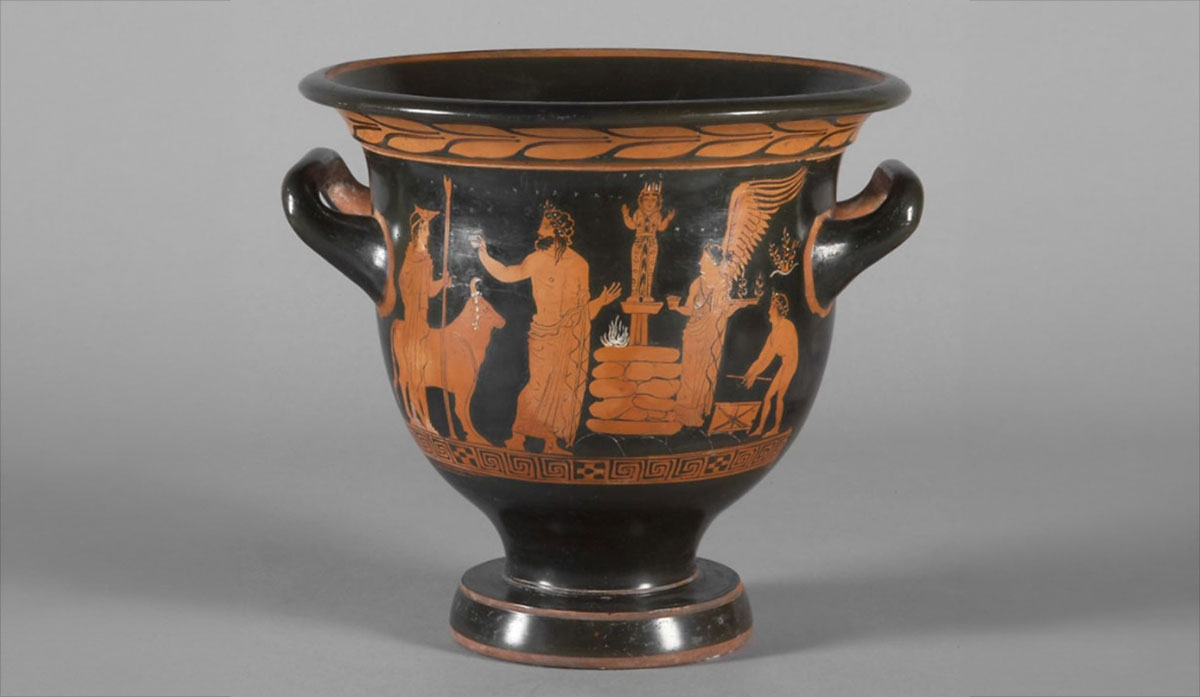
One source, a Greek poet named Hipponax, claimed the pharmakoi were sacrificed or executed, their bodies burnt, and their ashes thrown into the river. Ironically, like Aesop and Thersites, Hipponax was said to have been physically ugly or deformed himself. Many scholars today argue that the pharmakoi were beaten, humiliated, and cast out, but probably not actually killed unless they were criminals, who would have been executed anyway.
Some Greek communities performed this scapegoat ritual any time there was a famine, plague, or believed that there was a curse sent by the gods. One poor and ugly man was chosen by lot. He was given food, collectively offered by the townspeople, provided with warm and special clothing, and ultimately treated very well for one year. Then, at the end of that year, he was publicly beaten, flogged, and exiled from the community in an attempt to appease the gods and lessen their affliction.
Again, some sources indicate the execution and dispersal of their ashes in a river. Either way, the purpose was clear: to cleanse the community by putting all its sins, evils, and impurities onto the physically ugly citizen, as it was understood that physical ugliness and moral ugliness went hand in hand. If the town or village exiled the bad (kakos) through the ugly vessel, then only the good (kalos) would remain for the rest of the year.
This Is Sparta

The movie 300 (2007) introduced an entire generation to the fascinating and brutal culture of ancient Sparta. One of the most infamous characters in the film was Ephialtes, the hunchbacked Spartan outcast who betrayed the Greeks to the Persian army at Thermopylae. The character is based on a real historical figure, Ephialtes, who did betray the Greeks, though he was not a Spartan. He was a shepherd from the local area who assumed he would be rewarded with great wealth if he helped the Persians. Ultimately, he was killed several years after the events of the war, and Spartans paid a large bounty for his death.
In the Hollywood film, Ephialtes was Spartan-born and taken by his parents into exile to save him from being killed as an infant for his deformity. Here, the character was depicted as physically hideous. He is not just ugly, but gross, deformed, and hulking, a literal monster whose unattractiveness seemed to corrupt his very soul. This created a more complex and perhaps sympathetic portrayal to modern audiences. Ephialtes betrayed his country for greed, but also as an act of vengeance against a society that rejected him for his ugly, dwarf-like nature. In ancient Greek culture, dwarfs were not just seen as a physical abnormality but were believed to be from a semi-mythical race called Pygmies, who lived on the extreme edge of the world, either in Africa or India.
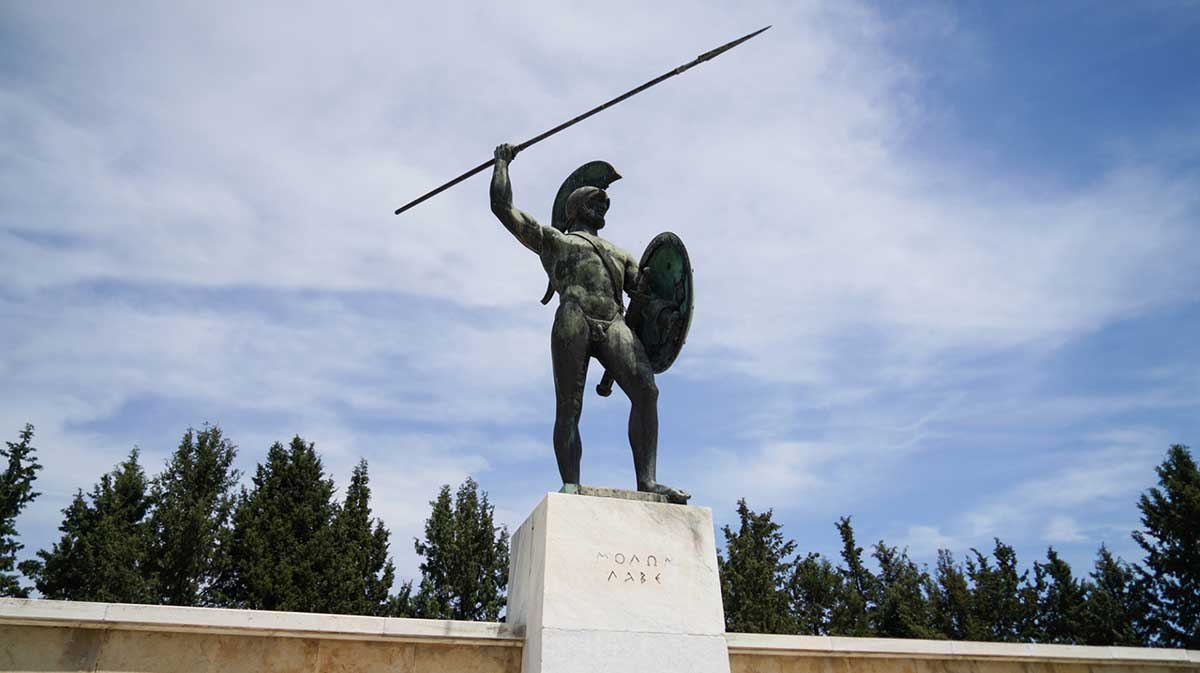
While the movie was very mythical in its nature, Spartan society was indeed built on the notion of ideal physicality. A boy was taken from his family at the age of seven to train and fight in the agoge system, hardening them to a warrior lifestyle. Only by becoming strong, fearless, and adept at combat could a Spartan become a citizen and enjoy full rights and privileges in society.
According to the ancient historian Plutarch, when a Spartan mother gave birth, she was required to bring her child to the elders to check its physical and mental abilities. If the child looked deformed, frail, or weak in any way, it was tossed off the Kaiadas cavern on the foothill of Mount Taygetus. Precious resources and energy could not be wasted on ugly, weak children. This practice shocked Sparta’s fellow Greeks and reflected the brutality of Spartan society beyond the rest of the Greek world.

Plutarch’s stories are a fascinating insight into the culture; however, most historians reject this as fiction. While archaeological finds do indicate Spartans executed people by throwing them into a chasm off Mount Taygetus, no remains of infants have been found. Of course, it is possible wolves and other animals carried off children’s remains and left the adults, but it is equally likely the tales of outcast children were exaggerated.
Regardless, it was common in ancient Greek culture to expose unwanted children, in Sparta, Athens, and anywhere else. This could have been for any number of reasons: a parent’s inability to care for the child, the infant being deformed or impaired in some way, or even if it was simply a girl.
What Is Ugliness?
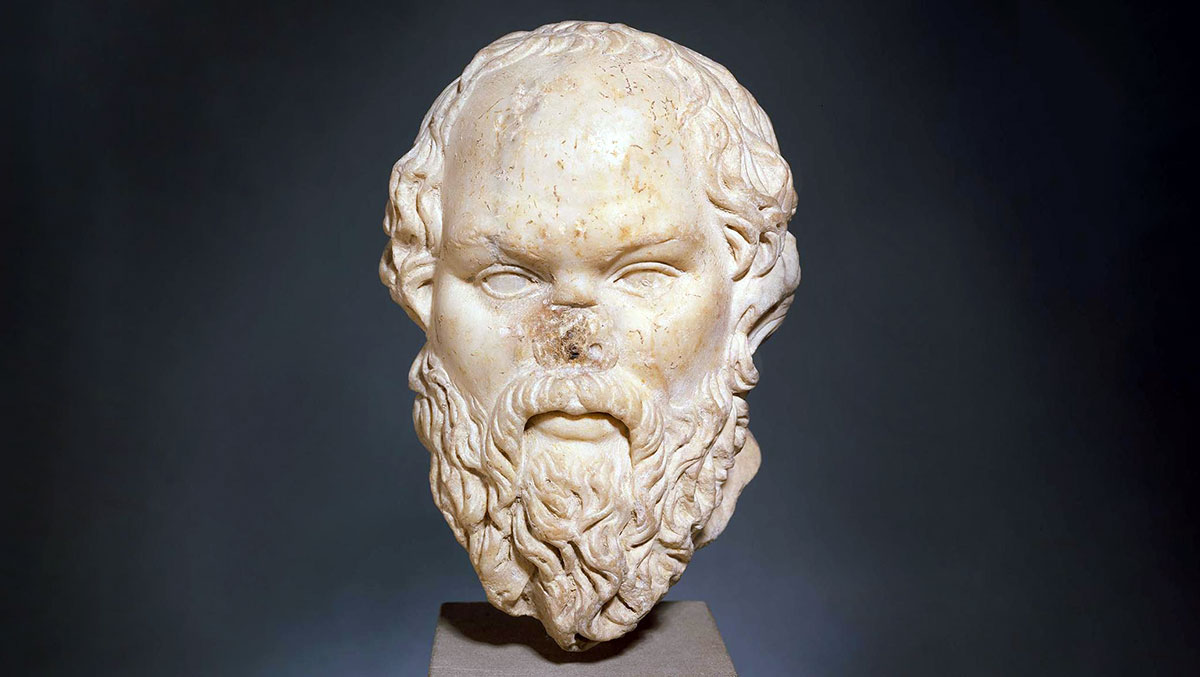
Greeks were not unique in claiming that physical impurities were reflected in the soul. Most ancient cultures believed there was a connection between the two concepts, though Greek philosophers frequently challenged this idea. The notion that physical imperfection could be seen as a benefit was even proposed by Socrates. Known for his ugliness, or at least lack of attractiveness, he was often compared to a satyr. Plato and Xenophon described him as having protruding eyes, an upturned, snub-nose, and thick lips. Socrates joked that having protruding eyes allowed him to see sideways, giving him an advantage in viewing the world around him, while his wide-set nostrils allowed him to smell better.
Rather than fixate on the beauty of the outside form, Socrates asked the questions of “what is beauty, goodness, and truth?” He argued true beauty was within, reflected in the intellect, which would necessarily inspire one’s moral actions, e.g., “to know good is to do good.”
That Socrates was considered part of the middle or working class only furthered many writers’ insults of him. Aristophanes, the comedic playwright, mocked Socrates for both his physical appearance and his choice of career. Socrates’ aristocratic student, Plato, however, devised the Theory of Forms on the idea that the physical form was inevitably imperfect, as it would decay and die, while the metaphysical or spiritual form was inherently perfect.
The question of whether Socrates would have devoted his time to such deep universal questions had he been born handsome is fair to ask. As the 20th-century American philosopher Richard Rorty said: “The usual picture of Socrates is of an ugly little plebeian who inspired a handsome young nobleman to write long dialogues on large topics.”
The Ugly Conclusion
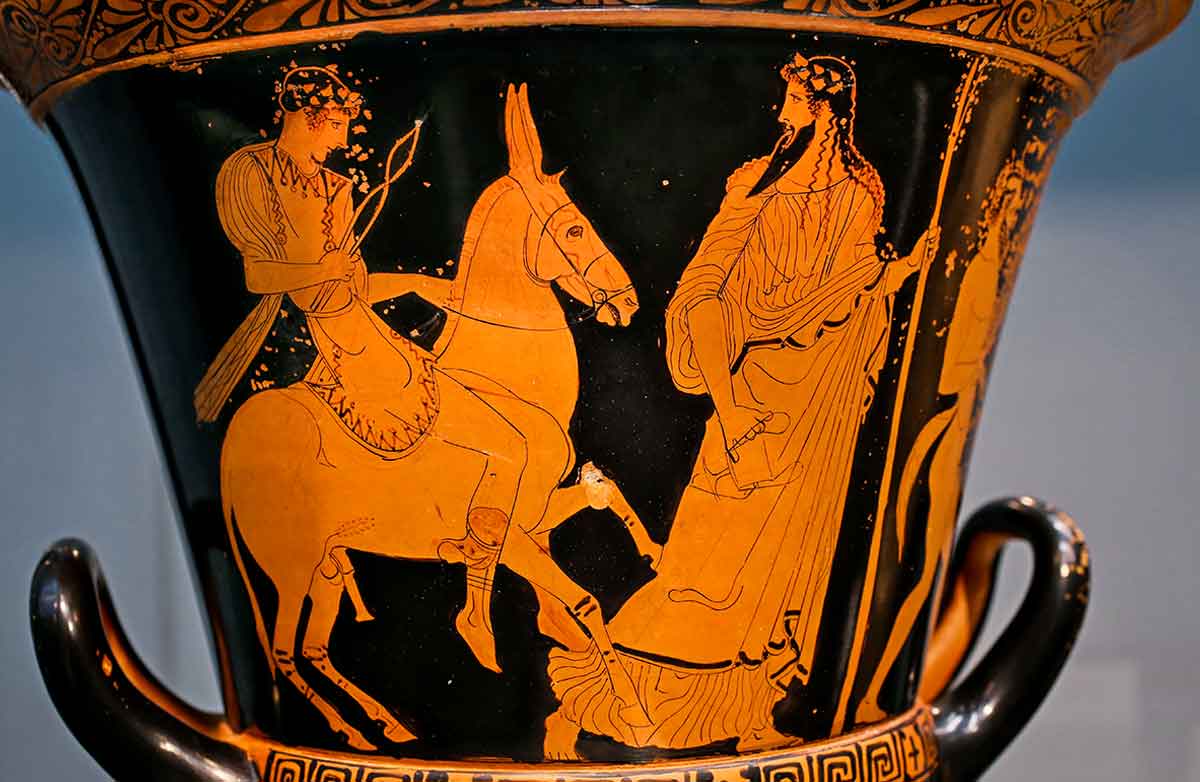
Ugliness in ancient Greece was seen as a curse from the gods or a moral failing in the individual. It could be anything from physical deformity, basic unattractiveness, or even being a foreigner. These qualities presumed that the person was spiritually corrupt or impure in some capacity. As such, they were viewed as outcasts or made to be scapegoats to carry the burden of the populace away from the community.
While this may seem cruel and unjust by modern standards, to the Greeks, it had a purpose. Even their blacksmith god of fire and the forge, Hephaestus, was ugly and walked with a limp. His mother, Hera, cast him out of Olympus when she gave birth to him. But ultimately, he was reinstated to the heavenly abode, as even he had a purpose. Ugliness had moral, social, and political implications in ancient Greece, and while such implications were harsh, they made sense to the culture that developed them.