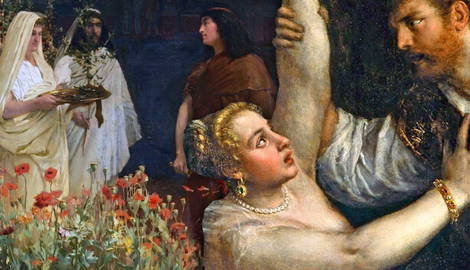

Rome’s monarchy came to an end in 509 BC with the fall of King Tarquinius Superbus. Like its legendary beginning, its dramatic end was woven into several stories by different ancient historians. Each version, though, stressed the worsening immoral and tyrannical autocracy that had to be replaced by a virtuous republic.
But modern historians detect the hallmarks of a more complicated, deliberately designed transformation. Piecing together a fuller picture of the prior circumstances, contemporary philosophies, and the political climate, it becomes clear that intentional political maneuvering was at the heart of putting Rome’s rebirth on the path to republican oligarchy.
Historical Context and Traditional Viewpoint
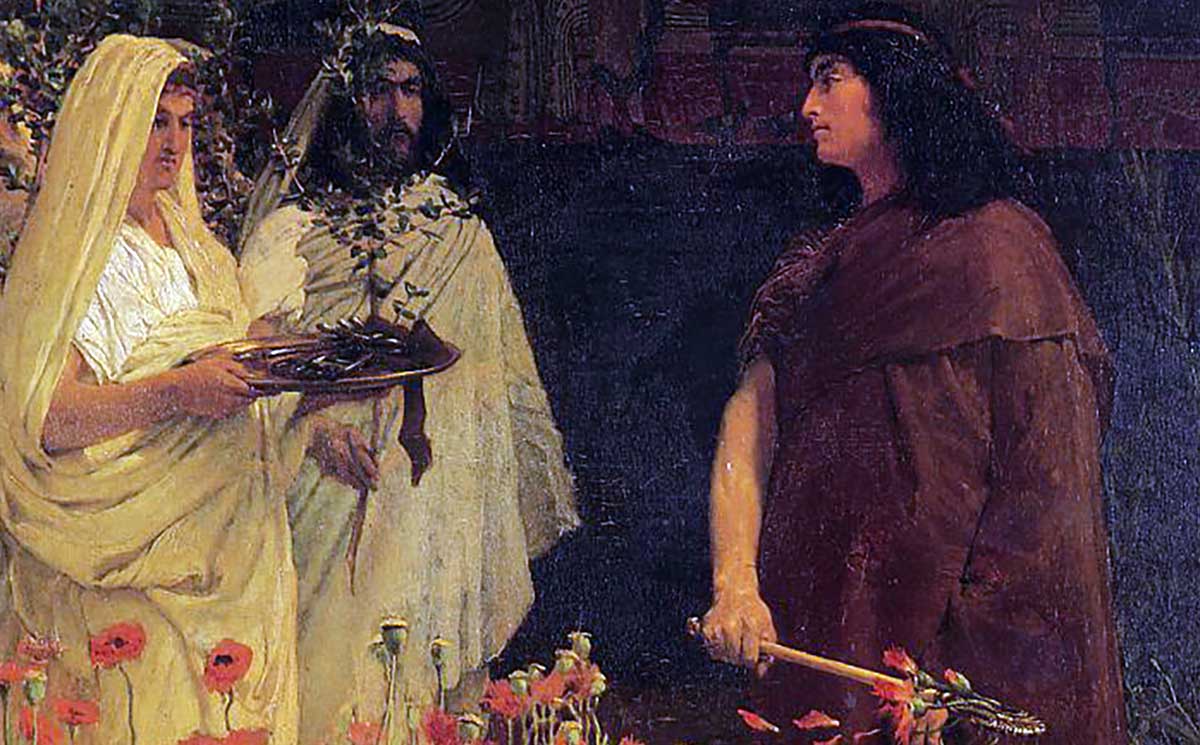
Tarquinius Superbus usurped the throne in Rome after he and his wife murdered her father, the sixth king of Rome. He suppressed the Senate and ruled through arrogant personal power. His reign was marked by cruelty and the oppression of both the nobles and peasants; the patricians and plebeians, as they were known respectively. According to the ancient historians, Tarquin the Proud was thoroughly corrupt.
Rome’s growing power and influence meant that the elite were becoming richer and more powerful, as evidenced by the grave goods recovered through archaeology. The nobility had long seen kingship as a threat to their power, and Tarquinius Superbus’s excessive tyranny and execution of opposing members of the Senate reinforced their convictions.
Tarquin the Proud was hated and resented by the Romans and their neighbors. His militaristic approach to foreign policy forced other kingdoms to choose between signing often unfavorable treaties or risking military invasion. He was not beyond employing deception and cruelty to gain his objectives of increased power and enriching himself and his family.
The patricians may also have been influenced by the Greek traders living in Rome, who introduced them to democratic ideas. The monarchy had run its course. There were more than enough reasons for the practical Romans to rid themselves of tyranny.
The Catalyst for a Designed Transition
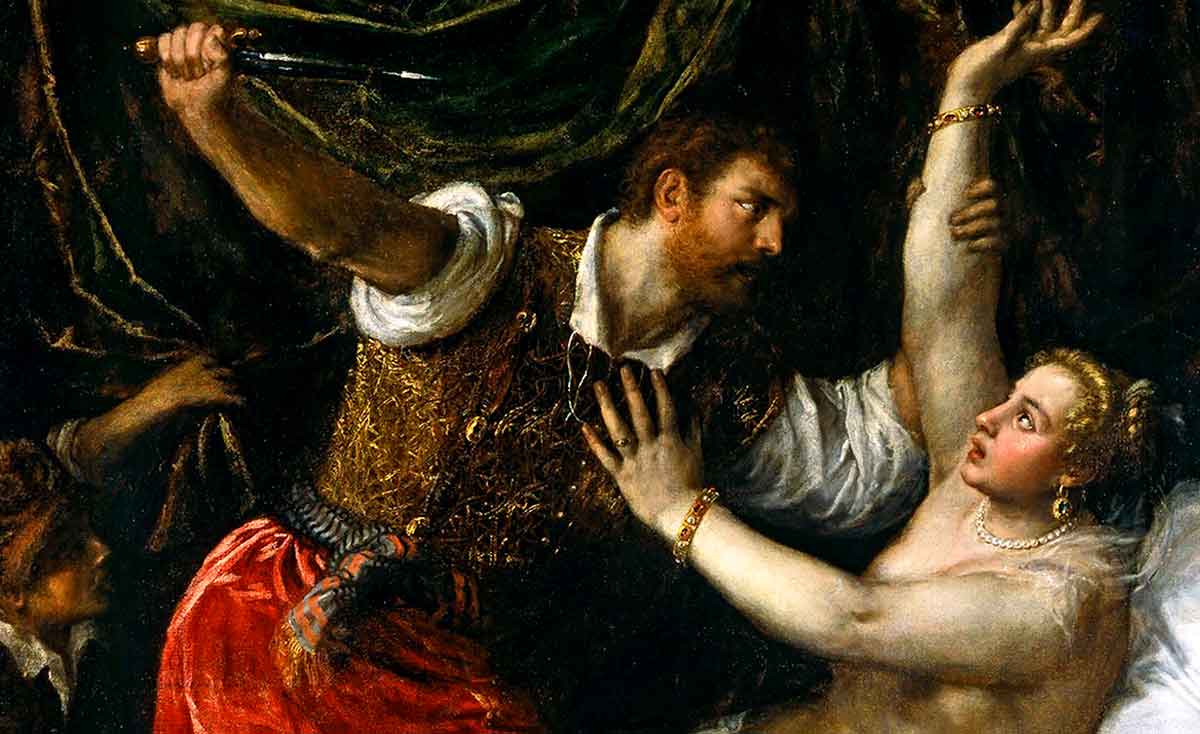
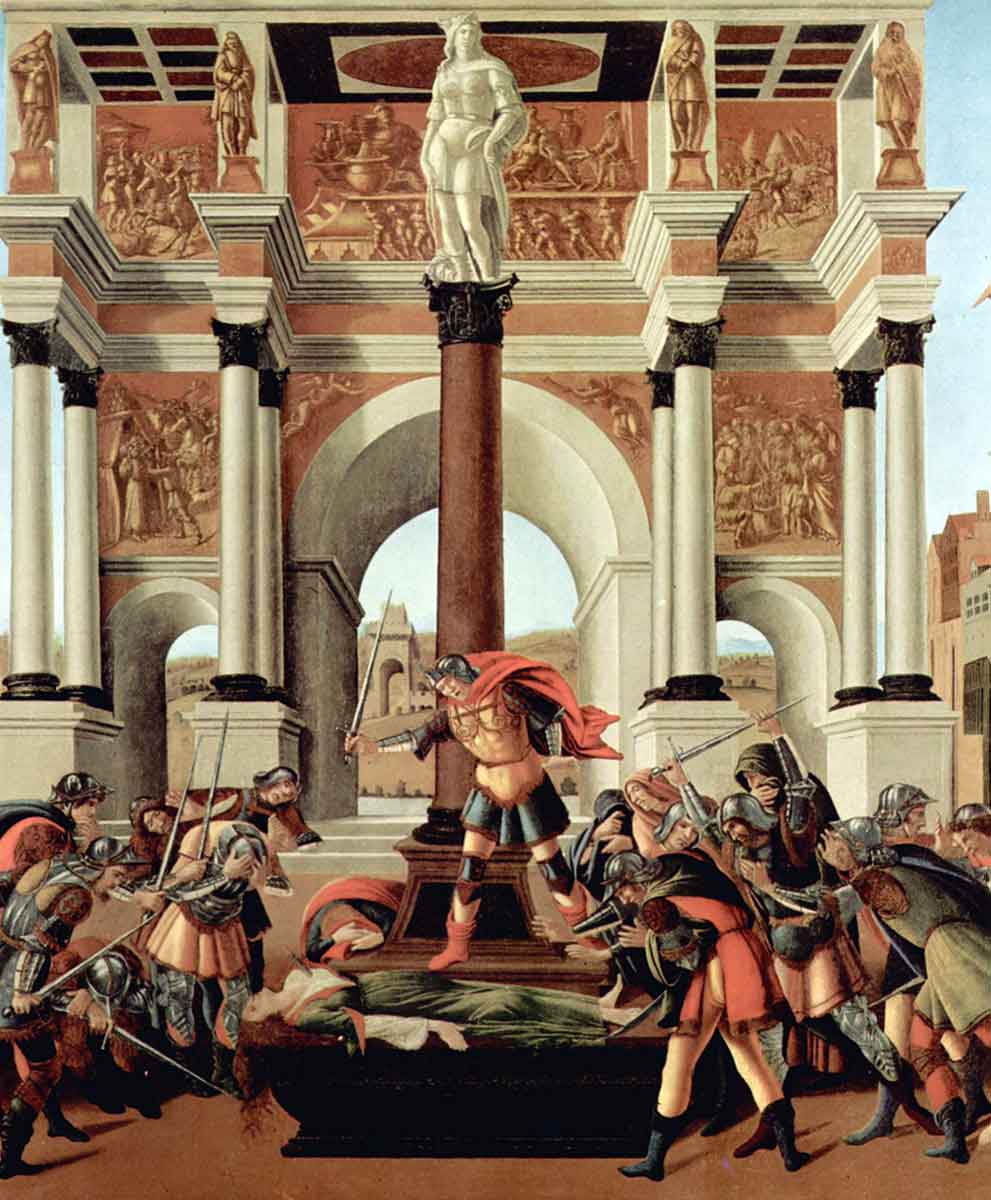
The stage was set for a dramatic overthrow of the monarchy when carefully designed plans led by the elite came to a head with the rape of Lucretia by the drunken son of Tarquinius. According to Cicero, even the mere mention of a king (Rex) was hated by Roman citizens at the time of Tarquinius’s downfall. In the eyes of subsequent generations, justification for the complete abolition of the debauched monarchy in favor of a respectable republic had been achieved.
Lucretia was a virtuous married noblewoman. Livy relates the circumstances leading up to her rape and her subsequent ritualistic suicide because she could not live with the shame. Through her dramatic speech and self-sacrifice, Lucretia became a symbol of righteous purity and martyrdom. 400 years later, Livy dramatically recounted Lucretia’s last words as follows:
“It is for you to see that he gets his due. As for me, though I acquit myself of blame, I cannot acquit myself of the shame. From what has happened, my body is dishonored; my mind is innocent. Death shall be my witness.” (Livy, Ab Urbe Condita, I.58).
Her husband, also a member of Tarquinius’s family, and her father were thus urged to exact vengeance. But it was her husband’s friend, Brutus, who dramatically swore a public oath that a king would never again set foot in Rome, and mobilized the citizens of Rome in the collective act of Tarquinius’s expulsion. Incidentally, this Brutus was claimed as an ancestor of Julius Caesar’s erstwhile protégé, of whom he asked, “Et tu, Brute?” in Shakespeare’s drama.
The First Republican Government
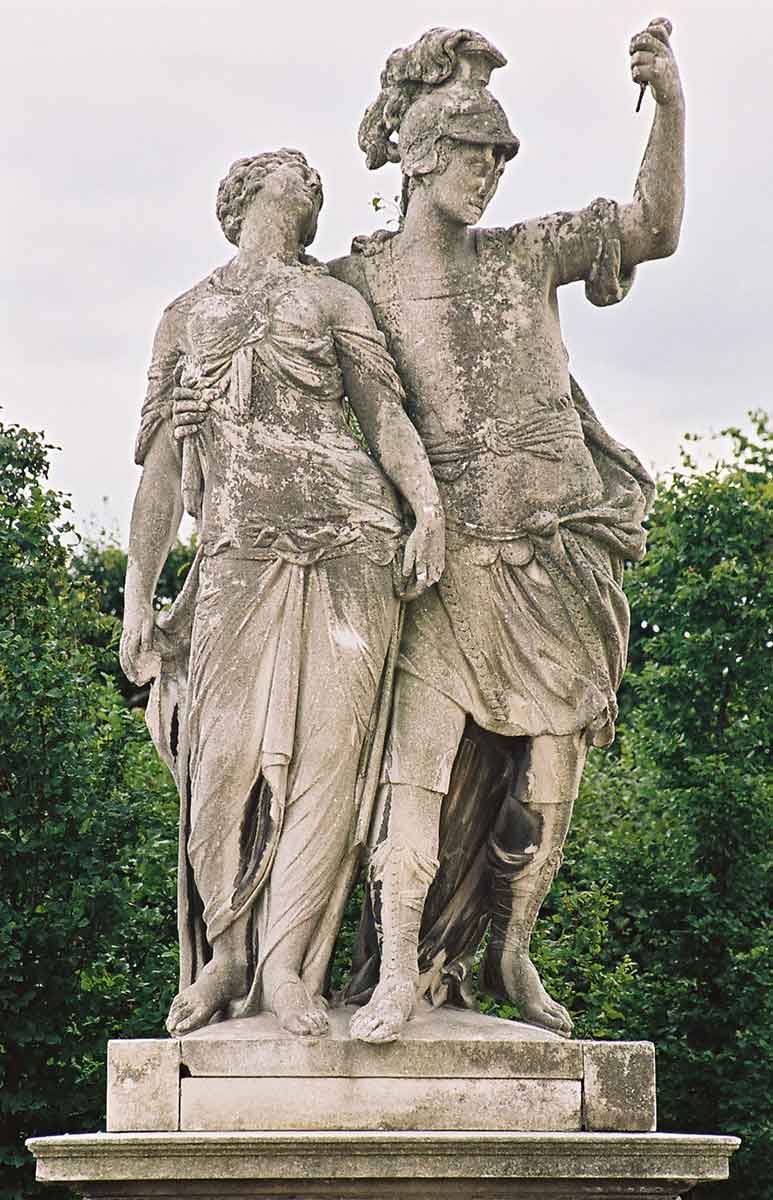
Traditionally, Brutus was seen as the kingpin for the reforms instituted by the revolutionaries to transform the government from a monarchy to a republic. However, historians writing around 400 years later were biased and influenced by folklore that had been turned into ritual, spectacle, and drama to justify the formation of the Roman Republic. They created an idealized narrative where the Roman Republic’s foundations were laid on a solid anti-monarchical basis that would rid the population forever from tyrannical, unbridled autocracy.
The Republic started off on the principle of a just, collective governance under two separate magistrates, known more popularly as consuls. They were elected annually so that neither could build up and misuse their power. They jointly and separately ruled the Senate, assemblies, and the armed forces. They were the executive branch and also wielded religious and judicial power.
In one fell swoop, it seemed, dynastic ambition, nepotism, and the accumulation of unchecked power were replaced by shared authority elected by the people. Guardrails were woven into this system of collective governance.
Later historians ensured through their propaganda that the drastic changes would be viewed and remembered as a ritual of deliberate annual liberation from the corrupt tyranny of the monarchy. Participation in the symbolic ritualized acts of elections by the people legitimized and reinforced victories, pride, loyalty, unity, and involvement in governance.
Reframing Tarquin’s Legacy
Despite successes achieved during Tarquinius’s reign, historical narratives ensured that his and his family’s moral misdemeanors would overshadow them all. He burdened the population with exceedingly heavy taxes to keep his war machine going. His cruelty and use of maltreated conscripted labor for building projects drew the hatred of the peasants and commoners. His total disregard for laws, the Senate, and the traditional power of the nobles had long since evaporated any loyalty from that side.
Tarquinius, nevertheless, expanded Rome’s territory and influence and successfully crushed rebellions. His forceful, deceitful, militaristic foreign policy kept the Roman armies occupied and in battle-ready shape.
Societies often frame drastic regime change as a moral cleansing. Ritualized overthrows in antiquity were a common tradition. The Tarquinius family’s immorality, cruelty, and reign by fear, corruption, and deceit provided fertile soil for total political change. The staging of moral drama around the birth of the Republic and the ritualistic cleansing that swept up the nation paved the way for an acceptable collective governance of laws, justice, and morality.
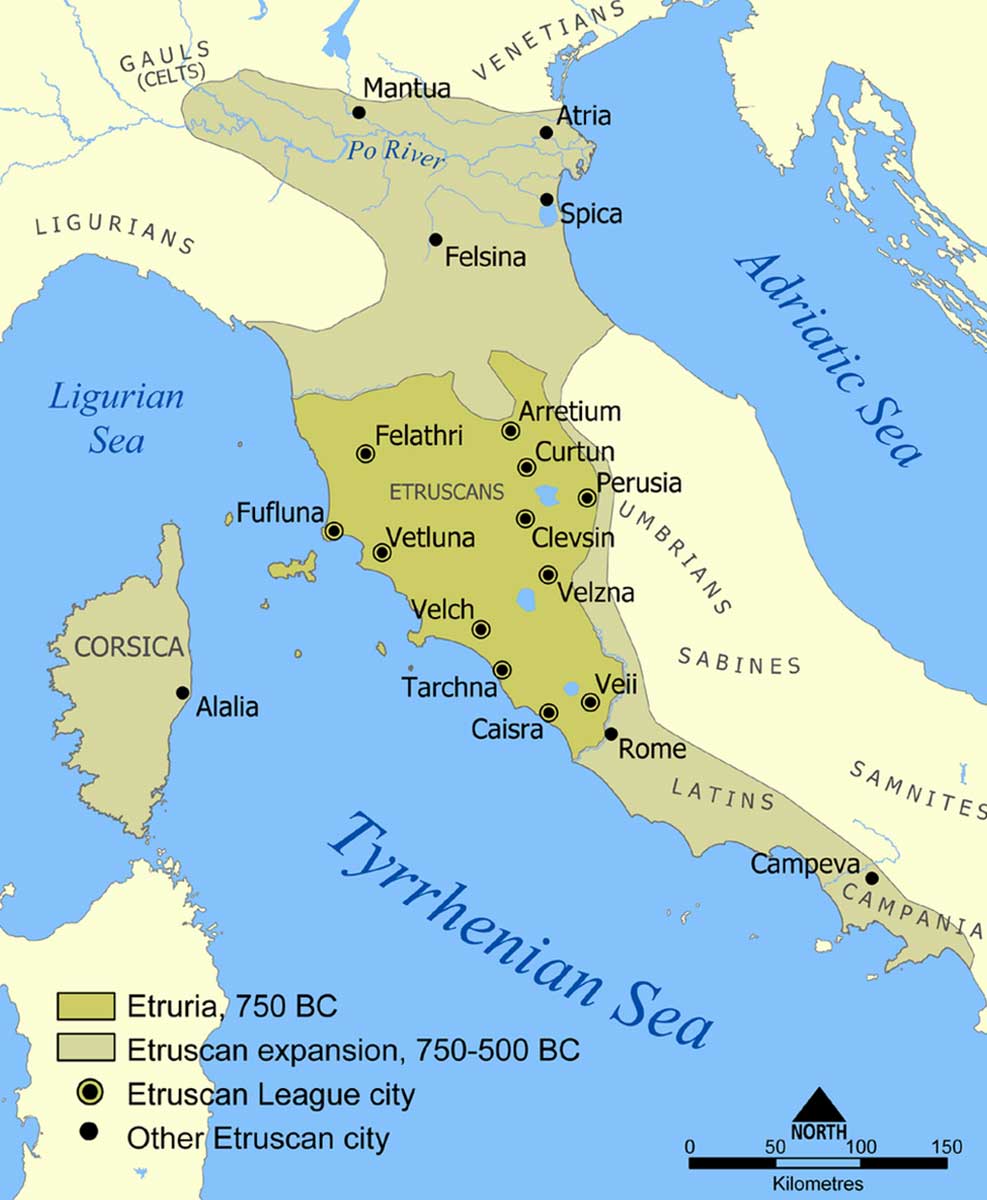
Tarquinius’s grandparents had moved to Rome from one of the Etruscan kingdoms, and their offspring married into the royal family of Rome. Tarquinius Superbus married the previous king’s daughter. This gave him legitimacy when he became king after he and his wife assassinated her father, the sixth king of Rome. Incidentally, some accounts relate that his wife was even more cruel than he was. She apparently ordered her carriage to be driven over the body of her father after he was slain!
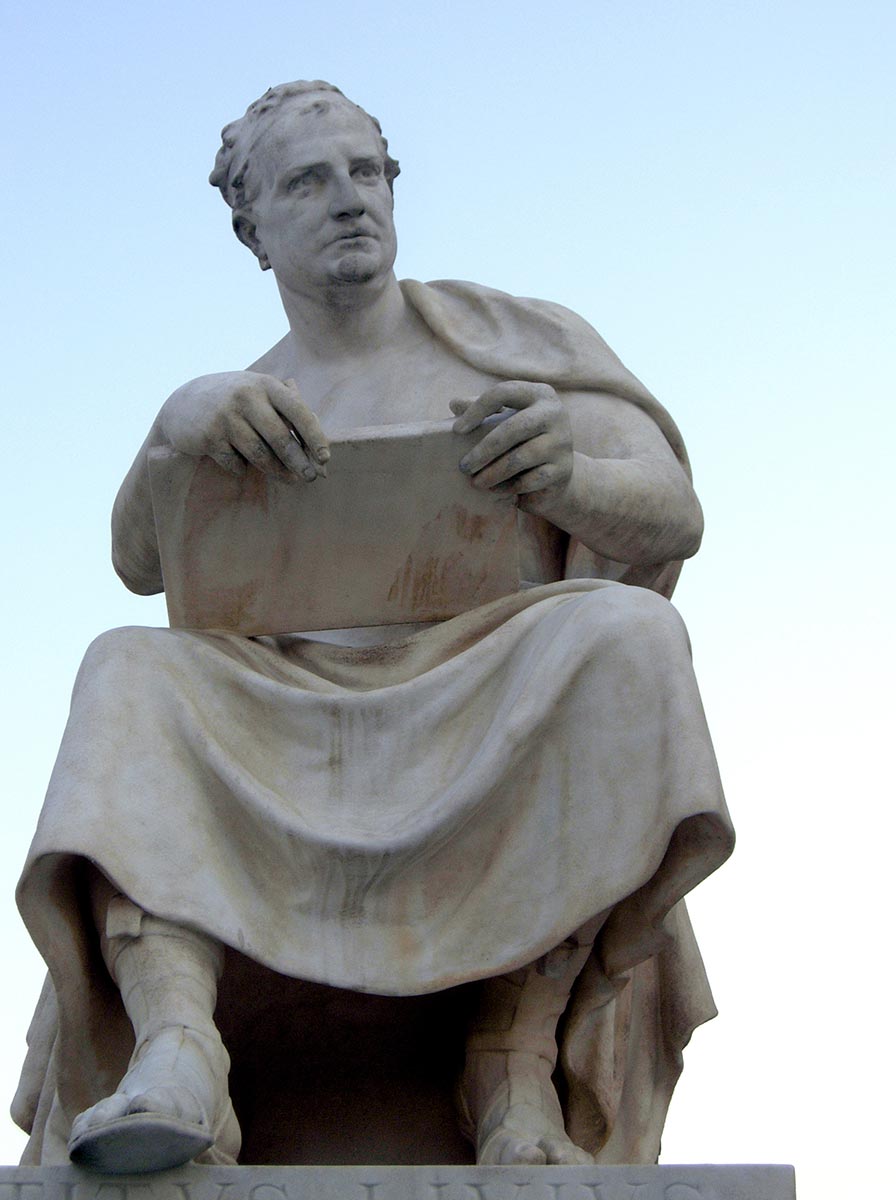
Tarquin became an ideal antagonist for the mythological rebirth of Rome as a Republic. The blight of tyrannical corruption and immorality had to be removed as an act of ritualized purification. Livy, especially, stresses the wanton wickedness of the ex-Etruscan Tarquinius Dynasty as the major cause, while Cicero and Dionysius at least recognize the political machinations of the elite plotting behind the scenes. The patricians masterfully crafted their political agenda to draw in the plebeians via the morality aspect, despite the traditional division of class as instituted by Romulus, the first king of Rome.
Tarquinius Superbus ruled Rome from around 534 to 509 BC when he was overthrown. After he was exiled, he set up several plans to return as king of the Romans, mainly by pitting his kinsmen from the Etruscan cities against each other. He was never able to return to Rome. The one-half-hearted Etruscan city that came to his aid left Rome after a siege and did not return him to the throne. Tarquinius fled to Etruria and died around 496 BC, still in exile.
A Tapestry of History, Myths, and Legends
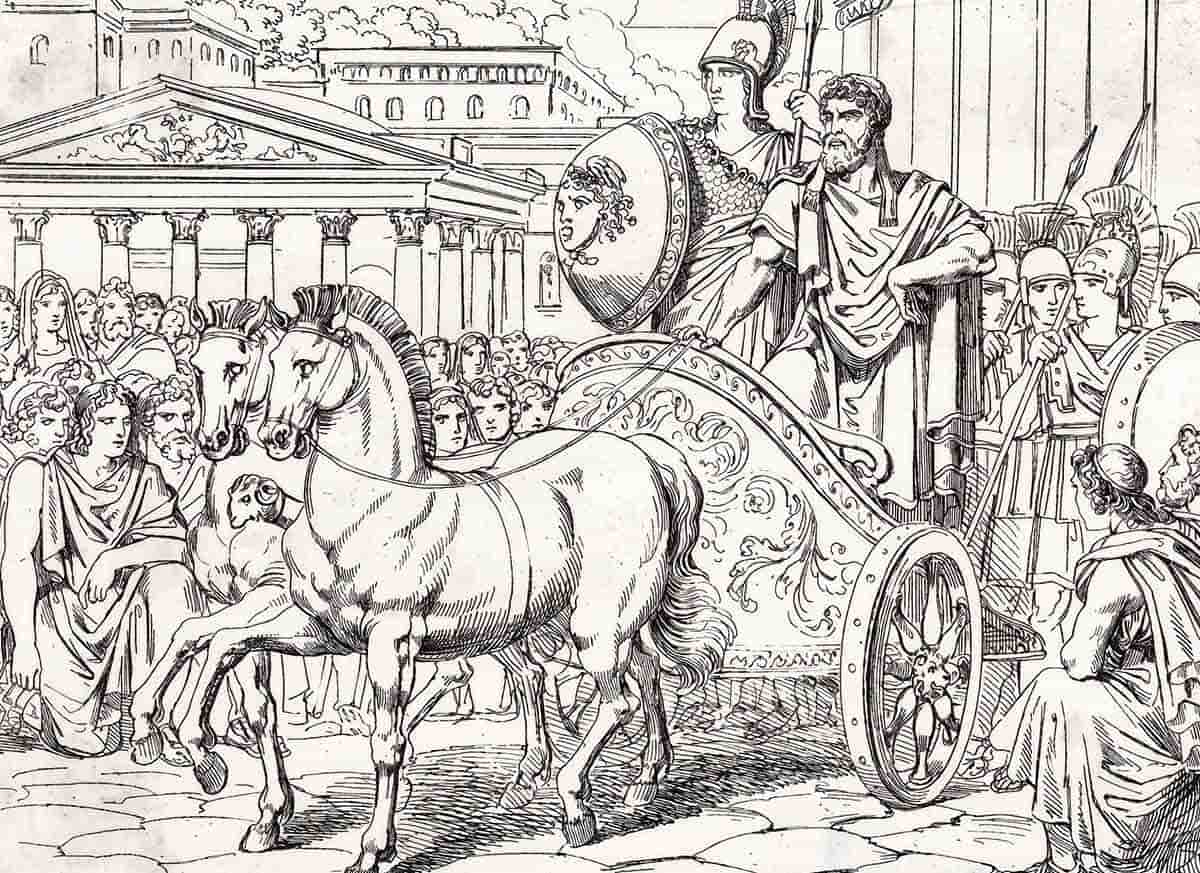
The historical accuracy of the Tarquinius saga as a prelude to Rome’s conversion from monarchy to republic cannot be verified. Athenian democracy was established in 510 BC after the Peisistratids episode in Athens. The chronology of Rome’s transition to a republic followed a similar pattern, blending Greek influences with Roman thought and culture.
In addition to all other motivations, early Roman historians were influenced by contemporary authors, philosophers, and current trends in the ancient world. They had to spin the narrative to emphasize a glorious liberation from tyranny; the triumph of good over evil and cruelty. Tyranny had to be shown as an absolute failure and an abomination.
Ruling by fear would always end in the overthrow and punishment of a tyrant by the disillusioned people or a military coup, even in myths. These authors do, however, mention benevolent and popular tyrants who used their power to uplift disadvantaged groups. They all had guardrails in place, though.
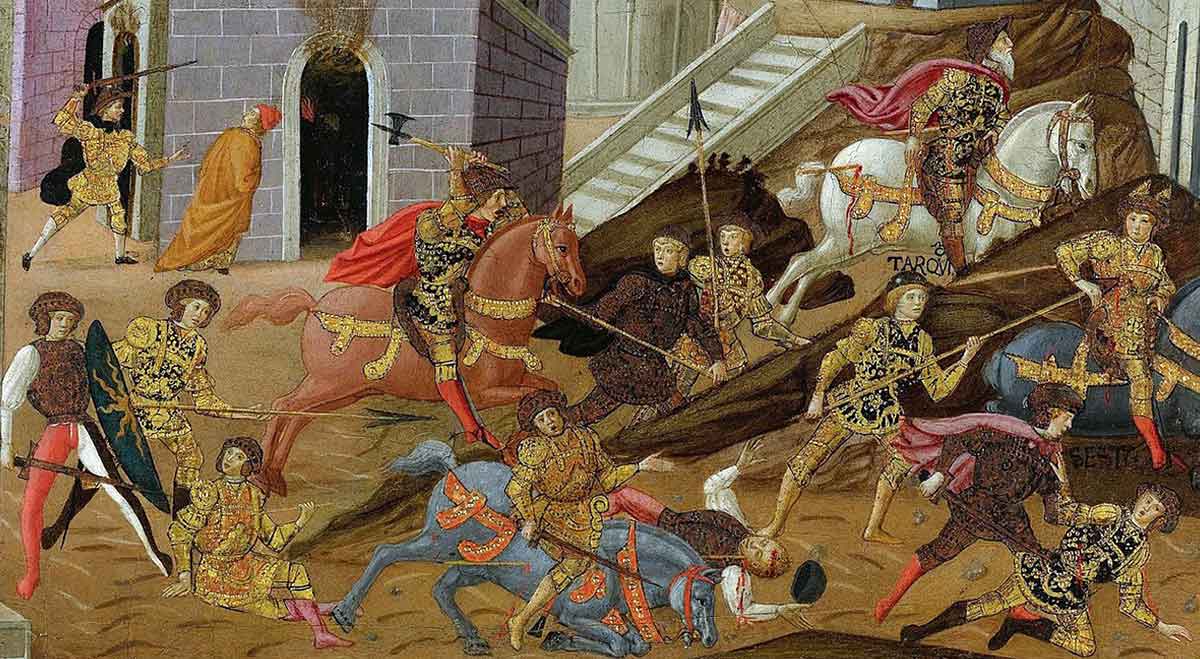
Although much of Rome’s transition from monarchy to republic is viewed as propaganda infused with myths, it holds true to the core of humanity’s eternal struggle between justice and tyranny. Unbridled power still breeds corruption, immorality, and injustice in modern societies, and sadly demonstrates humanity’s seeming inability to heed the lessons from the past!
With the advent of the Roman Republic, the Romans started the first steps out of their mythologically infused past into the reality of a history still interwoven with myths and legends. What is clear is that the Roman historians “cooked the books,” both about their distant and immediate past. For instance, it is a known fact that their king lists and lists of consuls were adapted and interpolated to arrive at fitting numbers, such as making Tarquin the Proud the seventh King of Rome with its seven hills. One can say that oral histories, legends, and folktales were adapted and embellished to create idealized, poetic, and philosophical propaganda.
Rome’s early history, its monarchy, and the early republic were only recorded centuries later. This gave rise to almost as many versions of salient events as there were historians. Each related the version that served his own purposes or sounded the most plausible at the time of writing. Most versions remain infused with myths and legends, including direct links to Greek mythology, albeit under different names or functions.