
Rome is known for its monumental architecture and durable roads, but these often overshadow another of their engineering marvels: their sanitation system. The careful planning of water distribution infrastructure, such as the Cloaca Maxima, enabled public latrines that made Rome ahead of its time when it came to public health. Nevertheless, densely populated cities still had to deal with the sobering realities of disease, parasites, and other dangers, which would only fully be overcome in the modern age.
The Cloaca Maxima: The Greatest Sewer
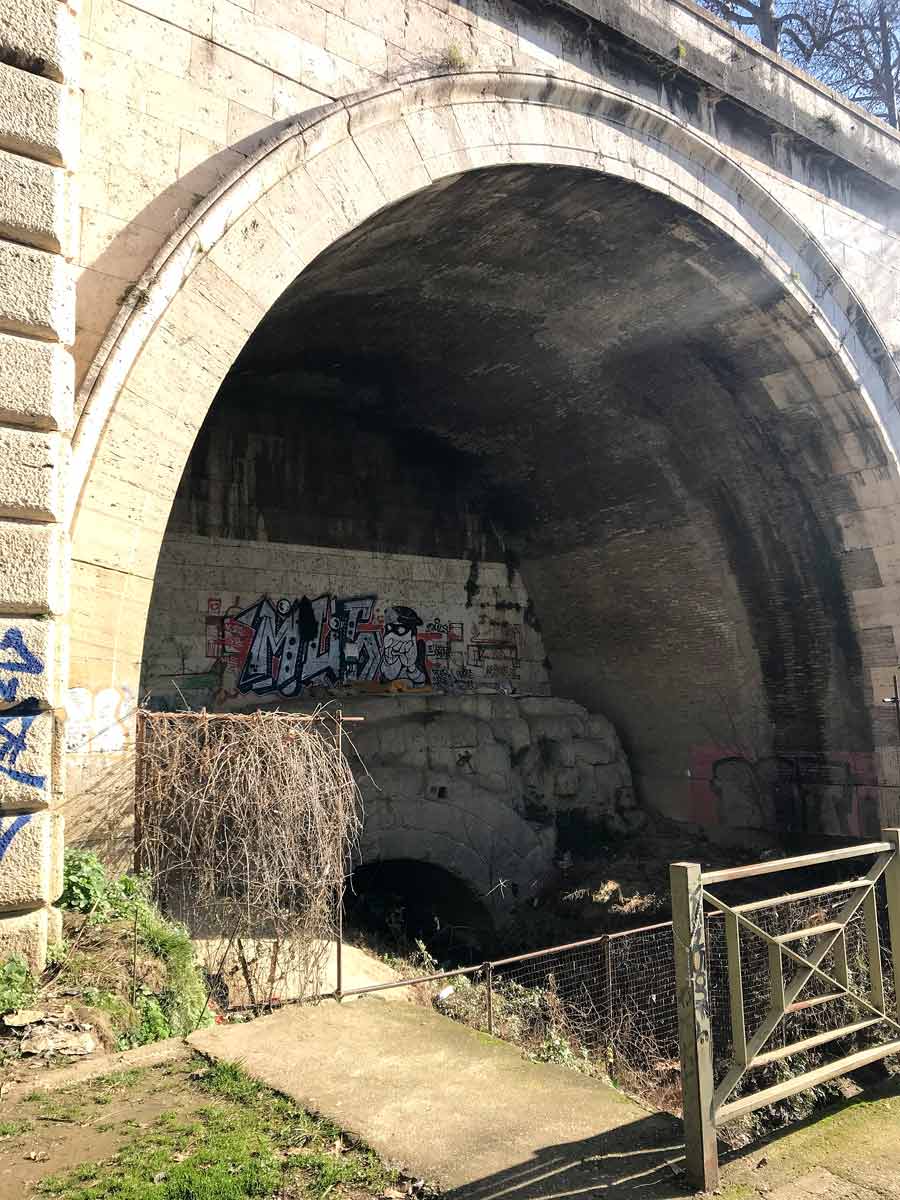
The centerpiece of Rome’s sanitation infrastructure was the Cloaca Maxima, literally the “Greatest Sewer.” It is traditionally believed that work began on the Cloaca Maxima around the year 600 BC, during the reign of King Tarquinius Priscus, and was then completed by his son Tarquinius Superbus. It was not intended as a sewer, but as drainage. Rome was built on seven hills, and the lowland between them was often waterlogged and swampy. The Cloaca Maxima was built to drain some of the land, making room for what would become the Forum.
The Cloaca Maxima was, at first, an open-air trench that led south to the nearby Tiber River. The structure was lined with stone and later brick to prevent erosion. There is evidence of wooden poles alongside the sewer, which could be from bridges that cross over it, or the remains of scaffolding during construction. Over time, the open drain was covered, and the enclosed system was created.
By the time of the Late Republic, the Cloaca Maxima was Rome’s main storm drain, with runoff from many of the hills draining into it. This was no simple underground pipe, but a massive structure that, according to the historian Strabo, was large enough for a hay-covered wagon to drive through. According to Pliny the Elder, it was structurally sound enough that it survived centuries of floods, storms, fires, and other disasters.
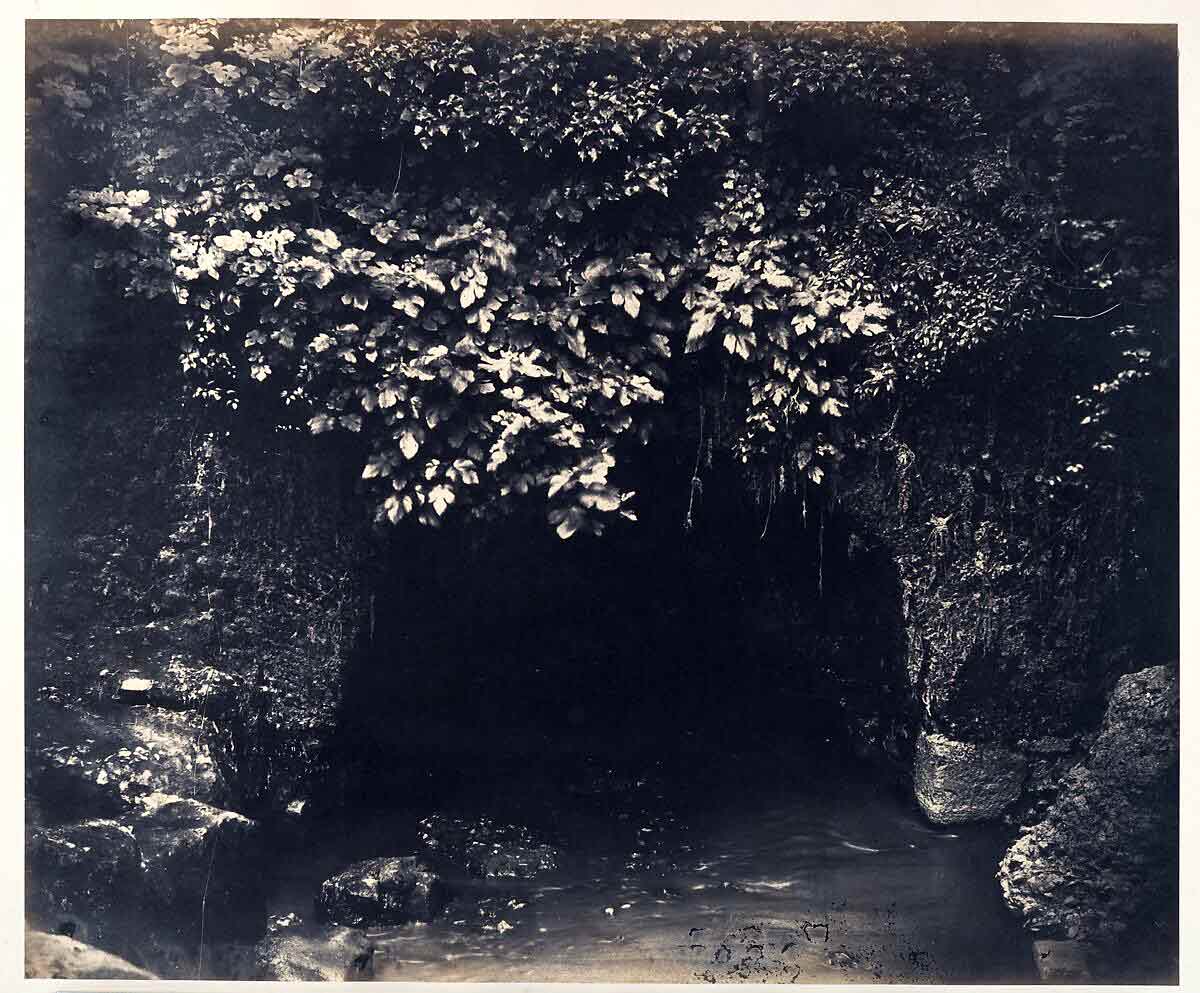
The Cloaca Maxima would be overhauled during the reign of Augustus, a process overseen by his right-hand man, Agrippa. The system could be accessed through a series of manholes for repairs, which were covered with marble reliefs. The eleven aqueducts that supplied Rome were channelled into public baths and fountains, the Imperial palace, and private homes. They then drained into other canals, which led to the Cloaca Maxima. The constant flow of water helped keep the system clear and free from debris, eventually emptying into the Tiber. The system was so well designed that it is still in use today as a storm drain for Rome.
Aqueducts and the Flow of Water for Hygiene

The water system of Rome was based on a single, constantly moving system. Water was brought in from far outside the city by the elevated aqueducts, which used the force of gravity to move the water rather than mechanical pressure. Once inside the city, water was diverted to public fountains, public baths, and private homes, before being again channeled through the public restrooms. Water then made its way to the Cloaca Maxima or other sewers and emptied outside the city, mostly into the Tiber River.
Toilets and other drainage relied on the constant flow of water to work, and there was no manual flushing mechanism. Anything dropped into the stream would simply be carried away by the current. Public toilets were often placed near public baths to help with this purpose. The baths would routinely change out their water, emptying the used water into the sewers beneath the public toilets, flushing out the system. There were around 144 public toilets scattered around Rome, and between 800 and 1,000 public baths. This meant that there was usually enough water flowing to keep the system operable.
When water flowed in from the aqueducts, it was collected into one of several cisterns or holding tanks around the city. From these tanks, water then flowed through a series of ceramic or lead pipes of standardized size controlled through bronze stopcocks or valves. The flow of water was based on a strict hierarchy. The priority was drinking water for the general public, which flowed to the fountains throughout the city. The next priority was the public baths. Behind them were the private users, who had the water piped directly into their homes, for a fee. Certain tradesmen also had access to water this way.
In times of drought, the valves at the cisterns could be turned off, first to the private users, then the baths, ensuring that the public fountains for the masses would have enough supply. Any excess water was then diverted to the sewer, providing the constant flow needed for the system to stay clear.
Social Sanitation: The Foricae and Latrinae
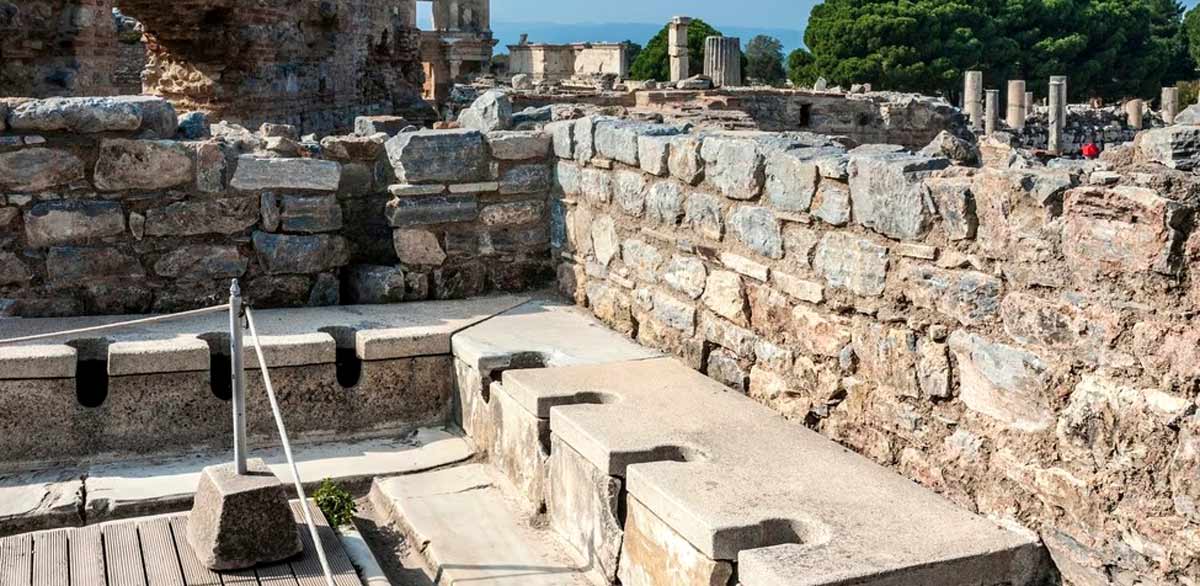
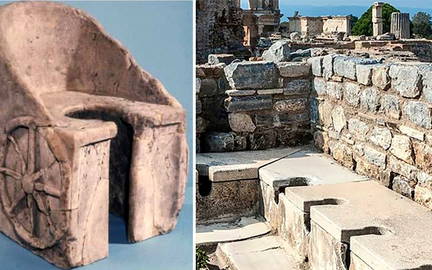
Rome made use of toilets to clear out waste and keep the city clean. They were divided between the Foricae, or public toilets, and the Latrinae, which were found in private homes. The public toilets were available for all Roman residents. The patrons used low benches in a U-shaped format with a keyhole-shaped opening at regular intervals, and users would sit within arm’s reach of one another as they did their business. While public latrines lacked structural dividers, privacy expectations varied wildly by class. Furthermore, while visual evidence for formal gender segregation is sparse, many modern scholars argue that strict cultural expectations of female modesty kept Roman women from using these highly visible, male-dominated public spaces.
The public toilets, much like the nearby baths, were a place of social gatherings, where gossip was shared, meetings arranged, and business conducted. They were convenient gathering places, since everyone needed their use. Joining someone at the public toilets would be no different in the Roman mind than meeting someone at a cafe or at a park today.
The Dangers of the Sponge
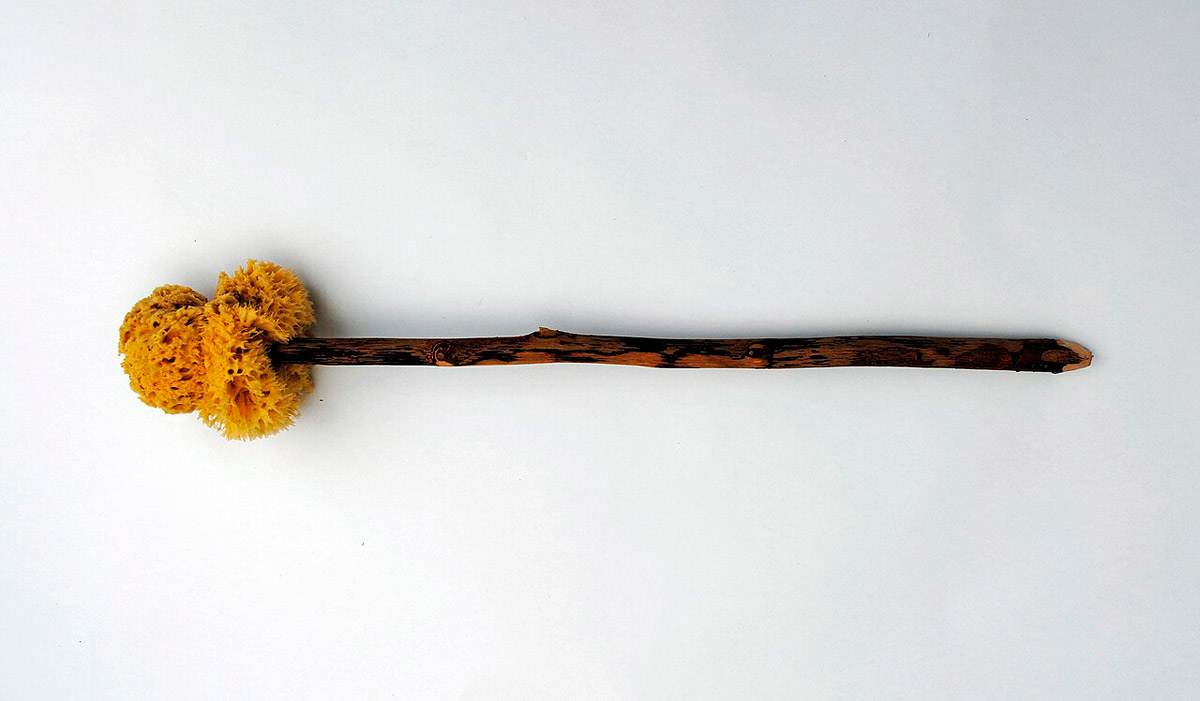
While the Romans had toilets, there was no toilet paper. They used a device called a xylospongium, which is derived from the Greek words xylon, meaning stick, and spongos, meaning sponge. The Roman name is tersorium, which means “thing to wipe with.” This sponge on a stick was found at all public toilets, and like every other aspect of the toilets, was used by all. It was used, and then washed off in a bucket filled with water and salt or vinegar, ready for use by the next person. Some toilets had a small trench in front of the stalls through which water flowed, which was used for the same purpose.
While this is the generally accepted use for the xylospongium, more recent scholarship suggests that it was used for cleaning the seats and that pieces of fabric were used for wiping. This hypothesis is supported by bits of cloth found in Rome’s waste system, though this is not certain.
Of course, it goes without saying, but the use of the xylospongium was a major health hazard. Diseases and parasites could be spread easily from person to person. Simply dunking a porous sponge in a bucket of vinegar or salt water would not be nearly enough to kill off any pathogens that it might contain. For all of Rome’s accomplishments, including the extensive plumbing and water network, there were still shortcomings. With no knowledge of germ theory, they had no idea that their daily habits were putting them at high risk for infections and diseases such as parasitic worms and dysentery. Rome experienced many epidemics during its history, and many likely started in the toilets.
Other Toilet Facilities
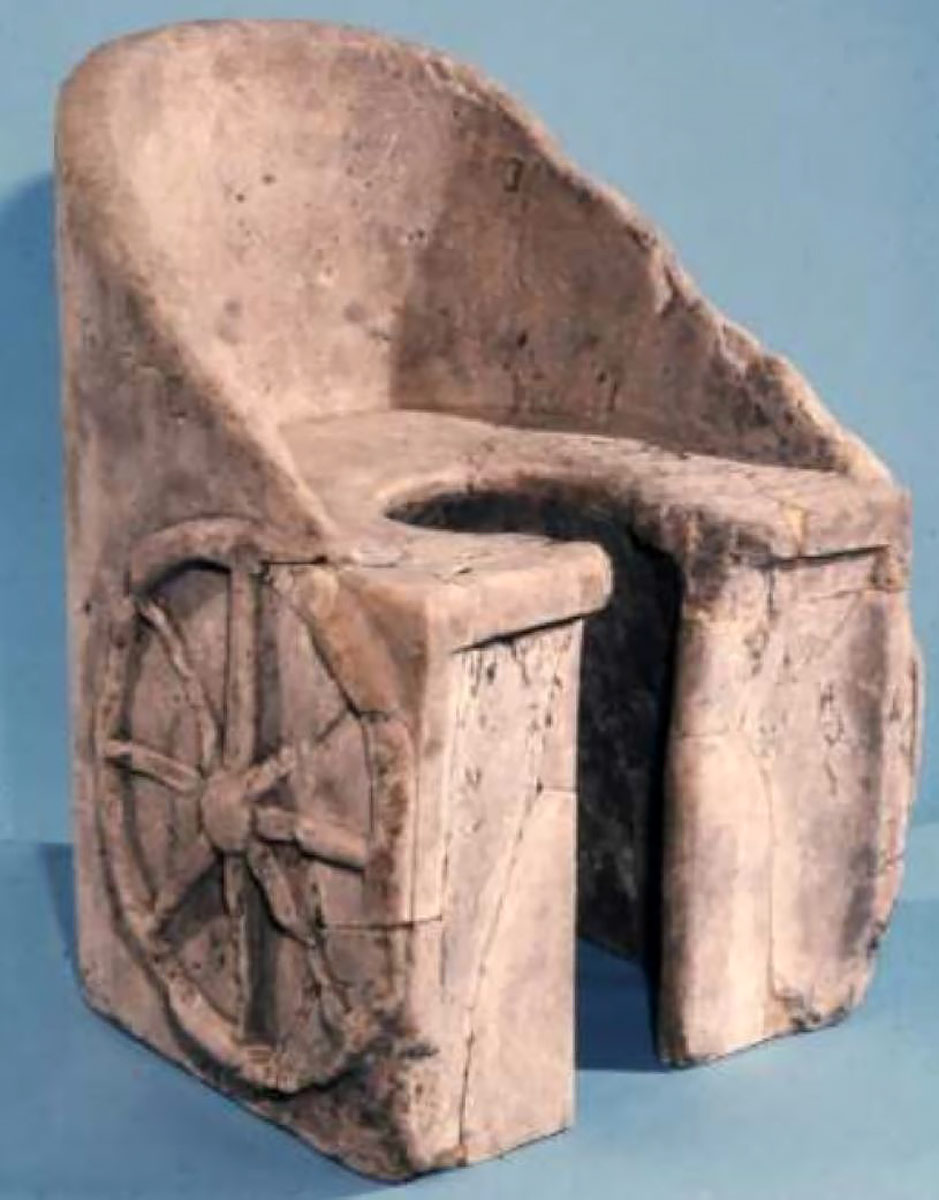
The public toilets were not the only waste disposal available to the lower classes. Much of Rome’s population lived in multi-story apartment complexes, called Insulae, or “islands.” Due to the nature of the sewer and water system, the flowing water was only available on the ground floor. Anything elevated would be cut off from this system. It was not always possible for someone on an upper floor to use one of the public toilets, which may be some distance away. Instead, they relied on chamber pots, simple buckets, or other containers. These had to be emptied regularly, which should be done into a sewer, though more often than not, its foul contents would be hurled out of the window onto the street below. This was an illegal practice, but it still happened. Rome’s streets, especially in poor areas, were filthy, smelly, and disease-ridden.
For the upper classes, water could be piped into and out of their homes, but this was not always the case. Instead, private homes often used latrinae, or single-person toilets. These were simple holes cut into a seat directly over a cesspit underground. These also needed emptying, a disgusting and tiresome task that was almost exclusively done by slaves. The waste was then used by gardeners and farmers as fertilizer, or dumped in a nearby river for disposal.
These cesspits were often located near the kitchens, so they acted as a general-purpose waste disposal. Of course, proximity to food preparation areas meant that food could become contaminated, a constant source of disease.
Dangers From Below
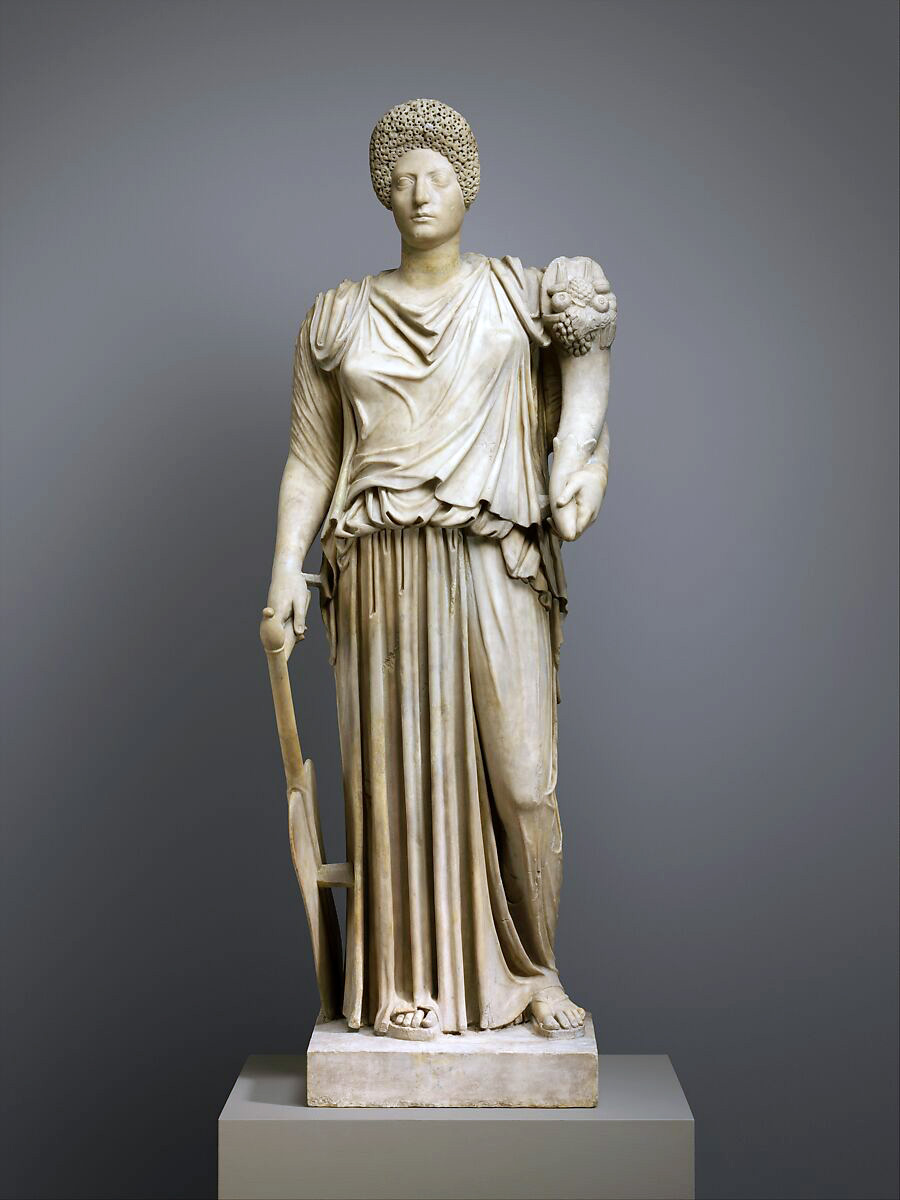
There were many dangers associated with Rome’s sewer system. One of the more dramatic was the occasional fire. Decaying organic matter, such as fecal matter, releases methane and hydrogen sulfide. Both of these gases are highly flammable and, lacking any sort of vent, would build up in the confines of the pipe system. In sufficient concentration, this can erupt into a fireball, right at a place where someone is sitting. This was rare, but it did occur often enough for Romans to make note of it.
Another, more mundane issue was that of pests. Flies were drawn to the smell of the toilets and were a constant nuisance. More serious, however, were rats and other vermin. The sewers were simple pipes with no grates or bars or any other mechanism to stop a creature from crawling through. These creatures spread disease and even attacked toilet patrons. According to Aelian, a villa in the city of Puteoli, near Naples, had an octopus routinely climb through the drain pipe of the building, sneak into the nearby kitchen, and steal the pickled fish. These dangers led the Romans to believe that there were more than animals living in the murky depths of the sewers. Demons were said to prowl the darkness, emerging to attack the unwary.
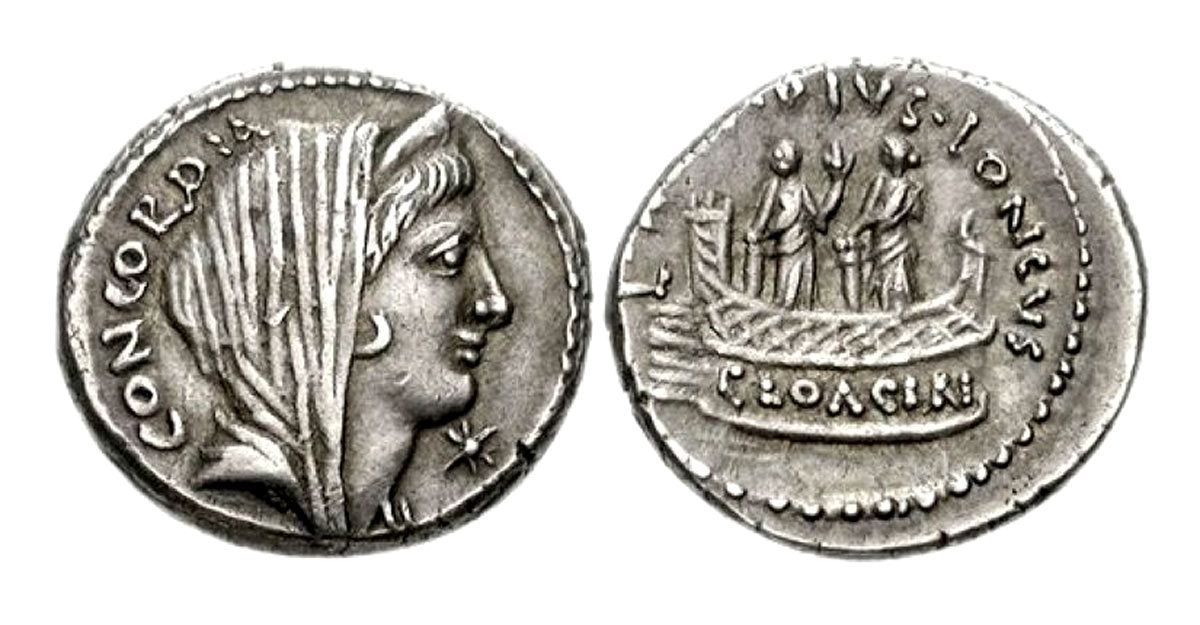
To combat this, the Romans turned to the gods. Fortuna, goddess of luck and fortune, was often painted on the walls of toilet facilities to ward off evil. This would imply that many Romans thought of using the toilets as akin to gambling. Perhaps they would score a lucrative business deal in the social atmosphere, or maybe they would be attacked by a rat, or worse. The goddess would hopefully turn away the evils, and they could do their business in peace.
Another goddess, Cloacina, was also connected with Rome’s sewage system. Venus, the goddess of love and beauty, was associated with purification and cleanliness, and was sometimes given the name of Venus Cloacina, Venus the purifier. It is unknown if Cloacina is a separate deity that was merged with Venus or if it was just a title. Either way, she was the patron of the Roman Sewer system and had a small shrine above the Cloaca Maxima. According to legend, the treaty that ended Rome’s hostilities with the nearby Sabines was signed at that very spot.
The Legacy of Rome’s Sewers
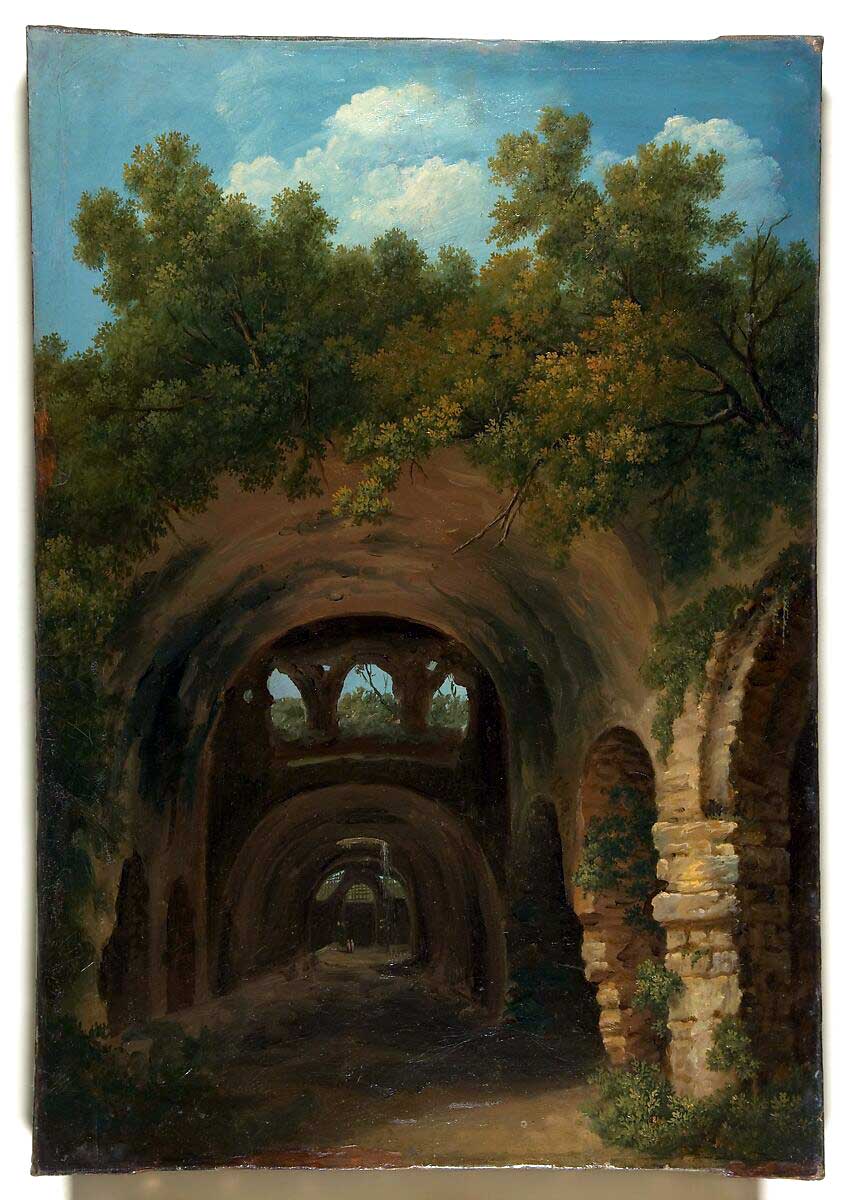
Even centuries later, Rome’s water and sanitation system is considered a marvel of ancient engineering and one of the most recognizable aspects of Roman civilization. With that said, there were many limitations with the system. Rome’s sewers were primarily for drainage and keeping the swampy land between the hills dry, with waste removal a secondary concern. While better than nothing, the sanitation system did little more than clear out the solid waste. Pathogens were a constant problem, and without a working knowledge of germ theory, there was little the Romans could do to prevent the spread of disease.
For all of its faults, the Roman sewer system managed to support a population that at its height exceeded one million people. As Rome began to collapse, so did maintenance on the system. By the time Rome fell in the 5th century AD, it had fallen into such disrepair that a significant portion of the swampland had returned, bringing with it malaria and other diseases. There were attempts at restoring the aqueducts and Cloaca Maxima, as well as other sewer systems throughout the fallen empire, but these were sporadic and did little.
Even with its flaws, the Roman sanitation system was still vastly superior to other pre-industrial urban waste management systems, and its loss set back sanitation standards by centuries. It wasn’t until the late 19th century that civilization finally matched what the Romans had created a millennium earlier.