
Even in ancient times, Greece was seen as the cultural capital of the world. It was not just where beautiful things were made, but where artistic standards were established for everything from sculpture to theater. But how did the ancient Greeks understand art? Plato famously thought it was dangerous and corrupting. What did they think was the source of creativity? The Muses or wine? And how did they fund artistic endeavors, through patrons such as Pericles and Alexander the Great? Richard Marranca interviews Professor Paul Cartledge about how creativity and art functioned in ancient Greece.
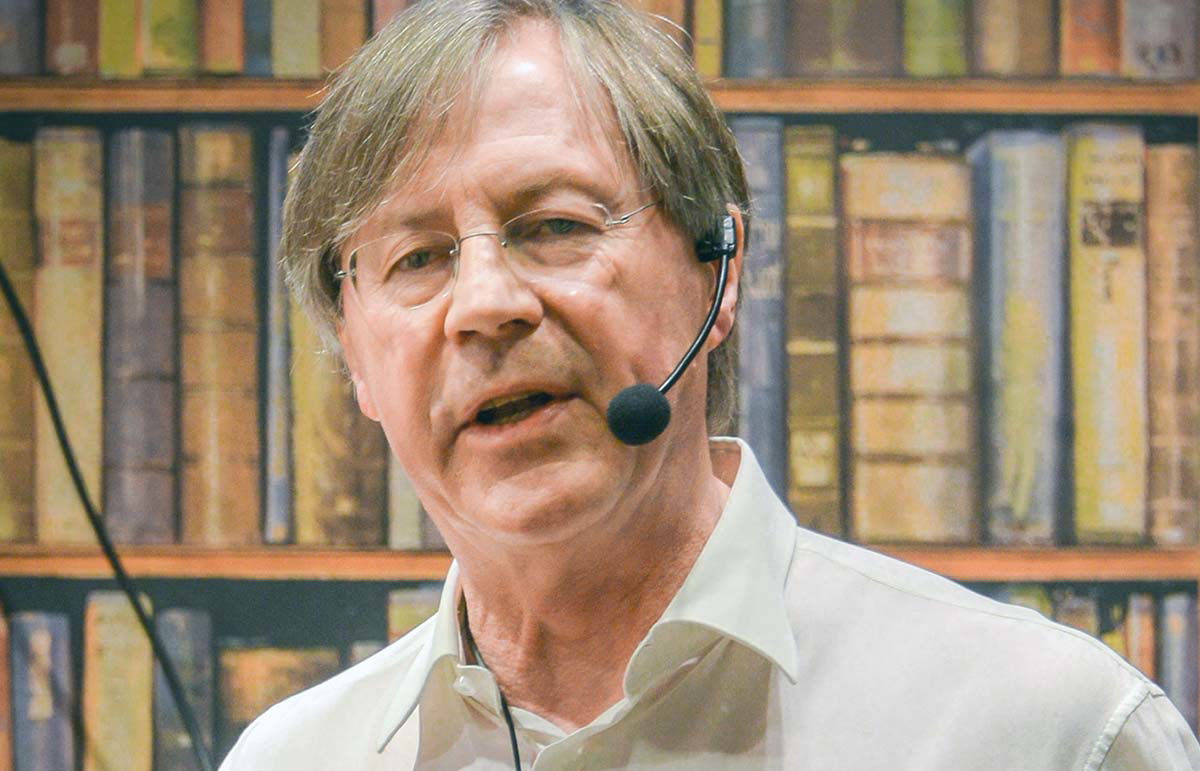
Paul Cartledge is the inaugural A.G. Leventis Professor of Greek Culture in the Faculty of Classics at the University of Cambridge and the Hellenic Parliament Global Distinguished Professor at New York University. He is an honorary citizen of modern Sparta and holds the Gold Cross of the Order of Honor awarded by the President of Greece. He has published more than thirty books on ancient Greece.
Plato’s Unusual Ideas About Art & Creativity
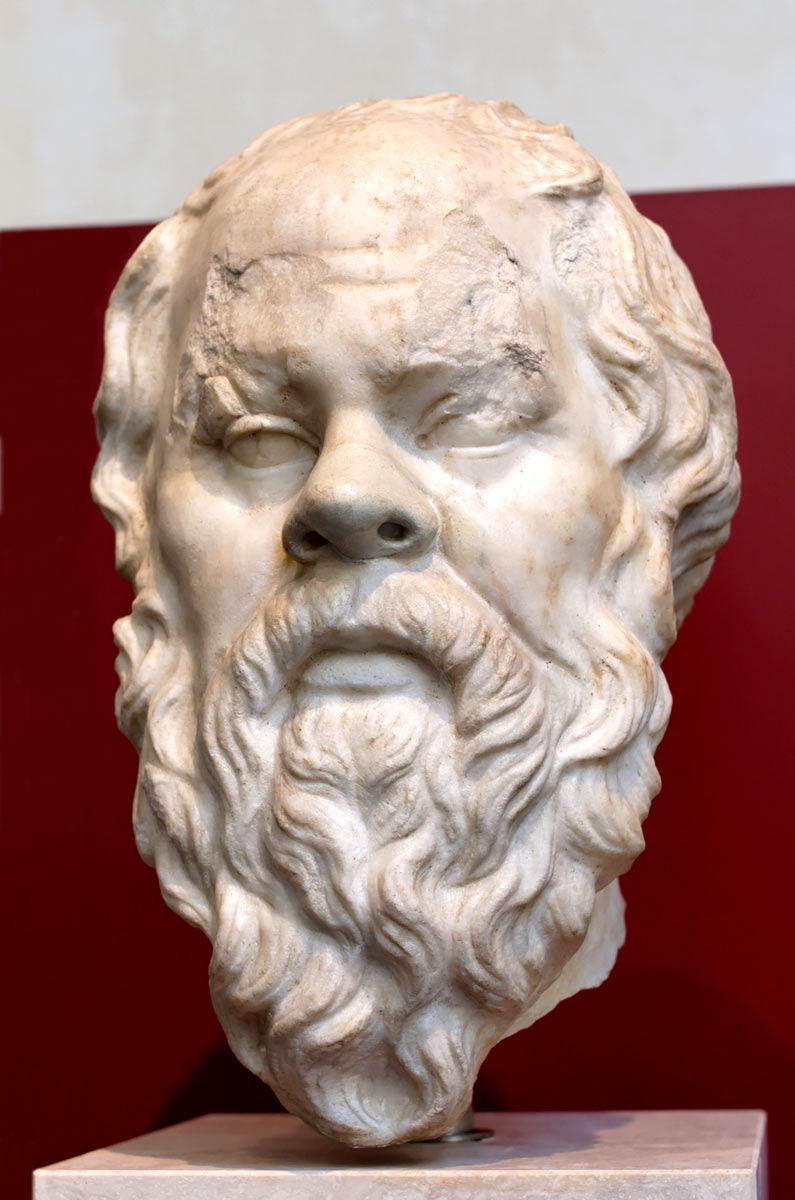
RM: Was Plato really very negative about art? Did he truly believe that banning art was a moral duty?
PC: Plato (c. 428-347 BC), it can’t be repeated too often, was an oddball, in both his personal, private life and above all in his more public, intellectual life, which was one of brilliant but perverse originality. It is possible that he invented the word philosophy. Certainly, he was largely responsible for making philosophy a foundational, self-sustaining, intellectual discipline and pursuit.
Plato’s own philosophical views are sometimes hard to discern, since, for literary purposes, he chose to express them as dialogues, mostly using a fictionalized version of his teacher Socrates as his vehicle. Notoriously, in the dialogue we call The Republic, the views expressed are extremely heterodox.
Only Plato (almost) could even think of banning outright from every home and educational establishment in the land the learning of Homer’s epics on grounds of their immorality. Only he could come up with the notion that reality – true reality, so to speak – lay somewhere behind, above, and beyond the objects of everyday sense-perception, in a realm of intellection accessible only to a tiny handful of (Platonist) intellectuals!
On the other hand, and quite inconsistently, Plato was very happy to use craftsman analogies drawn from the multiverse of everyday-made objects to make his often complex ideas and thoughts more intelligible to “ordinary” people.
“… we are ready to acknowledge that Homer is the greatest of poets and first of tragedy writers; but we must remain firm in our conviction that hymns to the gods and praises of famous men are the only poetry which ought to be admitted into our State. For if you go beyond this and allow the honeyed muse to enter, either in epic or lyric verse… pleasure and pain will be the rulers of our state.”
Plato, The Republic 607
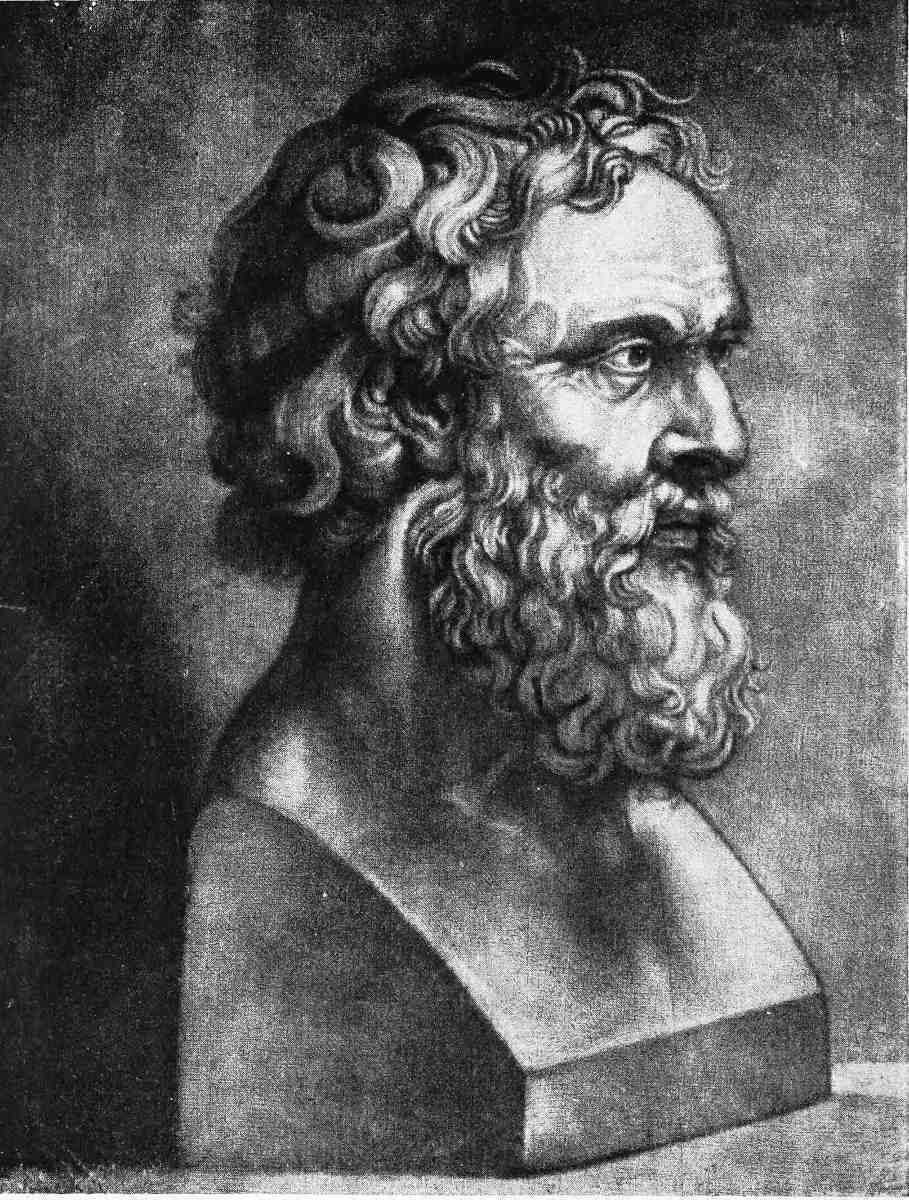
RM: Did he also have the view that creativity was linked to madness? Can you delve into that?
PC: In another of his dialogues, The Phaedrus, his “Socrates” character identifies four different kinds of godsent madness (mania): prophetic, ritualistic, erotic, and poetic, which he associated with Homer and Hesiod. Poetic mania did not imply that the poet’s reason was necessarily suspended. This is not the madness induced, for example, by excessive consumption of alcoholic liquor. Rather, it was a case of reason enhanced, further illuminated. The lyric poet Pindar (c. 518-438 BC) did not begin the first of his Olympian Odes by declaring “wine is best.” Instead, he sang “water is best.”
Wine as a Creative Tipple
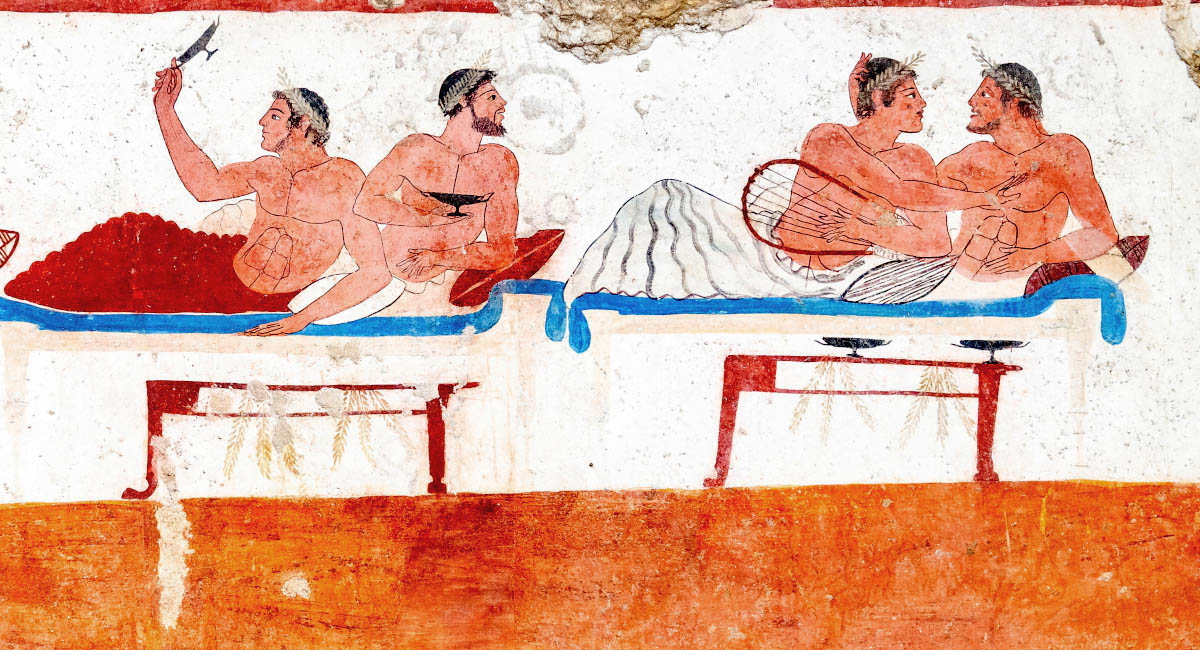
RM: Wine was the drink of choice in Plato’s Symposium. Did the Greeks think that wine, as well as various hallucinogens, bestowed creativity?
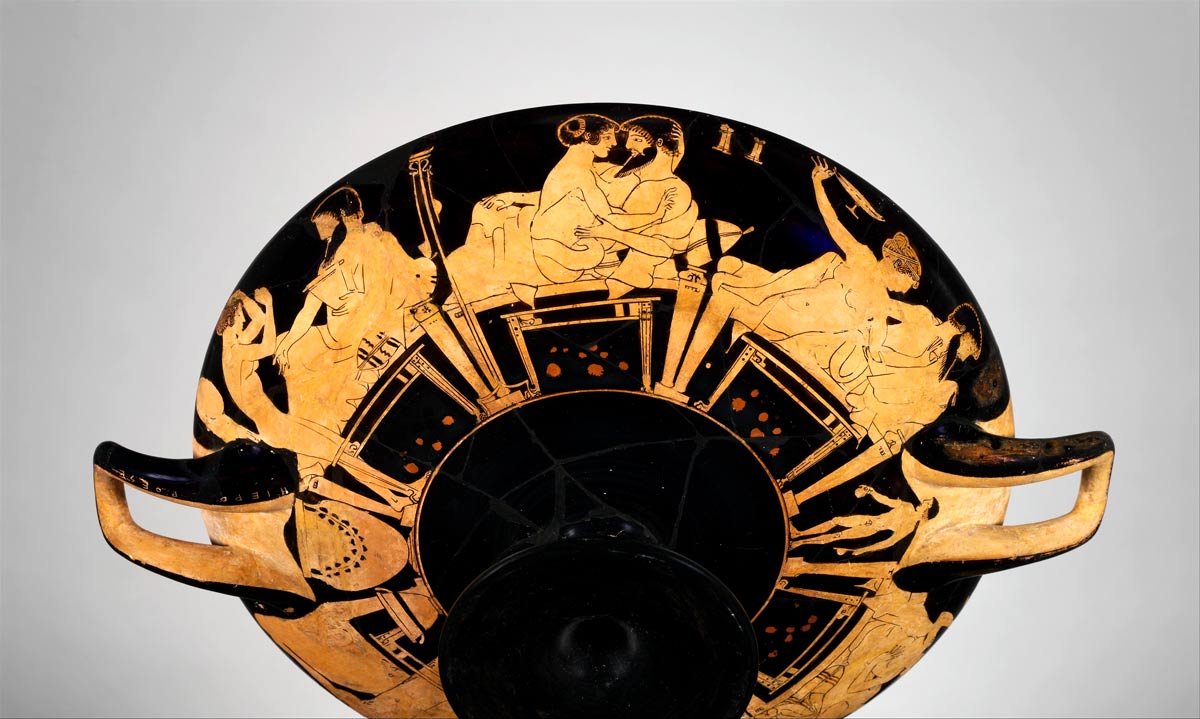
PC: Wine, drunk mixed with water, was a staple, or rather the staple, of the symposium. In Greek, symposium means “drinking-together.” A fictional, literary symposium, such as the dialogue of that name composed by Plato, might include learned or fanciful disquisitions by (elite adult male) participants on the deepest of topics, including love in all its forms. Those disquisitions might be considered inspired by the company rather than by the vinous lubrication.
Other, real-life symposiums might include the spontaneous composition or the recital from memory of appropriate or inappropriate verses. But most involved mainly, often exclusively, drinking, getting drunk on wine, conversing, more or less boisterously, and having sex, either with each other (males-only) or with hired female prostitutes. Wine was the spécialité de la maison of Dionysus, god of metamorphosis (shape-shifting) and theater.
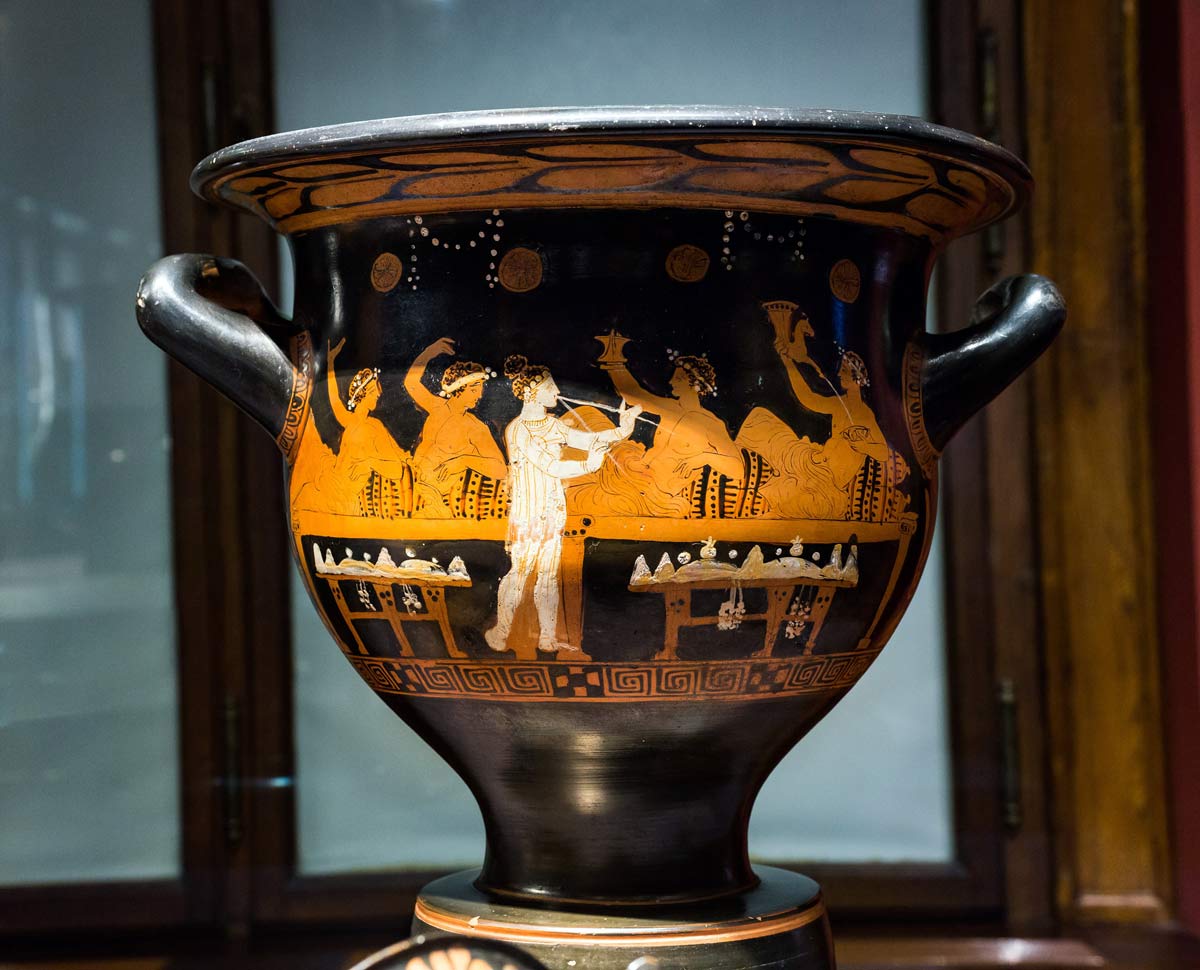
Not all ancient Greeks, even if they had the time and money, indulged in sympotic entertainment. One who conspicuously did not was orator and politician Pericles. Another was Demosthenes. His enemies accused him of being a “water-drinker,” meaning that he didn’t get out enough. He burned too much midnight lamp oil composing his speeches for delivery in the assembly or in court.
Wine, however, was one of the basic Mediterranean dietary triad, along with cereals and olive oil. Normally, even for recreational purposes, it was drunk mixed with water, a usual proportion being three parts water to one part wine. Drinking wine neat, so the Greeks believed, sent you mad in a bad way.
The Muses and the Creative Juices
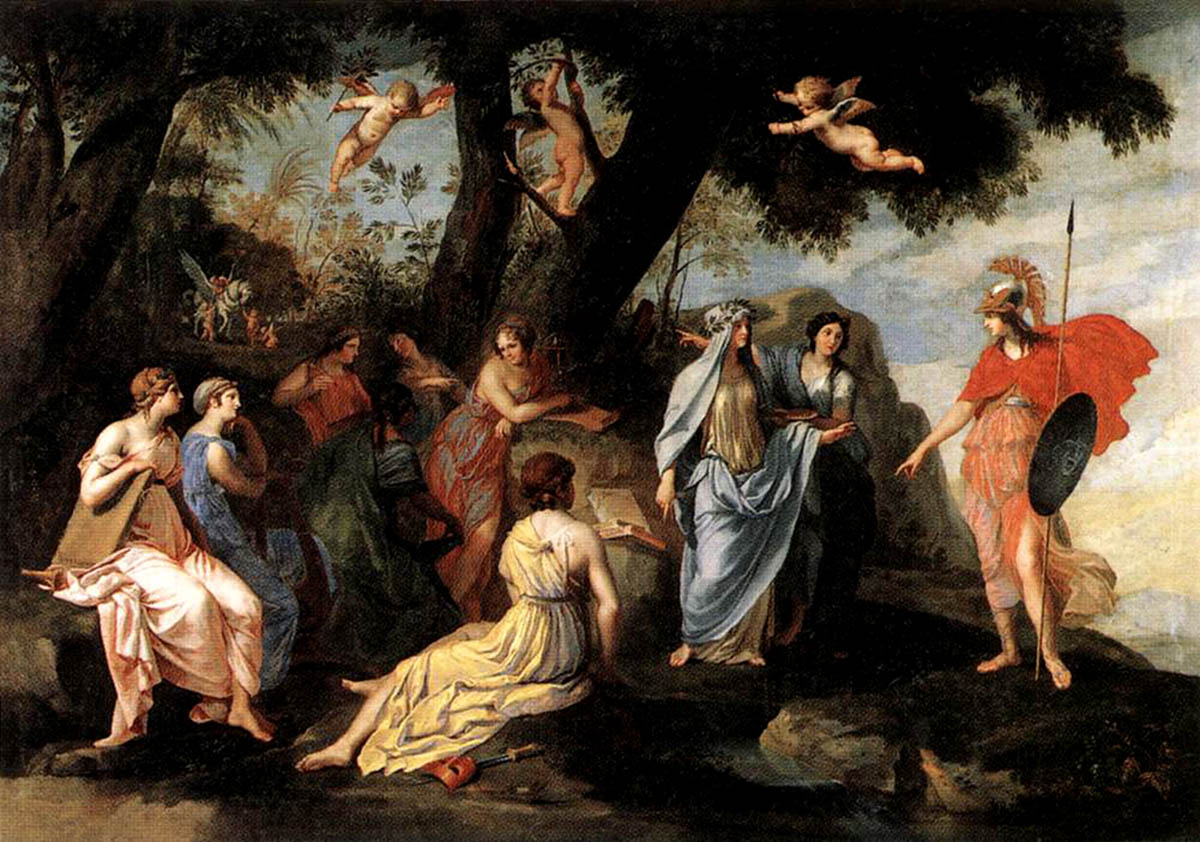
RM: Can you tell us about the Muses in creativity? And what did it mean that Zeus was the father and Memory the mother?
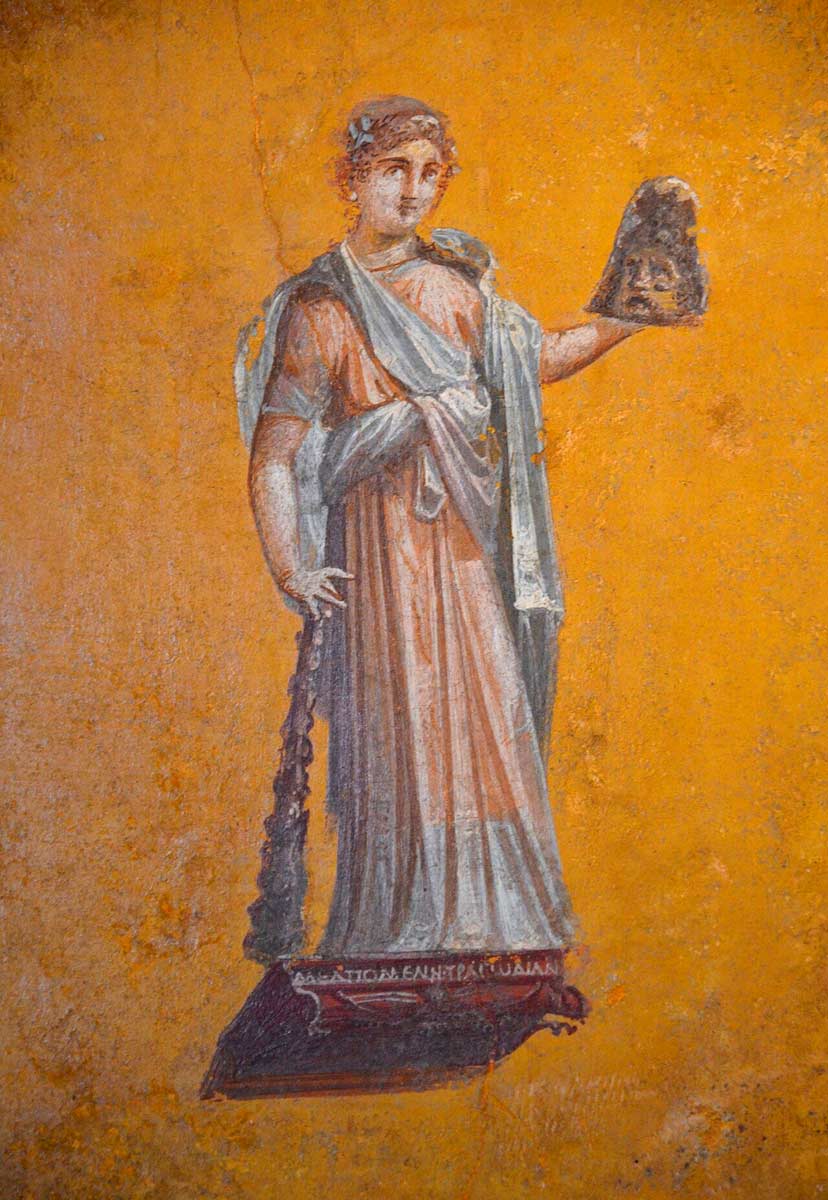
PC: What we would call the creative arts were all placed by the ancient Greeks under the sign of one of the (usually) nine Muses. The ancient Greek word mousikē meant music, but not only music; it also referred to any art or craft divinely inspired by the relevant Muse.
| Muse | Domain | Common Attributes/Symbols |
| Calliope | Epic Poetry | Writing tablet, stylus, or a scroll. |
| Clio | History | Scroll, book, or a set of tablets. |
| Euterpe | Lyric Poetry & Music | The aulos (a double-flute). |
| Erato | Love Poetry | The cithara (a type of lyre) or a lute. |
| Melpomene | Tragedy | The tragic mask and buskins (thick-soled boots). |
| Polyhymnia | Sacred Poetry & Hymns | A pensive look (often leaning on an elbow). |
| Terpsichore | Dance & Choral Song | The lyre and a plectrum. |
| Thalia | Comedy & Pastoral Poetry | The comic mask and a shepherd’s crook. |
| Urania | Astronomy | A celestial globe and a compass/pointer. |
According to the accepted muthos (traditional tale), their mother was the perfectly logical Mnemosyne, a personification of Memory.
Less logically, since he was as much a specialist in destruction and non-intellectual procreation, their father was considered to be Zeus, the great father of all the gods and goddesses of Mount Olympus. At a more down-to-earth level, the Muses and their worship were particularly associated with a mountain in central mainland Greece, Mount Helicon. It was there that Boeotian poet Hesiod said that he encountered them in person and was inspired by them directly. Homer’s epics likewise pay tribute upfront to Muses, crediting them for the enormously long epic poems, the Iliad and Odyssey.
“Tell me now, you Muses who have your homes on Olympus. For you are goddesses, you are there, and you know all things, while we hear only rumors and know nothing… Muses of Olympus, daughters of aegis-bearing Zeus, should call to my mind all those who came beneath the walls of Ilium.”
Homer, Iliad 2.484-492
The Language of Creativity
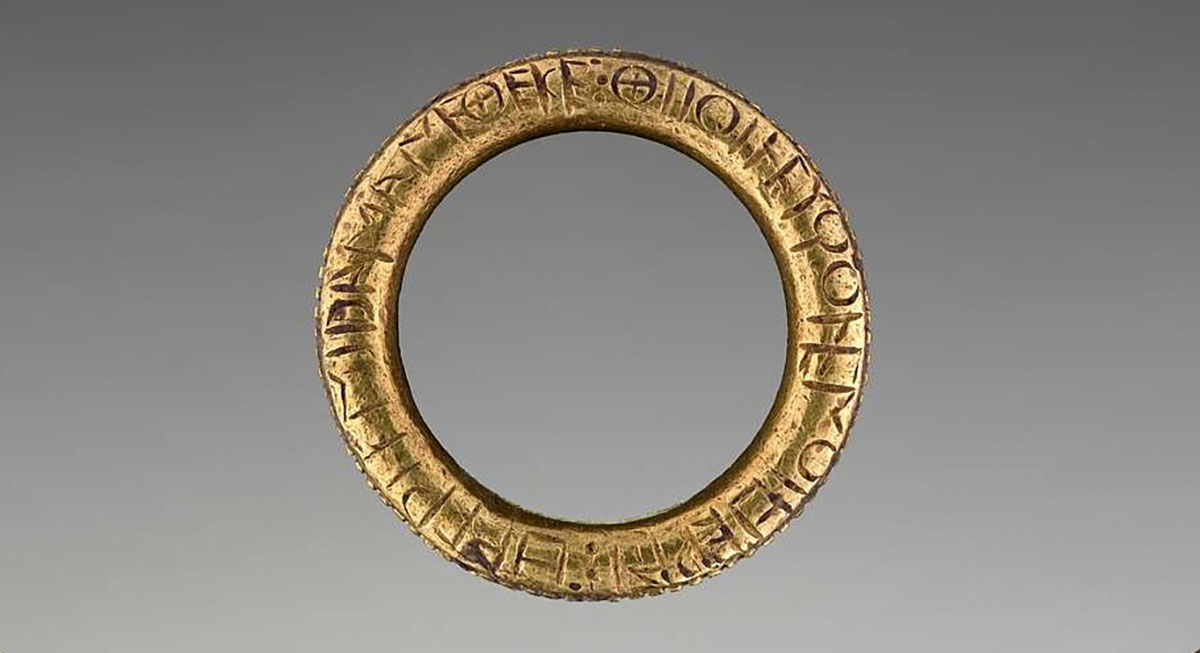
RM: There are important terms associated with creativity. Can you untangle tekton, demiourgos, and poiesis?
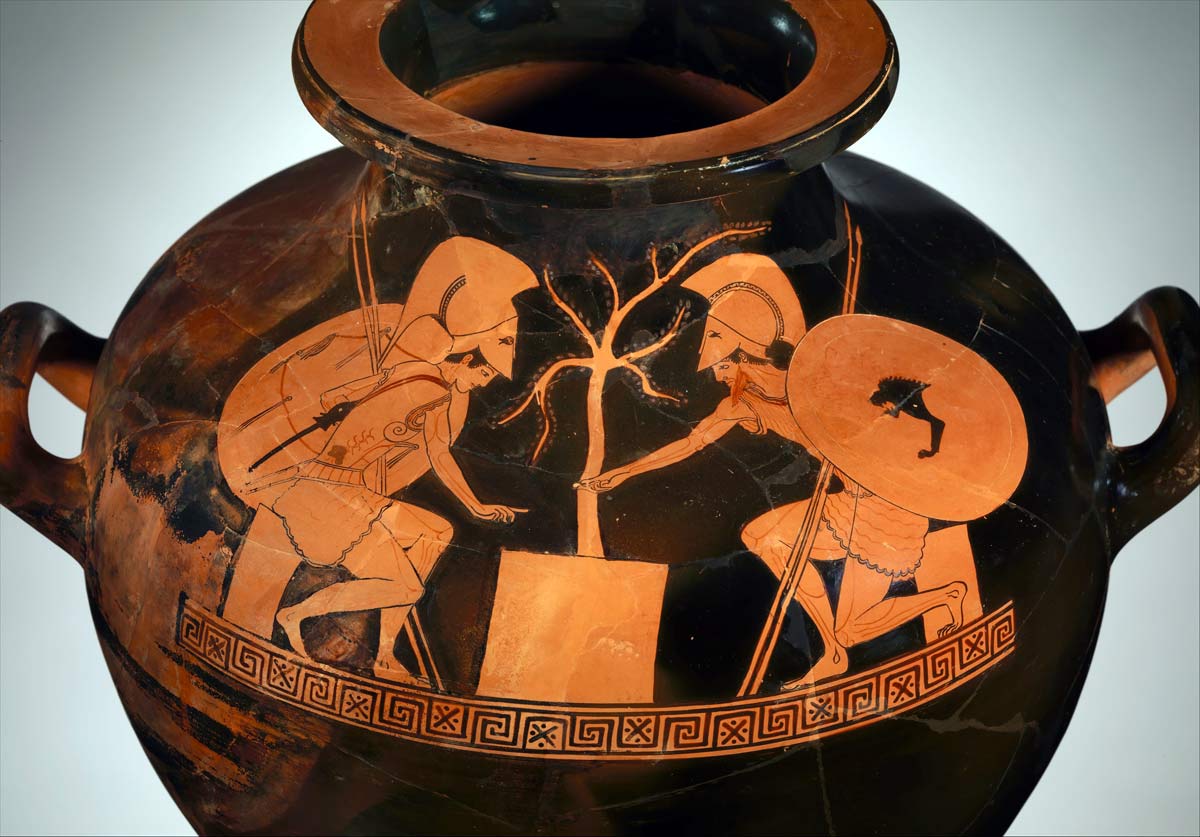
PC: A tektōn was, at its root, a carpenter, a skilled craftsman in wood. Since the shaping of the wood for the roof of a temple was an absolutely key part of the building’s overall design, the word architektōn, meaning “lead(ing) carpenter,” was coined for those who oversaw the team of tekton working on temples. Two of the most famous architects in ancient Greece were Callicrates and Ictinus, the joint designers of the extraordinary Parthenon. Those two were also dēmiourgoi (plural), since they were creating an ergon (work) for the dēmos (people) of Athens.
Athens in the 5th century BC was a democracy, but the original Greek dēmiourgoi appear in Homer, long before democracy came into being. Their patrons were not a collective people but kings and princes. What made their works public was that the king or prince claimed to rule on behalf of and in the interests of his (disempowered) people.
One example of a Homeric craftsman dēmiourgos is Demodocus. He appears in the Odyssey as the official aoidos (bard) remunerated to entertain feasters at the banquets held by King Alcinous and Queen Arete in the never-neverland of Phaeacia. Among his lays was “The Fall of Troy,” a subject that brought tears to the eyes of the guest Odysseus.
The ancient Greek word poiēsis, which gives us our “poesy” and “poets” (from poiētēs), meant the process of “making.” Therefore, the Greek notion of creation was far wider. It involved material objects, even people (via procreation), as well as words in verse.
There was, however, a definite hierarchy between craftsmen of things, with wordsmiths taking precedence, morally speaking. No one, the biographer Plutarch snootily opined, would actually want to be Pheidias, no matter how superlative his creative craftsmanship undoubtedly was.
Patrons of the Arts in Ancient Greece
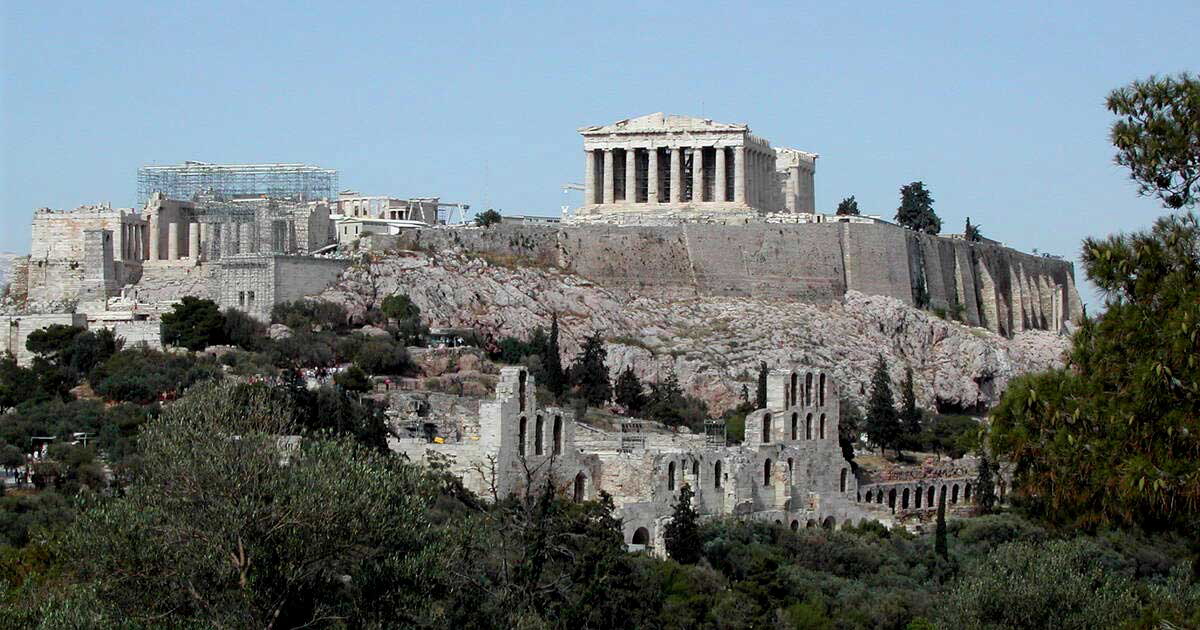
RM: Creativity is thus a huge topic, from crafts to vases to Homer to the creation of tragedy and the Parthenon. Huge. But can you talk a little about how art was funded and patronized in Classical Greece?
PC: Patronage of the arts in ancient Greece is indeed a vast subject, in terms both of time, one could start in 700 BC and go as late as AD 100, and space; the ancient Hellenic world by 300 BC stretched from Spain in the west to Afghanistan and Pakistan in the east. For simplicity’s sake, I will give just two examples.
Pericles and the Acropolis
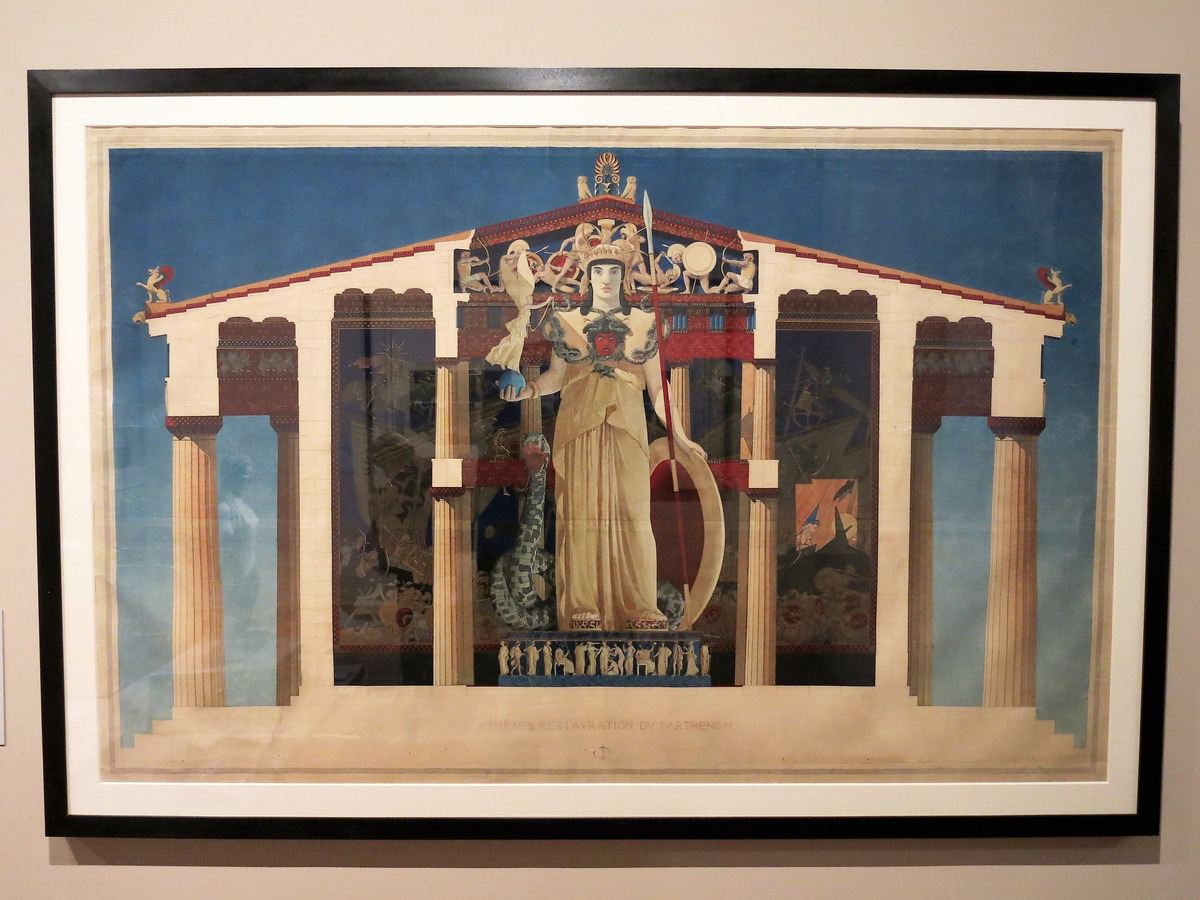
Between 447 and 432 BC, the state of Athens commissioned, funded, and oversaw the construction of the temple that we (but not the Athenians) call the Parthenon. Its architects were Callicrates and Ictinus. Its principal artistic consultant and major sculptor was Pheidias. But it was the Athenian demos (people), a sovereign democratic body of some 50,000 adult male citizens, who, in Council and Assembly, voted for the construction and funded the project.
The project had its critics, both domestic and foreign, mainly on the grounds of its super-expense and (ab)use of public funds. But its defenders and advocates, such as Pericles, could point out that it was an offering to their patron goddess Athena for her key role in enabling the Athenians and other Greeks to defeat a massive Persian invasion. This let them retain the democracy of Athens and enable the arts and crafts to flourish in the city.
Ptolemy II and Alexandria
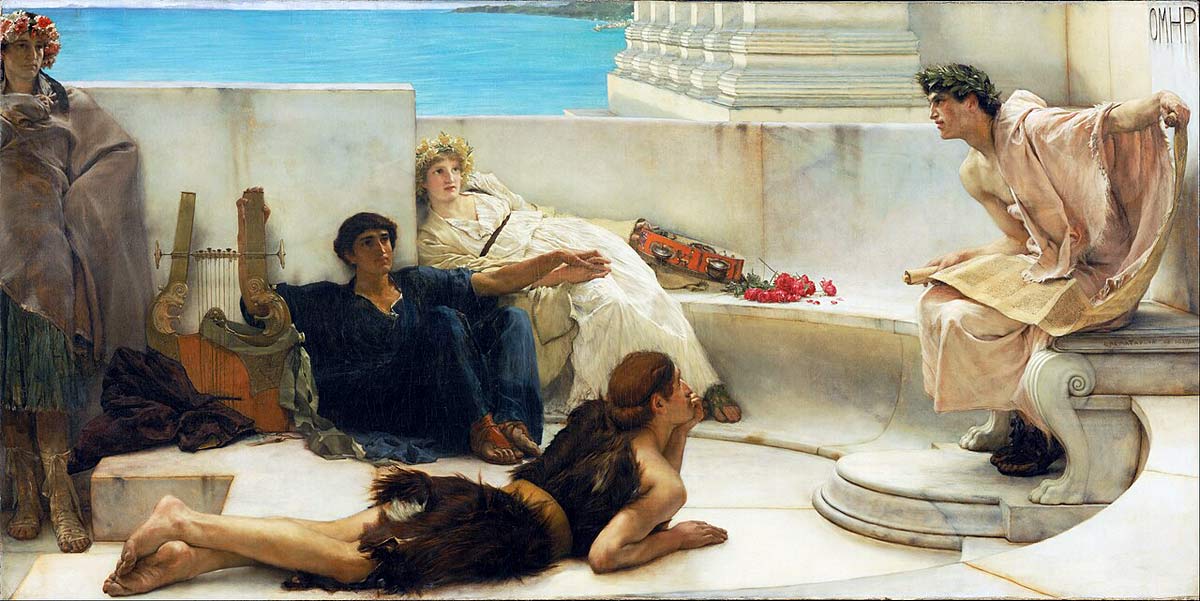
Moving from democracy to autocracy, take Ptolemy II of Egypt. His father, Ptolemy I, had been a boyhood chum of Alexander of Macedon (himself a hereditary, autocratic king) and had risen to a position of importance in Alexander’s royal court. Alexander died in 323 BC, young and without securing his line of succession. Ptolemy was one of the big winners in the Succession Wars that ensued, grabbing Egypt and declaring himself pharaoh by right of conquest in 305 BC.
At his death, a quarter of a century later, his homonymous son Ptolemy II presided over the embellishment of his royal capital, Alexandria. Alexander had been fond of epic poetry and theatre, but Ptolemy II more than doubled down on that predilection by founding a Mouseion, a Shrine of the Muses, and attaching to it a Bibliotheke (library). It is scarcely an exaggeration to say that it is ultimately thanks to Ptolemy’s royal patronage that we today can read the likes of Homer, Hesiod, Aeschylus, Hippocrates, and more.
Alexander as a Patron of the Arts
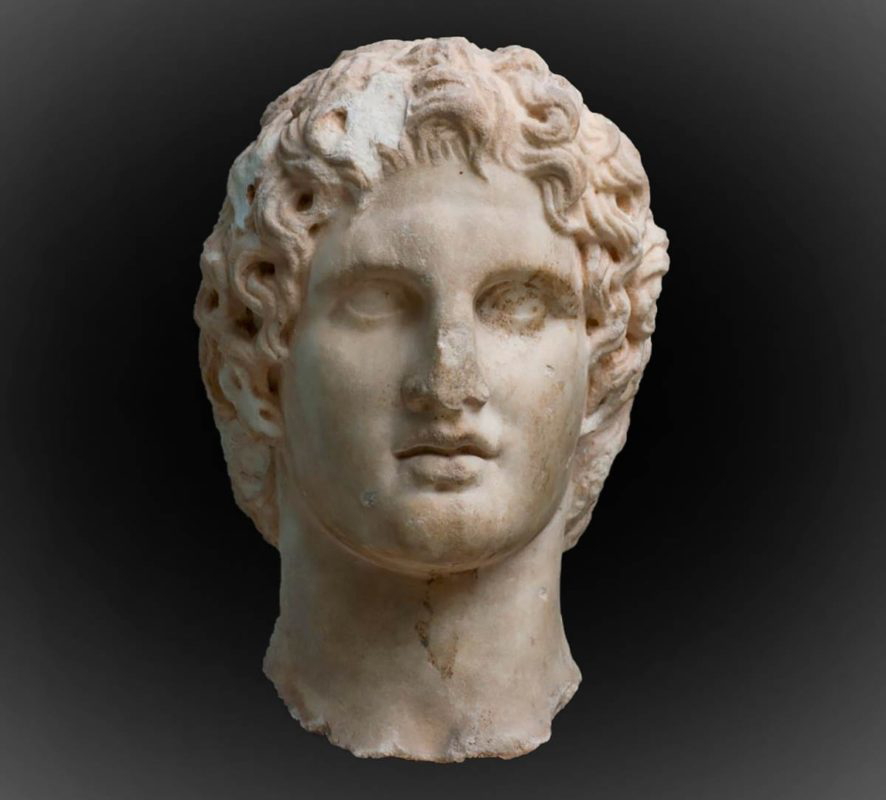
RM: I’ve interviewed you on Alexander a few times and read your Alexander the Great bio, where you show his brilliant military and political accomplishments. Can you delve into Alexander’s favorite artists, poets, and so on?
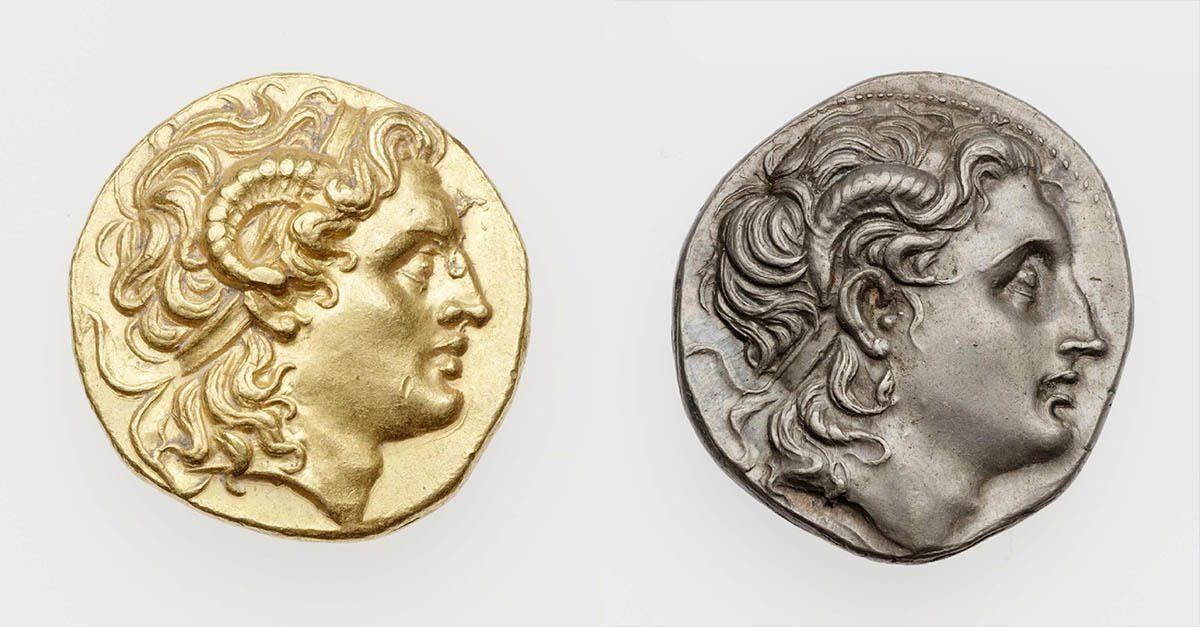
PC: Alexander the Great is not often talked about in terms of the arts. But Alexander had his favorite panel painter, Apelles, and favorite portrait sculptor, Lysippos. What qualities did they have that made them so gifted and suitable for royal patronage? Alexander also had his favorite gem-cutter, Pyrgoteles, which is a bit of a clue. It wasn’t so much that he fancied himself as a patron and promoter of the arts and crafts as such. Rather, he understood in a world of widespread illiteracy the inestimable value and power of visual imagery. Propaganda, in other words.
Not one of these royal super-craftsmen was a native Macedonian Greek. Lysippos came originally from Sicyon in the Peloponnese, Apelles from Colophon in western Asia Minor, and Pyrgoteles from we don’t know where. What we do know is that, besides being a gem-cutter, he was also a skilled engraver of dies used for Alexander’s silver coinage. In all their cases, their crafts had a long history, stretching back to Archaic (early-historical) or Mycenaean (prehistoric) times. Greek craftsmen were notoriously competitive. Intense competition both kept up general levels of artistic quality and produced supreme exponents such as these.
The known writers, artists, and philosophers who accompanied Alexander on his Asiatic campaign were also not Macedonians. This is a testimony both to the geographic spread of Hellenic creative excellence and to the catholicity of Alexander’s personal taste. Historians Callisthenes, Nearchus, Aristoboulos, Onesicritus, and Anaximenes came from Olynthus, Crete, Chalcidice, Astypalaea, and Lampsacus, respectively. The history painter Philoxenus was from Eretria, and the philosopher Anaxarchus from Abdera. Alexander was also very fond of theatre, and the Athenian tragedian Euripides was one of his favorites.
RM: Can you delve more into Euripides and any connections Alexander had to him?
PC: For Alexander, Euripides was a “heritage” dramatist, not a contemporary, but they had a family connection. A direct ancestor of Alexander, Archelaos (reigned 413-399 BC) had patronized Euripides, persuading him to relocate from Athens to the Macedonian capital, Pella, where he died in 406 BC. There he composed, and presumably staged, a tragedy named for Archelaus.
Euripides’s most famous Pella composition, however, was his Bacchae, set in ancient Thebes. The maddest of the play’s eponymous chorus of Bacchantes (Mainades or “Madwomen”) was Agave, mother of the Theban king Pentheus. She fell under the ecstatic but baleful, trance-like influence of Dionysus. In that state, she murdered her son, believing him to be a wild animal. For all we know, something of that negative image might have been behind Alexander’s no less baleful decision to have the entire city of Thebes destroyed in 335 BC.
But more even than all of the above, Alexander adored Homer, especially the Iliad. It was an unusual decision of Alexander’s father to entrust him, aged about 13, to the tutelage of probably the greatest Greek polymathic intellect of the day, Aristotle. Just exactly what Alexander learned from Aristotle regarding political theory and the theory of kingship remains debatable.
Beyond debate is that Alexander derived from his tutor a love of botany and the Iliad. Or more especially, a cult-like devotion to that epic’s hero of heroes, Achilles. It’s reliably reported that Aristotle had prepared for Alexander a text of the Iliad (possibly several papyrus scrolls), including his own personal annotations. When Alexander acquired a precious jewel-box as a trophy, that was the receptacle to which Aristotle’s Iliad was entrusted, on or near which Alexander allegedly slept. Life, rather sadly, did imitate art in one respect: like his hero, Alexander lived a short but eternally glorious life.
Alexander as an Artistic Subject
RM: What is your favorite depiction of Alexander from the ancient world, and why?
PC: Alexander has featured in over 70 texts of world literature and, more recently, in several movies. Authentic depictions of him from the ancient world are rare. So I’m going to cheat a little here and choose as my “favorite depiction” an entire ancient work: a biography composed around AD 100 by Plutarch from Chaeronea.
Being Boeotian, Plutarch would have had reason to abhor Alexander for his destruction of Thebes. Instead, Plutarch succumbed to Alexander’s spell. In addition to his biography, he wrote an essay trying to account for Alexander’s “good fortune.” Most of Plutarch’s biographies were written in parallel, comparing and contrasting a famous Greek with a famous Roman. Alexander’s comparandum, almost inevitably, was Julius Caesar, who had himself been powerfully influenced by the Macedonian’s example, or rather his posthumous image.
But Plutarch was at pains to spell out that what he wrote was “lives, not histories.” He was as interested in his subjects’ personal quirks and inner lives, and in anecdotal evidence, as in their external deeds and accomplishments. One such quirk or anecdote is a frequent saying attributed to Alexander that Plutarch believed and reported: that sleep and sex reminded him he was human.
Plutarch inferred that what Alexander meant was that both weariness and pleasure had their source in natural, human weakness. I take it rather differently. Alexander was worshipped as a living god, and he may well have believed that he was at least physically descended from gods. He may not have wanted to be reminded of his humanity and mortality. To his regret, even he, divine though he was, could not do without the base, universal human activities of sleep and sex.