
When the Spanish observed the religious practices of the Incan and neighboring people in the New World, they characterized them very much as “other”; Polytheistic cosmologies, complex ritual performance, and a pervasiveness of the sacred. But Incan religion resembled the Christianity of the Spanish in important ways, most notably a focus on pilgrimage. While these were religious journeys to sacred sites, they were also demonstrations of political power and allegiance. Richard Marranca interviews Charles Stanish to better understand the sacred and pilgrimage in the Incan world.
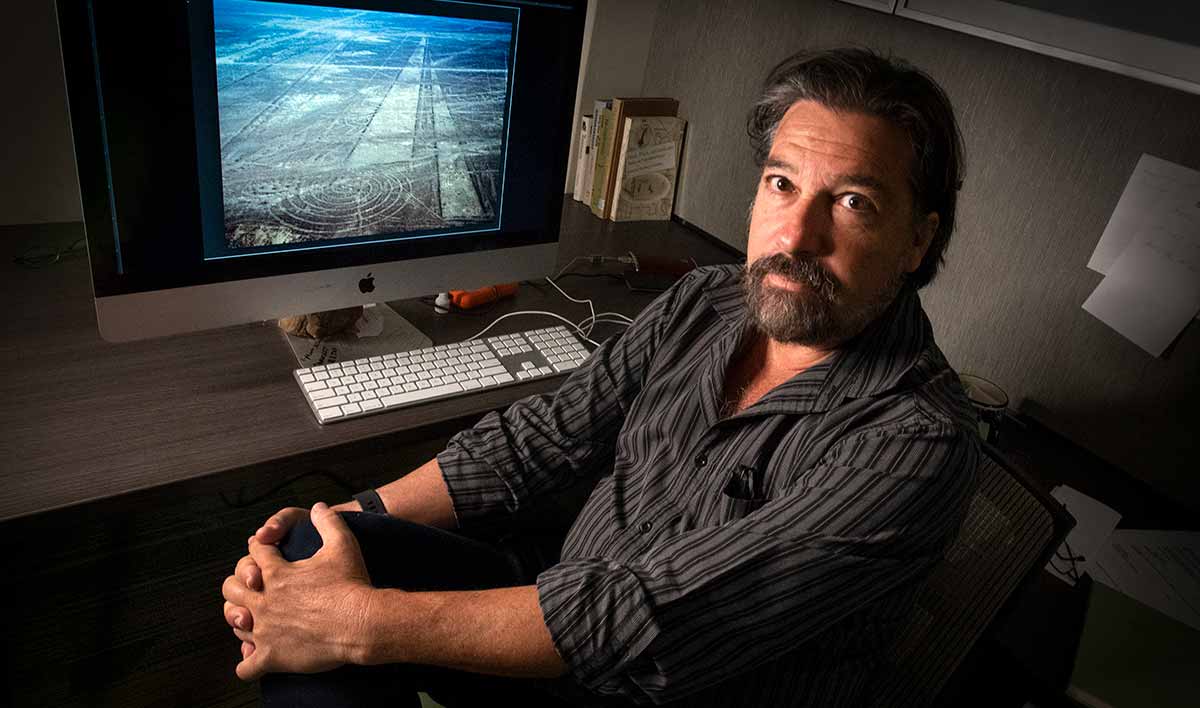
Dr. Charles Stanish is the Executive Director of the Institute for the Advanced Study of Culture and the Environment at the University of South Florida. He has worked extensively in Peru, Bolivia, and Chile, conducting archaeological research and examining the evolution of human cooperation and complex societies. His publications include “Ritual and Pilgrimage in the Ancient Andes,” 2001, with B. Bauer, which explores the role of pilgrimage in the Incan World.
RM: The Spanish described Incan sacred sites as pervasive. Did the Inca and other peoples of that region consider all things to be sacred, or were some things more sacred than others?
CS: No, the indigenous peoples of South America did not consider everything “sacred.” This represents colonial infantilization of a sophisticated society.
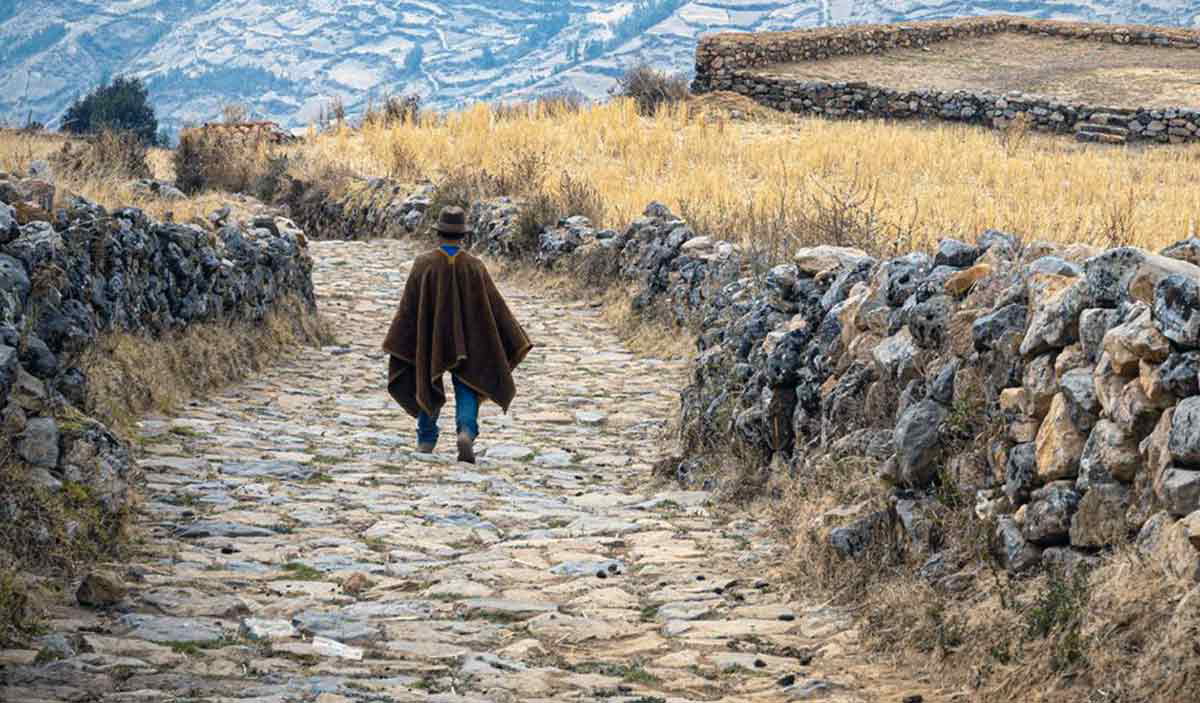
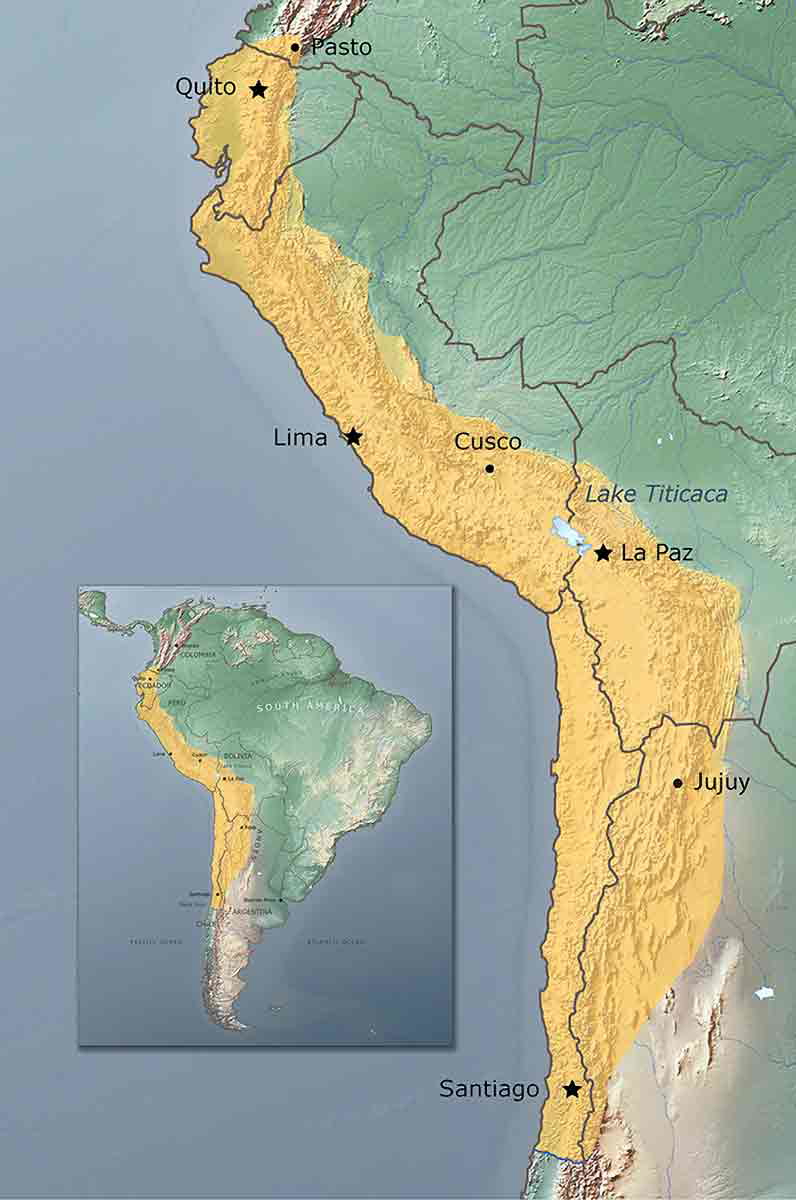
The Inca Empire stretched over one million square kilometers, forged by an elaborate road, storage, tax, and military system. When the first Europeans conquered Mexico and Peru, the earliest observers recorded the sophistication and strength of their enemies. They remarked that the Aztec market square was bigger than Toledo. They marveled at the massive buildings of the Inca state. The road system of the Inca was better than anything in Europe at the time.
The Incas had four armies in the field, each of about 35,000 troops. However, due to civil war, they were busy fighting each other, and the foreigners were dismissed as mere nuisances to be dealt with later. The idea that they mistook the foreigners for “gods” is just plain silly because we know how the Quechua and Aymara people treated gods, and it was not to try to kill them at every turn. The Inca generals had poor military intelligence, which led them to underestimate their enemy’s capabilities. The Inca were conquered by hubris and not by their belief system.
Like all people, the Inca reserved certain spots in the landscape and in their cities as important places. It is worth remembering that in the 14th century, the city of London had over 100 churches in one square mile.
RM: So places like caves, waterfalls, and crossroads, and beings, like the royal family, “nuns,” and mummies were sacred? How does that tie in with the concept of “huaca?”
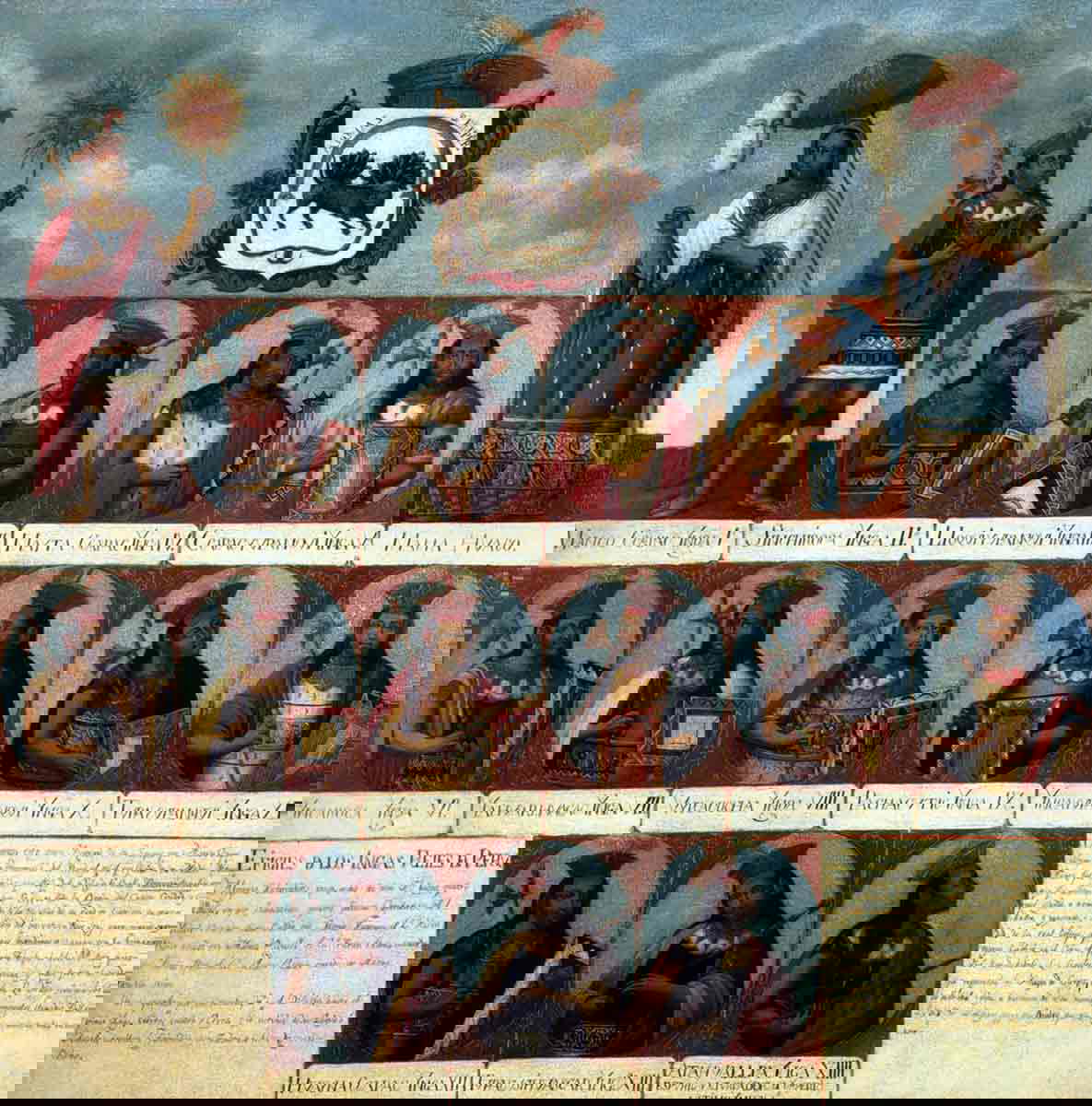
CS: Of the vast number of interesting features in the natural landscape, a few were considered sacred. The concept of “huaca” is part of the indigenous ontology, not easily understood by outsiders. Any natural or man-made feature could be a huaca. A huaca embodied the metaphysical with the physical, mediating a variety of forces. Huacas can be very local, an object or place that embodies the spirit of a village or group. It could be the founding spot of the village (a paqarina), a place of gathering for special events, a symbol of a kin group, etc.
Other huacas can grow to wider importance when appropriated by powerful leaders, such as the Incan royal family. An analogy in our own society would be a place declared to be the location of a miracle or the burial spot of a saint by the Church. An ordinary place becomes special, and pilgrims flock there. In some cases, political authorities, such as a king, could appropriate the place, build an elaborate church or shrine, and incorporate a religious site into the political domain.
RM: As you mention in your wonderful book, “Ritual and Pilgrimage in the Ancient Andes,” the Spaniards of the early colonial period were no strangers to pilgrimage.
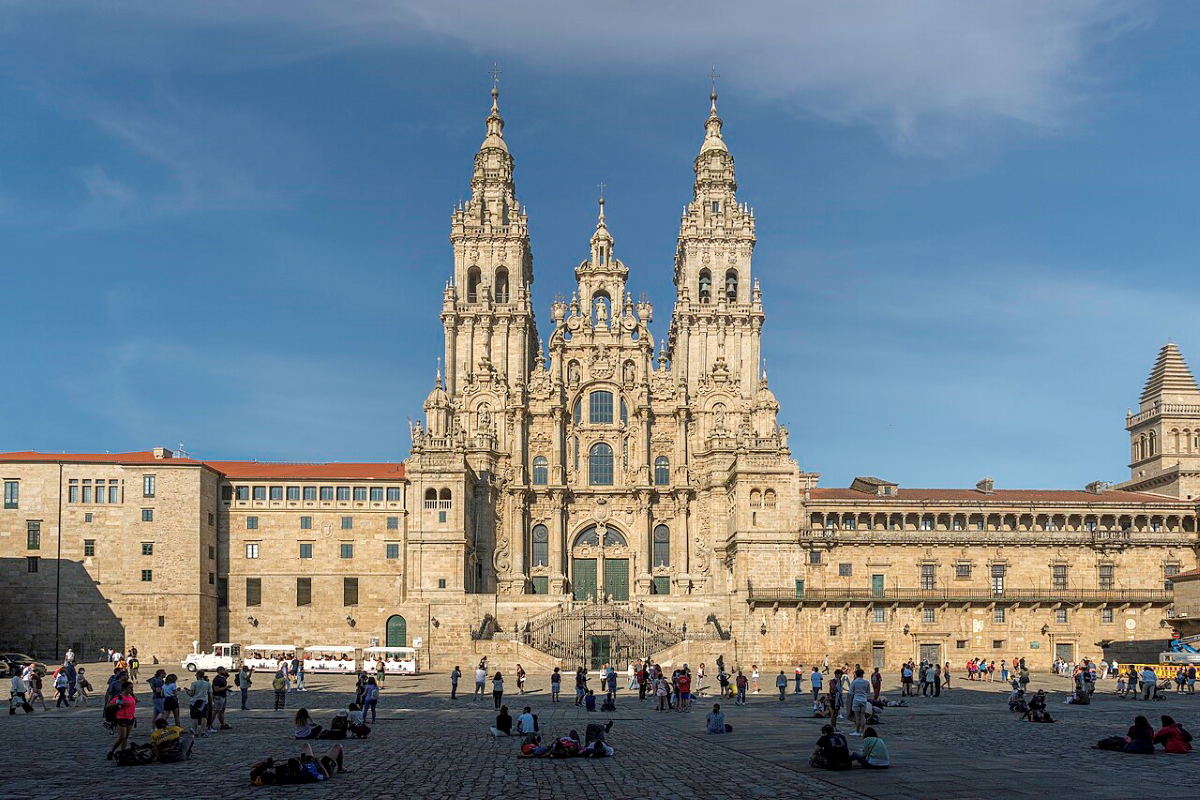
CS: A good example from European culture is the site of Santiago de Compostela in northern Spain. Supposedly, the bones of St. James (Santiago) were buried, justifying religious authorities declaring the place sacred. It was as sacred as Rome and Jerusalem. There were multiple roads that led to the shrine. The entire complex is governed by several authorities, religious and political. The Archdiocese has both religious and administrative roles. The Spanish government also administers the site. This shrine, therefore, has political, economic, spiritual, and cultural meanings.
RM: I recall that the Coricancha in Cusco, the Islands of the Sun and Moon, and the Oracle of Pachacamac were at the height of spiritual importance in the Incan world. Can you tell us a few things about these places? And were they very important for pilgrims?
CS: The Inca system of pilgrimage sites was similar to Santiago de Compostela in some respects. The Pacarictambo caves were outside of Cusco. This was the place where the founding brothers and sisters of the Inca dynasty emerged. Like King Arthur’s sword Excalibur, the caves legitimized Inca dynastic rule. This ultimately became one of the most important huacas in the Inca state, with conquered peoples making pilgrimages to the site. The act of pilgrimage signaled that the province accepted the rule of the Inca. Failure to send a delegation was usually met with an Inca army visiting the province.
The Coricancha in Cusco was the most important temple in the state. The massive building was in the center of the capital city, which itself was the center of the world. So Coricancha was ground zero, so to speak, like St. Peter’s Basilica in the Vatican. The Coricancha was dedicated to Inti, the Sun god. It also housed a number of other rooms and objects dedicated to other deities, like the saints at St. Peter’s.
Your question focuses on the spiritual importance of these sites. Yet, the political importance is substantially more significant. The three most important shrines in the Inca state were Cusco (Coricancha and Pacarictambo), the sanctuary on the Islands of the Sun and Moon, and the oracle center on the coast at Pachacamac. It is not a coincidence that these three areas represented the three most important political-geographical regions of the Inca state. Cusco was in the central highlands, dominated by Quechua speakers. Pachacamac was on the coast, where a variety of languages were spoken, while the Titicaca Basin was the political and demographic center of the Aymara peoples.
RM: You’ve previously mentioned a quote from the Jesuit missionary and scholar, Bernabe Cobo. Can you tell us what he observed about pilgrimage? Did he and other Spanish humanists admire the Incas and other Andean peoples?
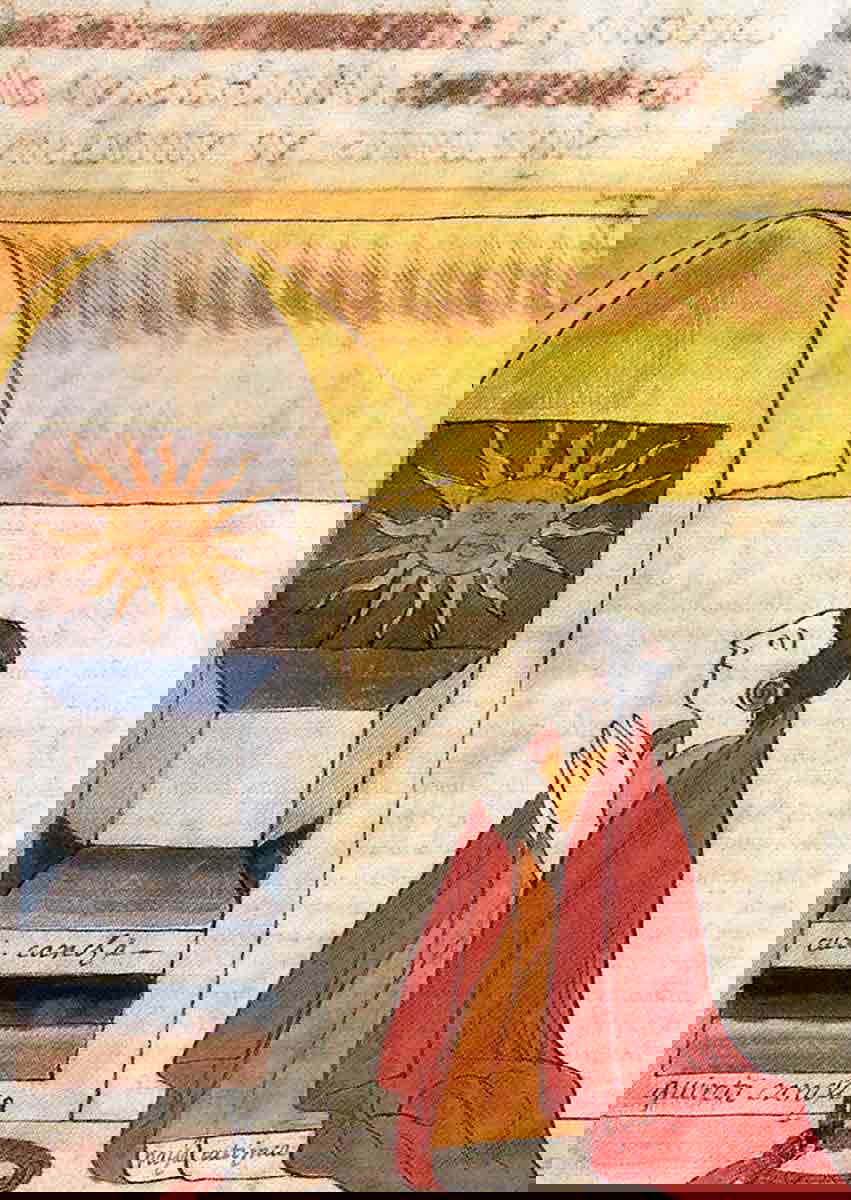
CS: Bernabe Cobo and Cieza de Leon are considered some of the most reliable sources for the Incan world. Cobo was a Jesuit and Cieza a secular writer, and both were committed to a Christian worldview. However, Cieza’s family was reported to be “conversos,” Spanish Jews forced to convert to Christianity.
To understand the early chroniclers, one must understand the controversial “Ophir” theory that was around at that time. Many writers suggested that Peru was the land of Ophir, a land of sun and gold mentioned in the Old Testament, from where Solomon obtained many of his treasures from his fleets manned by Phoenicians. Cieza was skeptical, but Cobo was more convinced.
The Ophir theory brought the New World into a biblical framework. It also justified the Spanish conquest. Spain was divinely sanctioned to recover this biblical wealth for the Christian world. There was also the notion that Jesus visited the Americas. If true, then the indigenous people rejected Christ and were subject to conquest. If not true, then it was Spain’s responsibility to provide them the opportunity to convert.
RM: I understand that pilgrims were inspected. Did they follow a regimen, such as penance and abstaining from certain things? And could anyone go on a pilgrimage?
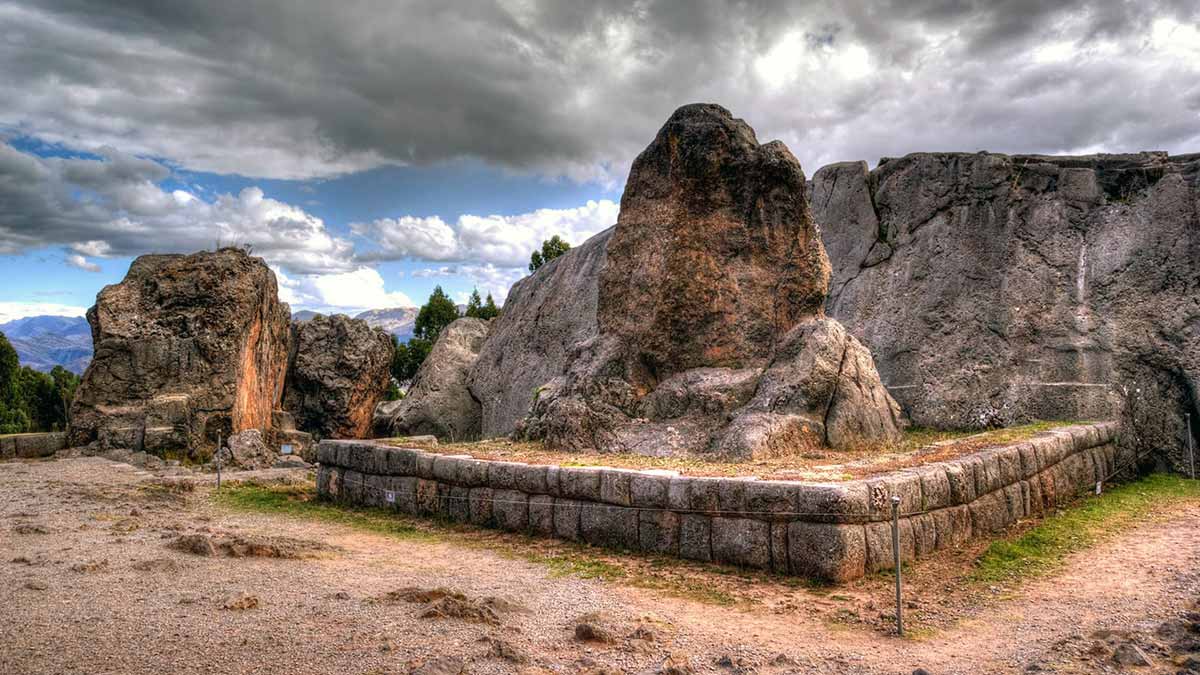
CS: The Inca created hundreds of pilgrimage stops along prescribed routes on their roads. In the Titicaca Basin, they made “Kenkos” or carved stones along the main road from Cusco to the Island of the Sun. Documents say that in many of these places, priests would interview pilgrims and expect some kind of payment. In our survey of the Island of the Sun, we found numerous small platforms along the two main roads from the southeast side of the island to the Sacred Rock or Titicaca. We found offerings such as pottery and figurines. We presume that pilgrims at these stops also left perishable offerings such as peppers, tobacco, coca, and so forth.
RM: Can you give us a portrait of the mamaconas? In my own teaching, I have sometimes compared them to the Vestal Virgins and the Inca Road systems to Roman roads. Are these fair comparisons?
CS: Yes, these are fair comparisons in my view. The mamaconas were nuns, for lack of a better term, that served the state religion throughout the empire. Like monasteries in European society, they produced goods like textiles and chicha beer, and served the interests of the state.
All empires have certain requirements to be successful, such as a good military, communication systems, hierarchical control over provinces, clear road systems, and so forth. We see these in many ancient empires, each with unique characteristics. One can view it as the independent emergence of “best practices” that will tend to look similar.