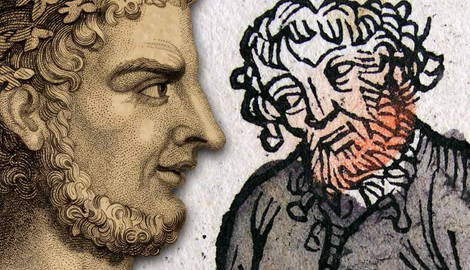

Juvenal, an enigmatic figure of ancient Rome, is remembered today for his Satires, a collection of poems that expose the flaws of Roman society with unrelenting wit and intensity. From corrupt politicians to the erosion of traditional values, despite writing at the height of the Roman Empire, his work paints a vivid picture of a civilization grappling with moral decay and social inequality. Today, Juvenal’s work is celebrated for its literary brilliance, but it also challenges the idealized image of Rome’s Golden Age, shining a light on the darker realities beneath its surface.
Who Was Juvenal?
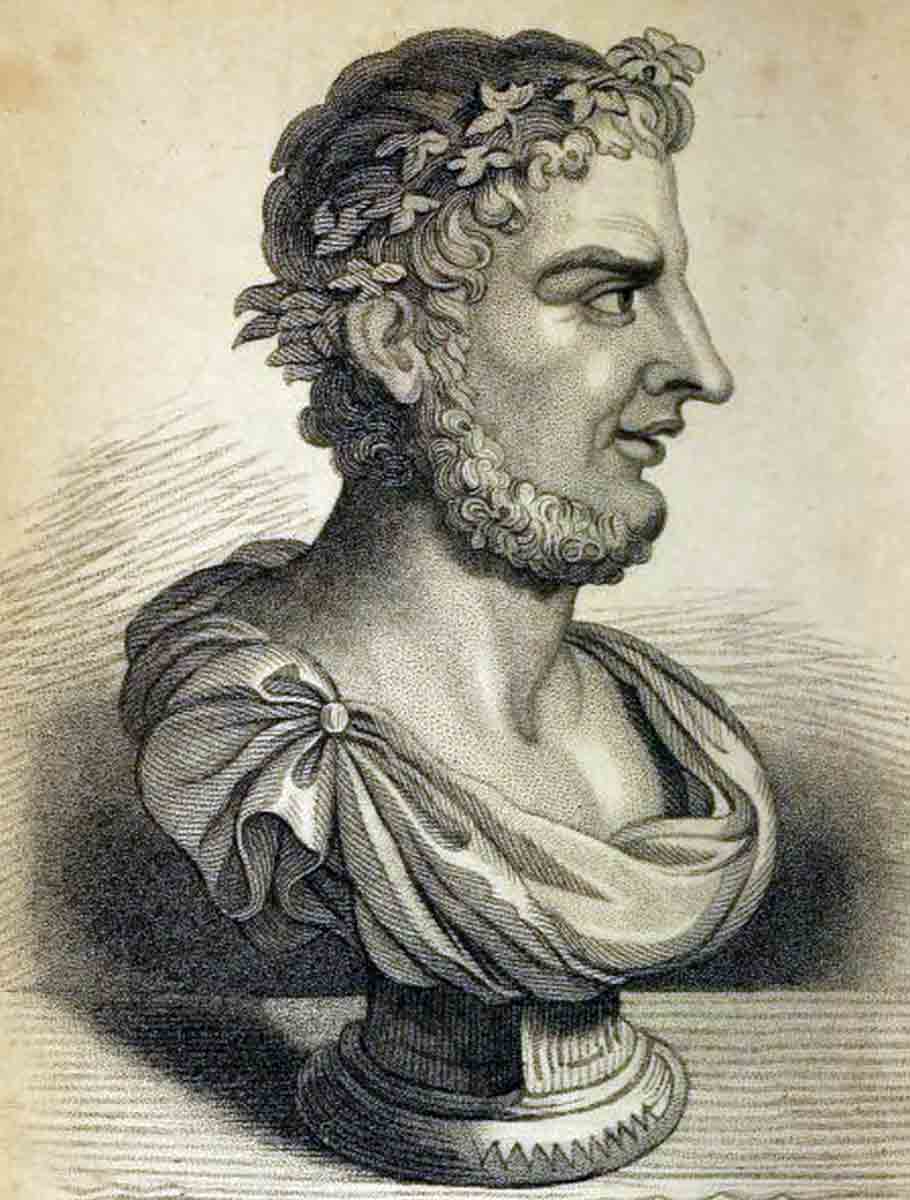
Aside from being the scathing author of the Satires, we know very little about Juvenal the man. Unlike many other famous Roman commentators, Decimus Junius Juvenalis remains a very elusive person, with remarkably few credible clues left about his life.
What we have is a patchy biography, constructed through some rare allusions in the Satires, a dubious medieval work called the Life of Juvenal, and some snippets of information gained from modern analyses. As a result, much of what we assume about his life is guesswork based on what he reveals about himself through his criticism of others.
Bearing this in mind, he was probably born in Aquinum during the chaotic and corrupt reign of the emperor Nero (54-68 AD), or shortly after. It is believed that his father was a relatively successful Spanish freedman and that Juvenal may have served in the Roman army, most likely in Britain.
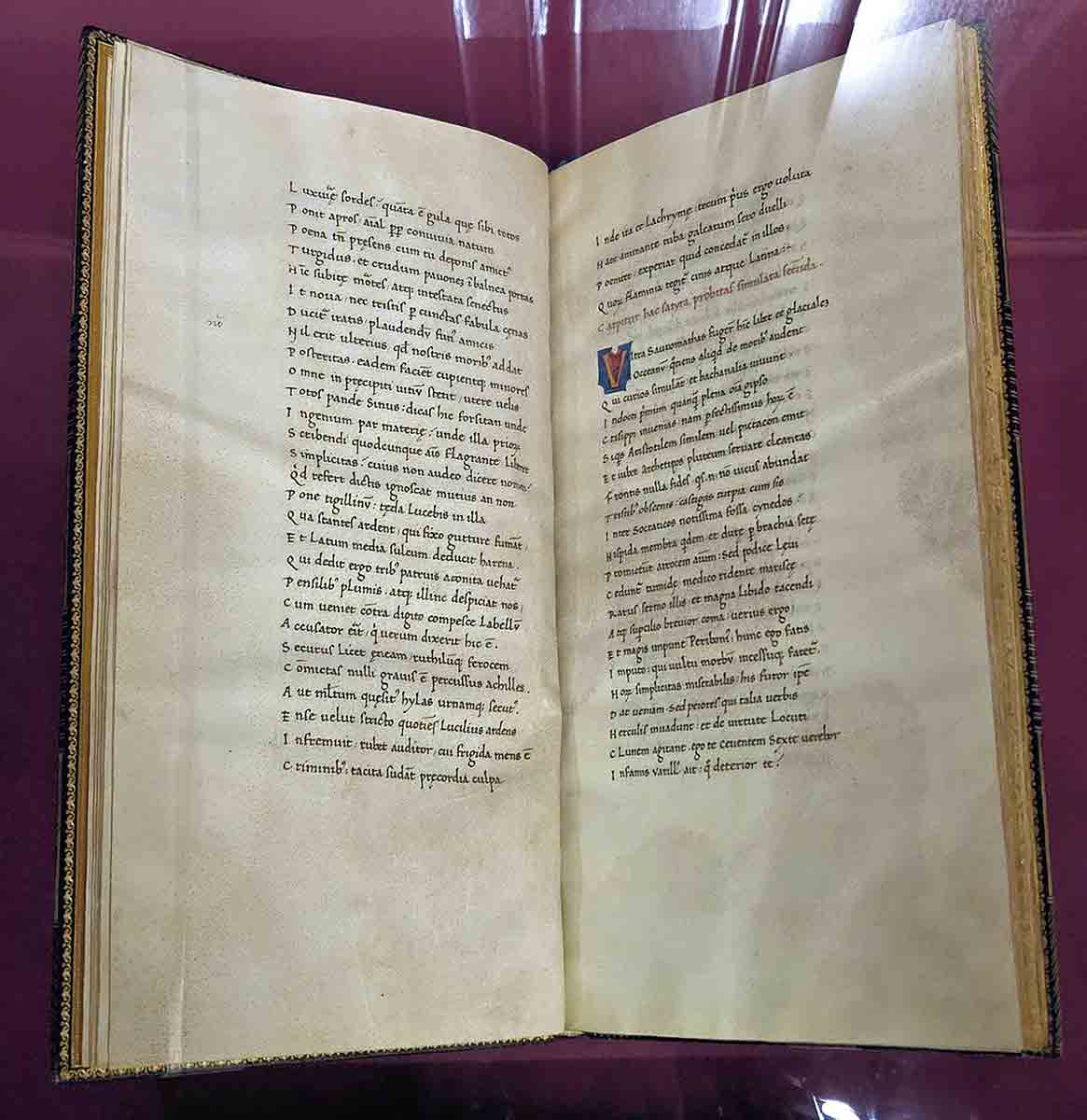
After his military service, it seems that Juvenal had a career in the civil service and may have studied with the great rhetorician of the age, Quintilian. Besides this, his Satires demonstrate a close intimacy and familiarity with the city of Rome, and a particular hatred of all things Greek and Egyptian, suggesting perhaps some significant contact with the east.
Hints throughout the early satires show a deep preoccupation with the tyranny of the emperor Domitian, though internal evidence indicates he did not begin composing or safely publishing the work until after Domitian’s death in 96 AD. Then, based on the incomplete state of the final satire in his collection, he seems to have died shortly after the emperor Antoninus Pius came to power in 138 AD.
From this skeleton of a timeline, we can see that Juvenal lived through a very transitional period of Roman history. Born during the chaos of Nero’s reign, the civil war of 69 AD and the rise of the Flavians, and then the maturing of the empire into the hallowed age of the Nerva-Antonines. He likely would have experienced many of the highs and lows of early imperial society, especially in the metropolis of Rome.
What Were the Satires?
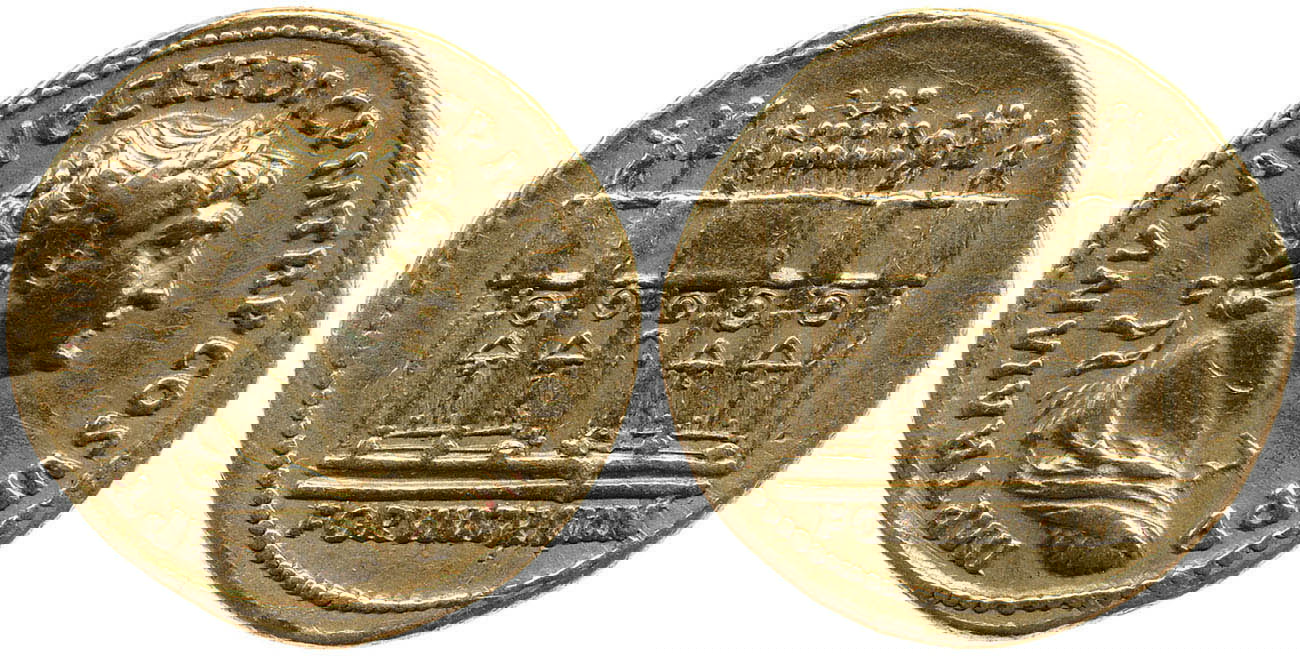
Juvenal’s Satires are a collection of 16 satirical poems, originally grouped into five different books, which were published over an extended period of decades. While it is thought that he began writing them in the late 80s, they don’t seem to have been published until at least 110 AD, during the reigns of Trajan and Hadrian.
They represent the most critical perspective of contemporary Roman society that we have, with many facets of its culture and traditions receiving censure. The city of Rome, the rich and powerful, social upstarts, foreigners, and women are recurrent targets of Juvenal’s acerbic scorn.
The creative project had many precursors, especially from the Roman poet and satirist Horace, who wrote during the reign of Augustus. Although Juvenal’s contemporary Quintilian famously claimed satire as a purely Roman genre, it did draw artistic inspiration from Greek Old Comedy, particularly the plays of Aristophanes. It was the earlier pioneer Lucilius who formalized and distinguished verse satire from other art forms.
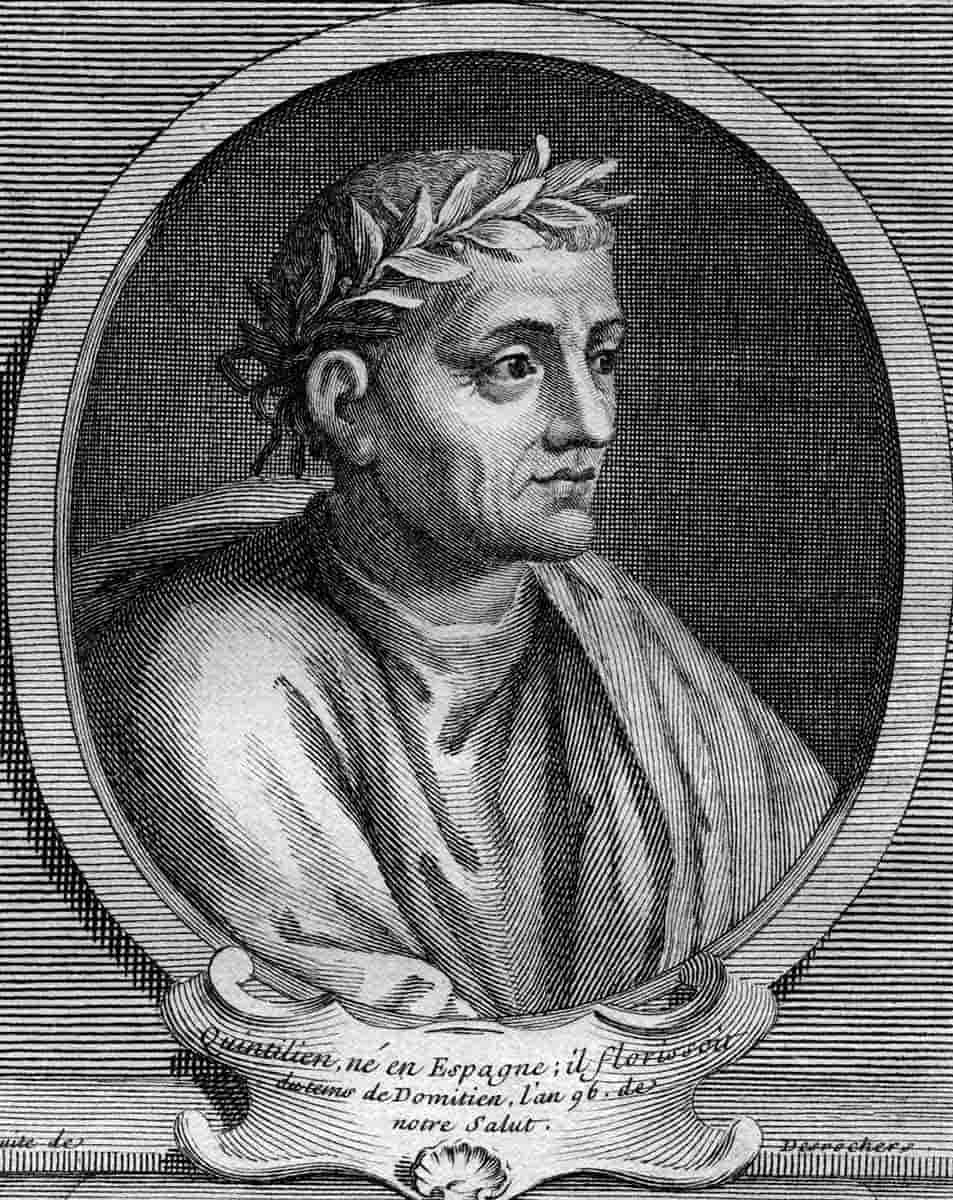
However, it was Quintilian who formalized and distinguished the genre from other art forms. Since then, it has come to be defined by its critical and humorous focus on the vices and shortcomings of society, or specific sections of it. Like many other genres, it was obsessed with the perceived moral decay of the civilization under its microscope.
To expose the realities of society, satire would often use irony, exaggeration, and vivid characterizations to enhance the impact of its critiques. Where Juvenal set himself apart was the intensity and relentlessness of his attacks, especially in comparison with the more metaphorical and implicit criticisms of Horace.
Structurally, the Satires vary in length and focus, reflecting the diverse range of topics Juvenal sought to address. Some, like the infamous sixth satire, are sprawling tirades that delve deeply into specific subjects, such as the perceived flaws of women, while others are more concise, offering sharp snapshots of societal vices.
Moreover, Juvenal’s use of vivid characterizations and dramatic irony enhances the effectiveness of his critiques. His ability to craft memorable, exaggerated personas—whether corrupt politicians, sycophantic courtiers, or arrogant aristocrats—ensures that his targets are both recognizable and compelling.
How Do the Satires Present Roman Society?
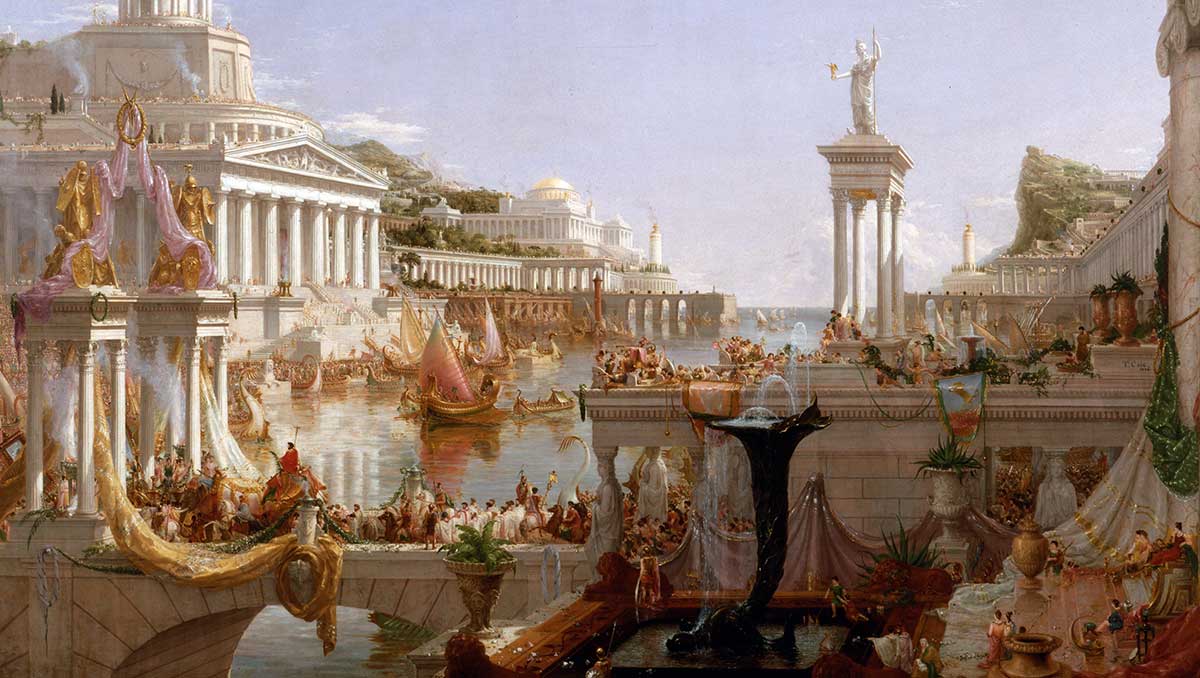
As you would expect, the Satires present a very critical, albeit humorous, view of Roman society as a vice-laden civilization. Juvenal introduces his Satires with an exposition of moral outrage and frustration at society’s decline, claiming that he is forced to do so because the faults are too egregious to ignore.
The Satires are populated with a cast of characters who embody the flaws of Roman society. Corrupt senators, oily clients, and arrogant elites are frequent targets of Juvenal’s biting wit, as are the nouveau riche and foreigners who, in his view, undermine traditional Roman values.
Women, too, come under harsh scrutiny, with Juvenal devoting his infamous sixth satire to a misogynistic tirade against their perceived vanity, infidelity, and greed. Even intellectuals and poets, whom Juvenal sympathizes with, are not spared, as he laments their struggles in a society that prizes wealth over wisdom.
Juvenal’s critique extends beyond individuals to the broader structures of Roman life. The patron-client system, which was a cornerstone of Roman social relations, is depicted as demeaning and exploitative, while the city of Rome itself is portrayed as overcrowded, dangerous, and morally bankrupt. Through his satirical lens, Juvenal paints a picture of a society obsessed with material wealth, power, and status, often at the expense of virtue and integrity.
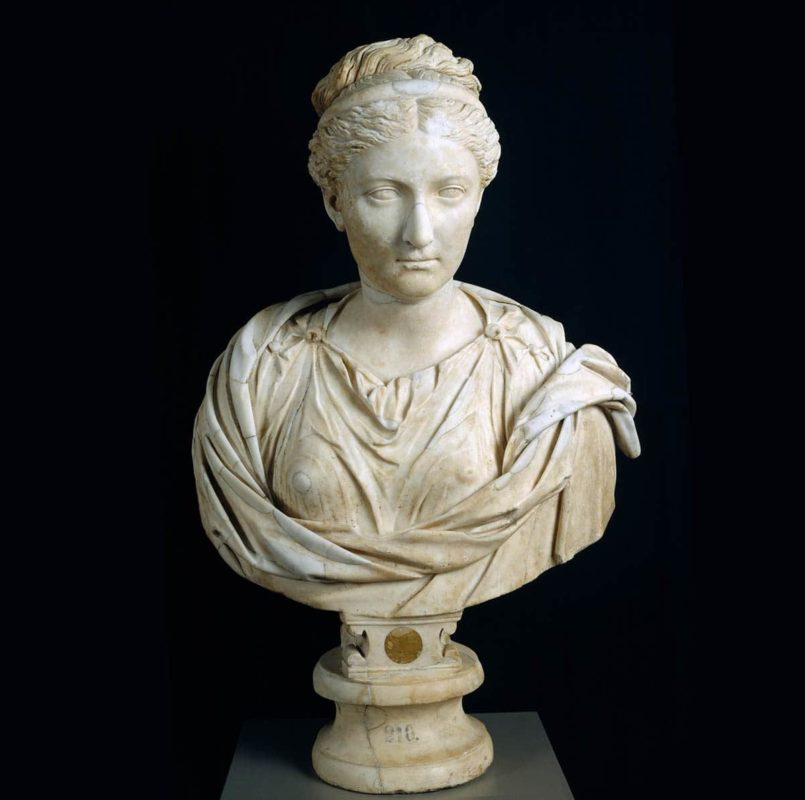
The Satires are also notable for the way they complicate the idealized image of Roman society under the Nerva-Antonines, often celebrated as a period of stability and prosperity. While the reigns of emperors like Trajan and Hadrian are traditionally associated with good governance and the flourishing of the empire, Juvenal’s work reveals a darker, more fractured reality beneath this golden veneer.
His relentless focus on corruption, moral decay, and social inequality challenges the notion of a harmonious society, exposing the exploitation, hypocrisy, and excess that persisted under the surface of this “golden age.”
By highlighting the struggles of the poor, the indignities of the patron-client system, and the erosion of traditional values, Juvenal offers a counter-narrative to the official image of Rome as a model of virtue and order, suggesting that the empire’s prosperity came at a high moral and social cost.
The Historical Reception of the Satires
The reception of Juvenal’s Satires has evolved significantly over time, reflecting both the shifting tastes of readers and the expanding interests of scholarship. What seems clear, however, is that among his contemporaries, Juvenal’s work garnered little attention.
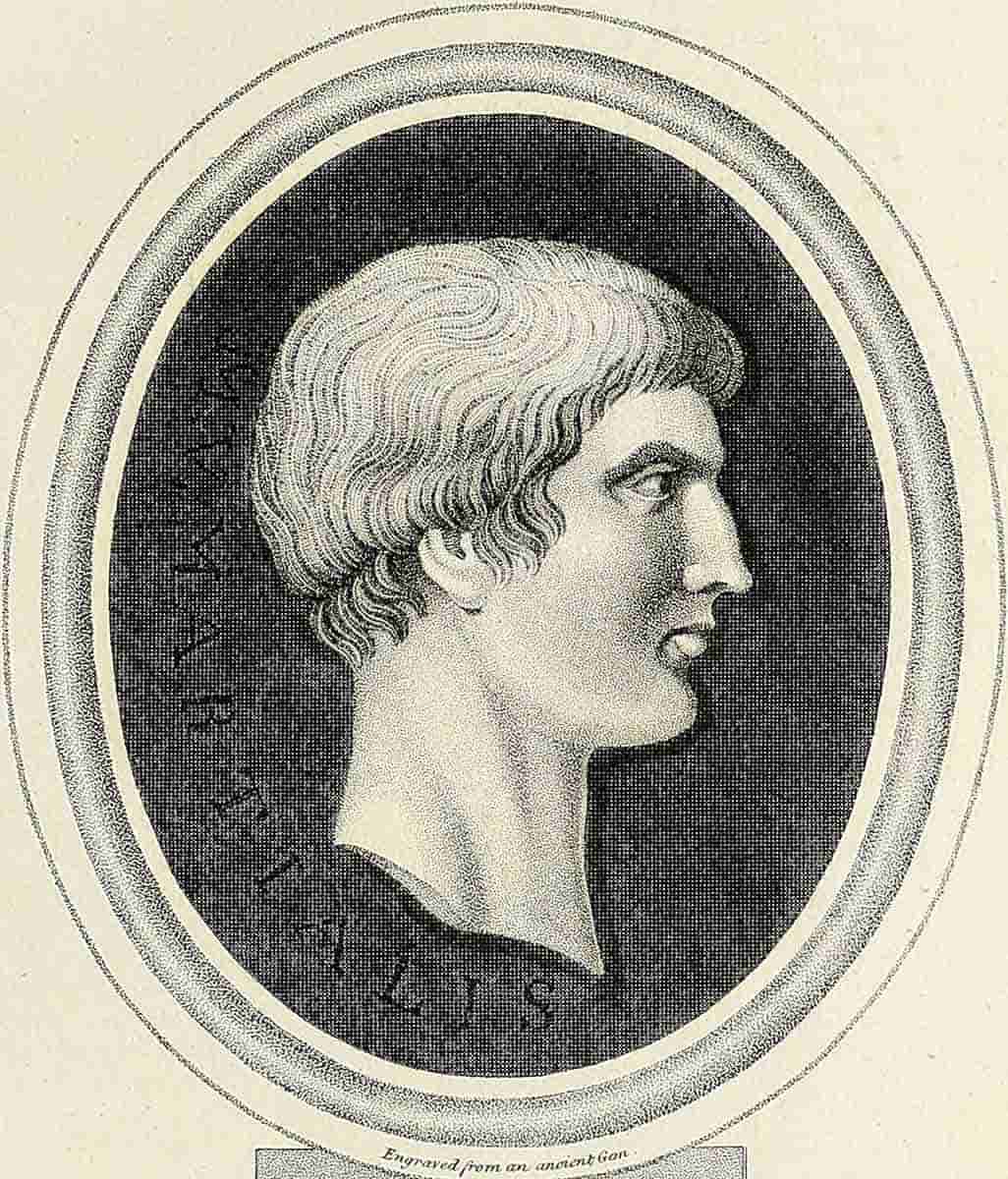
The poet Martial, a near-contemporary, mentions Juvenal on a few occasions, suggesting some level of recognition within literary circles. However, figures like Pliny the Younger, who was active during the same period, make no reference to him, indicating that Juvenal’s biting critiques may not have resonated or been welcomed among Rome’s more elite and polished writers.
Instead, it was not until the 4th century AD, long after Juvenal’s death, that his Satires gained widespread popularity. Later readers such as Ammianus Marcellinus found his moral indignation and vivid depictions of Roman life compelling.
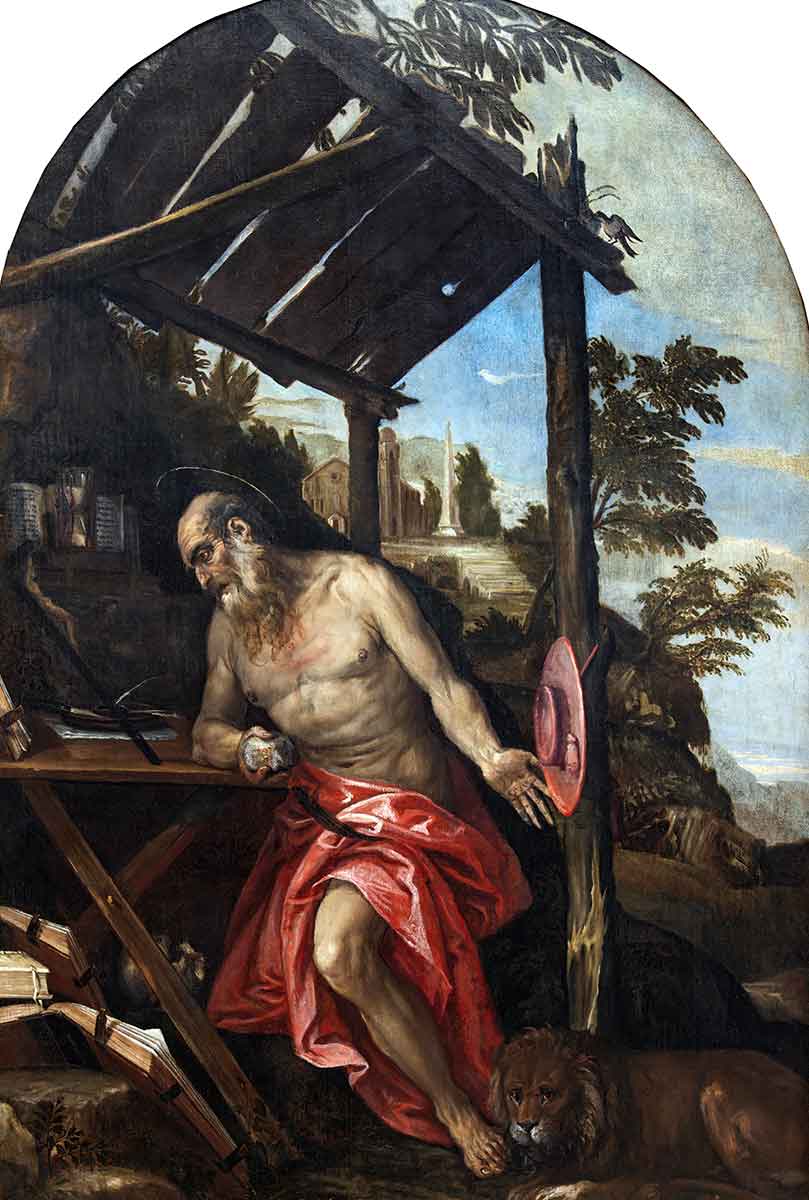
For Christian commentators, such as St. Jerome, the Satires were valued for their moral critiques of urban decadence. This led to him being seen as more of a moralist in medieval assessments than a satirist, as his critiques of vice, corruption, and immorality were seen as aligning with the Christian mission. In turn, they were incorporated into the medieval curriculum for their moral content and their rhetorical style.
Modern academics, however, have approached Juvenal’s work with a mix of admiration and critique. Scholars such as Gilbert Highet have emphasized the raw emotional power of the Satires, describing them as an expression of unfiltered rage against the vices and hypocrisies of Roman society.
Rather than offering a balanced or systematic critique, Juvenal’s targets often seem chosen based on his personal frustrations, resulting in a tone that is more visceral than measured. This has led some to view his work as less a reflection of historical reality and more a projection of his own disillusionment.
As such, the use of the Satires in historical scholarship tends to be heavily caveated, acknowledging the shortfalls of the work and the genre it sits within. Nevertheless, they remain a valuable lens through which to explore the complexities of Roman society, offering insights into its moral and social tensions while showcasing Juvenal’s enduring literary brilliance.
Later Influences of the Satires
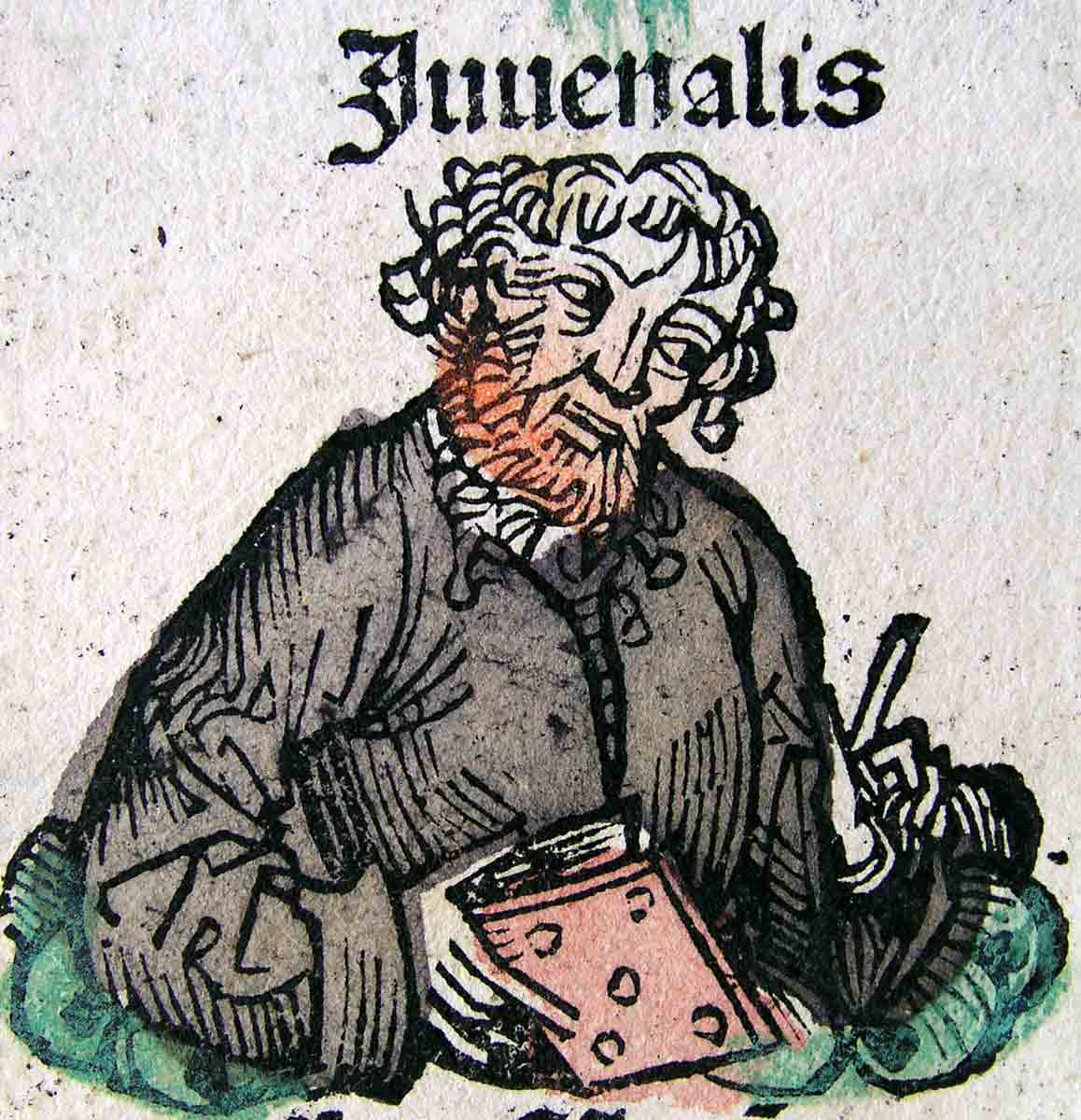
Aside from their critical reception, the Satires influenced many later works. In particular, the biting style and claims of necessity in writing have had a creative impact on a variety of famous writers, from Alexander Pope and Jonathan Swift to Thomas More and John Dryden. In fact, many of these writers and their works are often categorized as “Juvenalian Satire.”
For a notable example, the English writer Samuel Johnson structured and formatted his poem London (1738) on Juvenal’s third satire, transplanting Juvenal’s critique of urban Rome to the corruption of London.
The 17th-century French writer Nicolas Boileau wrote his own Satires, modeling them closely on Juvenal’s, just as Geoffrey Chaucer appropriated fragments of Juvenal for The Wife of Bath’s Tale and Troilus and Criseyde. Scholars even believe that Shakespeare alludes to Juvenal in a number of his plays.
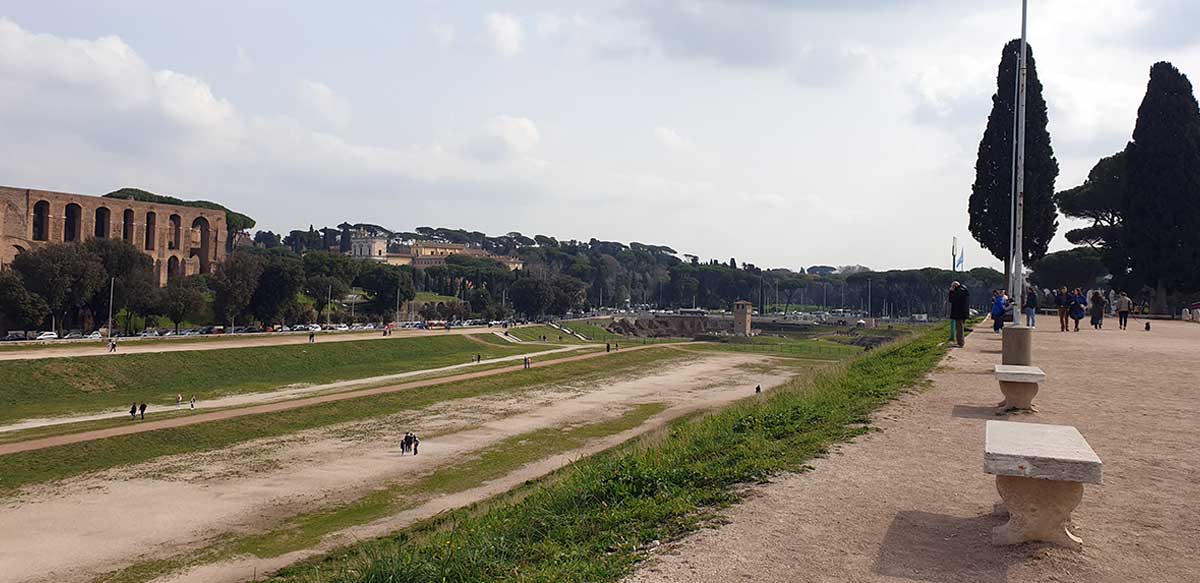
Juvenal also coined a common phrase we use today. The notion that the populace of any given state can be distracted and made passive by “bread and circuses” derives from Juvenal’s phrase “panem et circenses” in the tenth satire.
Similarly, his challenge of “who will guard the guards” has been repurposed and reappropriated as a catchphrase to question the accountability of security services throughout history. Yet perhaps his most famous phrase is “a healthy mind in a healthy body,” with the original Latin (“mens sana in corpore sano”) repurposed for the acronym of the sports company ASICS (“anima sana in corpore sano”).
As such, it is clear that the legacy of Juvenal and his Satires extends far beyond their use as a source for historians. His excoriating wit and playful turn of phrase cemented his image as a foundational contributor to Western comedy and language. Although his life remains elusive, his literary influence is ever-present.