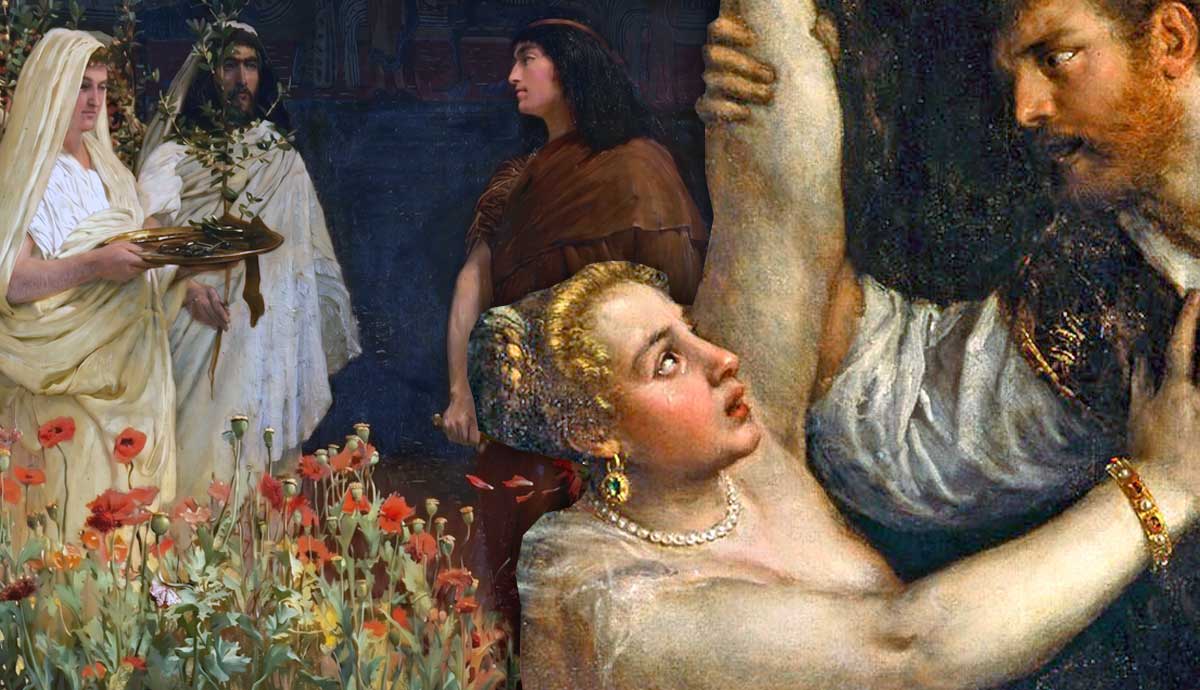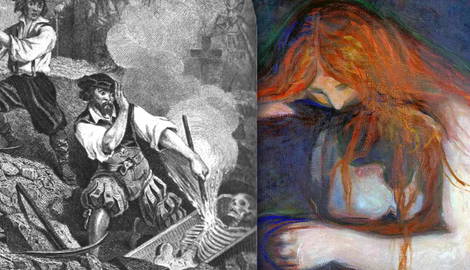

For thousands of years, the Balkans have been a cultural crossroads, where Greek, Byzantine, Slavic, and Ottoman traditions intertwine to create something new. It was this combining of cultures with local traditions that led to the well-documented Eastern European vampire myth. Long before the Slavic “upir” and the vampire fears of the 18th century, Greek folklore had already developed a complex vocabulary of undead beings, demons, and restless spirits. These beliefs traveled along monastic networks and trade routes, and through multilingual border communities. They merged with existing Slavic notions of the supernatural, and the Eastern European vampire was born.
Ancient Greek Proto-Vampires
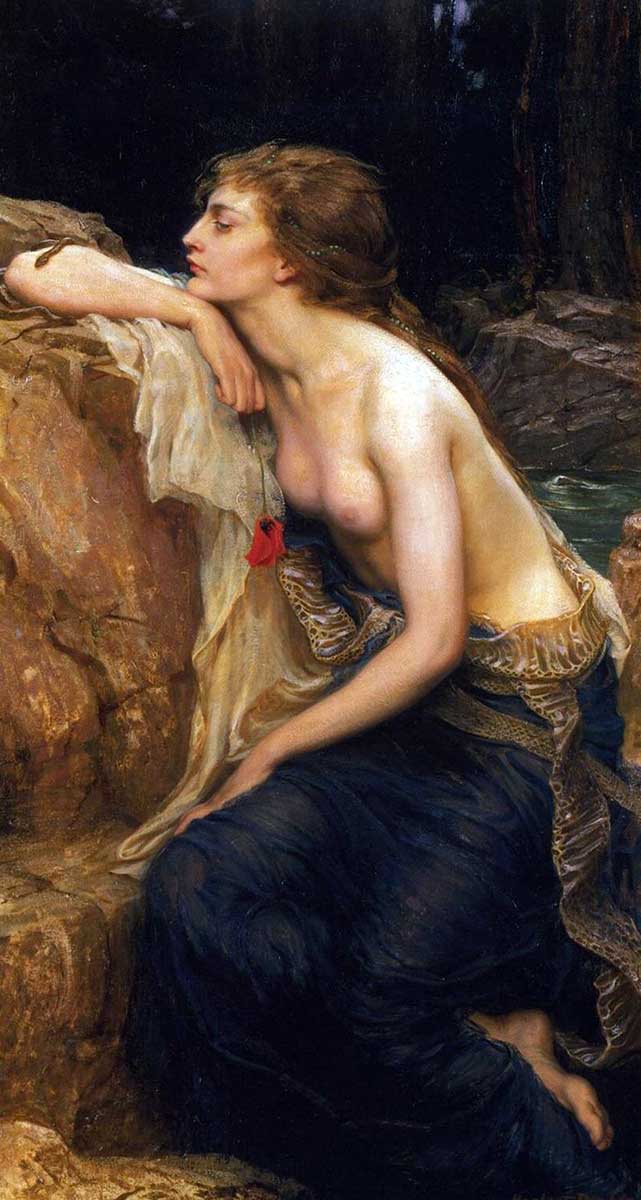
In proto-Greek myths, one of the earliest monsters of this type is Lamia, a tragic queen transformed into a creature by the goddess Hera. Lamia, queen of Libya, was one of Zeus’s lovers and had several children with him. This earned her the ire of Hera, who took steps to punish Lamia and her children.
Ancient sources, such as Diodorus Siculus, describe Lamia as a creature that wanders at night and eats children, due to her anger for her own lost children. The myth evolved, and by the Hellenistic period, Lamia gained another dimension: she could seduce young, gullible men and drain their lives while they slept. It is precisely this physical draining that is most reminiscent of vampires.
Lamia was not the only such creature in ancient Greece. There was also Empousa, a servant of the goddess Hecate, the goddess of crossroads, the underworld, and witchcraft. Hecate was often depicted with three heads and had the power to control the boundaries between the world of the living and the realm of the dead.
In Aristophanes’ The Frogs, Empousa appears as a shapeshifter, taking on not only animal forms but human ones as well. Just like Lamia, Empousa seduced gullible men, most often travelers, and tore their flesh and drained their blood. After that, the true form of this creature would be revealed, often with one brass leg and one of donkey dung.
Another figure, Mormo, or Mormolykeia, appears frequently in Greek folklore. Mormo was a female spirit or monster, used to frighten children into obedience. It is believed that this creature is a direct inspiration for the Balkan night hags, or bogeywomen.
The Vrykolakas: Greece’s Undead Revenants
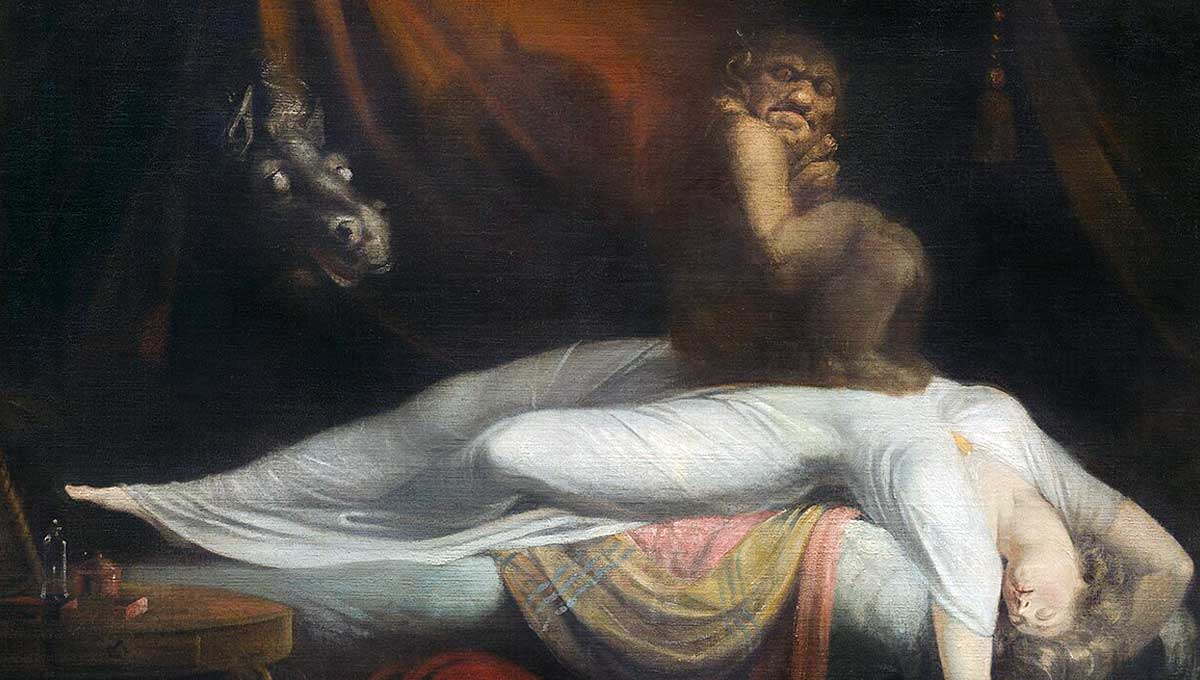
In a somewhat later period, another being appears in Greek folklore. While largely inspired by the Greek myths of Lamia and Empousa, it had more characteristics in common with Eastern European vampires. These beings were called Vrykolakas, and were undead believed to arise after a sinful life, excommunication, or burial in unconsecrated ground. These were swollen, undecayed bodies that came out of the grave at night, knocked on doors, caused epidemics, and attacked people. Admittedly, the Vrykolakas did not primarily feed on blood, but the link to later vampire myths seems clear.
The word Vrykolakas (βρυκόλακας) appears only in the late Byzantine period and is most common in the early post-Byzantine period. Many etymologists believe that the term is Slavic rather than Greek, and that it is derived from the old Slavic word for werewolf (vlkodlak).
Regardless of the origin of the word, the creature itself is deeply rooted in Greek folklore and in fears about improper burial as prescribed by Orthodoxy. The Greeks believed that improper burial or spiritual pollution (miasma) could cause the dead to linger. Descriptions of the Vrykolakas from the 16th to 19th centuries portray it as a solid, flesh-and-bone revenant, not a ghost. In 1645, Leo Allatius wrote:
“The vrykolakas is an evil and wicked person who may have been excommunicated by a bishop. Its body swells up so that all its limbs are distended, it is hard, and when tapped it thrums like a drum.”
The Byzantine worldview greatly shaped the Vrykolakas tradition. Orthodox Christianity emphasized the proper handling of the dead, the significance of decomposition as a sign of divine order, and the danger posed by the unburied or the spiritually unatoned. Religious texts warned that an excommunicated person might not decompose and could physically return to disturb the living. There is little doubt that the Vrykolakas were the precursor to the vampires and vampire scares that appeared only a century or two later.
How Orthodox Theology Helped Create the Vampire
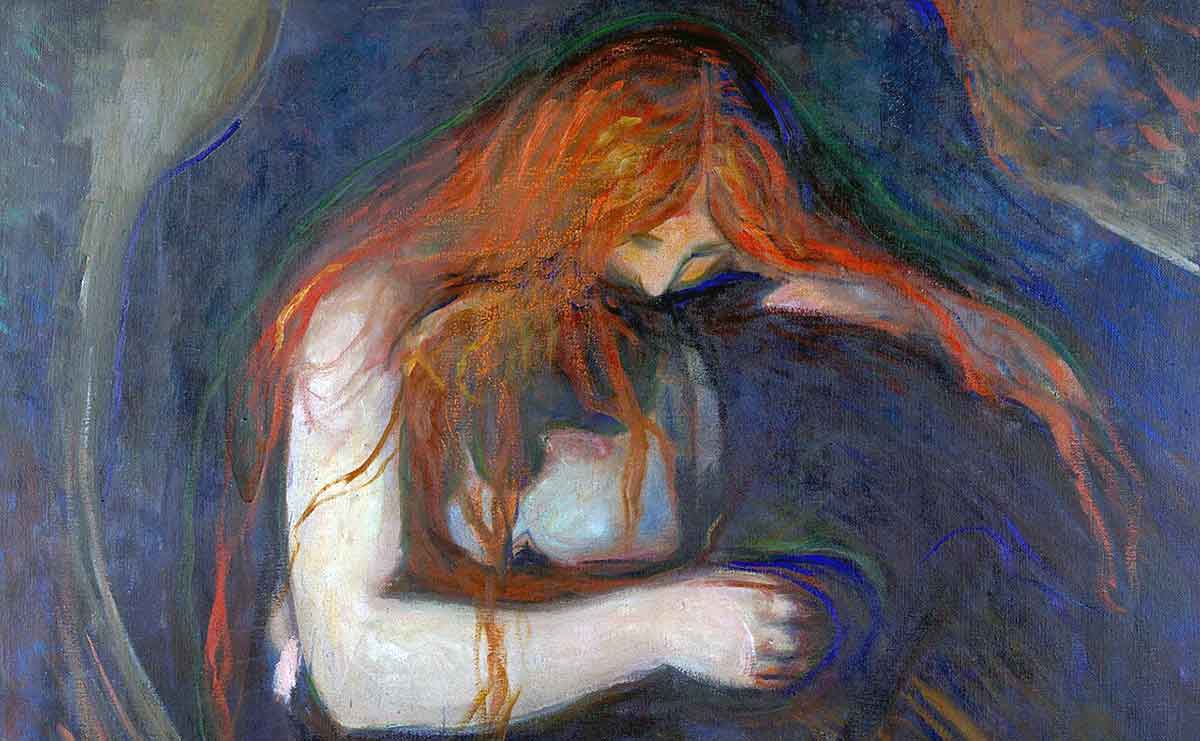
The vampire, as it emerged in the Balkans, was not merely a survival of pagan belief but the product of a uniquely Orthodox understanding of the body, the soul, sin, and death.
Orthodoxy has clear rules of burial. For example, the body must be buried in the ground rather than cremated, which was considered a pagan custom. Many Orthodox churches, such as the Serbian Orthodox Church and the Greek Orthodox Church, traditionally refuse a funeral service for persons who choose cremation.
The funeral service, or farewell rite, is the first step of the burial process in Orthodoxy. Then the body is carried to the burial place and laid in the ground, and the earth is poured in the shape of a cross. After the burial, on the 3rd, 9th, and 40th day, and again on the anniversary of death, memorial services are held. These include prayers for the repose of the souls of the deceased. This ritual has remained more or less unchanged through the centuries.
If such a rite was not properly completed without a valid reason, it most often meant that the soul was condemned or could not achieve salvation. There were also situations when the Church itself did not allow the deceased to be buried in this way, most often in cases of suicide, excommunication, cremation, or public renunciation of the faith. These fears around the consequences of improper burial offered fertile ground for the emergence of vampire myths.
The Moment the Undead Became a Vampire
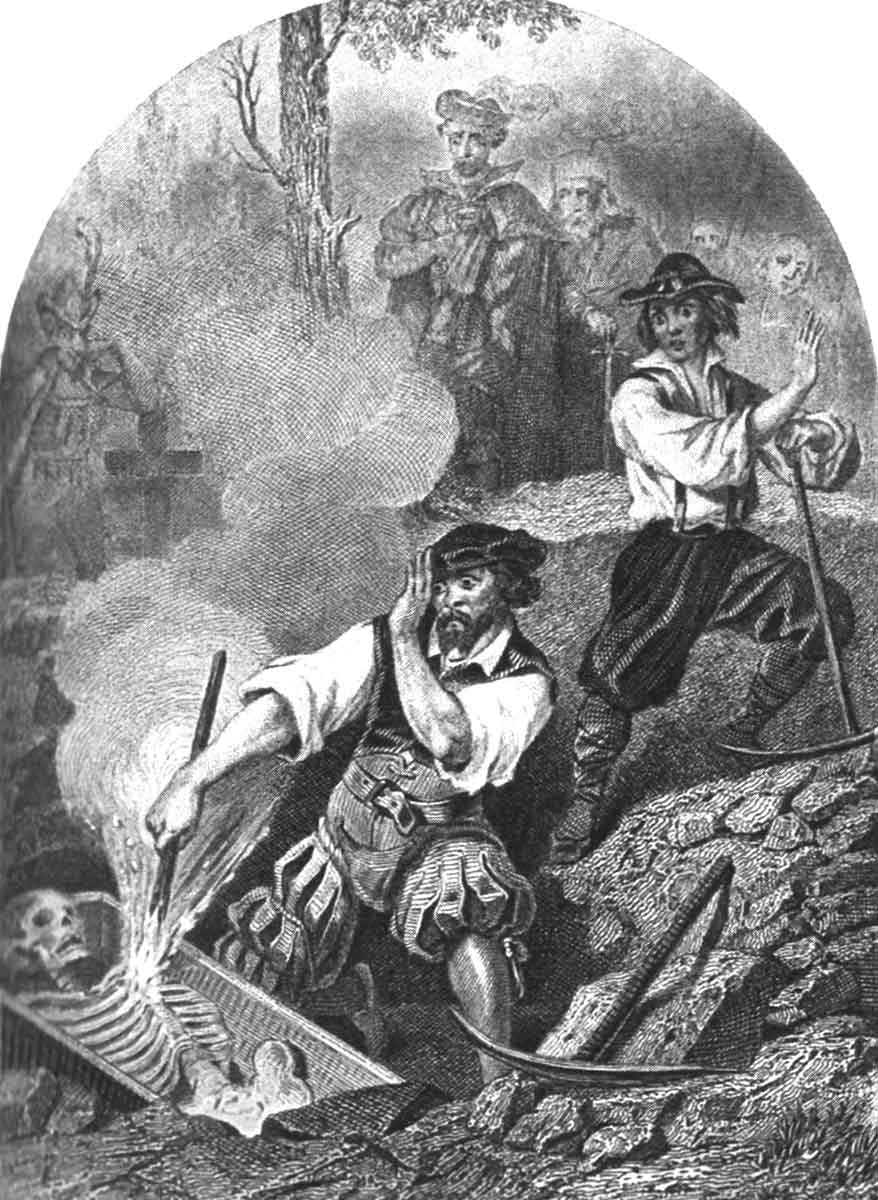
The term “vampire” entered Western European languages, especially German and French, at the beginning of the 18th century, following reports of vampire cases in Southeastern Europe, particularly the Balkans. There were also local variants, for example vampyr, lampir, štrigon, and upir. All of these terms referred to the same being, a corpse that had bypassed decay and risen from the grave, causing illness and deaths in communities. Over time, the myth of vampires spread into areas that were not traditionally Orthodox.
The oldest official written trace of vampires in Eastern Europe comes from the 17th century, from the Slovenian historian Johann Weikhard von Valvasor in his monumental 1689 work “The Glory of the Duchy of Carniola.” However, the term “vampire” was not widespread in his region at the time, so he used the word “štrigon.”
He recorded the case of Jure Grando, a peasant and stonemason from the small Istrian village of Kringa in present-day Croatia. According to tradition, Jure Grando died in 1656, but local villagers claimed that he rose from the grave and terrorized the village. The apparitions lasted for decades, and the inhabitants of Kringa claimed that Grando wandered at night, knocked on doors, and shortly afterward, the person whose door he knocked on would die. Interestingly, Kringa was located near Italy and deep within the Catholic sphere of influence, which shows how quickly the myth of vampires spread in these regions.
The Vampire Epidemic in the 18th Century
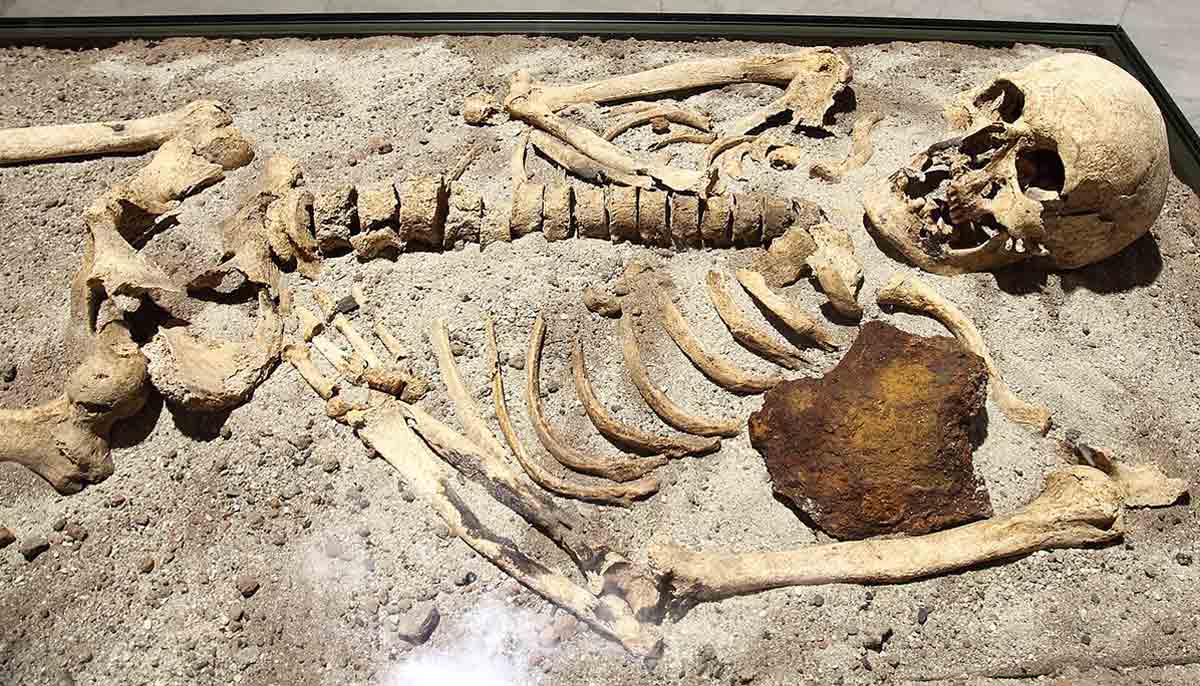
Reports of encounters with vampires grew to “epidemic” levels in the 18th century. Numerous official records describe encounters with vampires, record reports of strange deaths or illnesses in villages, and note the disappearance of corpses from graves. The hysteria was so widespread that, on several occasions, the Habsburg authorities sent their officials to investigate what was actually happening. Reports by these officials often contributed to the spread of hysteria rather than calming it.
One of the most infamous vampires of that time was Petar Blagojević, a peasant from the Serbian village of Kisiljevo. After his death in 1725, the other villagers noted a series of mysterious deaths. Allegedly, several villagers saw Petar Blagojević beside their beds shortly before their deaths. Austrian authorities ordered the case to be investigated. The investigation, published in the then Wienerisches Diarium, described how the grave of Petar Blagojević contained a corpse that had not decomposed and had fresh blood around the mouth. For the locals, this was a clear sign of vampirism, so they drove a stake through his heart and burned the corpse.
“The face, hands, and feet, and the whole body were so constituted, and they could not have been more complete in his lifetime. I saw some fresh blood in his mouth, which, according to the common observation, he had sucked from the people killed by him” (Imperial Provisor Ernst Frombald on the case of Petar Blagojević).
The most thoroughly investigated case was that of Arnold Paole, a soldier from the village of Medveđa, Serbia, who allegedly died after falling from a carriage in 1725. Similar to the previous case, following his death, the villagers noticed a series of suspicious deaths. The Habsburgs once again ordered an investigation. In this case as well, the medical report again recorded a corpse that had not decomposed and had fresh blood around the mouth.
How Folklore Became Dracula
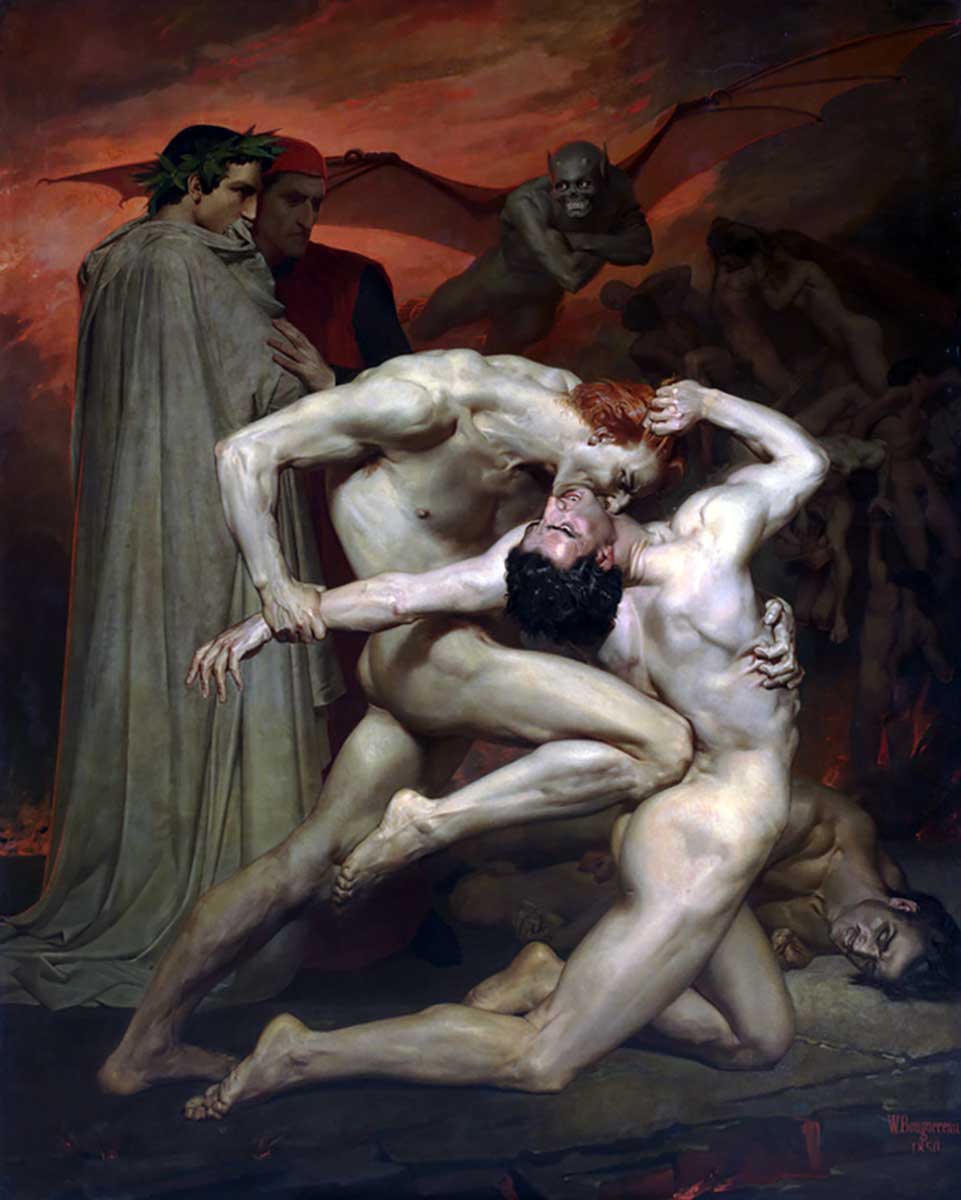
Toward the end of the 18th century, the hysteria about vampires that had swept through Eastern Europe began to subside. In many regions, both the Church and state authorities intervened and offered reasonable explanations for unusual events to calm the locals. While vampire beliefs continued in some areas, official reports became increasingly rare.
Interestingly, as belief in vampires in Eastern Europe was disappearing, vampires were becoming more popular in Western literature. In 1819, John Polidori wrote “The Vampyre,” based on stories of Lord Byron, creating the archetype of the noble vampire. Later, the Victorian penny dreadful “Varney the Vampire” paved the way for the Gothic tradition. Bram Stoker’s “Dracula” defined the modern vampire genre, combining folkloric elements with Victorian fears of disease, patriarchy, and “the other.”