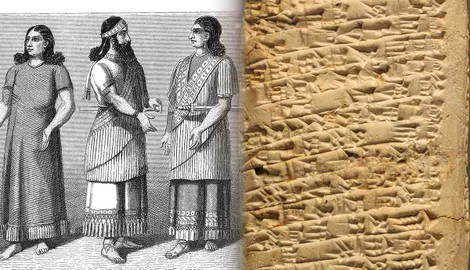

The world of Mesopotamia during the Old Babylonian period was very different from the modern day. Languages, fashion, and values from this time would appear quite alien. Nevertheless, there were themes that have remained unchanged over the millennia. One such theme is customer complaints. It was an issue 4,000 years ago, just as it is now.
Such became apparent with the deciphering of a clay tablet discovered by Sir Leonard Woolley during his 1920s archaeological expedition to Ur in modern-day Iraq.
The Context of the First Customer Complaint
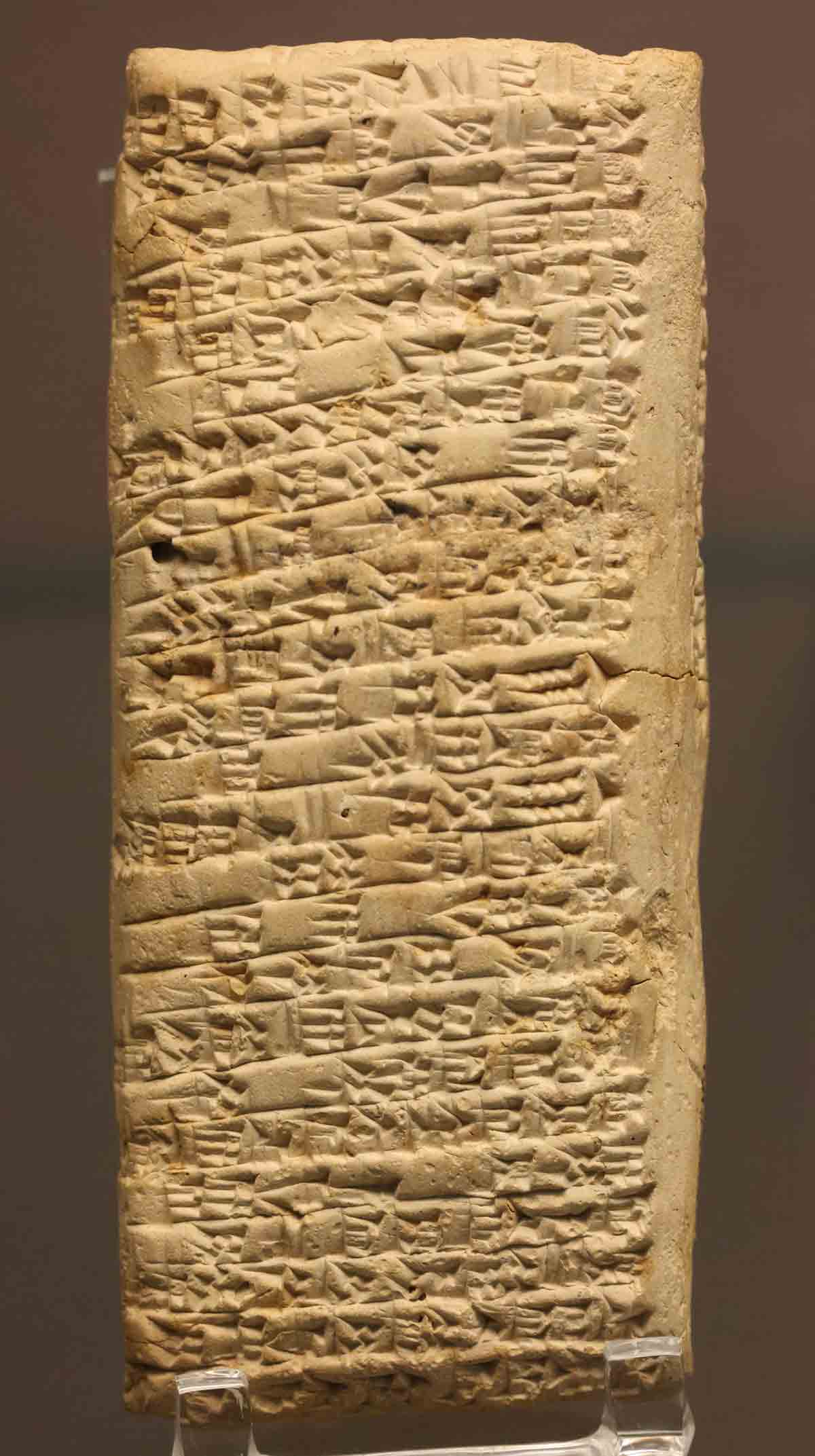
Just as they are today, trade and record-keeping were important aspects of economic life in ancient Mesopotamia. Unlike today, however, the written word was not printed on paper, but pressed into clay blocks using the cuneiform writing system. This method was used to record religious, historical, and trade practices, the latter including trade with Mesopotamia’s most valuable resources and products.
A hugely important commodity, copper played a central role for many merchants in ancient Mesopotamia. The metal was extracted, cast into ingots, and sold as a high-value resource, making its way across long-distance trade networks in the process. Of course, ancient smelting techniques meant the quality was not always uniform, and this factor was the crux of the matter between Nanni and Ea-nāṣir, the latter being part of a group known as the Dilmun Traders, with “Dilmun” referring to modern-day Bahrain.
The Actual Complaint

“Who do you think you are, treating someone like me with such contempt? […] Is there anyone else among the traders who deal with Dilmun who has treated me this way?”
– From the translation by Adolf Leo Oppenheim
Written on a tiny tablet smaller than an average smartphone, Nanni describes the unsatisfactory nature of his customer experience. Ea-nāṣir had agreed to sell copper ingots to Nanni, and Nanni sent his servant to complete the transaction. Upon receiving the goods, Nanni noted the substandard quality of the copper and added that his servant had been treated poorly.
The poor service was compounded by the fact that Nanni’s servants had to travel through dangerous, hostile territory and returned empty-handed. Buying and selling copper was no simple task! Nanni states that from that point on, he would only select copper in his own yard and reserved the right to refuse substandard ingots.
Nanni wasn’t the only one who complained. Excavation of Ea-nāṣir’s house in Ur yielded several other letters of complaint, not just related to poor quality copper, but also for late delivery. It seems Ea-nāṣir gained a dubious reputation for metallurgical malfeasance.
Significance
From an archaeological perspective, the tablet shows that there was writing, legal processes, and a reasonable expectation of rights during the Old Babylonian period that extended beyond the ruling class. It also serves as insight into everyday life, when so much archaeological evidence of writing pertains to the religious and noble elite.
What it also demonstrates is that there has been a continuity of customer service expectations throughout the ages, going as far back as the ancient era. The writing is a first-hand account that strikes a familiar chord with people living in the present, as virtually everybody has had poor experiences with goods and service providers at some point in their lives.
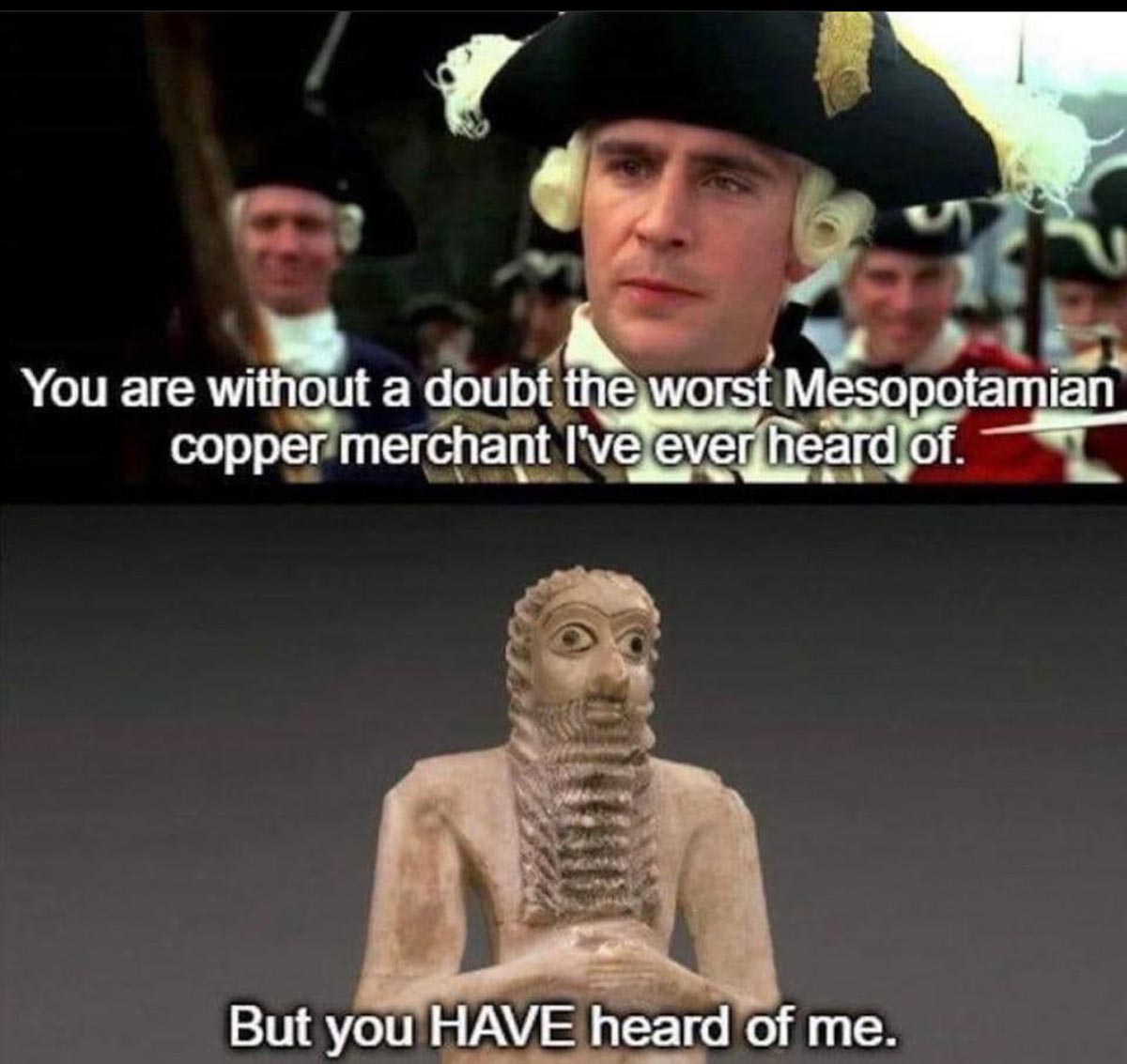
In recent years, the story went viral, and a host of memes were created, bringing Nanni and Ea-nāṣir’s story back to life. Neither Nanni nor Ea-nāṣir knew that almost four thousand years later, their mundane interaction would gain such fame. Perhaps Ea-nāṣir finally got the notoriety Nanni had wished for him!