
While the modern Celtic identity is alive and vibrant with art, culture, language, festivals, national pride, and a comparatively unified identity, the history of what could be considered Celtic, and who the people were, is a far more complex notion. Some scholars even cast doubt on the usage of the term “Celt,” claiming there is no basis for it to be used as an ethnic identifier, while others defend against this “Celtoscepticism.” Arguments are flung both ways, claiming political motivation related to nationalist movements and devolution (among other factors) within the United Kingdom.
But who are the historical people associated with the Celts, and how has the interpretation of their existence shaped modern understandings of Celtic identity?
“Celts”: Names and Nations
The term “Celts” was first used by Hecataeus of Miletus around 517 BC when he referred to the people living near Massilia in southern Gaul as Κελτοί (Keltoi). This was followed by Herodotus, who in the 5th century BC, referred to the Celts as people living by the source of the Danube.
In the first century BC, Julius Caesar mentioned that the Gauls called themselves Celts in their own language; however, whether this name was indigenous or appropriated from another language describing them is unknown. There is no epigraphic evidence to support Caesar’s claim. In the years that followed, Strabo wrote of Celts living in Iberia, while Pliny the Elder noted that “Celtici” was a tribal last name in Lusitania (mostly modern-day Portugal).
While the majority of those who identify with Celtic heritage today hail from Britain and Ireland, the classical texts never mention the Celts in relation to the people living there. Rather, they use individual tribal names, although Roman historian Tacitus noted how the Britons were culturally similar to the Gauls.
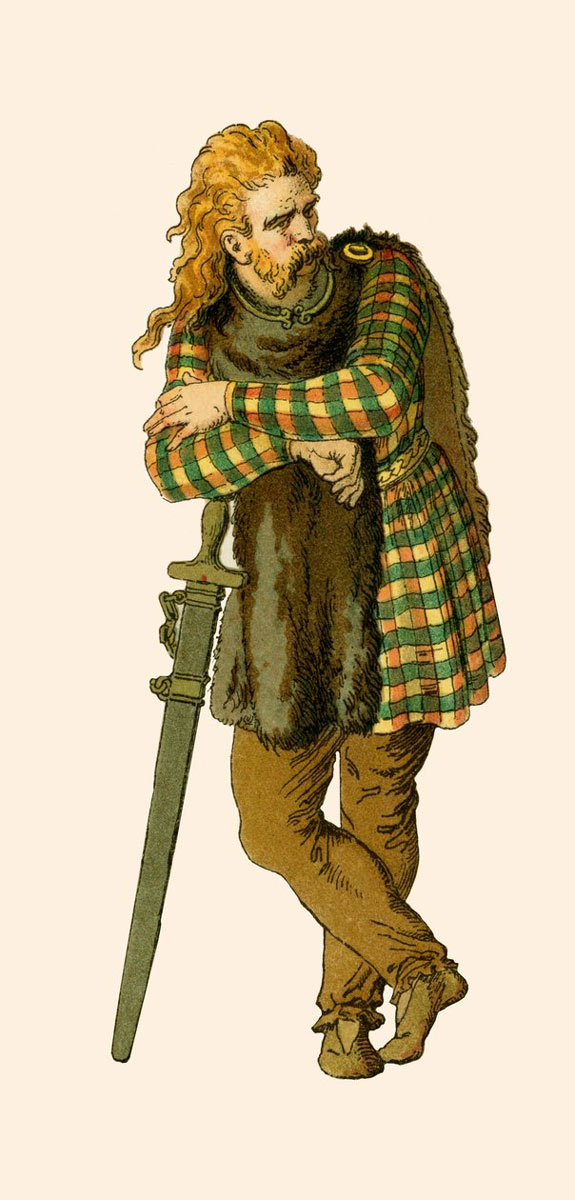
Thus, the term “Celt” was a Greco-Roman exonym used to describe a loose collection of dissonant tribes with some shared culture rather than a unified cultural entity, although an association was inferred. Despite this historical problem with identifiers, the modern definition of “Celt” exists as describing members of an early Indo-European people who, around the time of the second millennium to the first century BC, were spread across Europe and occupied areas from the Black Sea to Britain and Ireland.
The Rediscovery of the Celts

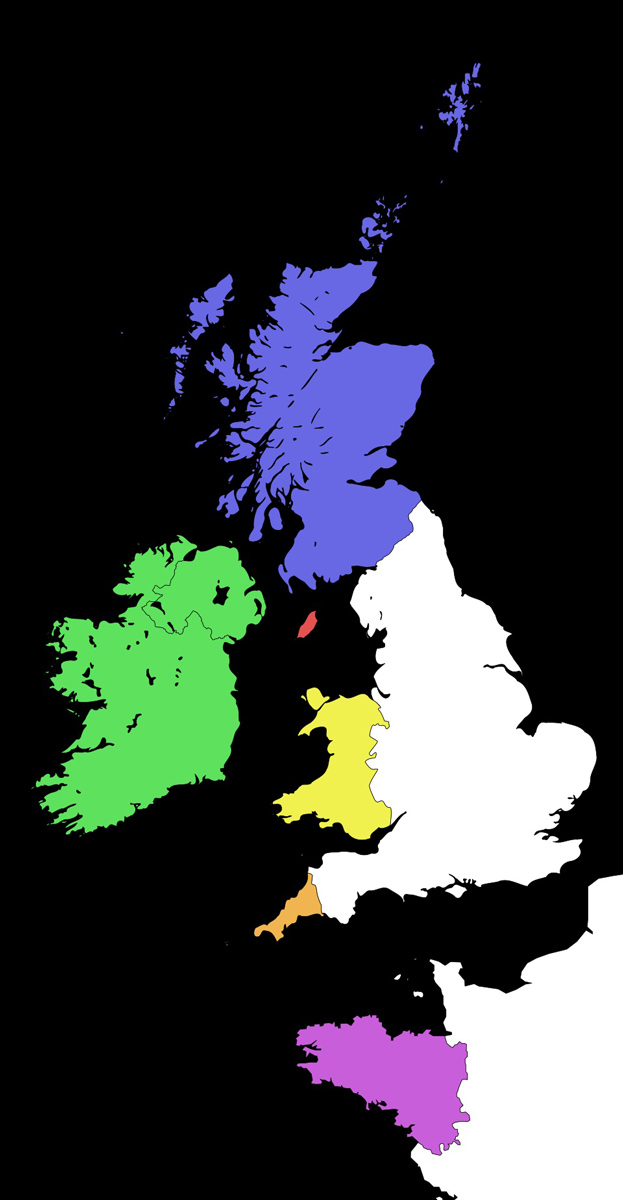
After the fall of the Western Roman Empire, the term “Celt” virtually died out. There was no concept of wider Celtic identity during the Medieval era, and by this time, the linguistic and cultural components of what could be considered Celtic tribes had been pressed to the peripheries by Roman and Germanic movements. Despite the displacement, these cultures thrived in Scotland, Ireland, Cornwall, Wales, and Brittany, and were able to resist certain cultural degradation. Christianization, however, did shift the cultural perspectives, as monks had supplanted druids, and churches were built instead of henges and dolmens. It is reasonable to assume the sense of national unity within these places was a direct result of the threat from outside, as opposed to being something that existed with such fervor in ancient times.
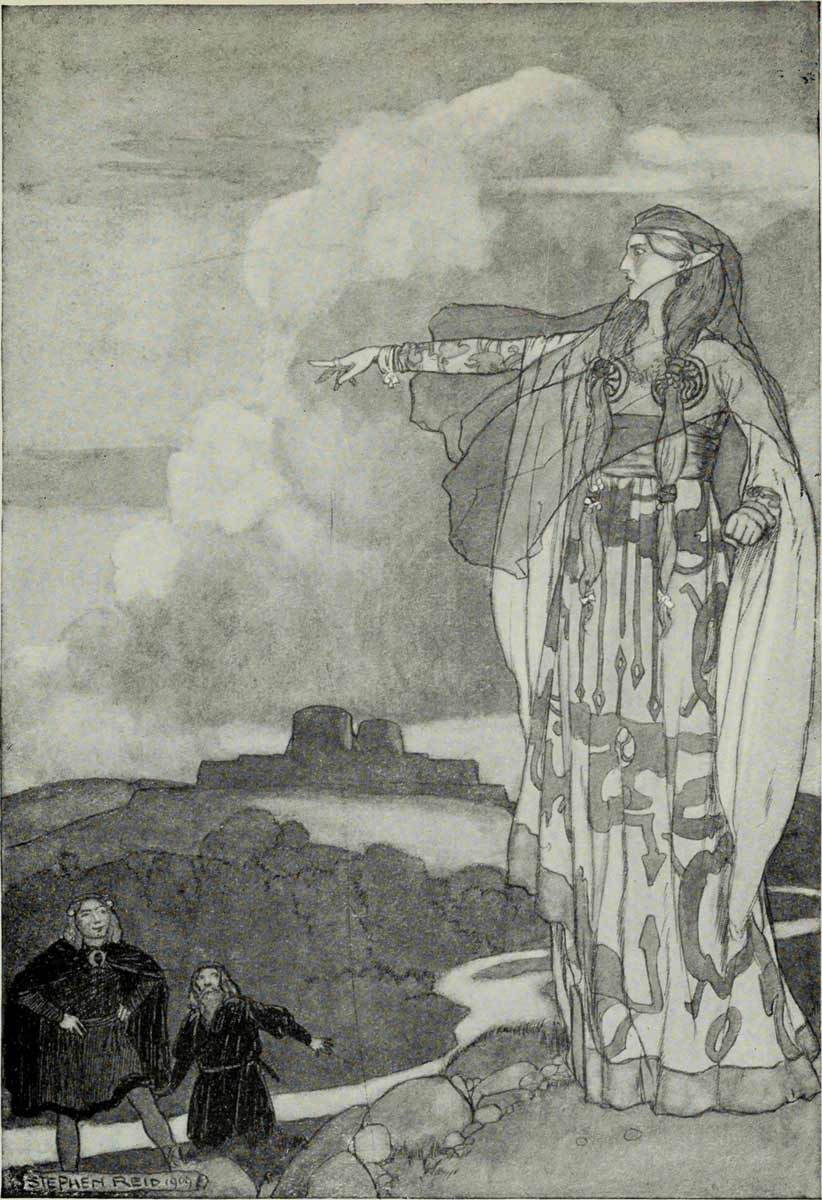
The term “Celt,” used as an encompassing ethnic label, only appeared in the 16th century in George Buchanan’s Rerum scoticarum historia. And it was only in 1707 that Linguistic unity was identified when Edward Lhwyd published his Archæologia Britannica, in which he noted the similarities between Celtic languages.
By the late 18th century, the concepts of Celtic and Germanic had become significantly distinct. National identity was becoming a major issue and a driving force behind political desires. Heated debates erupted as people argued over, as historian Ian Stewart put it, “prestigious ancestors whose legacy was up for grabs.”
Thus, the notion of an ancient national unity remained unfounded. However, there were linguistic and cultural links that provided a foundation for modern Celtic unity.
The Role of Religion
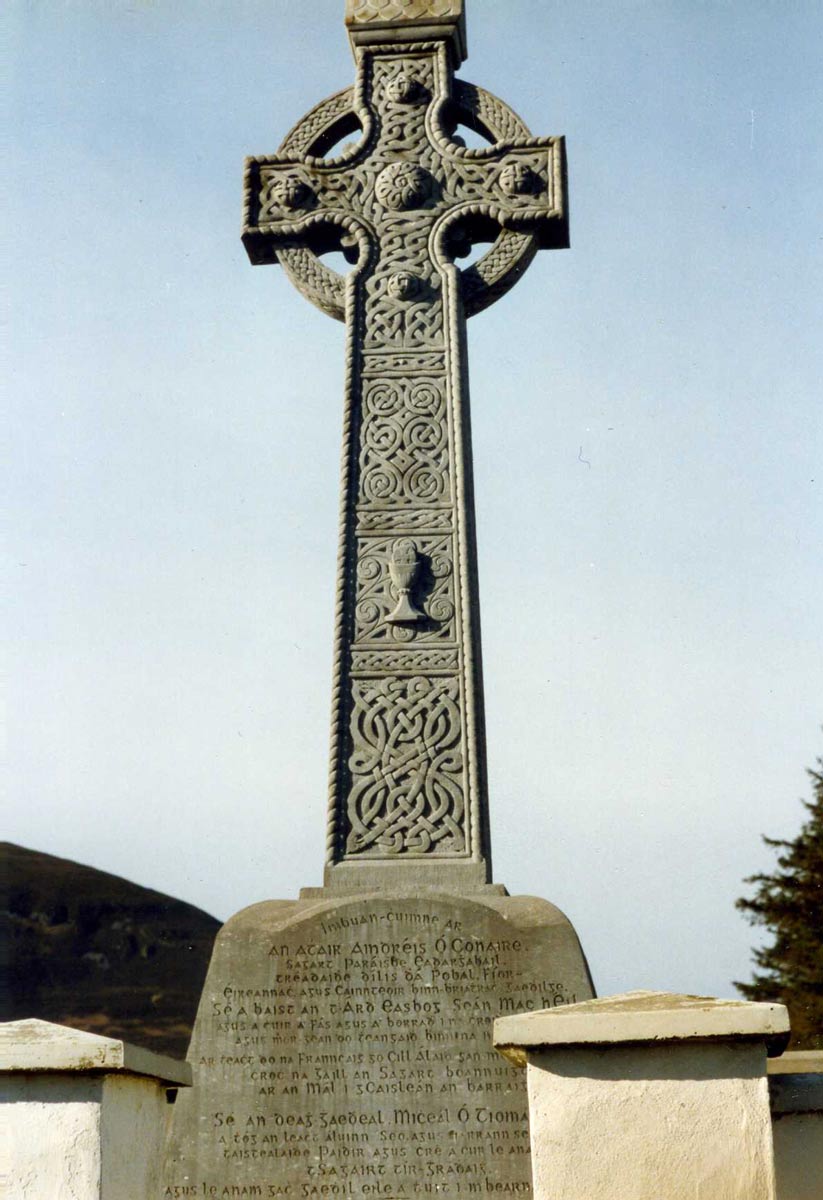
Instead of being a juggernaut wiping out all traces of former religion and replacing the culture, Christianity was actually the vector through which much of the ancient Celtic culture was preserved, especially in Ireland and Wales. Manuscripts from as early as the 7th century AD speak of the ancient myths, but noticeably through the lens of Christianity rather than through adherents to the old beliefs.
Nevertheless, the tales were preserved, as were the sites, which Christians adopted and adapted to serve their own religious purposes. Churches were built on these sites, indicating a recognition of their religious significance. The dynamic was one of a blending of cultures, exemplified by the Celtic Cross, which fuses the symbol of Christianity and Celtic knot symbolism. With the circle and the decorative elements added to the traditional Christian cross, there is a certain visual syncretism between the old and the new(er) religions.
The Problem With Art
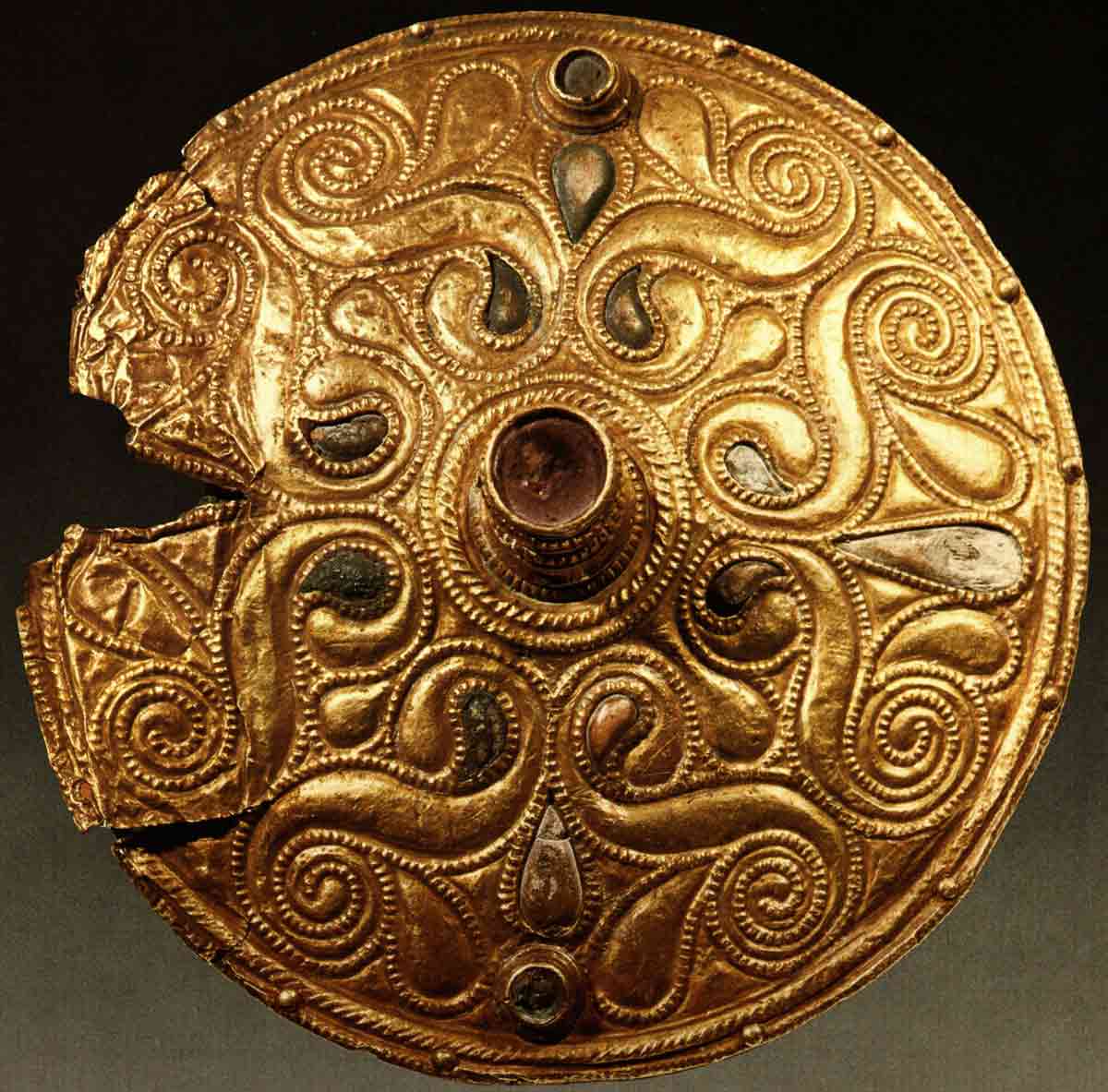
Much of what is associated with the Celtic art style has its roots (arguably) in the La Tène culture, which flourished from around 450 BC to 25 BC. While this style spread across Europe, the movement of an art style doesn’t necessarily mean the movement of people. Contact between people can mean the adoption of cultural facets. Thus, the spreading of art can be inter-ethnic.
For a long time, it was assumed that the spread of this art style to Britain and Ireland resulted from invasions, but there has been little archaeological evidence to support this. More plausible scenarios for the diffusion of artistic styles include cross-cultural contact, such as in the form of trade, and other peaceful meetings. Later La Tène styles in Britain are conspicuously absent on the continent, indicating a separate cultural evolution.
Meanwhile, the archaeology of ancient Britain suggests a patchwork of regional societies with distinct identities. This entrenches the notion that Celtic identity was not uniform. DNA studies on the matter are still debated and have yet to yield conclusive insight into the notion of unified Celtic identity.
Constructing Celtic Identity in the Modern Era
In the 19th century, a Celtic revival gained traction. Spurred on by archaeological and linguistic discoveries, new national identities took hold. Artists and writers sought out old myths and legends, re-presenting them to Irish and British society. This interdisciplinary movement served as a powerful catalyst for ideas of cultural unity.
In non-English areas of Britain and Ireland, there was a certain amount of positive reception, shaped in part due to tensions brought about by English dominance. The reasons for the responses were, however, varied in differing regions and social contexts. It was not uniform. And neither was it universally embraced.
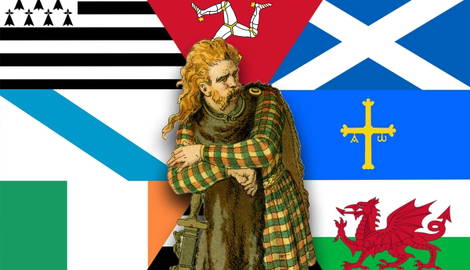
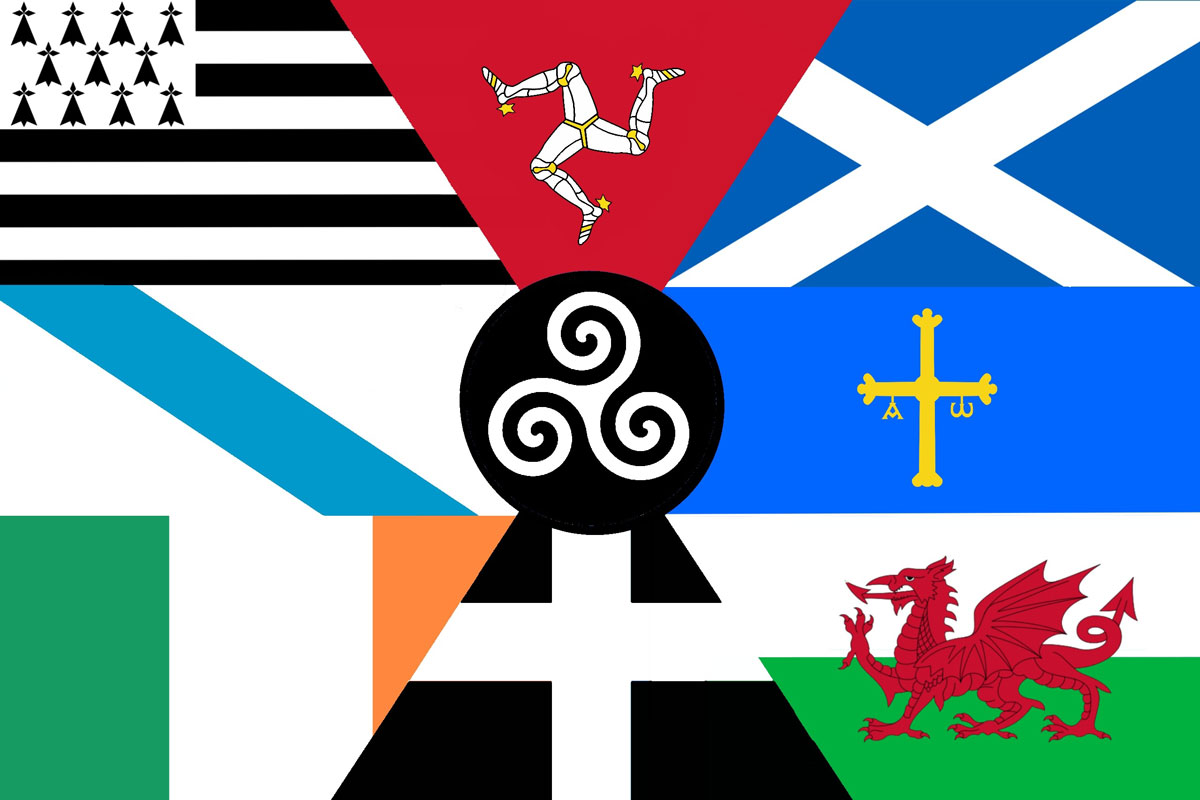
Of note are nationalist movements, which often drew on, and still do draw on, ancient Celtic symbolism, such as the triskelion, which is emblazoned on the flag of the Isle of Man, and which features prominently in Breton nationalism. It is also a popular symbol in other Celtic polities. On the right side of the political spectrum, white nationalists have also co-opted the Celtic cross as a symbol in lieu of the swastika, raising a lot of concerns and leading to the ban of the symbol in certain contexts in Italy and Germany.
The idea of identity being linked to race had its roots in the 19th century. Whereas before, debates on Celtic identity focused on culture and language. Ethnologist James Cowles Prichard, in his The Eastern Origin of the Celtic Nations, published in 1831, used linguistic evidence as proof of racial kindred. Such notions entrenched ideas of Celtic unity through blood.
The dynamic of a renewed Celtic identity is attested to by author Caomhín De Barra, who notes that in Irish newspapers in the early 19th century, the word “Celtic” was virtually nonexistent, but by the end of the century, it was in frequent use. This was the direct result of a scientific basis of race being linked to culture and language.
What Does “Celt” Mean Today?

In academia today, the term “Celt” is generally used to describe a speaker of the Celtic languages, but from a non-academic sense, the word has a wider meaning, and is also used from a racial perspective, denoting people from the Celtic nations and those who identify with Celtic heritage.
There are six such nations, only one of which, Ireland, is completely independent. Scotland and Wales exist as part of the United Kingdom. The Isle of Man is a self-governing crown dependency of the United Kingdom, while Cornwall is an English county. On the continent, Brittany forms a part of France.
The term “Celtic” can be used to describe many aspects of the cultures of these places, even if that aspect is not strictly related to the ancient Celts. Thus, the continuation of Celtic identity today draws on re-envisioned ideas as well as ancient fact, myth, and legend.
Trying to define the ancient Celts is a messy endeavor that yields poor results for those who prefer neat categorizations. The real Celts in ancient times were a varied mix of cultures that were often in competition with each other, and certainly did not represent a single pan-Celtic identity.
Nevertheless, modern Celtic identity remains valid because it is rooted in languages and cultures that, while evolving over time, are directly related to ancient Celtic practices. Thus, the important debate for historians to tackle in this context is not exactly who the Celts were, but how cultural continuity over millennia is understood.