
The belief that base metals, such as lead, can be transmuted into noble metals, such as gold, is the central principle of alchemy. This idea underlies a broader philosophy that seeks both physical and spiritual transmutation. While alchemy emerged independently in various parts of the world, including China and India, Western alchemy has its origins in Hellenistic Egypt. Here, Egyptian metallurgy practices and religious beliefs merged with Hellenistic philosophy, giving birth to alchemy as both a technical and spiritual practice.
Ancient Egyptian Metallurgy
Experimenting with how one thing can be transformed into another is human nature, and chemical transformations are as old as the discovery of fire, at least 200,000 years ago. Fire was used to harden wood, to turn soft earthen clay into hard baked clay, and grain into bread. Mankind soon discovered that metals could be heated and shaped into new and beautiful objects, and that some metals could be combined, such as tin and copper, to make new metals, ushering in the Bronze Age.
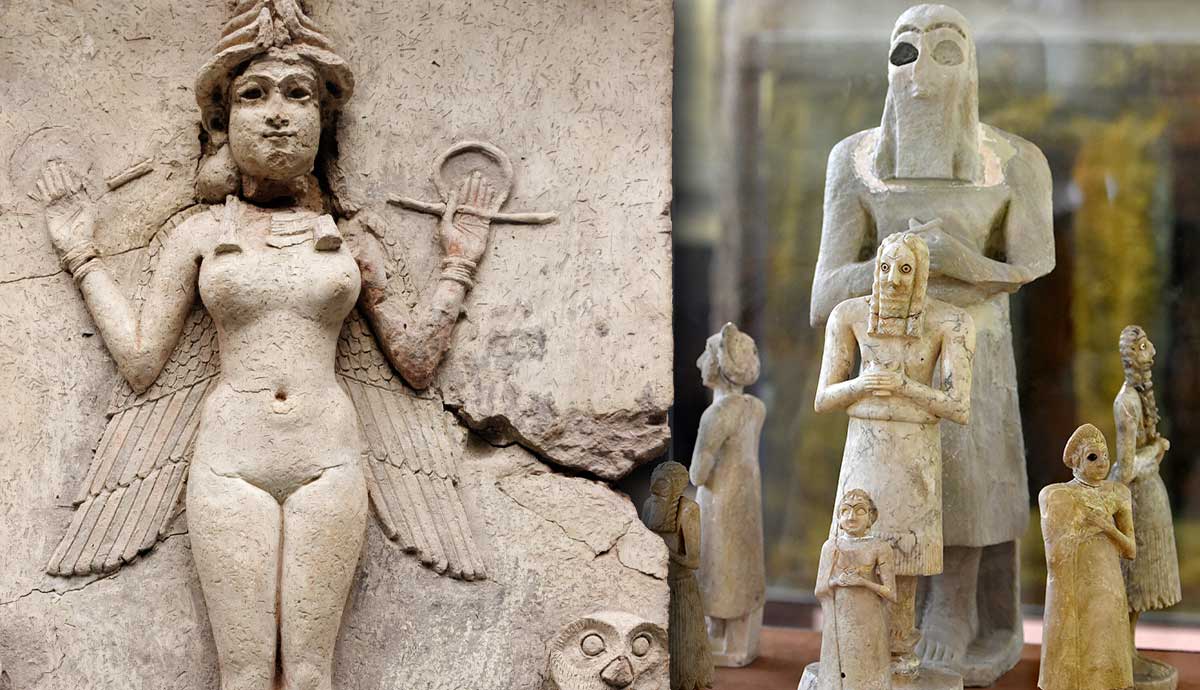
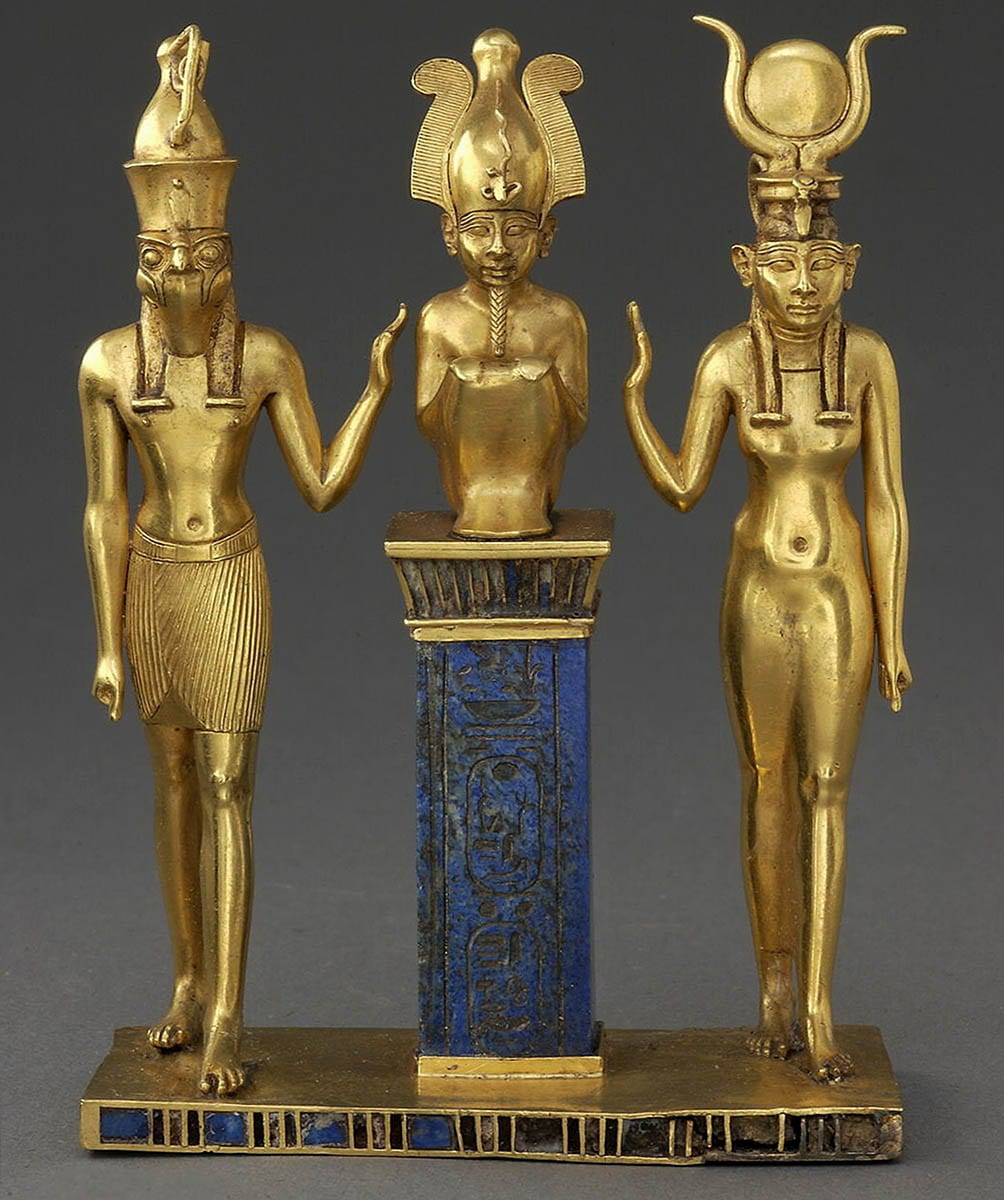
The ancient Egyptians were experts in metallurgy, and metals, especially gold, gained an important place in their culture. Gold, called nebu, with its incorruptible shine, was revered as divine. It was considered the flesh of the gods, particularly the sun god Ra, and a sacred substance. The Egyptians used gold to create images of their gods and adorn their temples, and also to make funerary objects and amulets, believing its magical properties could provide protection both in this life and the next.
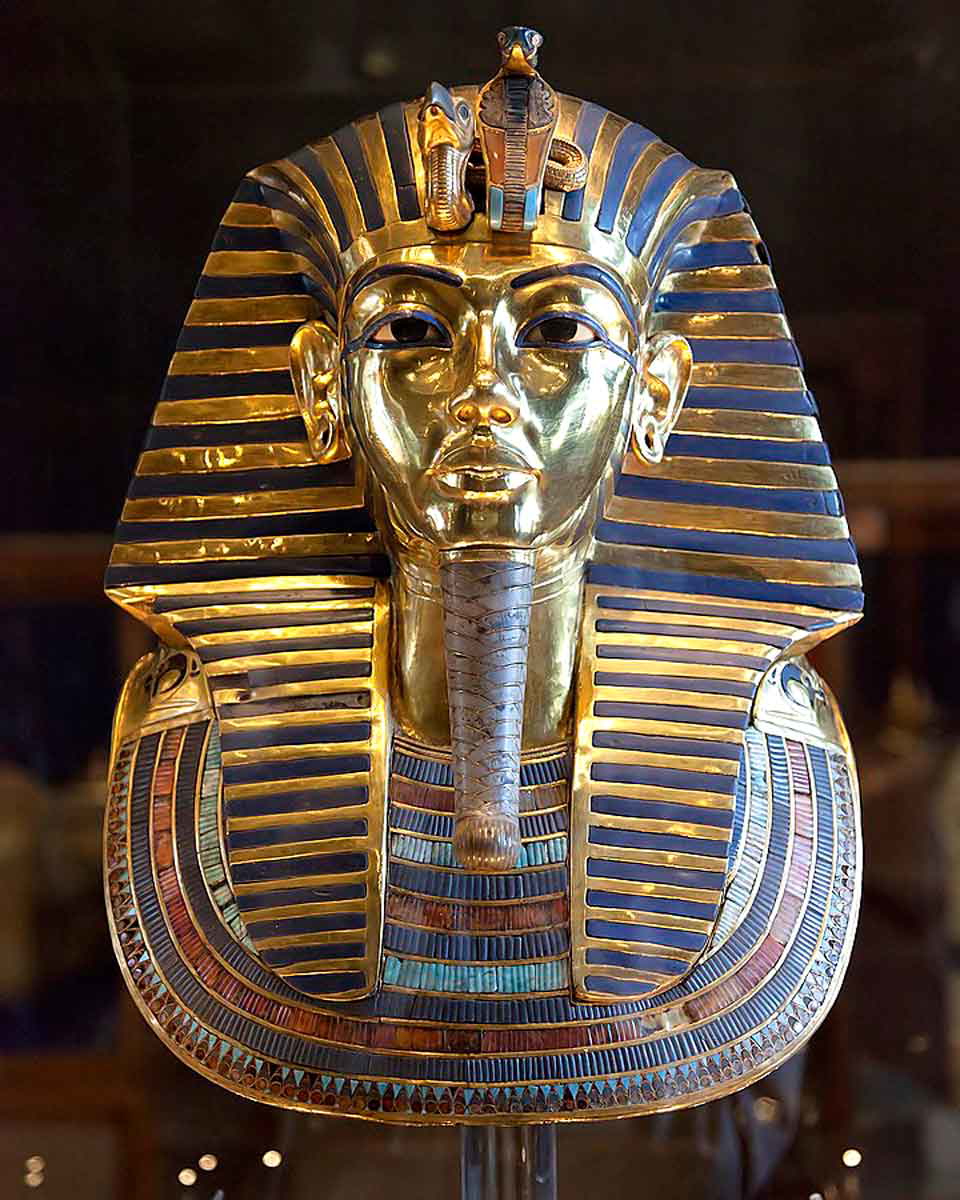
Skilled artisans worked with gold in workshops overseen by priests. The artisans made images of the gods, and priests conducted prayers and rituals such as the Opening of the Mouth ceremony, which invited part of the god into the statue, making it a living conduit through which people could commune with the divine. The same ceremony was used for funerary images of the pharaoh, allowing his ka to occupy images of him within his tomb. This mix of the technical and the religious was to be expected in a world where religious beliefs permeated every aspect of life.
Egyptian metallurgists also knew that chemicals could be applied to metal to change its character. For example, they would alloy gold with copper or electrum to give it a red or yellow hue. They would also coat some objects in red mercuric sulfide to achieve a brighter red. We know that they experimented with chemical treatments involving sulfur, arsenic, and mercury vapors. Logically, it was only a small step from this superficial transformation of metals to a complete transmutation. That this process would involve both technical and religious aspects was assumed.
Hellenistic Ideas in Egypt
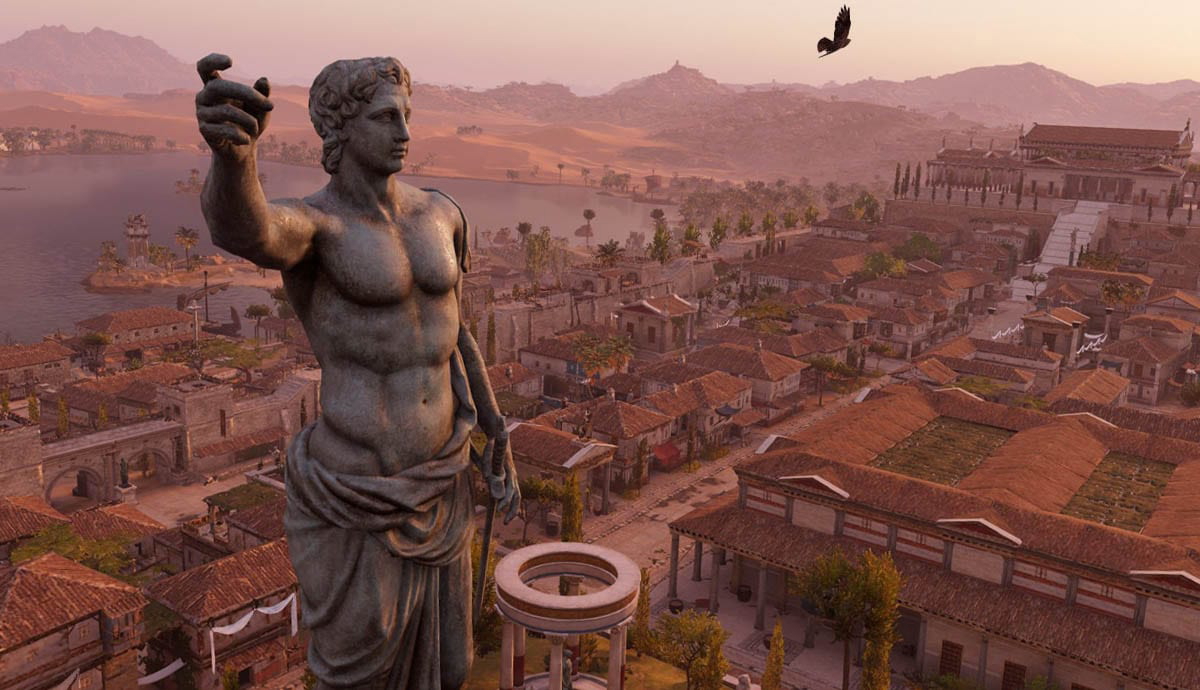
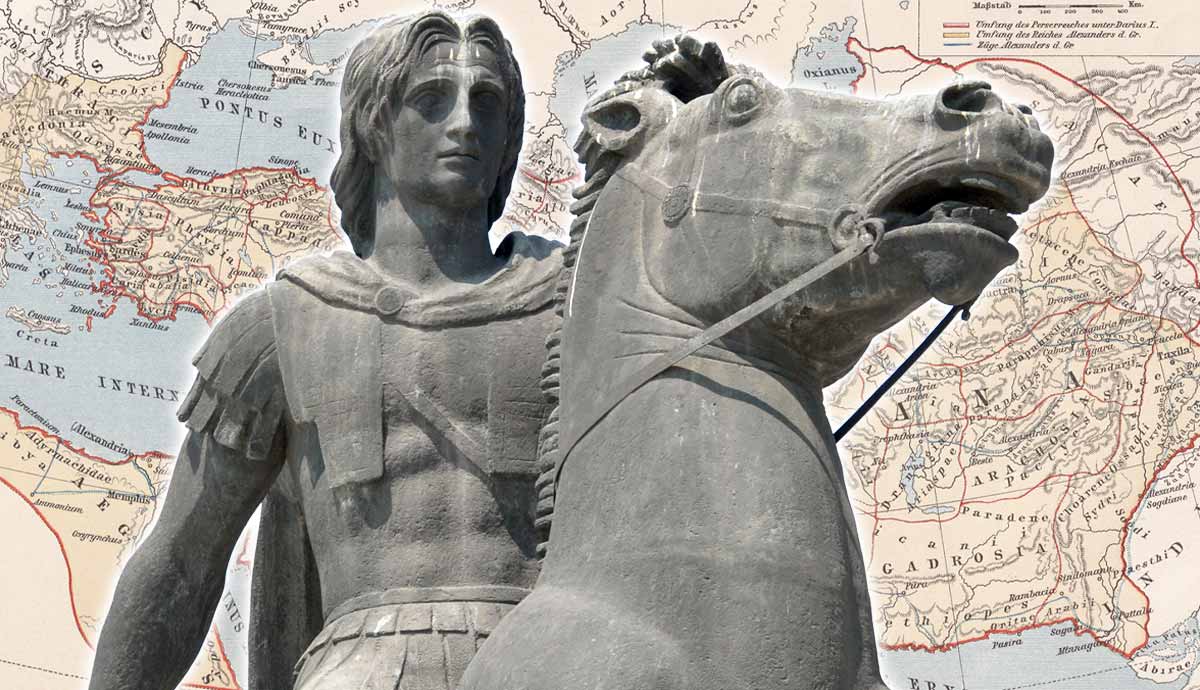
When Alexander the Great conquered Egypt at the end of the 4th century BC, it became part of the Hellenistic world. It soon became the domain of one of Alexander’s generals, Ptolemy, and he established the Ptolemaic dynasty of pharaohs. He brought members of the Hellenistic elite to Egypt, establishing Alexandria as a new Hellenistic capital, and they brought with them Hellenistic ideas. Greek and Egyptian ideas quickly intertwined, and Egypt, especially Alexandria, became an academic and cultural capital. In this unique cultural environment, the underlying philosophy of alchemy emerged.
The Hellenes brought with them the ideas of Aristotle, including his theory of matter. He suggests that there are four elements (earth, air, fire, and water) and four qualities (warm, cold, moist, and dry), and that all things are composed of a different balance of these elements and qualities. If that is the case, it is logical that one thing could be broken down into its constituent parts and reformed as another.
Plato added the idea that all things are connected within materia prima, the first element from which everything comes. If all things come from the same place and are composed of the same elements, again, it was logical that one substance could be broken down and reconstituted as another. He also suggested that the physical world is a living entity with a soul, the anima mundi, and that the souls of all things, men and metals, emanated from this great soul. This suggests that transmutation can be both physical and spiritual.
This idea was extended by Neoplatonists, who called this great soul “the One” and suggested that it was all things good. They suggested that matter was the polar opposite and was all things that lacked goodness. Within the developing beliefs around alchemy, this led to the idea that base metals could be purified and transmuted into gold, which they considered the most perfect metal. The soul could also be purified to reunite with the One, granting immortality.
Hermes Trismegistus
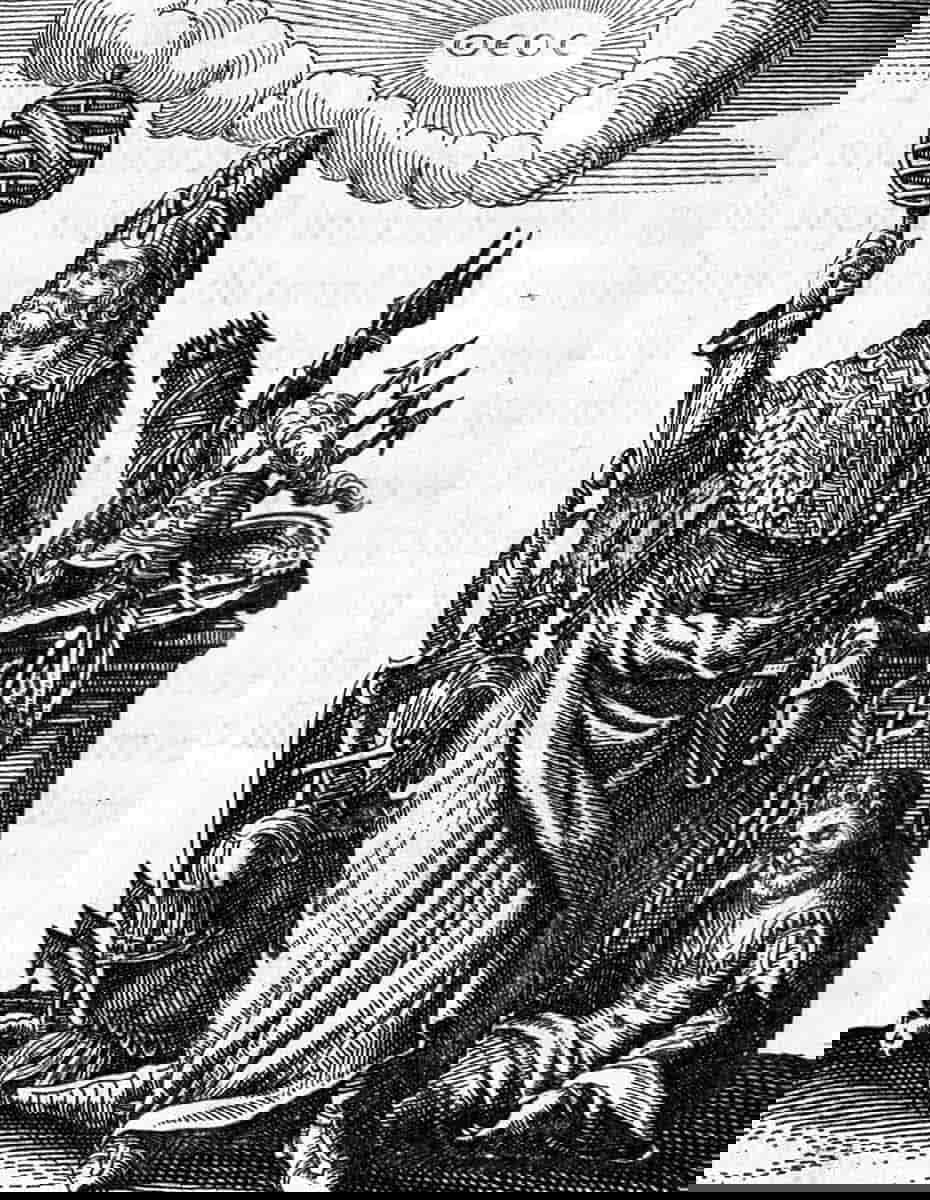
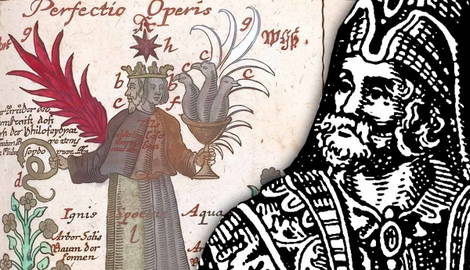
Looking to give their ideas weight by anchoring them in antiquity, as was common in the ancient world, the figure of Hermes Trismegistus emerged. The figure of Hermes Trismegistus emerged, a syncretic combination of the Greek god Hermes and the Egyptian god Thoth. This new figure was considered a god and sometimes a human sage who lived at the height of the Egyptian Old Kingdom.
This mysterious figure was said to have written the Hermetica, a collection of what were claimed to be ancient philosophical treatises, but were probably written between 100 and 300 AD. The most famous text within the collection, the Emerald Tablet, summarizes the philosophy “as above, so below,” encapsulating the idea that patterns and processes in one realm of existence are mirrored throughout other levels of reality. This underlies beliefs such as astrology, that the celestial bodies above reflect energy in the world below.
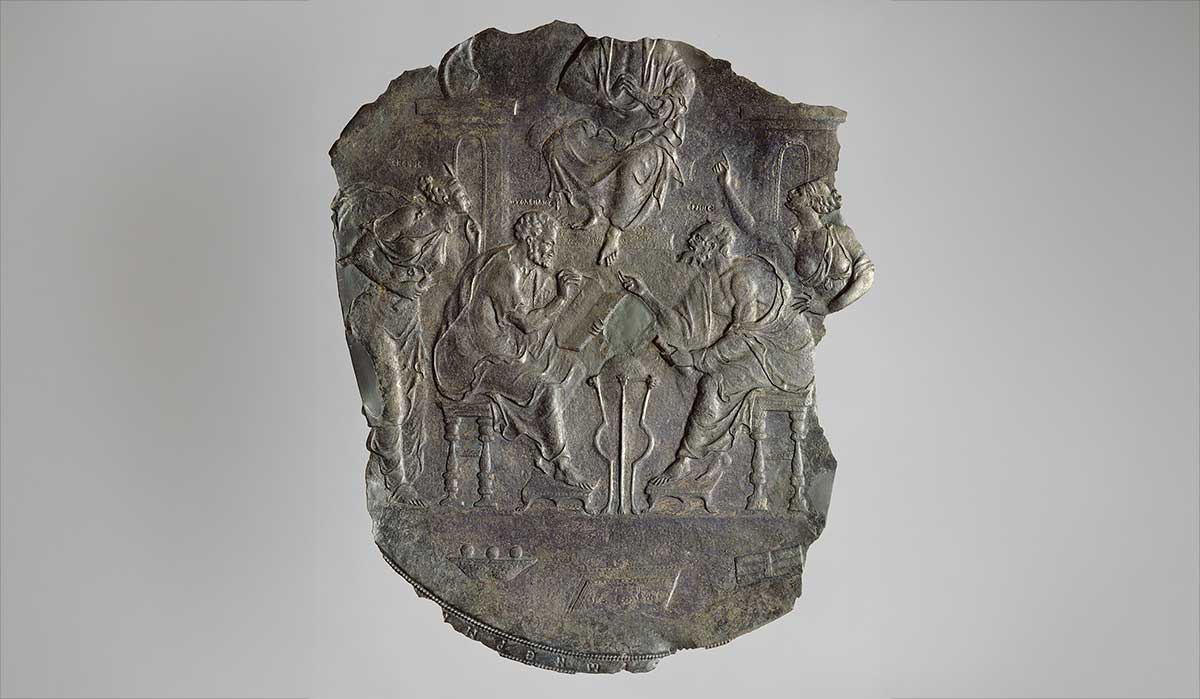
Astrology and alchemy went hand in hand from the very beginning. Alchemists used astrological timings and planetary correspondences as part of their transmutation rituals. They even linked the planets with specific metals. For example, the Sun was gold, the Moon was silver, and Saturn was lead.
The Hermetica also contained practical texts on subjects including alchemy. This suggested that transmutation was possible through conscious intention and ritual action. This could manifest in turning base metals into gold, or “gnosis” of the spirit to reunite with the divine. This also became one of the foundational principles behind Gnosticism.
Zosimus of Panopolis
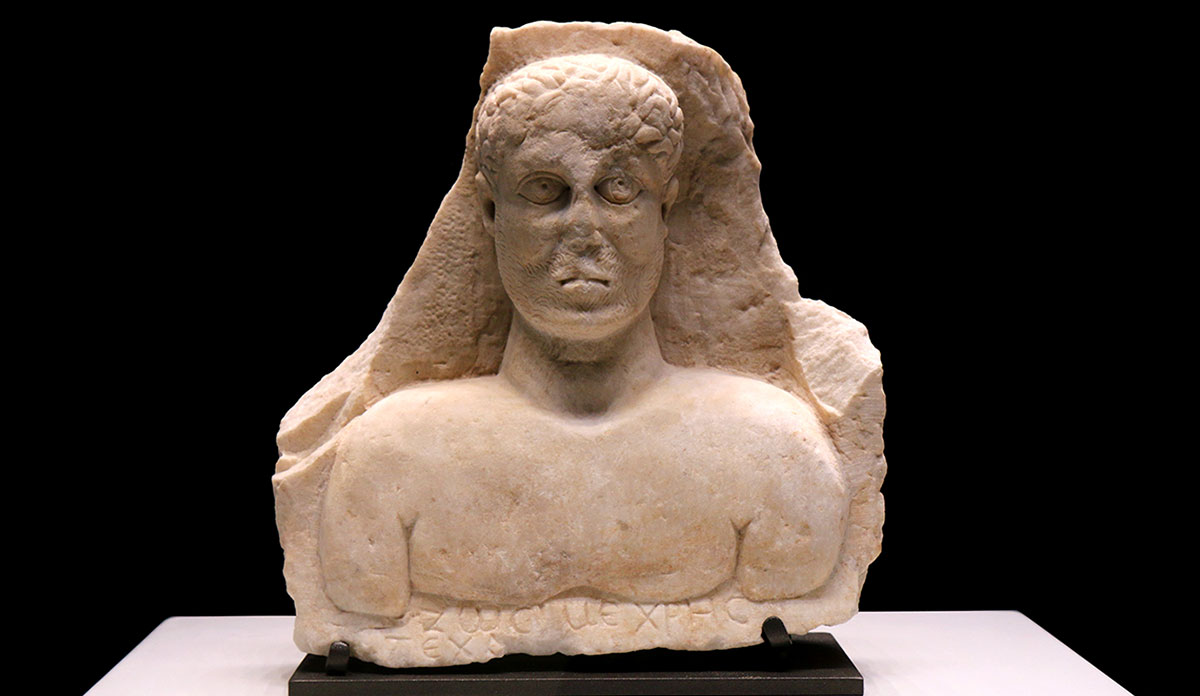
While it seems clear that alchemy had emerged in Egypt by around the year 100 AD, the first identifiable historical person whose writings on alchemy have survived was Zosimus. To distinguish him from the early 6th-century Greek historian from Constantinople also known as Zosimus, he is called Zosimus of Panopolis, as it is likely that he was from Panopolis, now Akhmim, in Egypt. He lived in the bustling intellectual capital of Roman Egypt, Alexandria, around the year 300 AD.
Zosimus was certainly one of the first alchemists to publish alchemical ideas under his own name, rather than adopt a pseudonym. What we know about his life is gleaned from his writings. He is believed to have authored 28 books on alchemy that summarized the history of Greco-Roman alchemy and the writings of others. Fragments amounting to about 175 pages survive in Arabic and Syriac manuscripts dating to the 10th to 15th centuries. While this is only a fragment of what he wrote, its survival means that his voice looms large in all later alchemy.
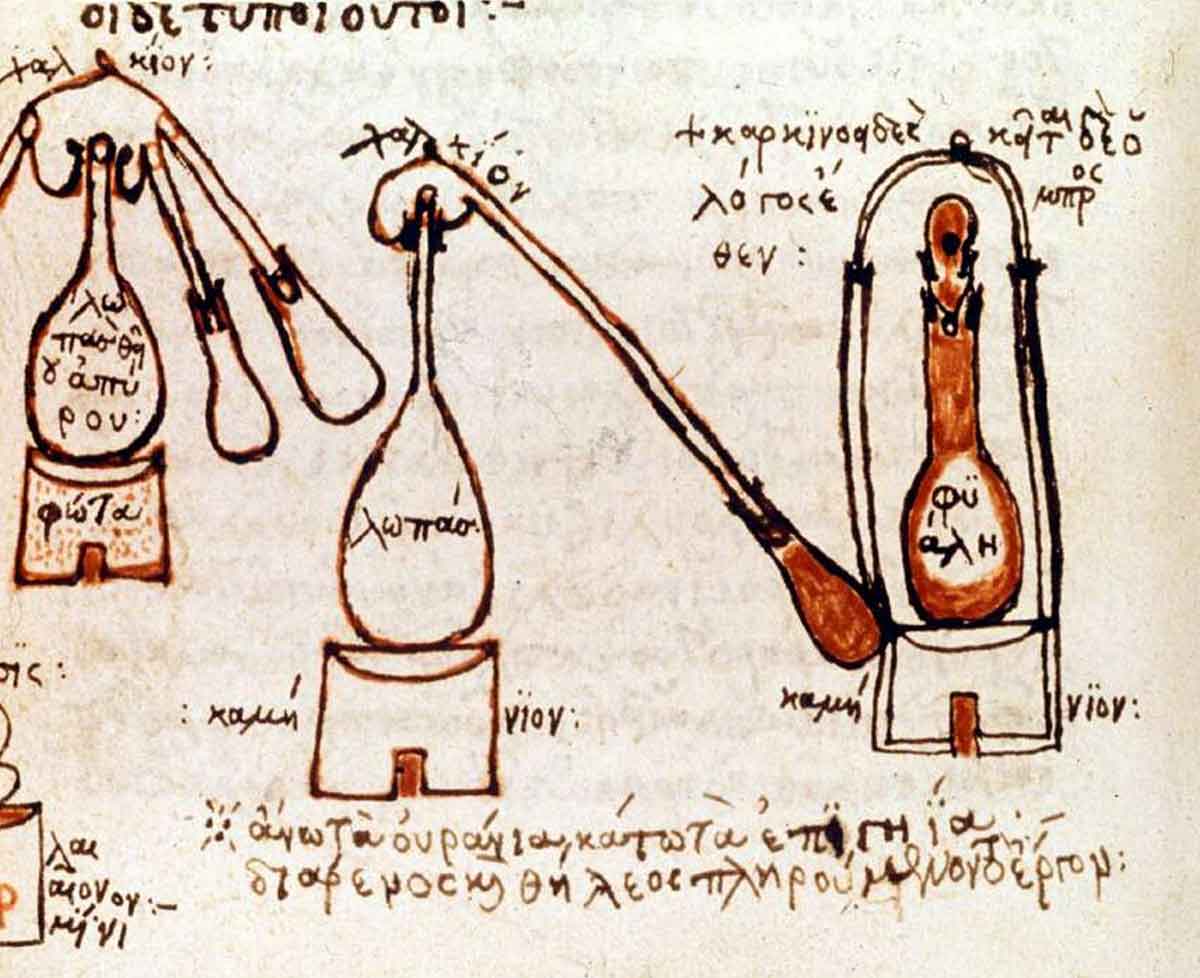
Zosimus is credited by many with being the first to portray alchemy in a soteriological manner, providing a pathway to salvation for the human soul. While he was drawing on earlier analogies between metallic and spiritual purification, he may have been the first to represent them as a unified practice. He was also the first recorded person to introduce the idea of the Philosopher’s Stone, which he described as divine water that could be used both to transmute metals and as an elixir of life.
Zosimus was likely a priest in a local Egyptian temple. He seems to have been involved in making images of the gods. While he may not have been responsible for the design and casting, he was well-versed in the process and probably conducted the related religious rites. At the time, priests only worked part-time, and many had second jobs as teachers. Zosimus’ writings suggest that he taught alchemy. In his work, he criticized competing alchemists, claiming that their techniques were inferior to his own because they were unnatural. This suggests that there was a relatively competitive alchemical market in Alexandria at the time.
Knowledge Lost
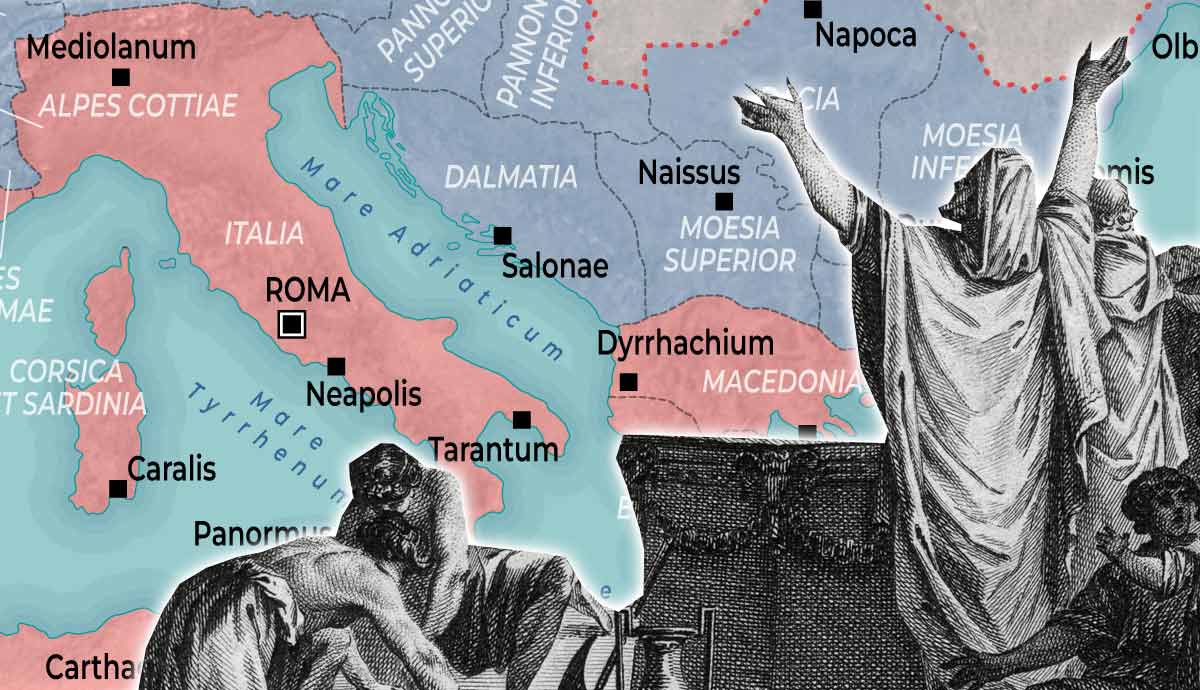
Despite the thriving alchemical market in Alexandria around the year 300 AD, much knowledge about alchemy in the ancient world has been lost, at least in part due to Diocletian (r. 284-305 AD). The Roman emperor was concerned about the debasement of the currency and the potential role of alchemists in developing false currencies. Therefore, he banned the practice and then burned the library in Alexandria.
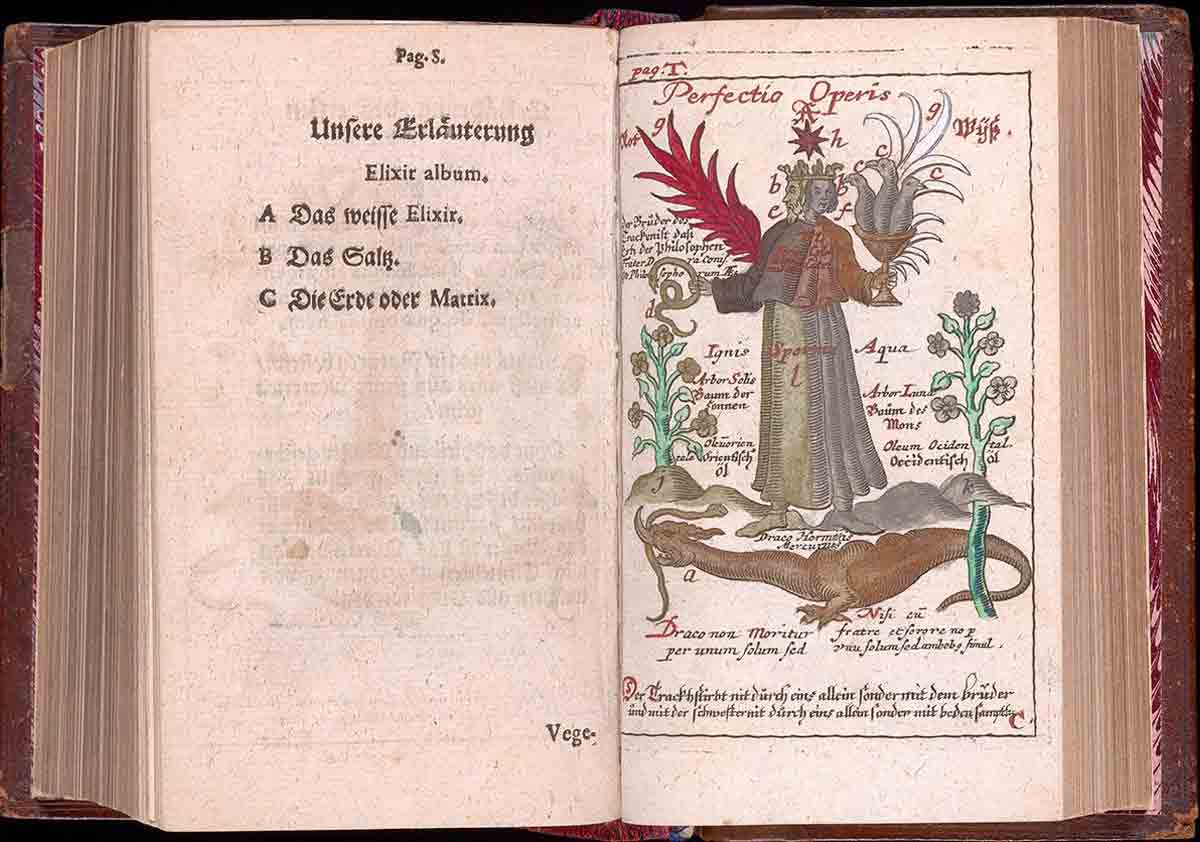
This prohibition on alchemy is also probably part of the reason why Zosimus and other alchemists tended to write in code and use obscure symbols in their work. Zosimus hid some of his alchemical knowledge in descriptions of visions and dreams, and in allegory. That means that even when works survive, their content is not always clear. Zosimus may also have been trying to hide trade secrets from his competitors. Whatever his reasons, codes and secrecy became an essential part of alchemy.
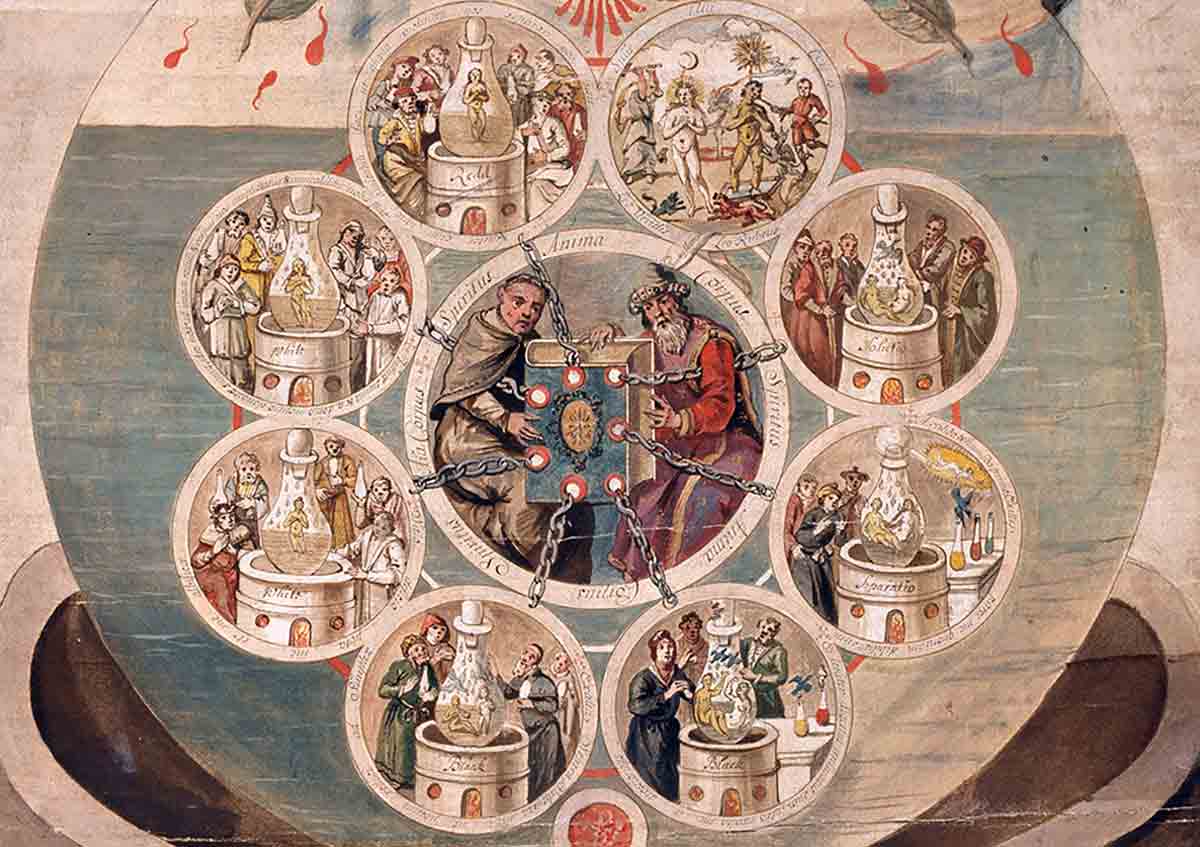
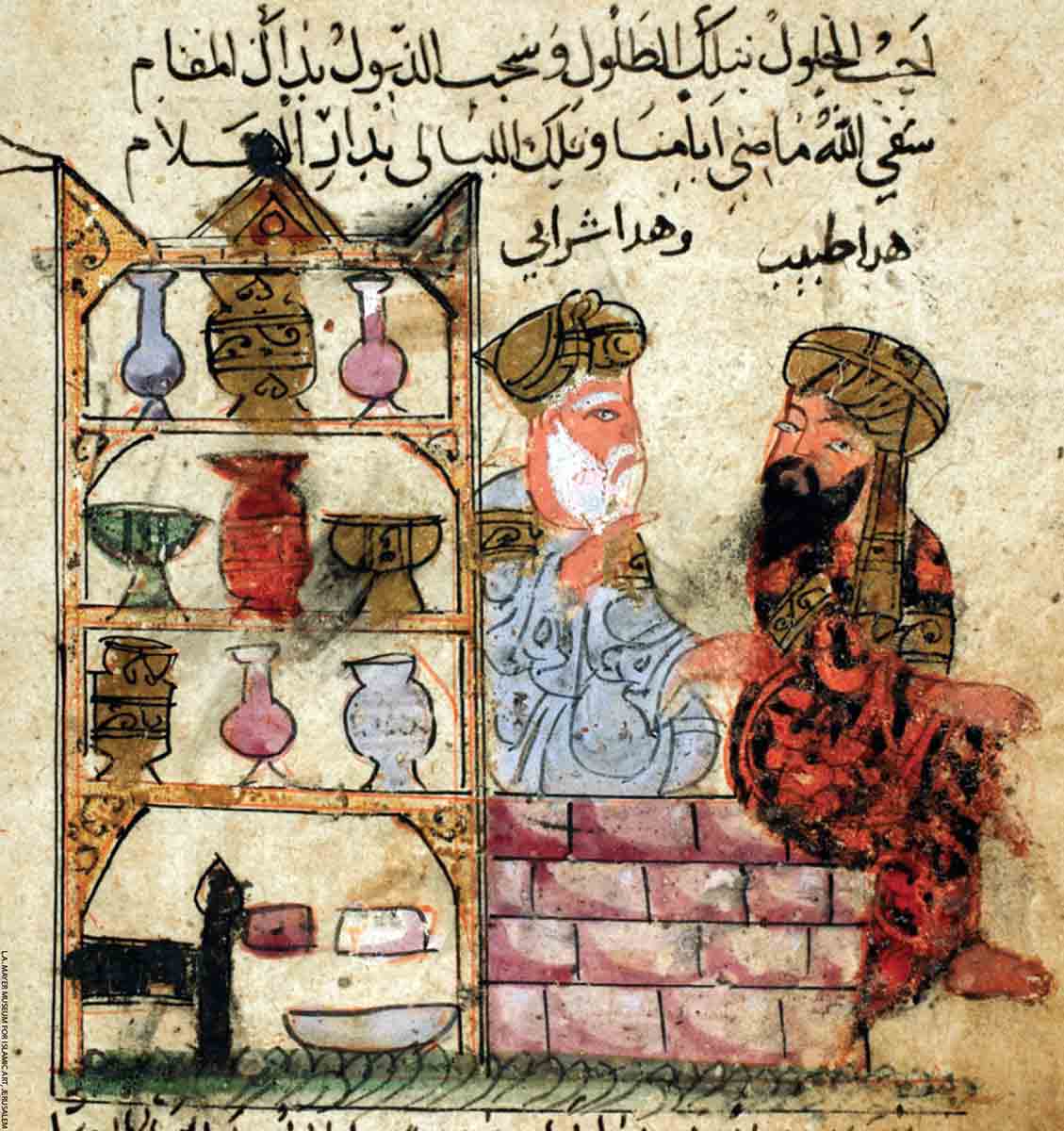
More knowledge was lost when Egypt was taken by the Arabs in the 7th century AD, and alchemy disappeared from European scholarship. But the Arabs embraced alchemy and continued to develop the art. In fact, the term alchemy comes from the Arabic “al” and “kimiya,” which comes from the Greek “chyma,” metal casting. Important works on alchemy were written in the following centuries by the likes of Jabir ibn Hayyan (Geber) and Abu Bakr al-Razi. Their texts were then translated into Latin, bringing alchemy back to Europe.
Alchemy Returns to Europe
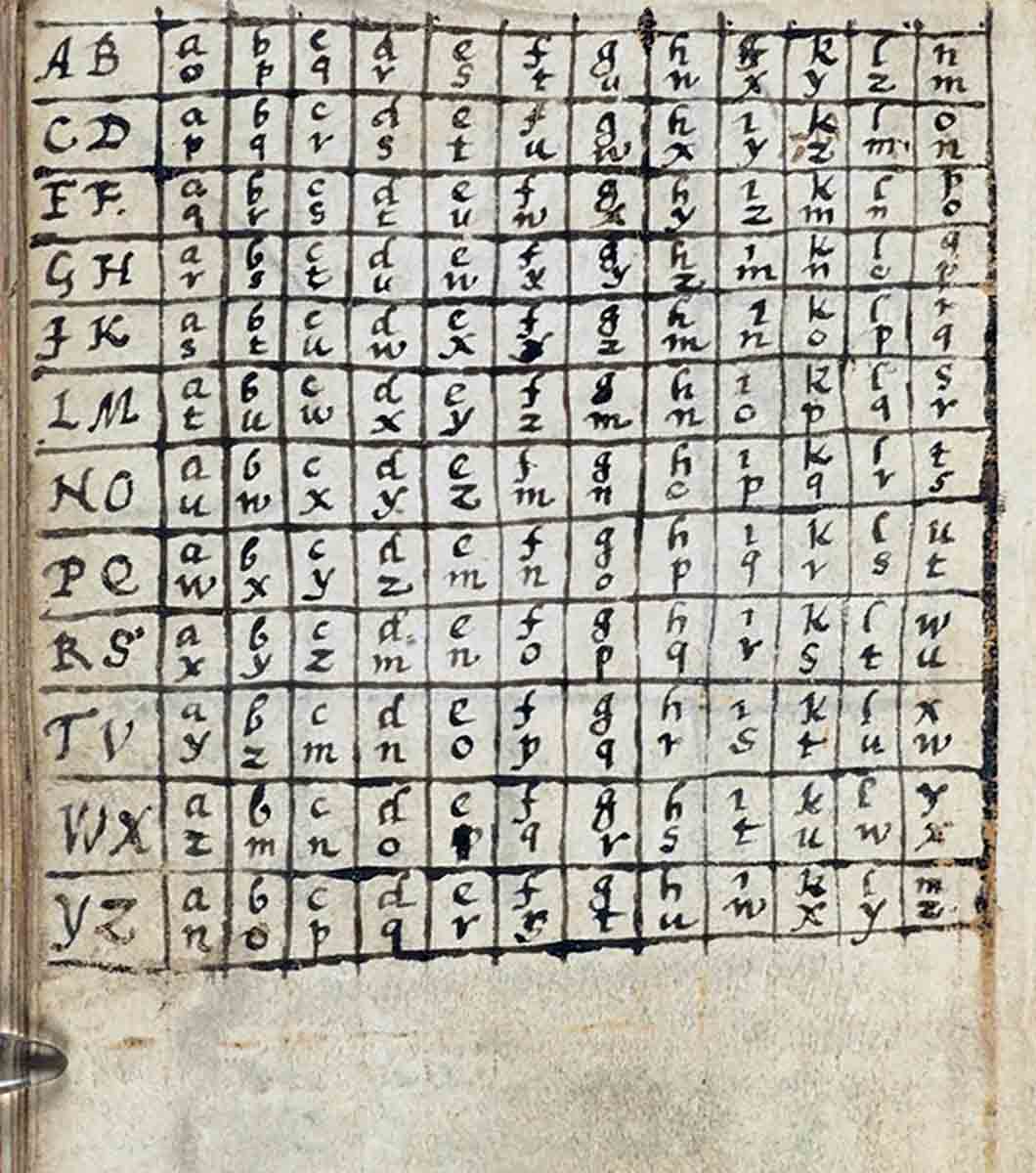
The rise of alchemy in medieval Europe is often dated specifically to 1144, when Robert Chester completed his translation of the Liber de Compositione Alchemiae from the Arabic by Khalid ibn Yazid. This opened a door into alchemy, and many more works were translated by important names such as Albertus Magnus and Roger Bacon. The Christian world was able to embrace alchemy thanks to the idea that the human soul divided itself at the fall of Adam, and that reforming would unite it with God. This aligned with alchemy’s aim of spiritual purification.
Alchemy was embraced among occult practices from around the 15th century. Heinrich Cornelius Agrippa (1486-1535) claimed that alchemy was a form of natural magic, separate from celestial and ceremonial magic. John Dee (1527-1608), a prominent figure at Queen Elizabeth I’s court, compiled a vast alchemical library and claimed that alchemy could also be used to communicate with angels.
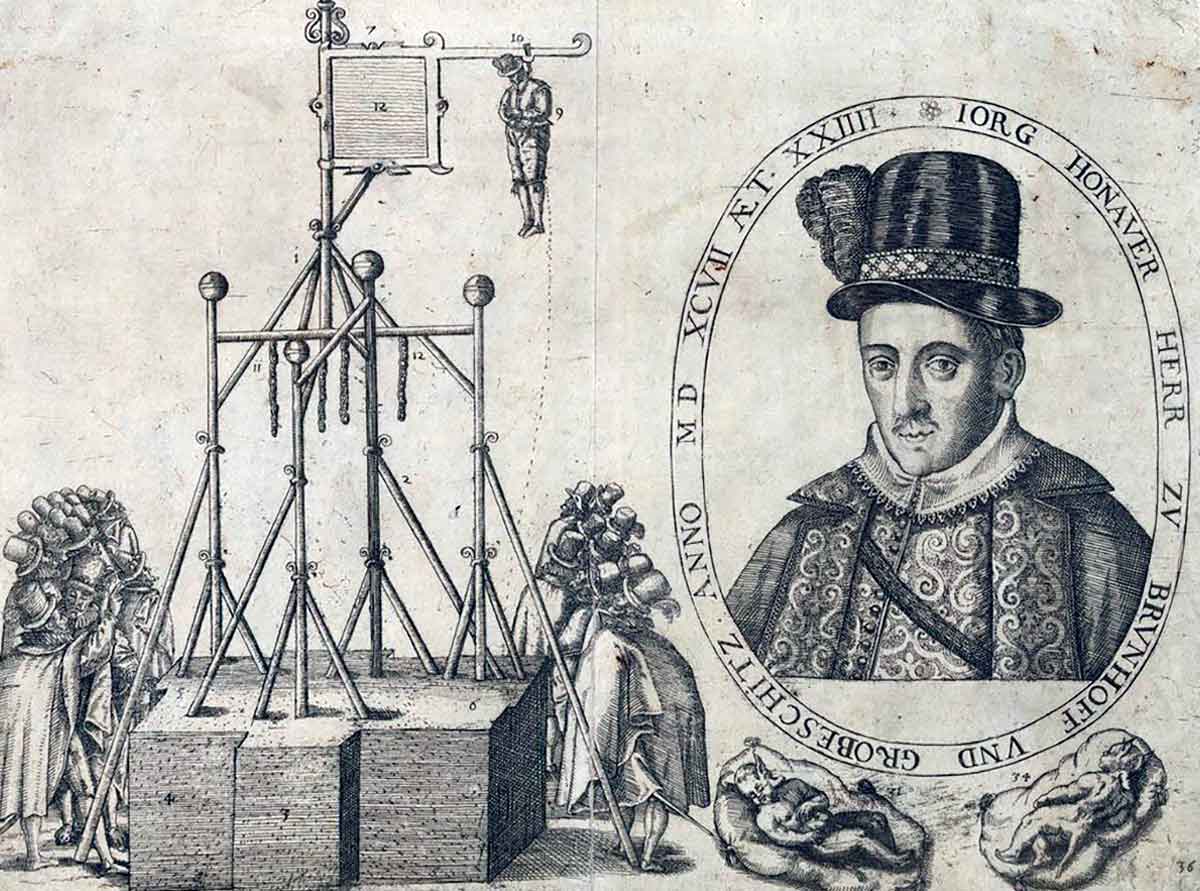
Alchemy has also always been dogged by fraud, which even Zosimus complained about. Edward Kelly (1555-1597) claimed that he could transmute base metals into gold using a mysterious red powder, but was later imprisoned for failing to produce said gold. Around the same time, self-proclaimed alchemist Honauer was hanged on gilded gallows in Stuttgart, wearing an outfit covered in gold tinsel, also for failing to turn iron into gold.
In the 20th century, Swiss psychologist Carl Jung dedicated himself to the study of alchemy as a metaphor for the unconscious mind. He used alchemical ideas to develop a psychological journey towards wholeness.
Can Lead Be Turned Into Gold?
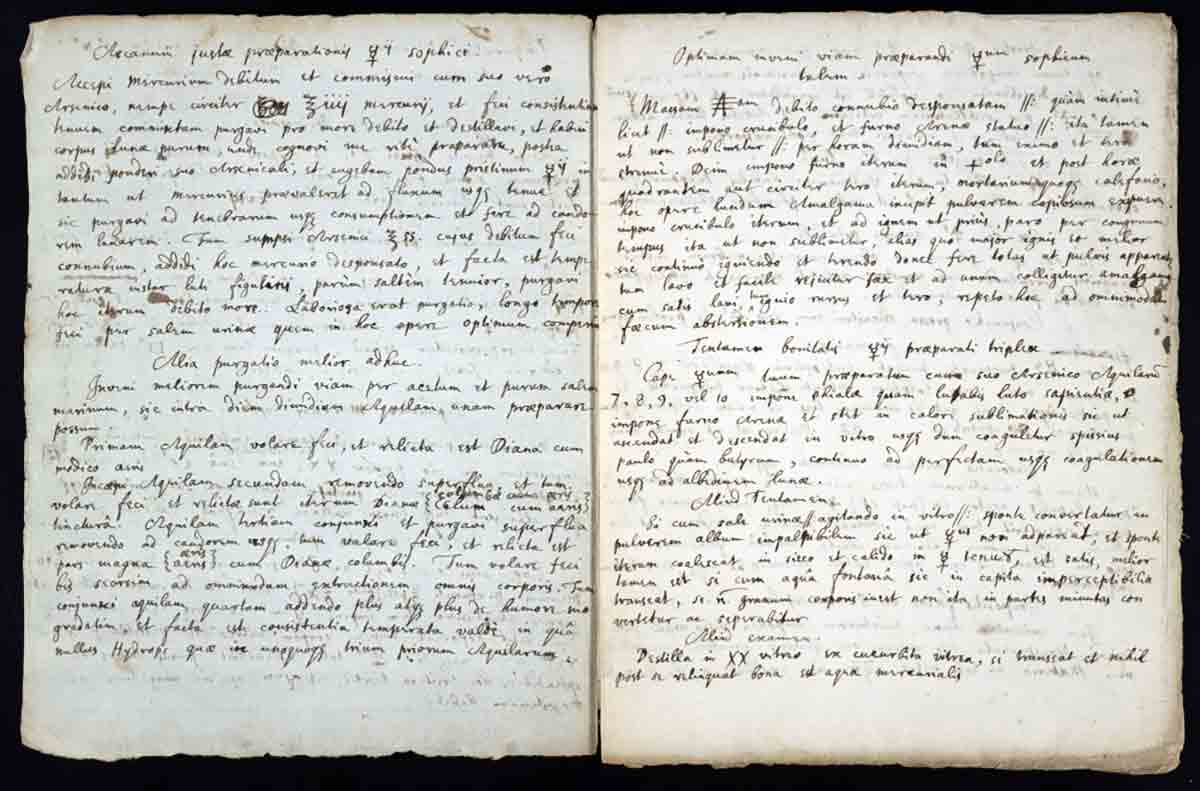
While often clouded by secret codes, some surviving alchemical texts record very specific recipes and rituals for the transmutation of metals and other substances. One example suggests that buck’s blood can soften glass, which is easily disprovable with experimentation. But this has never dissuaded alchemists, who understood that the world was complex and experiments not easily reproduced. Rather than assume that the recipe was wrong, they might think that they had the wrong time, or the wrong type of blood, or the wrong glass. Therefore, experimentation continued, even though many alchemists noted that, whatever they did with their subject metal, they never had more gold than they had started out with.
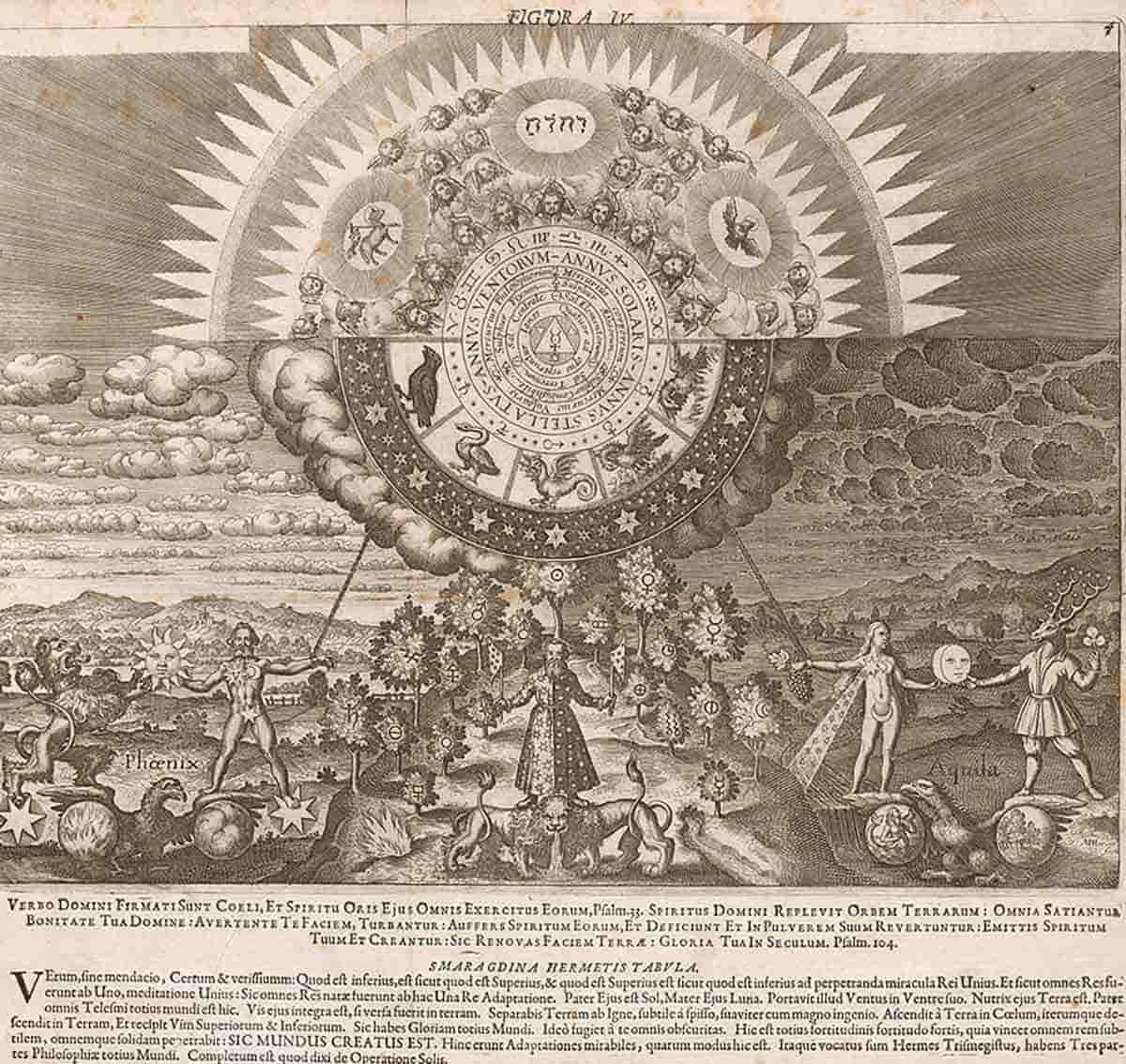
Several alchemists have claimed to have successfully transmuted lead into gold over the centuries. Famously, the 14th-century scribe Nicolas Flamel allegedly created the Philosopher’s Stone and produced gold, but these claims only appeared 300 years after his death. Despite several other claims, there is no definitive evidence that lead has ever been turned into gold through alchemy.
However, within the last decade, scientists at CERN finally achieved this ancient goal. Using the Large Hadron Collider, they accelerated lead ions to near light speed, forcing them to interact in such a way that stripped the protons from the lead nuclei, transforming them, momentarily, into microscopic amounts of gold.