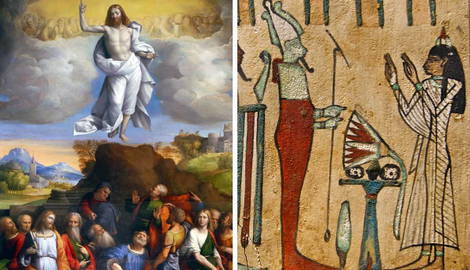

Various pagan mystery religions offer gods who, having died, do not stay dead. While most scholars differentiate their “rebirths” from the resurrection of Jesus, the belief that Christ’s return to life is borrowed from mythology remains popular on the Internet. However, when examined, we can see that they differ both in kind and purpose.
Jesus as a Historical Figure
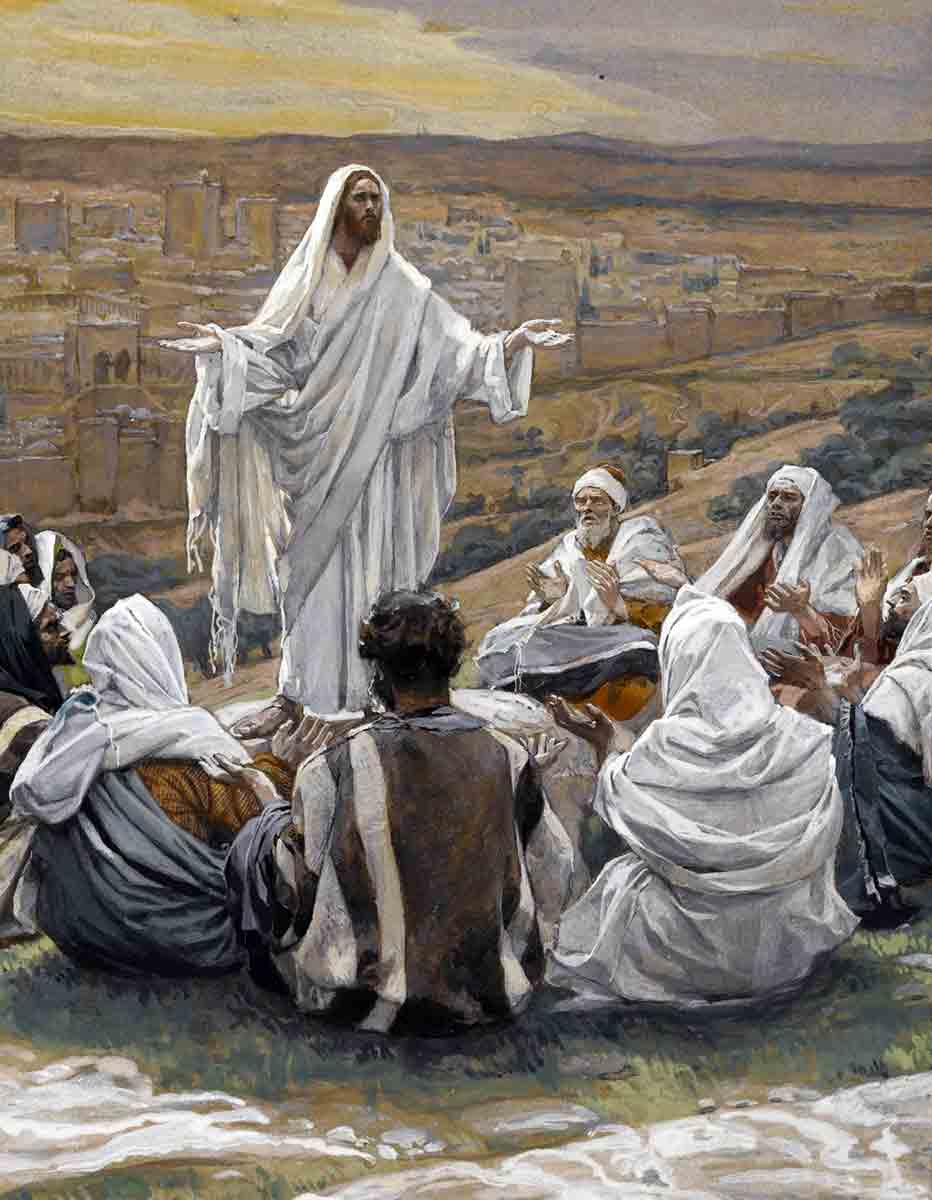
While historians may disagree over Christ’s identity as the Second Person of the Triune Godhead and his divinity, the majority of them agree that Jesus was a real person who existed in the 1st century AD. However, the same cannot be said of the various gods from the many pagan religions practiced at that time. Whether it’s the Egyptian Osiris, the Phoenician Melqart, or the Greek Adonis, there is no evidence that such characters actually existed.
In fact, while the gospels give us a clear picture of who Jesus was and what he did during his life on Earth, information about pagan religions is scarce and confusing. Historians have to cobble bits and pieces of material together to arrive at uncertain conclusions.
One reason for the lack of solid information about pagan deities lies in the fact that, as mystery religions, their adherents kept their practices secret, allowing only members of each cult to engage in them with the proviso that they kept their rituals to themselves.
The Golden Bough
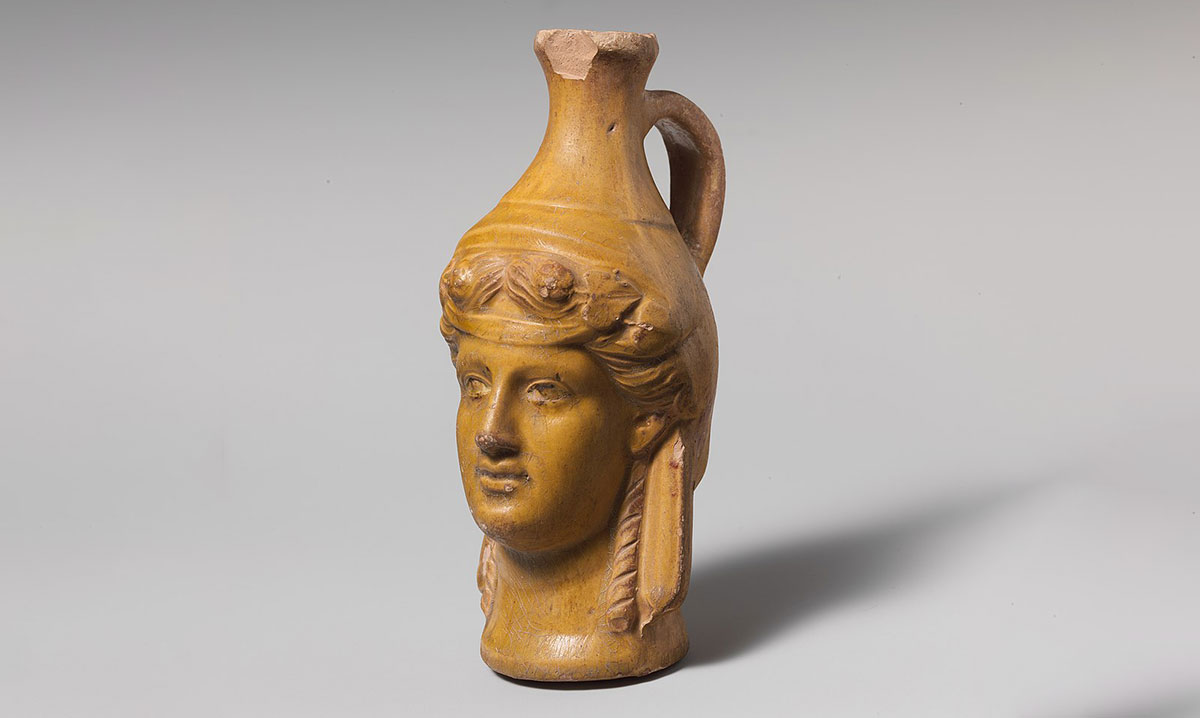
In 1896, J.G. Frazer published The Golden Bough, which was one of the first attempts to seriously compare Christ and the dying and rising gods of pagan mystery religions. He surmised that, at the center of every religion, was the idea of a god who was killed and then rose to reign again, a cycle repeated over and over again with the change of seasons. These gods were, therefore, tied in with agriculture. While they spent the winter in a dead state, they would supposedly arise in the spring as grain, for example. Such gods include the Egyptian Osiris and Dionysus, the Greek god of fertility and winemaking. However, their rebirths differ greatly from the resurrection of Jesus, who died only once and rose only once, to atone for the sins of humanity, and not in the form of an agricultural crop.
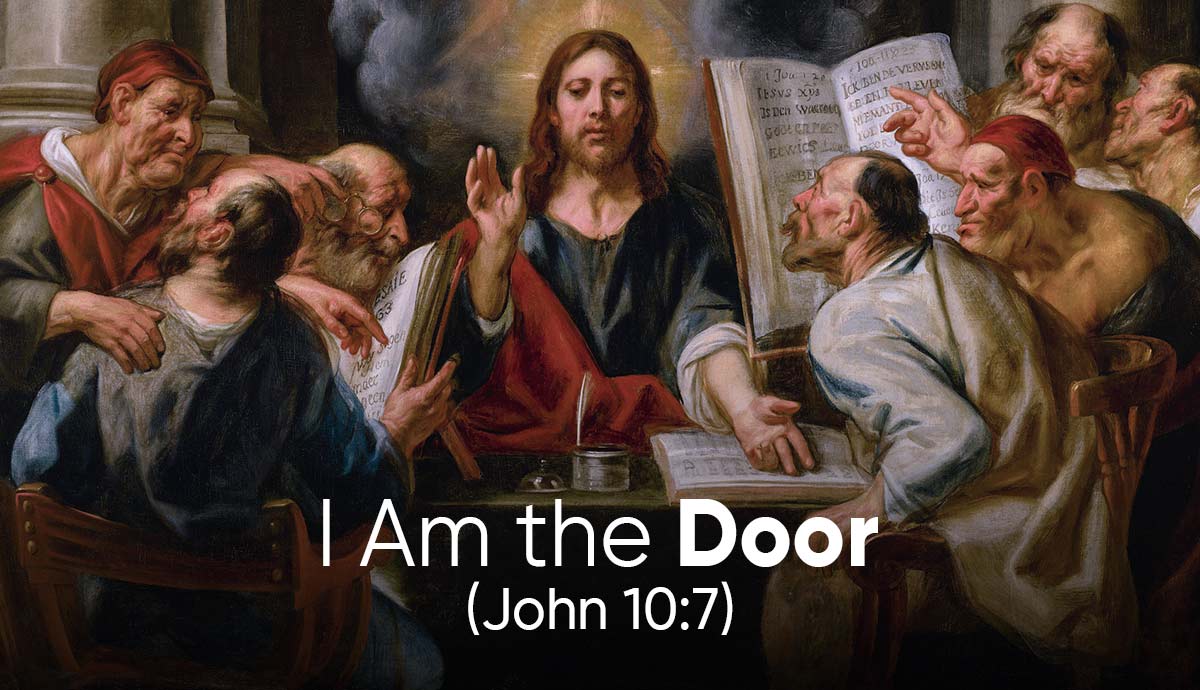
While pagan gods were mourned because of their demise, there is only triumph in the death and resurrection of Jesus. Pagan gods did not choose to die, unlike Christ, who made a point of stating that nobody took his life. Rather, he chose to give it as recorded in John 10:18: “No one takes [my life] from me, but I lay it down of my own accord. I have authority to lay it down and authority to take it up again.”
Definition of Resurrection
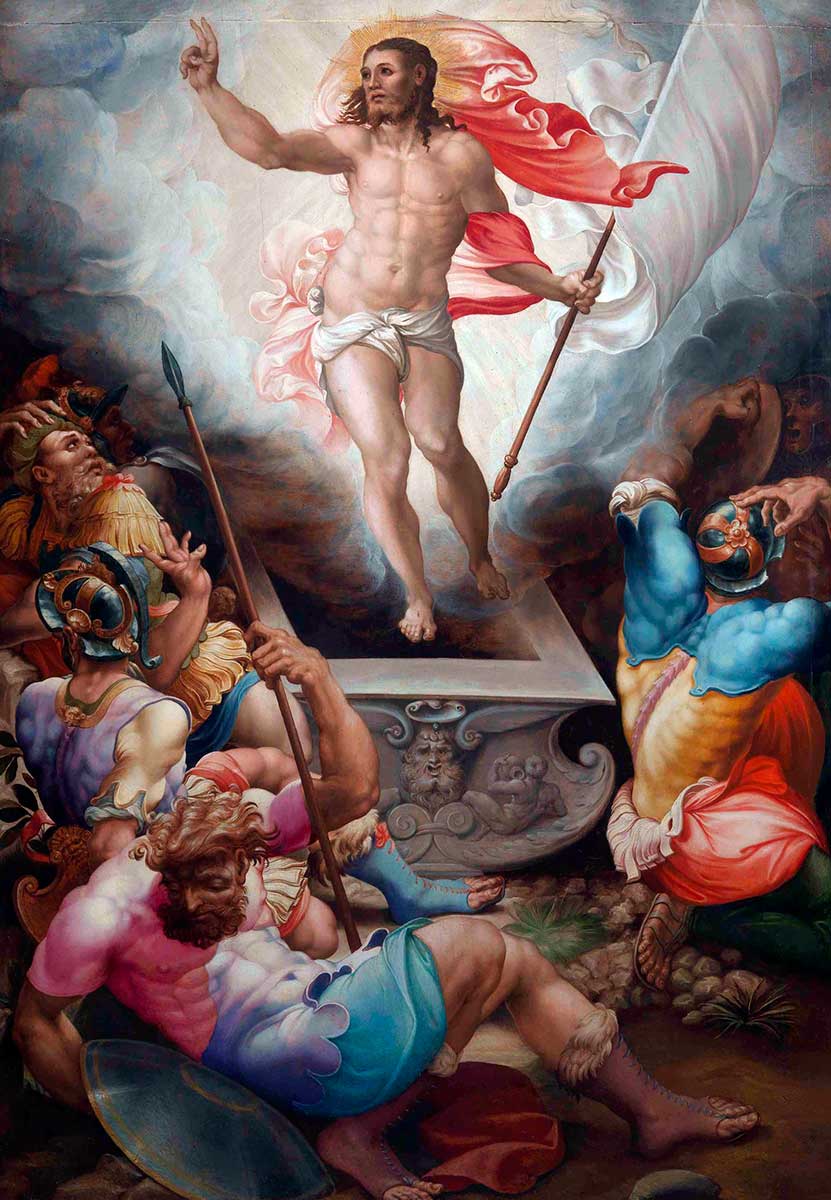
When Christians speak of resurrection, they refer to a physical body that dies and is then transformed into a glorified one. It is the same body, but it is raised to be, as the apostle Paul put it in the 15th chapter of his first letter to the Corinthians, “imperishable” and “incorruptible.” In other words, this new body will never get sick, never age, and never die again, as the mortal flesh has become immortal.
Paul explains that it is the same kind of body that the resurrected Christ had, a body that is not merely spiritual, as some suggest, but corporeal. We know this from Jesus’s appearance to the disciples in the Upper Room as he says to them, “See my hands and my feet, that it is I myself; touch me and see, for a spirit does not have flesh and bones as you see that I have” (Luke 24:39).
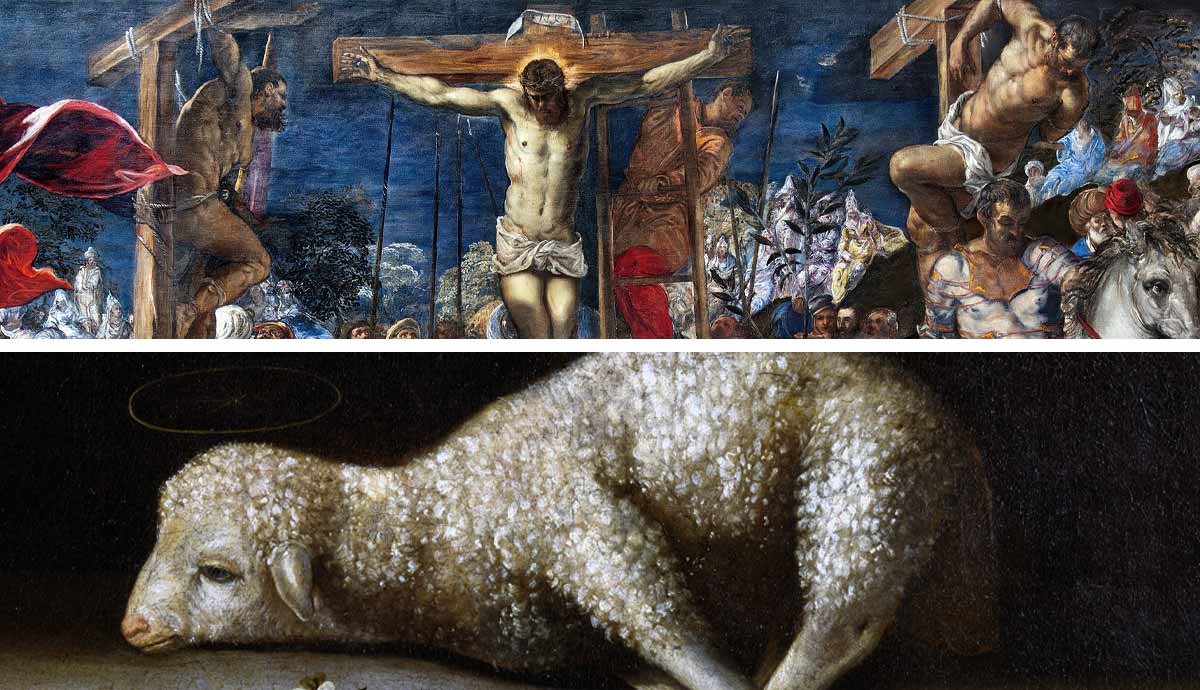
The purpose of Christ’s death and resurrection is unique in that he died to atone for the sins of humanity and rose from the dead to defeat death itself and provide eternal life for all who accept it in faith, making Christianity a universal religion. None of the localized pagan gods claims anything similar.
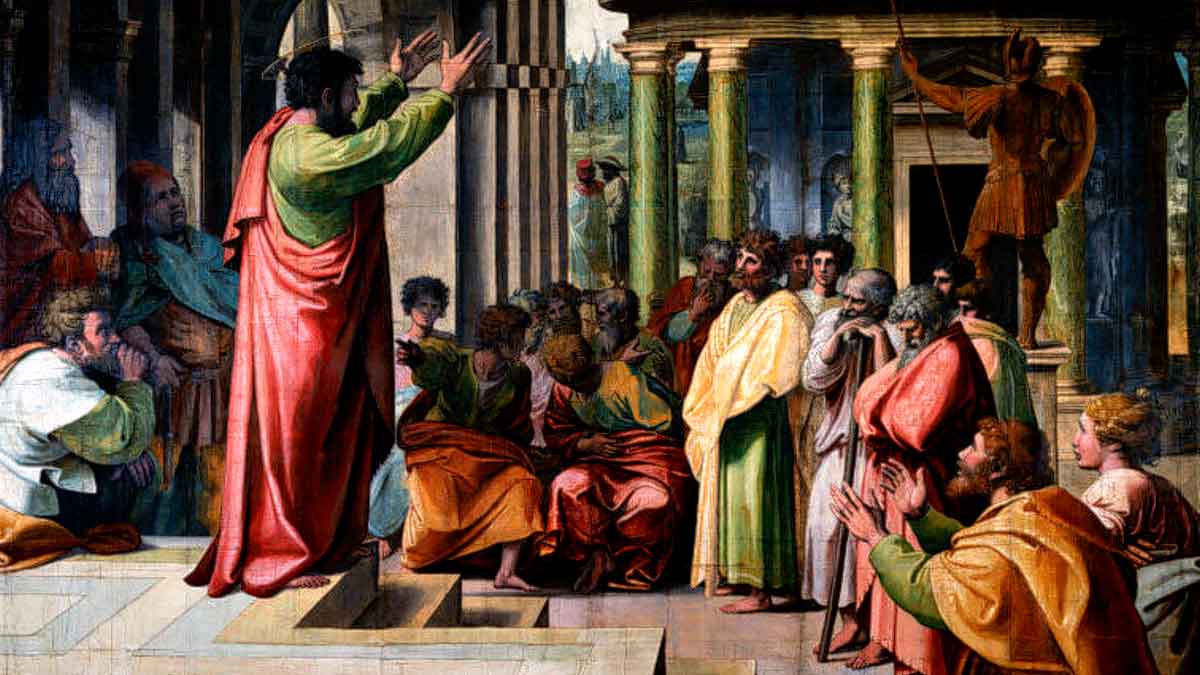
Additionally, upon examination, it is clear that Christianity did not borrow its dying and rising god from other religions, as much of the information we have about them dates well after the first century AD. In fact, when we take a look at what the Bible has to say about the uniqueness of Jesus, we see it in the reaction of the philosophers with whom Paul speaks at the marketplace in Athens.
When he tells them about the death and resurrection of Christ, they remark on the “new teaching” that he had presented to them and wanted to know who this “foreign” god about whom he preached was, saying, “You are bringing some strange ideas to our ears, and we would like to know what they mean” (Acts 17:20).
Definition of Reincarnation
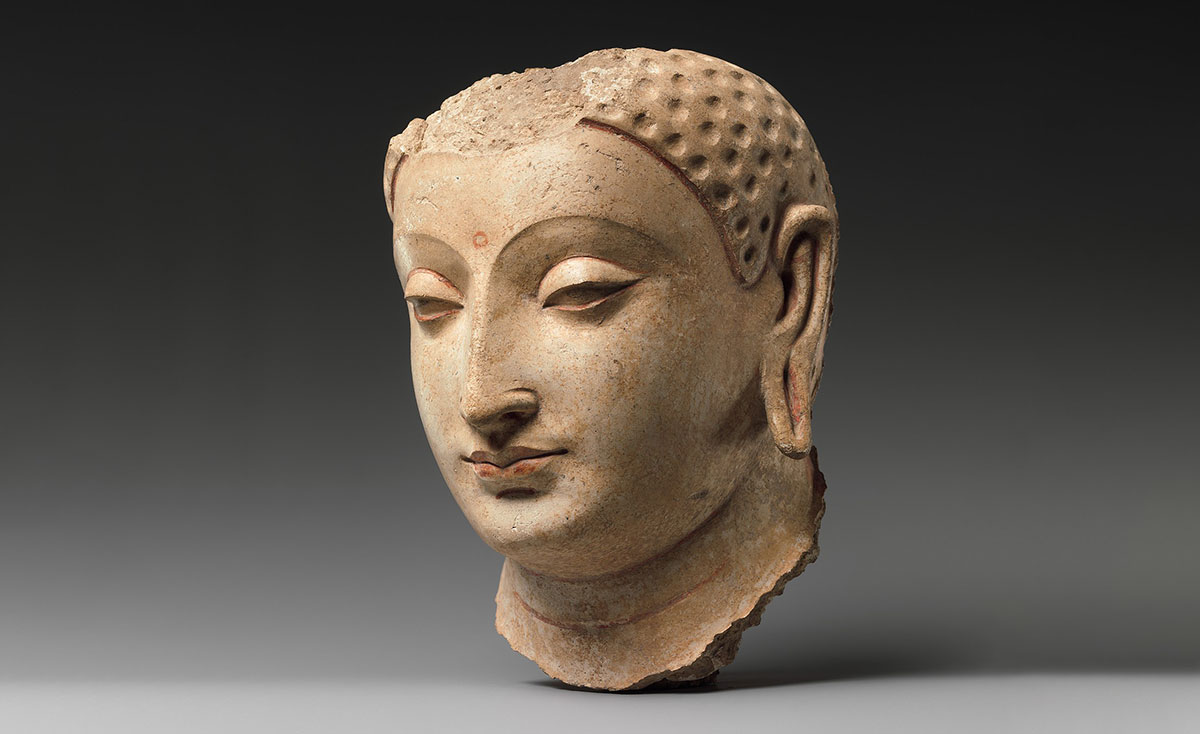
Reincarnation, also called rebirth, is not the same as resurrection. To be reincarnated is to be reborn in a new, different body, and not necessarily a human one. A person can, supposedly, return to life as an animal or even an insect. Whether one achieves a better life or a poorer one upon being reincarnated depends on how well one has conducted one’s life. The belief in it stems from Eastern religions such as Hinduism and Buddhism. Reincarnation offers a seemingly never-ending cycle of birth and reincarnation, birth and reincarnation, birth and reincarnation, over and over and over again.
Definition of Resuscitation
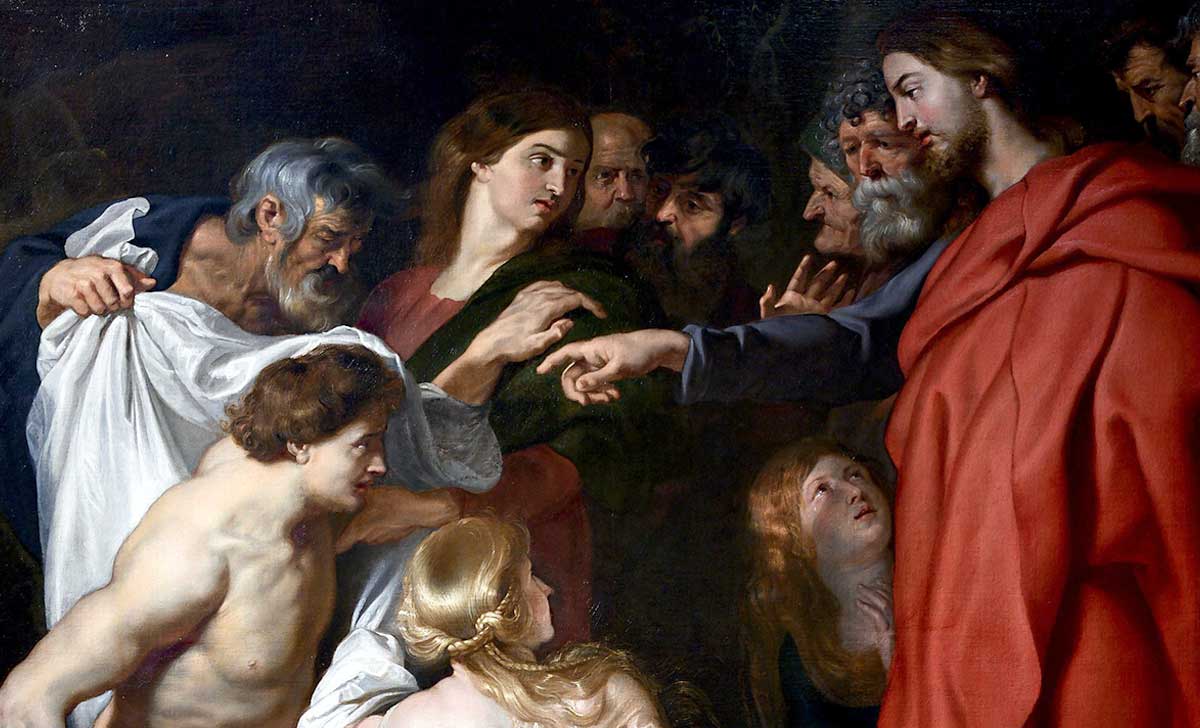
Resuscitation can also be called reanimation or revivification. It involves raising a person into life in the old body that had died. This body would still be prone to sickness, would age, and, ultimately, would die again at some point. We see examples of this in the case of Lazarus, whom Christ raised from the dead (John 11:41-44). Other instances include the son of the widow of Nain (Luke 7:14, 15) and Jairus’s daughter (Luke 8:52-55), both brought back to life by Jesus.
Adonis the Beautiful Youth
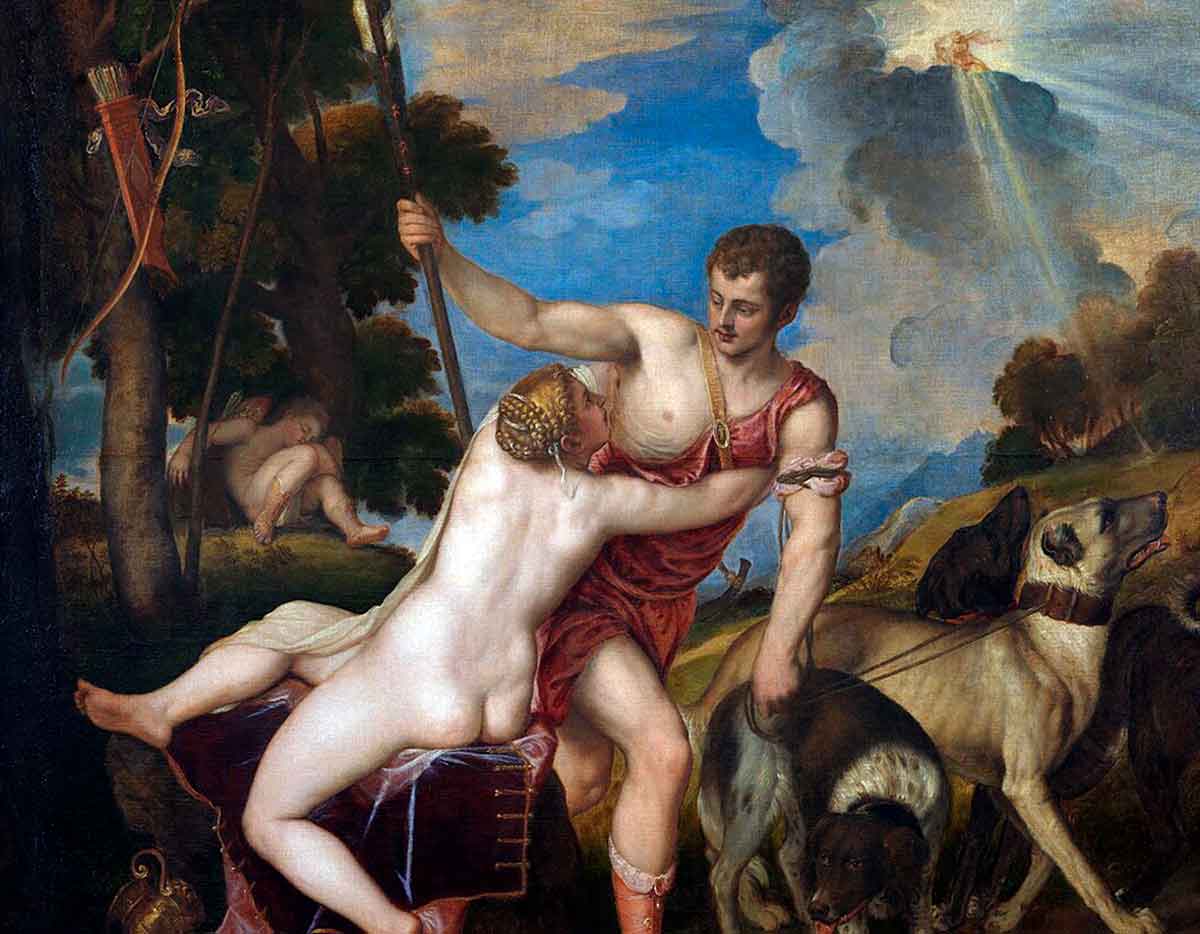
Like most myths, the story of Adonis appears in several versions. In one, Artemis, the goddess of the hunt, had the young man killed by a wild boar. Aphrodite (known as Venus by the Romans), the Greek goddess of love, beauty, pleasure, and procreation, pleaded with the great god Zeus to bring him back to life. Zeus apparently did, although we are not told how, and Adonis then spent half the year in the Underworld and half with Aphrodite.
As with so many pagan gods, Adonis was tied in with the cycle of the season, dying in winter, but coming back to life in the spring. His followers held festivals in his name to encourage his blessing of plenty of rain and successful crops.
Apis and the Cycle of the Bull
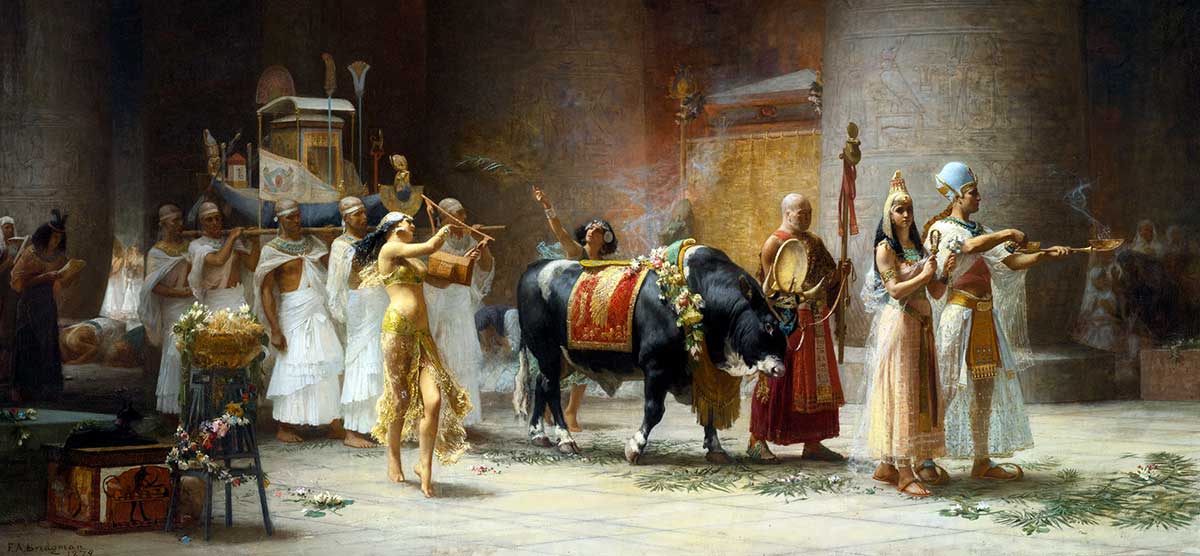
Depicted as a bull with a solar disc and a serpent between its horns, Apis was supposedly the incarnation of the god Ptah, and was highly venerated in Egypt. Priests selected a bull for worship based on its physical markings. It had to be black with a white triangular marking on its forehead as well as a white marking on its back that looked like the wings of a hawk, a white crescent on its side, and a lump under its tongue that resembled a scarab.
If, after 25 years, the bull was still alive, the priests would kill it. The followers of Apis believed that, in death, the animal merged with Osiris, the god of the Underworld, and rebirth, becoming Osirapis. The priests would find a new calf with the requisite markings as the next incarnation of Ptah, in which the eternal spirit of the previous bull would live on.
For the Egyptians, the death of the bull and the rebirth of the spirit in another bovine symbolized their own death and renewal as they saw the afterlife as a continuation of existence, only on a different plane.
Attis, God of Vegetation
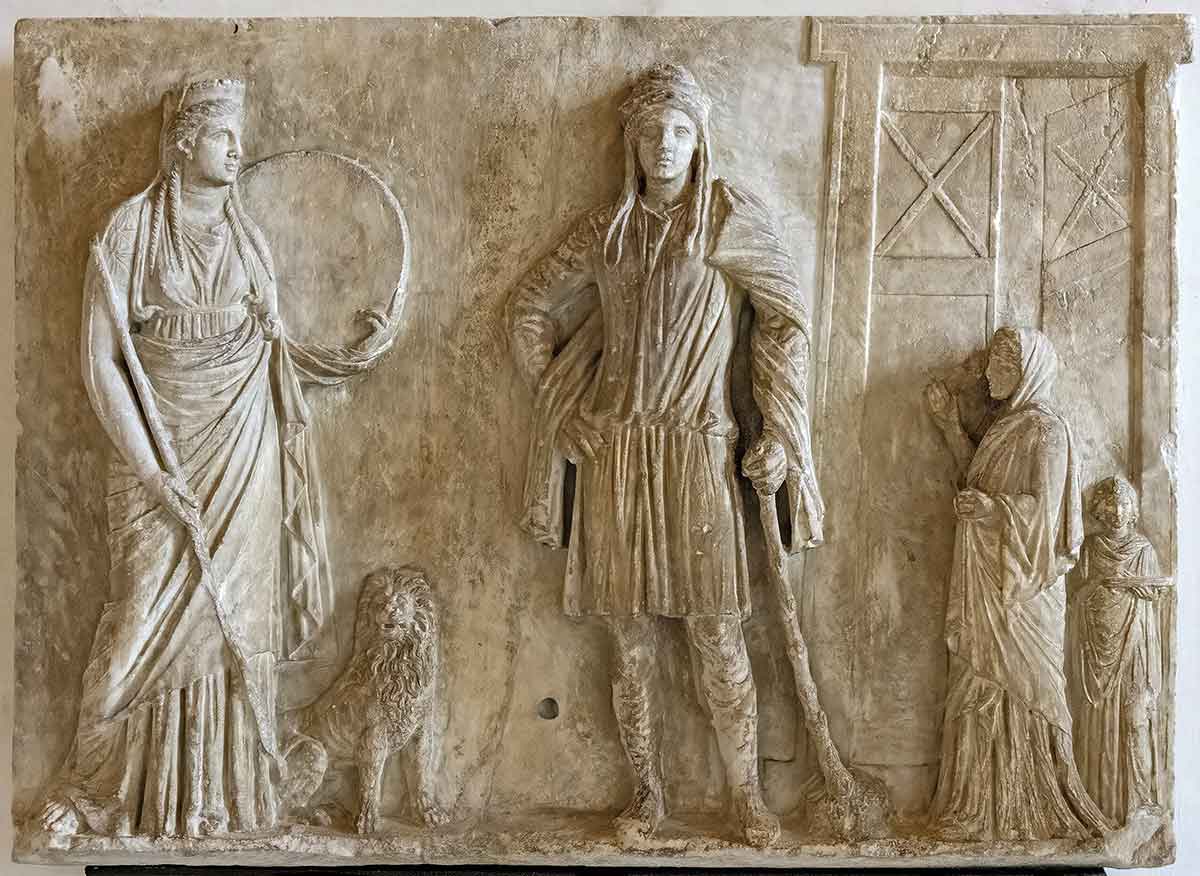
Attis was a vegetation god, a product of Asia Minor (modern-day Turkey). He was, apparently, comely in appearance. Agdistis, originally a hermaphrodite who accidentally castrated himself, became Cybele and fell in love with Attis. At the wedding of Attis to the daughter of a king, Cybele appeared and, somehow, in the midst of it all, Attis went mad, castrated himself, and bled to death under a pine tree.
There are multiple versions of Attis’s life and death, but all include the element of castration and, somehow, out of all of it, came the idea that Attis was resurrected at springtime, thereby symbolizing the return of life to the Earth. Worship of him was supposedly to ensure good crops for his followers. While Attis is considered a dying and rising god, information about just how his rebirth came about is unclear.
Dionysus, God of Fertility, Wine, and Much More
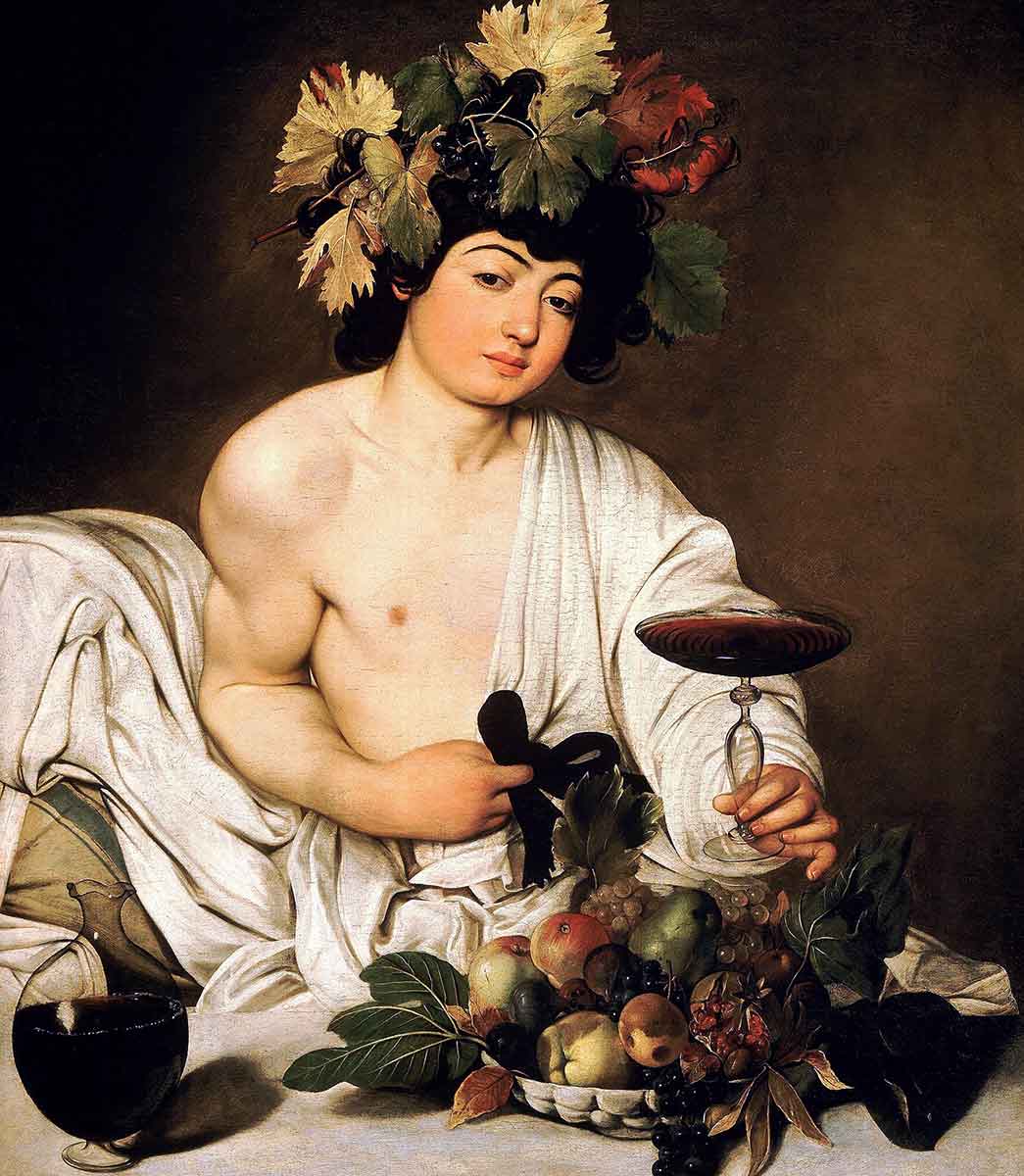
There are multiple versions of how Dionysus, the god of wine, winemaking, grape cultivation, fertility, ritual madness, theater, and religious ecstasy, came to die and was resurrected. One story has the Titans killing him and ripping him apart as an infant. His heart is saved, and Semele makes a potion of it and drinks it. Then one of her lovers begets Dionysus, to whom she gives birth.
A second version of the tale suggests that Semele is incinerated in the presence of Zeus, who saved Dionysus by ripping him from her womb before she burned to ashes. He then sewed the baby into his thigh, where he grew to manhood, at which point Zeus “gave birth” to him.
Another version suggests that Zeus swallowed the beating heart of the infant upon his dismemberment by the Titans and then gave birth to the baby through his thigh. And yet another telling of the myth suggests that Zeus put the full-grown Dionysus back together again, rather like Humpty Dumpty, only with greater success, following a battle in which Dionysus was hacked to pieces.
Melqart, God of Tyre
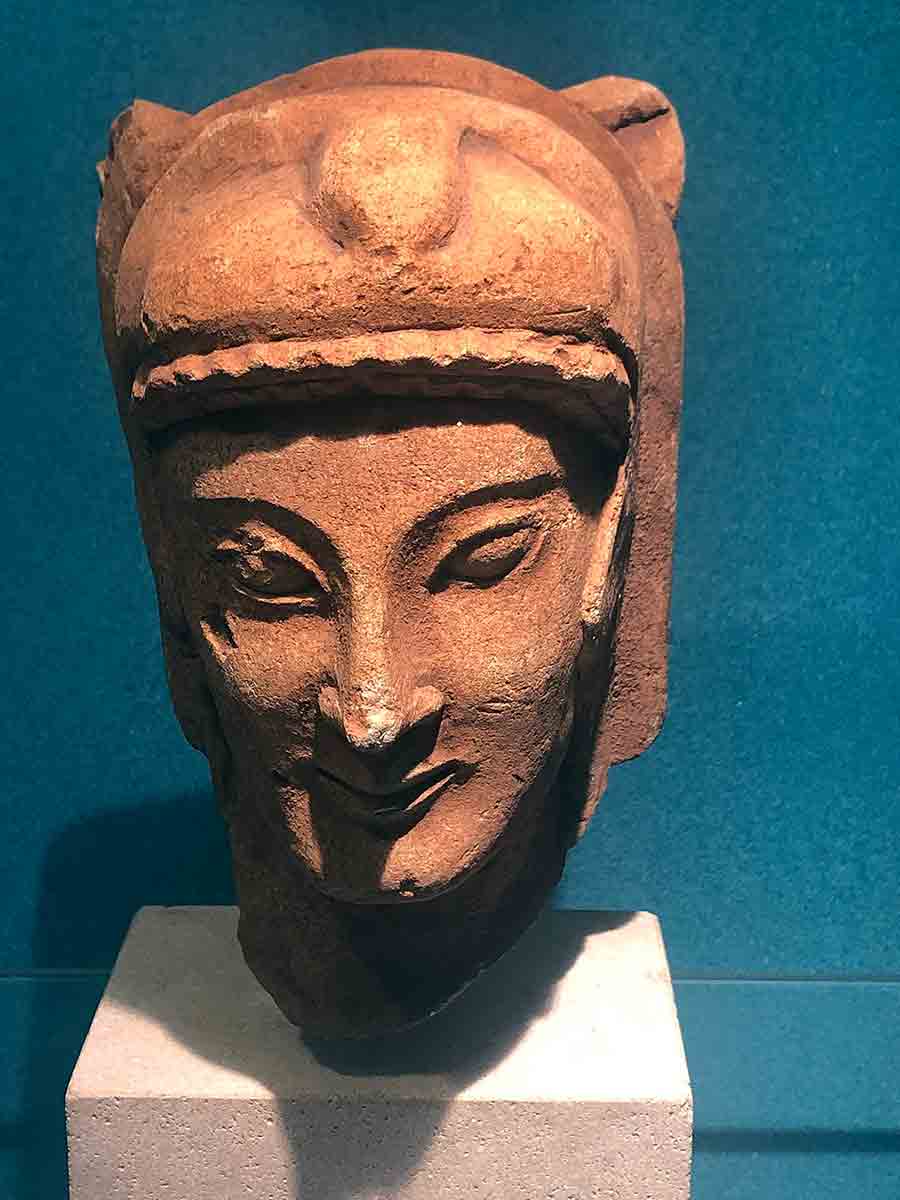
Melqart was particularly popular in the Phoenician city of Tyre, where he was called the King of Tyre. The Greeks referred to him as Herakles or Hercules. As with other pagan deities, there are many versions of his life, death, and rebirth. In the Roman version, he set himself on fire to burn away the human parts of him, but died in the process. Another version says the monster Typhon killed him.
As to his rising from the dead, we have no information about the process, but his followers held an awakening festival each spring to re-enact his supposed rebirth. They made sacrifices of both animals and humans to him. As with the other pagan dying and rising gods, he was tied to the people’s agricultural activities, and his death and rebirth were cyclical according to the seasons.
Osiris, God of the Underworld
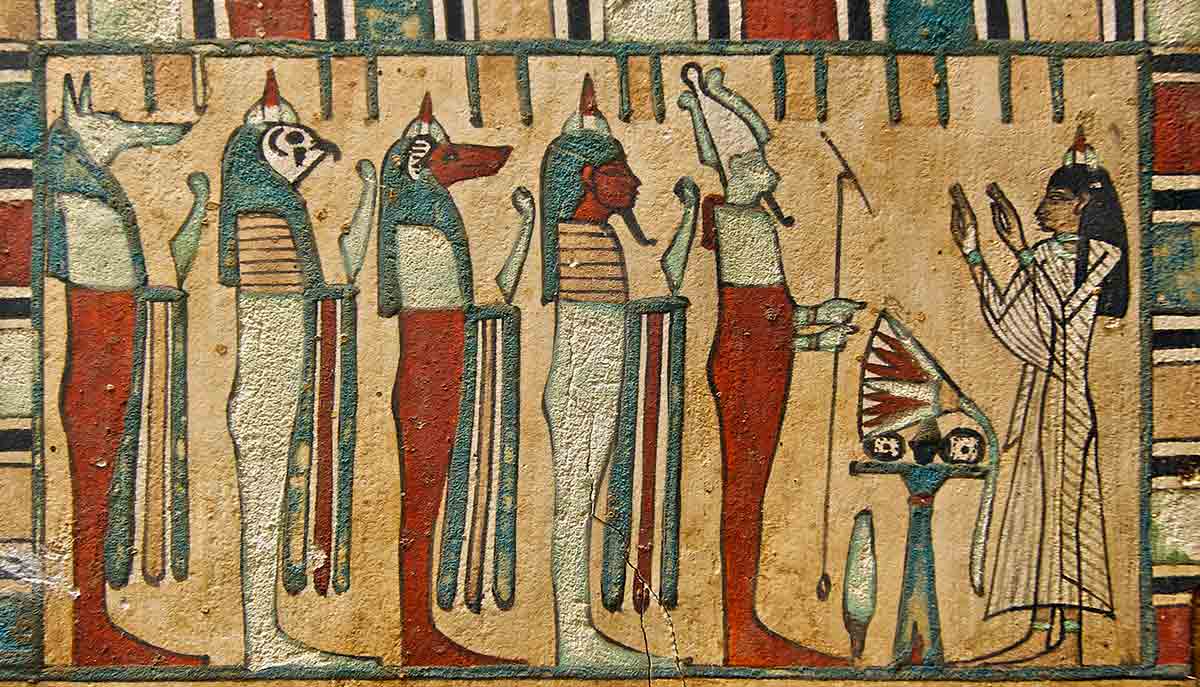
According to one version of this myth, Set (also called Seth), the brother of Osiris, kills and dismembers him, flinging the various parts throughout Egypt. His wife, Isis, gathers the bits of him and puts them back together magically.
Another variation suggests that Isis buried all the pieces of him except his phallus, the saving of which supposedly represents his rebirth. Either way, Osiris could not return to life on Earth, but became the king of the Underworld. While he was the god of the dead, he also represented a life-giving fertility god, linked with the cycle of the seasonal “rebirths and deaths.”
Persephone, Queen of the Underworld
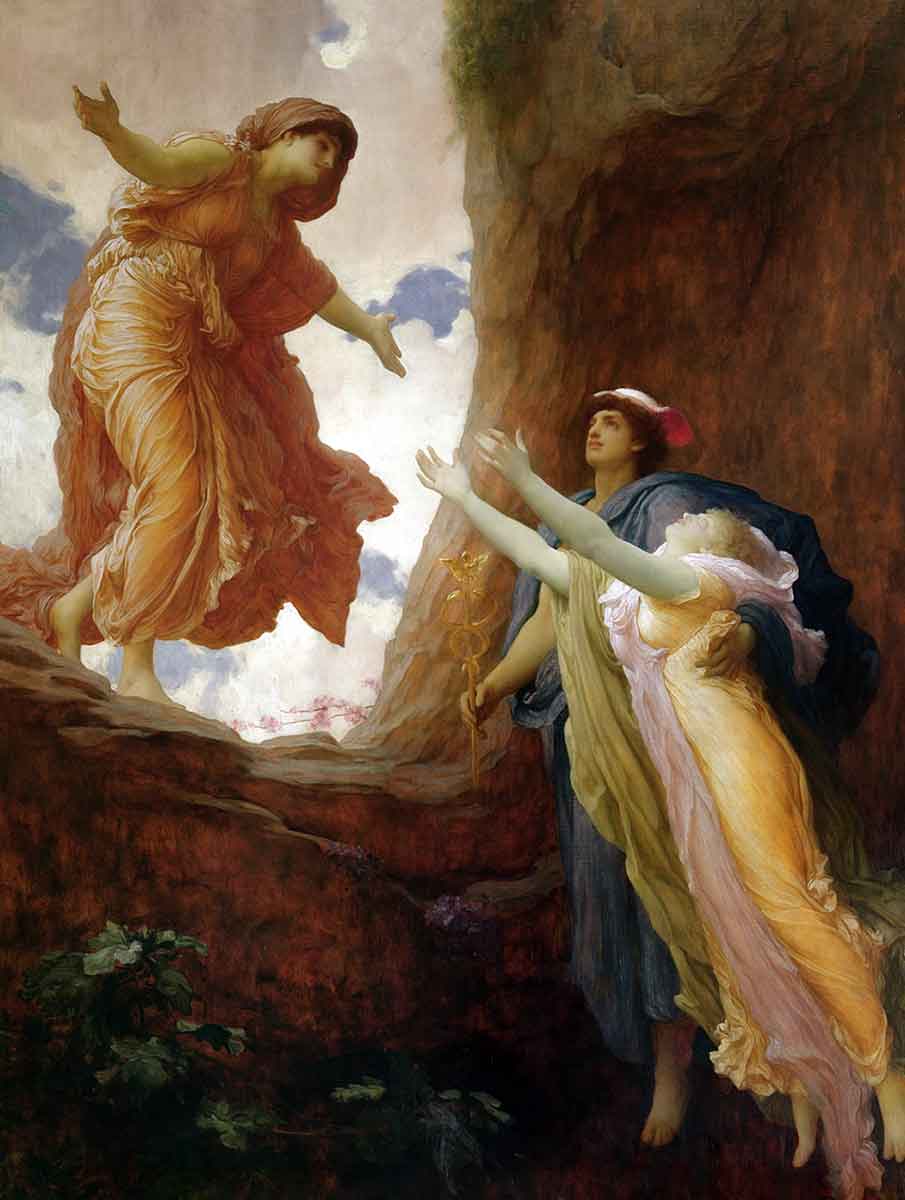
Hades, king of the Underworld, kidnapped Persephone while she was picking flowers and took her to his domain. Because her mother, Demeter, became distraught over the loss of her daughter, she neglected her role as a goddess of vegetation, and a drought ensued. In response, Zeus ordered Hades to return Persephone to her mother.
If someone ate or drank anything in the netherworld, that person could not return to life. Unfortunately, Persephone ate six pomegranate seeds, which precluded her from returning to her mother full-time. She could only spend six months with Demeter and had to return to Hades for six months of the year—the winter months, of course, when the earth lay dormant. Once again, we see the “dying and rising” of a god connected to the changes of season and planting, and harvesting.
Conclusion
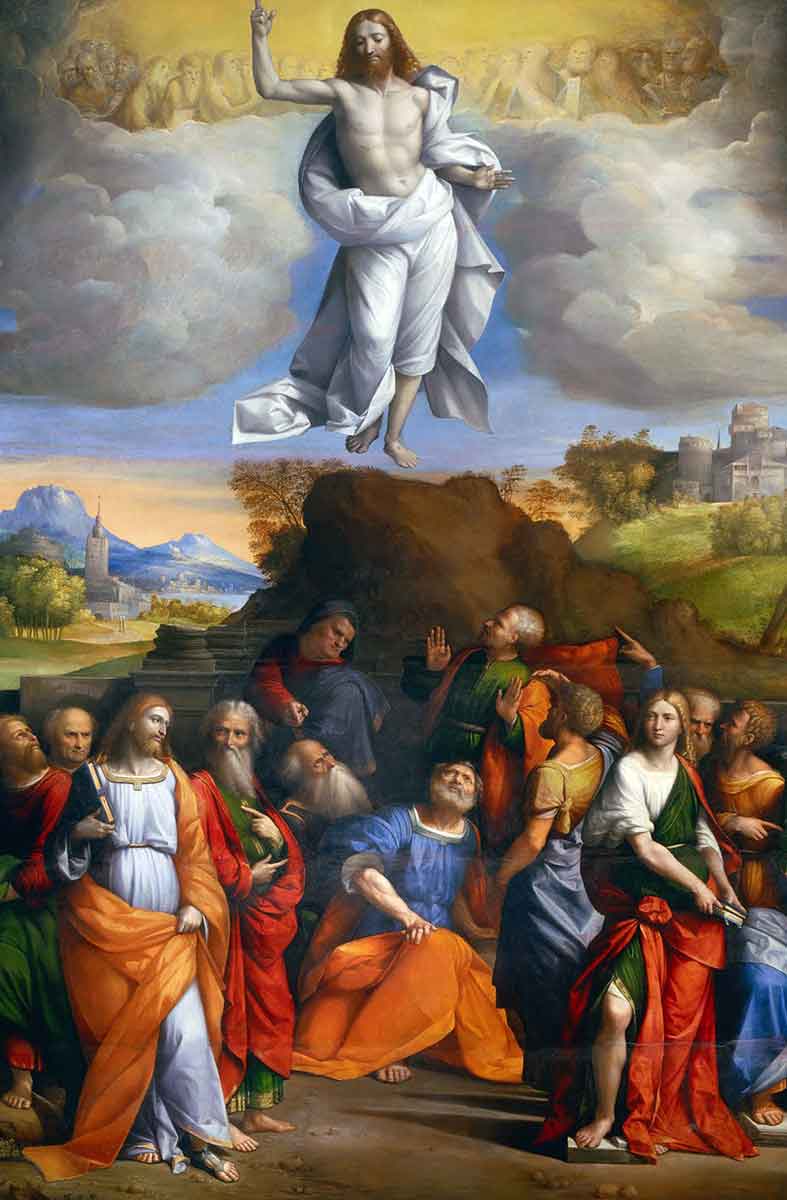
While pagan myths offer dying and rising gods, it is clear that their so-called rebirths are not the same as the resurrection of Jesus. Any resemblance is superficial while the differences are profound.