
The Bible has been the best-selling and most widely distributed book in the world for centuries. Therefore, it is no surprise that so many of its sayings have entered the English language. However, many people are unaware of their origins in scripture. Here are twelve of the most common sayings from the Bible:
1. Going the Extra Mile (Matthew 5:41)
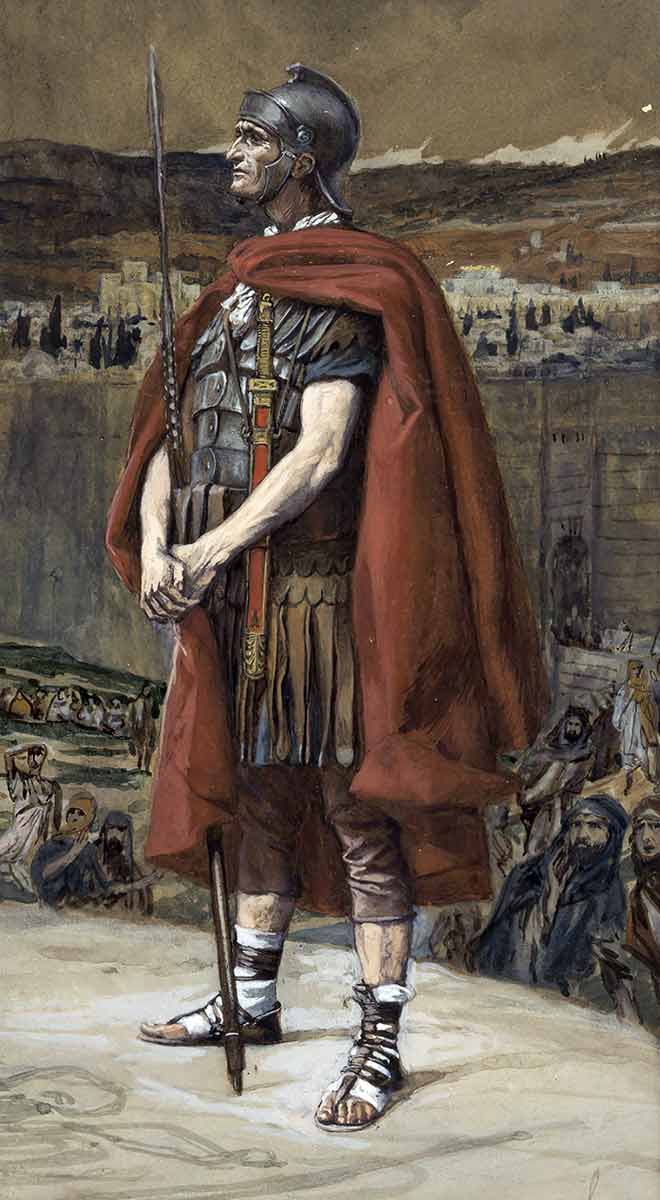
We understand that, when we do something beyond what we need to do, we are going the extra mile. The phrase comes from Matthew’s Gospel, in verse 41 of his fifth chapter. Jesus states, “If someone forces you to go a mile, go with them two miles.”
At that time, if a Roman soldier encountered a Jewish man while walking, he could force the fellow to put down his own belongings and carry those of the soldier in whatever direction the military man was going. However, the law dictated that this could only be for one mile, at which time the Jew would be relieved of the burden and could go his own way.
Christ’s words must have seemed unbelievable and even laughable to his listeners, as they could not imagine going another mile when they did not have to. On the soldier’s part, if he was caught with a Jew carrying his gear more than a mile, he would be penalized. Basically, the instruction called for the Jewish man to take the high road, an idiom that does not come from the Bible!
2. You’re Putting Words in My Mouth (Isaiah 51:16)
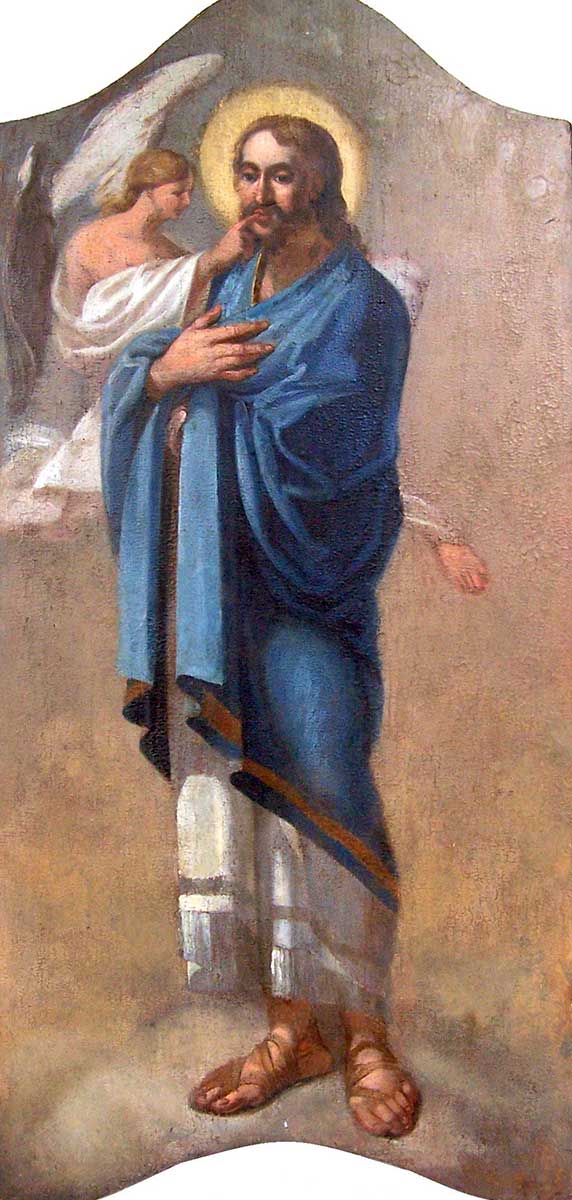
When someone misinterprets and misrepresents what we have said, we accuse them of putting words in our mouths, words we never uttered and never meant. The phrase is found in several Old Testament passages:
In Deuteronomy 18:18, God promises to raise a prophet and “put my words in his mouth, and he will tell them everything I command him.”
In Isaiah 59:21, God states, “My Spirit that is upon you, and my words that I have put in your mouth, shall not depart out of your mouth.”
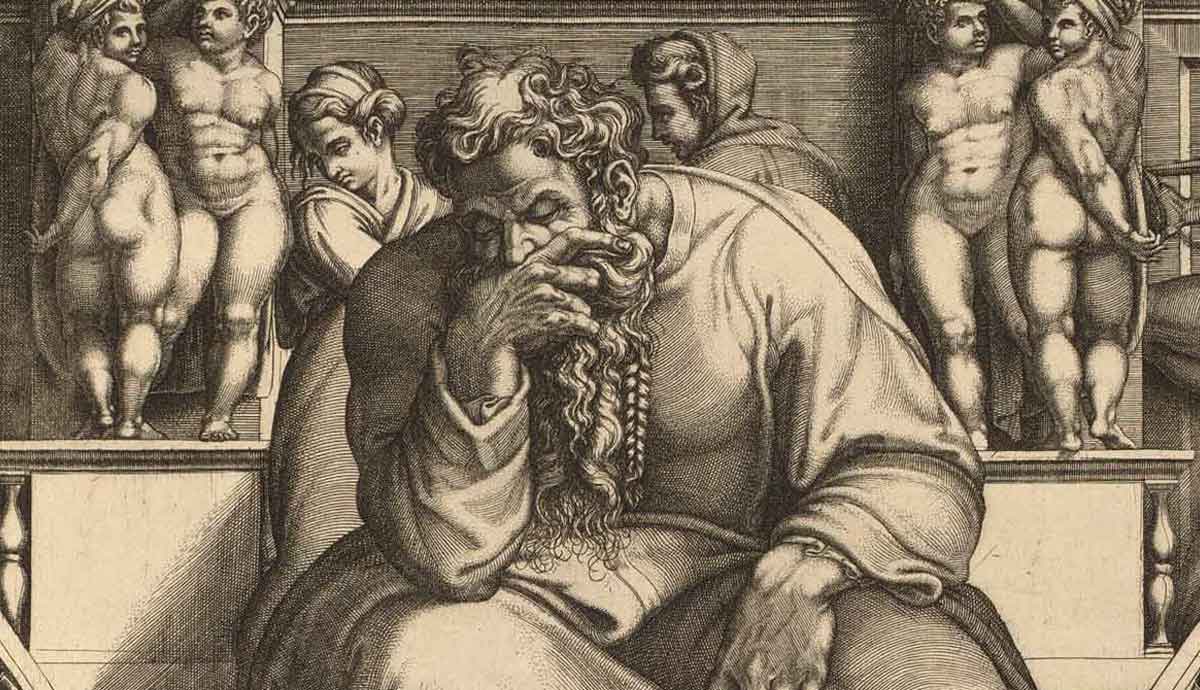
In Jeremiah, we read, “Then the LORD reached out His hand and touched my mouth and said to me: ‘Behold, I have put my words in your mouth.'”
The job of a prophet was to deliver the messages of God to the Israelites. Putting words in their mouths was a poetic way of saying that the LORD told them what to say. Therefore, from the Bible’s perspective, this was a good thing. However, today, we see it as bad because it implies dishonesty and deceit on the part of the one who has altered what we said.
3. A Leopard Never Changes Its Spots (Jeremiah 13:23)

We use this phrase to indicate that a person will never change, that his or her character will remain fixed. Therefore, if a man is a liar, he will always be a liar. If a woman is a cheat, she will always be a cheat. The statement comes from the Old Testament book of Jeremiah. In it, the prophet Jeremiah states that an evil person will stay evil forever. ‘“Can an Ethiopian change his skin or a leopard its spots?” he says. “Neither can you do good who are accustomed to doing evil”’ (Jeremiah 13:23). He is talking about those Israelites who constantly disobeyed God and refused to follow his will, which led to his judgment of them through exile and hardship in Babylonia.
4. She’s the Apple of His Eye (Deuteronomy 32:10 and Psalm 17:8)

This phrase is found in Deuteronomy 32:10 and Psalm 17:8. In the former, God declared that the nation of Israel was the apple of his eye, meaning that he cherished the Israelites and would take care of them and protect them. David, who God chose to be king of Israel, used the phrase in his psalm as he petitioned his heavenly father for safety and protection in the face of his enemies. “Keep me as the apple of your eye,” he says.
As to how and why the phrase arose, the Hebrew word translated as “apple” is actually the word for the pupil of the eye, and some versions of the Bible, such as the Christian Standard Bible (CSB) and the New English Translation (NET), translate it as such. However, older translations such as the King James Version (KJV) retain the idiom. It refers to the tiny reflection of oneself that can be seen in another person’s eye. In other words, God, looking at the people he created and loved, could see his own reflection in them as they were made in his image.
5. We All Have Our Cross to Bear (Luke 14:27)
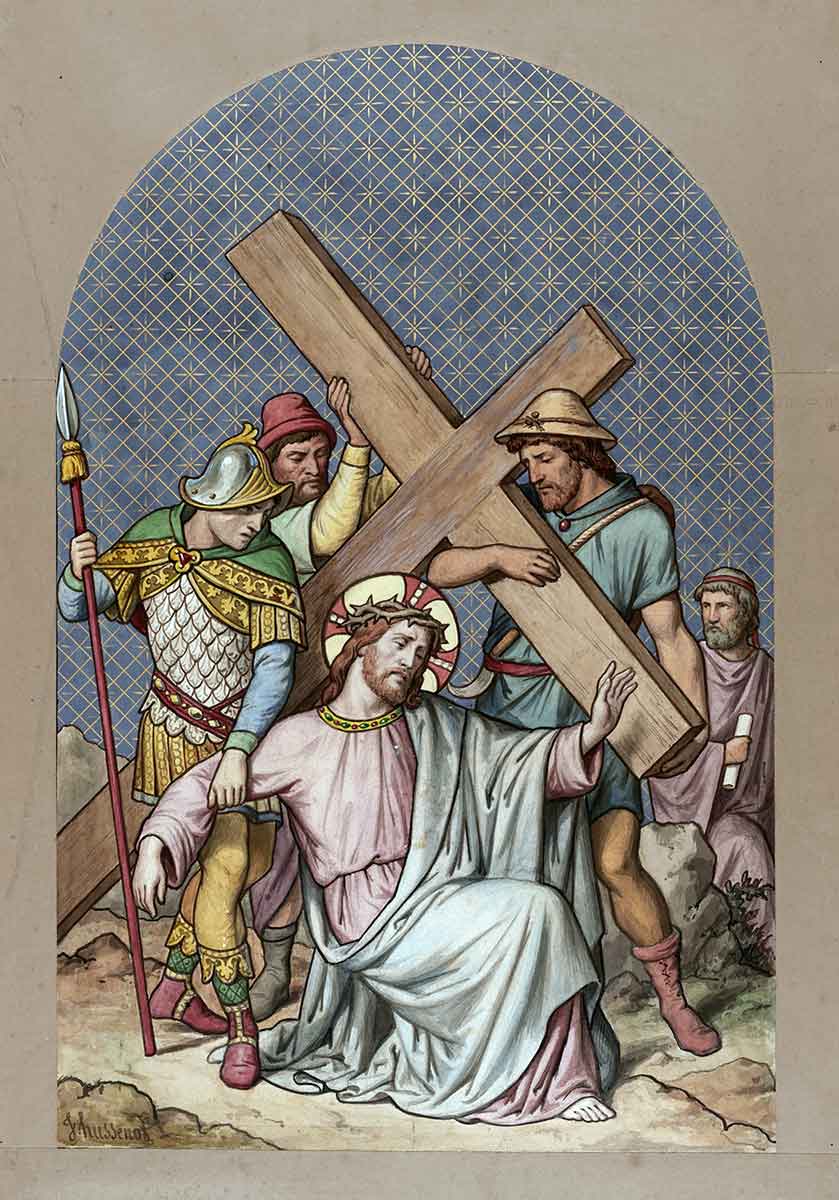
The Romans sentenced Christ to death by crucifixion. Criminals were made to carry their own crosses to the site of their execution, and all four of the Gospels relate that Jesus did this. The Gospels of Matthew, Mark, and Luke, however, record that the Roman soldiers coerced a man in the crowd, Simon from Cyrene, to help Jesus when he stumbled and could not go on.
Today, people use the phrase to describe a burden with which they are saddled. It could be anything from a chronic illness to a difficult relationship or loss of a loved one to ongoing financial or job-related woes.
However, looking at the statement from a Biblical perspective, the cross that Christians have to bear is the challenge of following the Lord in obedience. They do this in imitation of Jesus, who obeyed God in going to the cross to atone for the sins of humanity. Just as Christ said to God the Father, “Your will, not mine,” so must Christians say that as well. The all-importance of this is summed up by Jesus, who said, “Whoever does not carry their cross and follow me cannot be my disciple” (Luke 14:27).
6. The Blind Leading the Blind (Matthew 15:14)
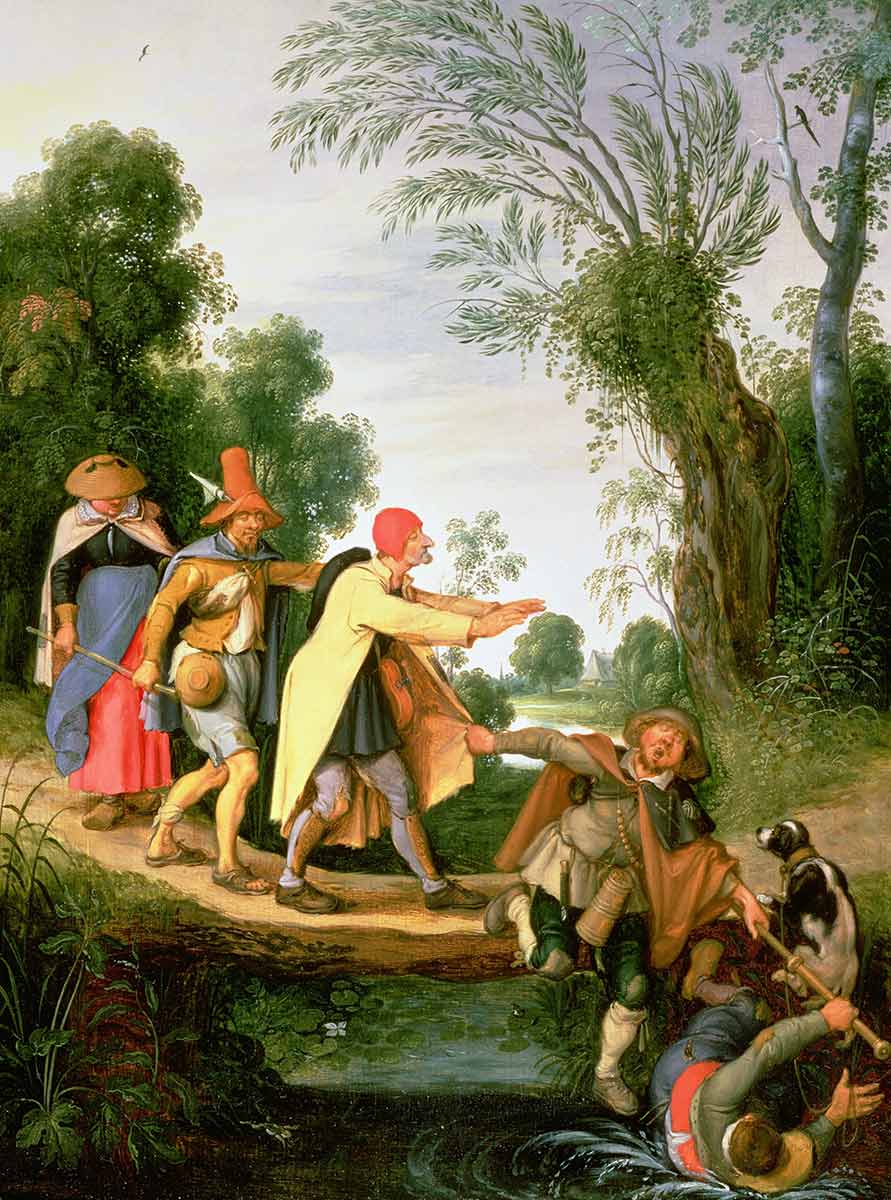
We use the statement today to describe someone who is foolish, ignorant, or incompetent, leading other people who are also foolish, ignorant, and incompetent. And this is what the Biblical passage meant as well. It is found in the 15th chapter of the Gospel of Matthew.
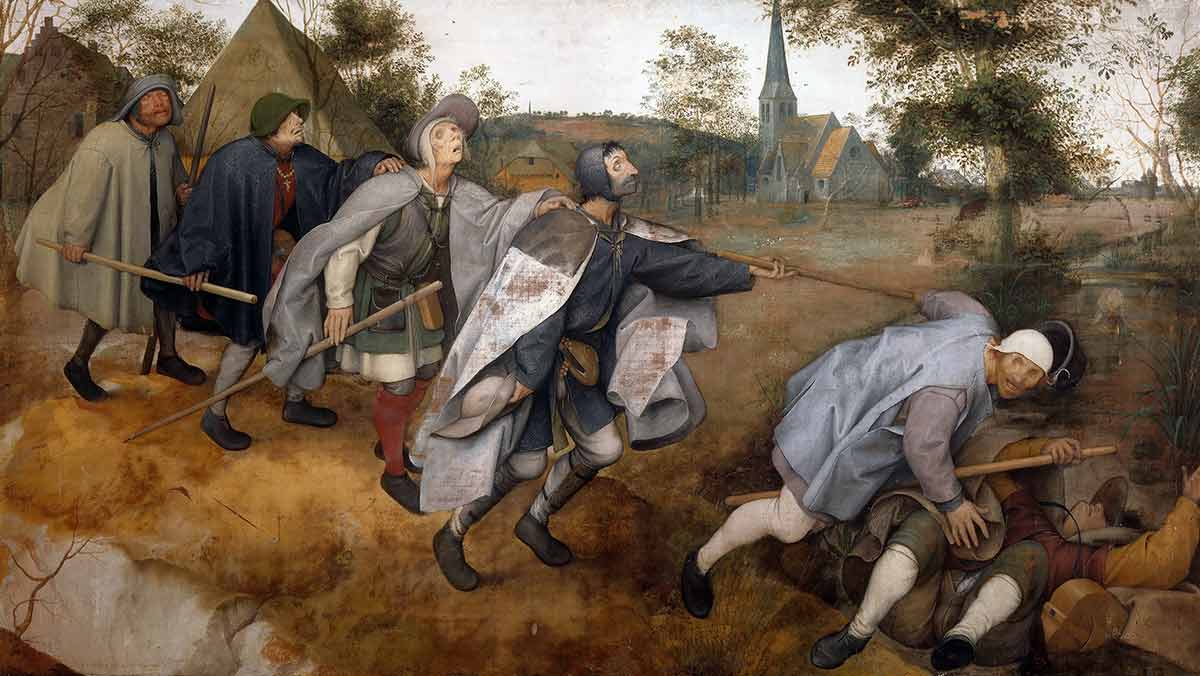
The context is this: the Pharisees accuse Jesus of breaking their law regarding the Sabbath when his disciples fail to wash their hands before they eat. This law did not come from God, but was one that the Pharisees concocted. They believed that Jews must keep it to be righteous. Christ remarks on their hypocrisy as they fail to honor God in their lives in many ways. He states that they are blind guides who lead the blind, with everyone eventually falling into a pit (Matthew 15:14). The statement speaks to an eternal consequence, as keeping the Pharisees’ laws would not earn them a place in Heaven, but only lead them to spend eternity separated from God for their failure to accept Christ as Lord and Savior.
7. I Wash My Hands of the Matter (Matthew 27:24)
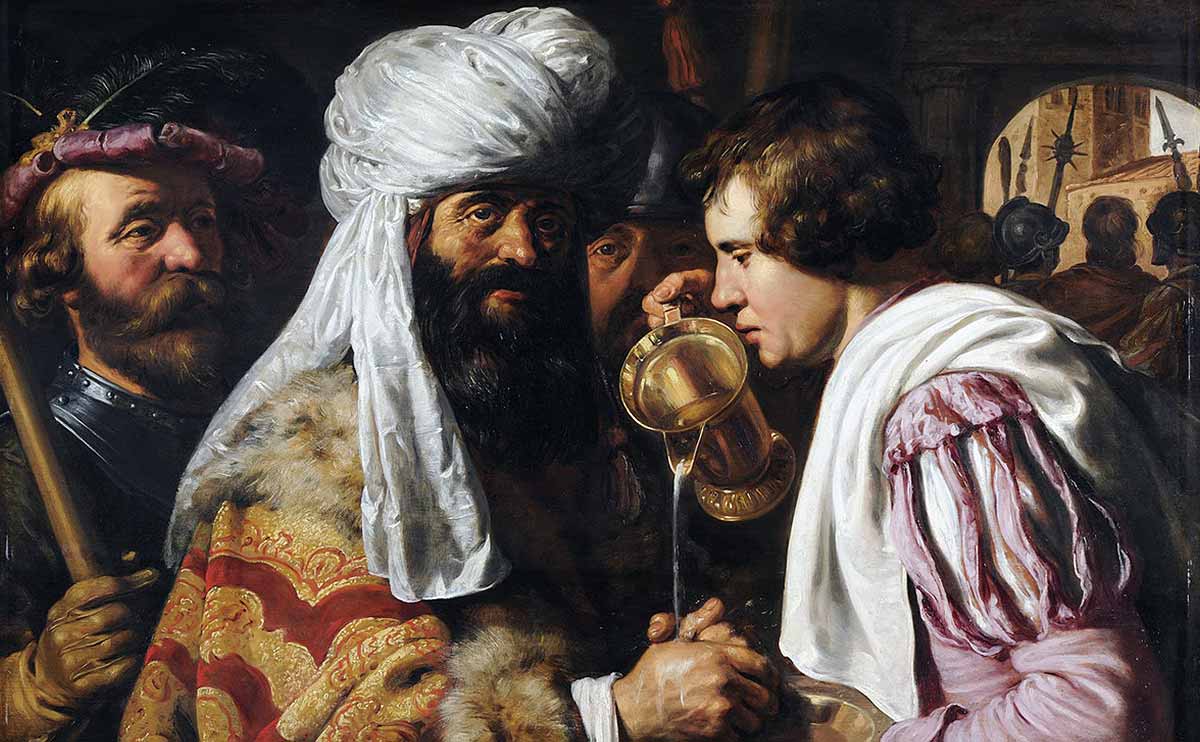
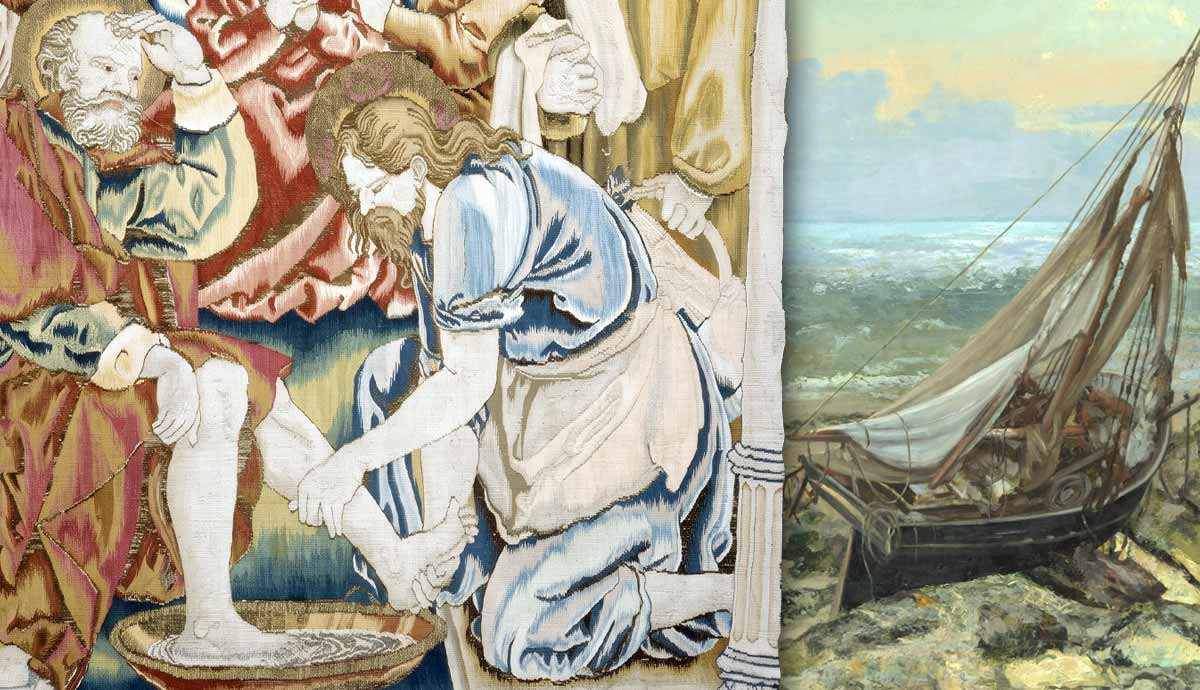
The person who is fed up and wants nothing more to do with somebody or something might utter this phrase, which originates from Pontius Pilate, the Roman governor of Judea, who, finding no fault with Jesus, would gladly have released him. But the crowd wanted Jesus crucified, and the people shouted at Pilate to issue the order. Finally, the official gave in. He stood before them and washed his hands, saying that he was innocent of Christ’s blood and that the responsibility for his death lay with them (Matthew 27:24). The phrase is used today in the same manner. To wash one’s hands of a matter or a person is to have nothing more to do with them.
8. Turn the Other Cheek (Matthew 5:39)
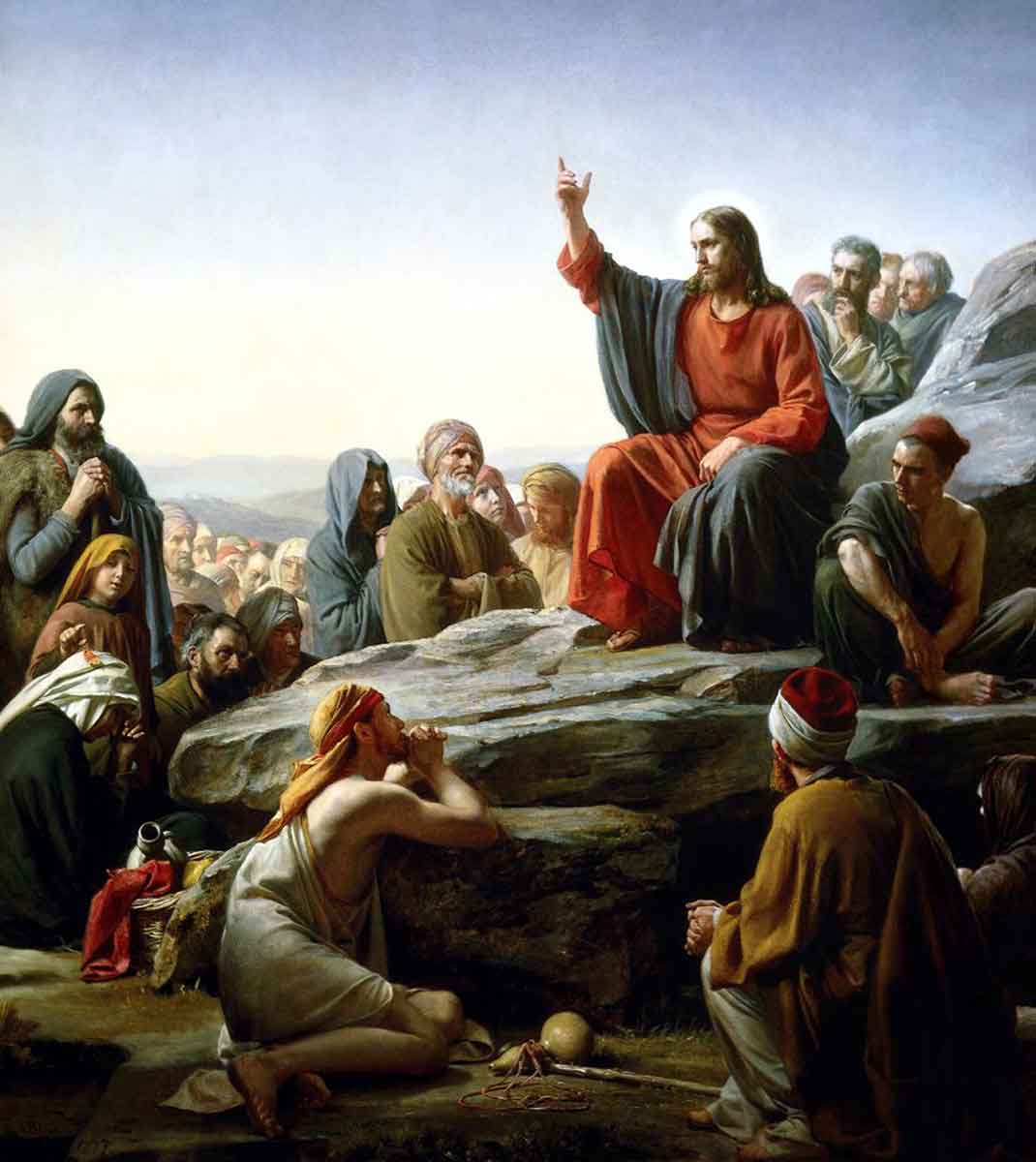
In his Sermon on the Mount, found in chapters 5 through 7 of Matthew’s Gospel, Jesus tells his listeners that, if someone strikes them, they are to turn the other cheek (Matthew 5:39). This is not a call for Christians to be doormats, standing there, allowing someone to beat them up physically or abuse them verbally. Rather, it means that they are not to retaliate or respond in kind. They have the choice to walk away or answer with courtesy and compassion. Ultimately, they are to let God take care of the matter and deal justly with the person who has caused offense (Romans 12:19).
9. It’s a Labor of Love (1 Thessalonians 1:3)

The Apostle Paul uses this phrase in the first letter that he wrote to the church in Thessalonica in northern Greece. He opens it with a commendation to the Thessalonians for the good work that they have done, work that stemmed from their faith in Christ. This work he calls “a labor of love,” done, not out of duty or for any kind of reward, but out of pure affection. We have retained the meaning of this phrase today, still using it to refer to actions that are performed just for the joy of it, without any compulsion or promise of remuneration or prize.
10. Seeing the Writing on the Wall (Daniel 5:5,6)

This idiom suggests that the future can be seen… and it’s not good! It describes the knowledge that something horrible is going to happen. For example, an employee might see that her company is going to close in the near future and, accordingly, leaves that business and finds a new job before the inevitable occurs.
The phrase comes from the 5th chapter of the Book of Daniel. In the passage, the Babylonian King Belshazzar holds a feast with thousands in attendance. He has insulted God by using sacred vessels from the temple for his drunken banquet. In response, God writes a message on the wall before him: “mene, mene, tekel, upharsin,” which means “numbered, weighed, divided.” This indicated that Belshazaar’s days as king and the “days of his kingdom were numbered” (v. 26). Being weighed, he was “found wanting” (v. 27) and, in result, his nation would fall and be “given to the Persians and the Medes” (v. 28). The king died that night and his kingdom did, indeed, go to the Persians.
11. Let Me Catch My Breath (Job 9:18)

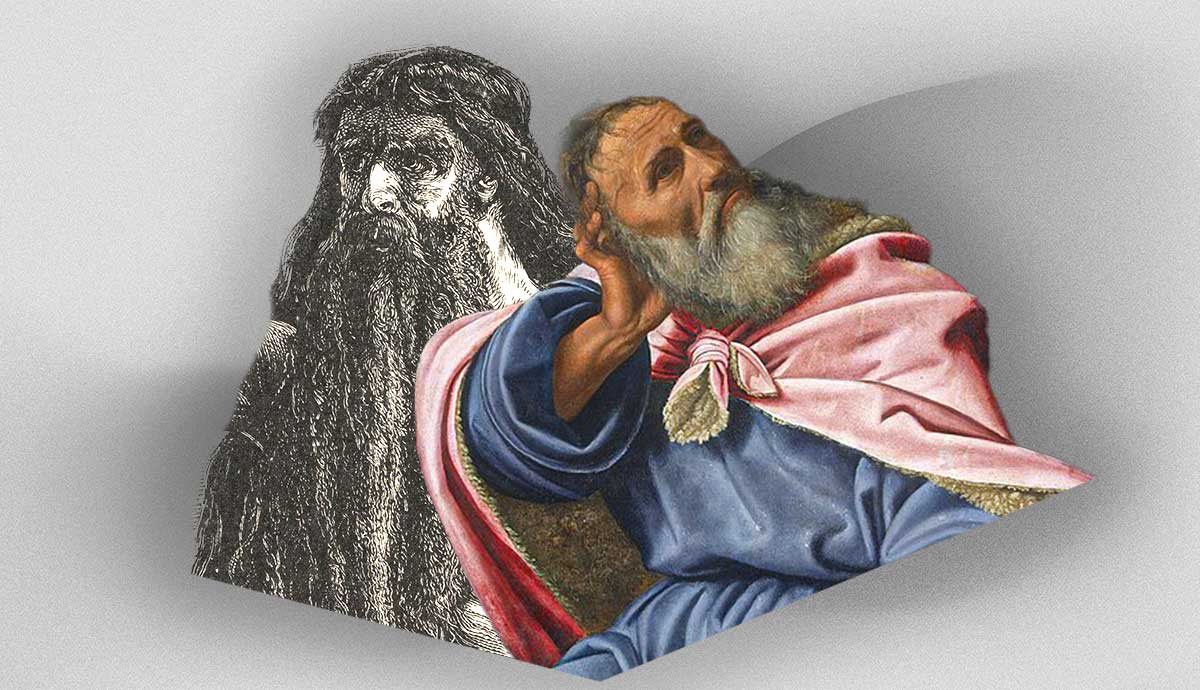
Satan has taken everything from Job: his children, his home, his livestock, even his health. Job thinks that God has caused these calamities and, looking skyward, he pleads for the LORD to give him a minute in which to catch his breath as he is overwhelmed. The meaning has, of course, stayed the same throughout time, whether it is spoken by the athlete who just ran a race, a parent who is busy with little ones, or an emergency room doctor with a waiting room full of patients.
12. Am I My Brother’s Keeper (Genesis 4:9)?
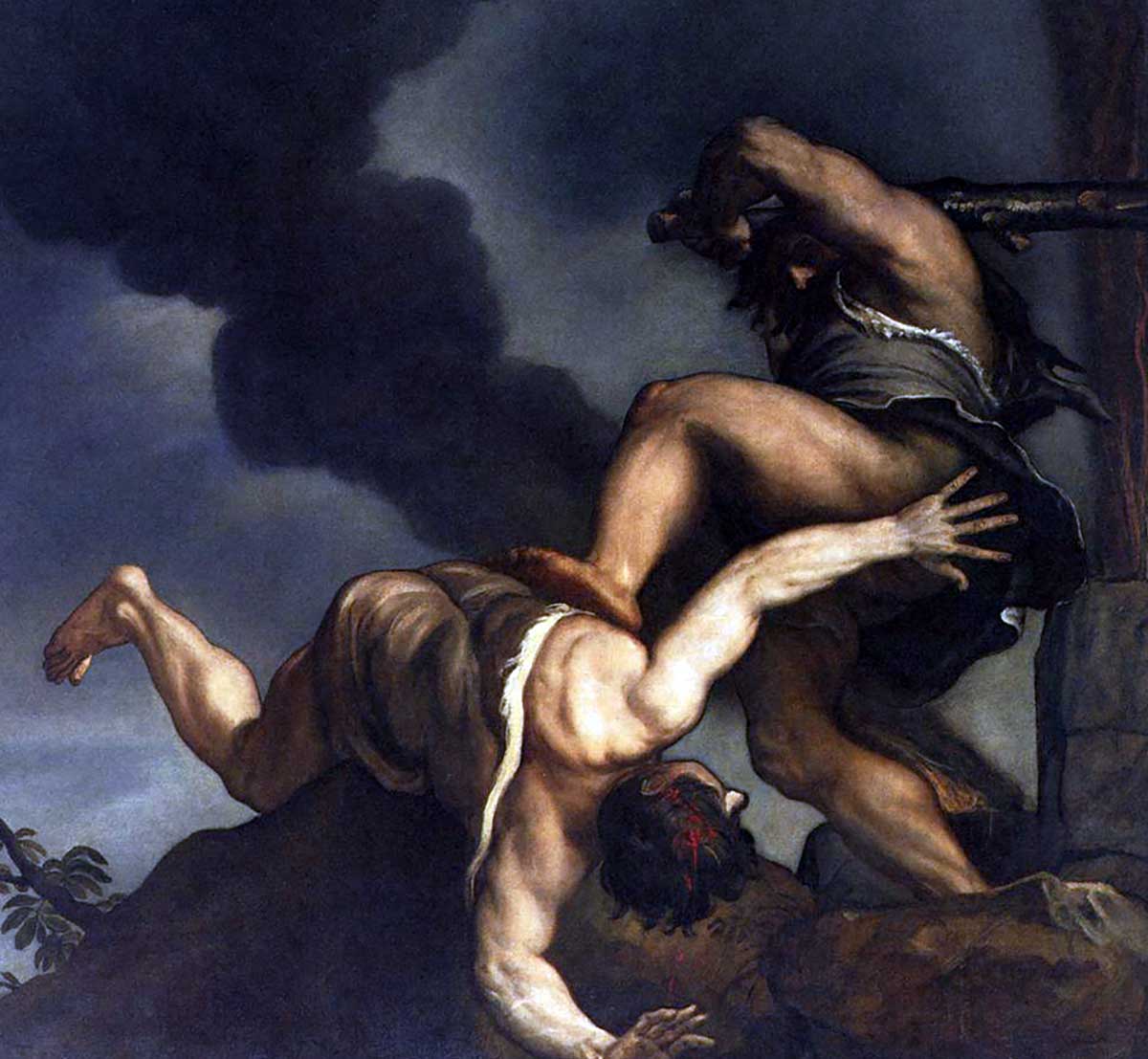
To say that I am not my brother’s keeper is to say that I am not responsible for some other person. This is the answer that Cain gave to God when the LORD asked him where his brother, Abel, was. God knew that Cain had killed Abel and wanted him to confess. God had commended Abel’s gift of a lamb, given in honest faith, but he rejected Cain’s gift of grain because he knew that Cain’s heart was wicked. This made Cain angry. Enraged, he killed his brother out of jealousy. Today, the phrase still carries a negative connotation, implying that someone is shirking responsibility regarding another person for whom he or she should care.