
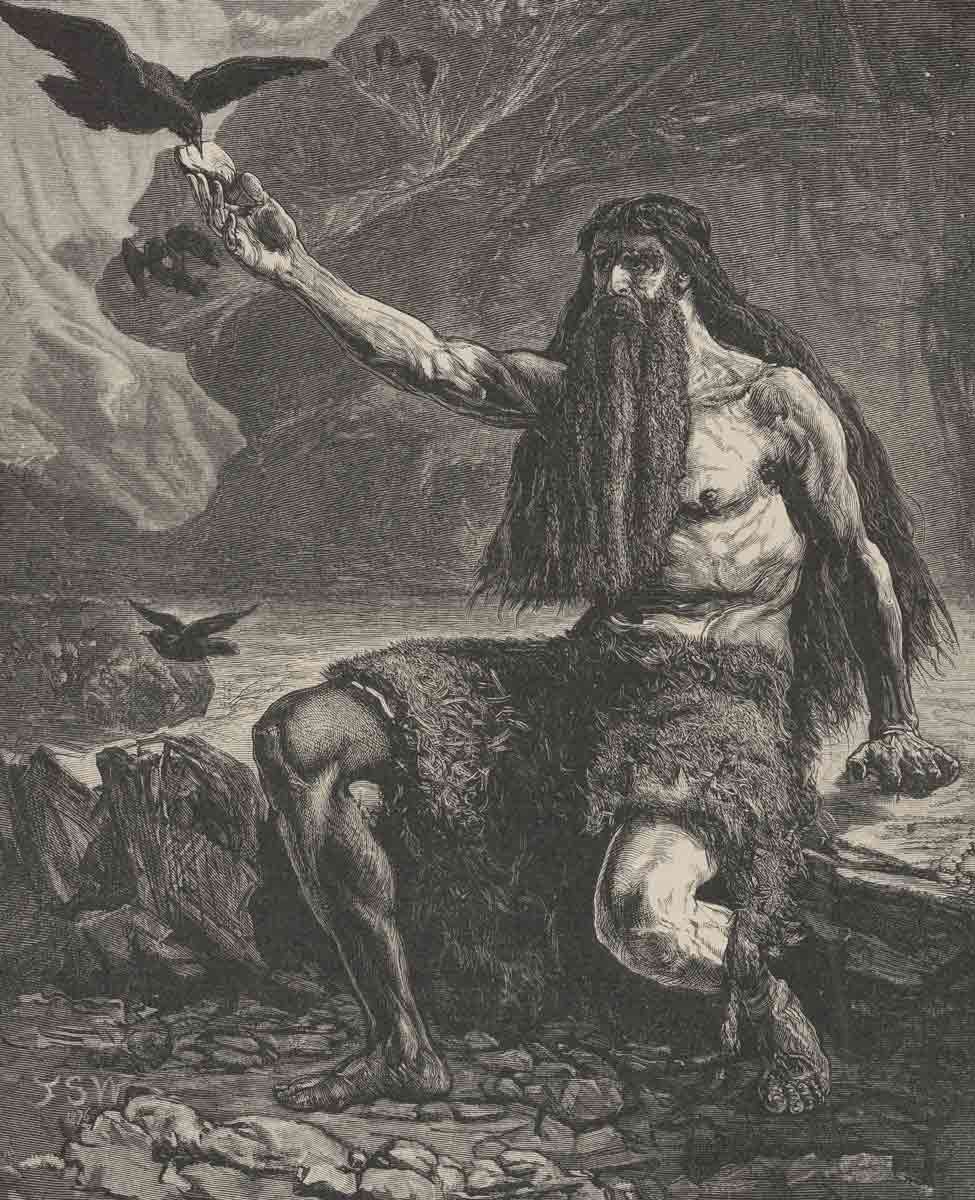
God called on Elijah to proclaim that a great drought would come over the land of Israel. He instructed the prophet to reside by the Brook Cherith during that time. God sustained Elijah by sending ravens to supply him with bread and meat daily. It is the only instance in the Bible where animals regularly brought food to a person. There are several other examples of God providing food (and sometimes animals) to his people.
The Narrative of Ravens Feeding Elijah

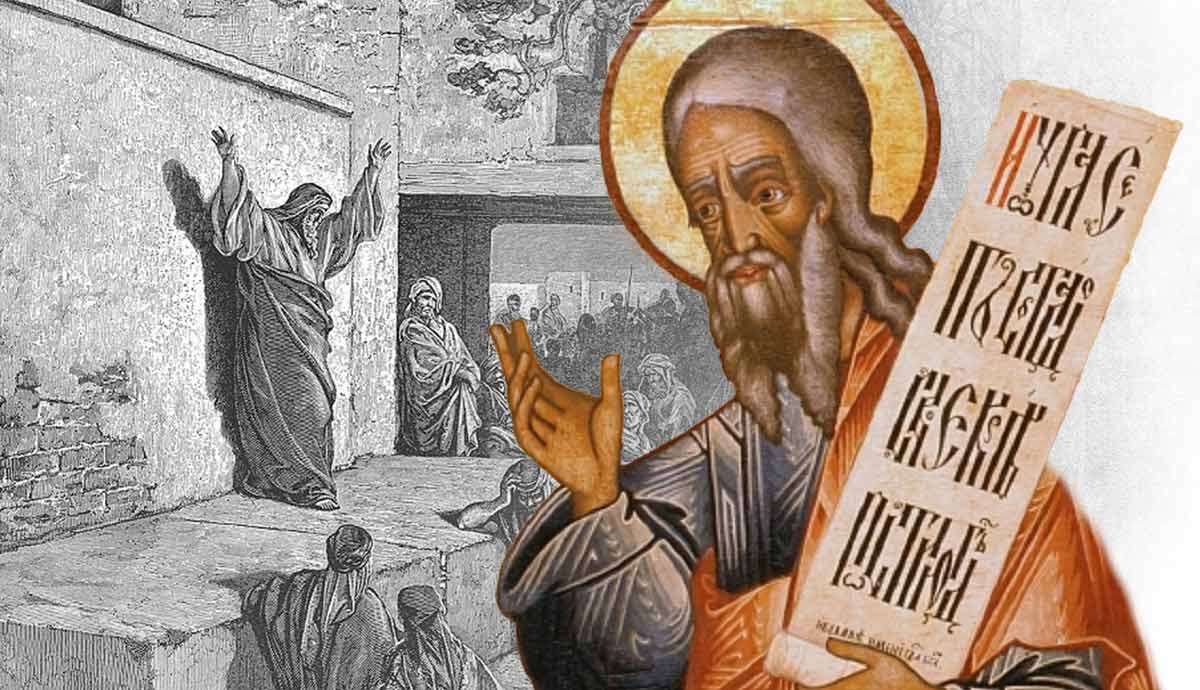
Idolatry ran rampant in Israel during the reign of Ahab and his wife Jezebel. God instructed the prophet Elijah to proclaim judgment on the land, which came in the form of a drought. Inevitably, the prolonged drought would lead to famine, affecting the prophet as well. Nevertheless, Elijah obeyed when God said: “Depart from here and turn eastward and hide yourself by the Brook Cherith, which is east of the Jordan. You shall drink from the brook, and I have commanded the ravens to feed you there.” His obedience reflected the trust he had in God’s provision for several reasons.
First, relying on a brook for water after having proclaimed that a drought would follow is counterintuitive. Surely, the brook would dry up, and Elijah would be in a predicament from a human perspective. Secondly, ravens are an unlikely choice to provide food to the prophet. Leviticus 11:15 designated them as unclean, and ancient cultures viewed them as bad omens. As scavengers, they tend to feed on carrion, and, in a drought, ravens would be even less prone to sharing food or providing for others. Their provision shows the sovereignty of God over nature by commanding one of the most unlikely of birds to do his bidding.
The ravens provided food daily, with a morning-evening rhythm. It reflects the provision of manna during Israel’s desert sojourn, which we will consider soon. The text does not specify the source of the food the ravens provided, but considering the famine, it is unlikely that it came from human settlements. Considering other instances where God provided food by supernatural means, it is possible that it occurred in this case as well, but the text itself cannot sustain such a claim.
Other Instances of Supernatural Provision
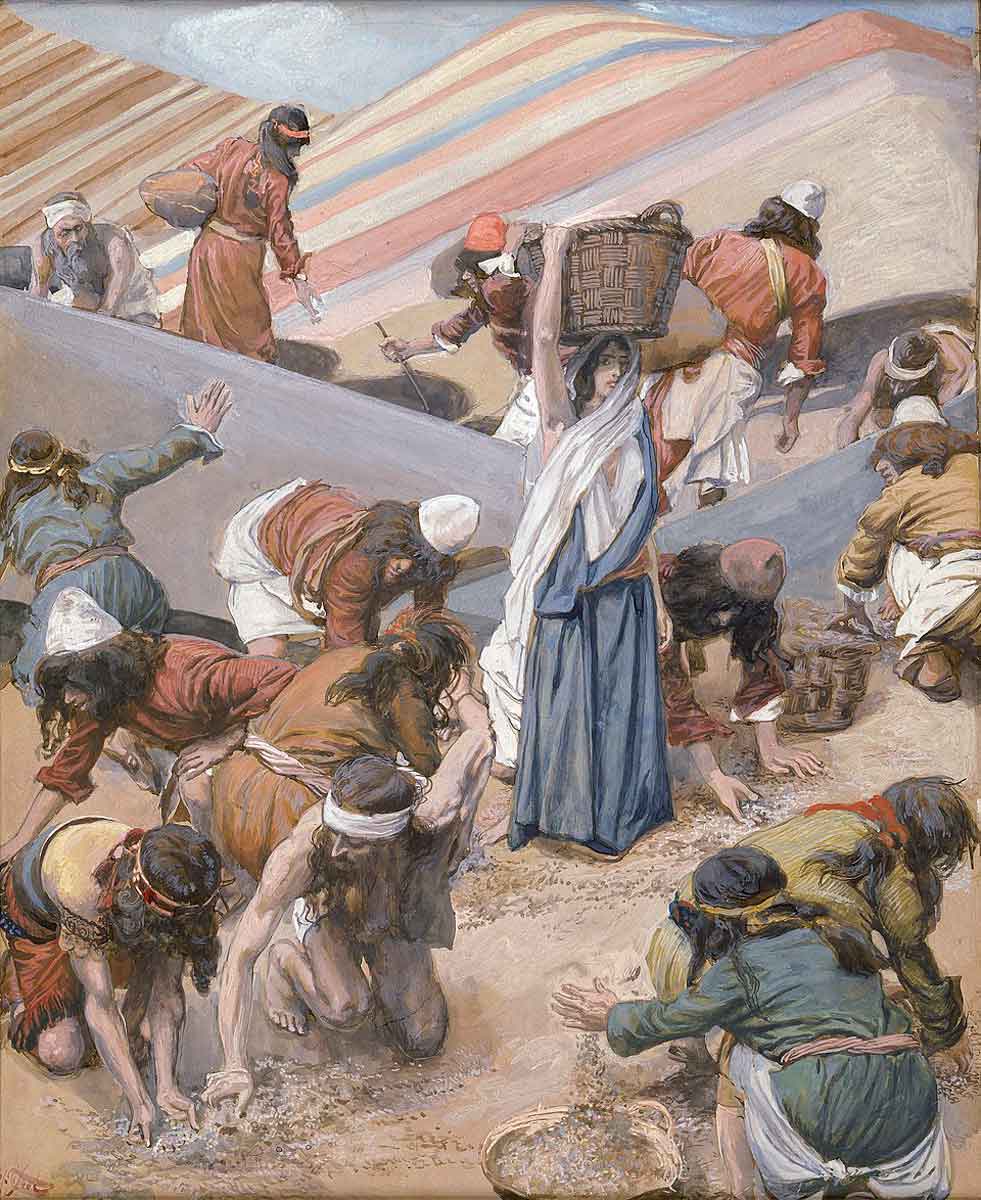
Several narratives in the Bible show how God provided in times of need. These examples differ greatly in scale and method. In some, the food seems to have come from nothing. In others, it was either the manipulation of nature to provide food via animals or a supernatural increase of food quantity to meet or exceed the needs of the people.
Manna and Quail in the Desert
The manna and quail the Israelites collected daily, except on Sabbaths, in the desert for 40 years, was the largest-scale provision of food recorded in the Bible. It started raining manna on the 15th day of the second month of the Jewish calendar, exactly a month after they left Egypt (Exodus 16:14).
It is unclear what the manna was. It was a white, flake-like substance that was fine like frost and resembled coriander seeds, which tasted like wafers with honey (Exodus 16:14, 31). The manna could be baked into breadcakes or boiled to make a porridge-like meal (Numbers 11:8, Exodus 16:23). Since the Bible refers to it as bread, the baked version was likely the most common way the Israelites consumed it.
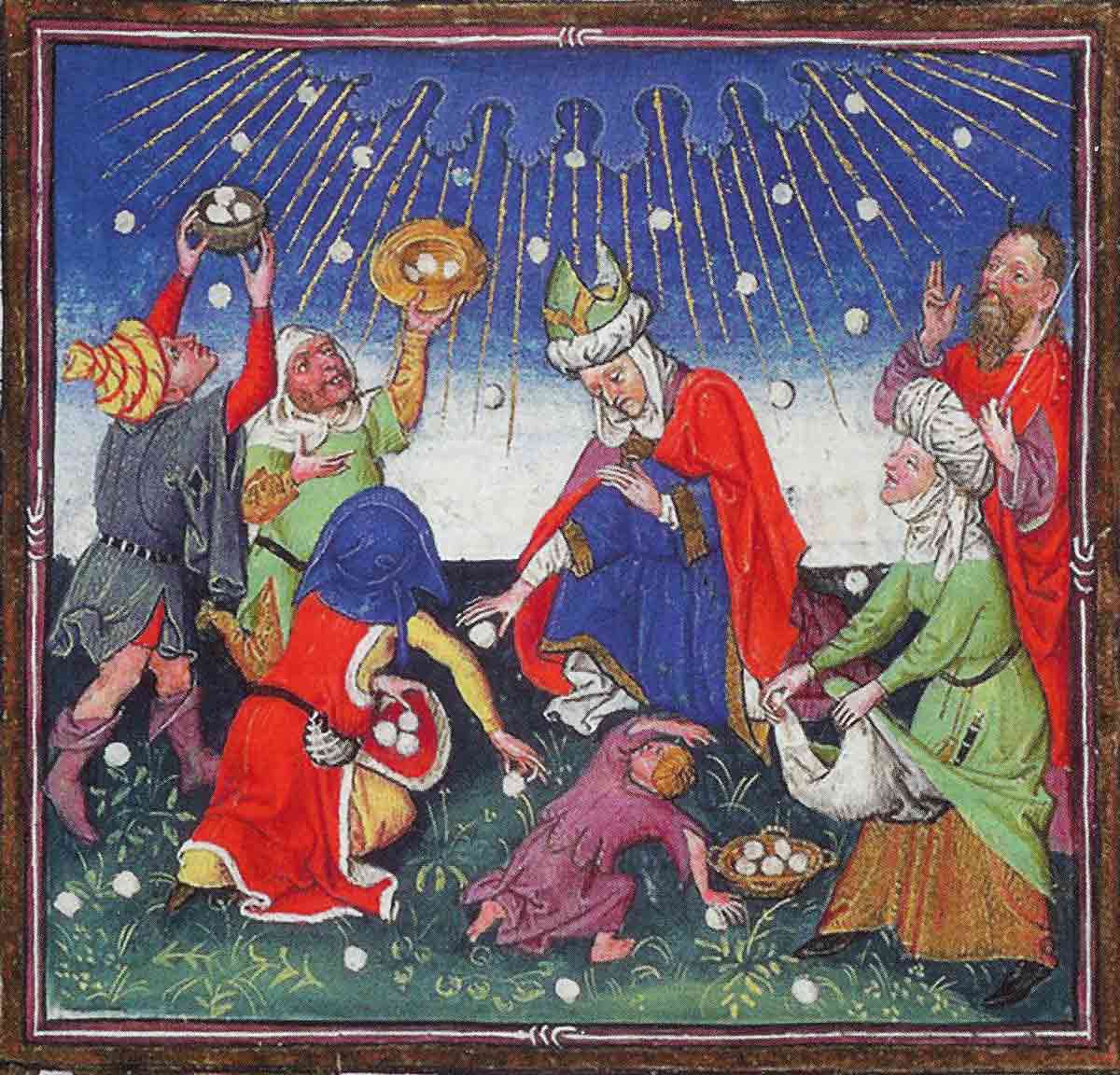
Numbers 20 recorded that the Israelites complained during their sojourn in the desert, even though they experienced many daily miracles showing how God looked after them. These miracles included the manna and the pillars of cloud and fire, among others. They desired meat, dissatisfied with the manna, so God provided quails for them, but it would come with a consequence:
“You shall not eat just one day, or two days, or five days, or ten days, or twenty days, but a whole month, until it comes out at your nostrils and becomes loathsome to you, because you have rejected the LORD who is among you and have wept before him, saying, ‘Why did we come out of Egypt?’” (Numbers 11:19-20).

Some Israelites died from the quail shortly after. “While the meat was yet between their teeth before it was consumed, the anger of the LORD was kindled against the people, and the LORD struck down the people with a very great plague” (Numbers 11:33).
God gave manna in the mornings and quail in the evening (Exodus 16:8). The manna ceased to fall daily once the Israelites ate from the produce of the Promised Land (Joshua 5:10-11). Views on how long God provided quail and when that provision ended differ.
Angelic provision
After defeating and killing the priests of Baal, Elijah fled the wrath of Jezebel. God provided for his prophet by sending an angel to feed him a cake of bread and water, twice (1 Kings 19:5-8).
Provision by multiplication
The Old and New Testaments record instances when what little food was available was multiplied to provide for people. In the Old Testament, God sent Elijah to a widow and her son when the Brook Cherith dried up.
She had only enough flour and oil to prepare a last meal for her and her son. Elijah instructed the widow to first make him some bread from her rations before making some for herself and her son. He assured her that she would not run out of flour or oil until the drought had passed. Her flour and oil lasted throughout the drought (1 Kings 17:16).
Jesus feeding the multitudes
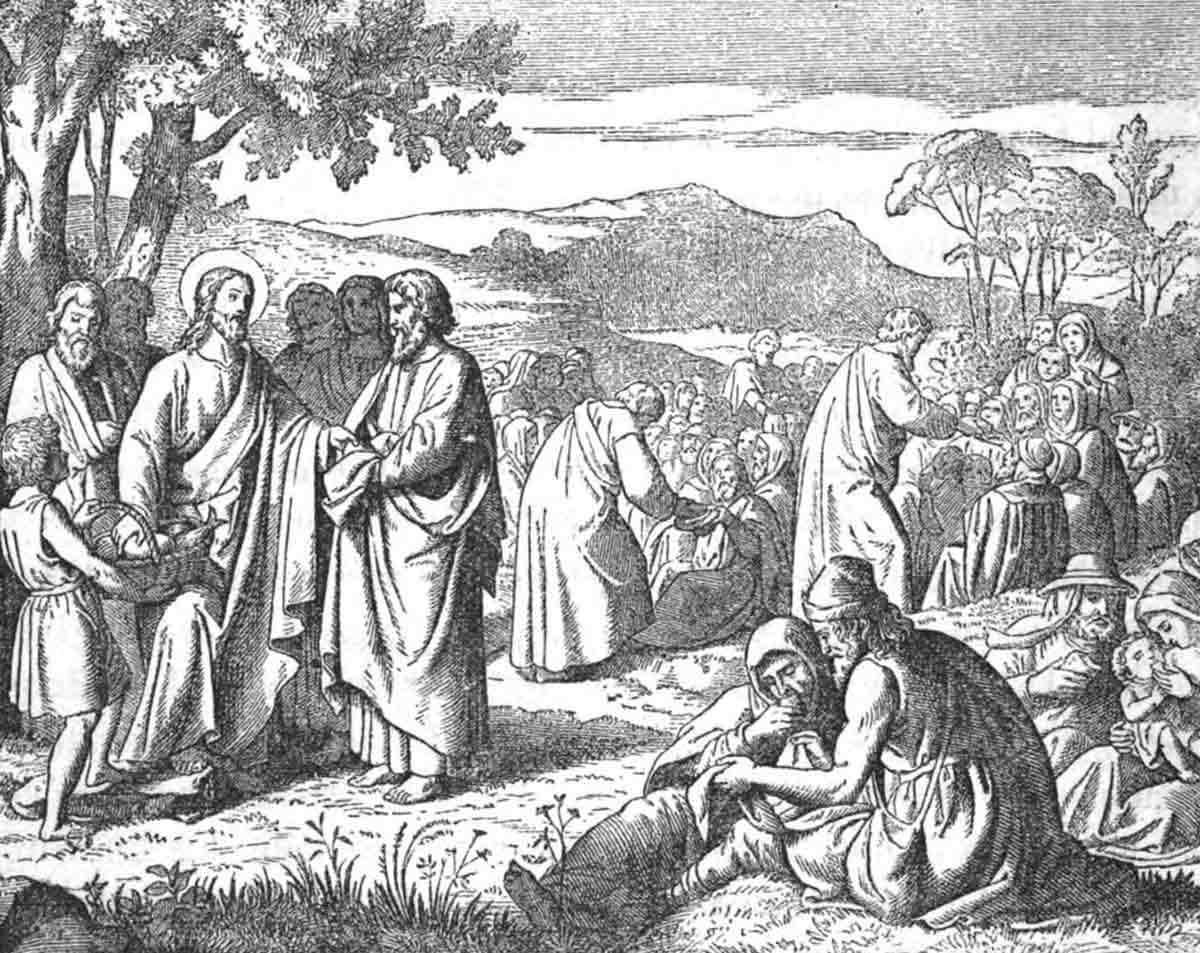
In the New Testament, Jesus fed large groups of people with the little supplies available on two occasions. Jesus fed a multitude of people with five loaves of bread and two fish in Bethsaida near Galilee. It was the only food available at that moment, and the text claims 5,000 men were there, making the crowd much larger when calculating women and children as well. The fragments of leftovers were twelve baskets in all (Matthew 14:13-21, Mark 6:30-44, Luke 9:10-17, John 6:1-14).
On another occasion, Jesus fed a crowd of 4,000 men, excluding women and children, with seven loaves and a few small fish. According to the text, everyone ate to their satisfaction, and seven baskets of broken pieces of the food remained (Matthew 15:32-39, Mark 8:1-10).
Provision of Food in Apocalyptic Context
Many theologians believe Isaiah 33:15-16 is a prophetic text that describes apocalyptic events that will occur sometime in the future. It says:
“He who walks righteously and speaks uprightly, who despises the gain of oppressions, who shakes his hands, lest they hold a bribe, who stops his ears from hearing of bloodshed and shuts his eyes from looking on evil, he will dwell on the heights; his place of defense will be the fortresses of rocks; his bread will be given him; his water will be sure.”
This wording reminds the reader of the narrative of Elijah, when God sent him to live in the vicinity of the Brook Cherith, and ravens provided food to him. The echo from Elijah’s time assures the reader that, should they experience such events, God can provide as he has done before. The additional references to “heights” and “fortresses” show God’s commitment to provision beyond just sustenance and how it extends to all the basic needs of his people.
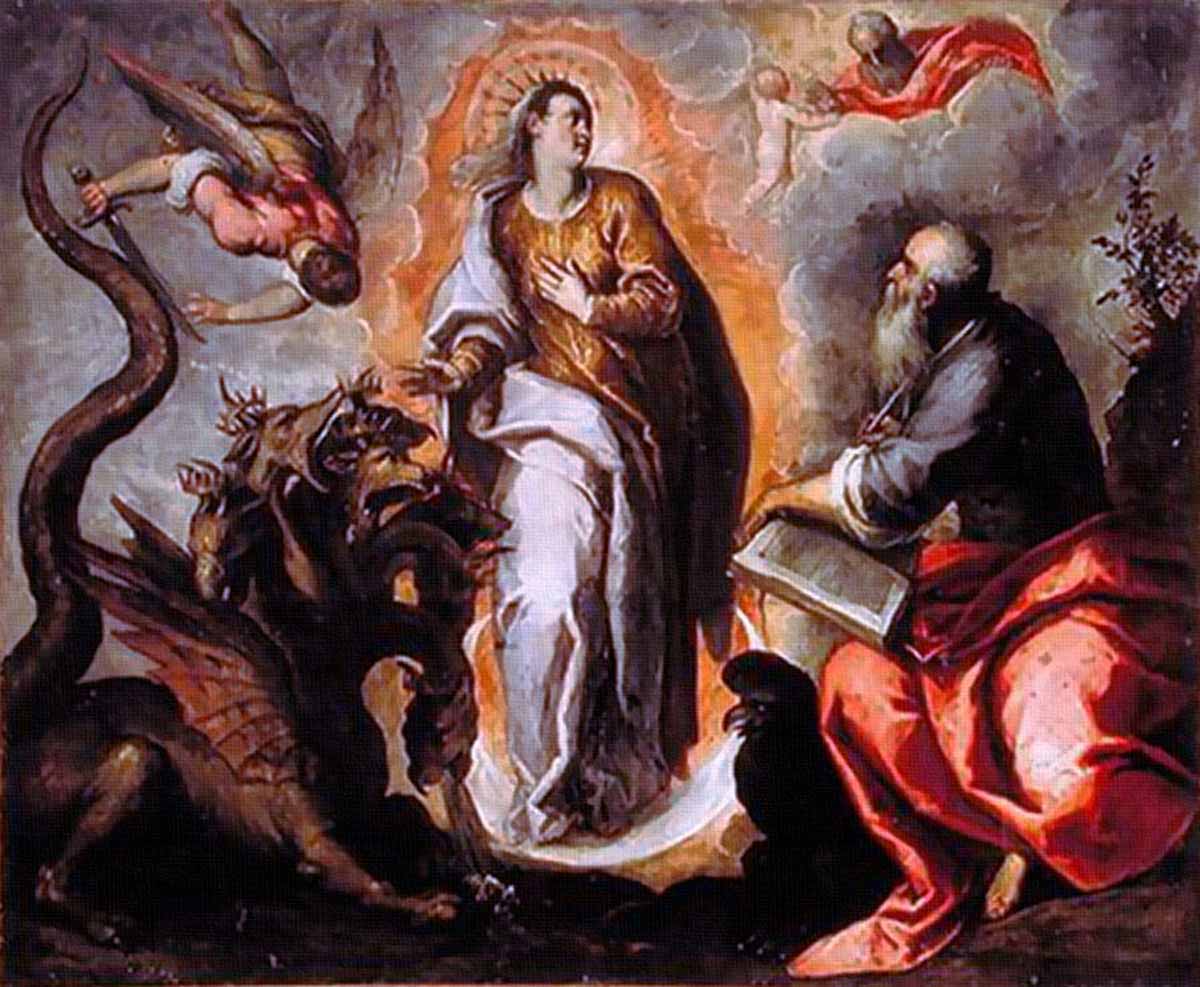
Depending on the approach employed to interpret the prophecies of Revelation, some consider Revelation 12:6 and 14 to refer to past events, while others believe it will happen sometime in the future. The two verses are different renderings of the same event, which serve as bookends to the description of heavenly events in verses 7-13. These two verses record the provision of a place of safety and nourishment for God’s people as the dragon (Satan) seeks their destruction.
The Bible records several instances of God’s provision of food to his people in various ways. In some, God provides from an unspecified source using animals, as he provided for Elijah using the ravens. In others, a miracle of multiplication occurs to ensure there is enough for those in need and then some. The provision of manna and quail in the desert was not without some controversy. Though the provision of quail did result in some deaths, it was attributable to their complaints about what God had provided and their longing for the meat they ate in Egypt.
The manna served as a type of Christ, the spiritual nourishment that sustains the life of every believer. “I am the living bread that came down from heaven. If anyone eats of this bread, he will live forever. And the bread that I will give for the life of the world is my flesh” (John 6:51). It shows the provision of God for physical and spiritual needs.