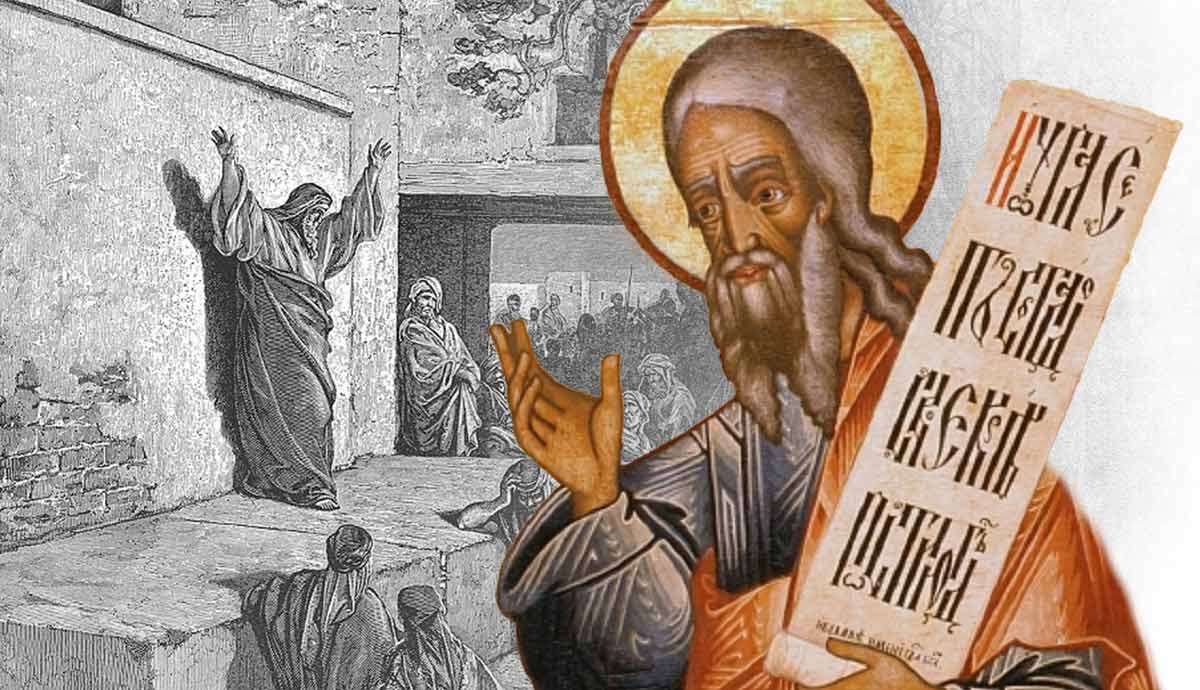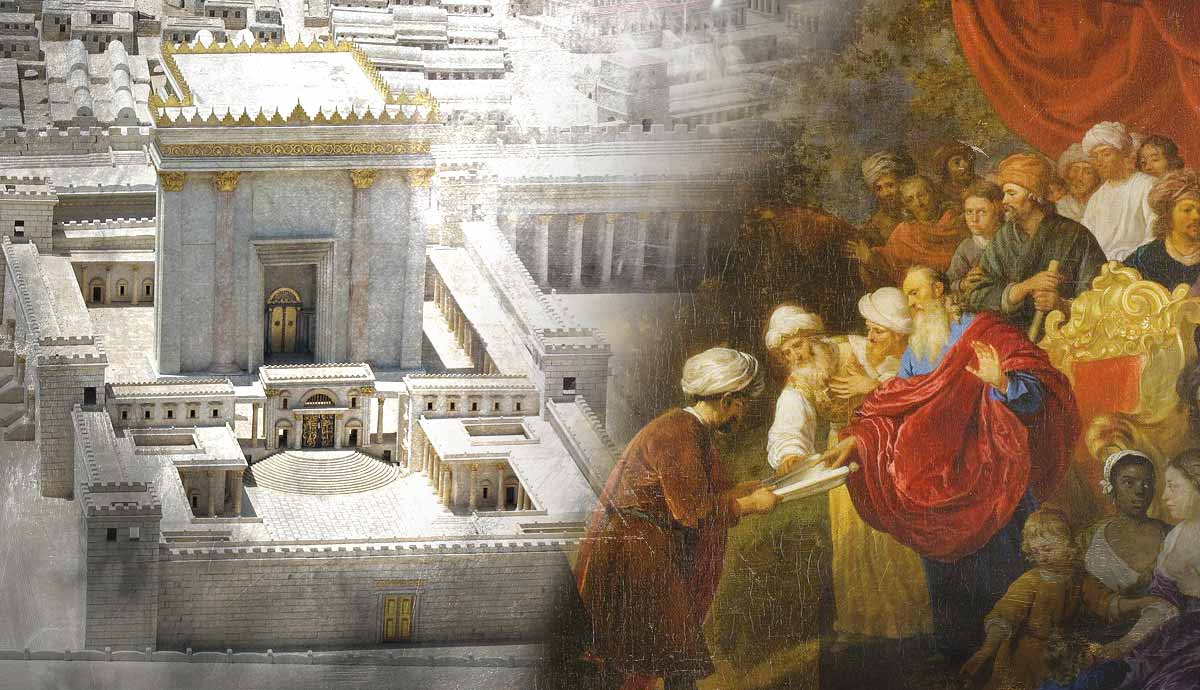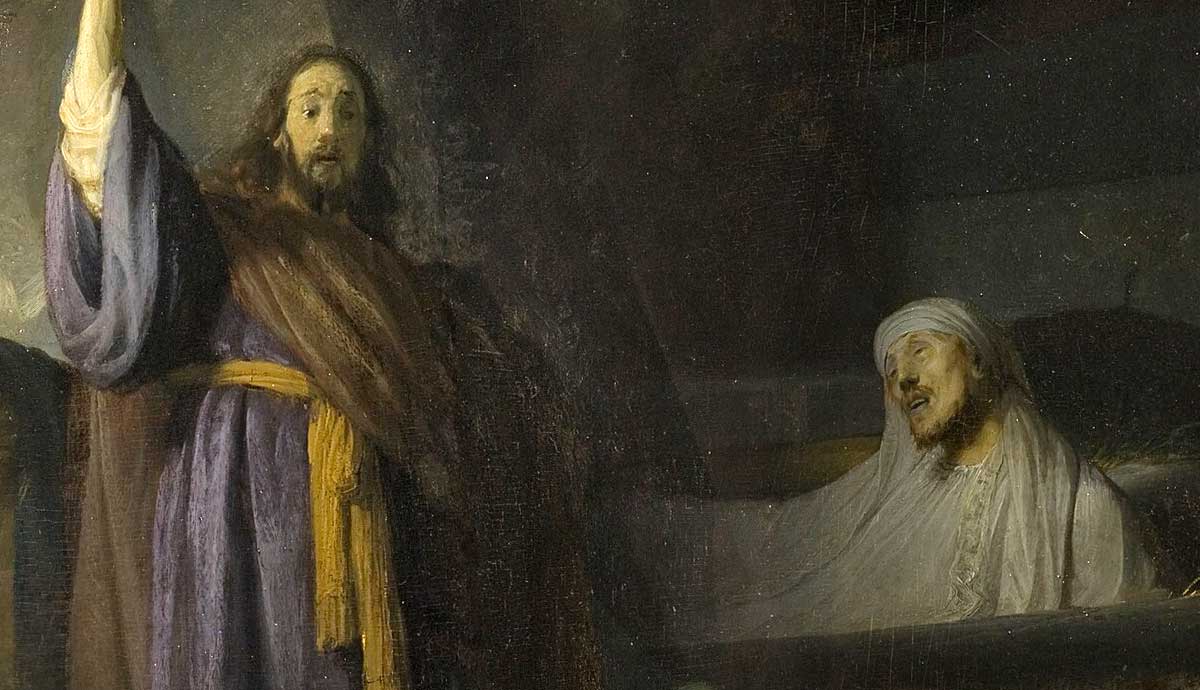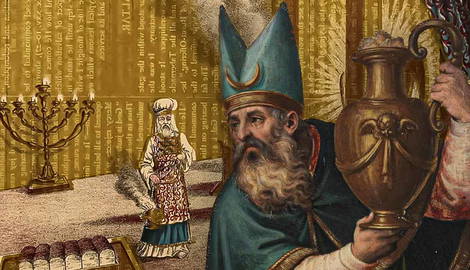

“Leviticus” is a Latin word that means “about the Levites” and has its origin in the Greek word “Leuitikon” (Λευιτικόν). The Levites were one of the twelve tribes of Israel. God appointed them as priests who had to administer the ceremonies associated with the Tabernacle of God and take care of its furniture and structure as the Israelites traversed the desert. Leviticus contains sacrificial laws, priestly instructions, purity laws, and a holiness code with some narrative sections in between, which sometimes illustrate the implementation of the rules and at others show the repercussions of not abiding by them.
Authorship and Date

Leviticus is the third book of the Pentateuch, which tradition teaches Moses wrote. According to this view, God gave Moses the instructions recorded in Leviticus, and he added relevant events that highlight the execution and violations of the instructions.
Scholarly research, however, shows evidence of four sources contributing to the Pentateuch: a Yahwist (J), an Elohist (E), a Priestly (P), and a Deuteronomist (D) source. This theory is called the JEPD-theory, or the Documentary Hypothesis. Scholars believe the Priestly source primarily contributed to the Book of Leviticus.
Some scholars also identify a Holiness (H) source in Leviticus which was responsible for Leviticus 17-26. Scholars believe the Priestly and Holiness sources originated from a circle of priests. Some speculate that the Priestly source, having been authored during the Babylonian Exile, may be younger than the Holiness source.
Historical Context
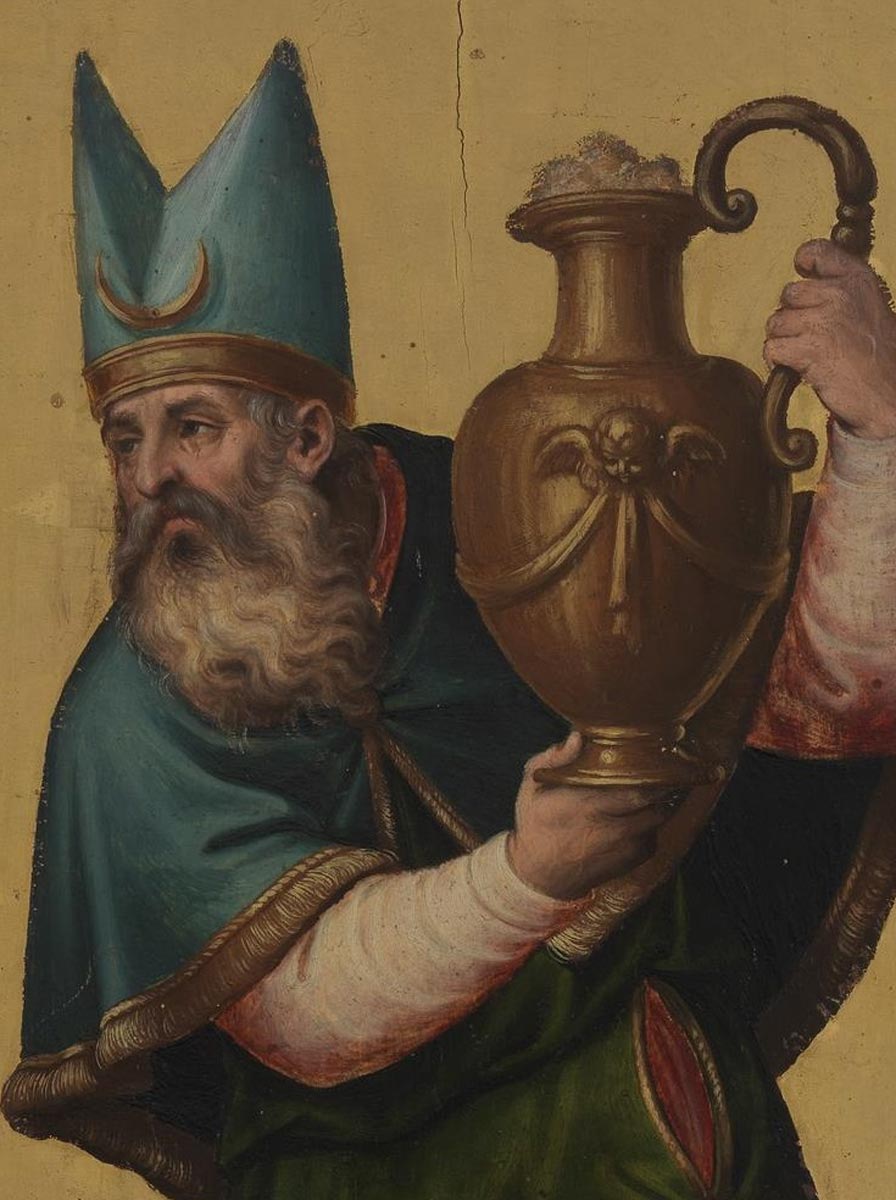
God delivered the Israelites from slavery in Egypt and provided them with some laws to regulate religious practice and civil society at Mount Sinai. Exodus detailed how God gave the Ten Commandments to Moses, and instructed him to have artisans create the structure and furniture for the Tabernacle, also called the Tent of Meeting.
When Moses came down from Sinai, he saw that the Israelites were prone to idolatry and apostasy, since Aaron allowed a golden calf to be manufactured and worshiped. Moses broke the tablets of the Decalogue and had to return to God with new tablets he had carved so God could inscribe them.
The Israelites set to work, creating the structure and artifacts God commanded. God showed his presence and acceptance of their creations by appearing in a cloud that covered the Tabernacle (Exodus 40:34-38). All the details on practices relating to Tabernacle service, and laws regulating purity and holiness, did not then exist.
In Leviticus, God calls Moses to the Tabernacle to provide the details he had to share with Aaron, the high priest, on how to administer the sacrificial system in Israel. These instructions were applicable during their sojourn through the desert, and thereafter when the tent would be replaced by a permanent structure.
Structure
Sacrifices (Leviticus 1-7)
Leviticus opens with a set of laws regulating sacrifices. There were five main offerings: burnt offerings, grain offerings, fellowship offerings, sin offerings, and guilt offerings, with additional regulations on sacrifices.
The Priests and their ministry (Leviticus 8-10)
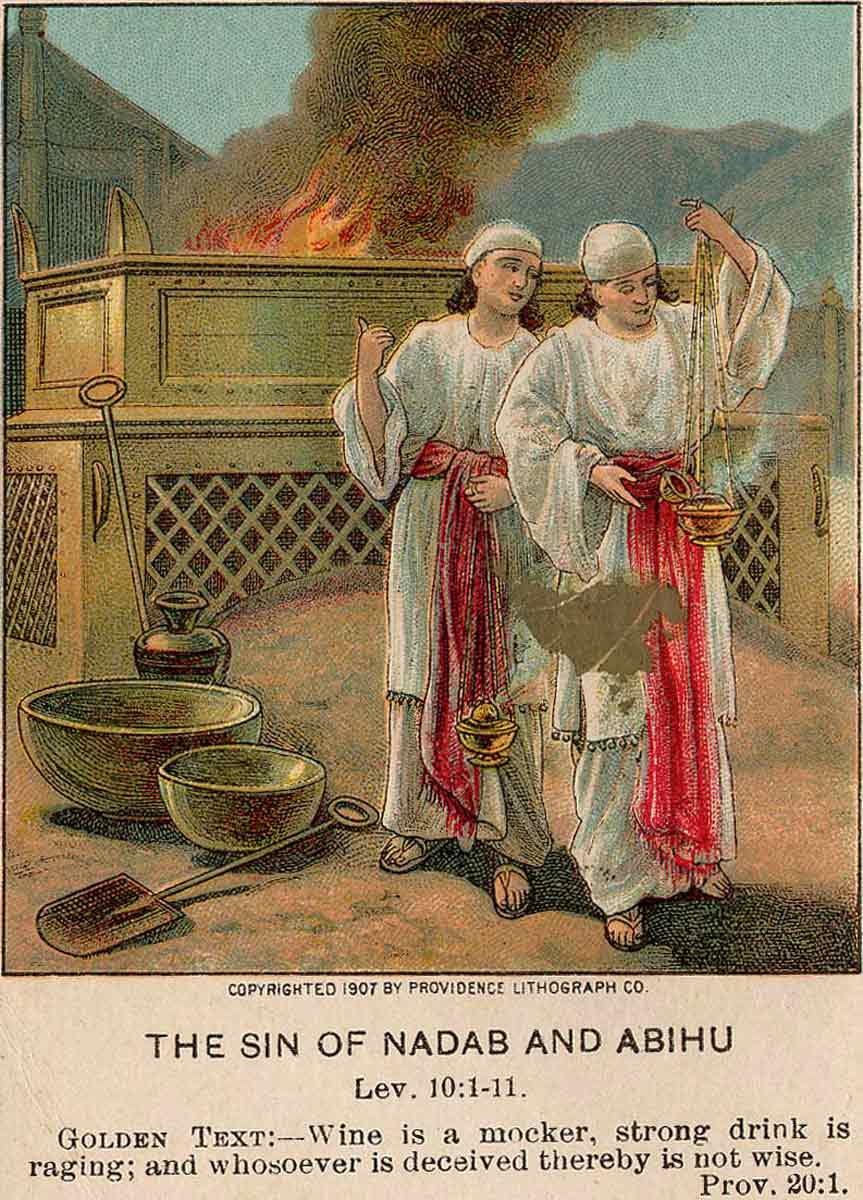
The Priestly order had to be consecrated, and God expected adherence to a strict code of dress and conduct. Since the priests served as a type of Christ, any misconduct would reflect negatively on the expected messiah. Chapter 10 details the consequences two of Aaron’s sons suffered when they did not adhere to the expected standards.
Purity and Cleanliness (Leviticus 11-15)
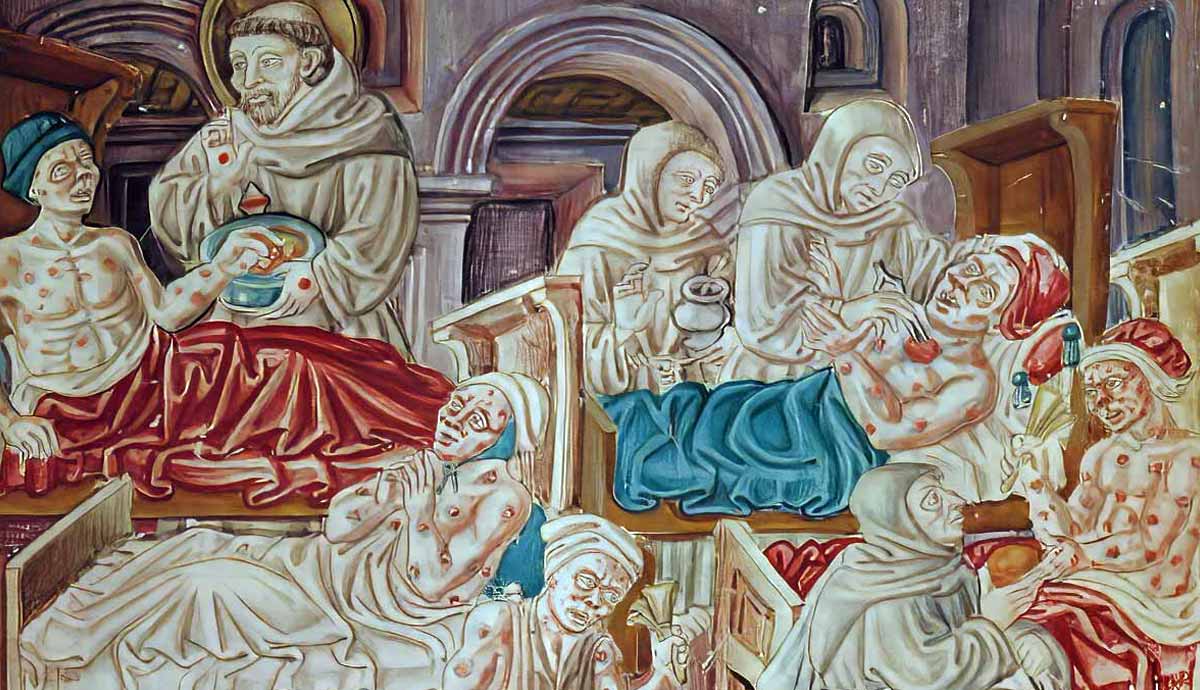
Leviticus details how the priests had to contend with some potentially dangerous situations and illnesses. It includes regulations on handling skin diseases and mildew, as well as how to rectify these problems. Things that cause uncleanness in people, such as childbirth and discharge are also detailed with the accompanying rituals for cleansing.
The Day of Atonement (Leviticus 16)
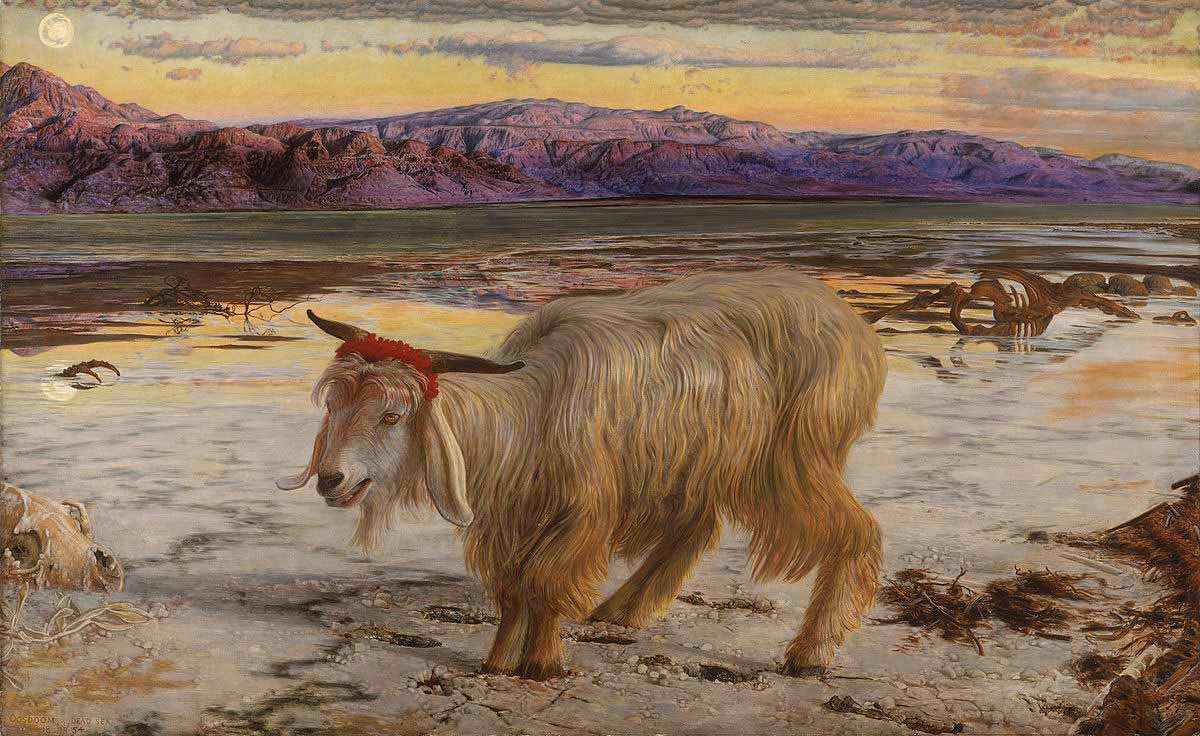
Chapter 16 details the Day of Atonement. It is a theologically and symbolically significant day where the high priest would take two goats to the Tabernacle and sacrifice one as a sin offering, while the other, the scapegoat, was set free. It was the only day of the year that the High Priest could enter the Holy of Holies to sprinkle blood on the mercy seat of the arc of the covenant.
Holy Living (Leviticus 17-26)
Leviticus addresses holy living in terms of sexual behaviors, consuming blood, observing Sabbaths and Jubilees, the annual feasts, and punishment for contravening laws such as blaspheming. The section ends with a series of blessings and curses.
Vows and dedications to the Lord (Leviticus 27)
The last chapter of Leviticus deals with vows and dedications of land and animals to the Lord. It also explains the practice of redeeming the tithe.
Main Themes
Atonement
Atonement is a central theme in Leviticus since most of the book deals with the Levitical Order which administered the sacrificial system that pointed to atonement with God. For Christians, the day of atonement is significant as a symbolic representation of Jesus, who is both priest and sacrifice according to Hebrews 9.
Creation
Though not overtly stated, Leviticus has strong linguistic ties to the creation narrative of Genesis. Distinctions between kinds (Leviticus 11:13-22), emphasis on seasons (Leviticus 23:2-8; 26:2-4), and the use of the number 7 (Leviticus 8:35) remind the reader of these terms used in Genesis 1-2:3. Some scholars argue that it implies that adherence to the regulations God gave in Leviticus (and elsewhere) will lead to a society in Israel that is very good.
Holiness
To be holy is to be separate from what is common or to be set aside for a particular use or purpose. The religious practices of the Israelites, as they were administered by the Levites, would set the nation apart from the heathen nations around them. They were to be a holy nation unto God. God required his people to be holy because he is holy.
Key Passages
Leviticus 1:3-4
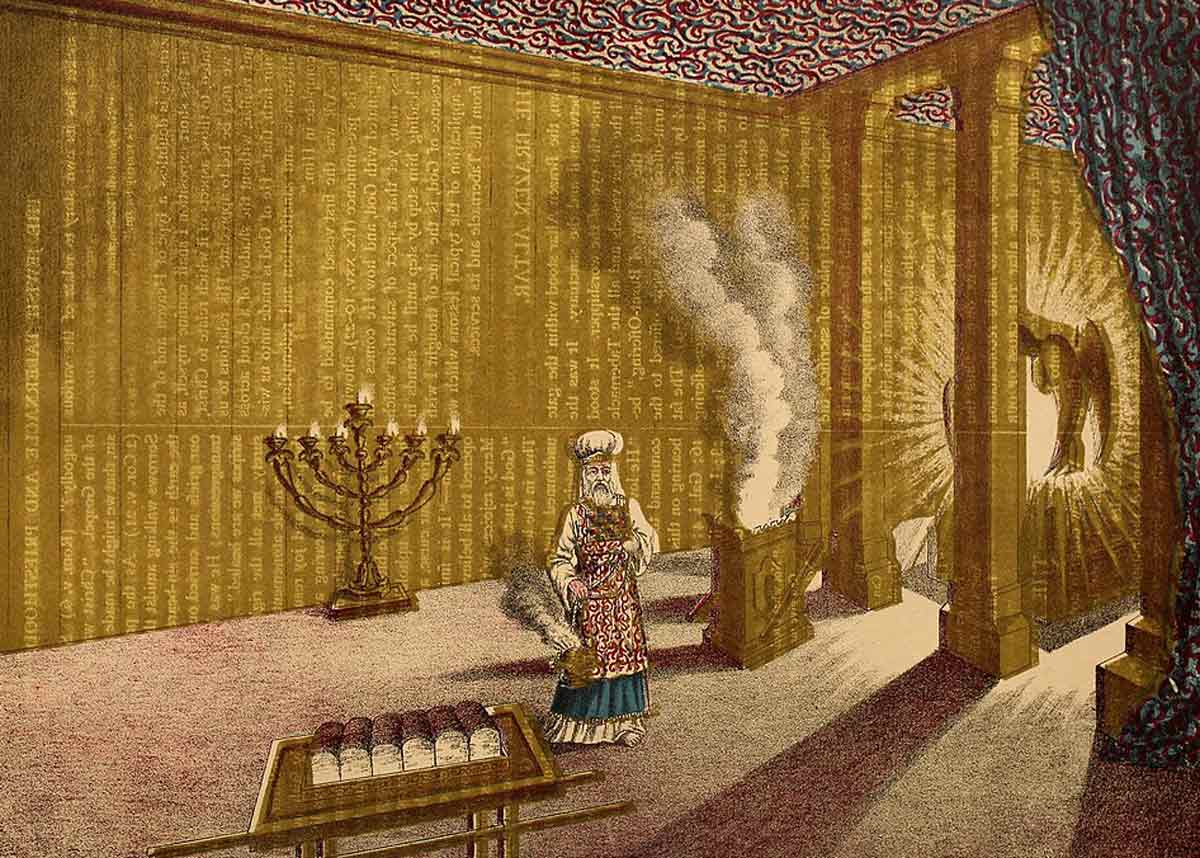
“If his offering is a burnt offering from the herd, he shall offer a male without blemish. He shall bring it to the entrance of the tent of meeting, that he may be accepted before the LORD. He shall lay his hand on the head of the burnt offering, and it shall be accepted for him to make atonement for him.”
As a type of Christ, the animal had to be male and without blemish. The laying of hands on the animal symbolized the transfer of sin, and the animal was sacrificed carrying the load of sin of the person who brought it for sacrifice.
Leviticus 10:1-2
“Now Nadab and Abihu, the sons of Aaron, each took his censer and put fire in it and laid incense on it and offered unauthorized fire before the LORD, which he had not commanded them. And fire came out from before the LORD and consumed them, and they died before the LORD.”
The offenses by two of Aaron’s sons were so egregious that God consumed them with fire. In the subsequent verses, God would not allow Aaron to grieve their deaths in the traditional Israelite way by rending their clothes because priests were not allowed to tear their garments, and Aaron was the High Priest.
Leviticus 11:45
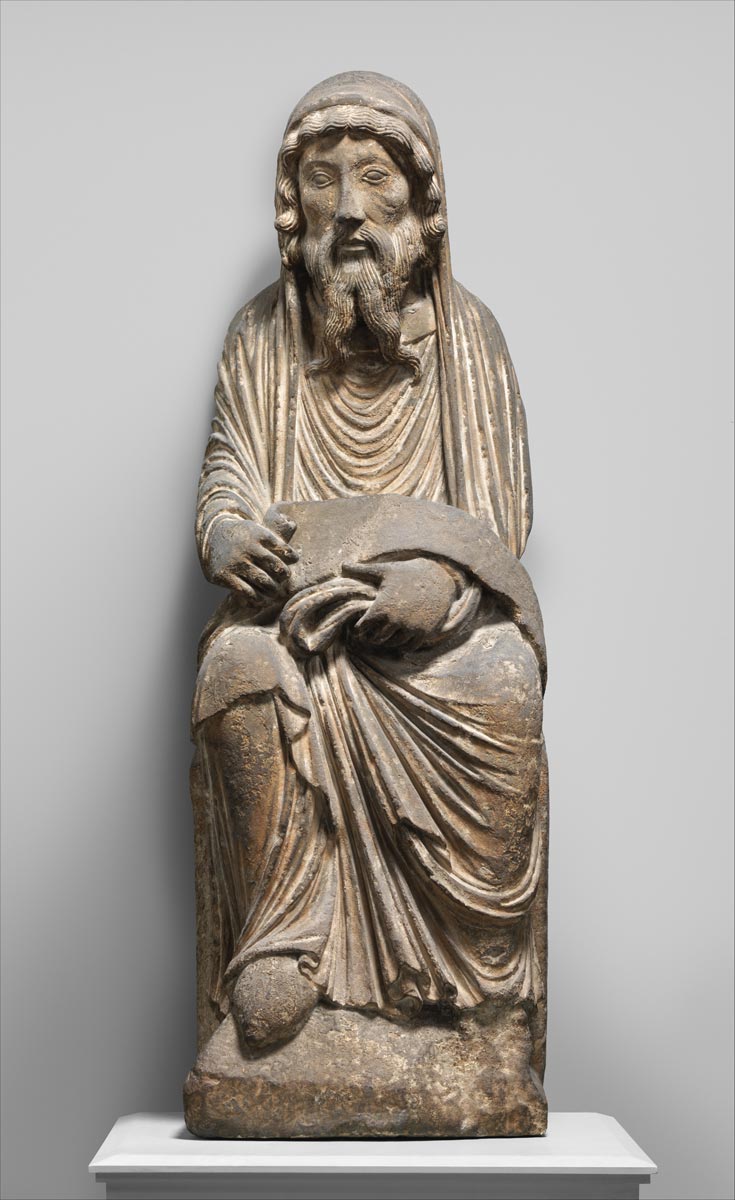
“For I am the LORD who brought you up out of the land of Egypt to be your God. You shall therefore be holy, for I am holy.”
God expected his people to be holy as he is holy. They were to represent him to the nations. In part, their holiness was expressed in what they ate and how they would ritually cleanse themselves in situations where they had become unclean.
Leviticus 17:11
“For the life of the flesh is in the blood, and I have given it for you on the altar to make atonement for your souls, for it is the blood that makes atonement by the life.”
This verse lays the foundation for the later importance of the blood of Jesus Christ, as explained in Hebrews 9:13-14. 1 John 1:7 similarly explains that “the blood of Jesus his Son cleanses us from all sin.”
Leviticus 19:33
“When a stranger sojourns with you in your land, you shall not do him wrong. You shall treat the stranger who sojourns with you as the native among you, and you shall love him as yourself, for you were strangers in the land of Egypt: I am the LORD your God.”
The Levitical law required that the people of God treat strangers with equal respect and dignity as they would their fellow kinsmen. They were not to behave like the Egyptians when the Israelites were strangers in their land.
Contemporary Relevance
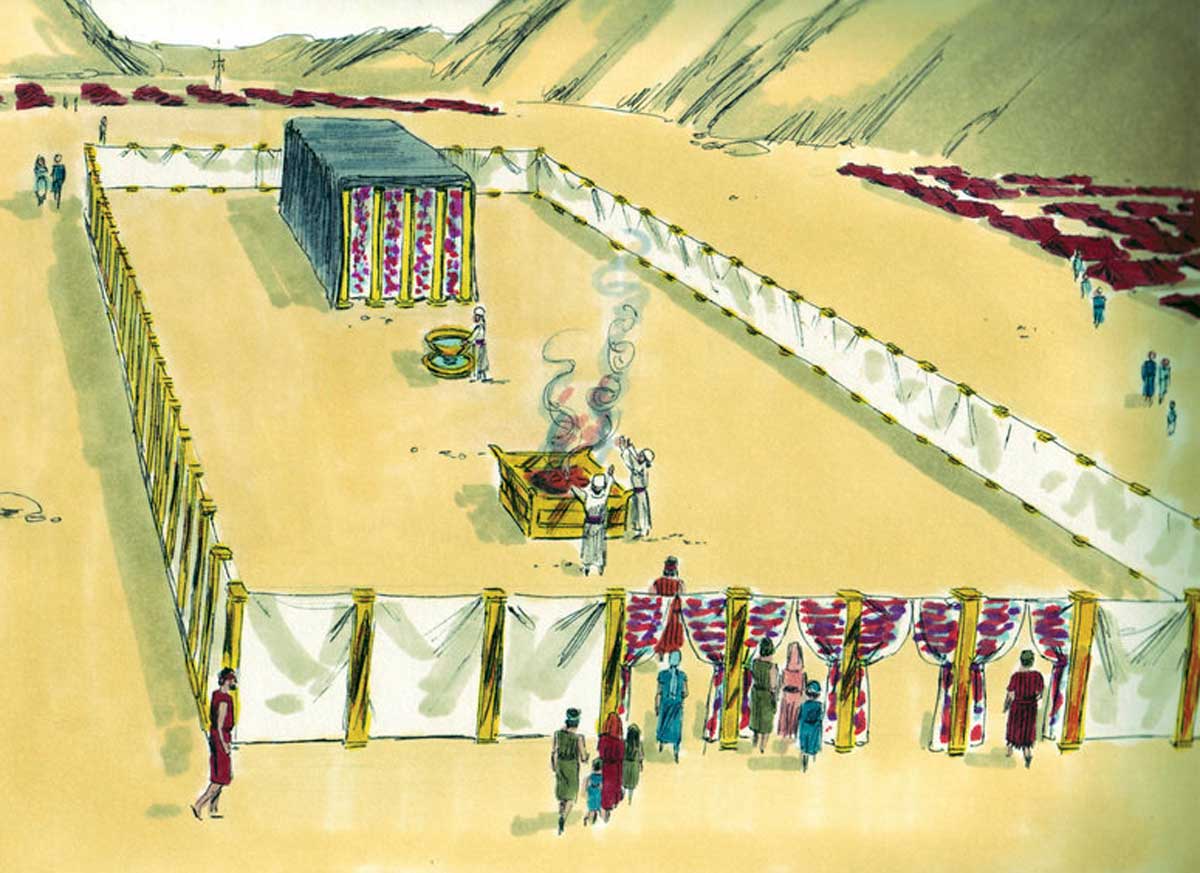
Leviticus helps the contemporary reader to understand the symbolism of the Hebrew sanctuary system of sacrifices and ceremonies that reflects the ministry of Christ. The ceremony of the day of atonement helps the reader understand atonement, forgiveness, and reconciliation. To this day, Jews celebrate the feast of Yom Kippur, which is the yearly celebration of the Day of Atonement.
Leviticus shows that God has required his people to live holy lives from the days of Israel, as he does today. The consequences of disregarding God’s instructions are also evident. God requires holiness, thus a life that reflects his character and manifests his care and love for all people.