
There’s a chill in the air. Quiet sobs and muffled speech are heard as friends and family gather around the tomb of Lazarus outside Bethany. The sisters of the dead, Mary and Martha, cling to each other and look in desperation to their friend Jesus Christ. Surely he would do something? But, to their surprise, Jesus is weeping too. None of those gathered outside the tomb would have guessed Jesus’s next words could carry resurrection power…
Why would a man who knew he was about to conquer death bother to cry?
The Human Paradox: Why Did Jesus Weep?
According to the Bible, Jesus was fully God yet fully man – the very definition of incarnation. When John 11:35 tells us “Jesus wept”, it says more than can be captured in those two words. The Bible’s shortest verse is sometimes misinterpreted as something arbitrary, but it carries real significance if we pay closer attention.
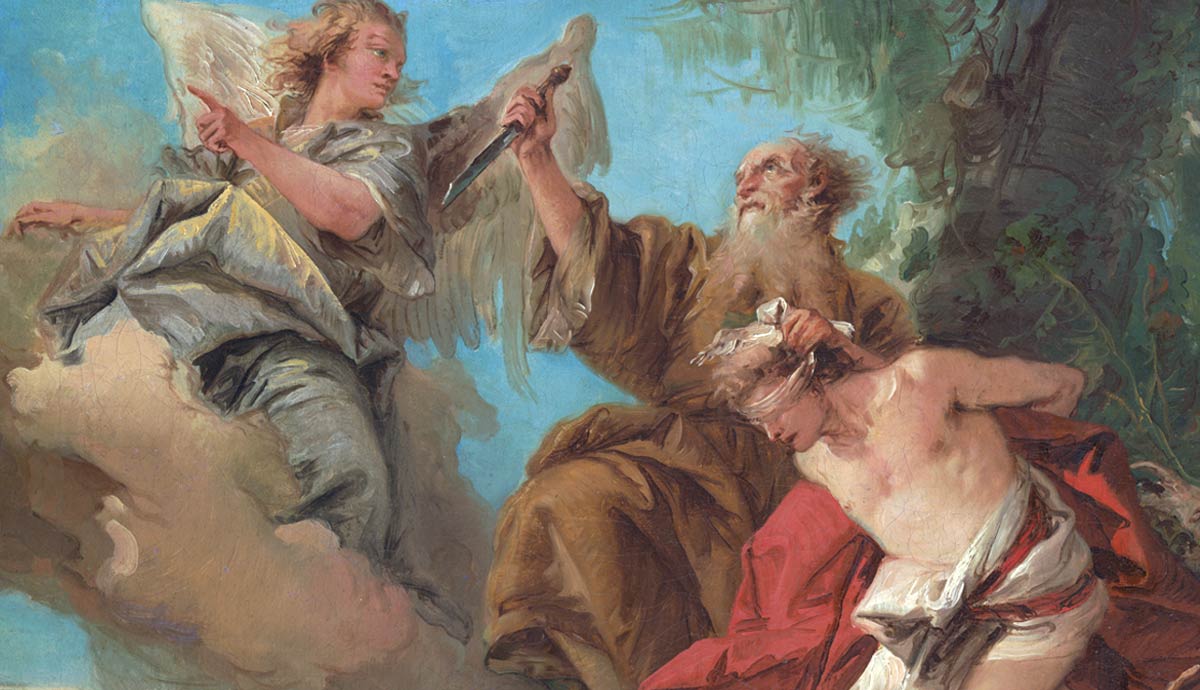
The Greek term used for wept is “edakrusen,” implying a quiet, deep sorrow rather than loud wailing. Jesus showed great empathy in this moment – a significant characteristic of God fulfilled in a moment. The God of the Bible is seen as loving, kind, and full of empathy. He provided the alternative sacrifice so that Abraham did not have to kill Isaac, and then he provided his own son as sacrifice in sending Jesus Christ.
“For we do not have a high priest who is unable to empathize with our weaknesses” – Hebrews 4:15
Four Days Dead: The Significance of the Timing
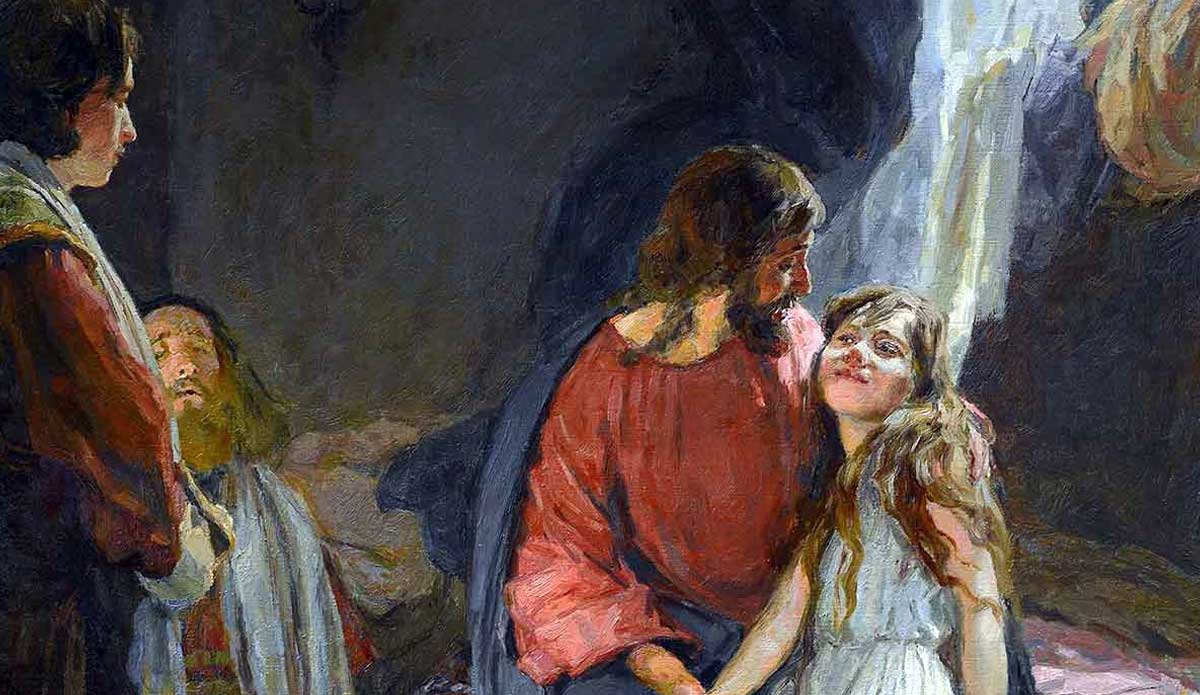
There’s a world hidden behind the details of Scripture. There was an ancient Jewish belief that the soul of the deceased hovered near the body for three days. By waiting until the fourth day, the miracle at Cana (water to wine) is eclipsed by a total reversal of biological decay. This becomes Jesus’ biggest miracle yet. Yet it’s the moment of human vulnerability that preceded the display of divine power that stops us in our tracks.
According to the Gospel, the body was already starting to smell and decompose. Jesus had the emotional intelligence to understand what his friends were experiencing and to empathize with them before rushing towards a solution. But Jesus called out in a loud voice, “Lazarus, come out!” This was not the first time that Jesus had raised the dead, but it was the first time someone had been dead for four days when he raised them.
The Miracle That Sealed a Death Warrant
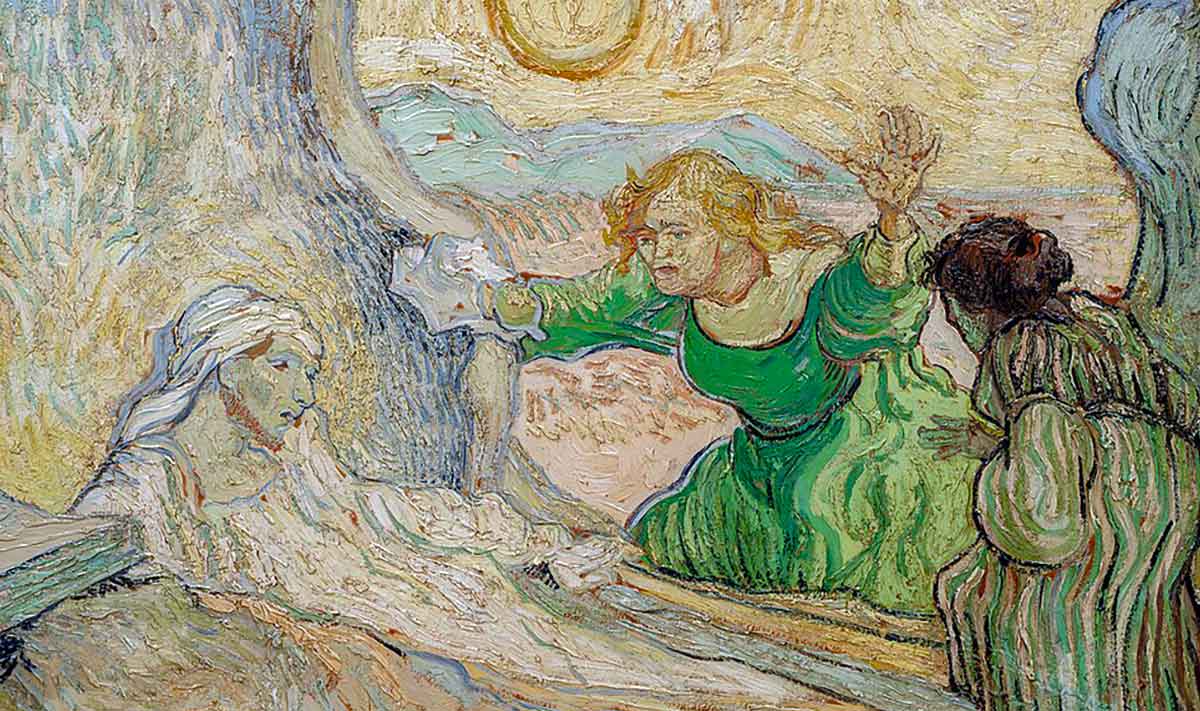
Unlike other miracles, the Raising of Lazarus was the “point of no return” for the authorities in Jerusalem. If the crowds adored Jesus before, they went crazy about him now.
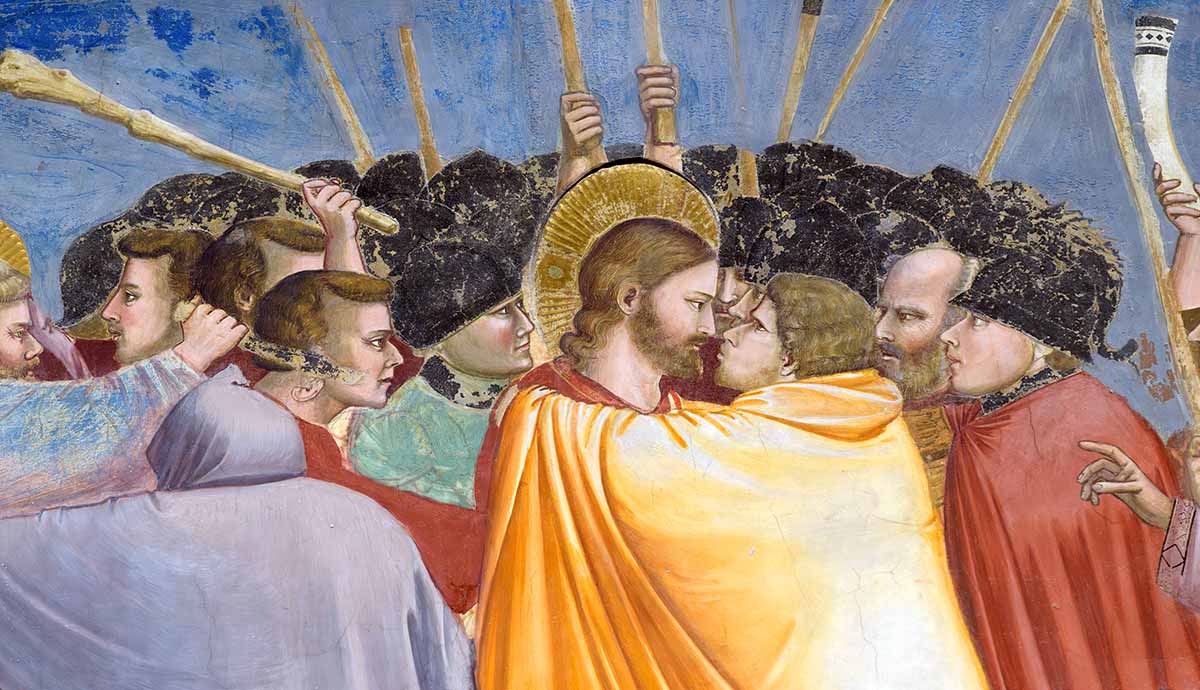
Bethany, where Lazarus lived, was on the outskirts of Jerusalem (less than two miles to the east). It was also where Jesus spent the last days before his death. With crowds rushing to Jerusalem for the Passover Festival, the Sanhedrin’s hand was forced. The religious leaders and authorities were certain now of what they had expected before: He had to be stopped. It was not long after this that the plot to kill Jesus was made, where Judas betrayed his rabbi.
The Iconography of the Grave: Lazarus in Western Art
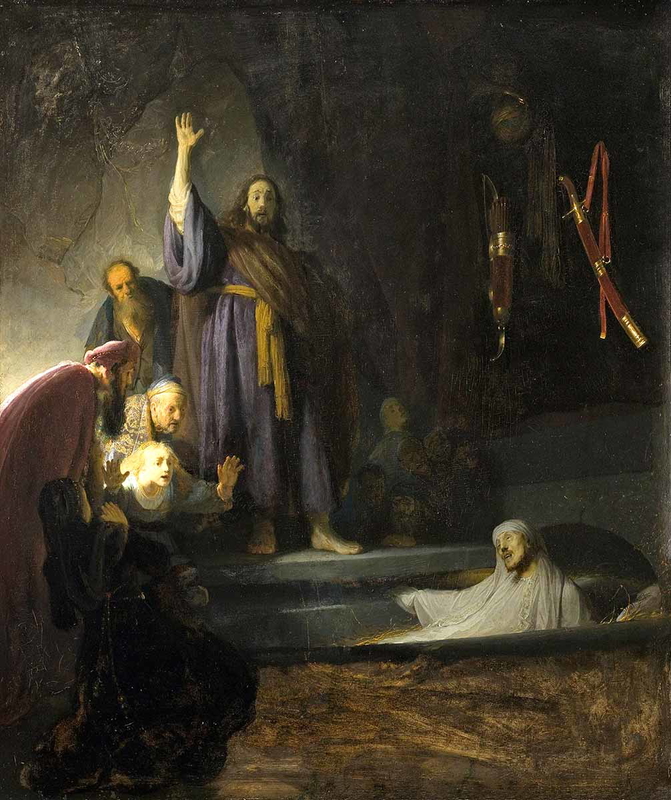
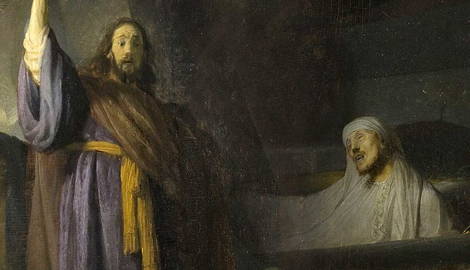
Through the ages, various artists have depicted the Resurrection of Lazarus – a tricky endeavor since the artist had a unique job: Capture the true empathy and weeping of Jesus while also capturing the joy and wonder of the resurrected Lazarus.
Rembrandt used light and shadow to create such drama (see painting above), while Caravaggio gave a more visceral, almost haunting depiction of the resurrected man (see painting below). Both paintings show the magnitude of this “final sign” of Jesus Christ before his death and resurrection.
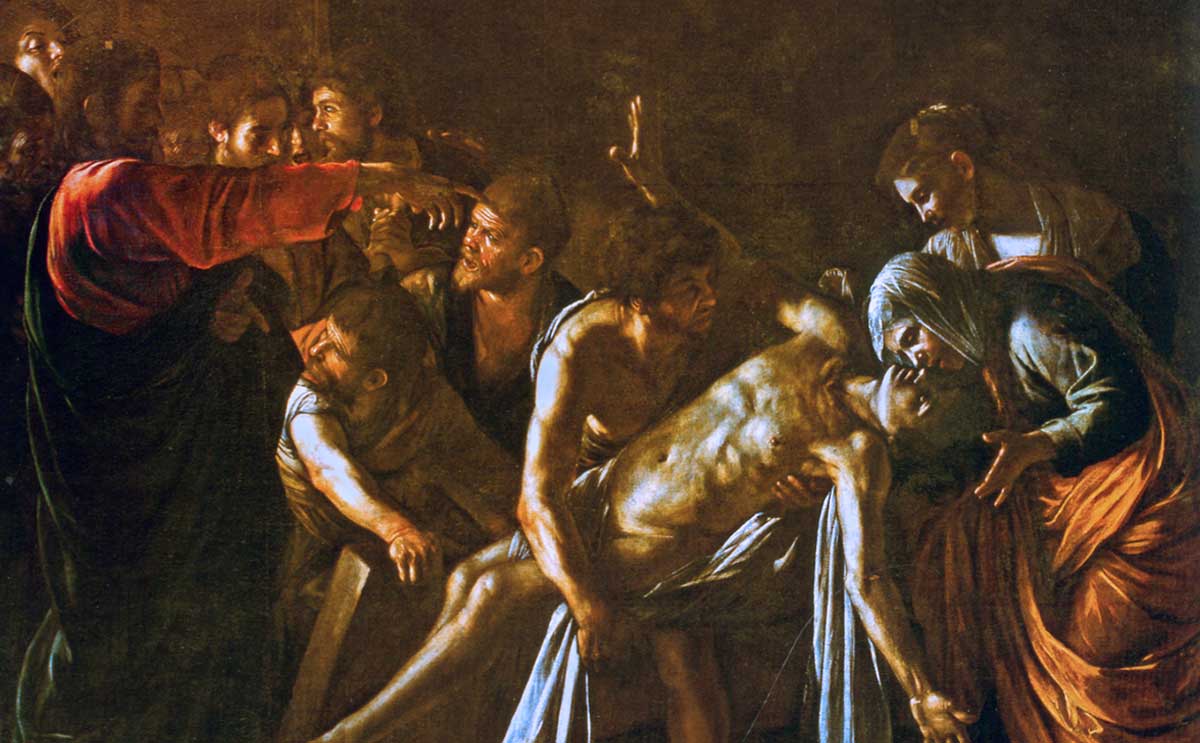
“Jesus wept.” The two words carry such significance. Yet this one miracle would predict his own death and resurrection, where he would also weep in great anguish.
The weight of this seemingly simple verse comes from the fact that it makes the miracle relatable. It is a story of power born out of profound love and loss.