
It was dark in the olive grove, the disciples asleep, while Jesus was in fervent prayer. This calm before the storm was so silent that one could not have anticipated the mob arriving with torches and weapons to arrest Jesus, or that they would be led by the disciple Judas Iscariot. No one would have guessed that a single friendly kiss would be the final act of Jesus as a free man.
The Cultural Weight of a Kiss in the Second Temple Period
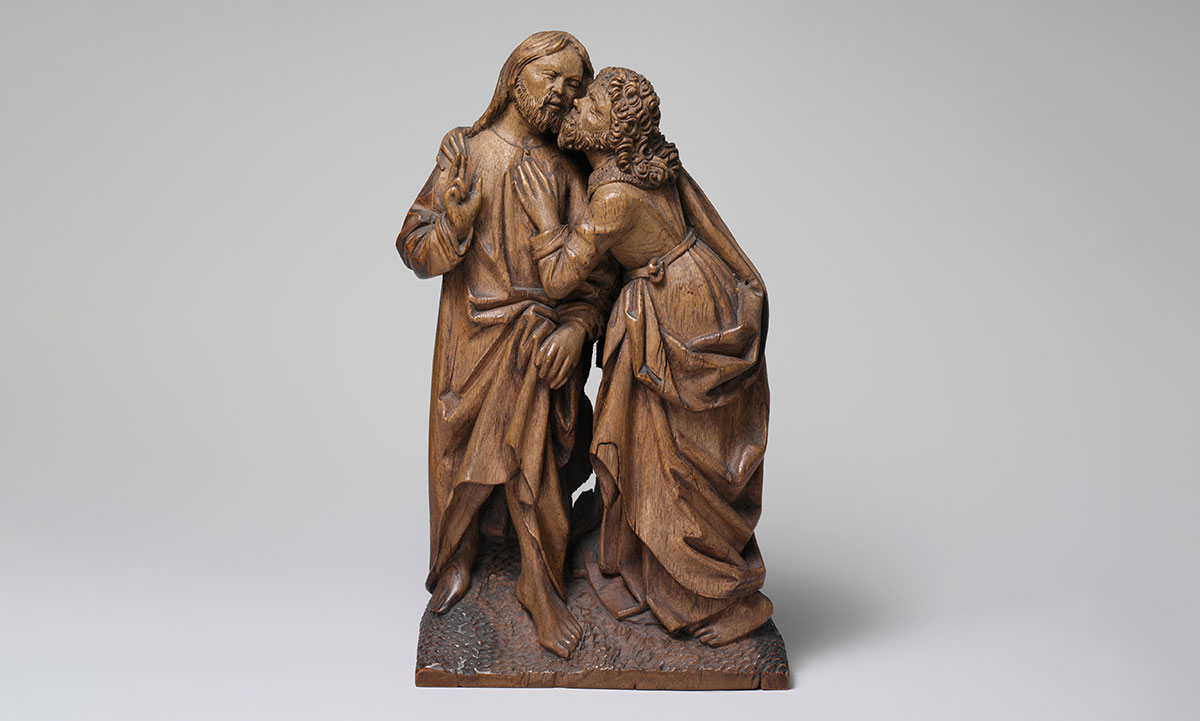
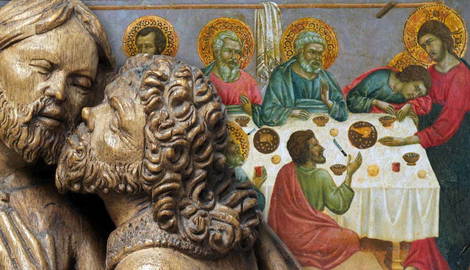
A kiss has and always will be an intimate act— sometimes done in love and often a sign of kinship, respect, or loyalty. Yet Judas Iscariot made it a sign of betrayal. He led the mob right up to Jesus, identifying him in the dark with a signal he communicated beforehand, saying: “The One I kiss, He’s the One; arrest Him!” (Matthew 26:48).
Judas pretended to walk up to Jesus as a friend (he was one of the twelve disciples), saying “Greetings, Rabbi!” and then he kissed him. This seemingly friendly greeting was how Judas preserved his self-image and, at the same time, gave Jesus over into the hands of his killers. “Friend,” Jesus asked Judas, “why have you come?”
Identifying the Target Through a Perversion of Intimacy
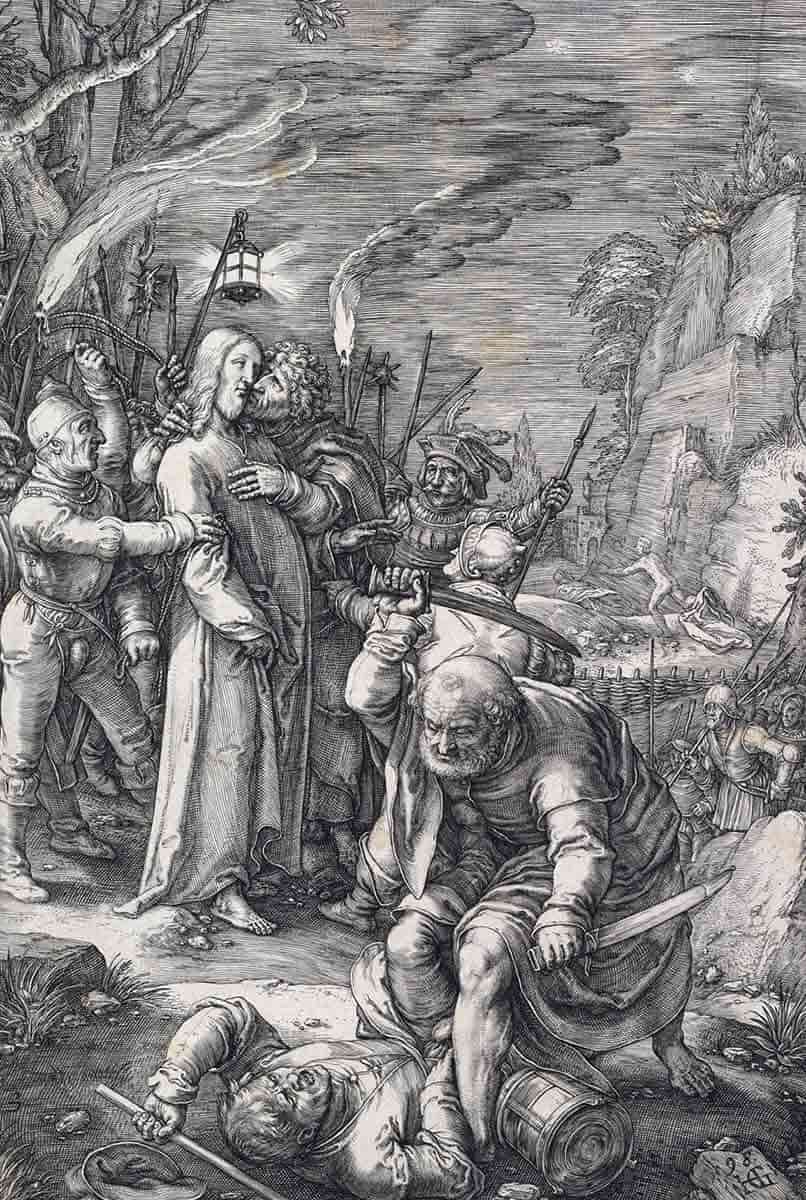
Before photographs, the mob would not know how to identify Jesus if they hadn’t seen him before. And if they did know what he looked like before man-made light, they might not have been able to recognize him in the dark garden of Gethsemane, with olive trees surrounding them and at least ten other men around.
That is perhaps why Judas Iscariot felt it necessary to identify Jesus in this way. He walked right up to the rabbi, past the disciples, because he was one of them and didn’t seem to pose a threat.
Did Judas Act Out of Character or Surprise Jesus?
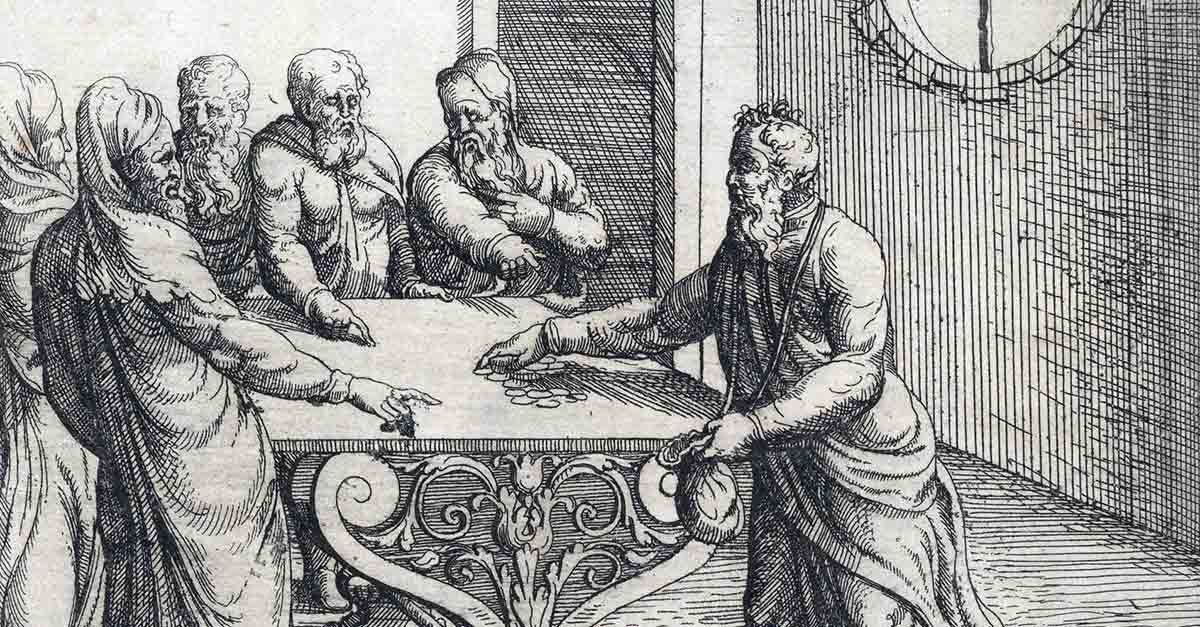
Yet when we read the whole of the Gospels, this act of betrayal from Judas is not that surprising. Throughout the story, Judas is described as a money-hungry, obsessive zealot. He steals from the disciples’ money bag and is generally painted in an ugly light. Judas took the payment of 30 pieces of silver for leading them straight to Jesus.
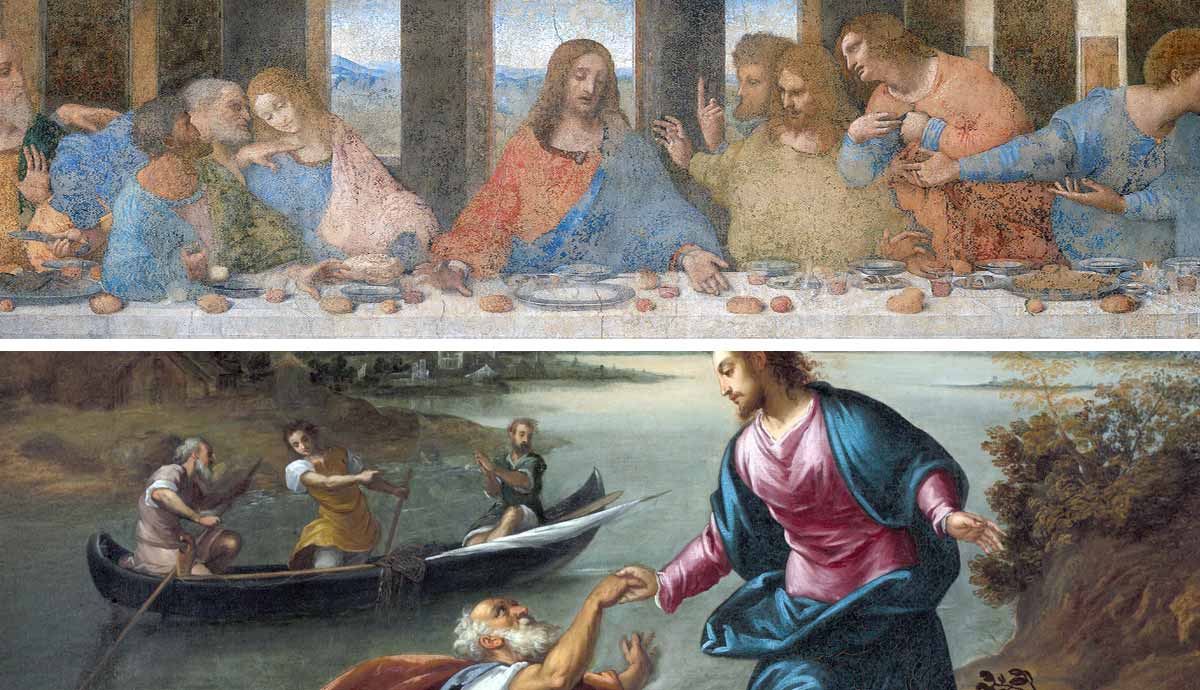
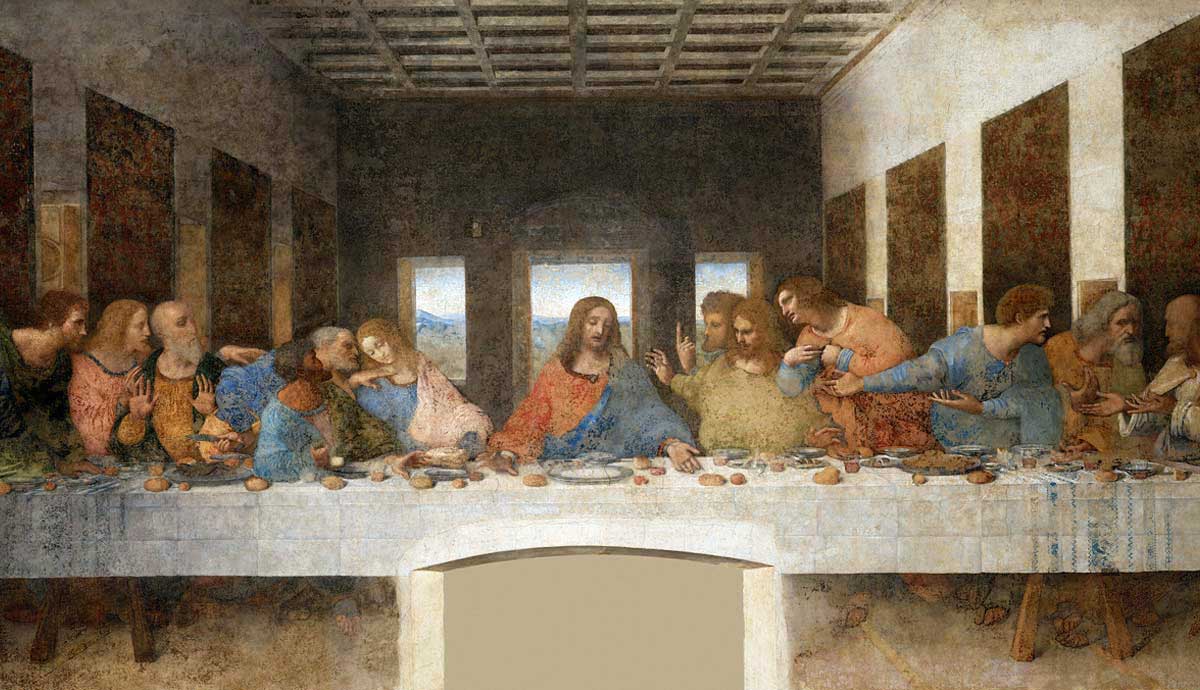
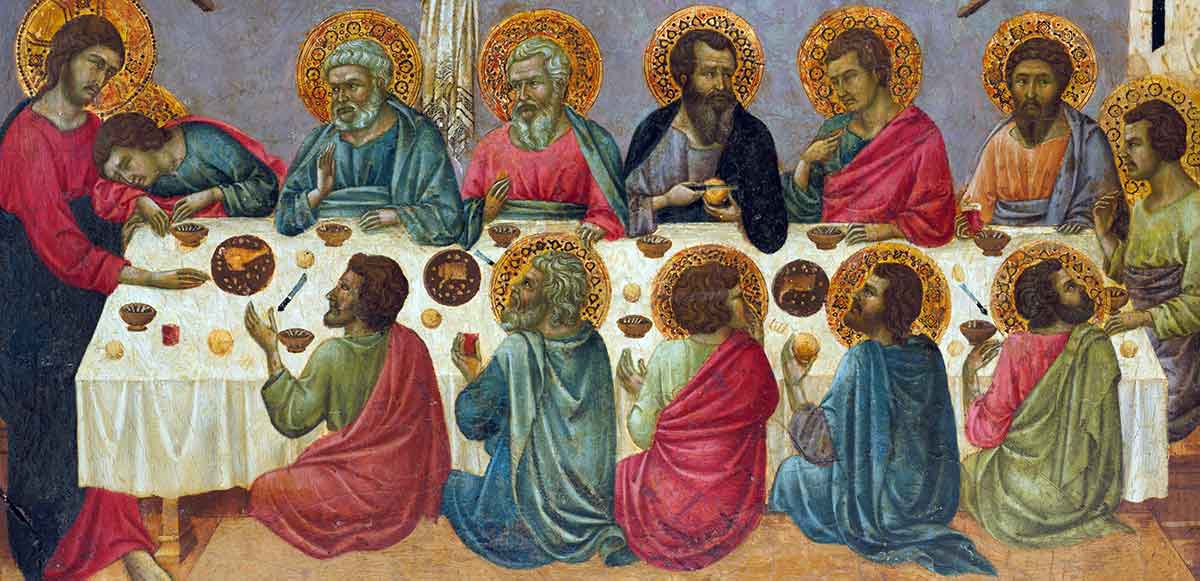
Judas did not surprise Jesus with the betrayal; Jesus had already predicted that Judas would turn on Him during the Last Supper, earlier that night.
Interestingly, the Gospel of John does not include the kiss:
“Then Jesus, knowing everything that was about to happen to Him, went out and said to them, “Who is it you’re looking for?” “Jesus the Nazarene,” they answered. “I am He,” Jesus told them. Judas, who betrayed Him, was also standing with them.” — John 18:4-5
Cognitive Dissonance and the Traitor’s Internal Conflict
In modern psychological frameworks, cognitive dissonance is experienced when one’s beliefs, values, and circumstances are in conflict.
Judas Iscariot likely experienced disappointment when Jesus was not the violent warlord the Jews wanted. He devoted years of his life to the Messiah only to realize he didn’t agree with his methods. He might have even seen Jesus as a dangerous leader who distracted people from the Temple’s teachings. Yet, Judas was in with them, likely leading to serious inner turmoil.
It is highly probable that Judas sought “confirmation bias” by going to the religious leaders to validate what he felt. He actively sought out those who already openly shared his view of Jesus. The kiss offered a confused Judas the perfect solution: He could be a disciple and an informant simultaneously.
Was Judas Trying to Get Jesus to Fight?
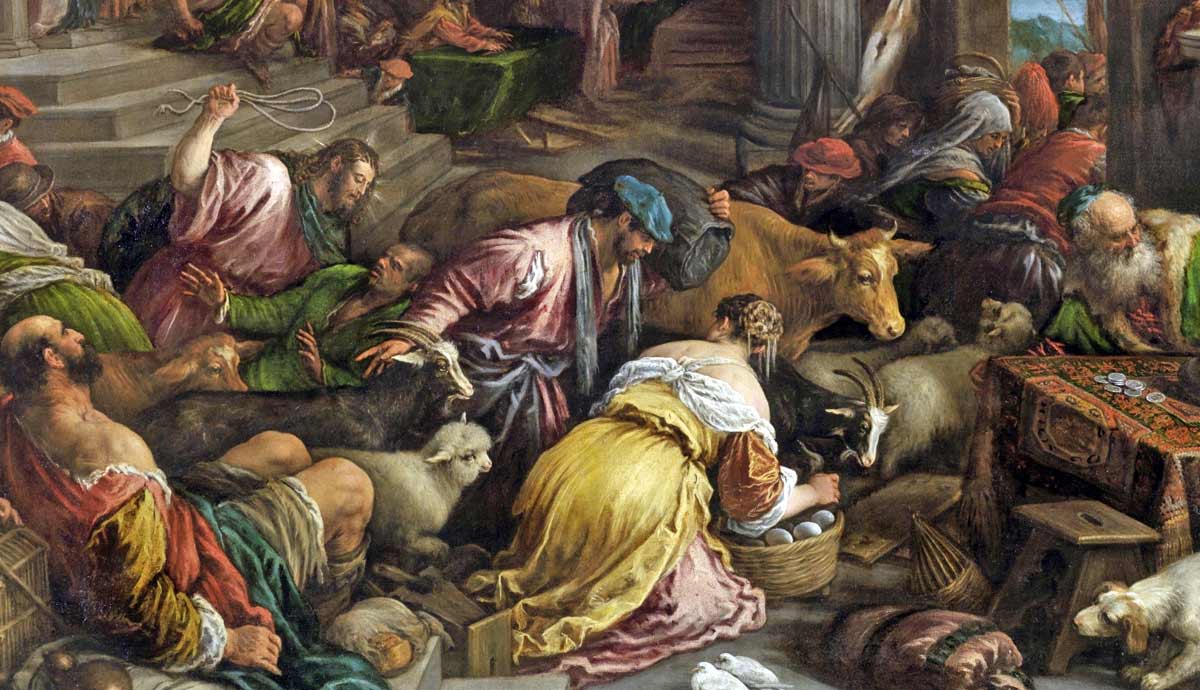
There’s another theory stating that Judas kissed Jesus and brought the mob to him in an attempt to force Jesus’ hand into starting a rebellion. Finally, the violent prophecies would be fulfilled where God saved His people and overthrew their oppressors (the Roman Empire). The other disciples were certainly ready for a fight. A bizarre detail in the middle of Jesus’ arrest states that one of them immediately cut off the ear of a member of the mob, which Jesus swiftly heals before he is led away into the dark night.
Another theory states that the kiss was an attempt to trigger a divine intervention that Judas believed was overdue. He might have hoped that God would step in, send down His angelic armies, and conquer all who were against them.
The Aftermath of the Kiss
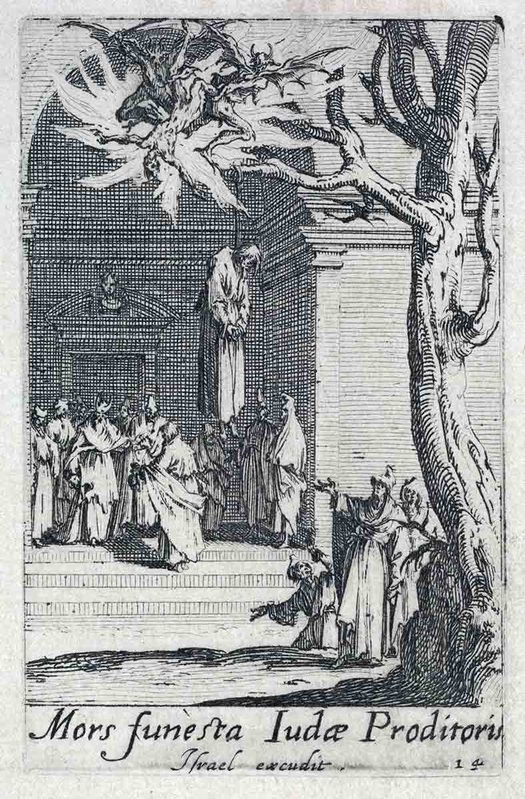
ca. 1632. Source: The MET
In Matthew 27:3, it is written that Judas was filled with remorse when he saw Jesus being arrested. He commits suicide, and his story ends tragically, because he does not live to witness the resurrection of Jesus or see the risen Christ. Judas did not get a chance to restore his relationship with Jesus or recognize his mistake, unlike Peter, who was restored to Christ in John 21.
The “kiss of Judas” or even just the name “Judas” has become a permanent metaphor for betrayal in Western literature and politics. He is always painted in yellow to indicate his treacherous ways.