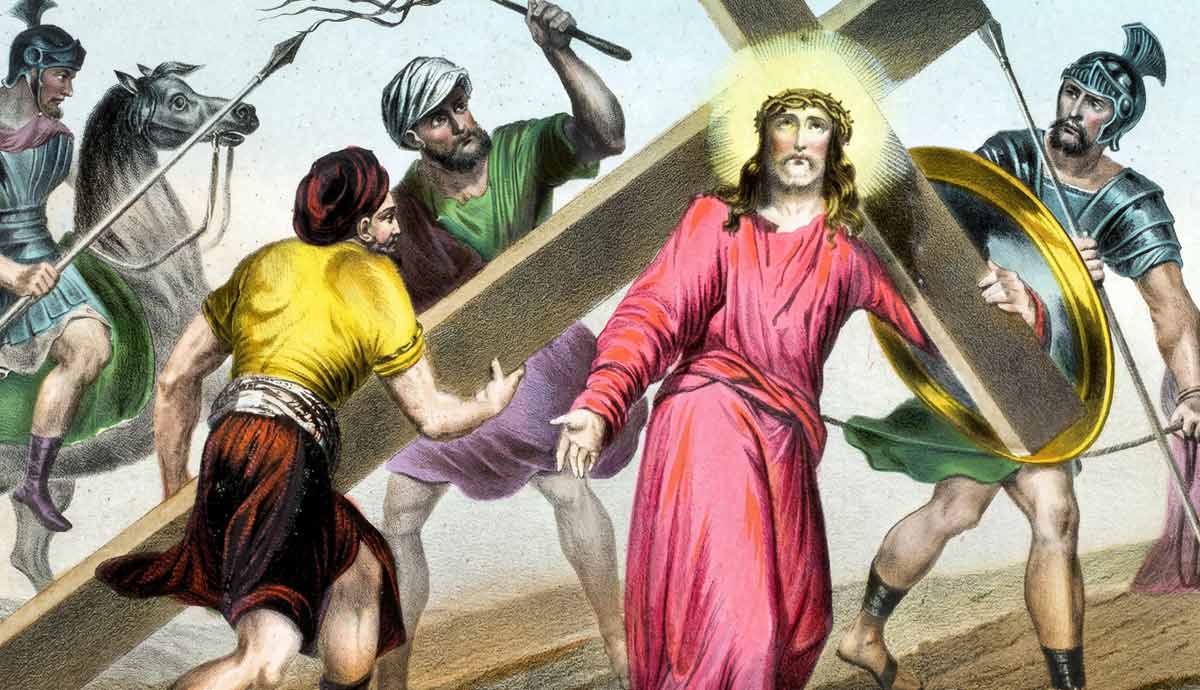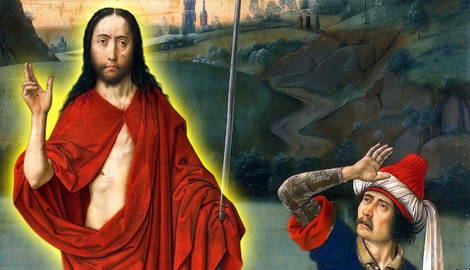
While most people will say their faith is not based on or dependent on facts, there is certainly value in determining the historical claims and eyewitness accounts surrounding the life, ministry, death, and resurrection of Jesus Christ. Focusing on the resurrection is not just a theological concept, but a piece of mysterious and intriguing history. Most Easter celebrations and Bible-believing Christians focus on the ascension of Christ, forgetting the forty days that came between the resurrection and his ultimate ascension to heaven.
The Roman Guard and the Witness of the Enemy
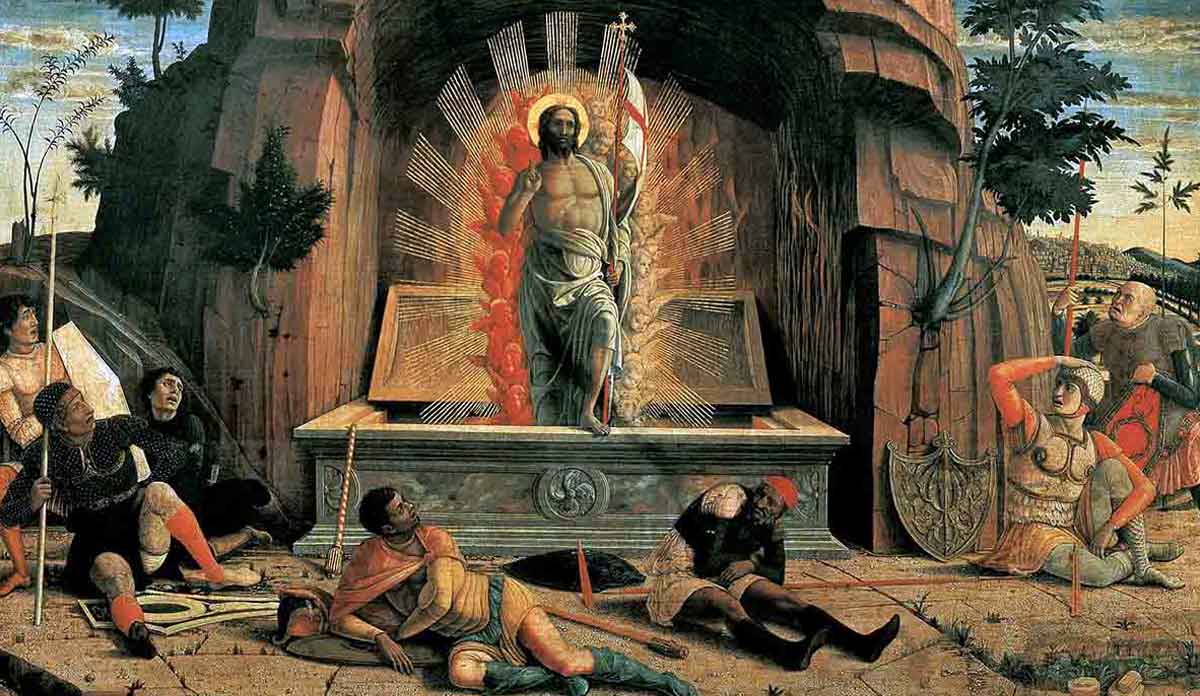
The Bible is full of humor and irony. Jesus Christ himself often “cracked a joke.” One such example is found in considering who was present at the tomb where Jesus was resurrected.
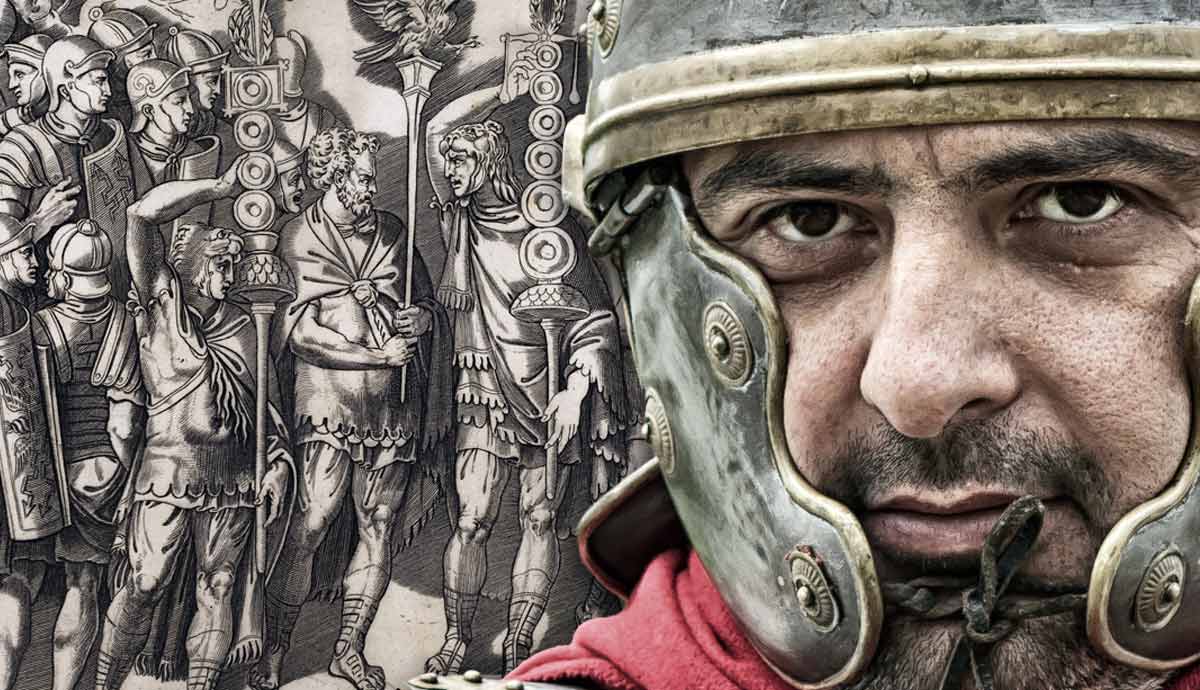
The tomb was guarded by Roman soldiers (“custodia”) tasked with preventing the theft of the body. Why? Because Jesus predicted his resurrection many times (John 2:19), and if someone could steal his body, they’d prove his message was true.
Yet before anybody had the chance to attempt such a theft, an angel came down with a violent earthquake: “going to the tomb, (he) rolled back the stone and sat on it. His appearance was like lightning, and his clothes were white as snow. The guards were so afraid of him that they shook and became like dead men.” (Matthew 28:2-4)
The guards, the enemies of Christ, shared what they witnessed with their leaders, and they were bribed to keep quiet. But the guards were not the only ones who saw the empty tomb.
Mary Magdalene and the Scandal of Female Testimony
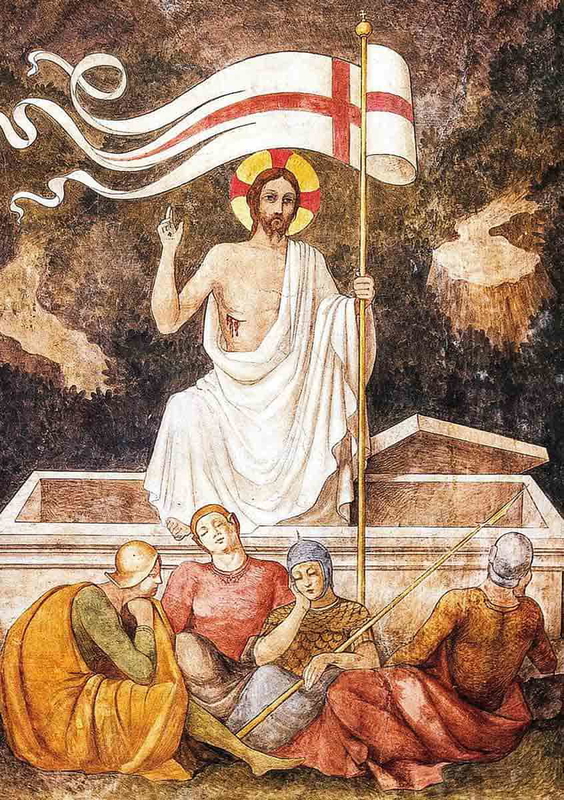
Jesus was (in)famous for putting outcasts central in his ministry. Sinners, widows, children, and women were often at the receiving end of his mercy. It is fascinating that all four Gospels place women at the tomb first, despite the 1st-century Jewish legal reality where a woman’s testimony was often inadmissible in court.
In an eyewitness account, the “Criterion of Embarrassment” assesses how awkward, seemingly out-of-place details are more likely to be true. Critics and scholars of the Bible have surmised that if the story were a fabrication, women would never have been the primary witnesses.
“So the women hurried away from the tomb, afraid yet filled with joy, and ran to tell his disciples. Suddenly Jesus met them. “Greetings,” he said. They came to him, clasped his feet and worshiped him.” – Matthew 28:8-9
Peter and the Inner Circle
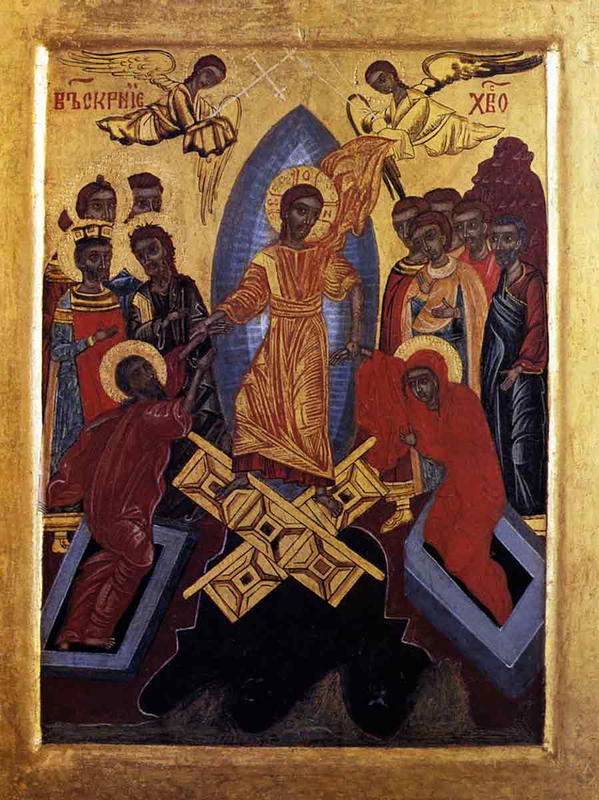
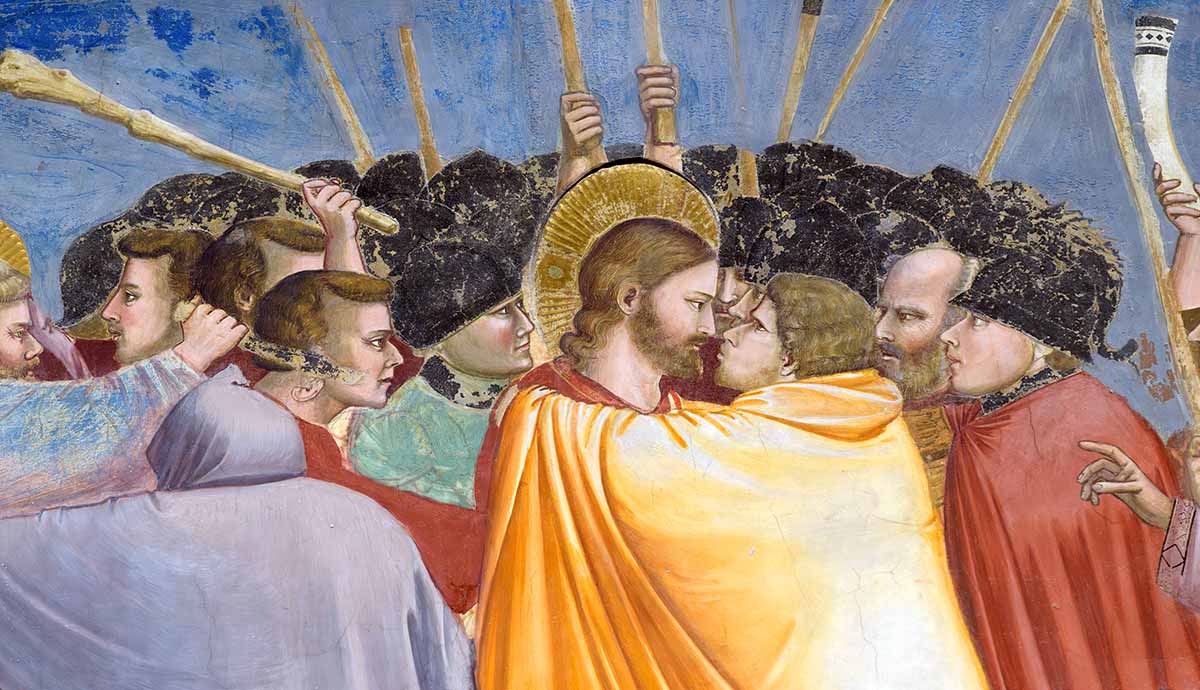
Earlier, when Jesus was betrayed by his disciple, Judas Iscariot, and arrested in the olive grove, all of his disciples deserted him. They went into hiding at this point, denying they knew him, and watching from afar as he was crucified.
Peter famously denied Jesus three times before the rooster crowed for the morning, just as Jesus predicted he would.
Upon resurrecting from the dead, Jesus is not upset with them, though. He appears to the Twelve on numerous occasions, showing them the marks in his hands and feet, and even allowing those who doubted— like Thomas— to touch his body.
Now that these men saw their rabbi in the flesh, a major psychological shift is evident. They go from hiding in fear to public proclamation, witnessing sincerely that he rose from the dead.
The Road to Emmaus and the Mystery of the Two Travelers
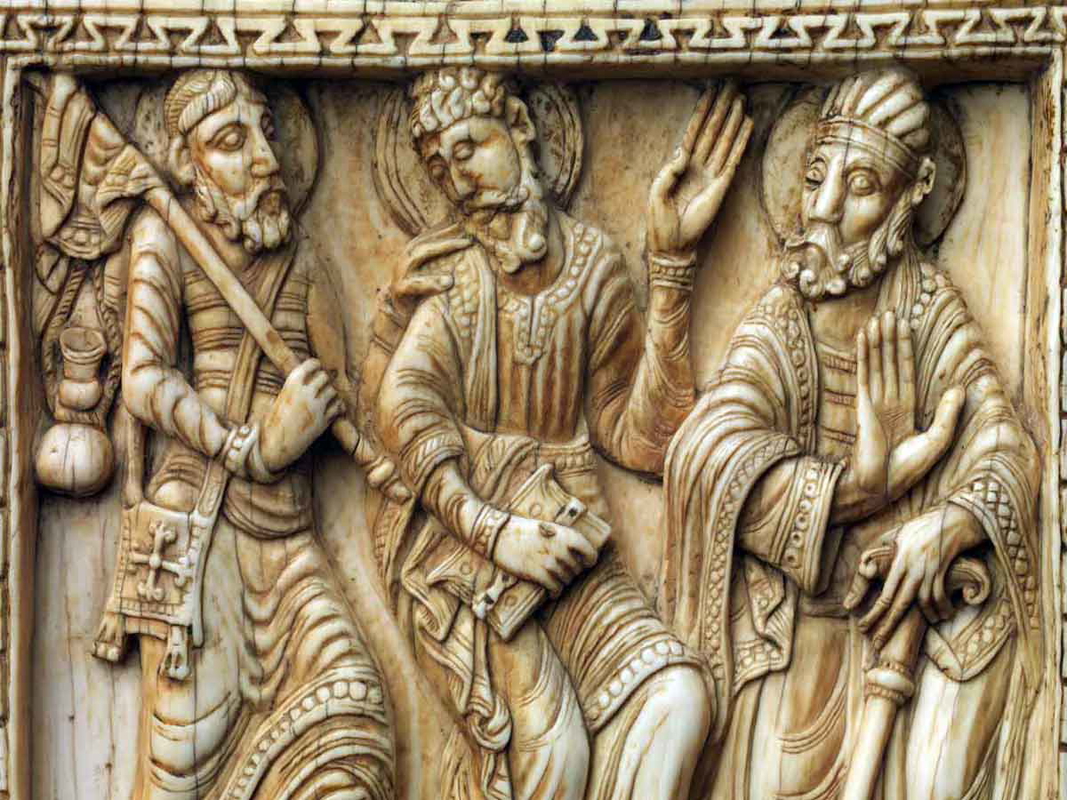
Yet Jesus did not only show himself to the famous Apostles. He also appeared to ordinary followers whose names were preserved for historical verification.
On the Emmaus Road, Cleopas and his companion were walking and discussing everything that had happened in the days that had passed. A man joined them and talked with them about how all these events relate to the Scriptures they know so well; how Jesus Christ fulfilled the law and the words of the prophets and defeated death.
They invited him to dinner, and it was only when he broke the bread that they suddenly recognized him as the Christ; then he disappeared from their midst before they could do anything more.
Sharing this sort of encounter with others was not only embarrassing but also dangerous.
The Five Hundred and the Power of Mass Testimony
These appearances are all between one and a maximum of 12 people seeing the risen Jesus. Yet there’s a very interesting verse found in 1 Corinthians 15:6:
“…he appeared to more than five hundred of the brothers and sisters at the same time, most of whom are still living, though some have fallen asleep.”
This verse has a ‘public’ nature. When Paul wrote it, many of these five hundred were still alive. He was effectively challenging his readers to go and interview them.
So many of those who believed in Jesus saw him after his resurrection.
The Witness of the Skeptic: James, the Brother of Jesus
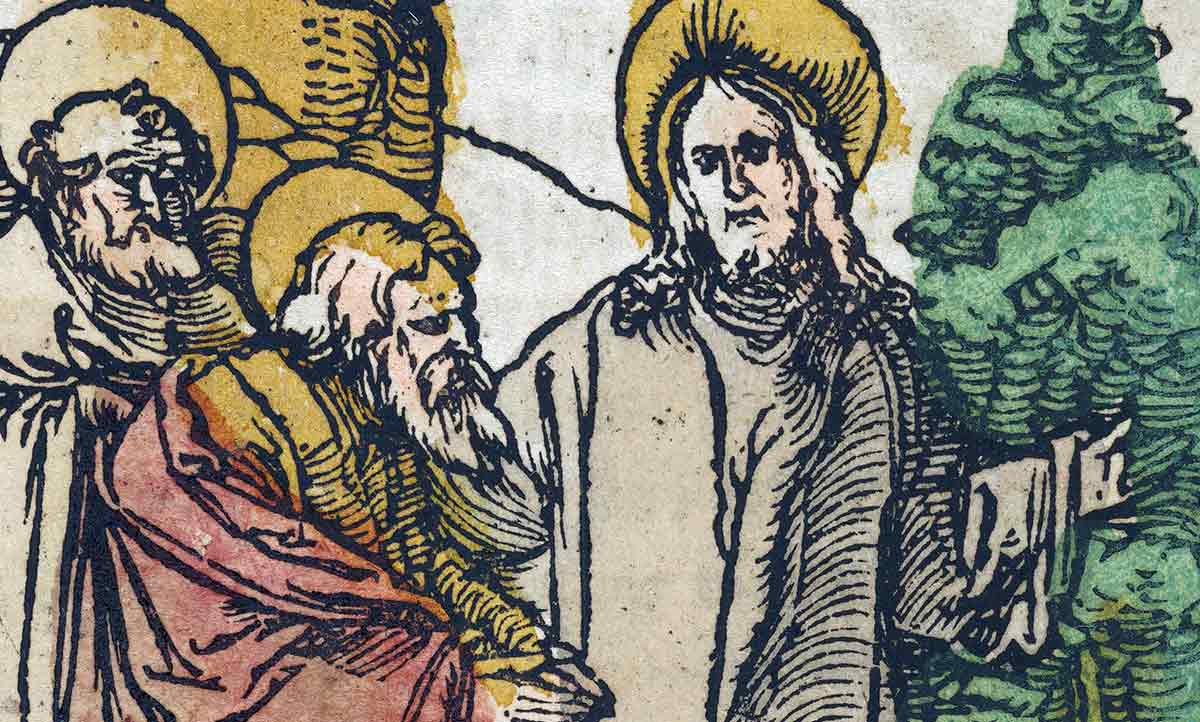
Of all the people who might have found it challenging to believe that Jesus was the promised Messiah, it was probably hardest for his siblings. Imagine your brother claiming that he is the chosen one— Joseph in the Old Testament is evidence of how that usually goes, and he was sold into slavery by his brothers!
Yet, after Jesus rose from the dead, he also appeared to his brother, James (1 Cor 15). The conversion of James into a leader of the Jerusalem Church is one of the strongest “hostile witness” arguments. He even wrote the Book of James, which is now included in the Bible.
The Empty Tomb in the History of Art

Suppose you are an artist inspired to try to depict the resurrection of Jesus— it’s surely not an easy task. One minor detail of the resurrection that has received a lot of attention in art is a phrase the resurrected Christ says to Mary Magdalene: “Noli Me Tangere” (Touch Me Not).
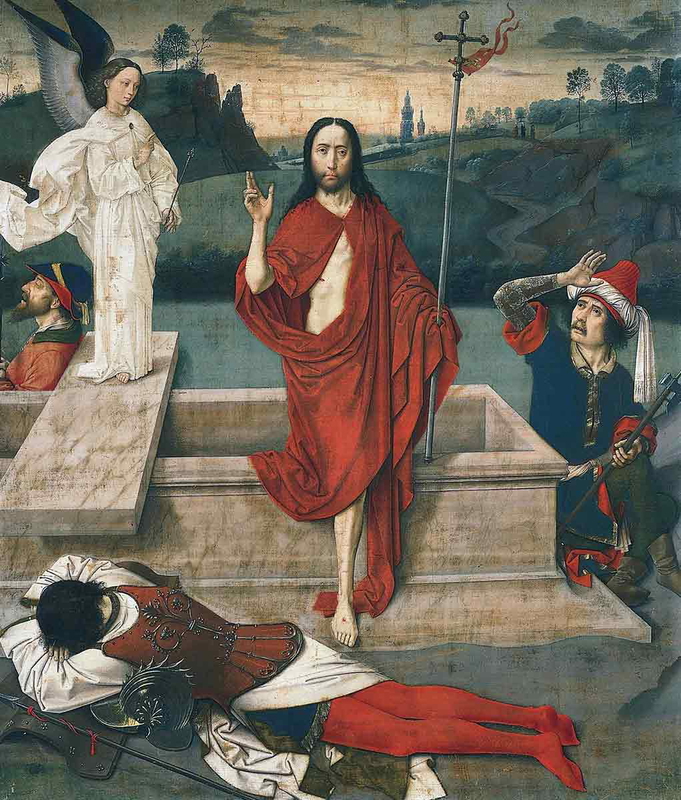
Despite all that has been said in this article, this must be clear: The rising of Jesus was mostly “unseen.” Nobody saw the moment the corpse drew a breath… This unseen nature of the resurrection is especially evident in art.
During the Renaissance, the scenes are dramatic and dominated by light, while the Byzantine period focuses on the eerily quiet empty tomb.
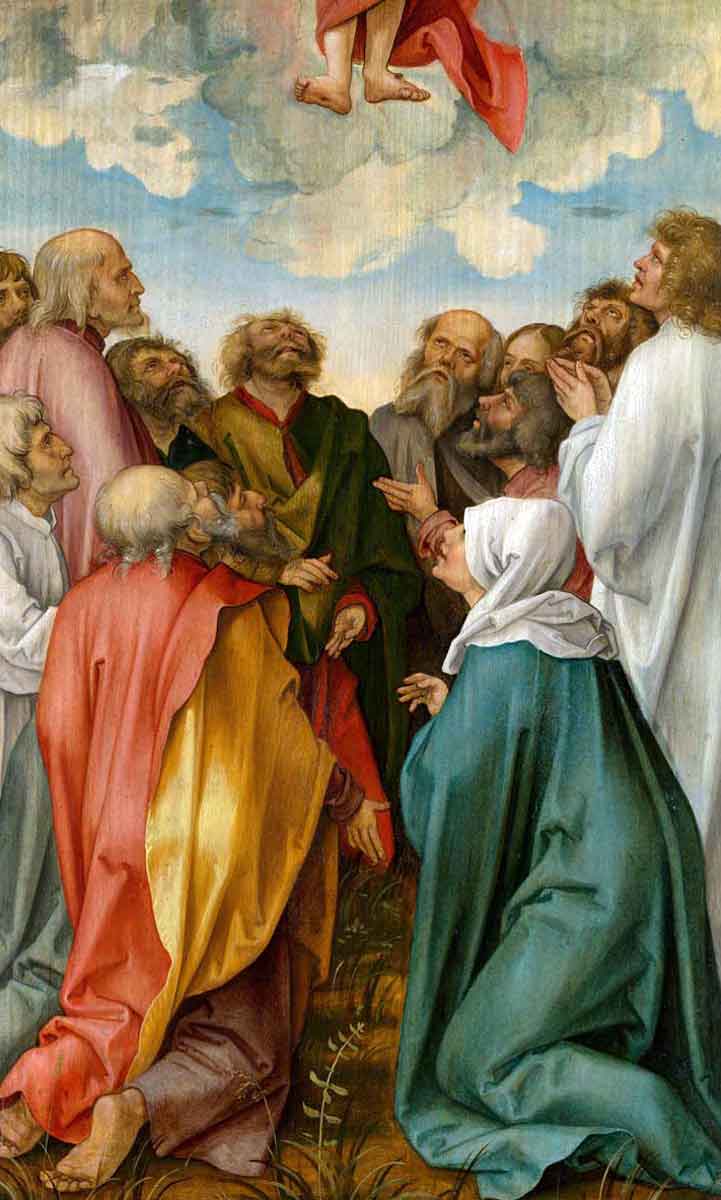
Scholars and skeptics alike have been surprised by the diverse nature of the witnesses— men, women, soldiers, skeptics, and crowds. All seem to tell the same story.
The strength of the resurrection story historically relies on the “embarrassment” of its witnesses and their willingness to die for their testimony. The soldiers were bribed to keep quiet (Matthew 28), and the women were suspected of speaking nonsense (Luke 24:11). Many of those who claimed to have seen the risen Christ died a martyr’s death soon thereafter.
“After his suffering, he presented himself to them and gave many convincing proofs that he was alive. He appeared to them over a period of forty days and spoke about the kingdom of God.” – Acts 1:3