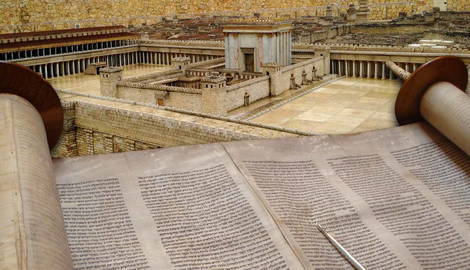

The Sadducees were a political and religious sect of Jewish leaders, particularly in Jerusalem, during the second Temple period, lasting from around 200 BC to about 70 AD, until the second Temple’s destruction. They had a powerful impact on early Judaism, shaping how much of Jewish life and worship was controlled.
Origins of the Sadducees
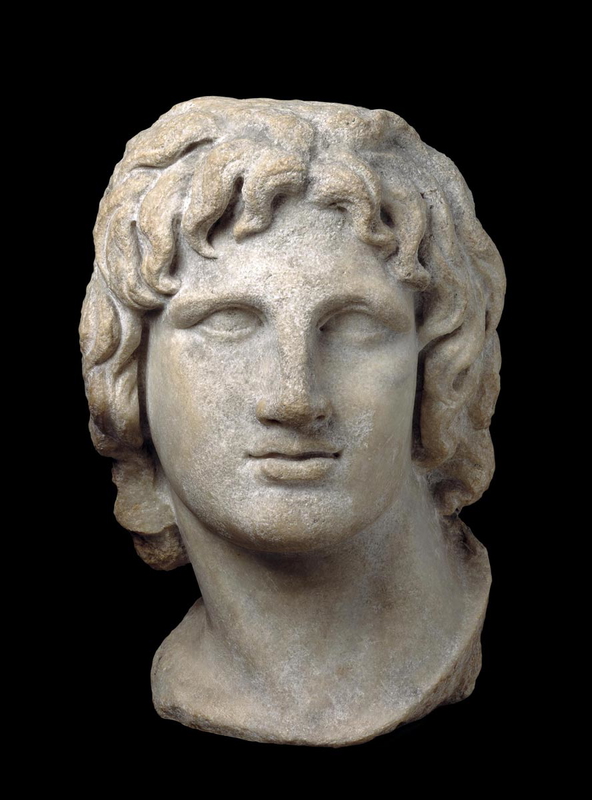
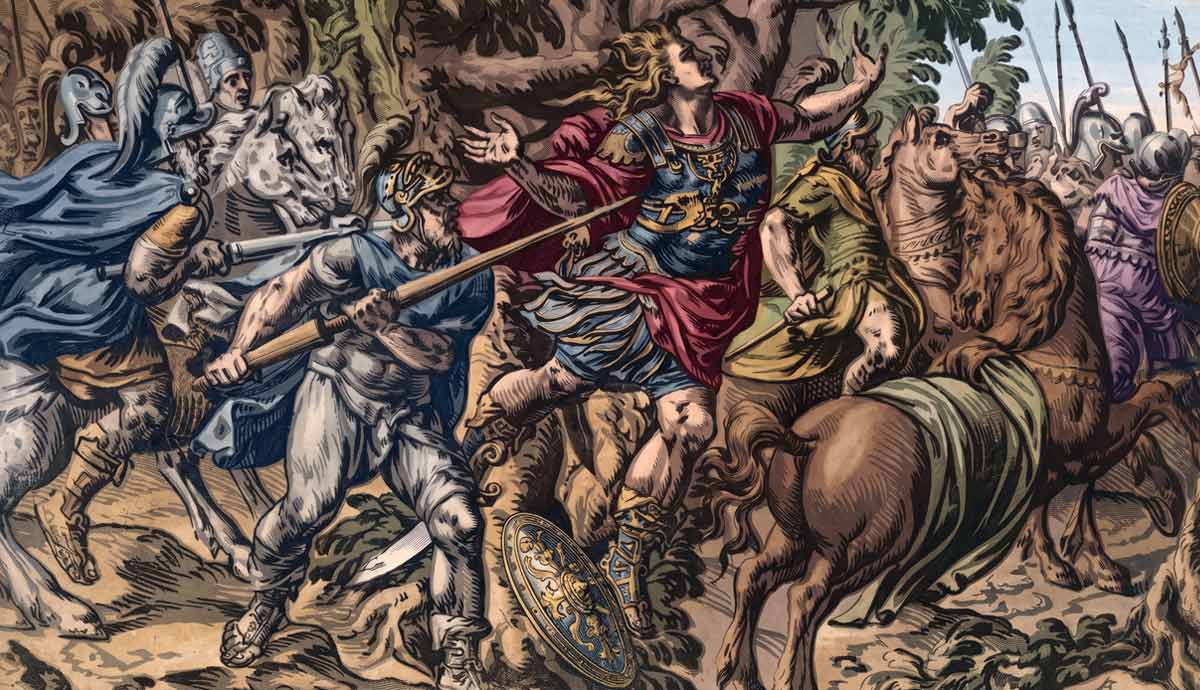
No definite beginning period for the Sadducees exists, but the group developed sometime around the period following the death of Alexander the Great in 323 BC, when his followers were fighting over his succession. Jerusalem was generally under Greek control at this time, and the Sadducees arose sometime during the period of the Hasmonean Kingdom, whose rulers operated under Seleucid control until the Romans took over in the first century BC. The Sadducees were a more aristocratic class than their main opponents, the Pharisees, and they controlled and administered the Temple. Thus, it is from their ranks that the priestly class was drawn.
What the Sadducees Believed
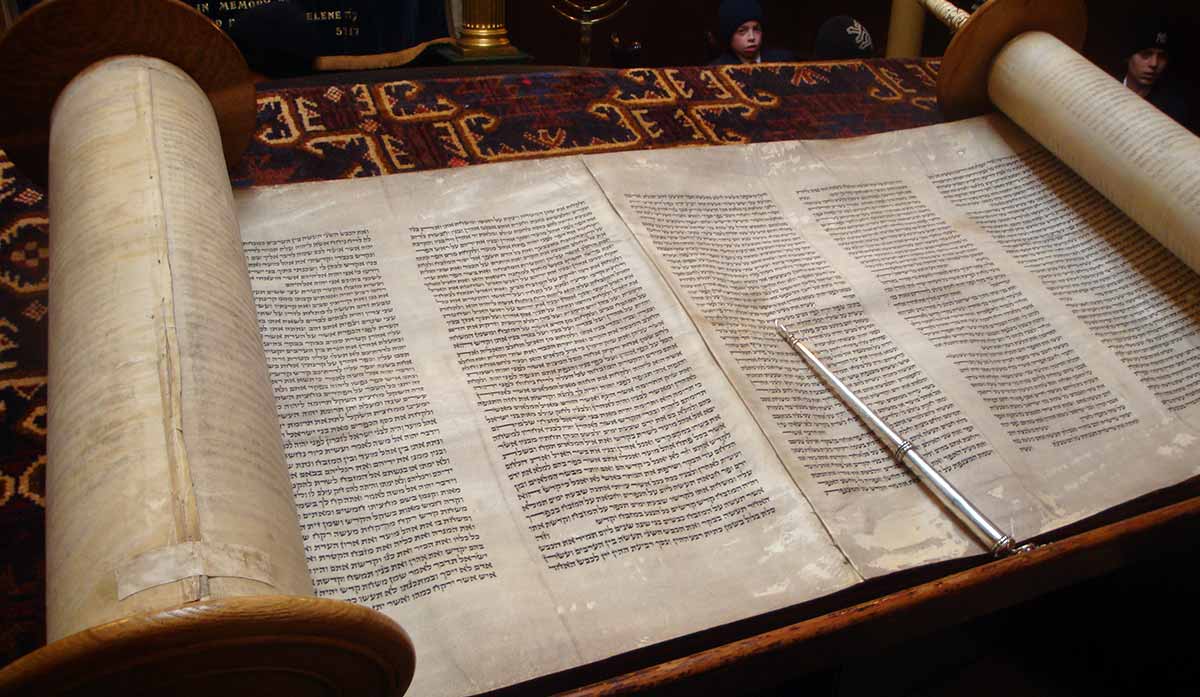
As there are no surviving writings from the Sadducees, very little is known about their beliefs, and what we do know is from their detractors. The Sadducees believed strictly in the first five books of the Old Testament, called the Torah. They rejected any oral traditions, as opposed to the Pharisees, who accepted oral tradition. They also rejected the ideas of an immortal soul and resurrection of the dead, and they disbelieved in spiritual beings, such as angels.
Literature on the Sadducees
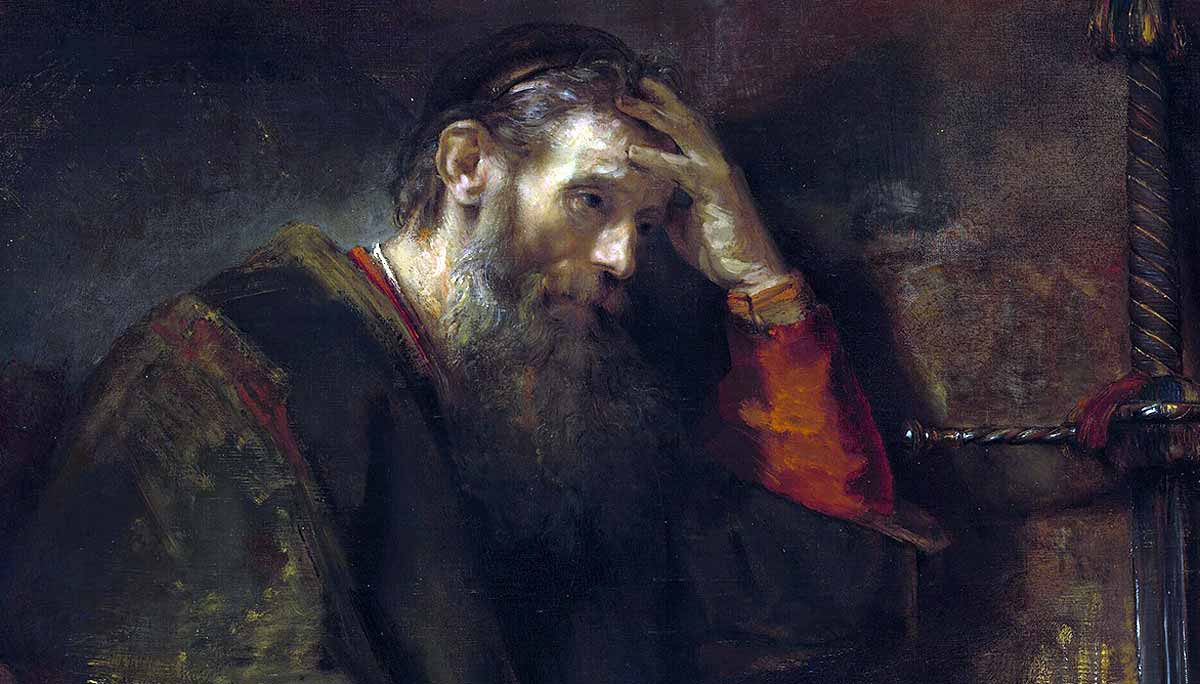
In the Gospels, Jesus Christ had various encounters with the Sadducees and Pharisees together, as they tended to oppose his ministry. The Apostle Paul also had a significant encounter with them in Jerusalem:
“6 Now when Paul perceived that one part were Sadducees and the other Pharisees, he cried out in the council, “Brothers, I am a Pharisee, a son of Pharisees. It is with respect to the hope and the resurrection of the dead that I am on trial.” 7 And when he had said this, a dissension arose between the Pharisees and the Sadducees, and the assembly was divided. 8 For the Sadducees say that there is no resurrection, nor angel, nor spirit, but the Pharisees acknowledge them all.” – Acts 25:6-7
Prominent Sadducees
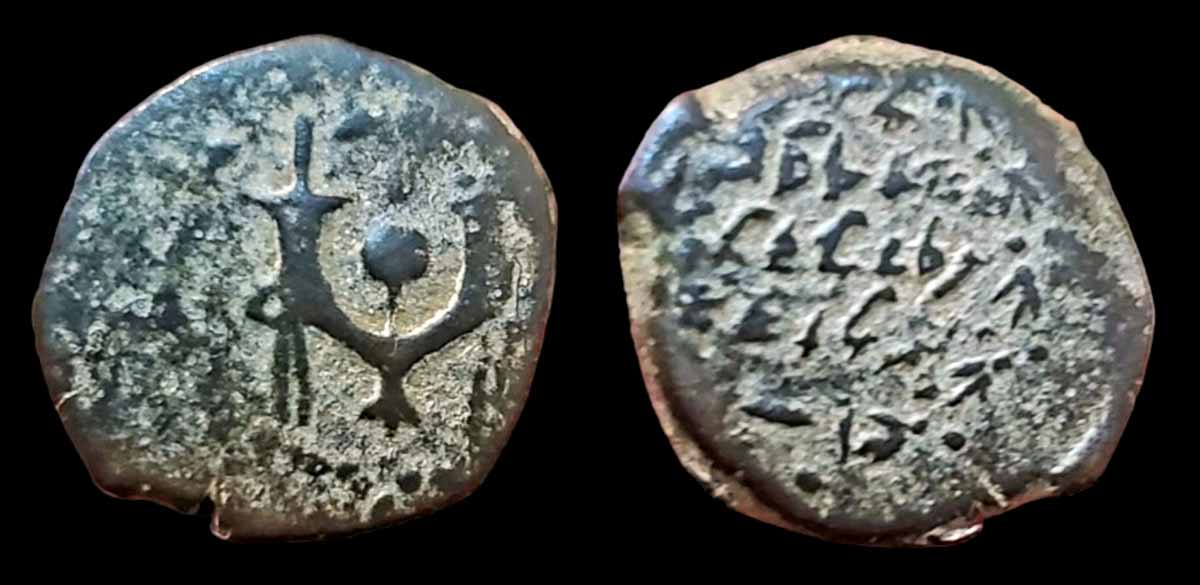
John Hyrcanus was High Priest of Israel from 134 BC to 104 BC. He was related to Judas Maccabeus, who led a Jewish revolt in 167-160 BC. John led the Jewish people against the Seleucid Empire’s attempts to establish control over them. At first, he was unsuccessful, being defeated in a siege of Jerusalem by the Seleucids, but he was able to eventually re-establish Jewish control over Judea until it was absorbed into the Roman Empire. John was a former Pharisee who became a Sadducee later in his reign.
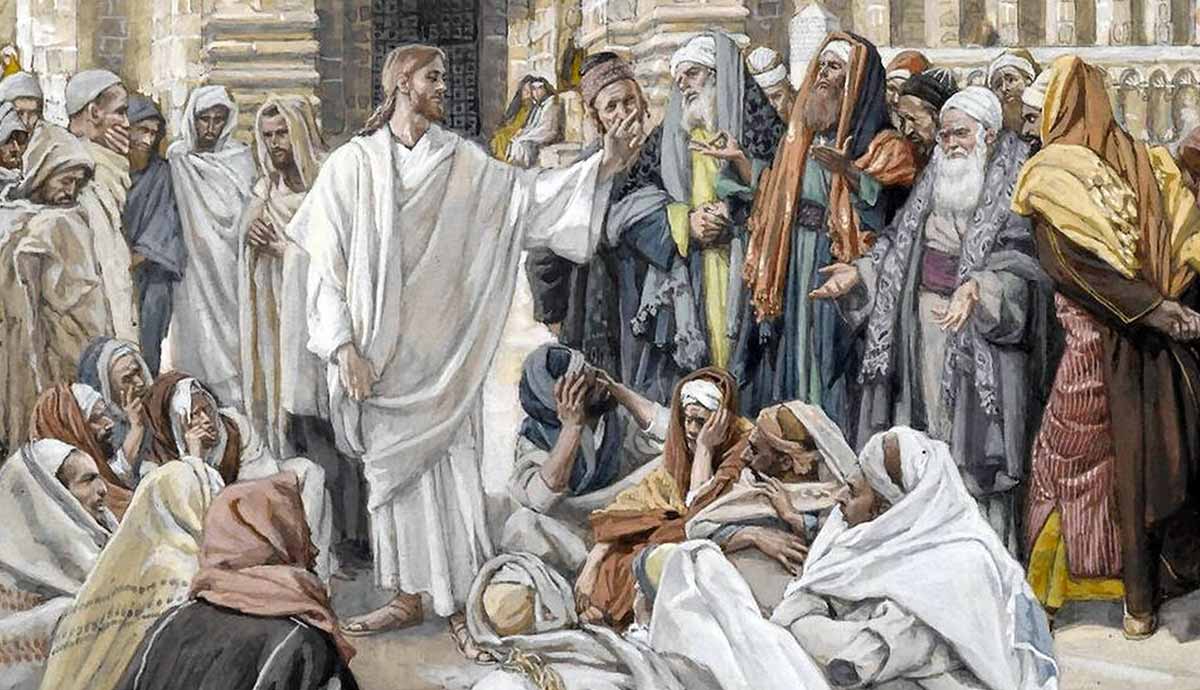
Annas and Caiaphas were the High Priests in Jesus’ time, mentioned at various points in the Gospels. While nothing is explicitly written as to their affiliation, they were likely Sadducees, as most of the High Priests came from that sect. Caiaphas was prominently behind the plot to put Jesus Christ to death.
What Happened to the Sadducees?
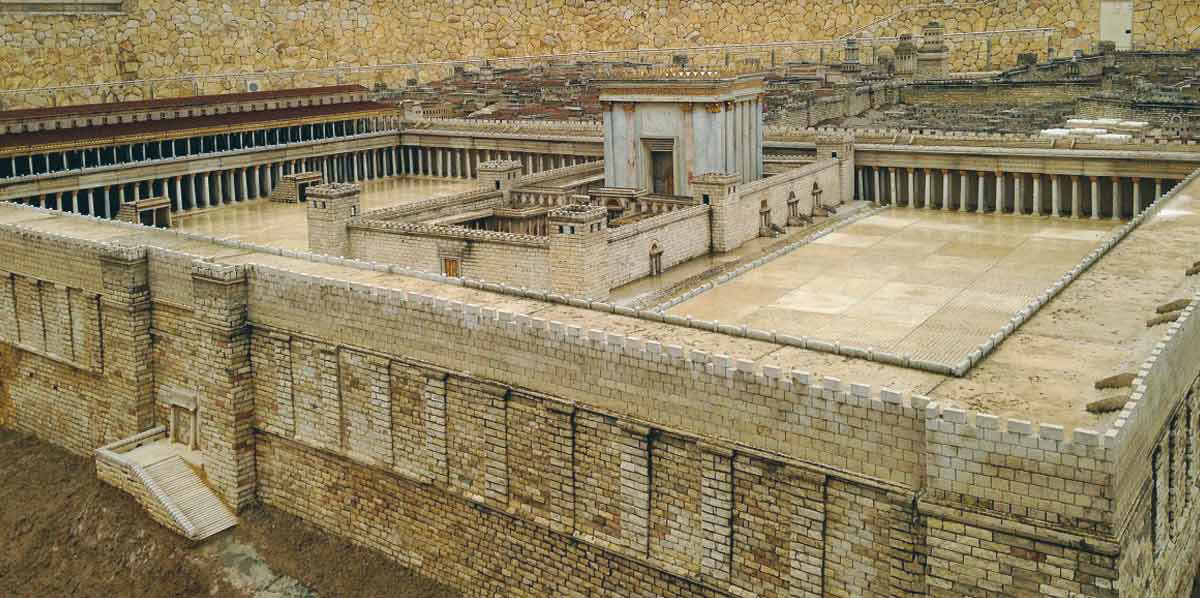
After the destruction of the Second Temple in Jerusalem in 70 AD, the Sadducees faded away in history. Their sect was intimately tied to Temple worship, as they believed that true worship occurred in the Temple with its practices. While the Pharisees and the synagogue system survived due to their belief that worship was in the reading of God’s word, the Sadducees (many of whom also likely died in the siege of Jerusalem at that time) went away with the Temple.