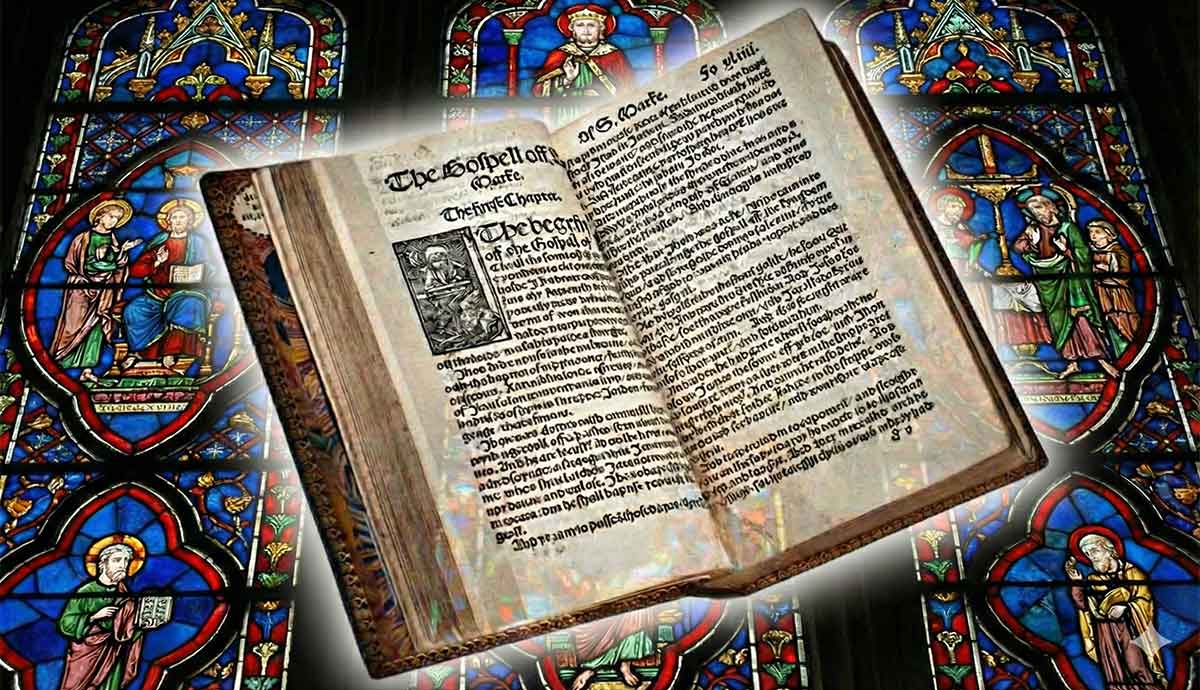
The Biblical Gospel books of Matthew, Mark, Luke, and John explain the crucifixion of Jesus Christ almost matter-of-factly. Murdered by the Roman Empire, Jesus’ crucifixion would go down in history as one of the most popular deaths ever. For ancient literature, the Gospels’ accounts of the crucifixion methods are piercingly accurate and astonishingly similar, yet they might miss horrific details.
Is the Bible a Credible Source?
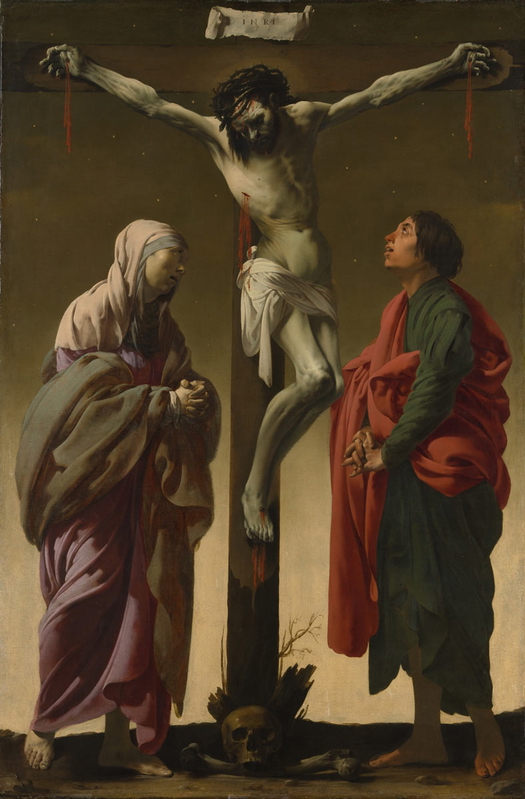
First of all, it’s important to question whether or not the Bible’s opinion on the matter of crucifixion is an important one at all. Does this religious text have the backbone to withstand rigorous historical testing or could it give true and unbiased insights into Roman crucifixion methods?
The answer to this question is complicated by the fact that many atheists who have endeavored to prove the Bible’s fallacy became convinced by it instead. Several skeptics who set out to investigate the Biblical claims and disprove them, claimed to ‘find it all true’ and suddenly became self-proclaimed “Christians” themselves.
The Bible seems to have a sort of hypnotizing effect on its readers, like gold dust that sticks to fingerprints and changes perspectives. This makes it hard to make an honest assessment as to its credibility, because nobody is objective anymore.
Let’s explore what each Gospel author said about crucifixion and whether it tracks.
Gospel Versions of Crucifixion Methods
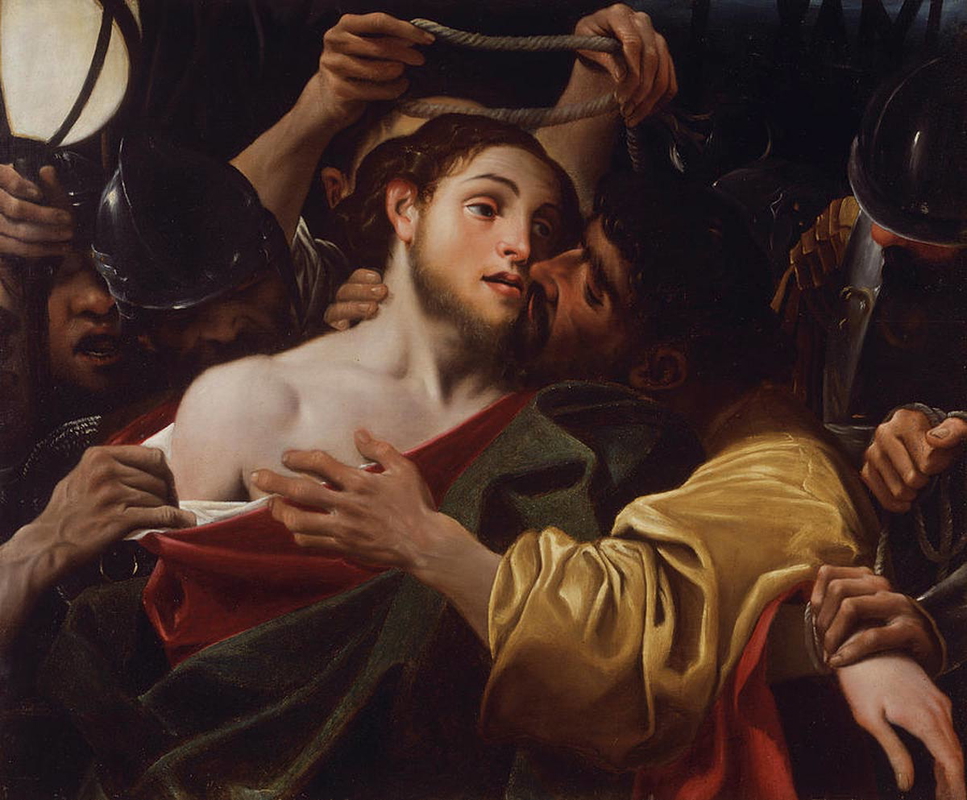
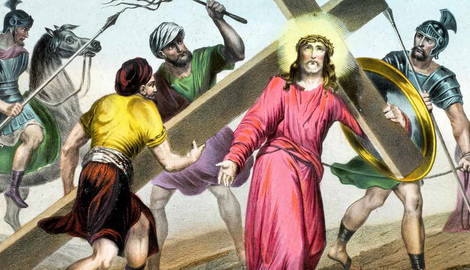
The disciple Matthew (Matthew 27:27-44) starts with the Roman soldiers stripping Jesus’ clothes, beating him, and then a man named Simon carrying Jesus’ cross. Other rebels were crucified next to him and it was a public scene.
Mark’s description of Jesus’s crucifixion (Mark 15:16-37) is almost word-for-word the same as Matthew’s – a detail that was almost impossible given the time the text was written in.
Luke’s account (Luke 23:26-46) does not factually differ from the previous two, but Luke does add in more dialogue, showing the words of Jesus during his crucifixion and even a conversation with the man hanging next to him.
The disciple whom Jesus loved wrote the crucifixion details a little differently (John 19:1-30). John adds that Jesus was flogged, slapped in the face, and carried his own cross. John also makes specific mention of the fact that Jesus was crucified naked.
Crucifixion as a Roman Execution Method
In the Gospel passages summarized above, not a lot of detail is actually given about things like the shape of the cross, how his body was positioned, or whether nails were used – so where did these ideas come from? Well, from history of course. The Bible does not claim to be a story; it claims to be fact.
The practice of crucifixion was not a Roman invention but had roots tracing back to the Bronze Age. Roman Crucifixion was mainly a way to send a message: This is what happens to enemies of the Roman Empire, as thousands of traitors hung next to the road for months on end as their bodies decayed in the open air.
“Let the very word ‘cross’ be far removed from not only the bodies of Roman citizens, but even from their thoughts, their eyes, and their ears.” – Cicero, 1BCE
Gruesome Details of Crucifixion

- Firstly, scourging with a vicious whip sometimes led to the death of the victims long before they even reached the cross.
- Most people carried the crossbar and not the whole cross, because the vertical bar was firmly planted in the Earth and repurposed.
- Walking through the city was part of the public spectacle of crucifixion.
- Iron was expensive and very few iron nails have been found by archeologists studying crucifixion. More often, rope was used to tie the body to the cross.
- The person died from asphyxiation when the muscles used for breathing slowly weakened from hanging for so long.
The cross was not a beautiful symbol of love (as Christians make of it today) but an evil tool of humiliation and suffering in Roman times.
It does seem like, for the most part, the Gospels’ description of ancient Roman crucifixion methods is accurate (if not detailed enough), but what about the rest of the Bible?
Impressive Old Testament Prophecies About Crucifixion
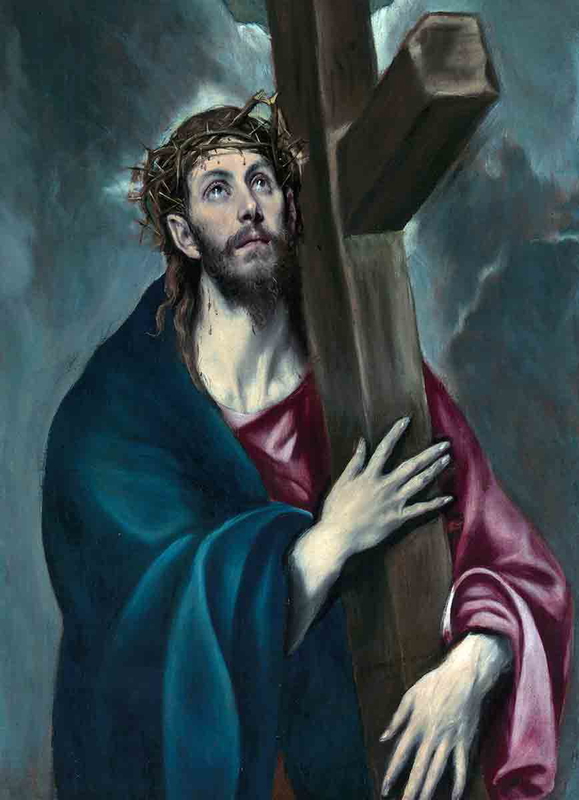
The Bible tells one story, from its first page to its last and there are several mentions of crucifixion with strange accuracy – even so much as centuries before Roman crucifixion was even a thing.
Most notable is Psalm 22, which Jesus literally quoted as he hung on the cross, shouting out the first verse: “My God, my God, why have you forsaken me?” This Psalm of David has many foretellings of random events surrounding Jesus’ death, but the mentions of crucifixion stand out:
Verse 16: “Dogs surround me, a pack of villains encircles me; they pierce my hands and my feet.”
Verse 17: “All my bones are on display; people stare and gloat over me.”
Some of the many other noteworthy prophecies of Jesus’ crucifixion in the Bible include that his side is pierced (Zech 12:1), his bones are not broken (Ex 12:46), and he’s buried in a rich man’s tomb (Is 53:9).