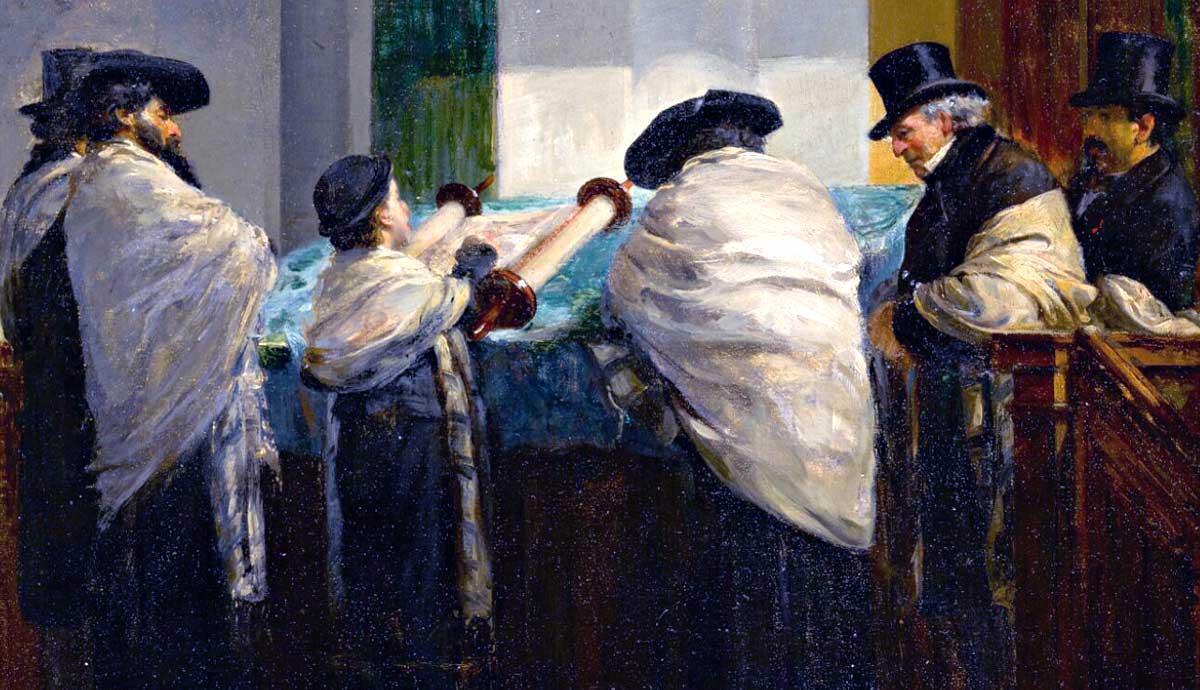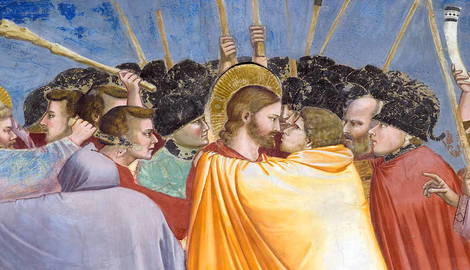

Holy Wednesday marks the midpoint of the Easter Timeline, yet it is shrouded in mystery. The Gospel accounts are suspiciously quiet about what went down on this remarkable day, just before Jesus Christ’s arrest on Thursday. It must have been during this time that Judas planned out how he would betray Jesus – the ultimate kiss of deception that explains why Judas is painted in yellow.
The Mystery of Holy Wednesday
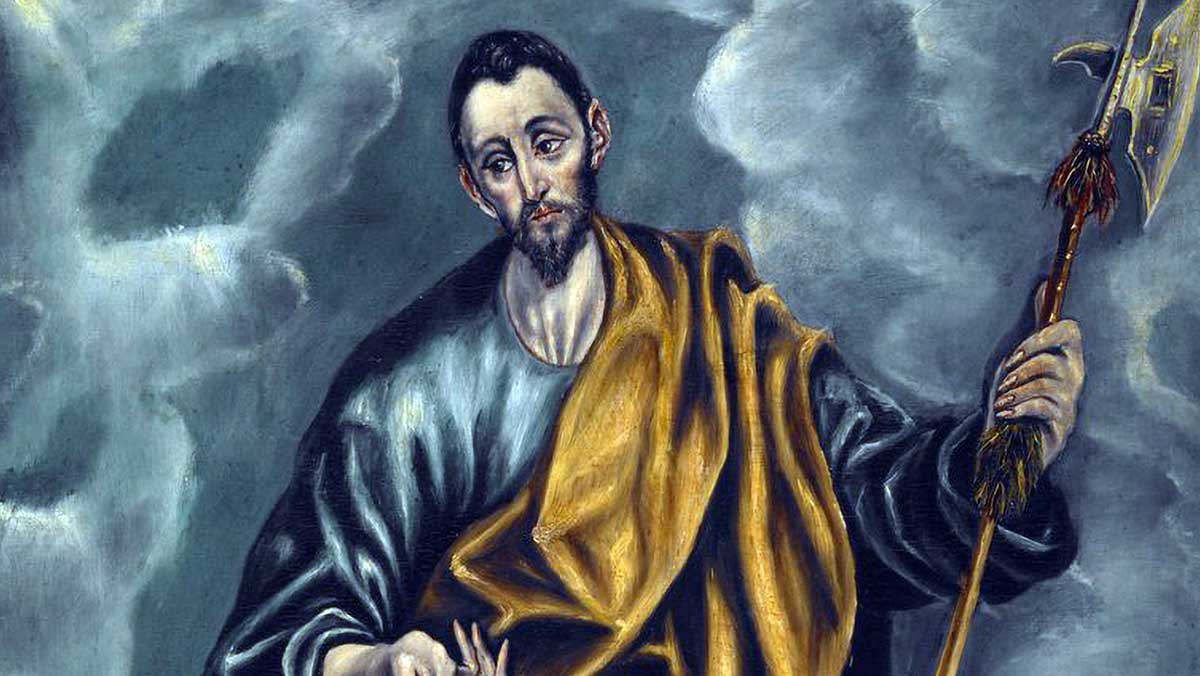
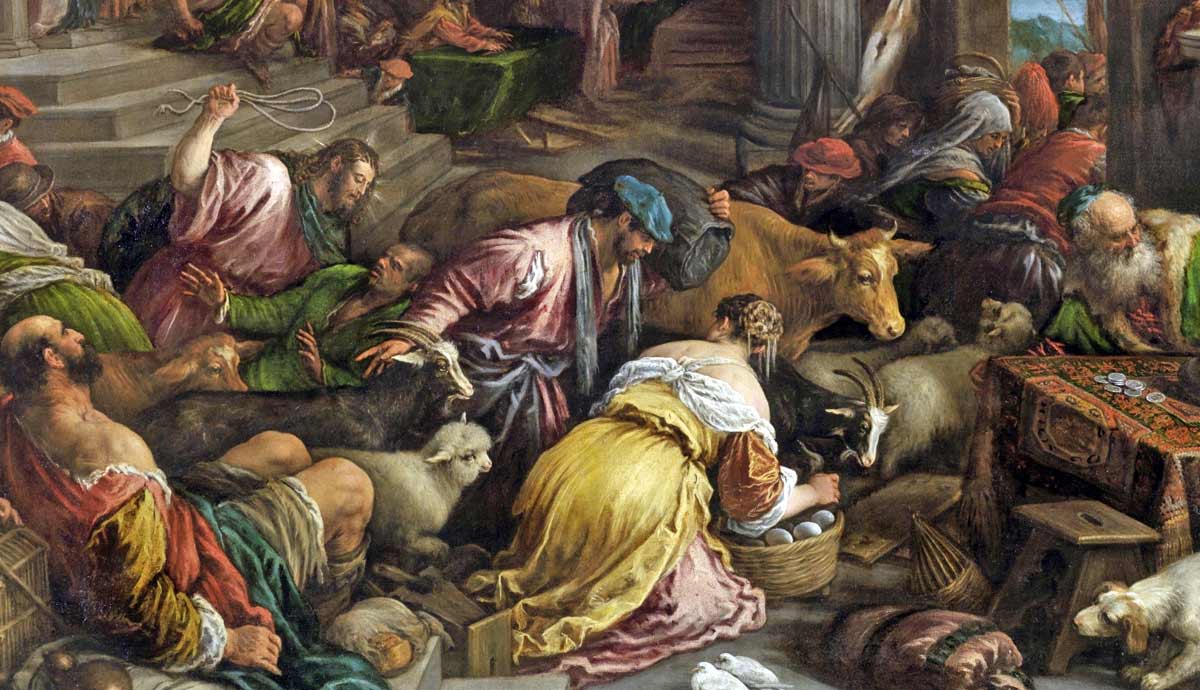
There is a strange gap around Holy Wednesday in the Easter timeline of the Gospels (Books: Matthew, Mark, Luke, and John that portray the events of Jesus’ life). While Sunday’s Triumphal Entry into Jerusalem, Monday’s events with the merchants in the Templecourts, and even Tuesday’s debates and teachings are described at great length – the Olivet Discourse alone takes up multiple chapters in the Gospel of Matthew! – Wednesday remains a mystery.
The Gospels don’t tell us what Jesus and His disciples got up to on this day, except for one specific disciple’s actions: Judas Iscariot.
According to the firsthand eyewitness accounts written down in the Gospels, Wednesday was the day when Judas took a bribe to hand Jesus over in the coming days.
What are you willing to give me if I deliver him over to you? (Matthew 26:15)
Why Judas Is Painted in Yellow
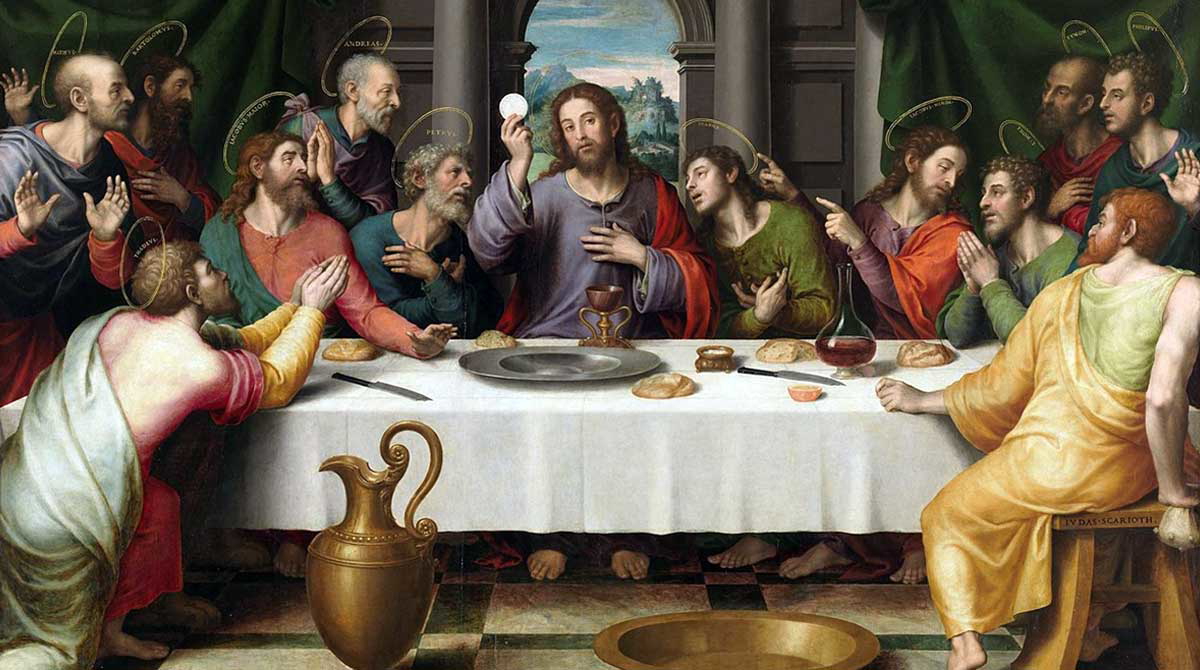
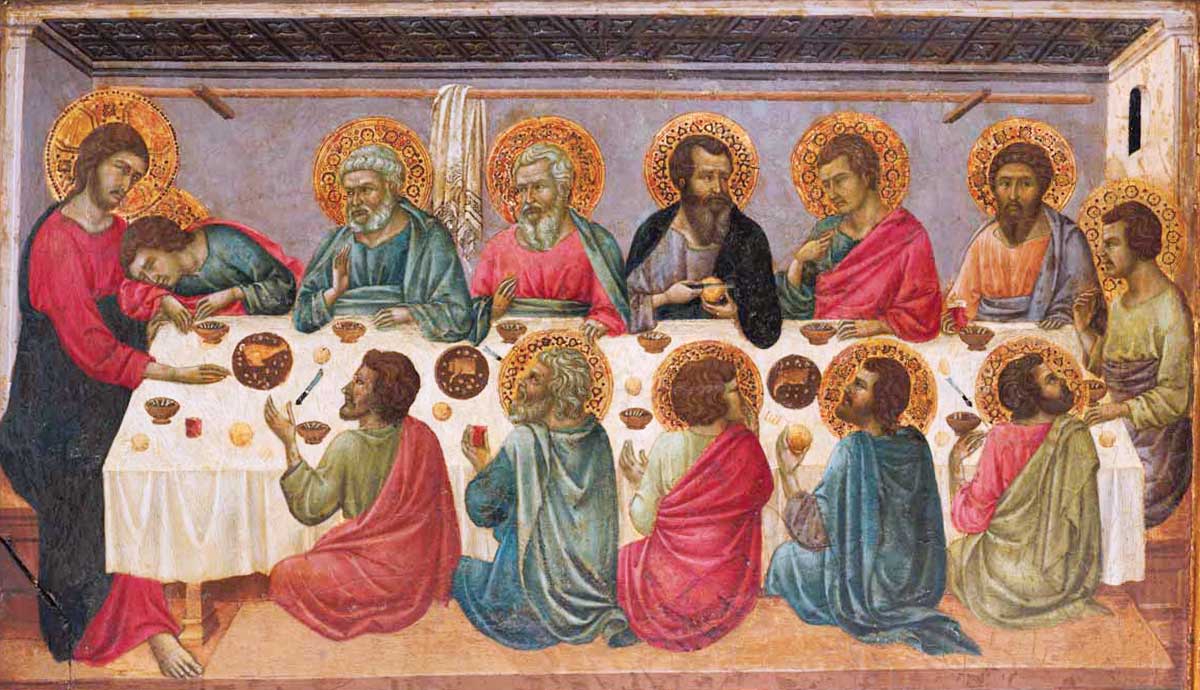
In paintings of the Last Supper or other events during Easter week, artists throughout the years have tended to paint Judas yellow. Not a bright, holy, or divine type of glow, but a more muted kind of yellow.
Before we can understand why the artists chose to depict Judas this way, we need to read what exactly happened on Holy Wednesday.
Then one of the Twelve—the one called Judas Iscariot—went to the chief priests and asked, “What are you willing to give me if I deliver him over to you?” So they counted out for him thirty pieces of silver. From then on Judas watched for an opportunity to hand him over. (Matthew 26:14-16)
Renaissance and medieval artists used colors to convey certain emotions. Gentiles and non-Christians were often painted in this yellow hue to set them apart from the other characters in a painting.
Specific Uses of the Color Yellow
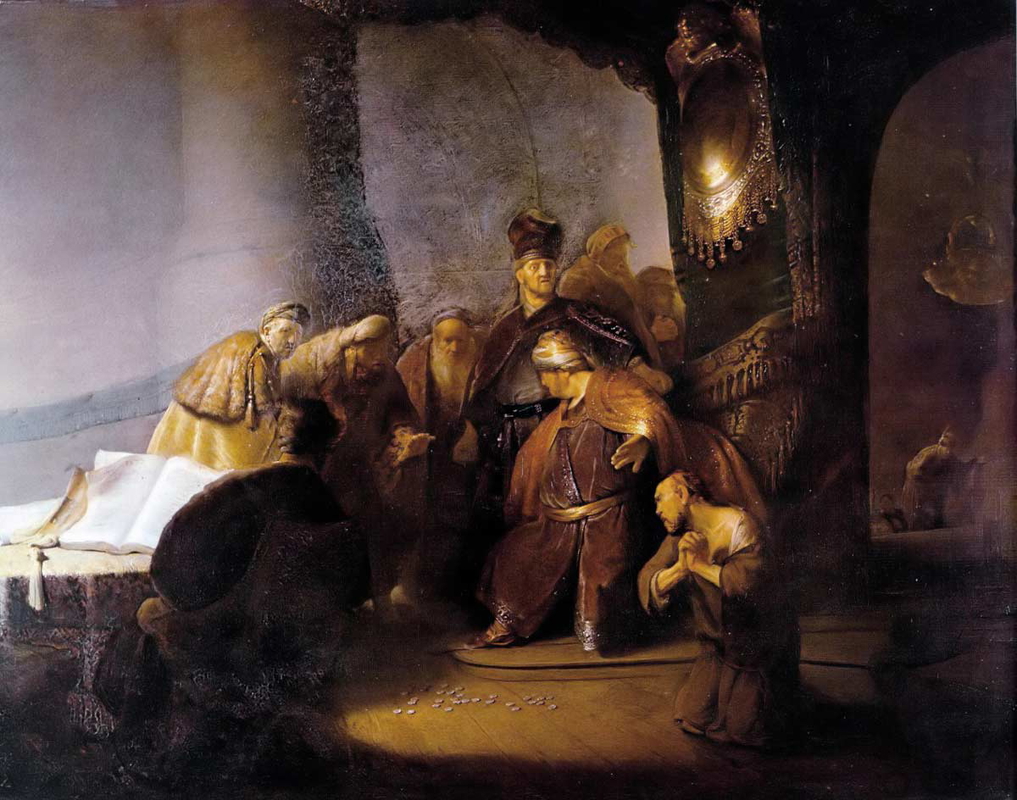
- Yellow is the color of gold, often used to portray grandeur and riches as a cheaper alternative for gilding with real gold. For instance, think of other royal scenes in paintings from the Middle Ages.“Judas was a thief, and having charge of the moneybag he used to help himself to what was put into it.” (John 12:6)
- While the colors blue and green have a calming effect on the eye of the beholder, the colors red and yellow induce a sense of urgency and energy. For example, think of how these colors are used in fast-food restaurants. As Jesus said to Judas in John 13:27 – “What you are about to do, do quickly”
The artists’ decision to paint Judas with a yellow undertone or dressed in yellow garments might have been influenced by any or all of these interpretations.
The Deceiver’s Kiss in Paintings
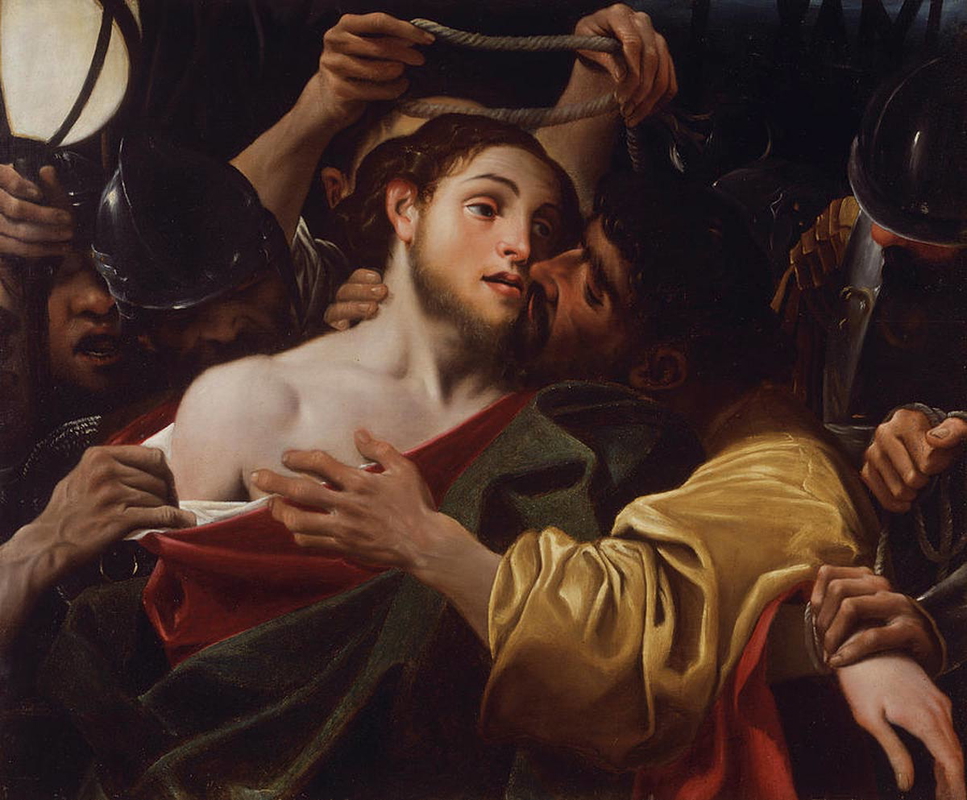
Another strange facet of similar paintings is that Judas is often kissing Jesus – an act we might see as endearing and indicating their close friendship. But, sadly, this kiss had a different meaning.
Judas did not linger long after Wednesday’s deal to turn Jesus over into the hands of those who wanted to kill him. On Thursday evening, while Jesus was praying in an olive grove he loved, he experienced hematohidrosis – what doctors now explain as extreme angst, leading one’s sweat to turn to blood.
At that moment, a mob arrived carrying spears and burning torches.
Now the betrayer had arranged a signal with them: “The one I kiss is the man; arrest him and lead him away under guard.” Going at once to Jesus, Judas said, “Rabbi!” and kissed him. The men seized Jesus and arrested him. (Mark 14:44-46)
Judas, the One who Betrayed Jesus
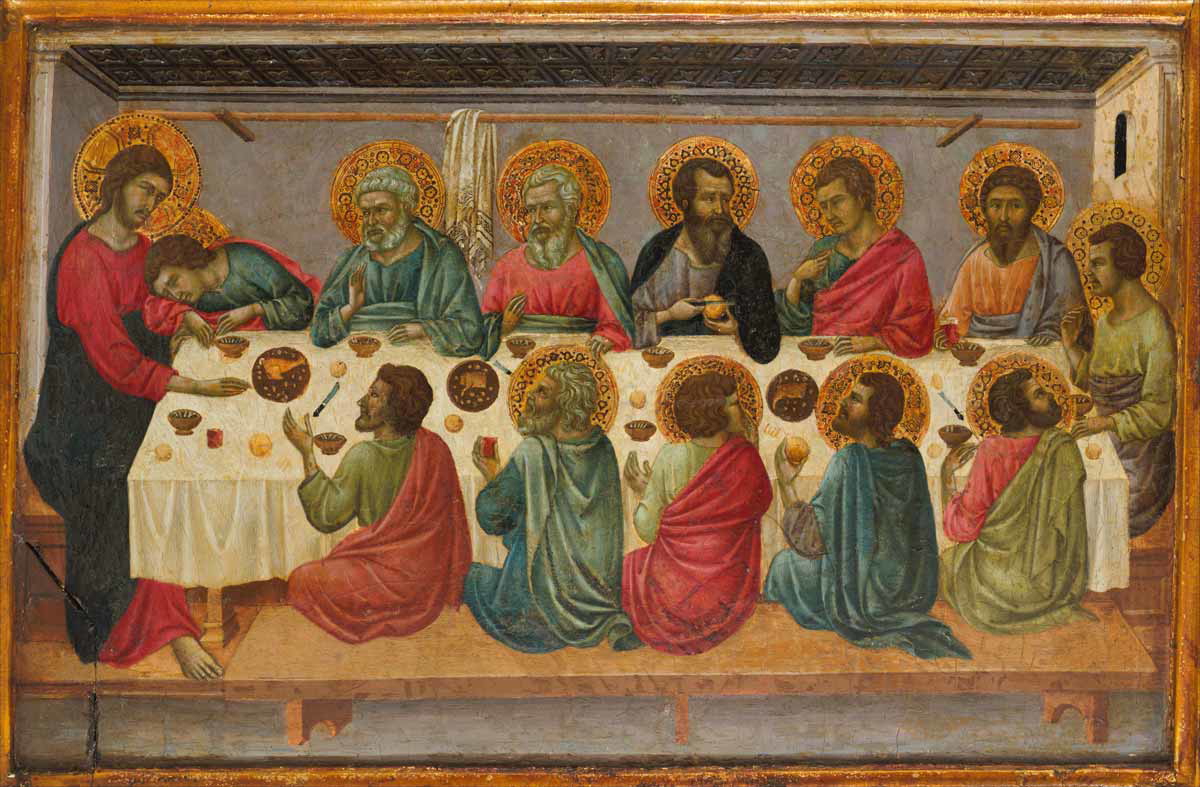
Judas is often singled out because he is the one responsible for Jesus’ arrest, but the Gospels tell us that not one of Jesus’ disciples stuck by his side during his trial. Scared of the persecution they might face, they all ran away.
Then everyone deserted him and fled. (Mark 14:50)
The Gospels tell us that Jesus appeared to many of His followers after His resurrection. During this time, they had the opportunity to be restored. Peter, for example, who famously denied Jesus three times before the rooster crowed, had three chances when Jesus asked him: “Do you love me?”
This was sadly not the happy ending for Judas. Trapped in guilt and grief after he handed Jesus over to the chief priests, Judas committed suicide by hanging himself. In some ways, he became the perfect example of Jesus’ teachings that the love of money leads to all kinds of evil.