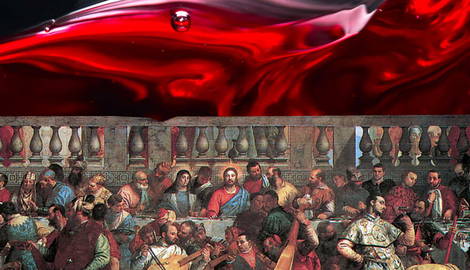
While the celebration was in full swing at the typical ancient Near Eastern wedding party, disaster suddenly struck—a true social catastrophe that would still fit the bill of a “wedding crisis” today: There was no more wine. This unexpected, awkward space is where Jesus Christ chose to perform his first public sign, which many would consider to be the most important.
The First Sign: More Than Just a Miracle
When reading the Gospel of John, one finds different actions of Jesus that are considered miraculous. There are well-known feats that are wonders (teras), and then there are signs (semeion). Signs do not look at the miracle itself but rather focus on the major ripple effects that follow.
The Wedding at Cana—water into wine—in John chapter 2, from verse 1 onward, is the first action in Jesus’ ministry. Being the first gives architectural importance to everything that follows, like a foundation of a building (or, in Biblical terms, like the cornerstone).
Interestingly, the timing of this sign seemed to catch Jesus by surprise. He tells his mother in verse 3, “My hour has not yet come,” just before doing the miracle that initiates his public ministry.
The Symbolism of Water into Wine
6 Now there were six stone water jars there for the Jewish rites of purification, each holding twenty or thirty gallons. 7 Jesus said to the servants, “Fill the jars with water.” And they filled them up to the brim. 8 And he said to them, “Now draw some out and take it to the master of the feast.
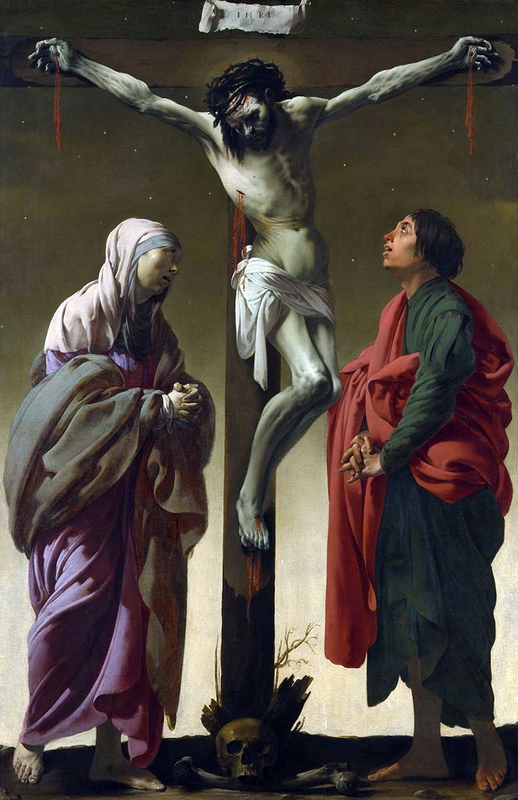
This miracle of Jesus shows profound symbolism: From the starting point of Jewish rituals—the water jars—Jesus bridges the divide and offers what is needed through His blood—the wine—at the wedding feast—God’s Kingdom come.
Jesus Christ brought a theological shift from external ritual law to internal transformation and abundance. Through his death on the cross, he became the sin offering demanded by the Old Testament law. He fulfilled the law.
(For a better understanding of this, read Galatians 3 and Luke 5:33-39).
Mary’s Role and the Domestic Context
3 When the wine ran out, the mother of Jesus said to him, “They have no wine.” 4 And Jesus said to her, “Woman, what does this have to do with me? My hour has not yet come.” 5 His mother said to the servants, “Do whatever he tells you.”
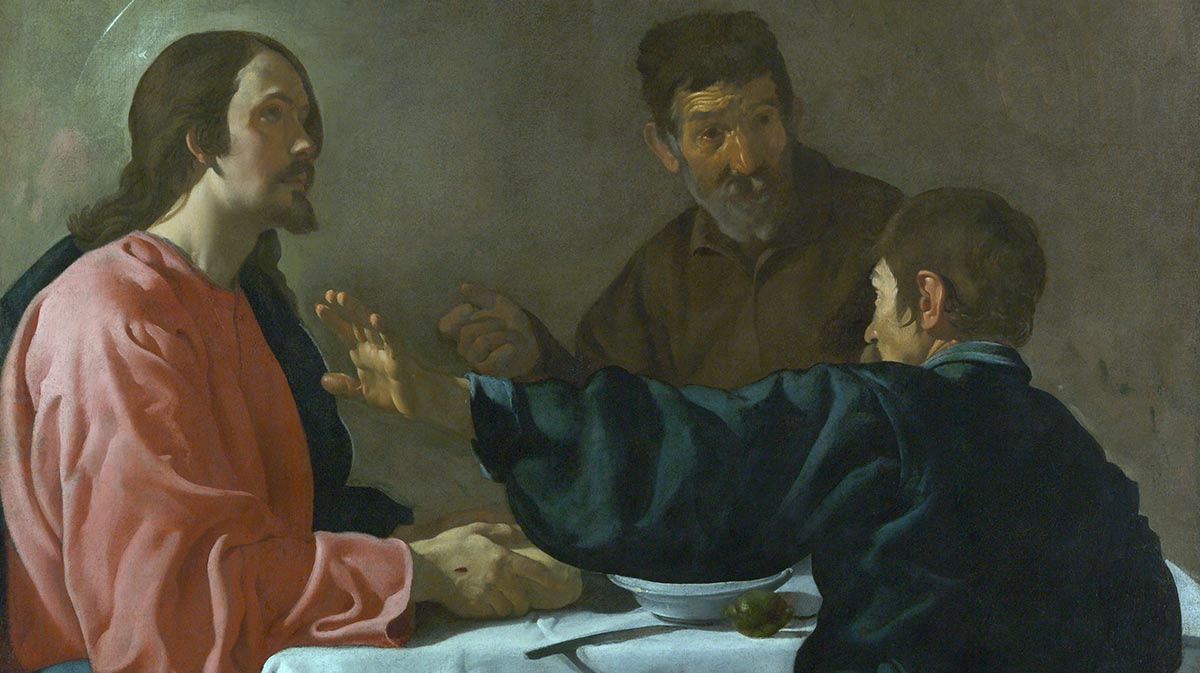
Before the miracle, there’s an interesting dialogue between Jesus and his mother, Mary. In this, we see her influence, and yet Jesus only did what God told him to do. Through a literary lens, the domestic setting of a wedding, as the location of the first sign, helps us see the importance of human relationships and celebration in God’s divine work.
The Wedding at Cana in Masterpieces: From Giotto to Veronese
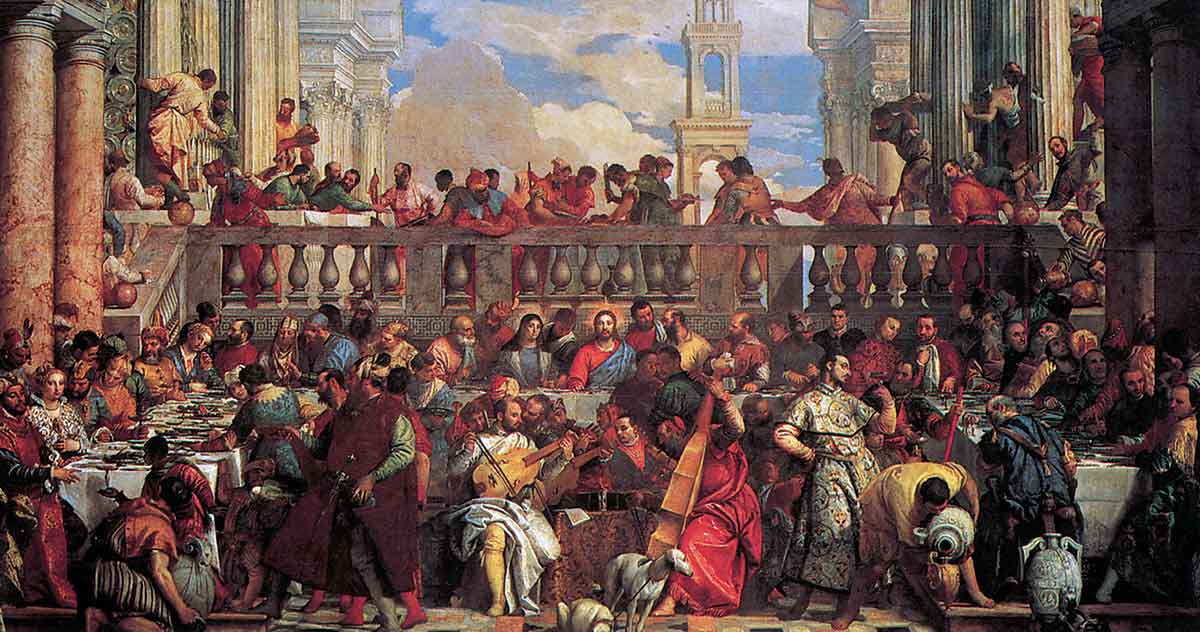
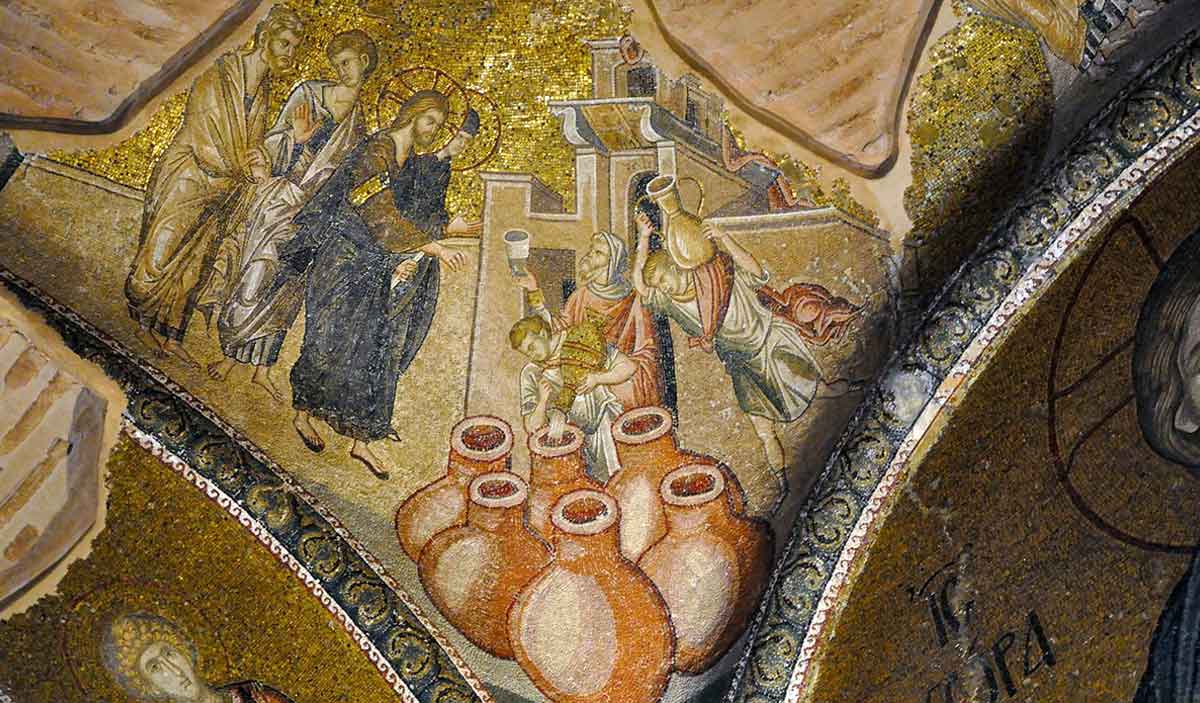
This pivotal miracle of Jesus has also inspired many to pick up a paintbrush. The scene of the wedding, the water, and the wine have often been used to showcase opulence, perspective, and theology. From somber depictions of the wedding in the Byzantine period to the modern day, the subject has been treated with detailed reverence.
Two of the most famous examples include Giotto’s early 14th-century depiction of an enclosed scene with Jesus and Mary as members of the bridal party, and the largest painting in the Louvre, The Wedding at Cana by Paolo Veronese. The latter, painted in 1563 is a canvas of 267 x 391 inches (or 677 x 994 cm), showing a much bigger, lavish scene, bustling with activity and bursting with color.
Historical and Archaeological Context of Cana
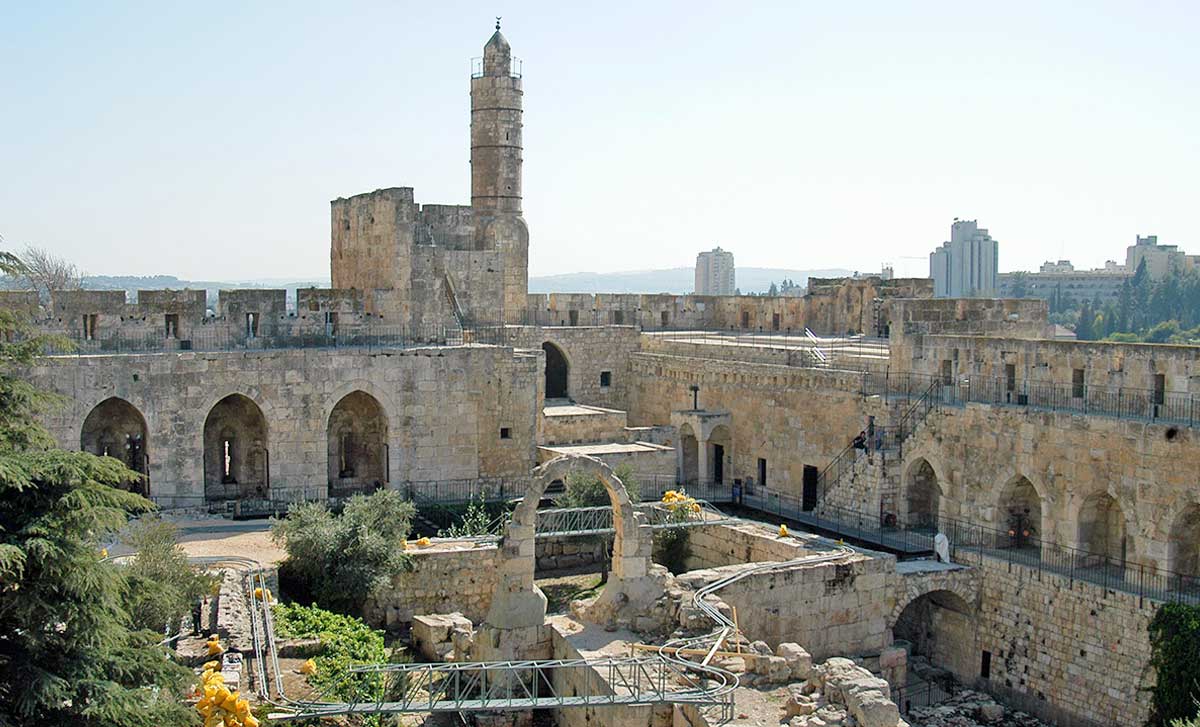
Today, there are two sites competing for the name of “Cana” (Khirbet Qana— archaeologists’ preferred spot—vs Kafr Kanna— the traditional pilgrimage destination).
With miraculous tales such as this one, it can be easy to imagine the Bible as a made-up story… Yet the archaeological and socio-cultural facts seem to be accurate—stone jars as described in this story have been excavated, grounding the elements in historical reality.
Despite the fact that this event is omitted from the synoptic Gospels, what happened at Cana was not just another one of the many miraculous signs that Jesus Christ did during his time on Earth; in many ways, it was the most important. In this seemingly simple miracle, the whole Gospel message is embodied. For Christians, it is about transformation and allowing Jesus to change one’s very nature.
Mary’s words are a message ringing out to generations of followers: “Do whatever he tells you,” as their discipleship is still defined by obeying his teachings, even today.