
The Twelve Disciples chosen by Jesus Christ were a group of misfits— men from diverse backgrounds with differing temperaments. It is rather miraculous that they succeeded in the important task of spreading the Christian faith globally, given the challenging group dynamics and personalities that often clashed, according to the Gospels and Epistles.
The secular tool known as the Enneagram can serve as a lens for identifying the possible personality types of each disciple based on what the Bible tells us about them.
Why We Profile the Personalities of the Apostles
Much has been said about these men who authored the Gospels and walked with Jesus, but it is often written “behind the text”— details that reveal themselves only upon closer inspection. Knowing that Luke was a medical doctor (Colossians 4:14) explains why his Gospel is the most detailed, often including diagnoses of people Jesus healed.
In a similar way, the text often reveals clues as to the disciples’ personality types. While the Enneagram has been critiqued by some for lacking “Christian roots,” it remains a popular framework for understanding personality. The point of this article is not to be a sermon, but rather a playful attempt to view the disciples as complex human beings (with a divine mission).
Let’s look at Peter, John, Matthew, and Thomas through the lens of the Enneagram to understand them better.
Was the Apostle Peter a Classic Enneagram Type Eight?

Peter was a humble fisherman whose life was transformed by discipleship, but it was a slow process.
It was Peter who impulsively walked on water towards Jesus (Matthew 14:28-30), who proudly claimed that he’d protect Jesus at whatever cost (Matthew 16:21-23), who cut off the servant’s ear in the Olive Grove (John 18:10-11), and who leaped off the boat to swim towards the resurrected Jesus standing on the shore (John 21:7).
From this and other descriptions in the Gospels, we could gather that Peter was most probably the “Challenger” (Enneagram 8). He had impulse control issues, boundless courage, and notable stubbornness.
Even his name, Peter, was given to him by Jesus himself when he commented on the man’s challenging nature, calling him a “rock” (Matthew 16:18). His original name was Simon, but Jesus called him to become a strong church leader.
Why John the Beloved Fits the Individualist Archetype
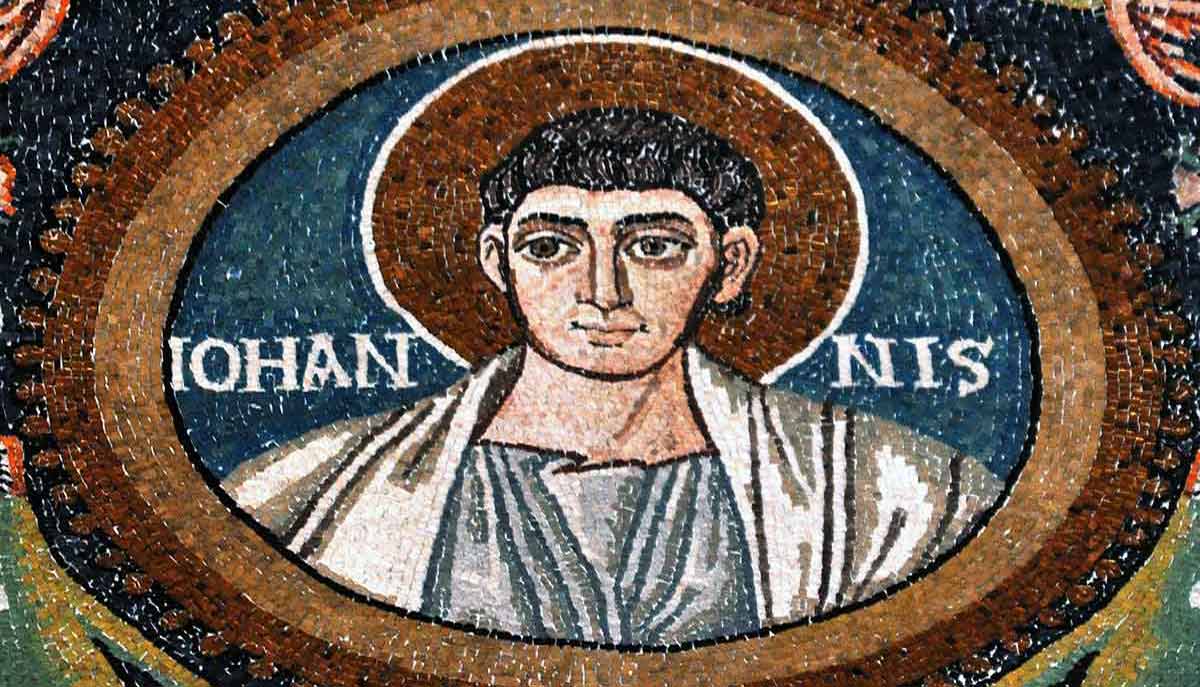
Another fisherman who exhibits great personality growth and internal healing in the New Testament is the Apostle John.
At first, Jesus called John and his brother, James, the “sons of thunder” (Mark 3:17). In the beginning of his discipleship, it was John who suggested calling down fire from heaven to destroy a village (Luke 9:51-56), who told Jesus to do whatever he demanded (Mark 10:35-37), and who claimed they could face whatever Jesus had to (Mark 10:38-39).
This tracks closely with an Enneagram 4, the “Individualist”, who exhibits self-absorption, envy, and profound empathy. John’s writing style is poetic and abstract compared to the other Gospel writers. He reveals the ability to sit with pain instead of rushing ahead. Of course, he also described himself as the “beloved disciple,” much to the disdain of the others, indicating his need for special status.
Matthew the Tax Collector and the Reformer Mindset

Matthew the tax collector was most likely an Enneagram 1, the “Reformer.” It is clear from his Gospel that his mind worked in a linear, systematic way, with a clear legalistic right and wrong.
When Jesus called Matthew to follow him, he not only offered him discipleship but also saved him from his inner turmoil. Matthew was a perfectionist, working in a socially loathed position that would have been morally complex and deeply disturbing for someone with such a strong sense of right versus wrong.
It was Matthew who wrote the phrase “it might be fulfilled” more than sixty times, who arranged Jesus’ teachings into five clear portions, and who gave step-by-step instructions for resolving conflict (Matthew 18:15-17).
Transformed by his rabbi, Matthew focuses on hospitality, freedom of worship, and abundant grace.
Reinterpreting Thomas the Doubter as a Type Six Loyalist
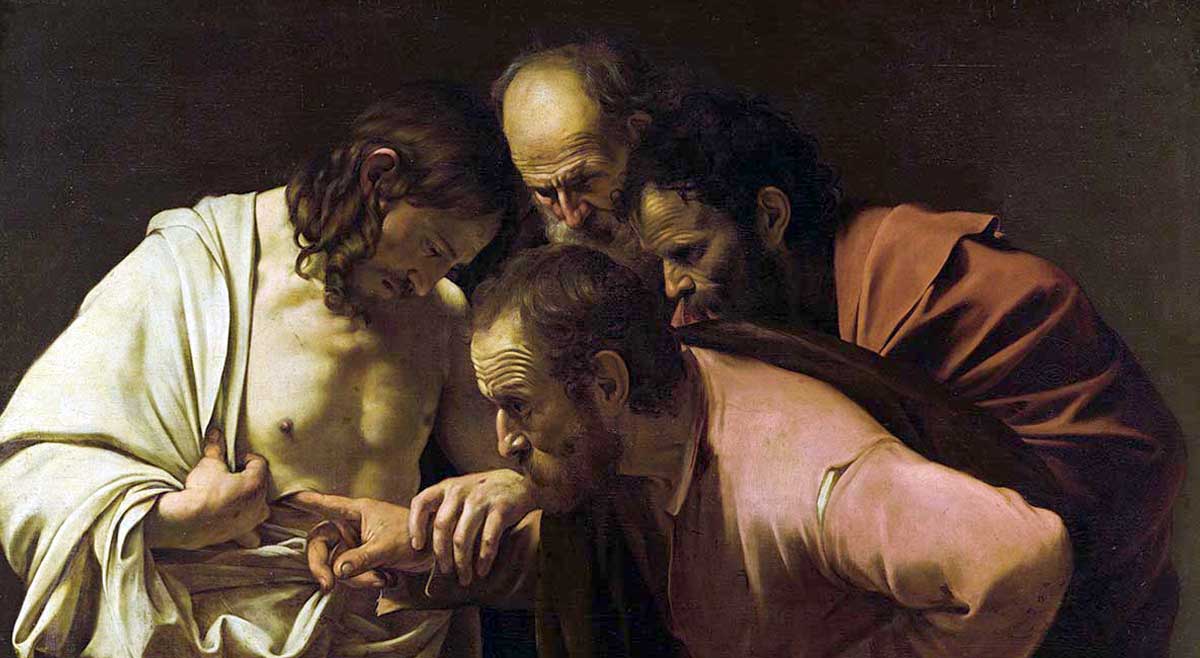
For our final example of what the Twelve Disciples’ personalities might be, let’s consider the disciple Thomas.
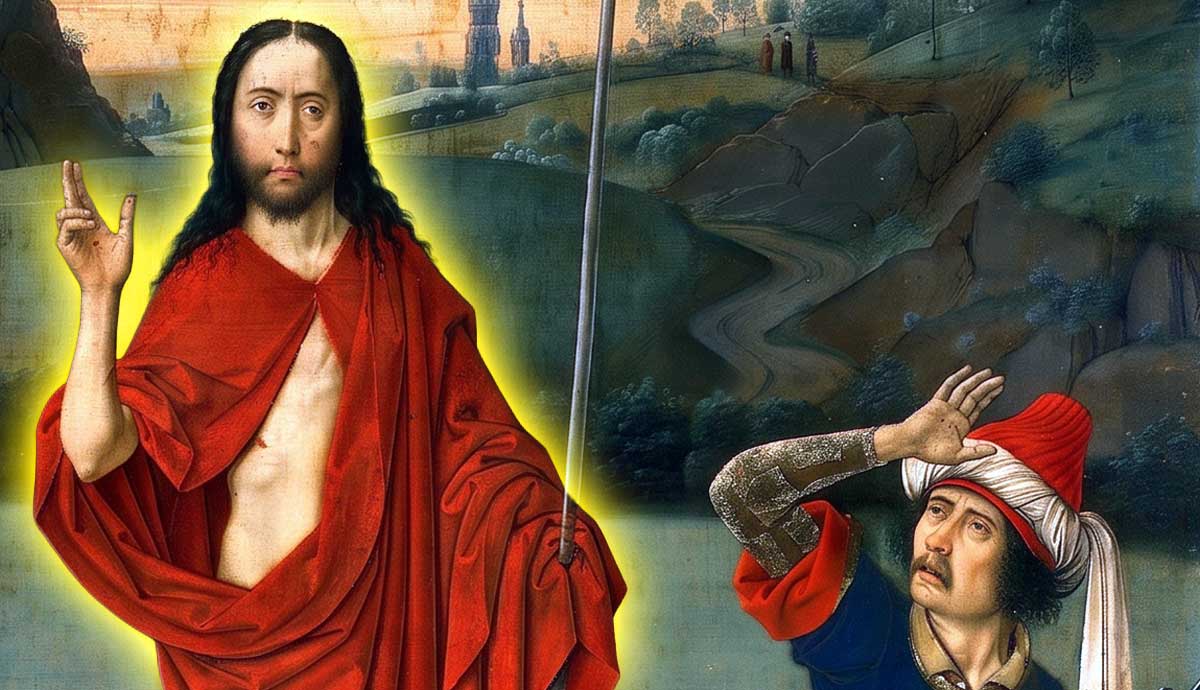
It was Thomas who prepared for worst-case scenarios yet showed incredible loyalty (John 11:16), who anxiously demanded clear instructions (John 14:5), and who isolated under stress (John 20:24). Yet what he is most known for is refusing to believe that Jesus had resurrected, up to the point of sticking his fingers into the holes in the resurrected body of Jesus for tangible proof (John 20:25).
Thomas was not merely a skeptic; he was seeking security, safety, and certainty. Upon receiving it, he achieved peace by traveling to India as a missionary.
How the Diverse Personalities of the Twelve Formed a Global Movement
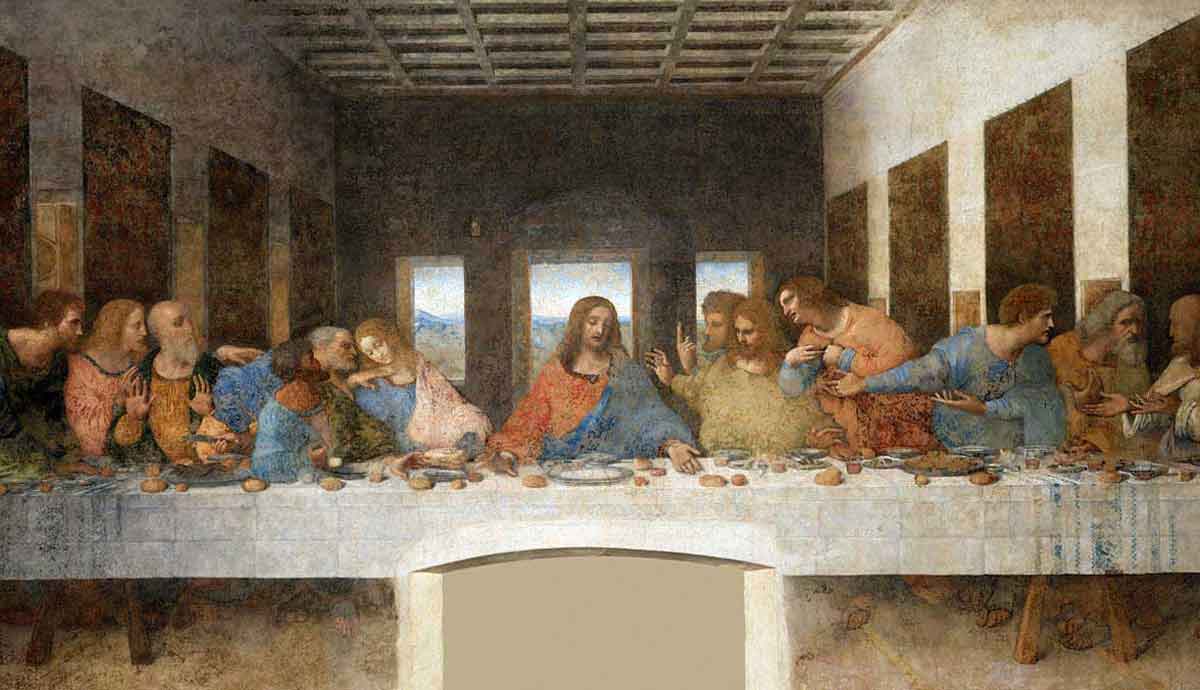
Much more can be said about the possible psychological profiles of the Twelve, and this article is much too short for a conclusive overview. What is noteworthy is how Jesus managed the friction between these conflicting personality types, such as seating the tax collector (Matthew) opposite the political revolutionary (Simon the Zealot). Two people who would naturally hate one another became part of the same team.
Yet some have said that it might be precisely this “balanced body” of different types that allowed the Christian movement to handle various challenges, from its organization to martyrdom.
What the Personalities of the Apostles Teach Us Today
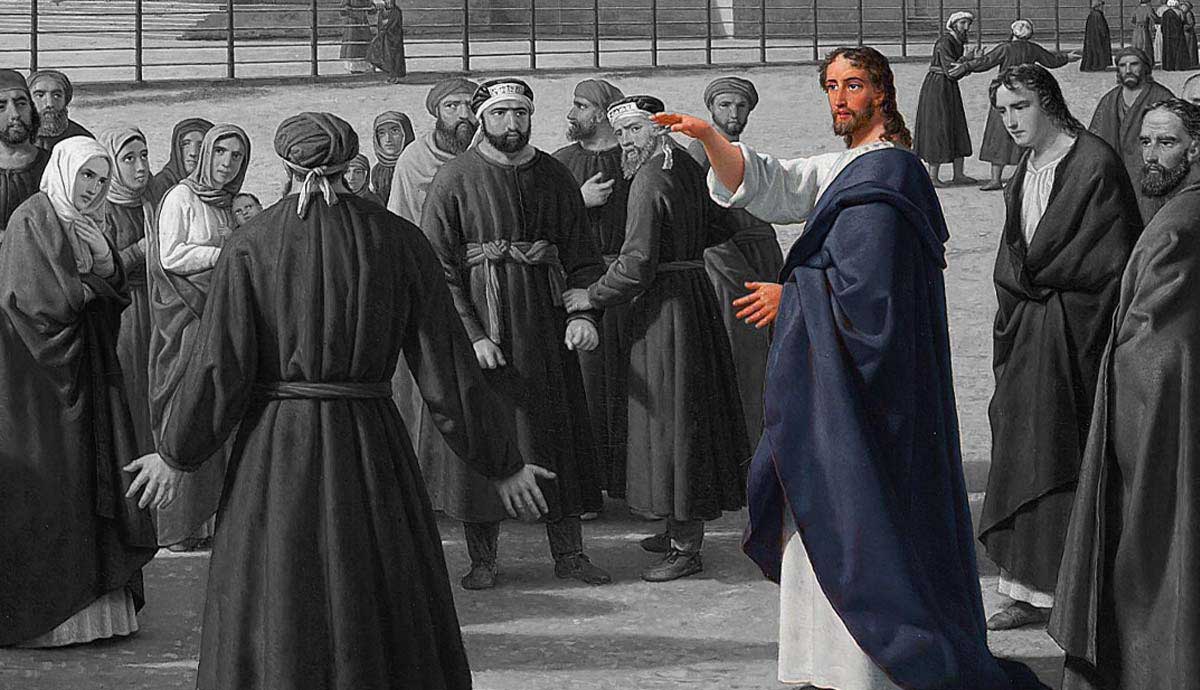
Traditionally, the Apostles have been viewed as powerful figures in a hierarchical way throughout church history— a perspective that has had a “flattening effect” in our reading of the text. The Enneagram is a tool for understanding underlying motivations that shine through the outward behaviors of the disciples.
Identifying the possible flaws, growth areas, blind spots, and strengths of each of these men strengthens the reader’s connection to their world. Instead of bulldozing through the text as one has a hundred times before, this practice requires a slower, more mindful reading, looking for clues about each person’s humanity. That is how one might find each of the Apostles’ personality types.
In this group, diversity was a strength rather than a weakness.