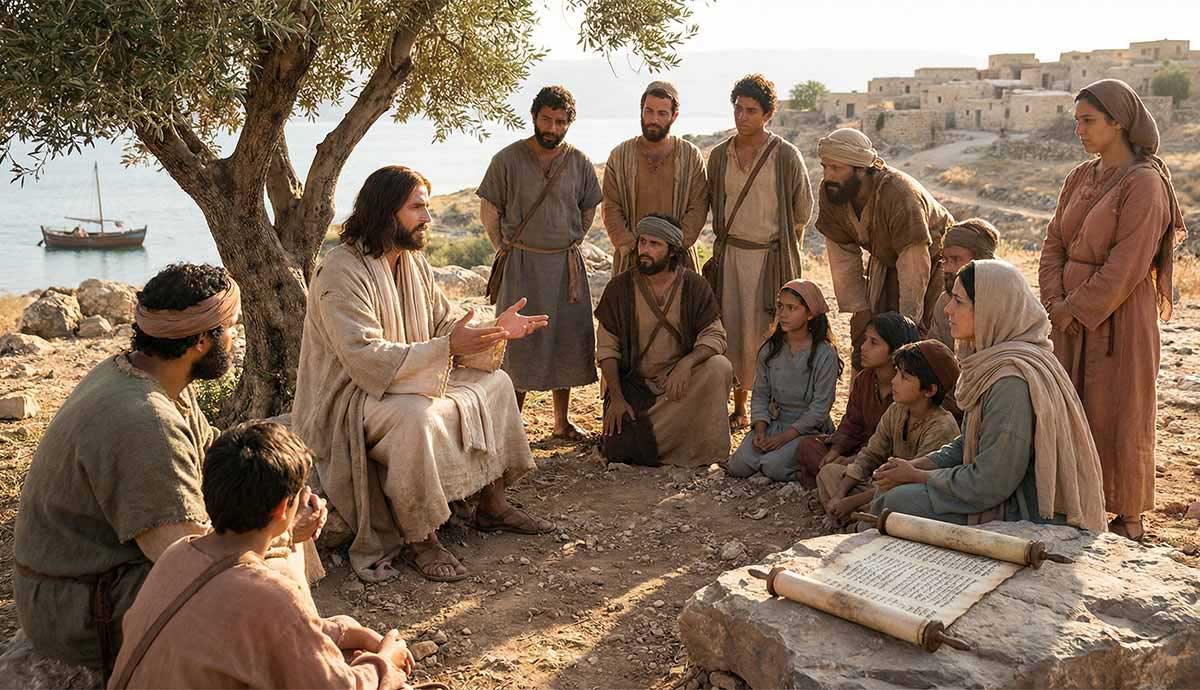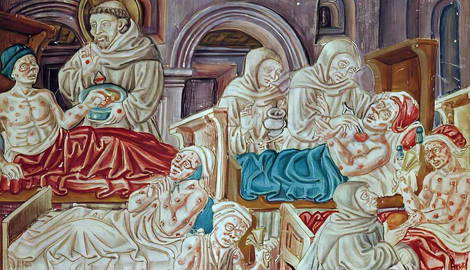
Between Samaria and Galilee lay a stretch of “borderlines” where the nones of that society resided – the outcasts, the sick, doomed to live in isolation. In antiquity, leprosy was not just a skin disease; it was the death of one’s social life. Being marked “unclean” signaled your exit from society.
When we take a socio-historical look at the healing of the ten lepers, this miracle takes on a somewhat new form. These ten friends, bonded by their shared misery, are divided by their response to a life-changing miracle.
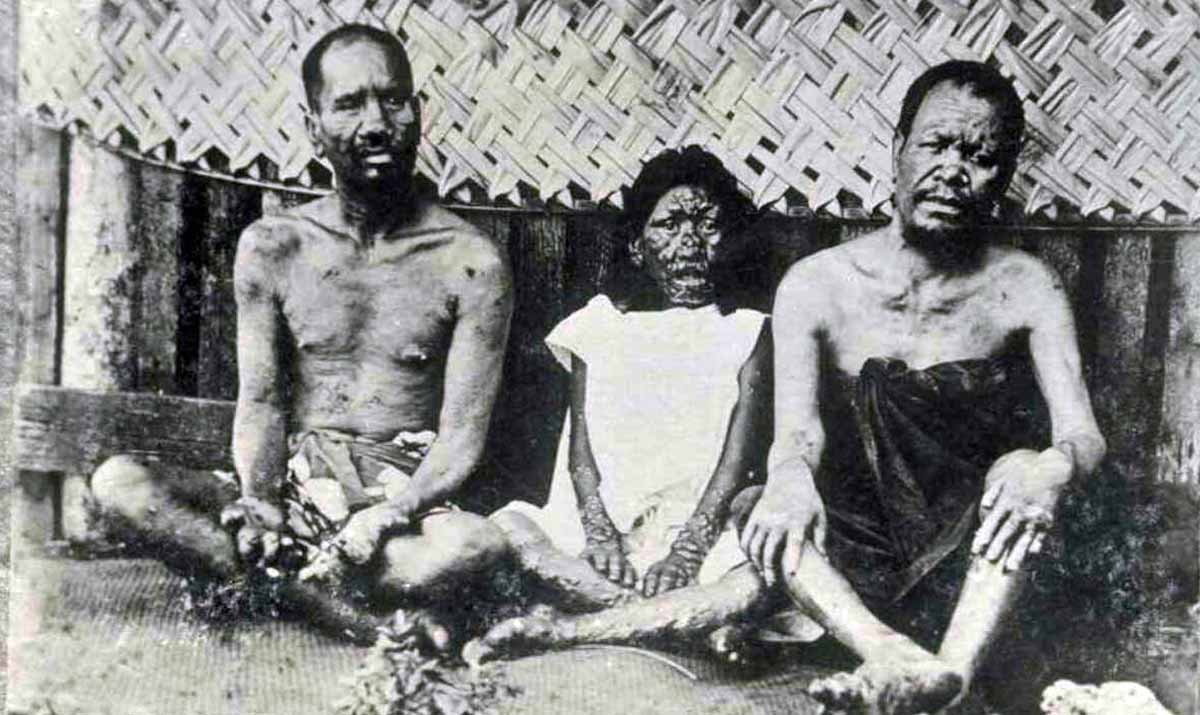
Life in the Colony: The Reality of Ancient Leprosy
The Law of Moses was God’s instruction manual given to his people, the Israelites. Some of the laws were religious, but more practical laws had to do with health and well-being. The Law of Moses mandated total social and religious ostracization for any person with “leprosy” (used to refer to many kinds of skin diseases). What the Bible describes as “leprosy” is most probably Hansen’s Disease or a similar kind of skin condition.
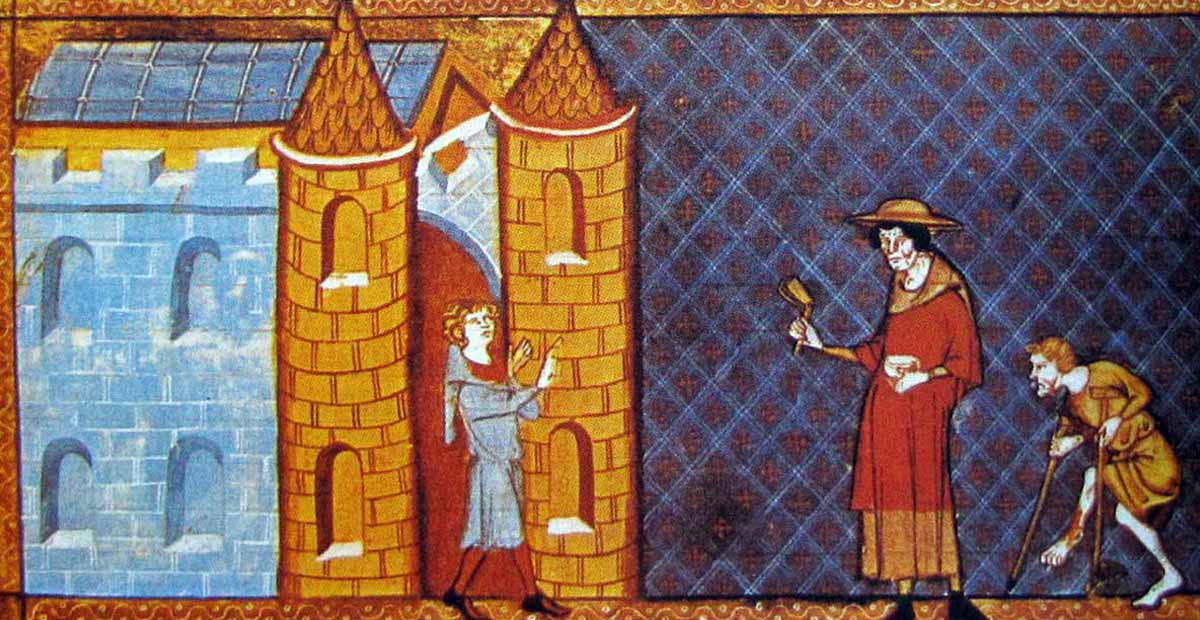
Imagining the physical and psychological toll of being the “living dead” in 1st-century society helps us understand the miracle better. And the Bible provides detail:
“…must wear torn clothes, let their hair be unkempt, cover the lower part of their face and cry out, ‘Unclean! Unclean!’ … they must live outside the camp.” – Leviticus 13:45-46
“They stood at a distance and called out in a loud voice, ‘Jesus, Master, have pity on us!’” – Luke 17:12-13
Go Show the Priests: The Miracle of Obedience
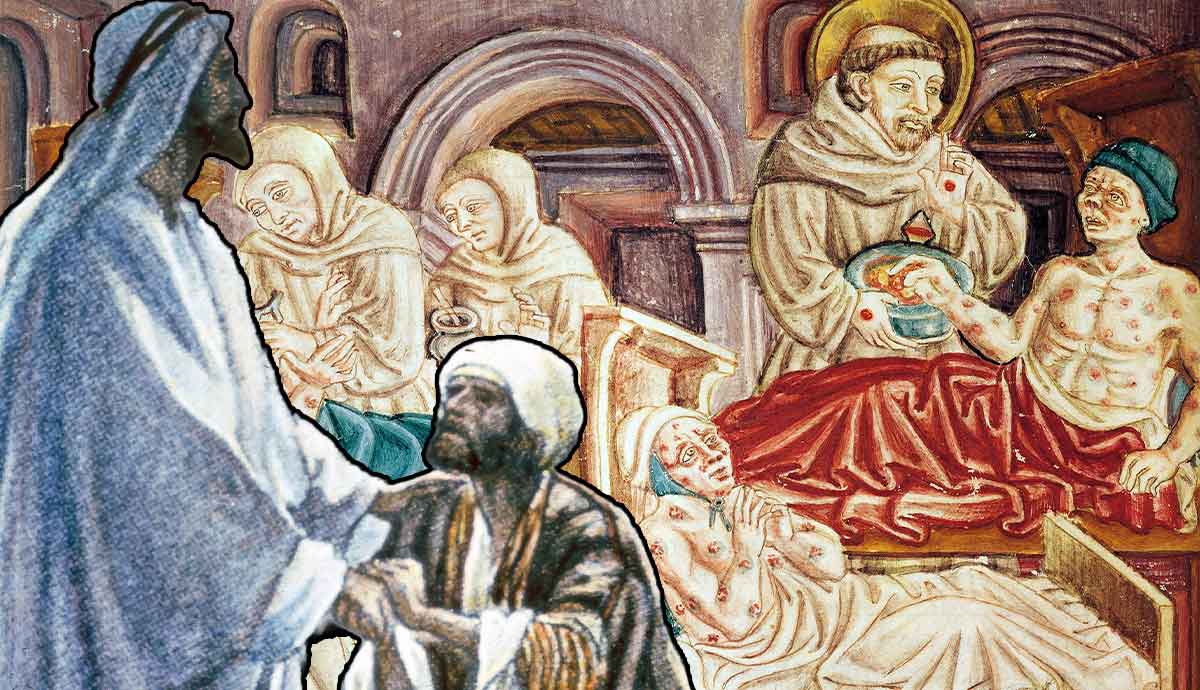
Jesus was always rebelling against the religious authorities of the day, and he explicitly sent the healed lepers to the priests to witness to his power.
“He said, “Go, show yourselves to the priests.” And as they went, they were cleansed.” – Luke 17:14
The healing occurred “as they went,” highlighting the theme of faith in motion. The Bible is a fascinating ancient literary source in which everything is connected to something else, like a large tapestry.
When Jesus commanded the ten men to go to the priests before they were visibly healed, it must have sounded strange to them. But those familiar with the Scriptures would have understood why Jesus asked them to do this.
“The priest is to go outside the camp and examine them.” – Leviticus 14:1-3
Leviticus 14 continues to detail the cleansing process and offerings the priest must do to heal someone of a skin disease.
The Samaritan Scandal: A Lesson in Irony
“Jesus asked, “Were not all ten cleansed? Where are the other nine? Has no one returned to give praise to God except this foreigner?” – Luke 17:17-18
Jesus claimed to do everything by divine intent – nothing was random. In the world in which they lived, there was a stark divide between Jews and Samaritans, a xenophobic hatred that stemmed back generations. The first stirrings of this divide are evident in the first pages of Scripture, in the Old Testament.
The fact that the one who returned was a Samaritan creates a strange echo for a parable Jesus told, called “The Good Samaritan.” In the parable, as in this event, the “theologically incorrect” outsider was the righteous one. The Samaritan leper was the only one who recognized the source of his healing, while the “insiders” took it for granted.
Healed vs. Whole: The Two Levels of the Miracle
There’s a strange phenomenon in Jesus’ reaction to the thankful Samaritan man:
“Rise and go; your faith has made you well.” (Luke 17:19)
This line has sparked debate about whether the other nine were ever really healed.
The answer becomes clearer when one notes the Greek distinction between the physical healing of the ten and the “wholeness” or salvation (sesōken) promised to the one who returned.
The miracle is a study in the psychology of gratitude and its role in spiritual transformation. Many were healed, but only one expressed gratitude, and it made him whole.
The Miracle in Art: Depicting the Outcast
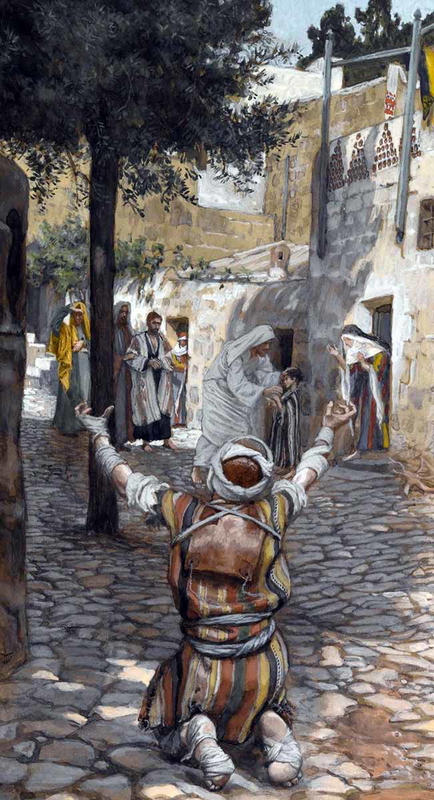
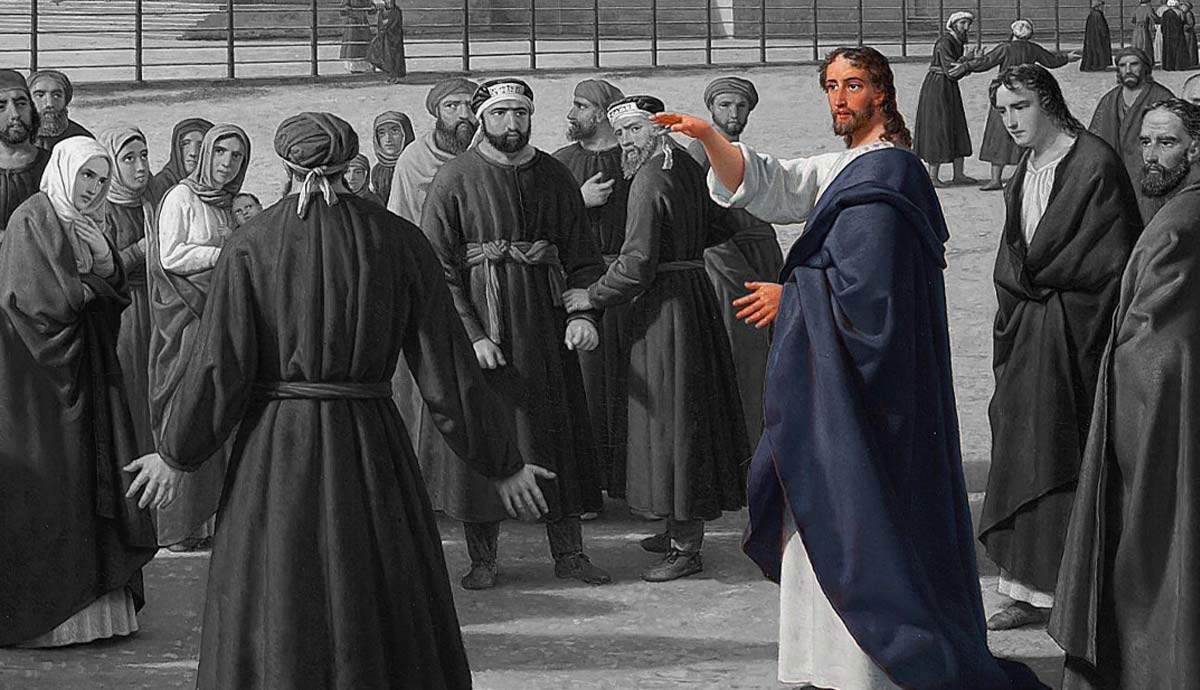
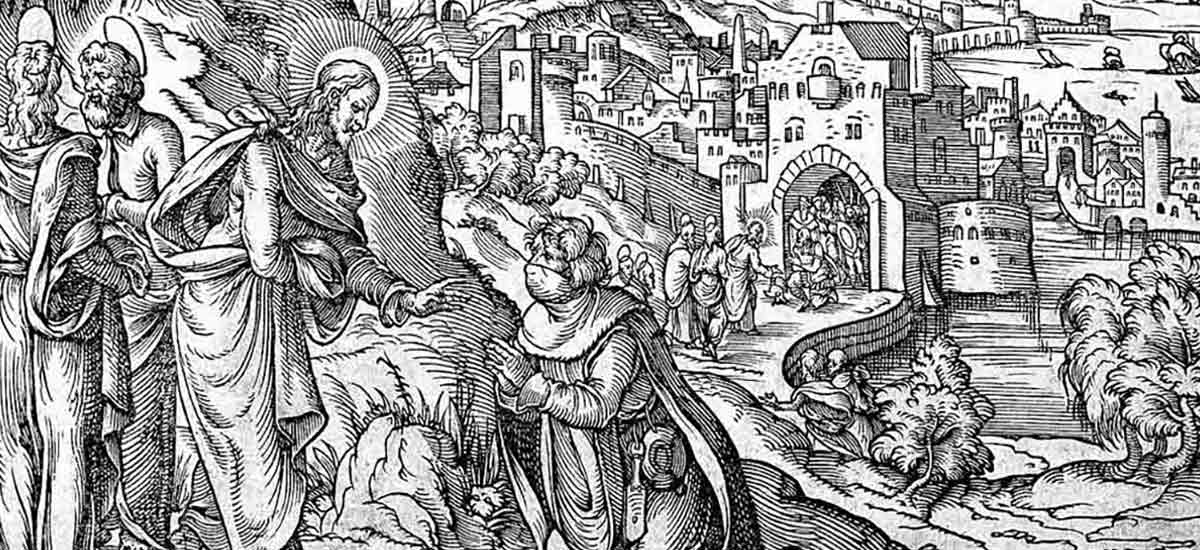
This scene has been depicted in Byzantine and Renaissance art, often focusing on the dramatic prostration of the one leper at Jesus’ feet. When illustrating this miracle, artists have often used spatial distance between the nine and the one to emphasize the narrative’s emotional core.
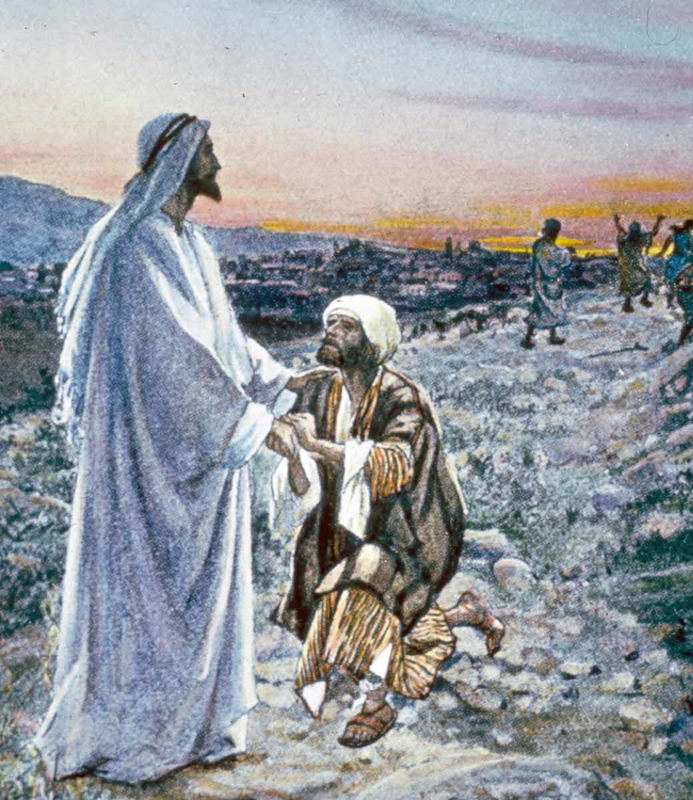
This famous story from the Bible is less about manners and more about the radical inclusion of the “other.” All through the Old Testament and the prophets, God is seen as a great includer. Jesus subverted social norms by even speaking to these lepers.
It includes all the elements that led to the crucifixion of Jesus: His miracles that impressed the crowds, his refusal to submit to authorities in the Temple, and blatant disregard for their authority, his crossing of social divides like dining with sinners or even touching Samaritan lepers.
The one who remembered, on the other hand, remains a timeless symbol of the power of a grateful heart in a fragmented world. According to the Scripture, it was his thankfulness that led to his wholeness and healing that could not be taken away from him ever again.