The number 40 is a recurring theme throughout the Bible, like a golden thread. Therefore, it is not so surprising that there were 40 days between the resurrection and the ascension of Jesus Christ.
What happened during this period?
The Significance of the Number Forty
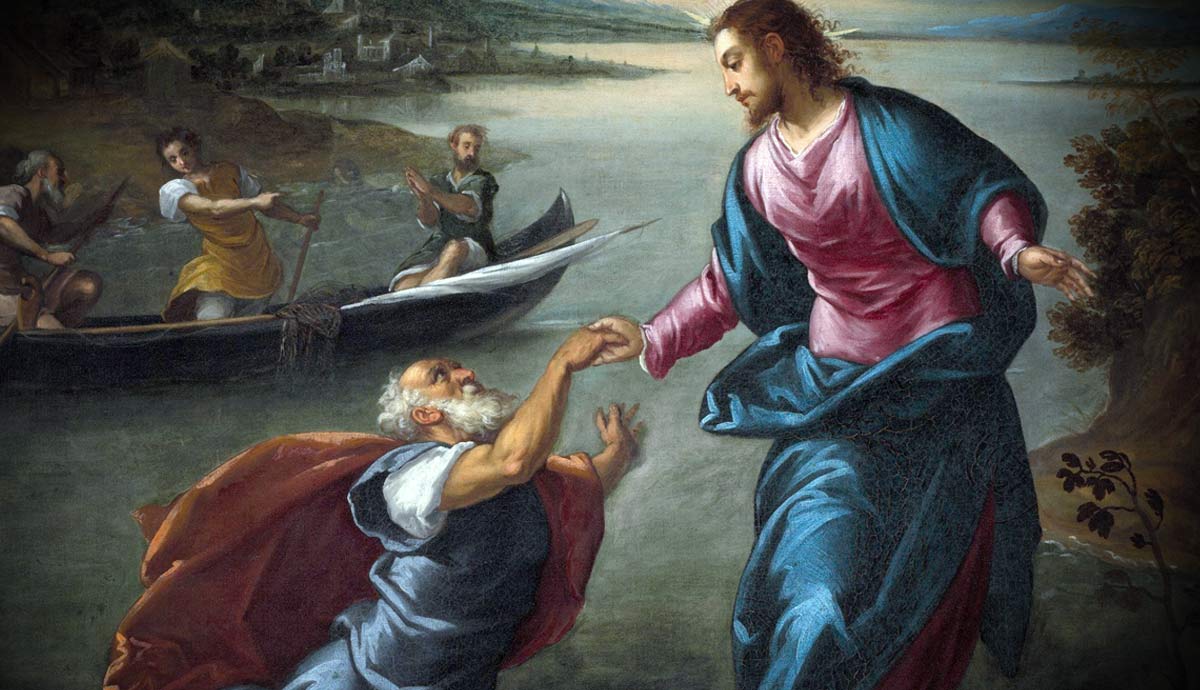
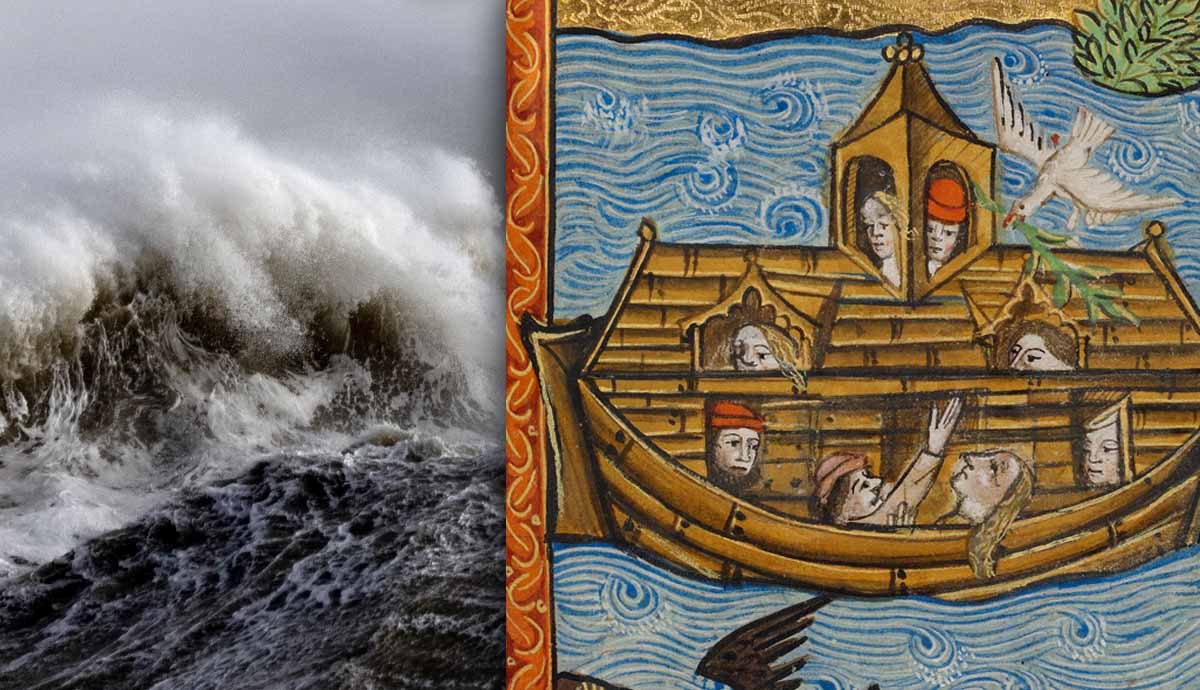
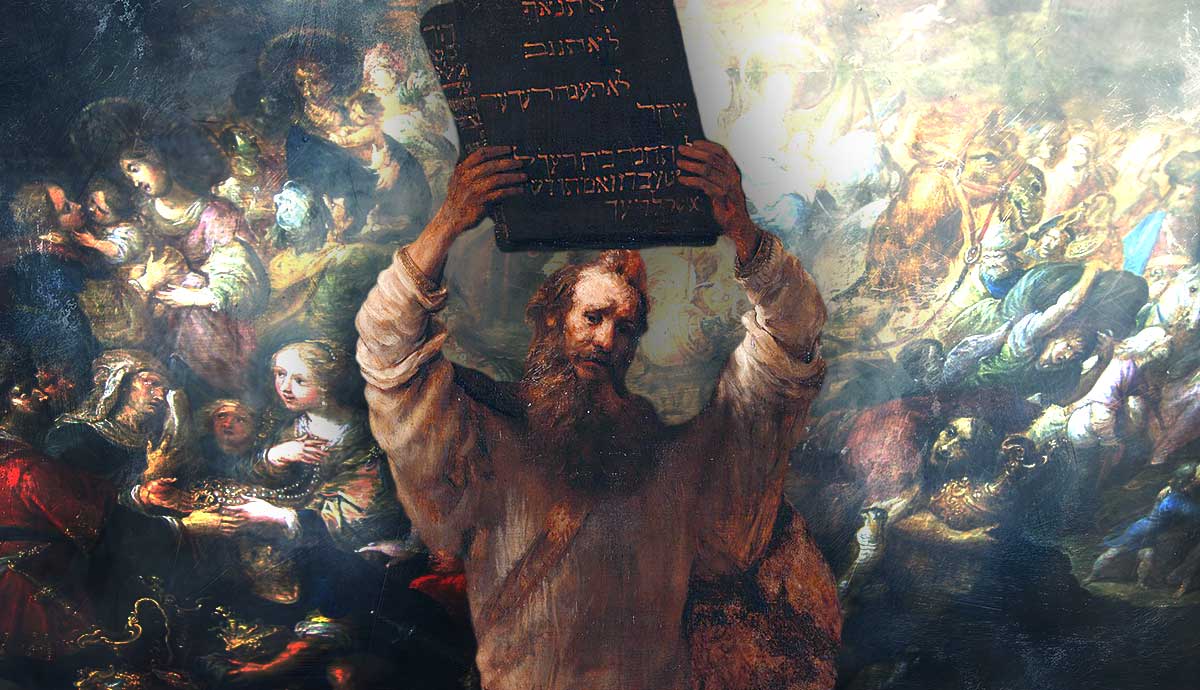
The Bible is packed with other “40” motifs. Noah’s Flood saw 40 days of rain. Moses received the Ten Commandments over 40 days on Mount Sinai. The Israelites wandered the wilderness for 40 years. Goliath challenged the Israelites for 40 days before David slew him.
In the New Testament, Jesus himself was tempted by the enemy for 40 days before the start of his public ministry. In this way, the 40-day period was often a symbolic “new beginning.” The 40 days after the resurrection have been described as a “probation” period for the new leadership of the Church— a sort of trial run before they were left alone.
Week One: The Week of Convincing Proofs
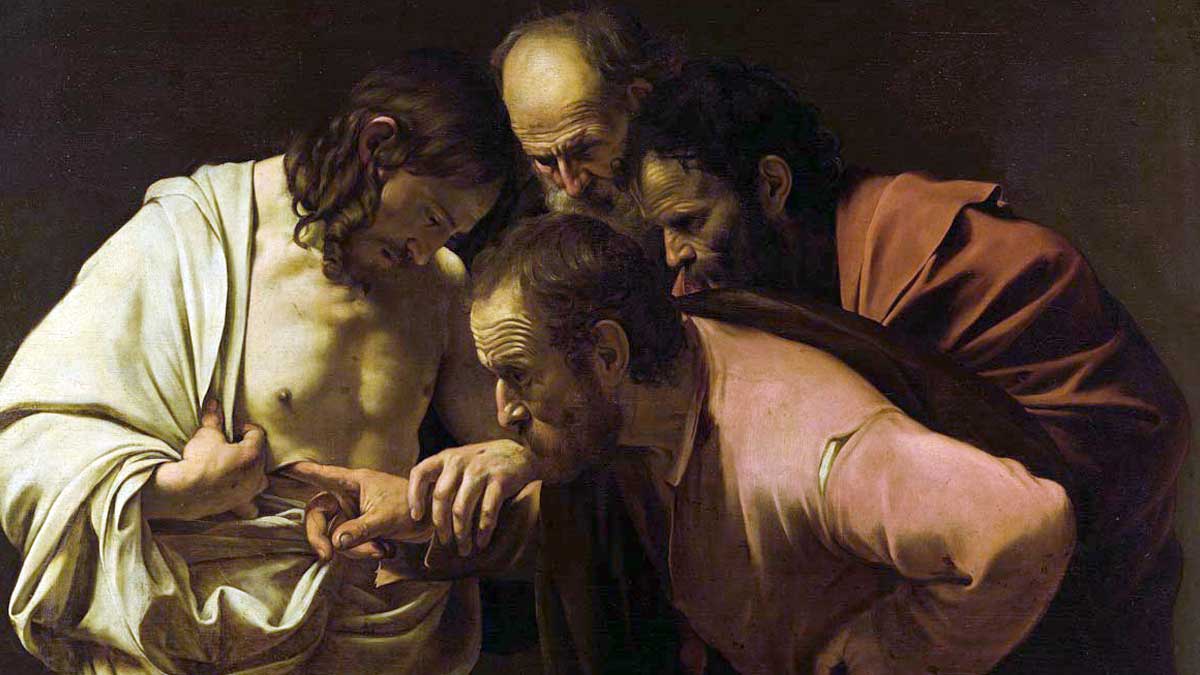
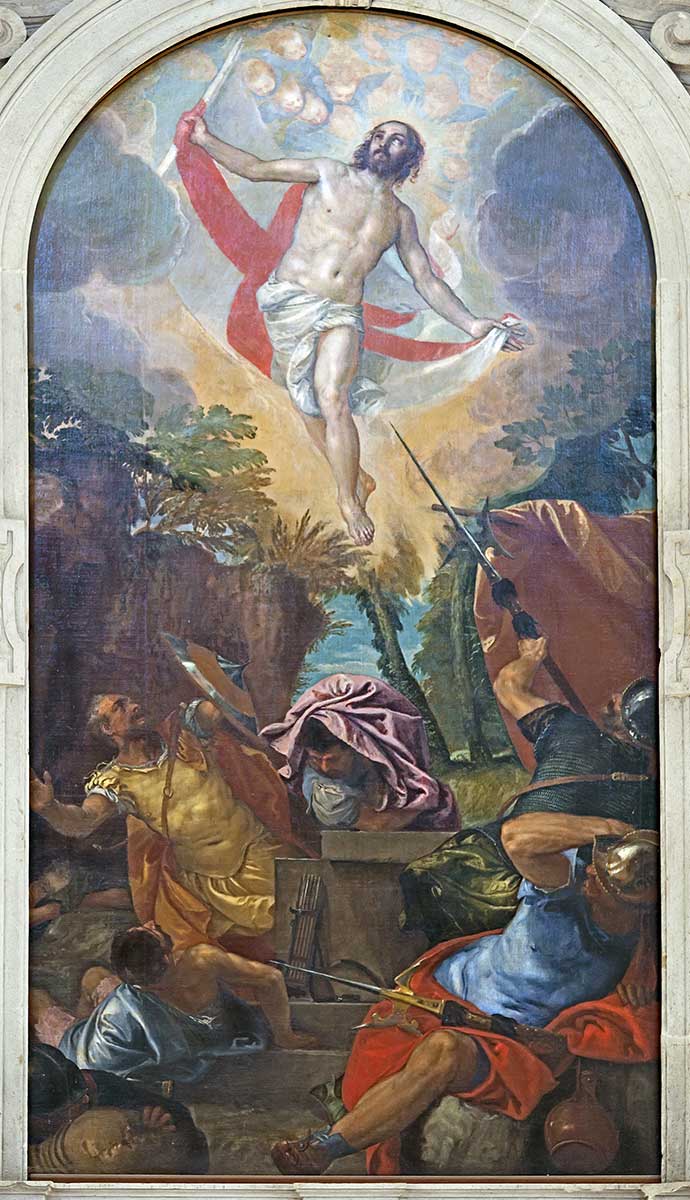
In the first days after the resurrection, the risen Jesus showed himself to many. He appeared to those guarding his tomb, to the women who visited, and to the disciples in other settings. The physical interactions were noteworthy— according to the Scriptures, Jesus ate food and allowed those who doubted to touch his wounds. This served to ground the miracle in reality for the skeptical disciples. The Last Supper was not his last supper— far from it.
His resurrection was not only a nice idea. He was not only raised in spirit, but in his natural form. This carries tremendous weight and makes the resurrection miracle even bigger. It was not just an idea; it was a lived reality.
Jesus also appeared to a crowd of 500 and to the biggest skeptic of all, his own brother, James.
The Galilean Interval: Return to the Roots
Long before Jesus’ death, he instructed his disciples to meet him in Galilee when the time came. In Matthew 6:32, he said: “…after I have risen, I will go ahead of you into Galilee.” The disciples remembered what he had said and traveled north to Galilee.
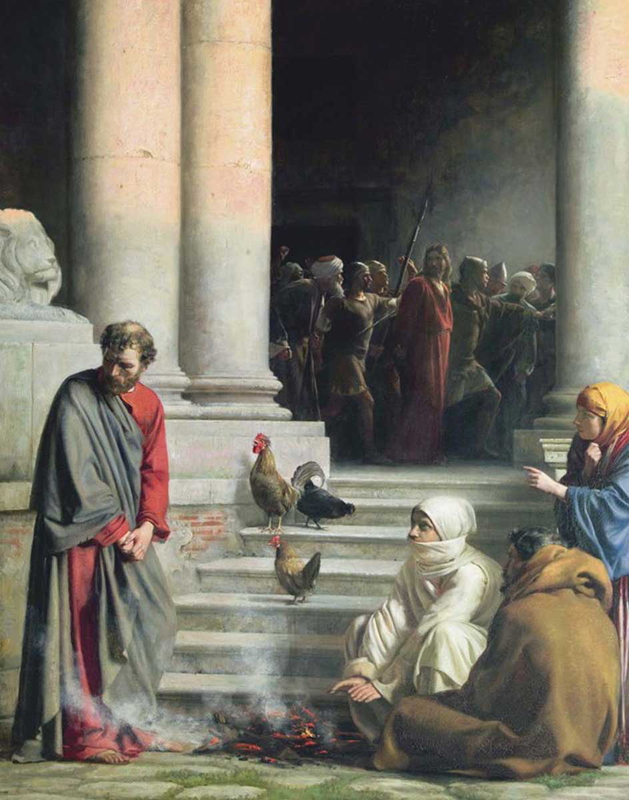
It was here, on the same beach where Jesus called many of them to become his disciples (where fishermen became ‘fishers of men’) and where Jesus met with Peter and others. Peter was the one who promised never to desert Jesus, but who betrayed him three times before the morning rooster crowed.
Yet, on the Galilean beach where it all began, Jesus asks Peter three times, “Do you love me?” In doing so, Jesus restored Peter, forgave him, and encouraged him to remember his calling. He then cooked breakfast for them over a fire, and they ate together (John 21).
The Content of the Final Teachings
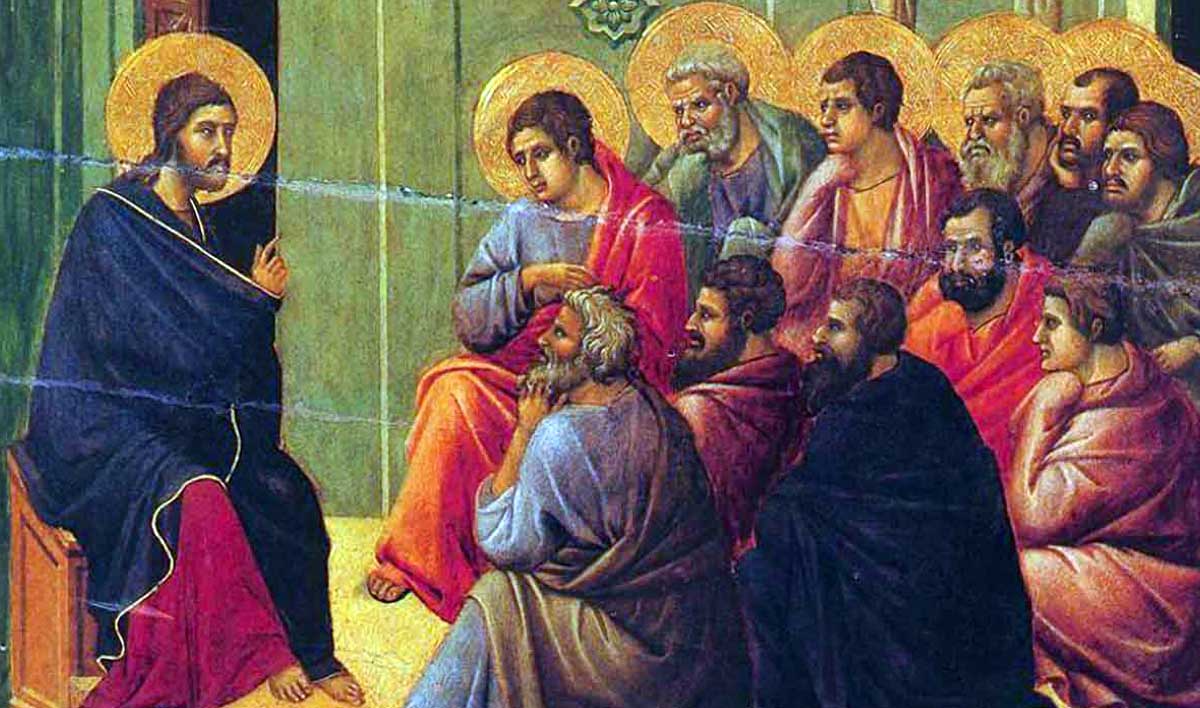
The aim of Jesus coming to earth was not just to be here, perform some miracles, die, and go back to Heaven. Jesus came as a rabbi (teacher). He not only spoke about the Kingdom of God— he also taught his followers how to live it.
In the weeks following Jesus’ resurrection, a few key events happened:
- Emmaus Road Encounter: Jesus opened their minds to understand how the Old Testament connects to the New.
- Pentecost: The helper, the Holy Spirit, whom Jesus promised earlier, was given to the disciples, empowering them to be God’s witnesses.
- The Miraculous Catch of Fish: Jesus found the disciples fishing and called out to cast their nets on the other side. This was also when he restored Peter.
“He appeared to them over a period of forty days and spoke about the kingdom of God.” – Acts 1:3
The Great Commission: A Strategic Global Vision
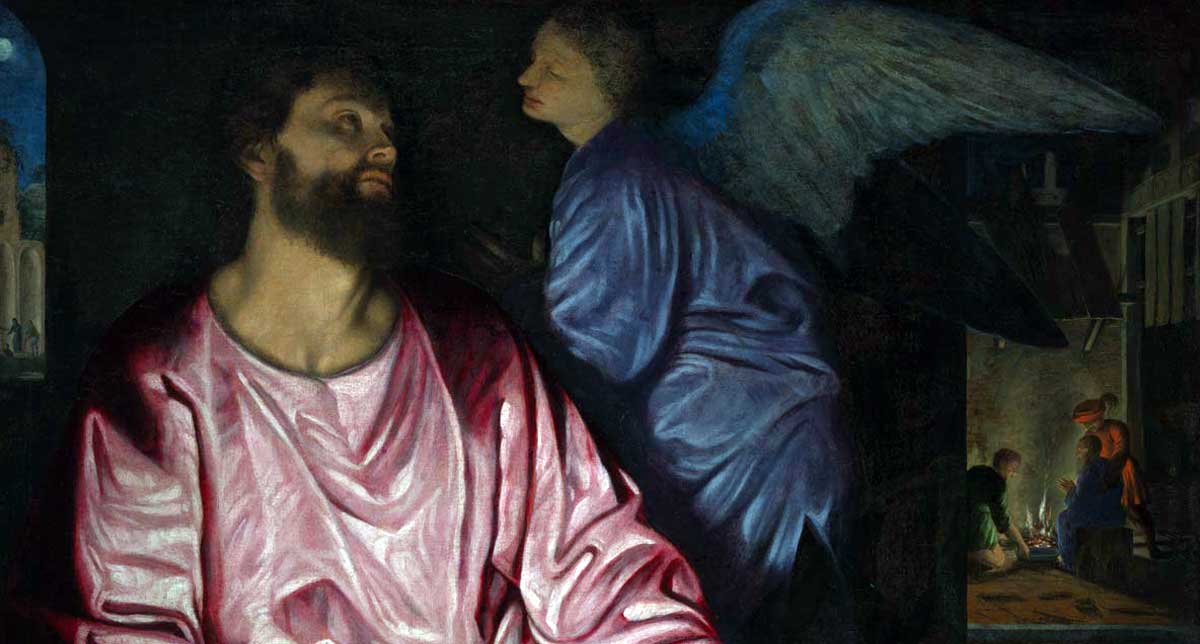
Matthew 28 details the instructions Jesus gave his followers at this time. In what came to be known as the “Great Commission,” Jesus sent his disciples out to follow his example and “Go and make disciples.”
In the Book of Acts, this same command takes on a geographical and literal sense. “You will receive power when the Holy Spirit comes on you; and you will be my witnesses in Jerusalem, and in all Judea and Samaria, and to the ends of the earth.” – Acts 1:8.
These places are farther and farther from Jerusalem, like rings around a pebble, indicating how the disciples were to approach their mission. This same strategy is still followed by missionaries today.
The Final Return to Jerusalem and the Mount of Olives
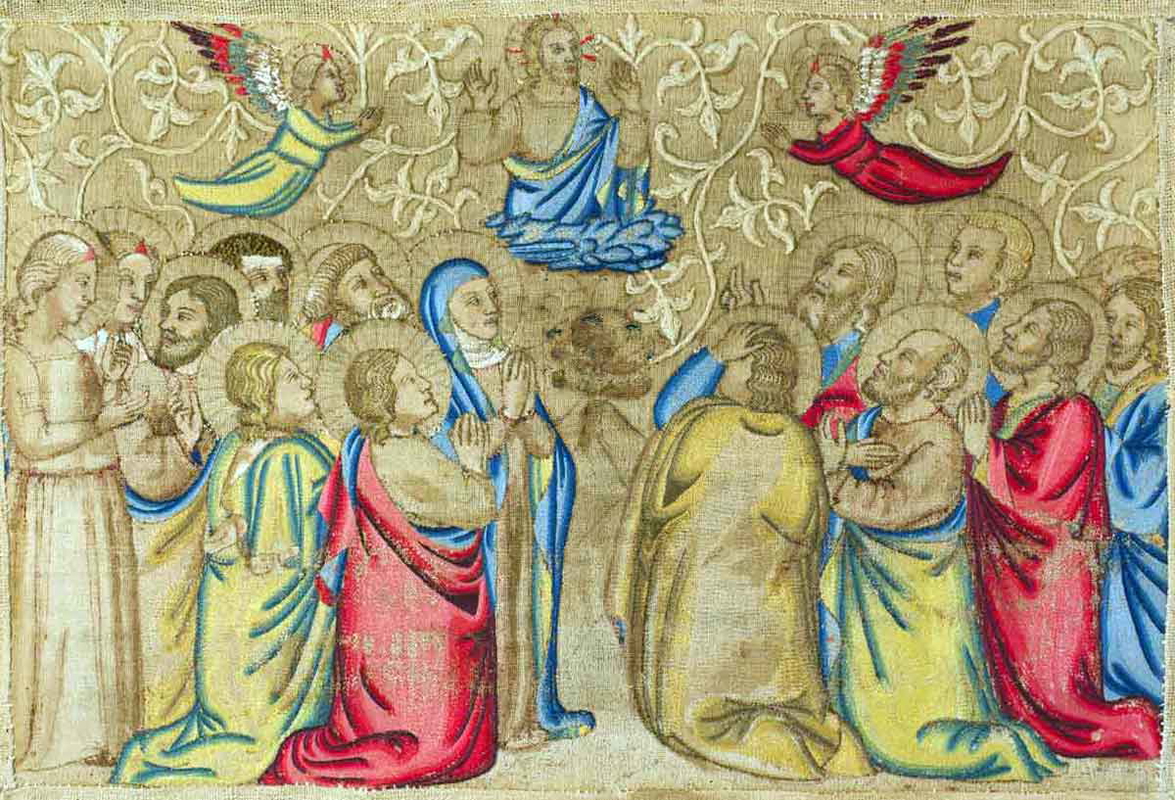
If Jesus had a favorite place, it was probably the Mount of Olives. He often went to this olive grove to pray, and this was also where he chose to spend his last few moments before his trial and crucifixion. It is on this same mountain that the book of Acts describes Jesus’ final encouragement and eventual ascension.
Many leadership books have been written based on the type of leader Jesus was. He delegated, empowered, and encouraged those who followed him. At one point (Acts 1:4), he commands them to “wait in Jerusalem” for the promised gift, helper, and comforter, the Holy Spirit. Herein, Jesus marks his transition from the physical presence of the teacher to the spiritual empowerment of the followers.
”After he said this, he was taken up before their very eyes, and a cloud hid him from their sight.” – Acts 1:9
The Ascension in Christian Art and Architecture
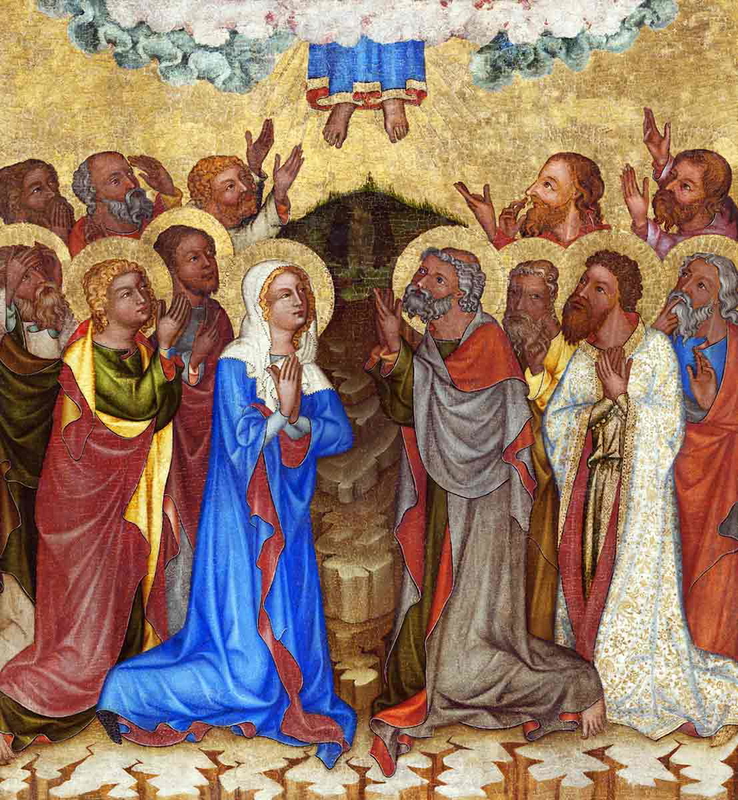
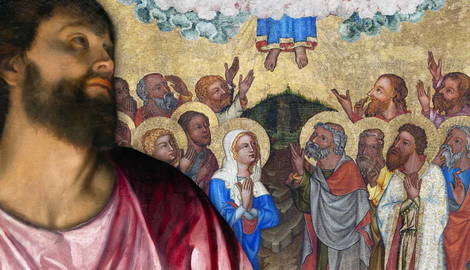
The Ascension has been depicted as a “triumph” since the start. There was a famous ‘disappearing feet’ motif in medieval art, and this same event inspired grand dome mosaics in the Byzantine era.
There’s a contrast evident between the humble, suffering Christ of the crucifixion and the “Pantokrator” (Ruler of All), while humanity remains below, looking up at him, as he’s lifted up to heaven.
The 40 days between the resurrection and the ascension were when Jesus’ missionary efforts were realized. He passed the baton to his followers, empowered them with the Holy Spirit, and promised them that he would be with them until the end.
Without this specific window of time, the movement might have remained a small Jewish sect rather than becoming a global faith.