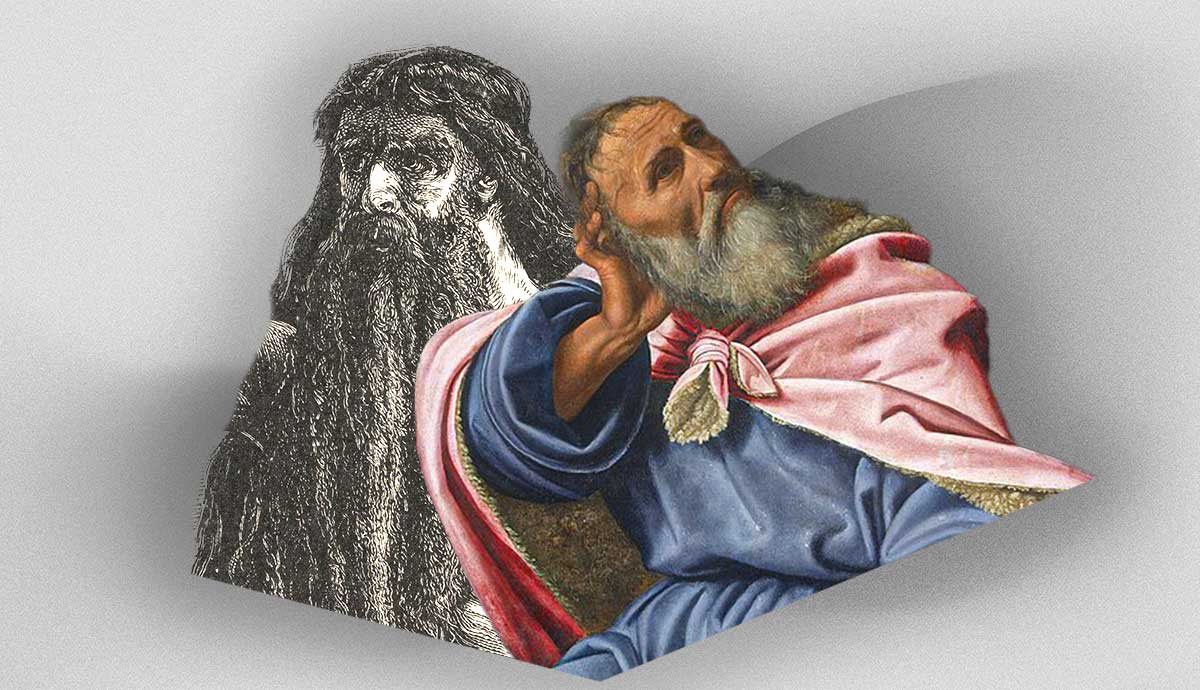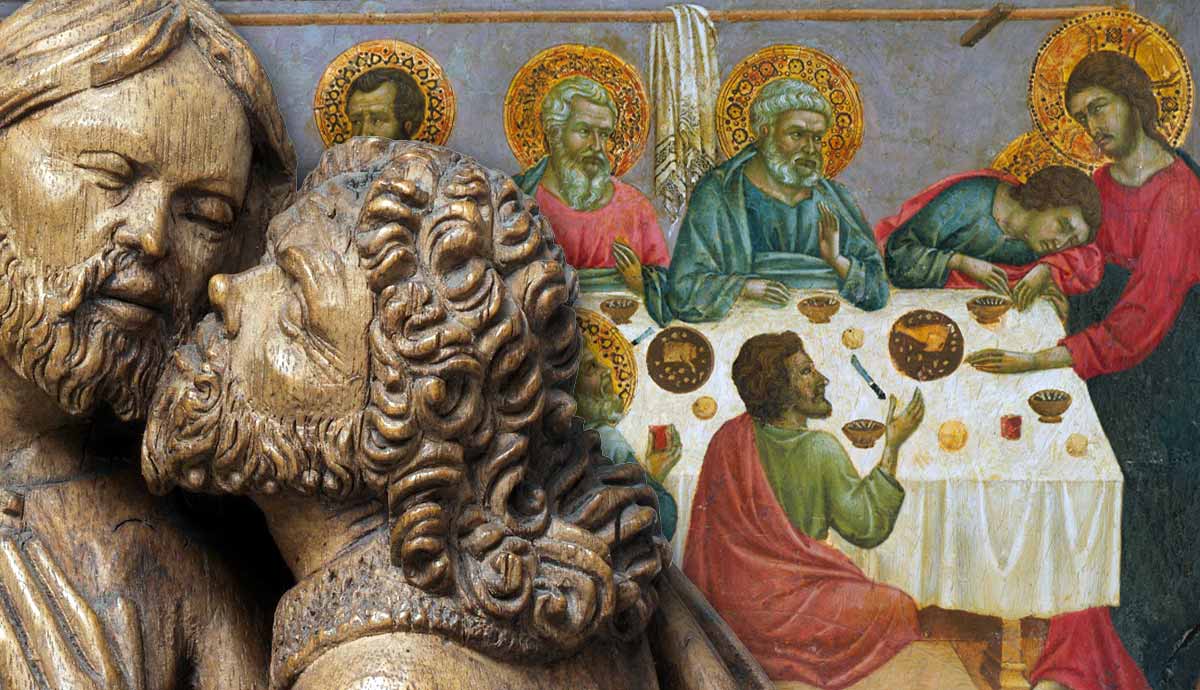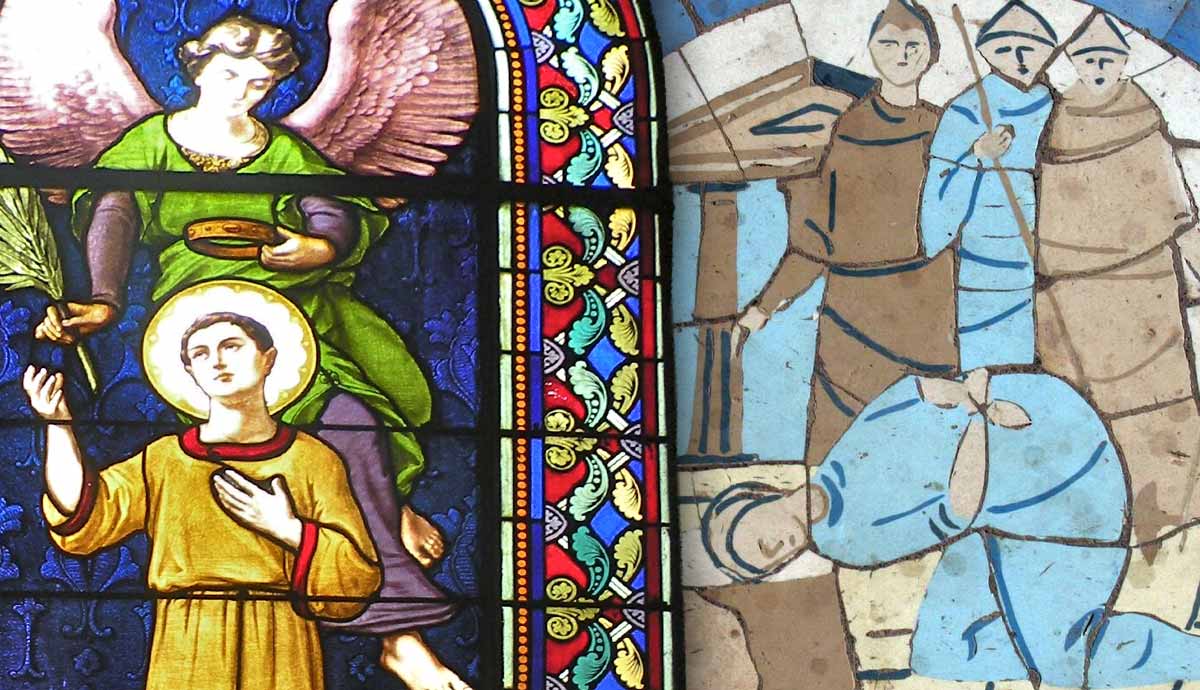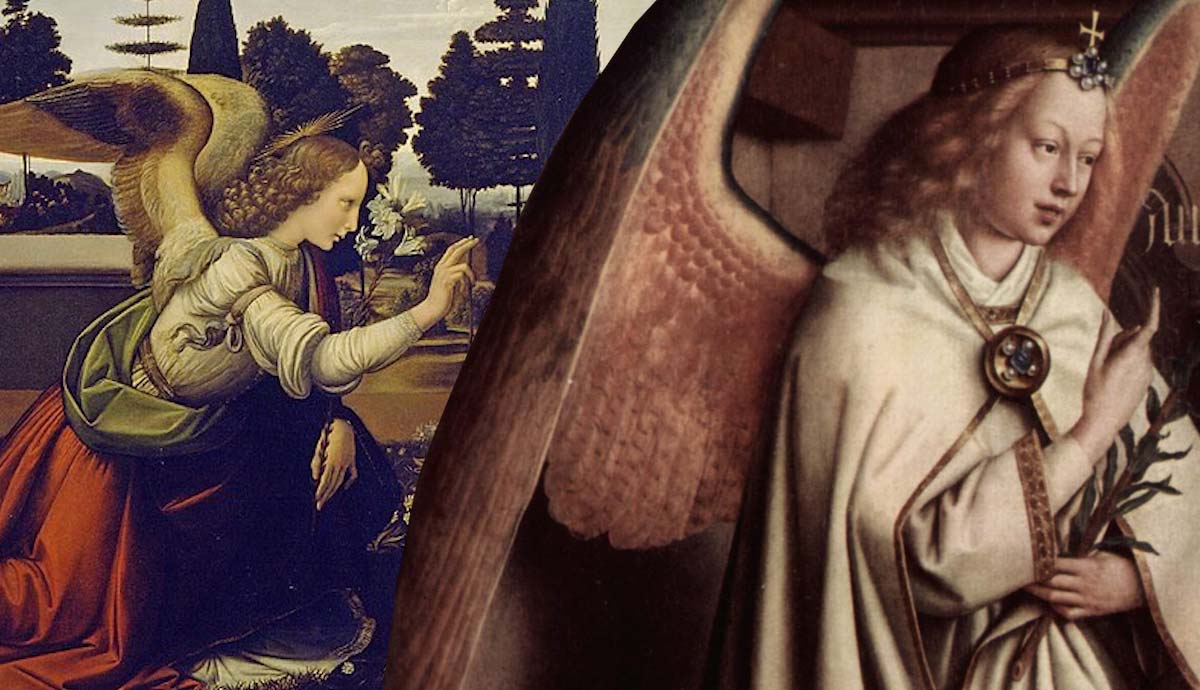
The Book of Enoch, an ancient text that is not part of the Hebrew bible, expands Genesis 6:1–4 into a structured indictment of corruption, lust, and forbidden knowledge. Its core section, The Book of the Watchers, narrates the descent of the Watchers (angels) and their secret oath. Enoch, great‑grandfather of Noah, records their fall and its aftermath. They revealed forbidden arts and hidden sciences, exploited humanity, and accelerated cosmic collapse. Their offspring, the Nephilim (often called Giants), were violent hybrids born of mortal women. Their legacy reverberates through apocalyptic texts, demonology, and angelic lore. Why does the Nephilim myth still haunt us?
The Books of 1 Enoch and Genesis 6: The Lore Begins
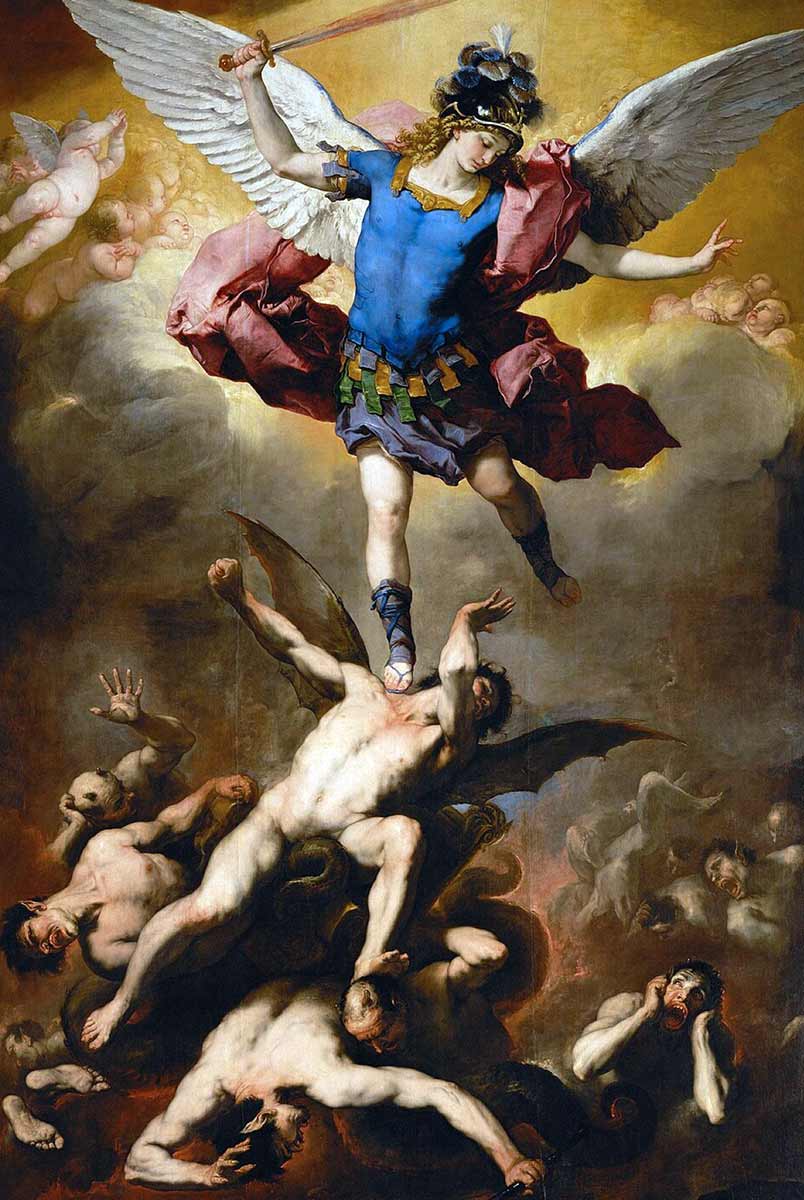
Genesis 6:1–4 recounts how the “sons of God” took wives from among humans. It is an unsettling episode that offers no further explanation for their identity or its consequences. The Book of Enoch, written between the 3rd and 1st centuries BC, expands this fragment into the story of a celestial rebellion.
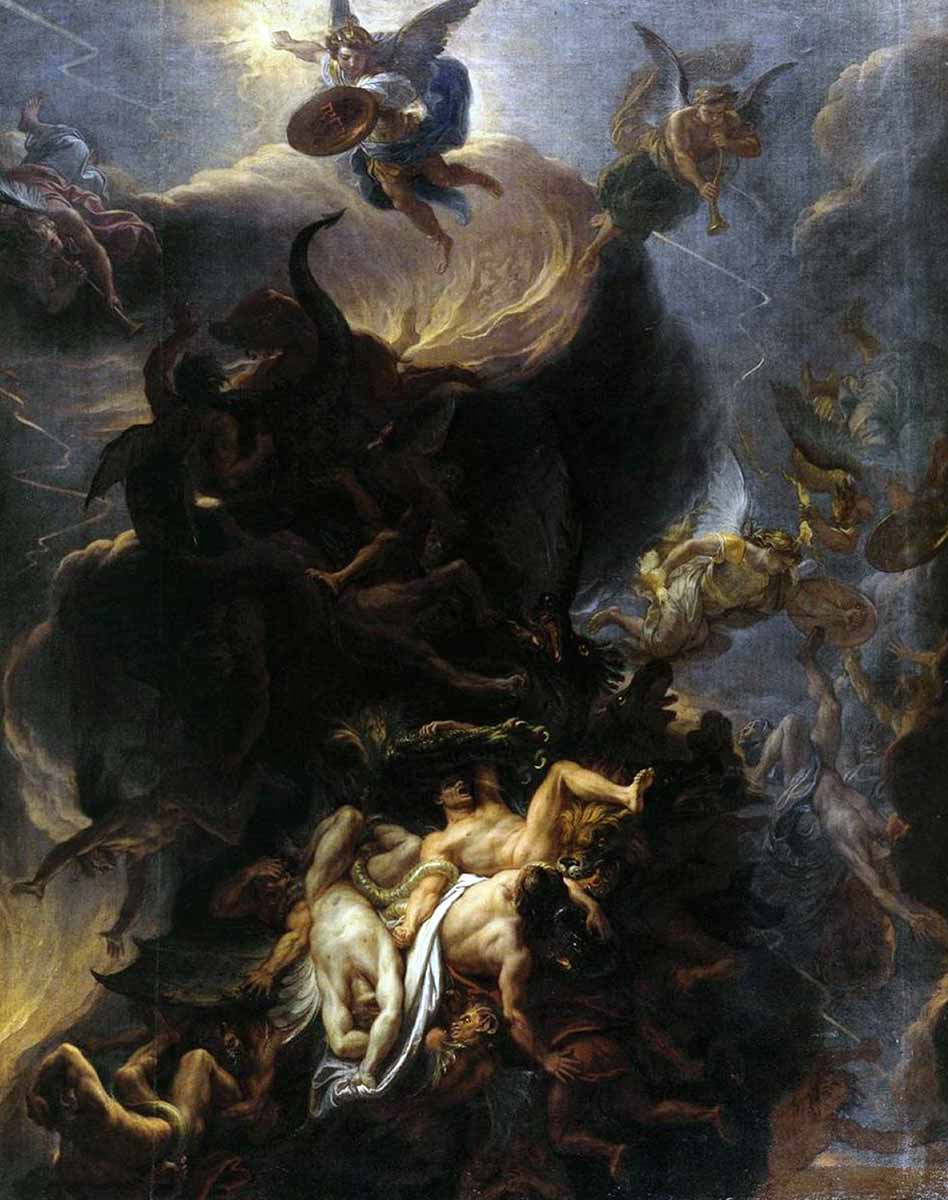
According to 1 Enoch 6–7, the Watchers were angels tasked with observing humanity from above. Captivated by the beauty of mortal women, they resolved to take them as wives. Led by Semjaza (also called Semijaza in some translations), 199 companions gathered atop Mount Hermon in the Anti-Lebanon range near modern Syria and Lebanon. Fearing God’s wrath, Semjaza bound them by oath before their descent. Their pact sealed their deliberate revolt.
On Earth, these fallen angels violated sacred boundaries by imparting sorcery and forbidden, supernatural knowledge to humankind that God had withheld to preserve their innocence. The fallen angels taught them these secrets reserved for the heavenly realms, without equipping them with the natural guardrails to prevent excessive indulgence and potential dangers. They blurred the line between divinity and humanity, thus deepening the desecration of God’s sacred and orderly creation.
This narrative marks the first rebellion of arrogant angels who challenged God’s supremacy. It set the stage for a primordial battle between good and evil, light and darkness, and the eventual triumph of justice over wickedness.
The Broken Covenant and the Rise of the Nephilim
Azazel, a chief ally of Semjaza, taught humans how to forge blades, shields, and armor, turning survival into warfare. Before they came to Earth, this knowledge had been deliberately withheld. In Enoch, God forbade these teachings because they governed the universal order. Humanity lacked the discipline to wield them without ruin.
Tribes began to conquer rather than coexist. Other Watchers revealed astrology, enchantments, and sacred calendars, showing people how to read the stars, cast spells, and measure time. What had been arcane wisdom became a means of control. Once unleashed, these disciplines unraveled the perfect order of civilization.
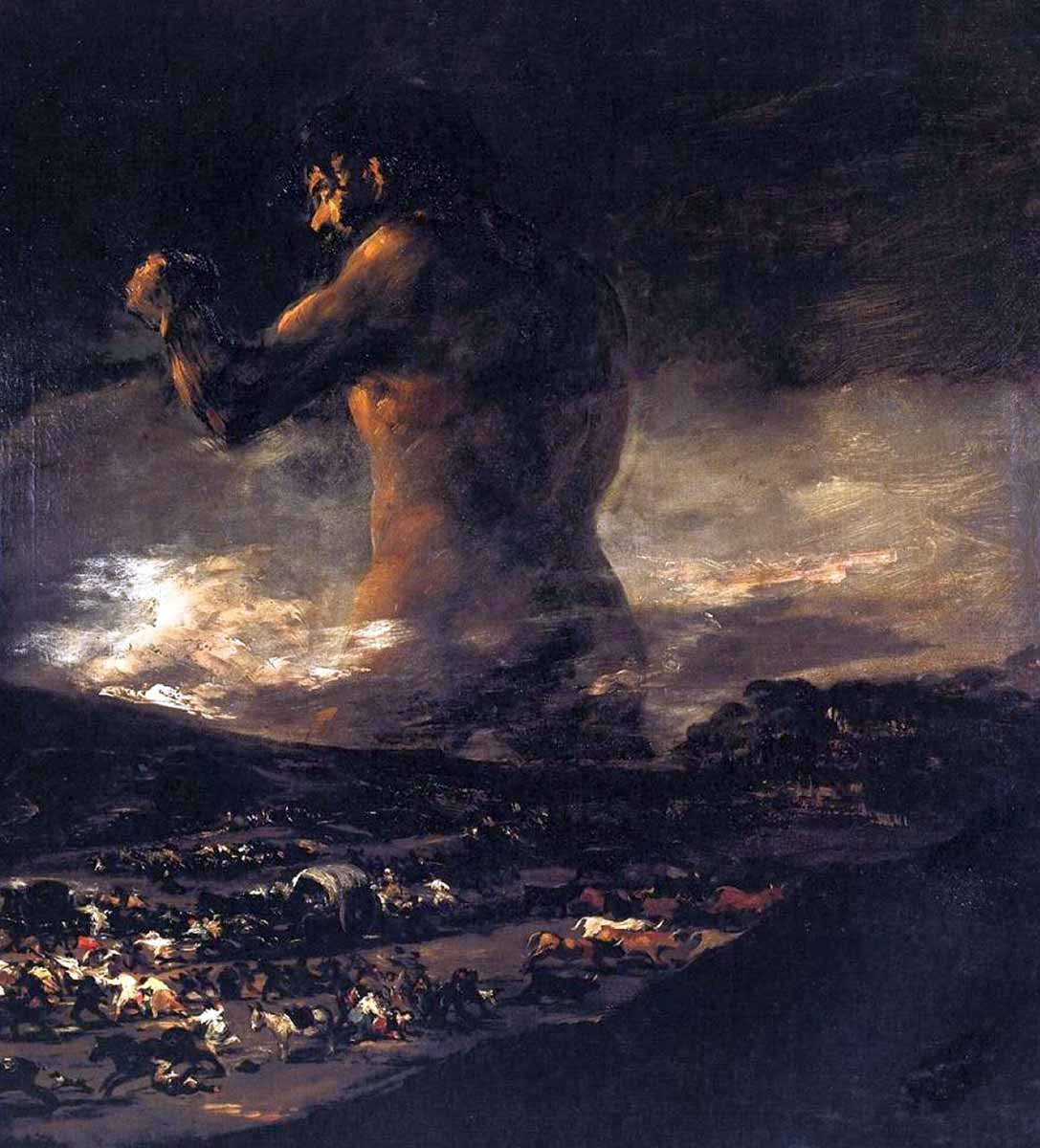
In this fractured world, the Nephilim emerged as the hybrid offspring of the heavenly beings and their human wives. Their rise was catastrophic. According to 1 Enoch 7:2, they reached heights of 300 cubits (roughly 450 feet). Their scale was monstrous, their appetites insatiable. They plundered crops, drained rivers, devoured livestock, and eventually turned to cannibalism when human flesh became their final resource. Their dominance shattered ecosystems and social order.
In Enoch, sacred knowledge turned illicit is not enlightenment. It is a rupture. The Nephilim stand as monuments to a corrupted population reshaped by angelic rebellion.
The Great Restoration and the Fall of the Nephilim
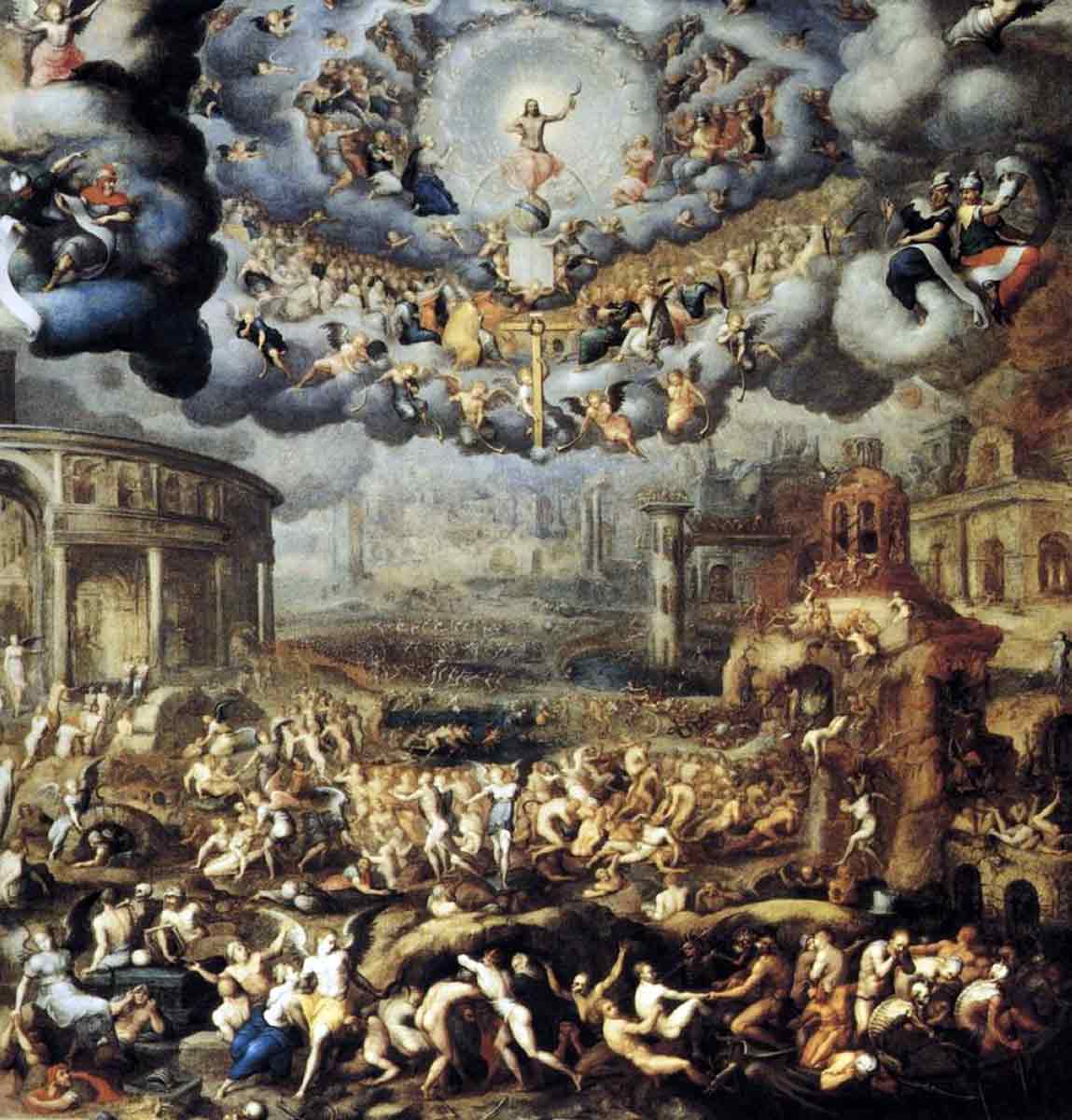
The Book of Enoch presents elemental reparation against the Nephilim (giants) as swift and structured. God sends four archangels to deal with the situation: Raphael binds Azazel; Michael imprisons Semjaza and the other Watchers; Gabriel incites the Nephilim to destroy one another; Uriel warns Noah to preserve life.
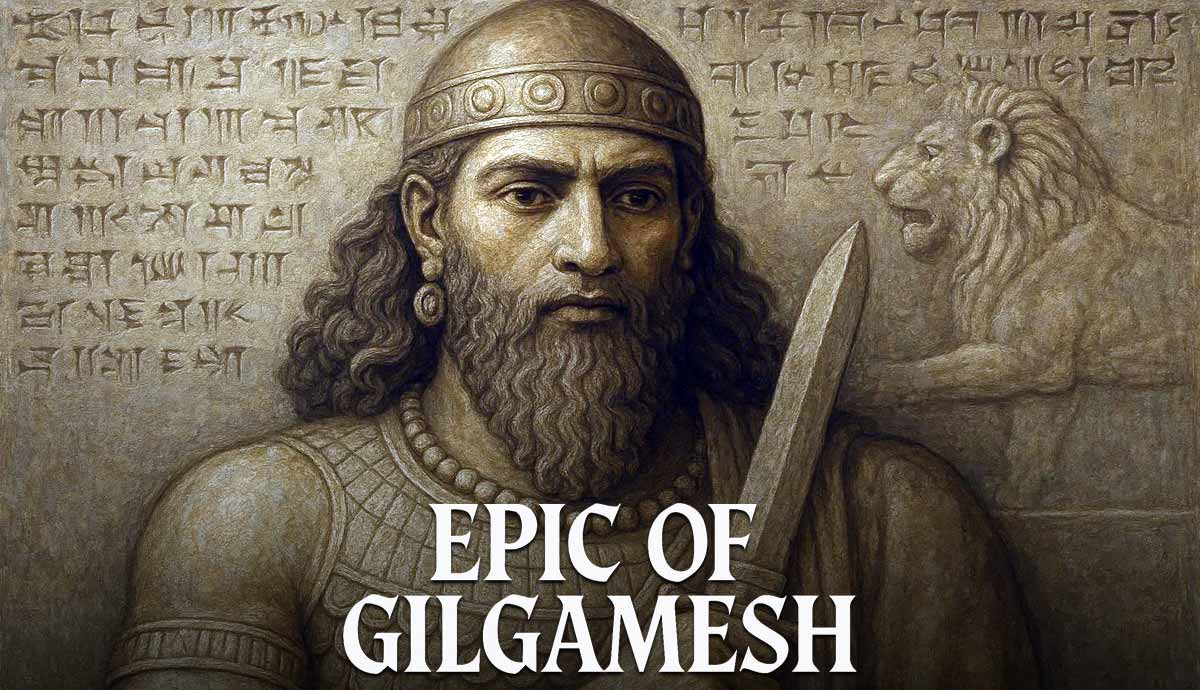
The Watchers are cast into the abyss, denied light and voice, their sentence irreversible. The Nephilim turn on each other, and the flood erases them from the Earth. It mirrors Mesopotamian flood traditions, such as the one related in the Epic of Gilgamesh (c. 2100 BC), an Akkadian poem of a divine retribution by Mesopotamian gods against the humans who had become too noisy, and Noah’s counterpart, Atrahasis, the sole survivor in the Babylonian creation‑and‑flood myth. Together, these parallels situate Enoch’s vision within the wider ancient Near Eastern world.
In Enoch, the flood is not just a disaster but a reset. Water cleanses, and fire punishes Azazel, confined in Dudael beneath jagged stones (1 Enoch 10:4–8). Dudael, a barren ravine east of Jerusalem, becomes his prison, a desert of burning sand and shadow. Its name signifies “place of confinement.” It mirrors the ancient scapegoat ritual in Leviticus 16, where a goat bearing the community’s sins was sent into the wilderness “to Azazel.” These elements symbolize restoration. The goal is not vengeance, but repair.
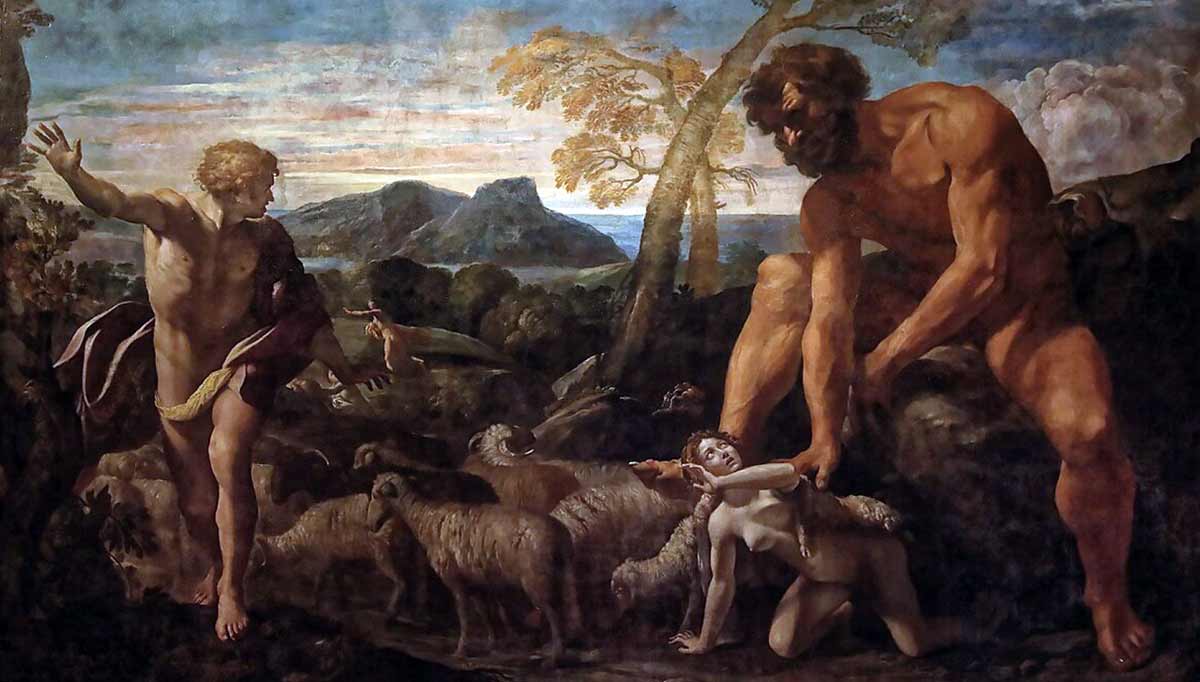
Genesis offers a different tone, introducing the “sons of God” and the Nephilim. They are called “heroes of old, men of renown” (Genesis 6:4). The focus shifts to human wickedness: “The Lord saw how great the wickedness of the human race had become… and his heart was deeply troubled.” “So the Lord said, ‘I will wipe from the face of the earth the human race I have created… for I regret that I have made them.’” (Genesis 6:5–7).
The text omits punishment for heavenly agents, leaving the Watchers unnamed and absent. It presents the flood as a response to human sin.
This contrast is central. Enoch builds a myth where angels fall, the giants rise, and humanity suffers as collateral. The Watchers act with free will. Their oath binds them together in defiance. God does not intervene beforehand, implying that even angels possess agency. Their punishment is permanent. Holy law, once broken, demands atonement.
Even God’s titles shift. In Genesis, He is “God” or “the Lord,” emphasizing covenant. In Enoch, He is “the Lord of Spirits,” “the Holy Great One,” and “the Eternal God.” These names elevate Him as cosmic ruler, sovereign over all powers. In both texts, humans have souls. Souls are spirits. Eternal mandate governs bodies and eternal essence.
Enoch reframes justice as cosmic maintenance. The Nephilim are not heroes. They are warnings. Their story becomes a template for apocalyptic tradition, a myth that explains why divine boundaries exist and what happens when they are crossed.
Did the Nephilim Survive the Flood?
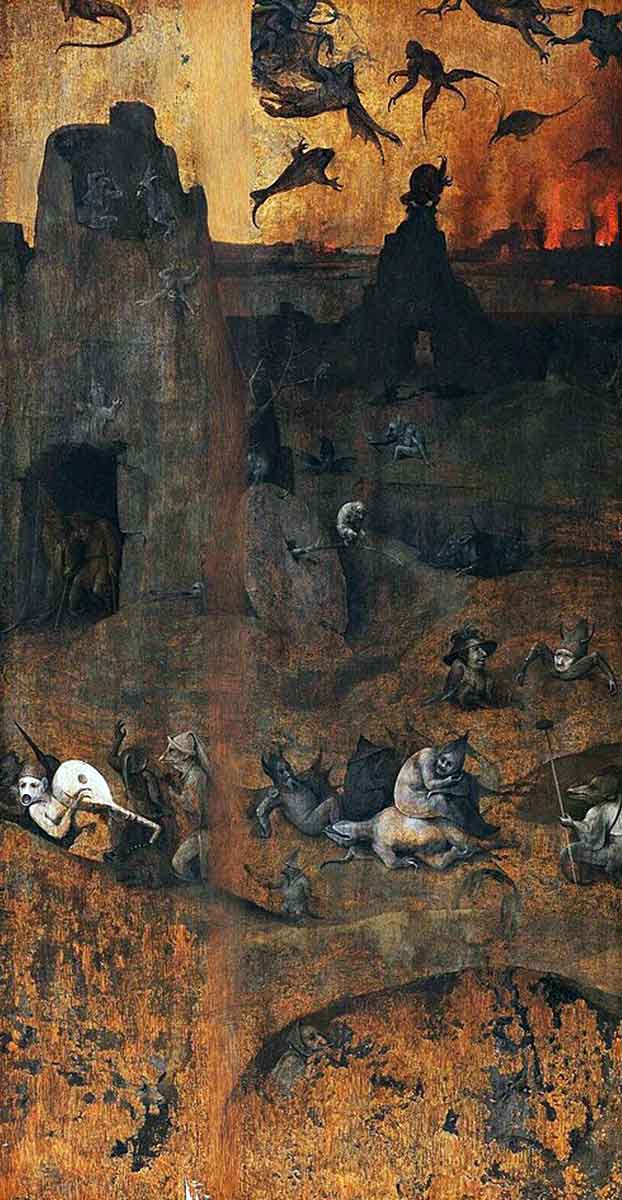
The Book of Enoch claims the Nephilim did not survive physically, but their spirits endured. After the flood, their souls became restless, malicious entities or demons, forever barred from heaven. Enoch 15:8–10 describes them as “evil spirits” who afflict humanity, stirring violence and spiritual decay.
Genesis offers a puzzling clue. Genesis 6:4 states: “The Nephilim were on the earth in those days, and also afterward.” This phrase has kept people wondering for centuries. If the flood purged them, how could they appear again? Numbers 13:33 records their presence. Israelite spies report seeing giants in Canaan: “We saw the Nephilim there… We seemed like grasshoppers in our own eyes.” The text implies a lingering fear of giants.
Og of Bashan deepens the mystery. Deuteronomy 3:11 describes his bed as over 13 feet long. He is called the last of the Rephaim, a race often linked to Nephilim lineage. In rabbinic Midrash, a post‑biblical tradition within the religious frame, it is suggested that Og survived the flood by clinging to the ark or standing above the waters. These accounts are symbolic interpretations of scripture, not new texts.
In later traditions and cultures, the myth expanded beyond its biblical roots. The Merovingians, a Frankish dynasty (5th–8th centuries AD), were said to descend from Merovech, a semi-mythical figure with supernatural origins.
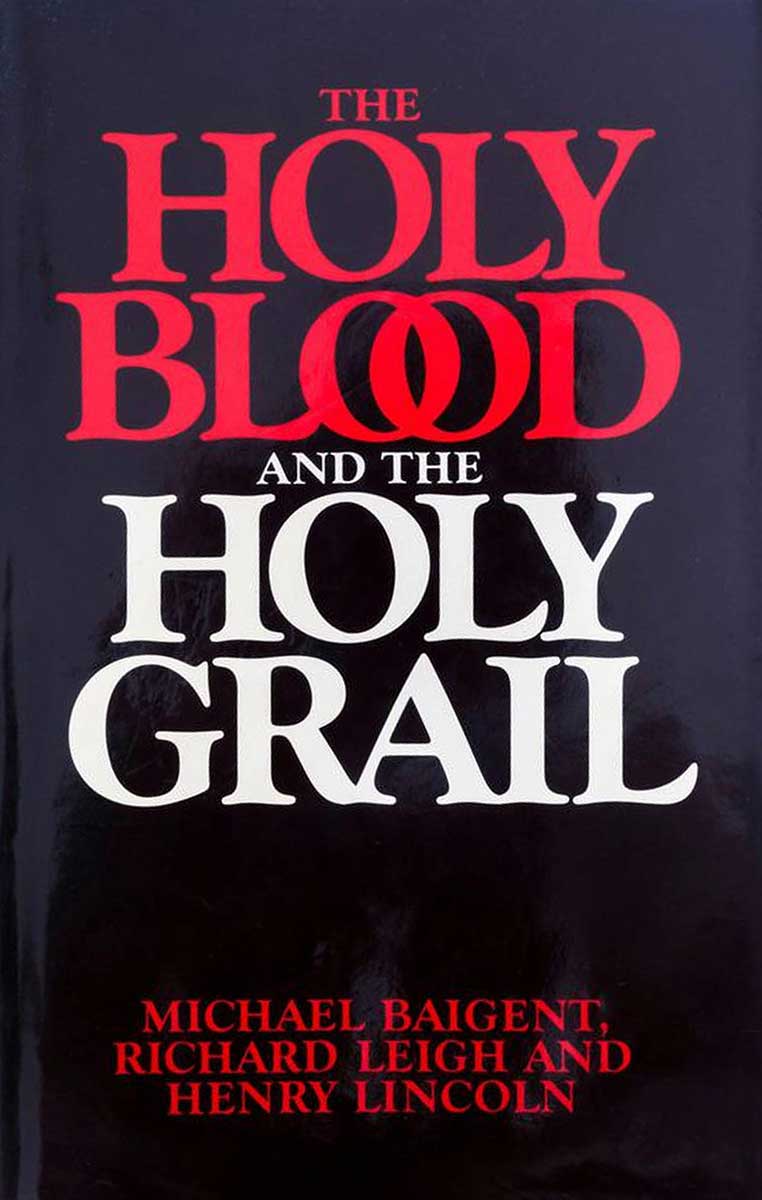
This theory was popularized in The Holy Blood and the Holy Grail (1982), where Michael Baigent, Richard Leigh, and Henry Lincoln advanced claims such as Jesus marrying Mary Magdalene and founding a sacred bloodline. No biblical or Enochic text supports these ideas.
Nimrod, described in Genesis 10:8–9 as a “mighty hunter before the Lord,” is occasionally linked to giant ancestry in medieval interpretation. But neither Genesis nor Enoch connects him to the Nephilim.
Göbekli Tepe (c. 9600 BC, Turkey) and Stonehenge (c. 3000–2000 BC, England) frequently appear in fringe theories. Their scale and astronomical precision invite speculation about pre-flood knowledge or giant builders. Archaeology does not support these claims, but the myth persists.
Across traditions, the Nephilim linger; not fully gone, yet never fully explained.
Why the Book of Enoch Still Haunts Us
Fragments of Enochic tradition survive in the Dead Sea Scrolls, discovered between 1947 and 1956 in caves near Qumran. Among them is The Book of Giants (c. 200–100 BC), written in Aramaic and set before the flood, but it does not form part of the Books of Enoch. It describes how the giants were plagued by dreams of destruction. It highlights the brothers Ohyah and Hahyah, whose visions include beasts and floods.
Terrified of ultimate condemnation, the giants sought answers. They sent fellow giant Mahway as their messenger to journey to Enoch carrying the burden of these visions. And the request that he intercedes for them. Mahway’s plea was for clarity on their fate. Enoch’s reply left no room for hope: the dreams indeed foretold the flood and the end of their dominion.
The Book of Jubilees (c. 160–140 BC), also found among the Dead Sea Scrolls, reinterprets the myth through angelic commentary. It condemns the Watchers and introduces a 364-day solar calendar. This calendar reflects astral mechanics, contrasting with lunar systems taught by the fallen angels. Jubilees blends Enochic themes with priestly law. It emphasizes human responsibility and reclaims sacred knowledge eclipsed by forbidden ascent.
Jewish mysticism produced 3 Enoch (c. 1st–6th century AD), written in Hebrew. It transforms Enoch into Metatron (an exalted scribe and highest angel). This version does not retell the Watchers myth directly. It preserves Enoch’s role as guardian of ancient insight and cosmic order. Enoch becomes a symbol of spiritual stature and authority.
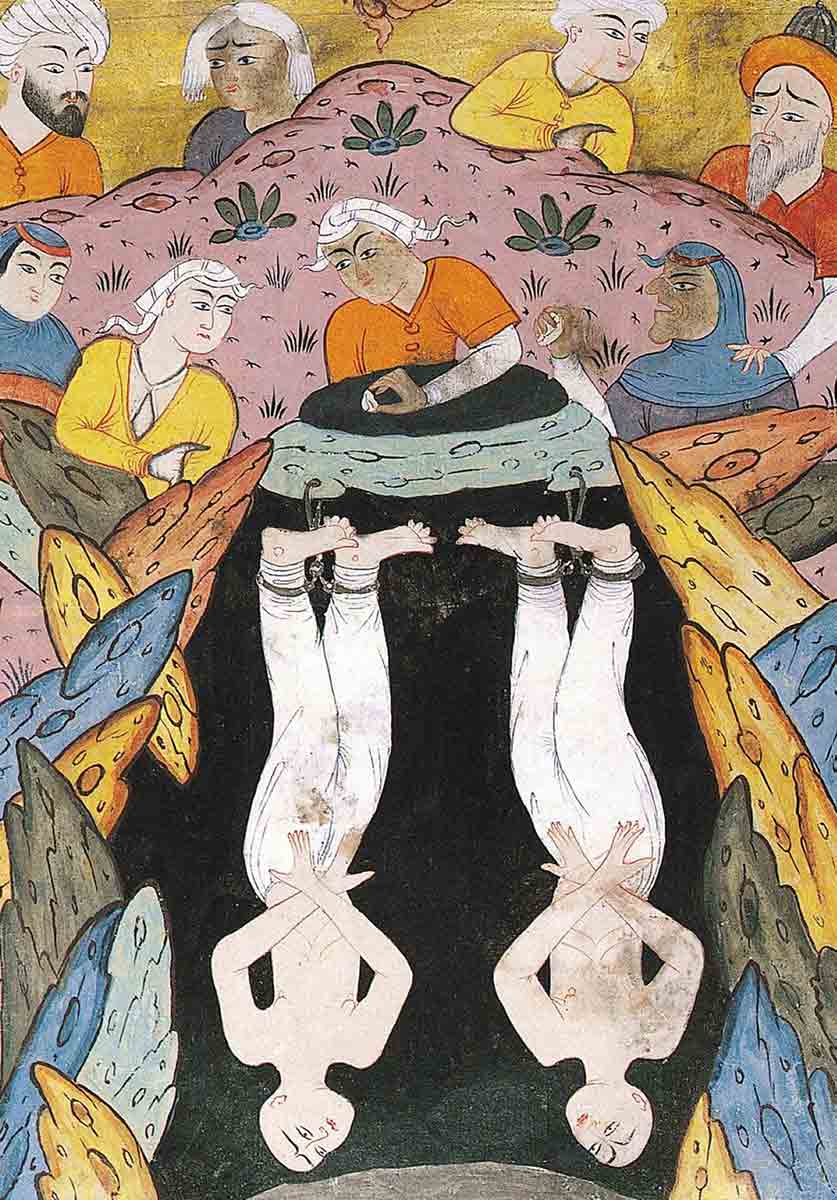
In Islamic tradition, Harut and Marut appear in Surah Al-Baqarah (The Cow, the second chapter) 2:102 of the Qur’an (revealed c. AD 610–615 in Mecca). They teach heavenly mysteries in Babylon and are punished. Islamic scholars describe them as being buried upside down, suspended between Heaven and Earth in a state between grace and exile. Their story mirrors Enoch’s arc: transgression and moral reprisal. They are not called Watchers, but their role is unmistakably parallel. The Qur’an does not name Enoch, but the myth’s structure persists.
Ethiopia preserved The Book of Enoch in full. It remains canonical in the Ethiopian Orthodox Tewahedo Church (established c. 4th century AD). The word Tewahedo means “being made one” in Ge’ez, an ancient Semitic liturgical language. Surviving Ge’ez manuscripts of 1 Enoch date to at least the 6th century AD. In Ethiopian theology, Enoch is a prophet whose visions shape beliefs in angelic hierarchy and spiritual warfare.
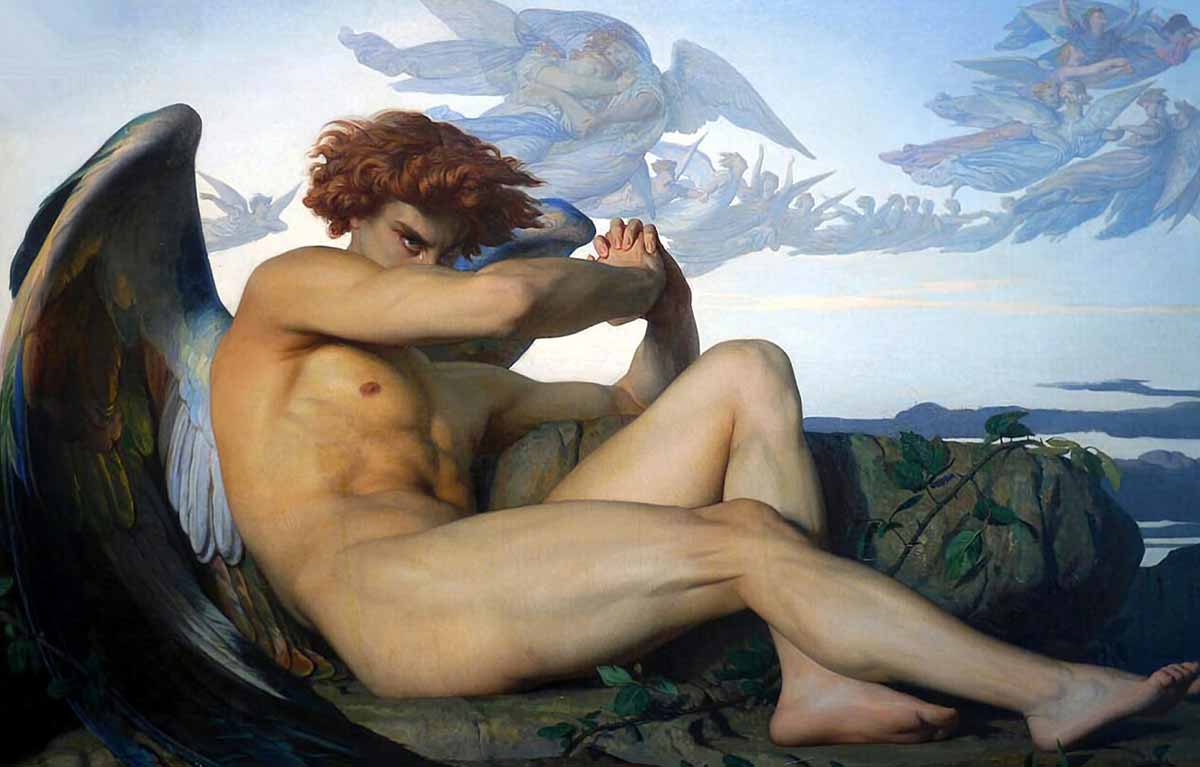
The Book of Enoch reframes evil as angelic insurrection; wisdom undone by desire. The Nephilim were not just giants. They were consequences. Fire, water, stone, and silence become tools of repair. Genesis’s silence becomes a purifying correction. The myth still haunts us because it speaks to every age that seeks infinite wisdom and pays the price for touching the edge of the unknown.