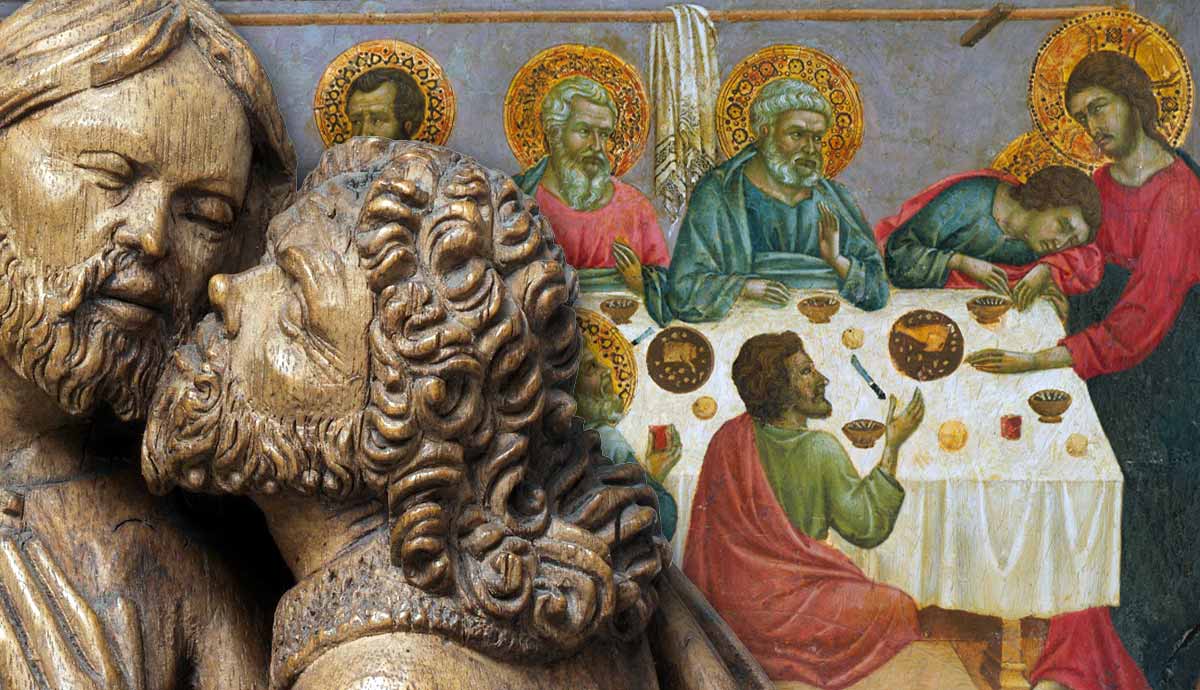
The disciples dropped everything to follow Jesus. This is particularly evident when Jesus calls the fishermen, and they leave their nets. For these men, letting go of their nets meant letting go of familiarity, their livelihoods, and their safety. The call was not simple, but the disciples knew exactly what they were saying “yes” to.
The Cultural Significance of the Rabbinic Call
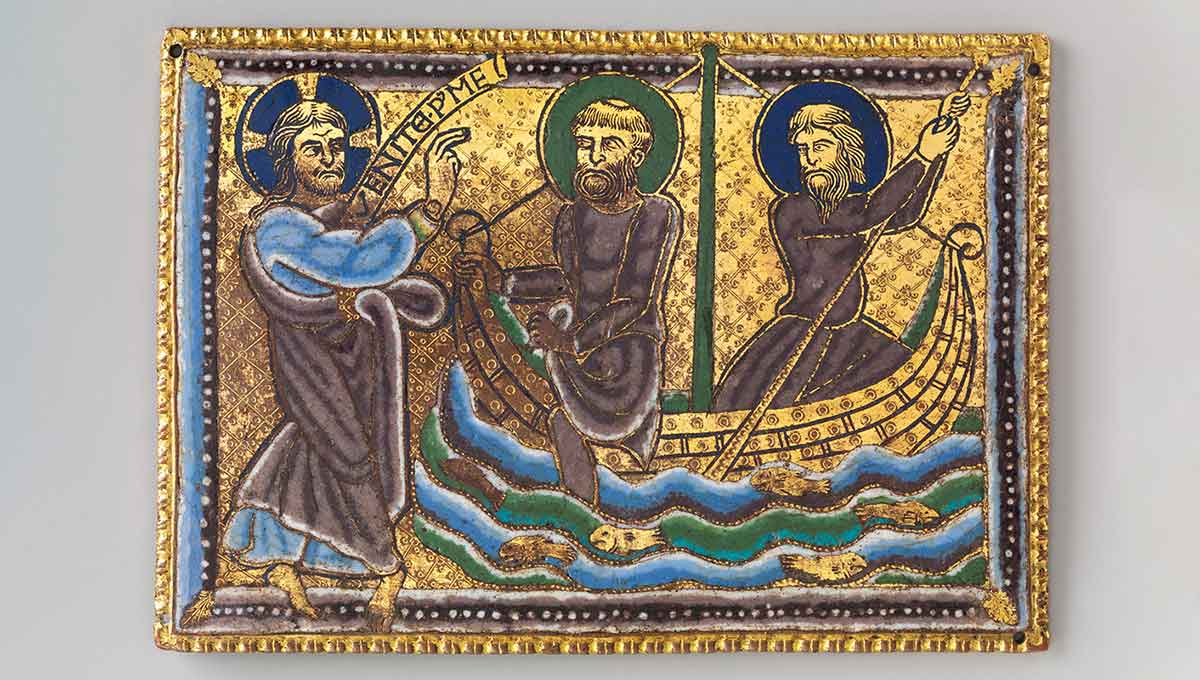
When Jesus called the fishermen and other disciples to follow Him, they left everything behind and obeyed Him immediately. Why is this?
In simple terms: These Jewish men grew up learning the Scriptures, and only the very best would advance to “high school,” where they could choose a rabbi to follow. Being a disciple was an honor reserved for a select few.
When you were a disciple of a rabbi, you were their student and protégé, but you would learn from them not only in a typical classroom setting. Disciples followed rabbis around and lived with them to see how theory becomes praxis. As the famous saying went, “May you be covered in the dust of your rabbi.”
How Jesus Reversed the Traditional Discipleship Model
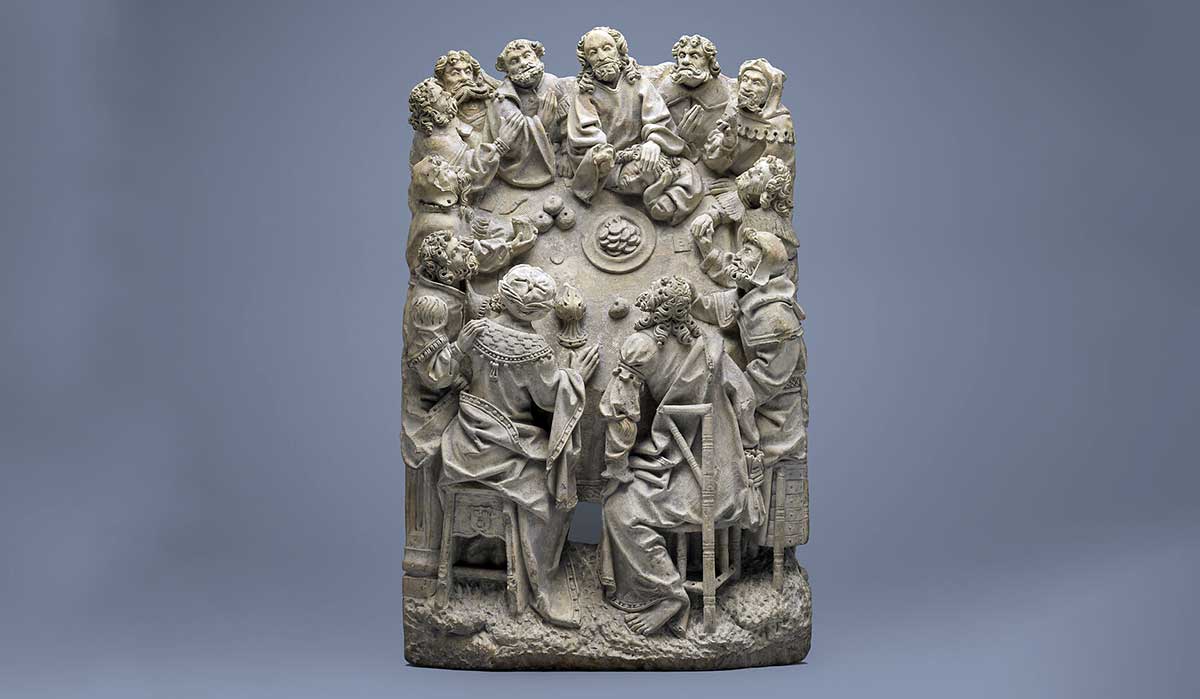
Jesus disrupted the status quo by calling those who had already “failed out” of the formal religious education system and returned to their trades. The fishermen were in the boat with their father, yet they left him and the family business behind.
Standing on the shore, Jesus must have spoken with the authority of God to call these men to follow Him and have them leave everything immediately. It was probably a combination of this and the fact that he was calling humble and ordinary men to something great.
Jesus had many disciples. The Twelve were closest to him. The larger crowd of 70 who followed him also included women. Beyond that, large crowds of thousands (including women and children) followed him and learned from him.
The Economic Cost of Abandoning the Family Business
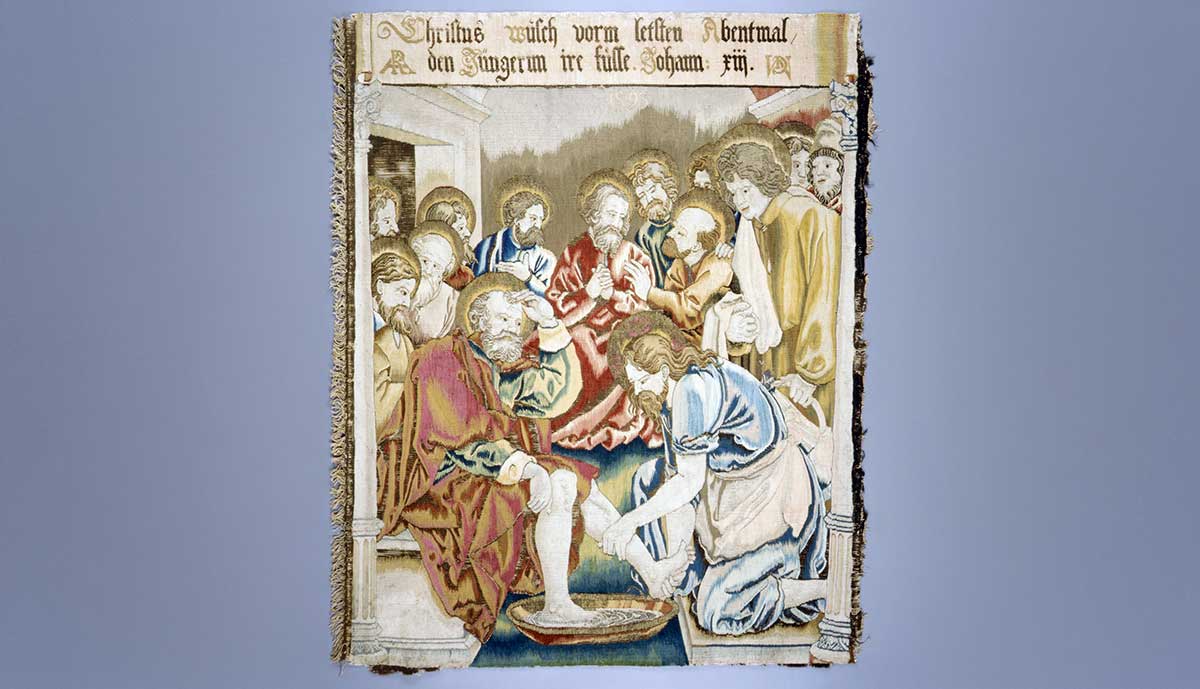
Saying that the fishermen were humble and ordinary does not necessarily mean they were poor. The family fishing businesses meant long hours and hard work, but it was likely considered “good, honest work” at the time.
Other disciples also left behind their success to follow Jesus, such as Matthew, a tax collector, and Luke, a doctor.
The significance of Christ’s call to discipleship is also evident in other passages where we see people who were called but who hesitated. In one account, someone asks if they can first go bury their father who recently died, to which Jesus responds: “Let the dead bury their own dead, but you go and proclaim the kingdom of God” (Luke 9:59-62).
The rich young ruler is another account of someone who was close to becoming a disciple, but whose possessions and love of money held him back (Matthew 19:16-30).
Understanding What it Meant to Fish for Men

“They were casting a net into the lake, for they were fishermen. “Come, follow me,” Jesus said, “and I will send you out to fish for people.” At once they left their nets and followed him.”
— Matthew 4:18-20, NIV
Despite being God incarnate, Jesus often chose to speak to people in ways they could understand. He used parables to teach, and spoke in metaphors that applied to each listener’s unique context. His teachings have a timeless effect on them, as the words used often still carry weight today.
Jesus gave the disciples a glimpse of what their job description would be as his disciples— he was saying: “Instead of fishing for fish, follow Me and I will show you how you can fish for people.” He translated their physical skills into a spiritual mission.
Being a disciple of Jesus meant that you participated in the Great Commission, where all disciples were tasked to take on the role of making more disciples (fishing for men).
Political and Spiritual Unrest in First-Century Judea

Stepping out of the boat with the disciples, let’s consider for a moment the socio-cultural context around them. What were they following Jesus into?
As Jews, these men were in anticipation of God’s promised Messiah coming to save them from oppression and suffering. They knew the prophecies about a coming King, and they hoped he’d overthrow the Roman Empire and give them freedom.
In later years, the Jews were genuinely disappointed when they discovered Jesus came as a humble, servant-hearted leader. They were hoping for vindication, vengeance, and war— someone like Alexander the Great. But they got a donkey-riding teacher who dined with sinners.
The Call to Discipleship is Radical

Discipleship is a call to “pick up one’s cross and follow Him”— It is based on dying to oneself and living for Him. Galatians 2:20 explains this well when Paul writes, “I have been crucified with Christ and I no longer live, but Christ lives in me.”
The term “disciple” is becoming something of a buzzword nowadays among Christians again. More and more believers are returning to this perspective of truly “counting the cost” and following Him wholeheartedly— leaving behind careers, security, dreams, and other forms of identity.
“Our discipleship to Jesus Christ costs us nothing less than everything.” — Richard Foster